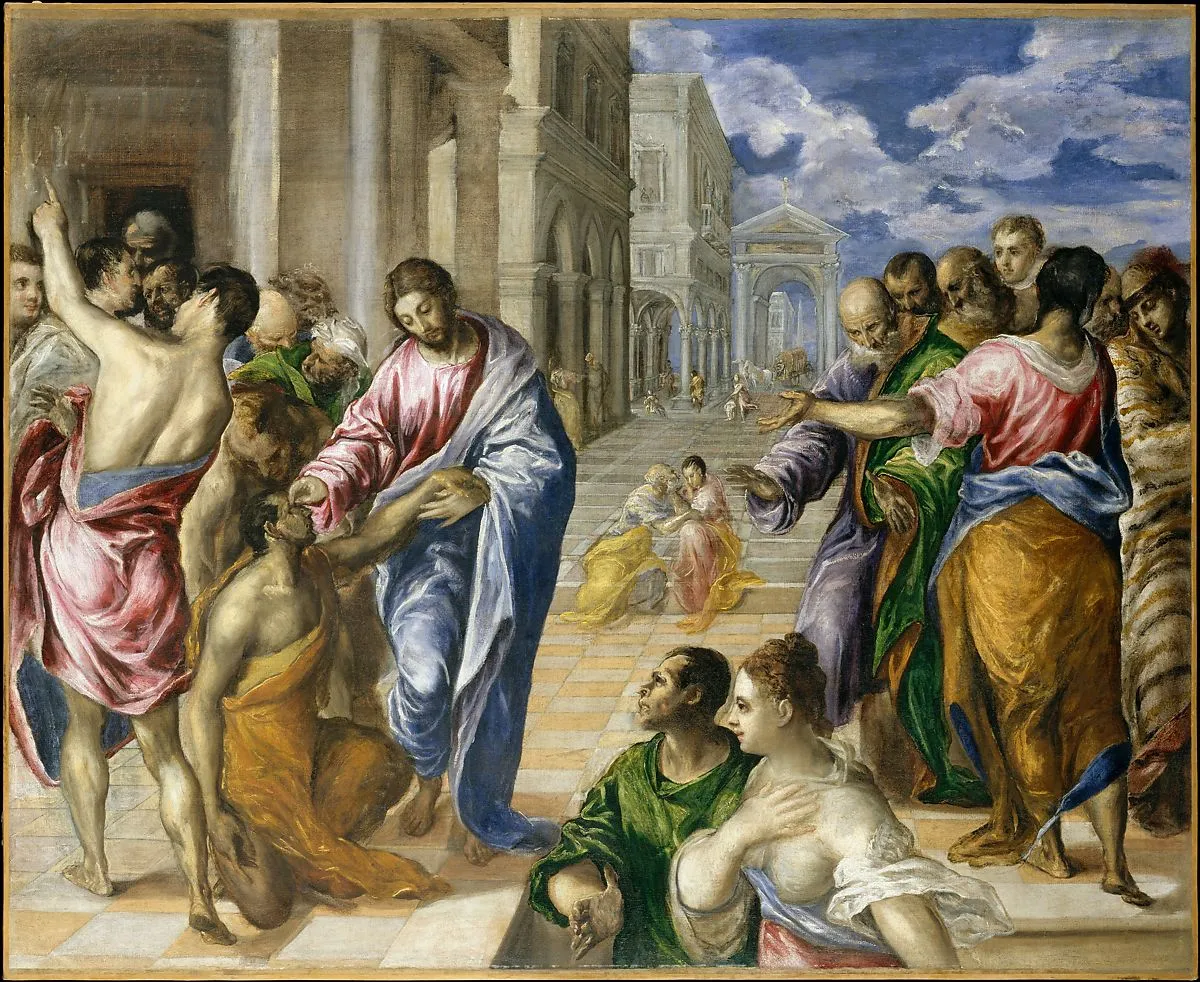
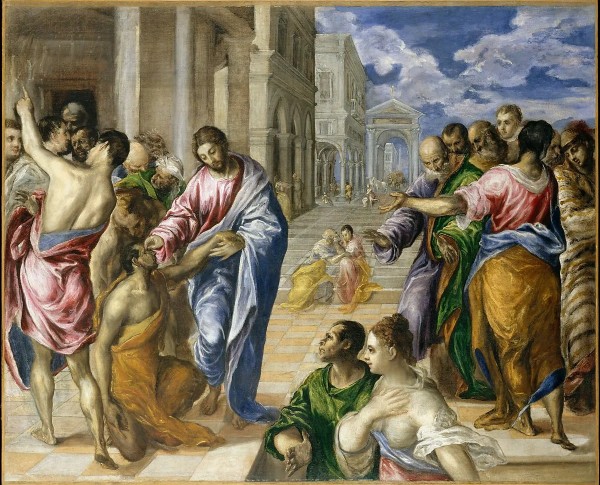
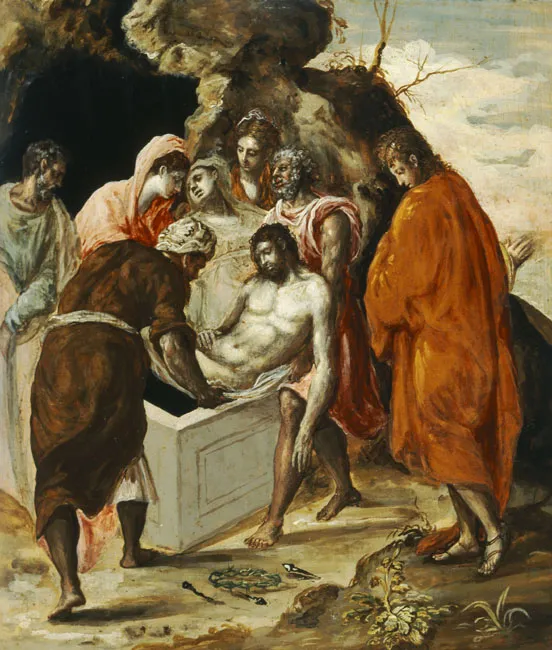
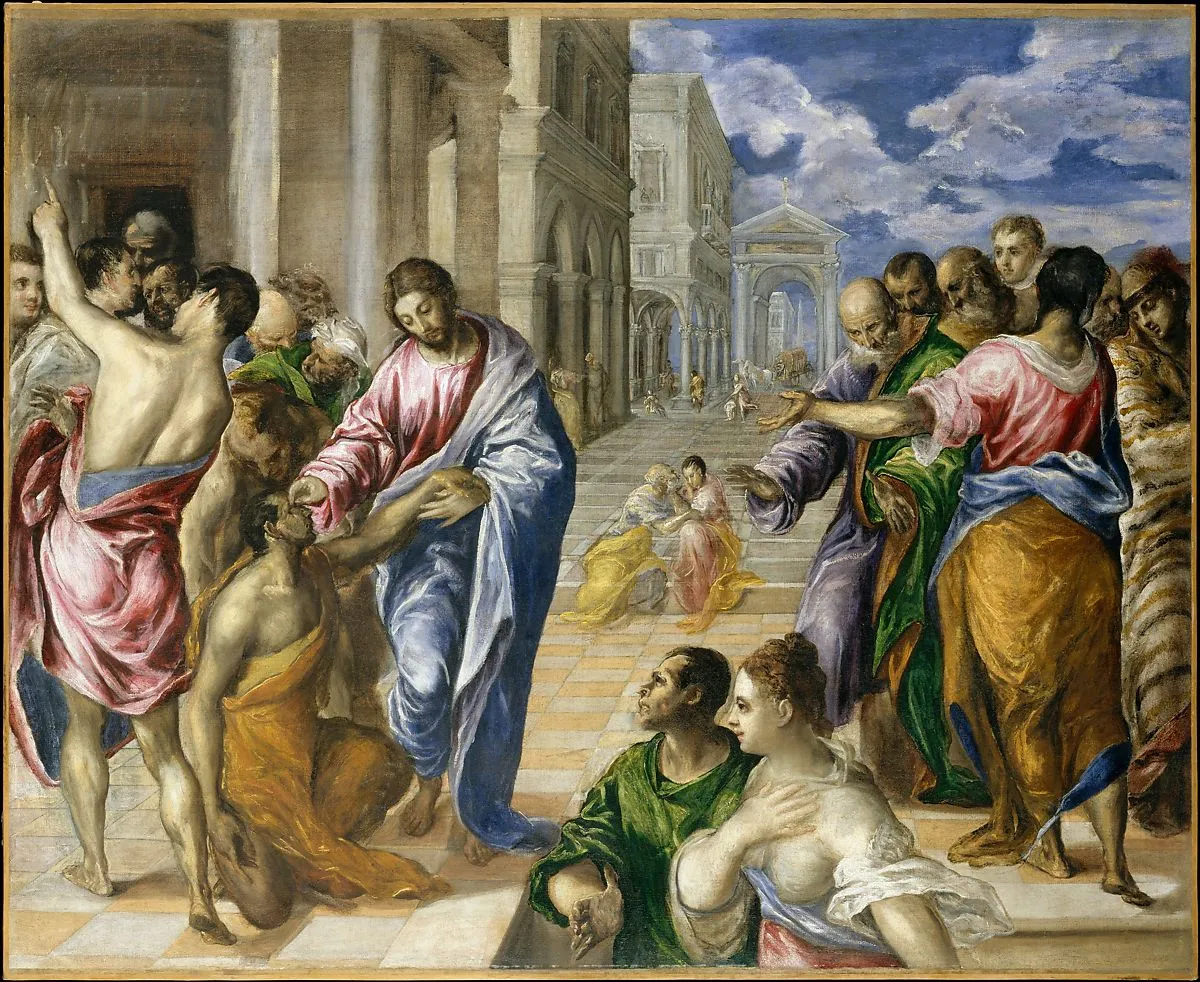
"The Entombment of Christ" exemplifies El Greco’s unique approach to oil on canvas, blending elongated figures with dramatic lighting and vibrant color. His technique, a hallmark of the Mannerism movement, is evident in every brushstroke, evoking deep emotion and spirituality. For those captivated by his artistry, related works like "Christ healing the blind man" and "Christ driving the traders from the temple" offer further insight into his remarkable style and technical brilliance.
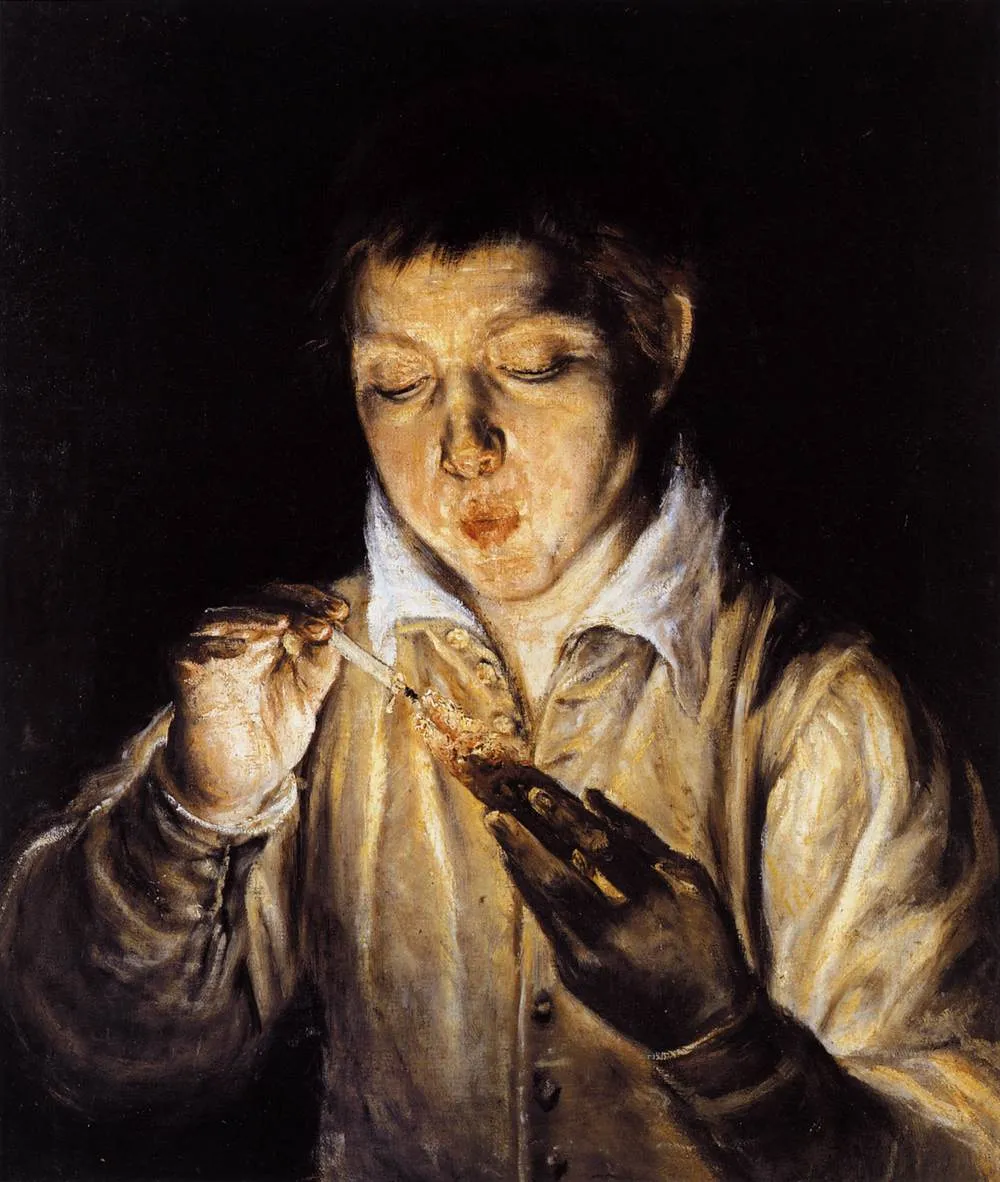
This fine art painting for sale is more than a visual masterpiece; it is a narrative rich in symbolism and emotion. El Greco’s "The Entombment of Christ" weaves biblical themes with expressive gestures, inviting viewers to contemplate faith and sacrifice. The painting shares thematic resonance with works like "A boy blowing on an ember to light a candle" and "Mount Sinai," making it a compelling addition to any thoughtful art collection.
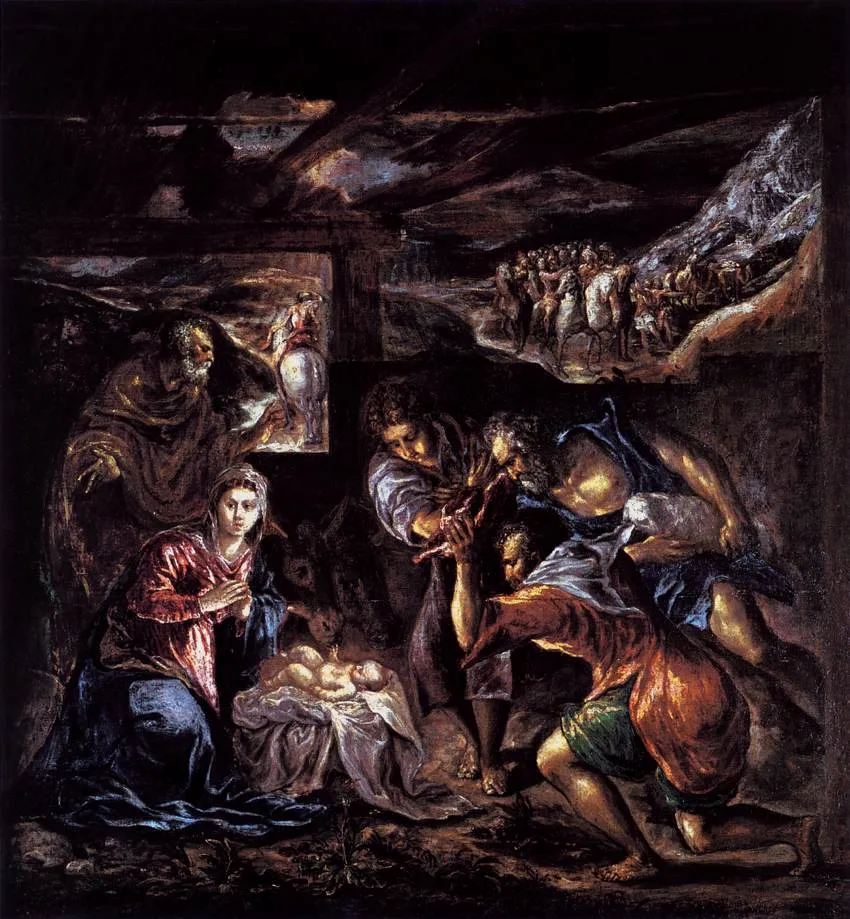
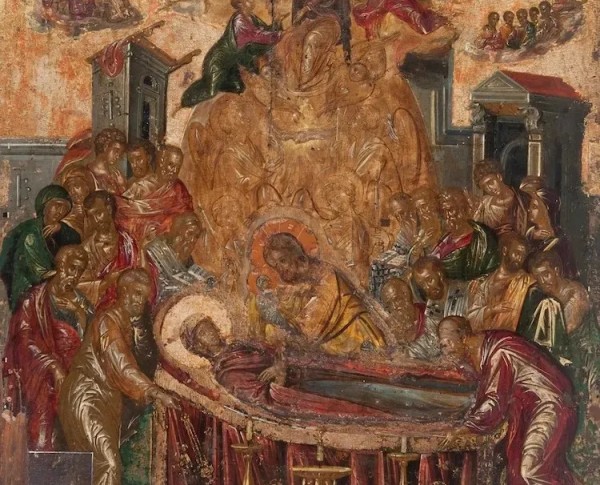
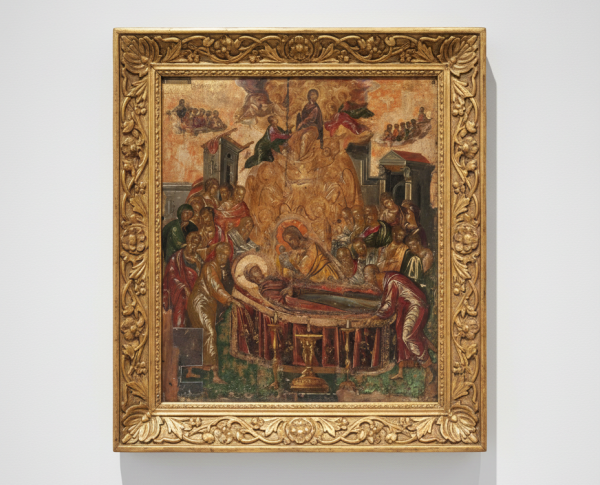
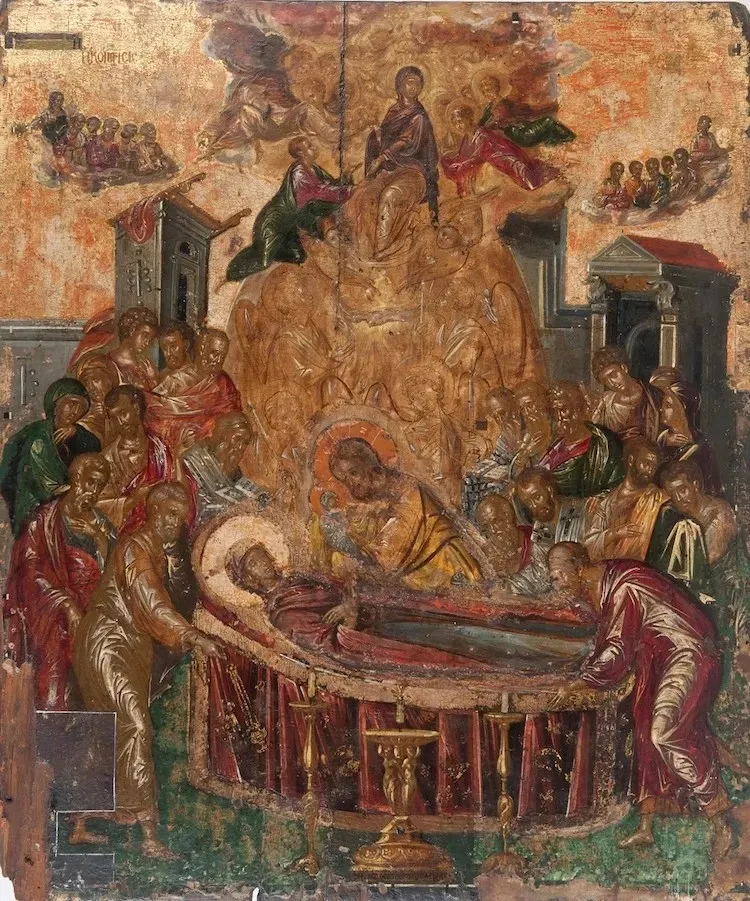
For discerning collectors, "The Entombment of Christ" stands as a testament to El Greco’s genius in the Mannerism movement. This hand-painted oil painting is highly sought after, prized for its historical depth and artistic innovation. Pairing it with related masterpieces, such as "Dormition of the Virgin" or "Adoration of the Shepherds," creates a curated selection that celebrates the enduring allure of El Greco’s oil on canvas works in any fine art collection.
When Art Meets History
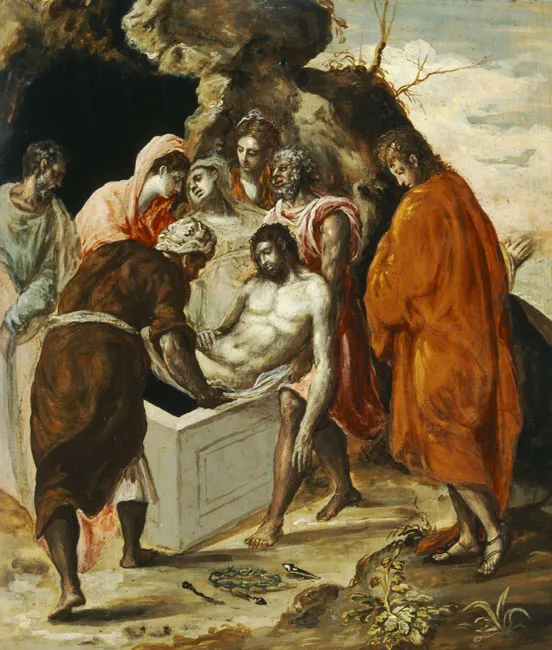
"The Entombment of Christ" by Doménikos Theotokópoulos, famously known as El Greco, stands as a profound testament to the religious fervor and stylistic innovation of the Mannerism movement. This hand-painted oil painting captures a pivotal moment in Christian history, blending spiritual intensity with artistic mastery. El Greco's unique vision in this masterpiece distinguishes it from other works of the period, making it a sought-after highlight for those interested in the intersection of history and art.
Techniques That Speak
El Greco’s "The Entombment of Christ" is celebrated for its dramatic use of color and elongated forms, characteristic of the Mannerism style. Painted in oil on canvas, the work demonstrates the artist’s technical prowess through expressive brushstrokes and a masterful play of light and shadow. These artistic choices not only evoke a sense of movement but also reflect El Greco’s innovative approach, which set his fine art painting apart from contemporaries and continues to inspire admiration among art enthusiasts.
Emotions on Display
The emotional intensity of "The Entombment of Christ" radiates from every figure, each rendered with a haunting expressiveness unique to El Greco’s hand-painted oil painting style. As part of the Mannerism movement, the artwork conveys grief, reverence, and hope through dynamic composition and vibrant hues. These elements invite viewers to connect deeply with the narrative, making the painting a powerful example of how fine art can evoke profound emotional responses in those who experience it.
Coveted by Collectors
With its striking visual impact and historical significance, "The Entombment of Christ" remains a coveted fine art painting for sale among collectors and museums worldwide. El Greco’s masterwork, emblematic of the Mannerism movement, is not only a prized possession but also a touchstone for those who appreciate oil on canvas techniques. Its rarity and influence ensure lasting interest, making it a centerpiece wherever it is displayed and a testament to the enduring legacy of Doménikos Theotokópoulos.
Frequently Asked Questions About The Entombment of Christ
What is the historical context of "The Entombment of Christ"?
"The Entombment of Christ" was painted by Doménikos Theotokópoulos, also known as El Greco, in the late 16th century, a time when the Counter-Reformation was influencing art in Spain. The painting reflects the emotional intensity and spiritual themes prevalent in this period.
What artistic techniques did El Greco use in this painting?
El Greco employed a unique combination of elongated figures, dramatic lighting, and vibrant colors to convey emotion and movement. The use of chiaroscuro enhances the three-dimensionality of the figures, while the swirling drapery adds dynamism to the composition.
What is the significance of the figures depicted in the painting?
The figures in "The Entombment of Christ" include Christ, the Virgin Mary, and various apostles. Their expressions of grief and reverence highlight the profound sorrow of Christ's death, emphasizing themes of loss and redemption central to Christian belief.
How does El Greco's style reflect the themes of the painting?
El Greco's distinctive style, characterized by elongated forms and expressive color palettes, enhances the emotional weight of the scene. The ethereal quality of the figures suggests a connection between the earthly and the divine, reinforcing the spiritual themes of sacrifice and resurrection.
What role does light play in "The Entombment of Christ"?
Light serves as a crucial element in the painting, illuminating Christ's body and creating a focal point that draws the viewer's attention. The contrast between light and shadow not only adds depth but also symbolizes the divine presence amidst human suffering.
What is the symbolism of the colors used in the painting?
The color palette of "The Entombment of Christ" features deep reds, blues, and whites, which symbolize various aspects of the narrative. Red signifies sacrifice and martyrdom, while blue often represents divinity and the Virgin Mary, enhancing the overall spiritual message.
How does this painting compare to other works by El Greco?
This painting is emblematic of El Greco's mature style, which combines Byzantine influences with Western techniques. Compared to his other works, "The Entombment of Christ" showcases his ability to convey deep emotion and spirituality, a hallmark of his oeuvre.
What is the significance of the composition in this painting?
The composition is carefully structured, with Christ's body at the center, surrounded by mourners. This arrangement not only directs the viewer's gaze but also symbolizes the centrality of Christ's sacrifice in Christian theology, reinforcing the narrative's importance.
What impact did "The Entombment of Christ" have on later artists?
The emotional intensity and dramatic use of light and color in "The Entombment of Christ" influenced subsequent generations of artists, particularly those in the Baroque period. El Greco's approach to depicting religious themes paved the way for more expressive and dynamic representations of biblical narratives.
Where can I view "The Entombment of Christ" today?
"The Entombment of Christ" is housed in the Museo del Prado in Madrid, Spain. It remains a significant work within the collection, attracting art enthusiasts and scholars interested in El Greco's unique contribution to the history of art.






















_GFM_Painting_(1).webp)


 100% Hand-Painted: Finished in 3-6 Weeks

.png)















_(1).webp)