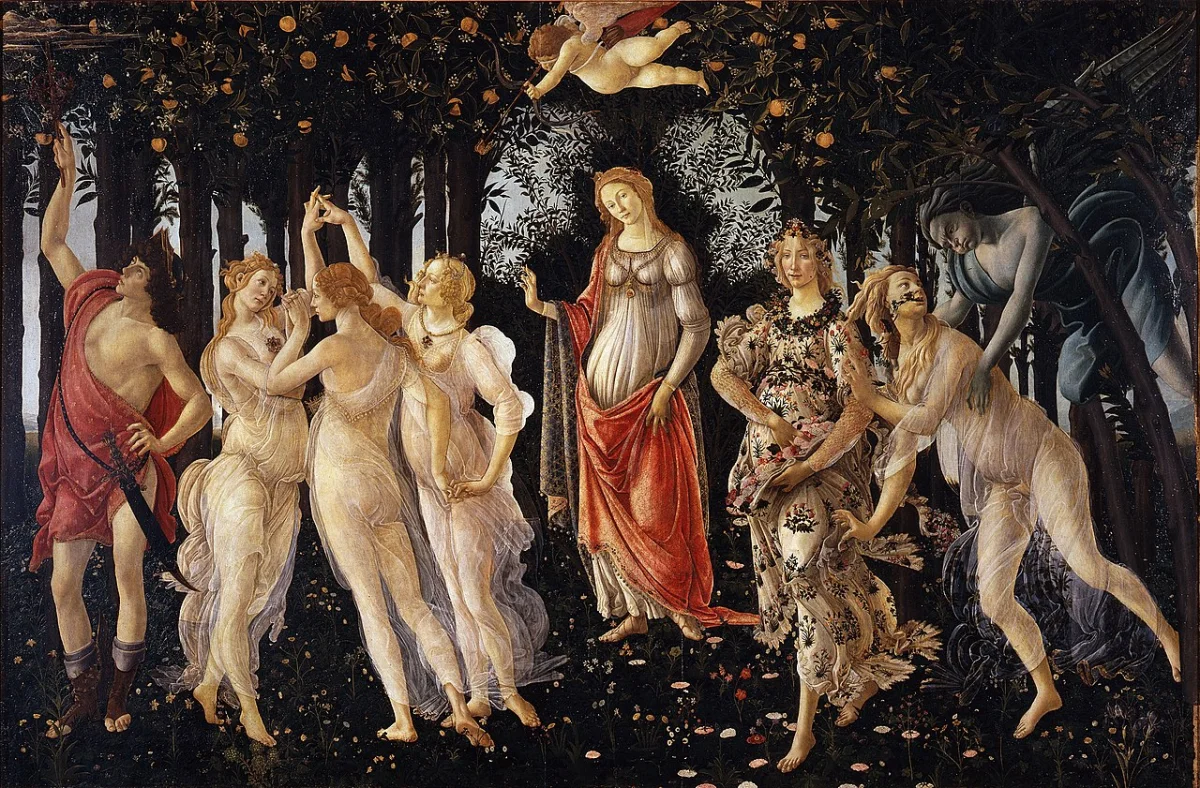
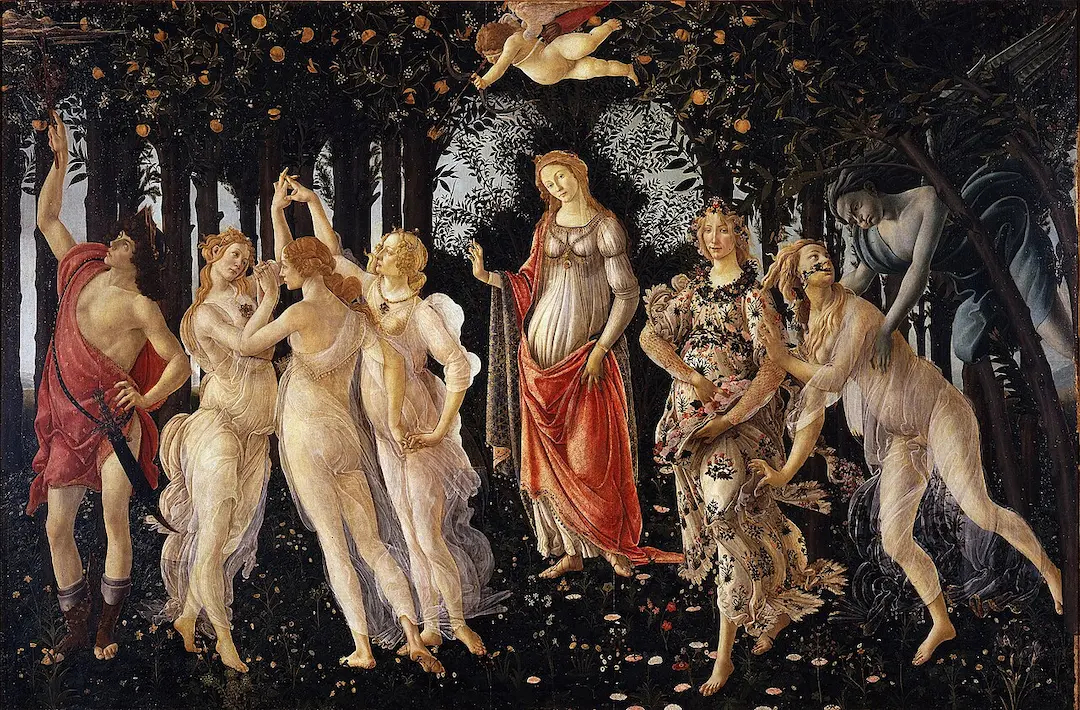
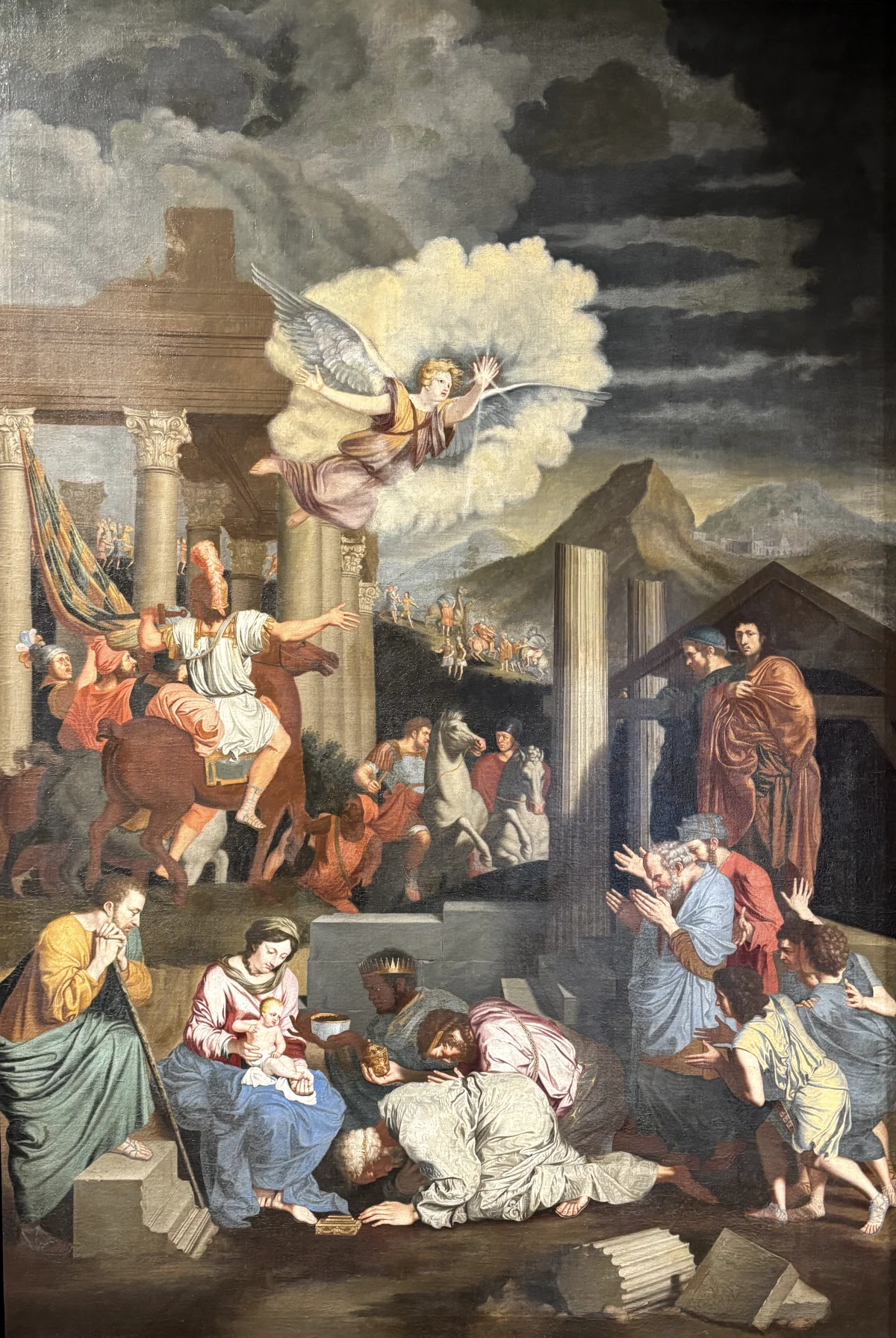
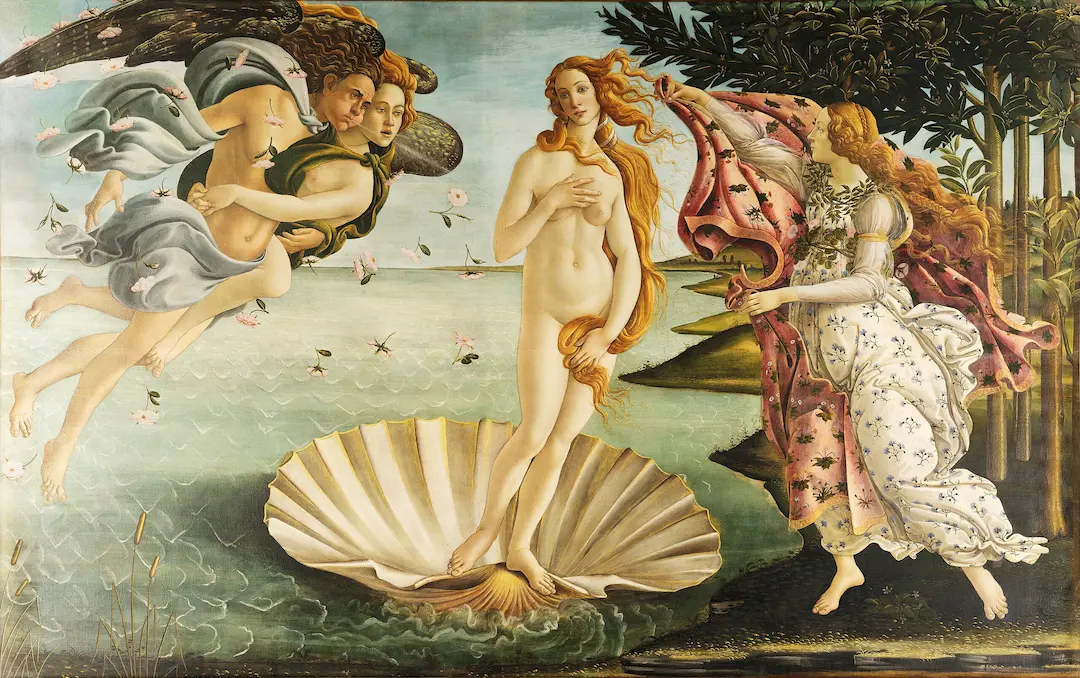
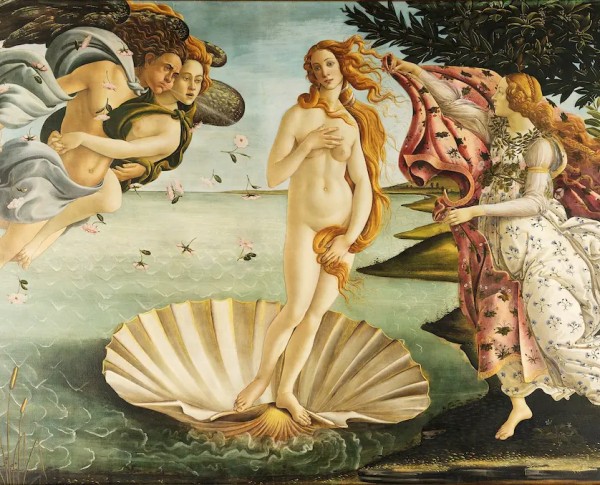
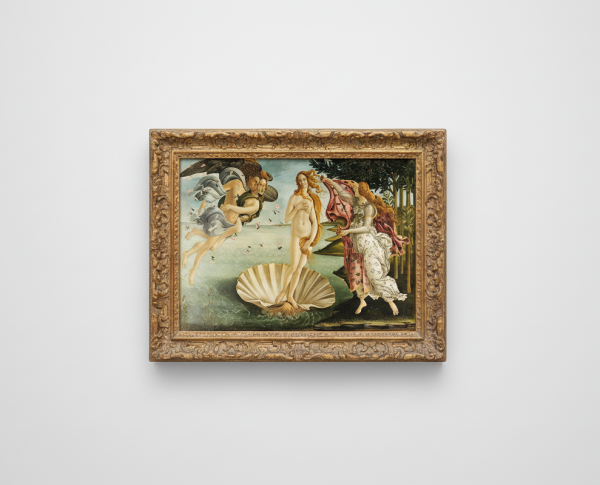
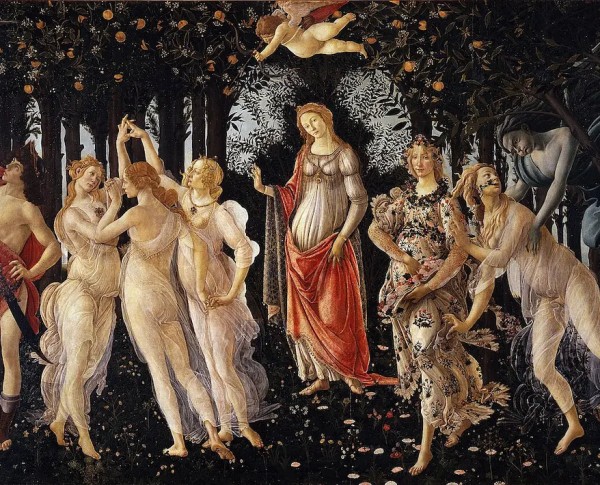
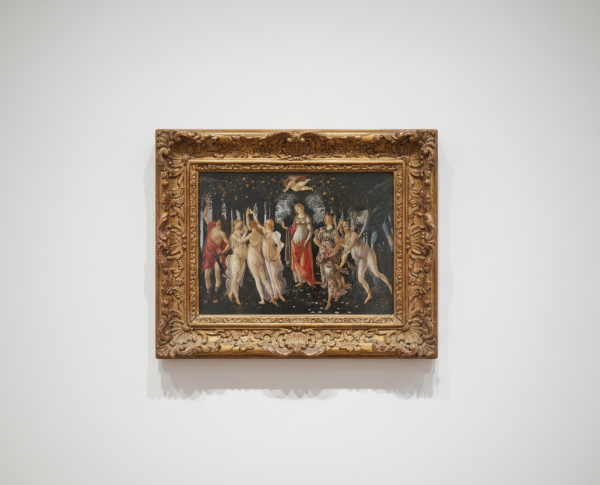
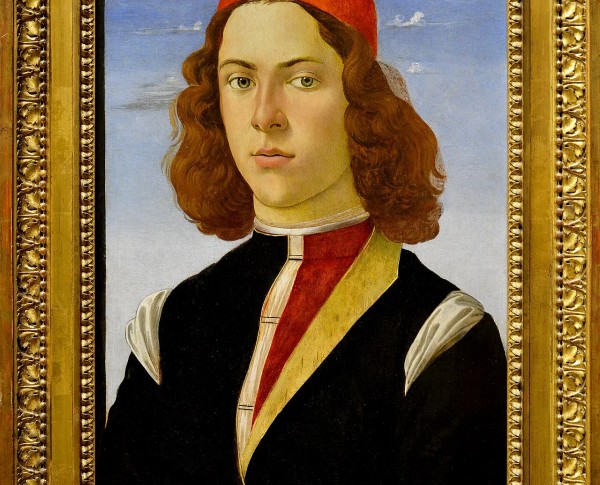
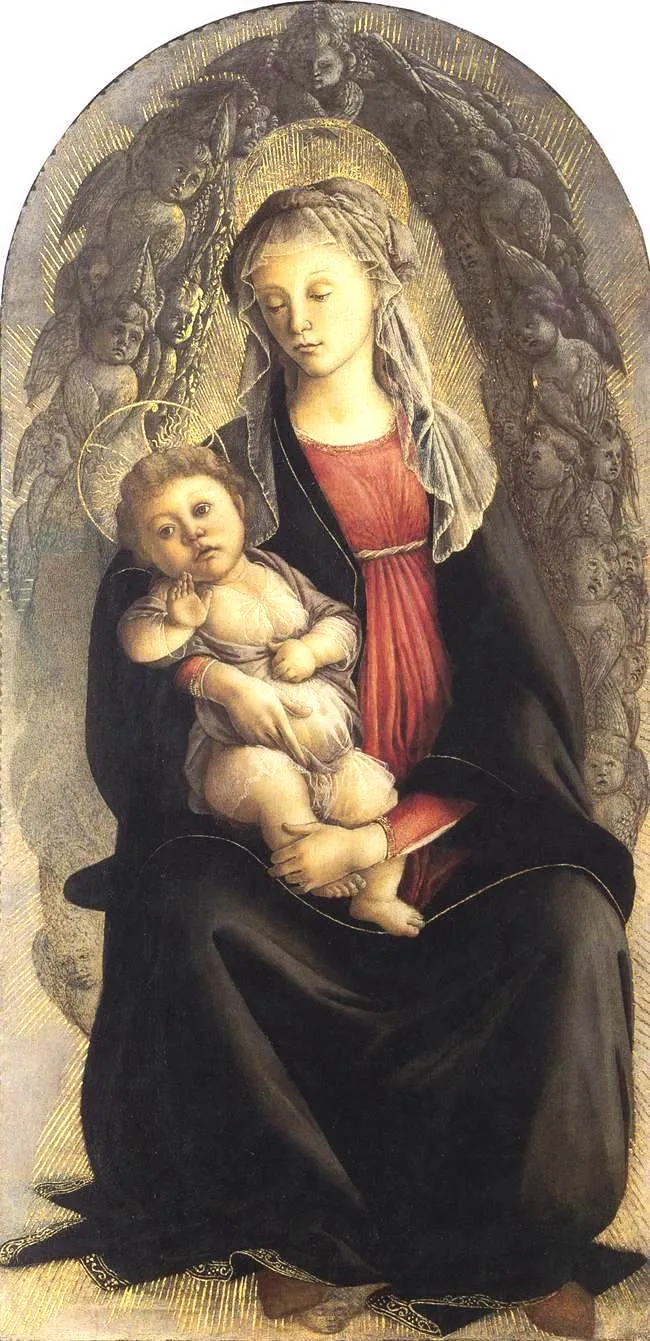
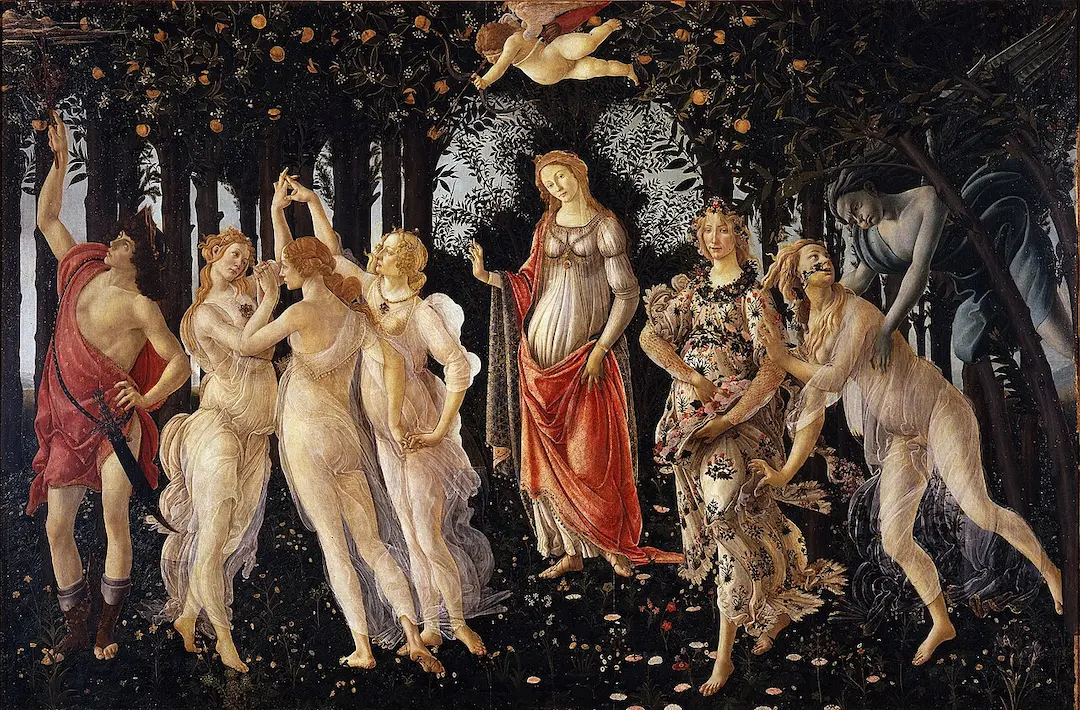
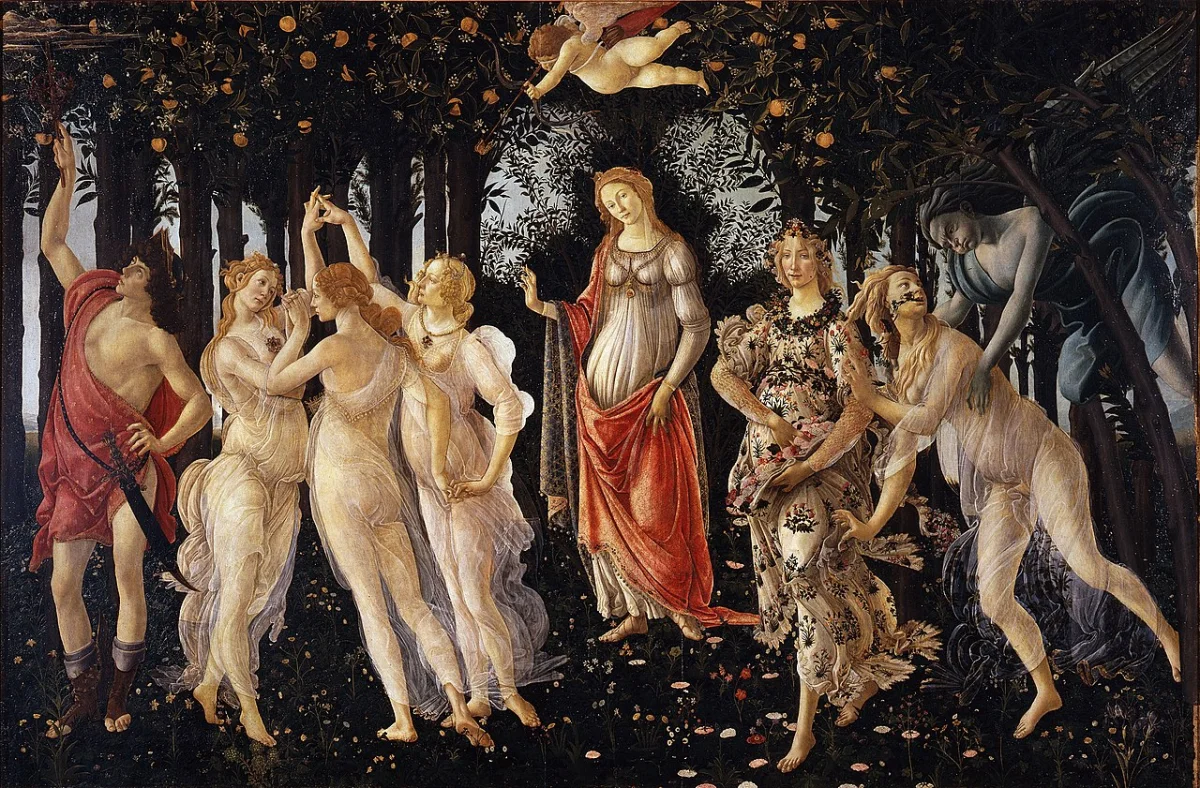
"Madonna in Glory with Seraphim" stands as a testament to the genius of Alessandro Filipepi, better known as Sandro Botticelli, a master of the Early Renaissance. This hand-painted oil painting captures the ethereal beauty and spiritual significance characteristic of Botticelli's work. Collectors and enthusiasts often seek out related masterpieces such as "Birth of Venus (La Nascita di Venere)" and "Primavera," both of which showcase the artist’s lasting influence on fine art painting for sale worldwide.
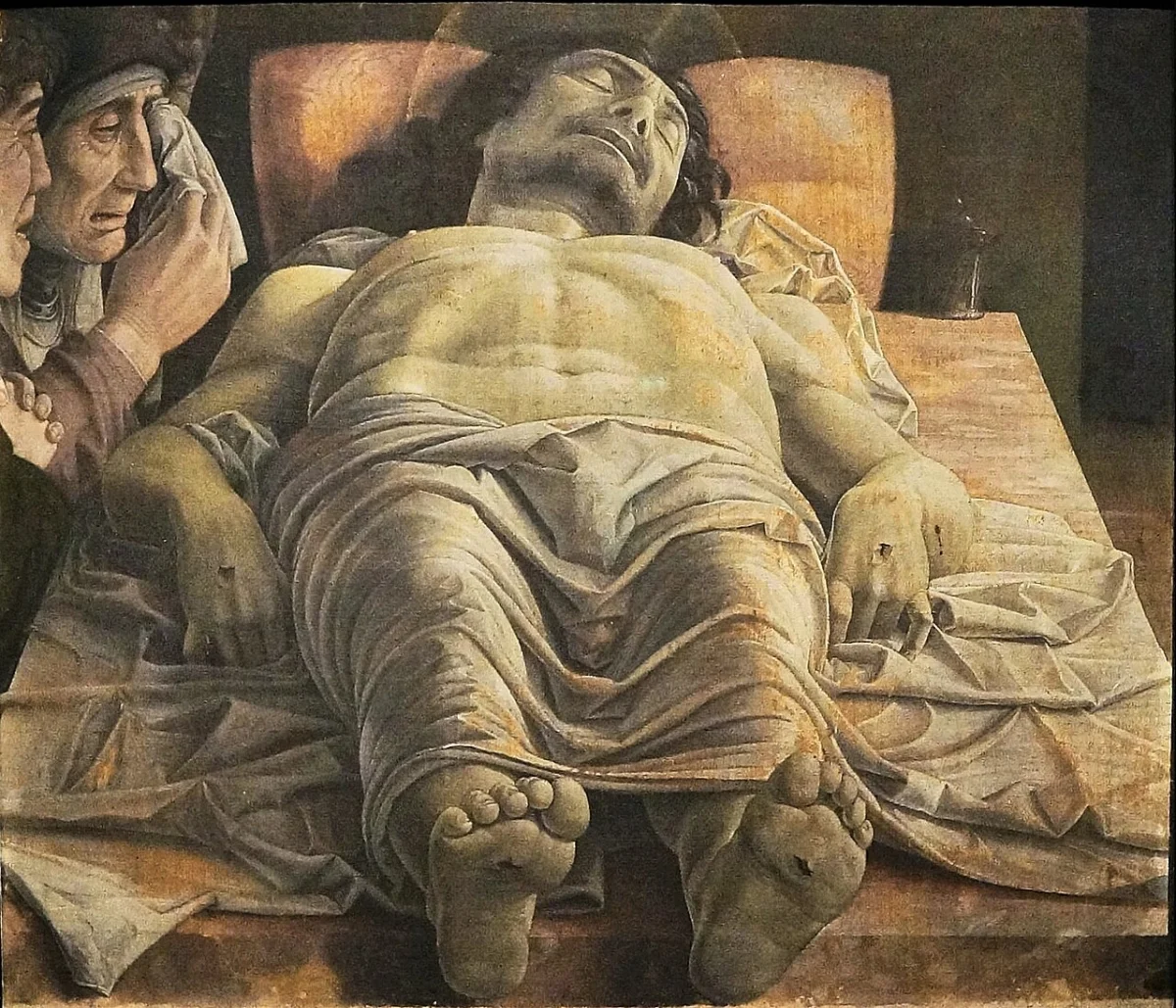
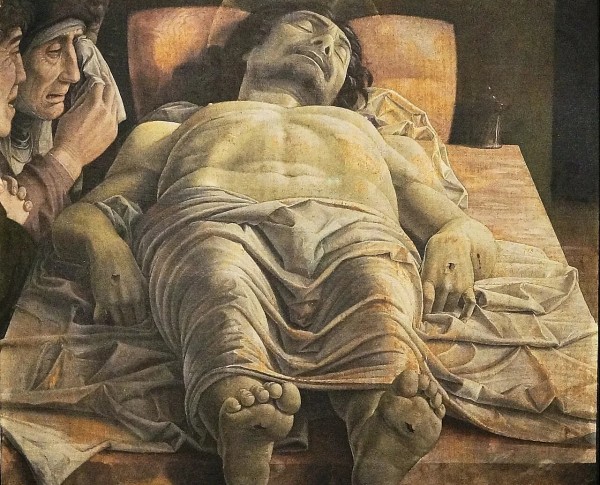
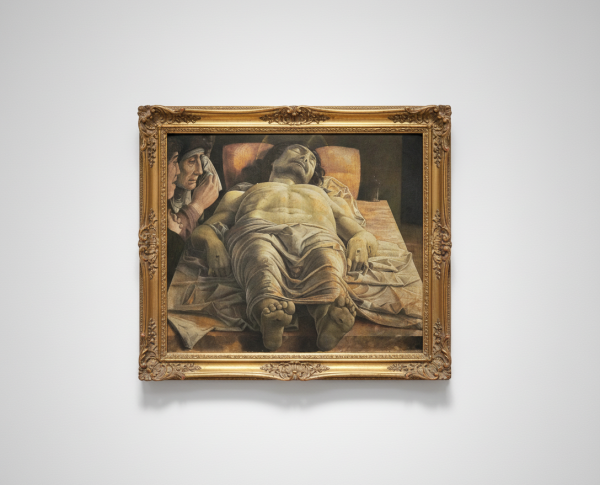
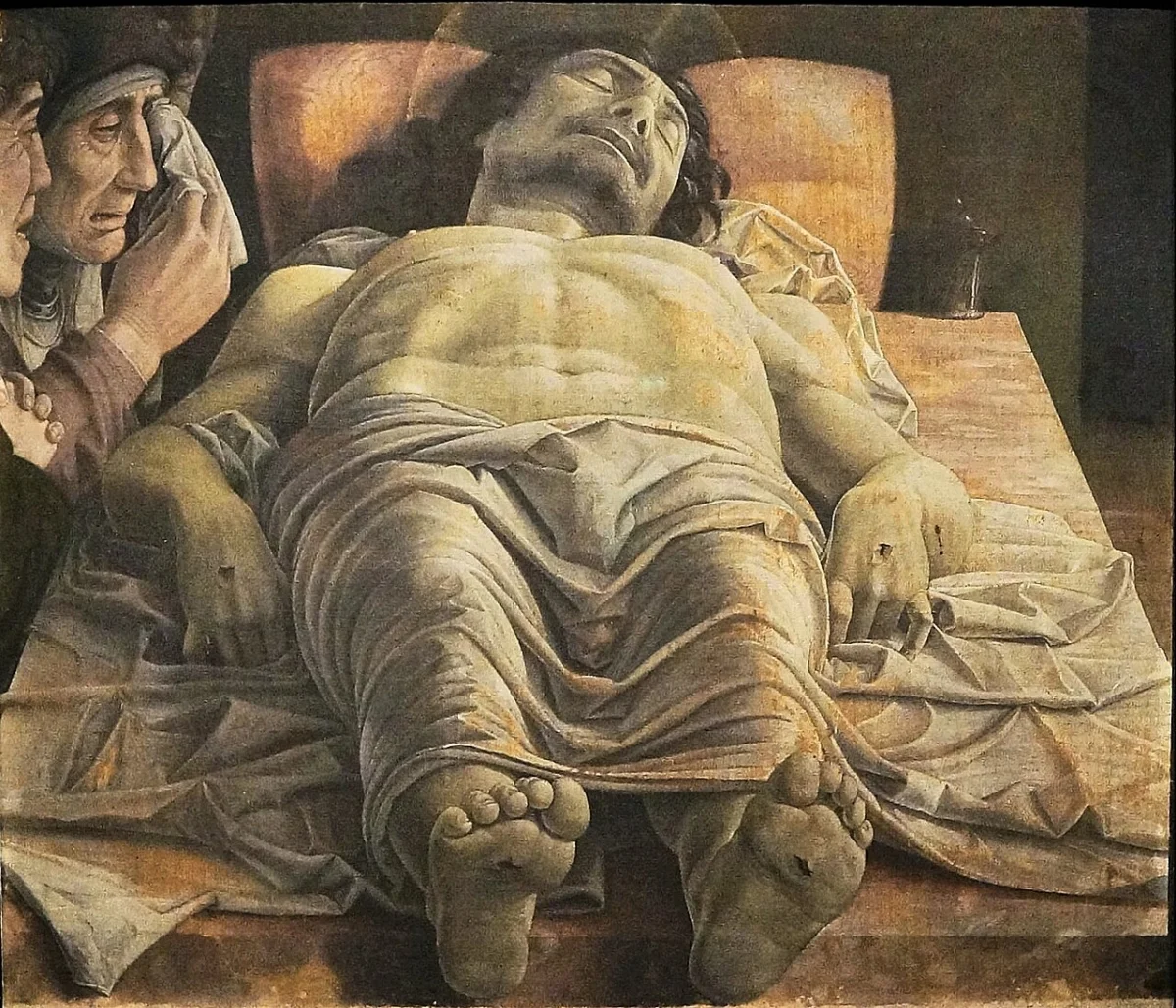
Botticelli’s skillful use of oil on canvas in "Madonna in Glory with Seraphim" reveals a delicate interplay of light, color, and emotion. The Early Renaissance movement is defined by such attention to detail, and this painting exemplifies the period’s innovation. Art lovers interested in Botticelli’s masterful technique may also appreciate related works like "Madonna and Child with Six Saints" and "Lamentation over the Dead Christ," which highlight the artist’s command over oil on canvas.
Every element of "Madonna in Glory with Seraphim" is rich with symbolism, reflecting the spiritual themes of the Early Renaissance. Botticelli’s depiction of the Madonna surrounded by radiant seraphim invites viewers to contemplate divine love and grace. Collectors seeking a fine art painting for sale that tells a profound story may also explore Botticelli’s "Madonna with two angels" and "Fortitude," each filled with allegorical meaning and masterful artistry.
When Art Meets History
"Madonna in Glory with Seraphim" by Alessandro Filipepi, known as Sandro Botticelli, is a remarkable example of Early Renaissance art. This hand-painted oil painting captures the spiritual fervor and artistic innovation of its era. Botticelli, celebrated for masterpieces like "The Birth of Venus," brought religious subjects to life with delicate beauty. The painting reflects the period's fascination with sacred figures, making it a significant piece for those interested in the evolution of Renaissance religious art.
Techniques That Speak
Botticelli’s technique in "Madonna in Glory with Seraphim" showcases his mastery of oil on canvas. The artist’s delicate brushwork and vibrant palette highlight the ethereal presence of the Madonna, surrounded by celestial seraphim. This approach typifies the Early Renaissance movement, where artists experimented with perspective, color, and composition. Botticelli’s attention to detail and innovative use of light set his works apart, influencing generations of painters and contributing to the enduring appeal of Renaissance masterpieces.
Emotions on Display
The emotional resonance of "Madonna in Glory with Seraphim" is palpable, reflecting Botticelli's ability to evoke reverence and awe. The serene expression of the Madonna, enveloped by angelic figures, creates a sense of peace and divinity. As an Early Renaissance fine art painting for sale, it appeals to collectors and admirers of spiritual themes. Botticelli’s portrayal of sacred subjects invites viewers to connect with the transcendent, making his work timeless and universally admired.
Coveted by Collectors
Collectors highly prize "Madonna in Glory with Seraphim" for its historical significance and exquisite artistry. Botticelli’s contributions to the Early Renaissance, including this and other iconic works, continue to command admiration in the art world. The painting’s status as a hand-painted oil painting enhances its value and desirability. For those seeking to own a piece of art history, Botticelli’s masterpieces represent the pinnacle of Renaissance creativity and are cherished additions to any distinguished collection.
Frequently Asked Questions About Madonna in Glory with Seraphim
What is the historical context of "Madonna in Glory with Seraphim"?
This painting was created during the early Renaissance period, a time characterized by a revival of classical learning and a focus on humanism. Sandro Botticelli, the artist, was influenced by the cultural and religious shifts of 15th-century Florence.
Who commissioned "Madonna in Glory with Seraphim"?
The specific patron of this work is not definitively known, but it is believed to have been commissioned for a church or a private chapel, reflecting the importance of religious art during this era.
What are the primary themes depicted in the painting?
The painting primarily explores themes of divine grace, motherhood, and the celestial hierarchy, as represented by the Madonna and the seraphim surrounding her, symbolizing the connection between heaven and earth.
What artistic techniques did Botticelli employ in this painting?
Botticelli utilized tempera on wood, a technique that allows for fine detail and vibrant color. His use of linear perspective and soft, flowing lines enhances the ethereal quality of the figures.
What is the significance of the seraphim in the painting?
The seraphim are depicted as celestial beings that surround the Madonna, symbolizing her elevated status and the divine nature of her role as the Mother of Christ. They also represent the highest order of angels in Christian theology.
How does Botticelli's style contribute to the overall impact of the painting?
Botticelli's characteristic use of graceful lines, delicate features, and harmonious compositions creates a sense of serenity and beauty, enhancing the spiritual message of the work.
What role does color play in "Madonna in Glory with Seraphim"?
The color palette is rich yet soft, with golds and blues predominating, which not only highlights the divine nature of the subjects but also evokes a sense of tranquility and reverence.
In what ways does this painting reflect Botticelli's personal beliefs?
Botticelli's works often reflect his deep spiritual beliefs and interest in Neoplatonism, which sought to reconcile classical philosophy with Christian theology, evident in the idealized beauty of the Madonna and the heavenly context.
What influences can be seen in Botticelli's portrayal of the Madonna?
The portrayal of the Madonna in this painting reflects both Byzantine and Renaissance influences, combining the traditional iconography of the Virgin Mary with a more humanized and approachable representation.
What is the current location of "Madonna in Glory with Seraphim"?
The painting is housed in a prominent art gallery or museum, where it continues to be appreciated for its artistic and historical significance, attracting visitors interested in Renaissance art.






















_GFM_Painting_(1).webp)


 100% Hand-Painted: Finished in 3-6 Weeks

.png)












.webp)



_(1).webp)