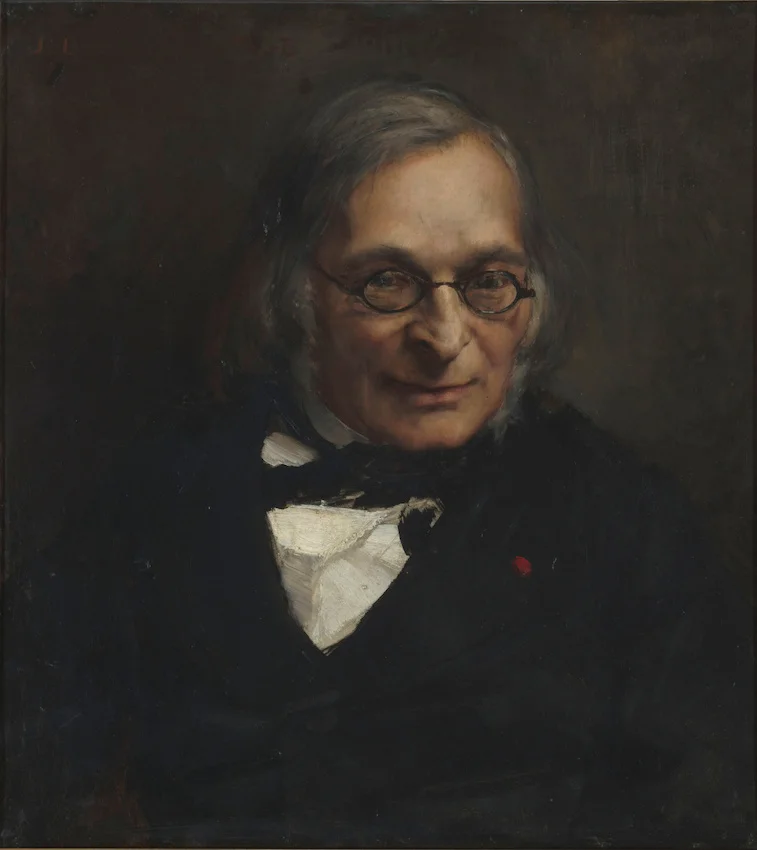
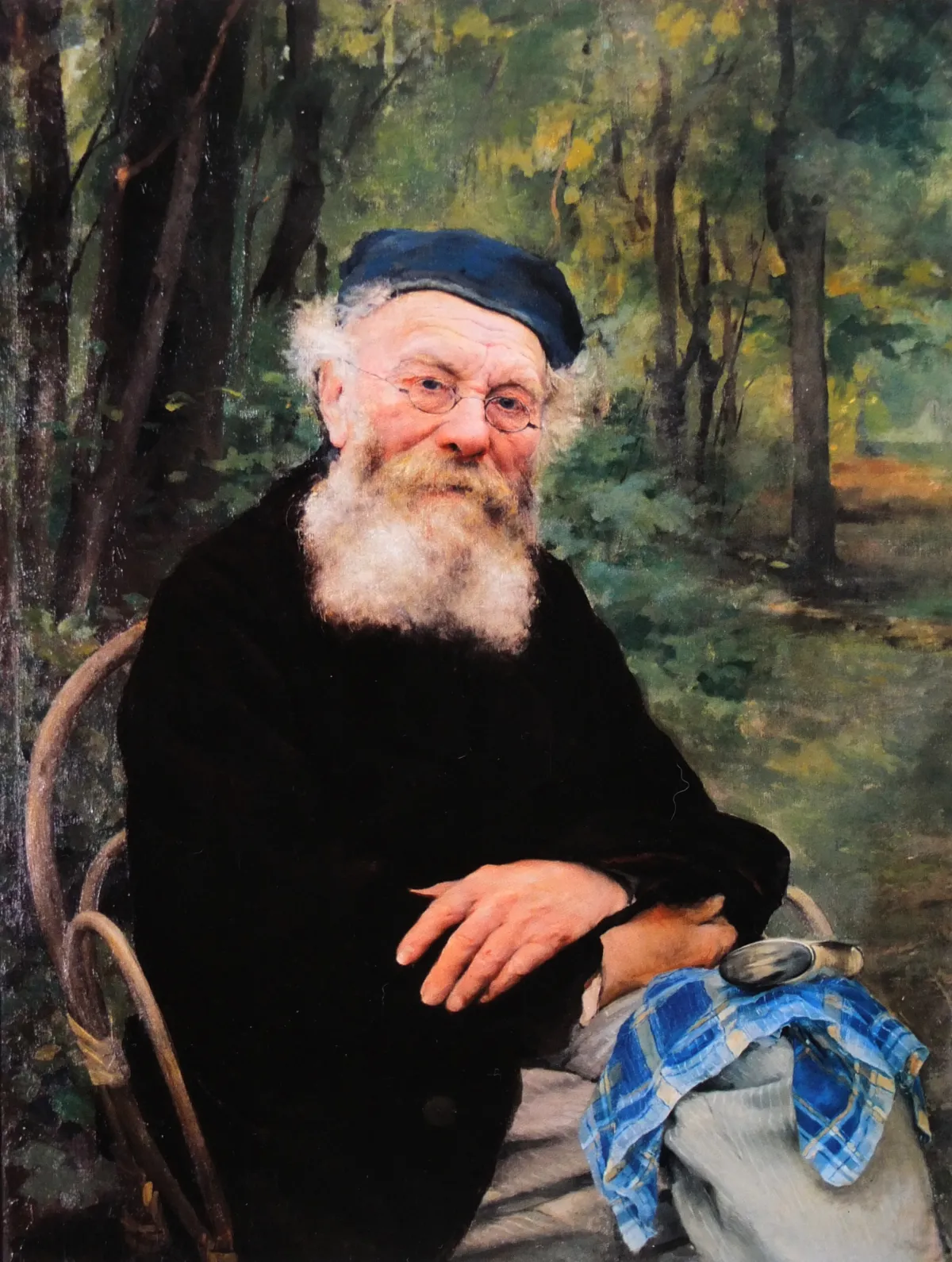
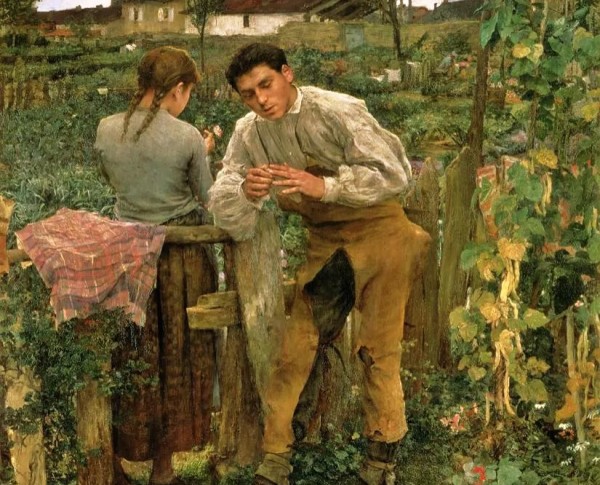
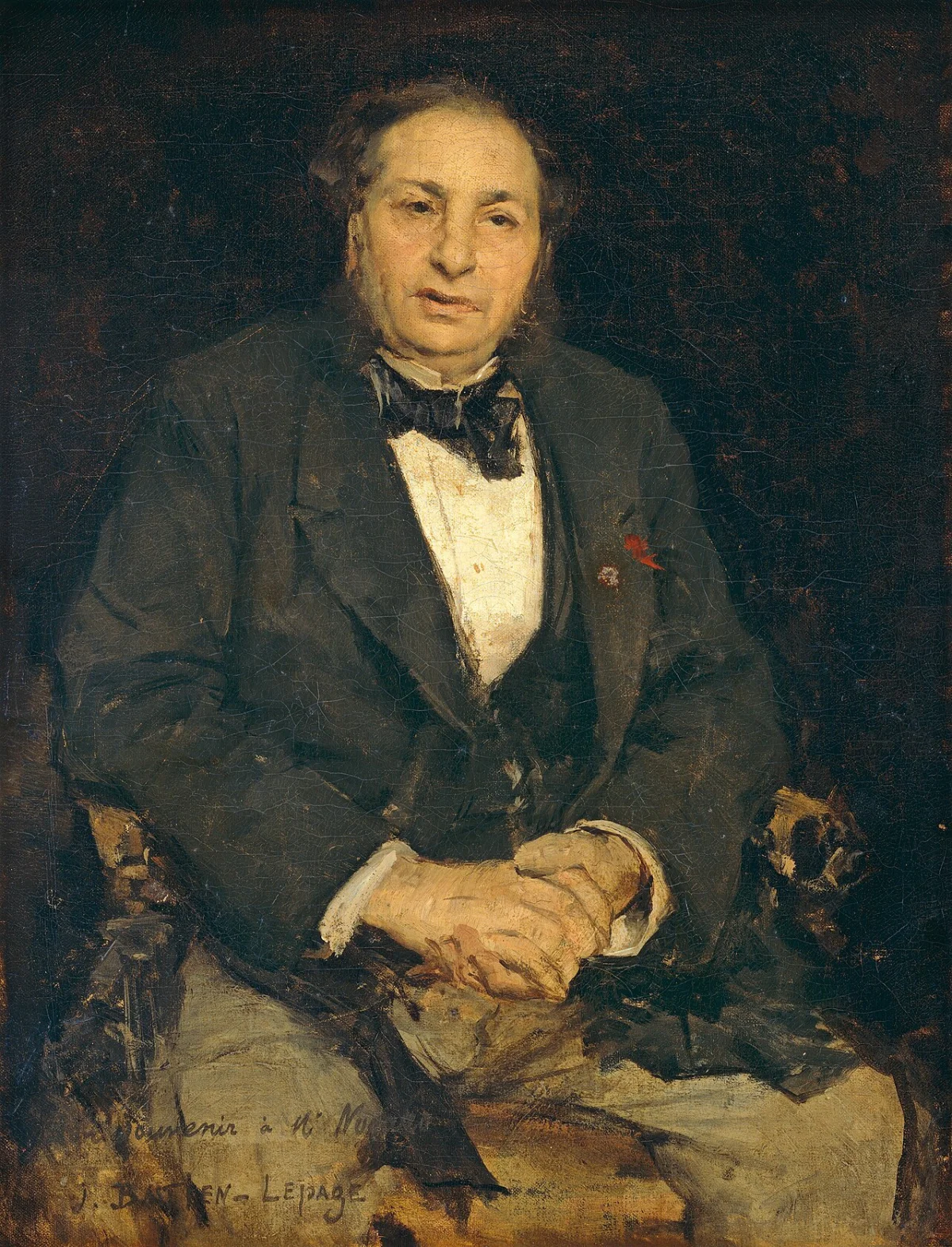
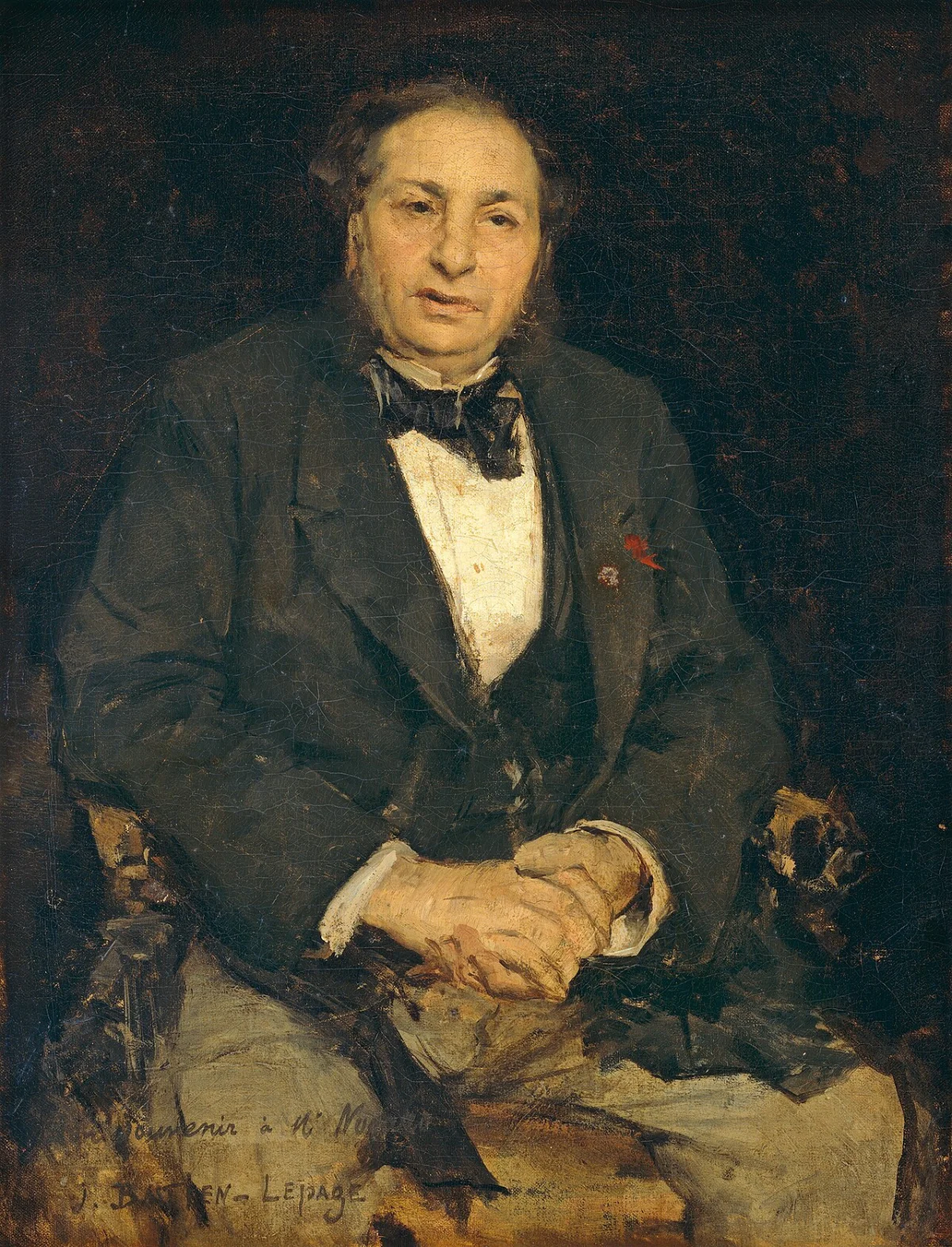
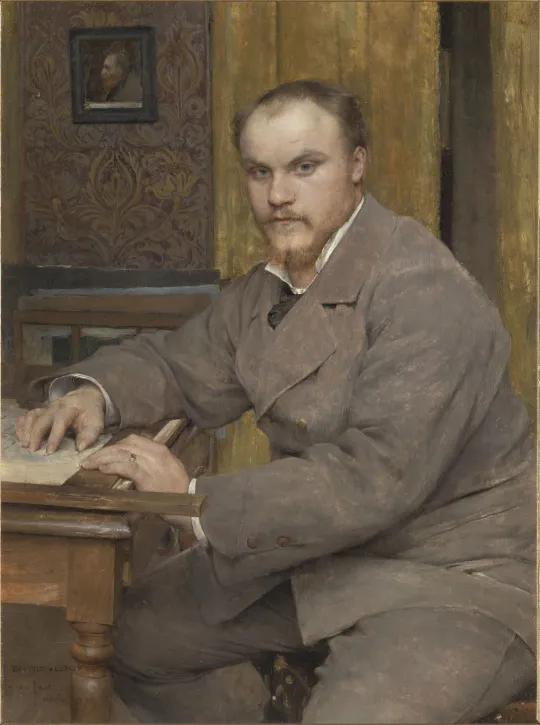
Bastien Lepage’s technical prowess shines in "Simon Hayem," where each brushstroke brings depth and authenticity to the subject. Utilizing oil on canvas, Lepage’s meticulous attention to detail mirrors the approach seen in related products like "October, Snow Effect" and "Damvillers." The Naturalism movement’s emphasis on truthful representation is evident throughout this artwork, showcasing the artist’s unique ability to combine technical mastery with emotional resonance in every hand-painted oil painting.
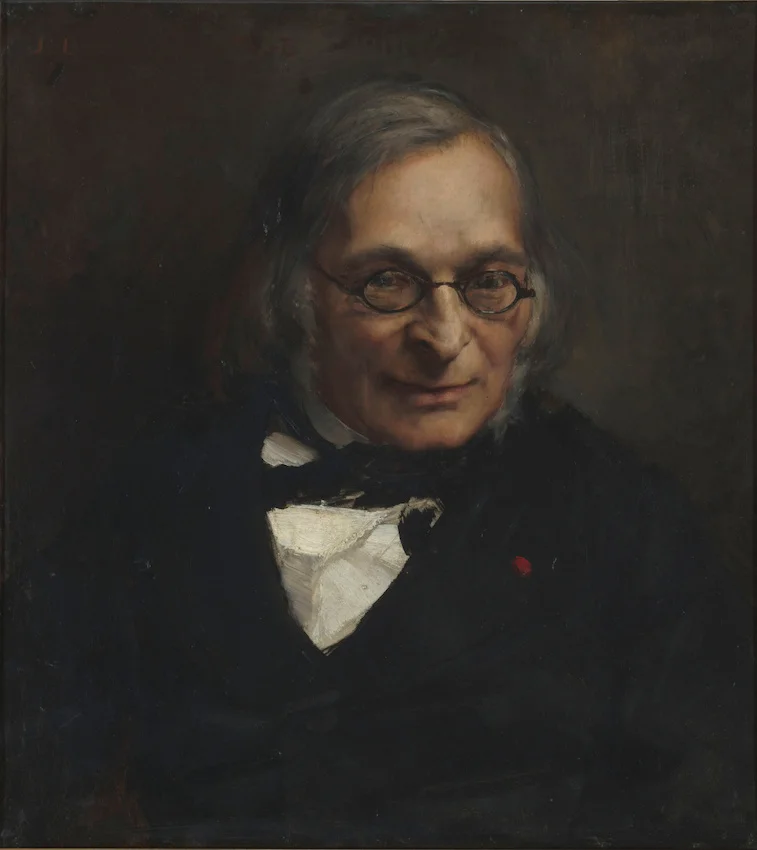
Within "Simon Hayem," Bastien Lepage weaves subtle narratives and symbols that reflect the Naturalism movement’s dedication to depicting real life. The painting recalls connections with figures like Adolphe Franck, the French philosopher, and Émile Bastien-Lepage, infusing the work with intellectual and familial undertones. This oil on canvas serves not only as a portrait but also as a story-rich artifact, inviting viewers to explore deeper meanings behind every glance and gesture.
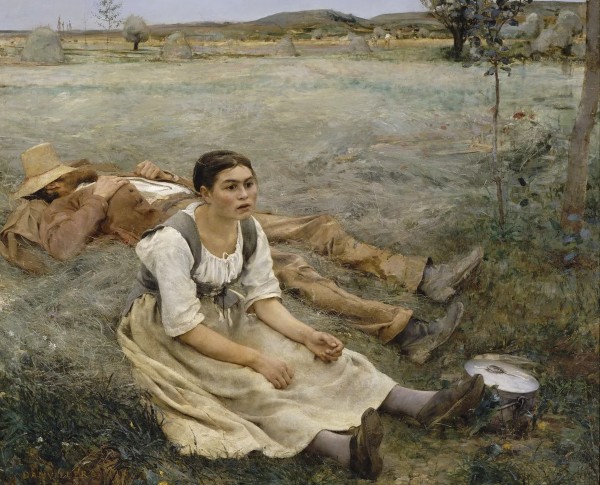
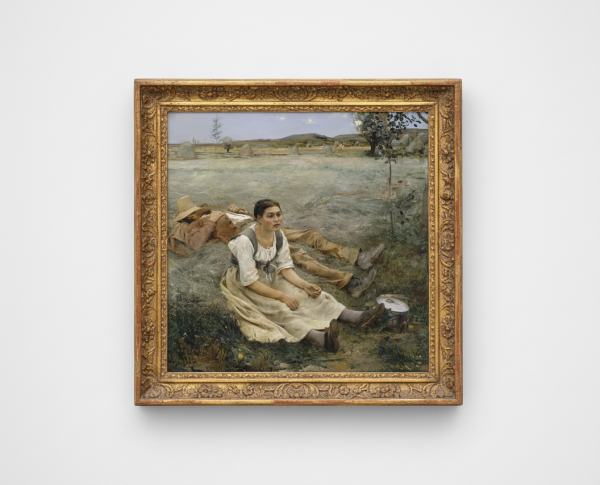
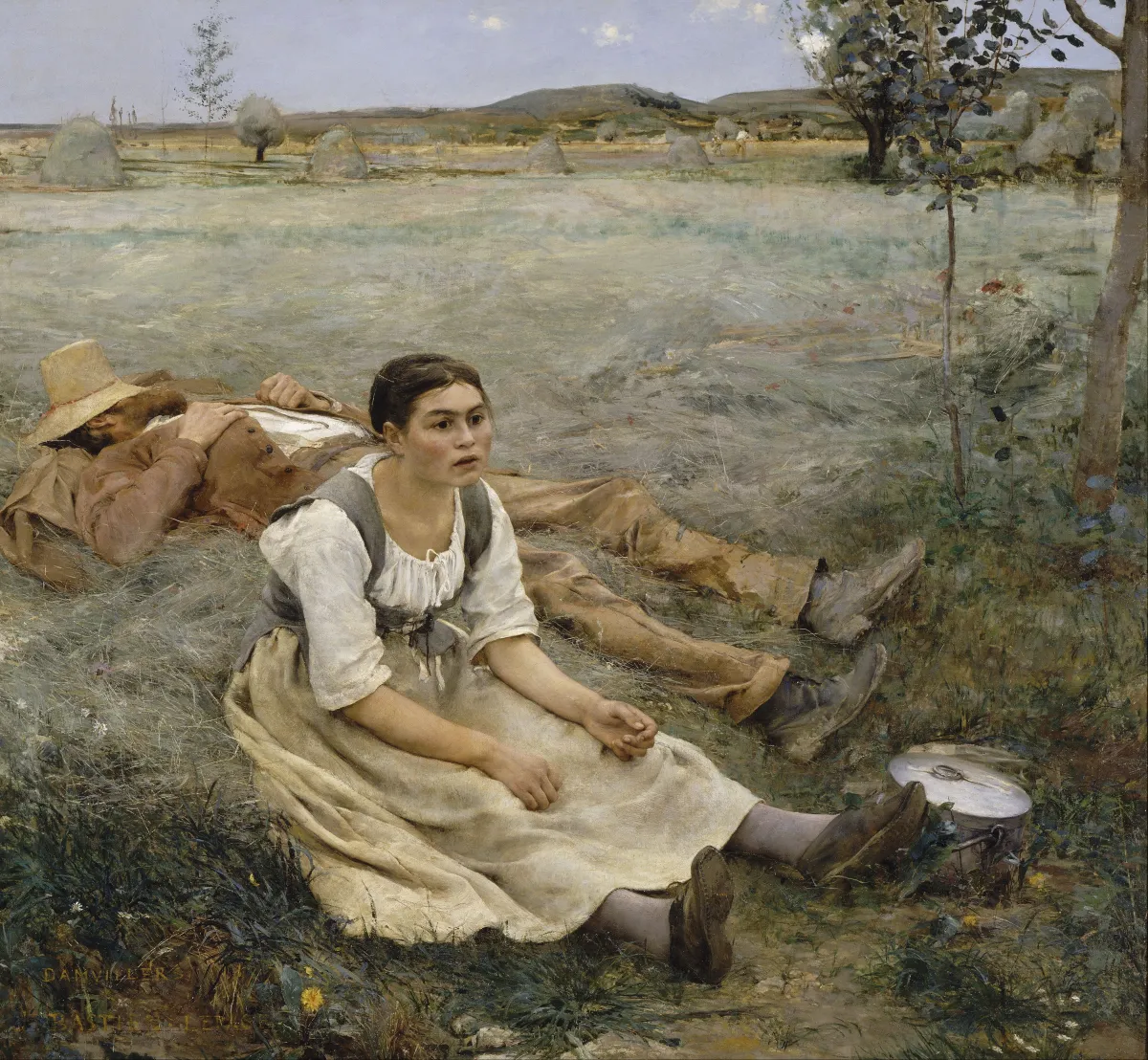
For discerning collectors, "Simon Hayem" by Bastien Lepage is a coveted fine art painting for sale. Its association with notable works such as "Hay Making" and "The artist's grandfather" enhances its value, while its roots in the Naturalism movement offer historical significance. The painting’s craftsmanship and emotional depth make it an exceptional addition to any collection, appealing to those who appreciate masterful oil on canvas works and the enduring legacy of Bastien Lepage.
When Art Meets History
"Simon Hayem" by Bastien Lepage stands as a testament to the Naturalism movement, capturing a unique moment where history and artistry intertwine. This hand-painted oil painting reflects the artist's dedication to realism, portraying his subject with remarkable authenticity. Lepage’s attention to detail has inspired admiration, much like his works "Black Grouse In Flight In A Winter Woodland" and "Red Deer In A Highland Landscape," both of which exemplify the era’s pursuit of lifelike representation.
Techniques That Speak
Bastien Lepage’s mastery of oil on canvas is evident in "Simon Hayem," where each brushstroke reveals his commitment to Naturalism. The subtle gradations of light and texture create a lifelike presence, echoing the techniques seen in related paintings such as "Pheasants." and "Peacock and Peacock Butterfly." Lepage’s skillful use of the oil medium allows for a depth and richness in his figures, setting his work apart as a cornerstone of 19th-century fine art.
Emotions on Display
In "Simon Hayem," Bastien Lepage channels genuine emotion through nuanced expression and posture, hallmarks of the Naturalism movement. The sitter’s contemplative gaze and relaxed demeanor evoke empathy, drawing viewers into the narrative. This fine art painting for sale resonates with the same emotional intensity found in Lepage’s other works, such as "Red Deer In A Highland Landscape," making it a cherished example of the artist’s ability to capture the human spirit.
Coveted by Collectors
"Simon Hayem" continues to be highly sought after by art collectors and enthusiasts, thanks to its historical significance and artistic mastery. As a prime example of Bastien Lepage’s contribution to Naturalism, this hand-painted oil painting commands attention alongside pieces like "Peacock and Peacock Butterfly." Collectors value its authenticity and craftsmanship, recognizing it as a standout among fine art painting for sale from the period, ensuring its enduring appeal in prestigious collections worldwide.
Related Naturalism Hand-Painted Oil Paintings by Other Artists
Other Famous Naturalism Artists:
Frequently Asked Questions About Simon Hayem
What is the historical context of "Simon Hayem"?
"Simon Hayem" was painted by Bastien Lepage during the late 19th century, a time marked by significant social and political changes in France. This period saw the rise of realism in art, which aimed to depict everyday life and ordinary people, moving away from romanticism and idealism.
Who is the subject of the painting "Simon Hayem"?
The painting depicts Simon Hayem, a notable figure in the artist's life, who was a friend and a representative of the common man. Hayem's portrayal reflects the artist's commitment to capturing the essence of contemporary society.
What artistic techniques did Bastien Lepage employ in "Simon Hayem"?
Bastien Lepage utilized a combination of naturalism and realism in "Simon Hayem," employing meticulous attention to detail and a vibrant color palette to convey the subject's character and environment. His technique includes the use of light and shadow to create depth and dimension.
What themes are explored in "Simon Hayem"?
The painting explores themes of identity, social class, and the human condition. It reflects the dignity of the individual and the importance of the working class in society, emphasizing the value of ordinary lives and experiences.
How does "Simon Hayem" fit into the broader movement of realism?
"Simon Hayem" is a quintessential example of the realism movement, which sought to portray subjects in a truthful manner. Lepage's focus on a specific individual rather than an idealized figure aligns with the movement's goals of representing reality and everyday life.
What influences can be seen in the painting "Simon Hayem"?
The influences of the Barbizon School and the works of Jean-François Millet can be observed in "Simon Hayem." These influences are evident in the emphasis on rural life and the portrayal of laborers with respect and dignity.
What is the significance of the setting in "Simon Hayem"?
The setting of "Simon Hayem" plays a crucial role in contextualizing the subject. It reflects the everyday environment of the working class, grounding the painting in a specific social reality and enhancing the viewer's understanding of Hayem's life and struggles.
How does the composition of "Simon Hayem" contribute to its impact?
The composition of "Simon Hayem" is thoughtfully arranged, with a strong focus on the subject that draws the viewer's eye. The use of diagonal lines and the positioning of elements create a dynamic balance, enhancing the emotional resonance of the piece.
What is the legacy of "Simon Hayem" in the art world?
"Simon Hayem" has left a lasting legacy as a significant work within the realism movement. It continues to inspire artists and scholars, serving as a reference point for discussions on the representation of social issues and the role of art in reflecting society.
How does "Simon Hayem" reflect Bastien Lepage's artistic philosophy?
The painting embodies Lepage's philosophy of portraying truth and authenticity in art. His dedication to capturing the essence of his subjects and their environments highlights his belief in the importance of realism as a means of connecting with the viewer on a personal level.






















_GFM_Painting_(1).webp)


 100% Hand-Painted: Finished in 3-6 Weeks

.png)















_(1).webp)