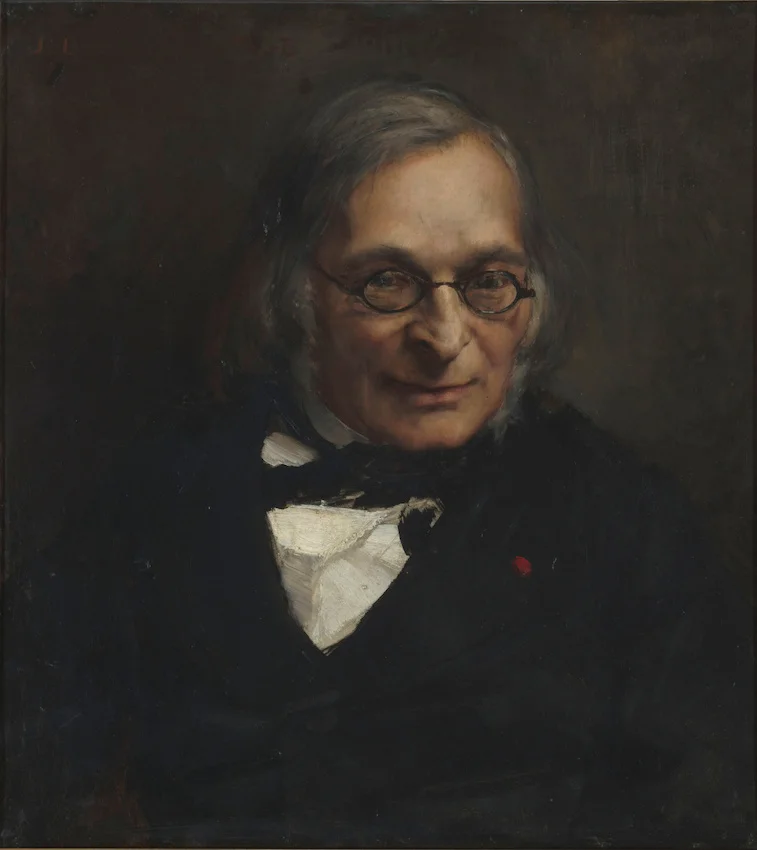
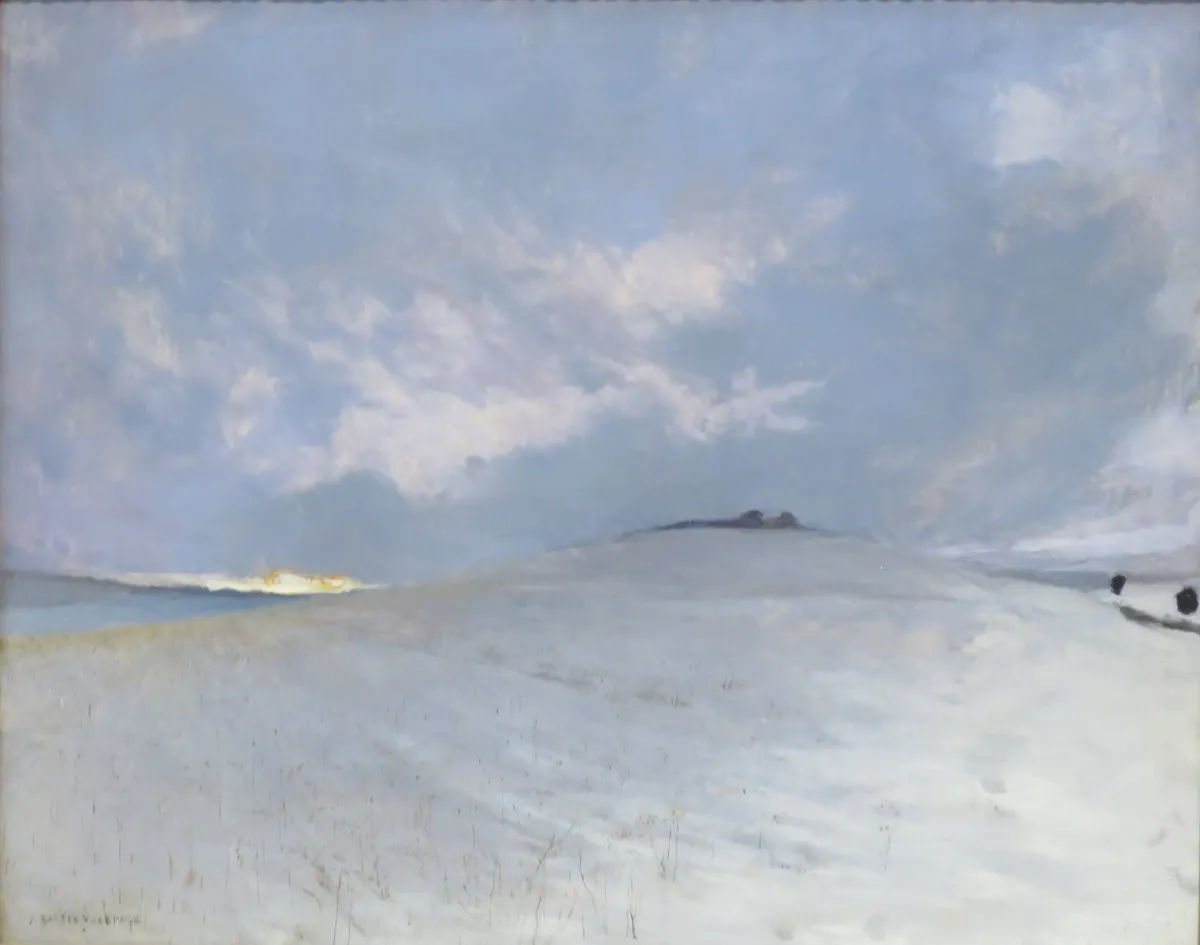
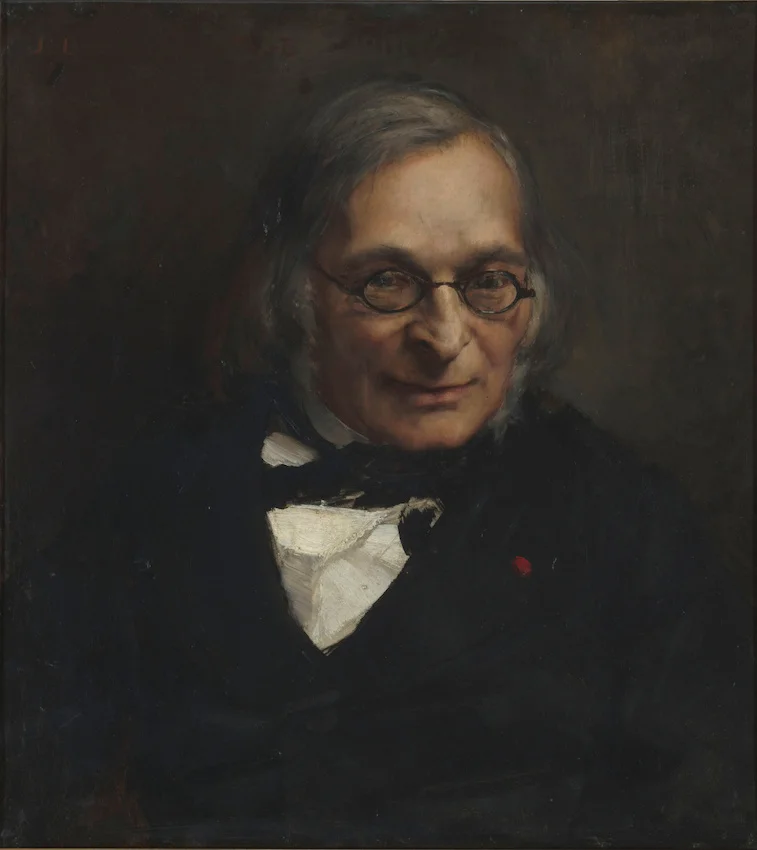
In "Snow Effect, Damvillers," Bastien Lepage demonstrates his exceptional skill with oil on canvas, using delicate brushwork to depict the shimmering snow and tranquil village scene. This fine art painting for sale embodies the hallmarks of Naturalism: attention to detail, subtle color transitions, and a lifelike representation of light. The artist’s technique echoes in other celebrated works like "Piet-Lataudrie" and "The artist's father," making each piece a masterclass in naturalistic expression.
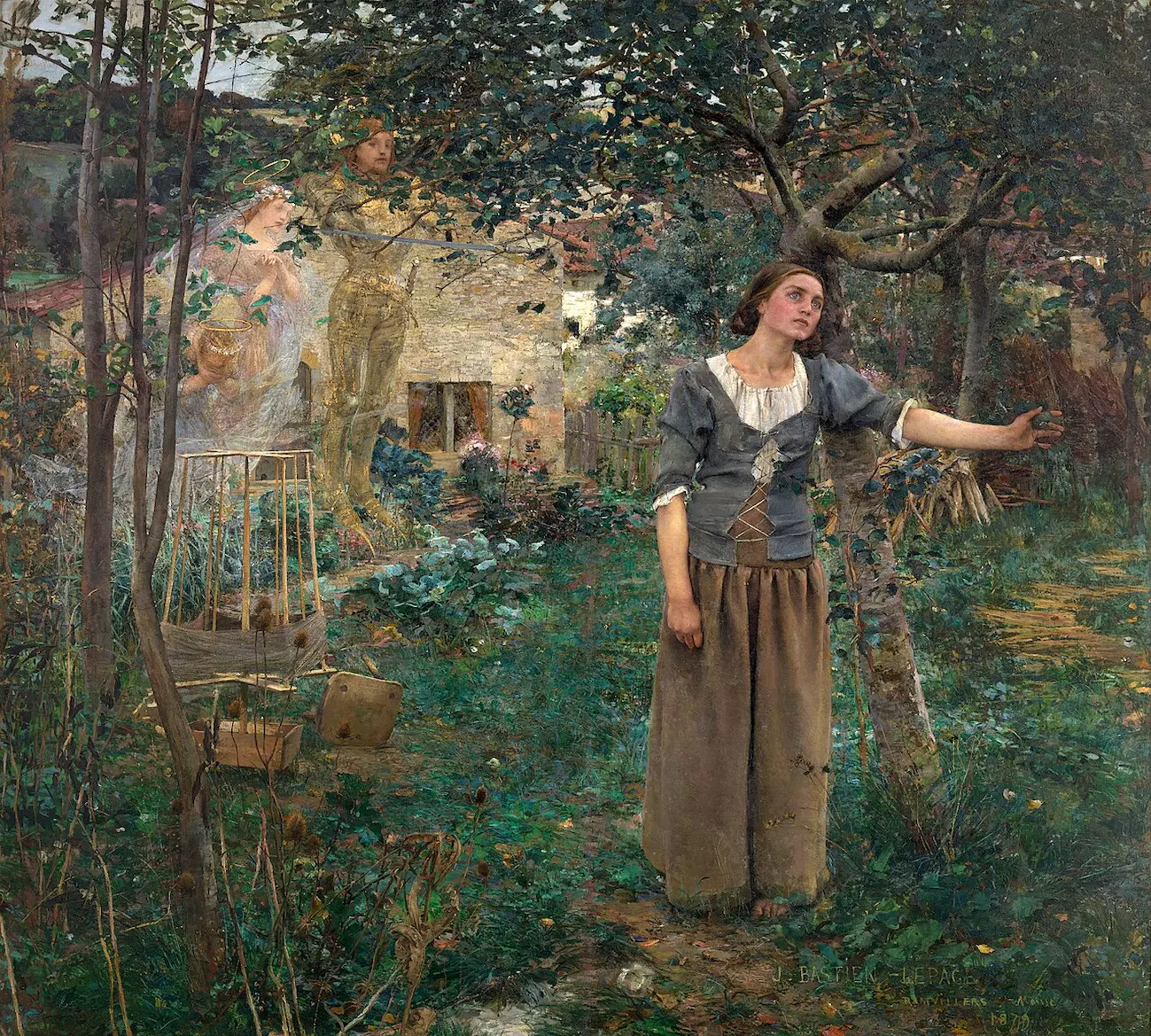
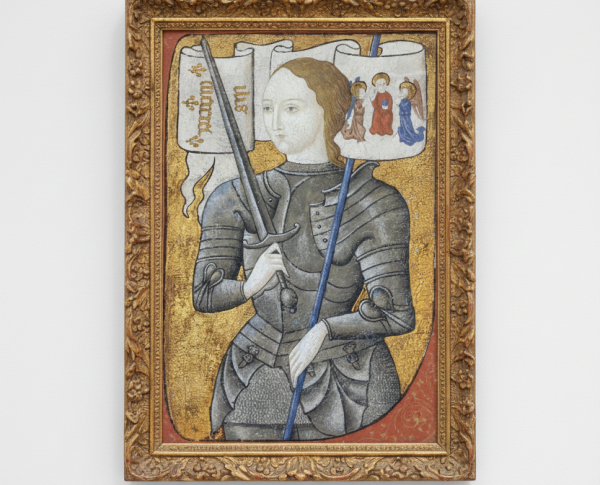
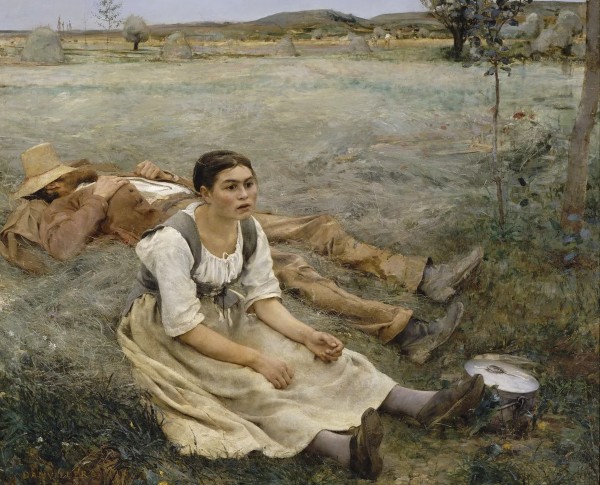
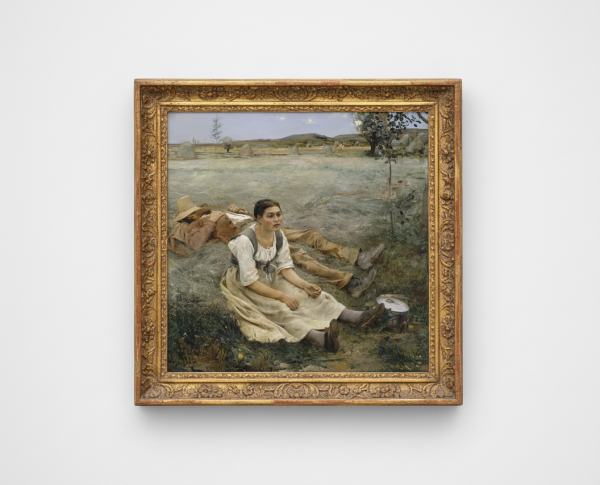
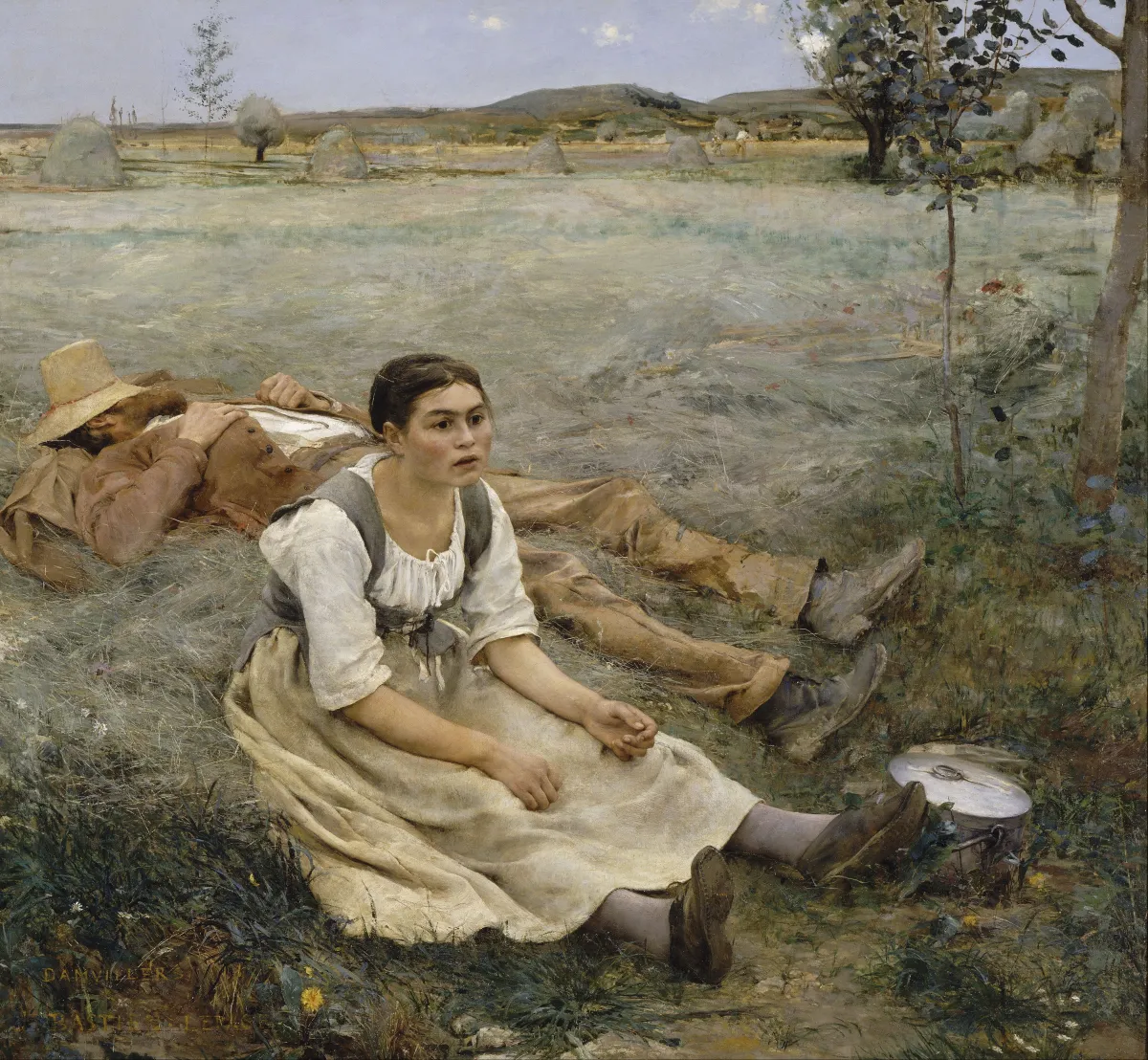
Every element in "Snow Effect, Damvillers" tells a story, from the quiet village streets to the delicate layers of snow. Bastien Lepage instills emotion into this hand-painted oil painting, symbolizing the peaceful resilience of rural life. The Naturalism movement, championed by Lepage, encouraged viewers to find beauty in simplicity. Related works such as "Joan of Arc" and "Hay Making" similarly use landscape and daily life as powerful narrative tools, resonating with collectors and art lovers alike.
For collectors, "Snow Effect, Damvillers" is a rare opportunity to own an authentic oil on canvas masterpiece by Bastien Lepage, a pivotal figure of the Naturalism movement. This fine art painting for sale is coveted by enthusiasts like Simon Hayem and Adolphe Franck, and stands alongside iconic pieces such as "Piet-Lataudrie" and "The artist's father." Owning this painting not only enriches any collection but also connects you to the rich legacy of French art and culture.
When Art Meets History
"Snow Effect, Damvillers" by Bastien Lepage stands as a remarkable testament to the Naturalism movement, blending historical context with artistic mastery. Painted during a period when artists were keenly observing nature, this hand-painted oil painting captures the serene winter landscape of Damvillers. Bastien Lepage, renowned for works like "Study of a cock pheasant" and "Cock and hen pheasant in the undergrowth," brings history and nature together seamlessly in this evocative masterpiece.
Techniques That Speak
Bastien Lepage's "Snow Effect, Damvillers" showcases the artist’s mastery of oil on canvas, a technique that brings depth and texture to the snow-laden scene. Utilizing subtle brushwork and a muted palette, Lepage achieves a lifelike atmosphere that characterizes the Naturalism movement. Similar skill is evident in his related paintings such as "King of the roost" and "Pheasants.", making each work a study in technical brilliance and authentic representation of nature.
Emotions on Display
With "Snow Effect, Damvillers," Bastien Lepage invites viewers to sense the quiet solitude of winter in rural France. The painting’s tranquil mood and realistic depiction evoke a gentle melancholy, exemplifying the emotional depth typical of Naturalism. Like "Blackcocks at the Lek," this fine art painting for sale resonates with those who appreciate the subtle interplay between emotion and environment, making it a cherished addition to any collection.
Coveted by Collectors
Collectors worldwide seek out "Snow Effect, Damvillers" for its authentic portrayal of nature and historical significance within the Naturalism movement. Bastien Lepage’s reputation, bolstered by related works such as "Cock and hen pheasant in the undergrowth," ensures high demand for his pieces. This hand-painted oil painting not only embodies artistic excellence but also offers an enduring investment for those passionate about fine art from the late 19th century.
Related Naturalism Hand-Painted Oil Paintings by Other Artists
Other Famous Naturalism Artists:
Frequently Asked Questions About Snow Effect, Damvillers
What is the historical context of "Snow Effect, Damvillers"?
"Snow Effect, Damvillers" was painted by Bastien Lepage in the late 19th century, a period marked by the rise of realism in art. This painting reflects the artist's interest in capturing the natural environment and the everyday life of rural France.
What artistic techniques did Bastien Lepage use in this painting?
Bastien Lepage employed a technique known as plein air painting, which involves creating artworks outdoors to capture the natural light and atmosphere. The use of light and shadow in "Snow Effect, Damvillers" exemplifies his mastery of this technique.
What is the significance of the snow depicted in the painting?
The snow in "Snow Effect, Damvillers" serves not only as a visual element but also symbolizes purity and tranquility. It creates a serene atmosphere that contrasts with the ruggedness of rural life, inviting viewers to reflect on the beauty of nature.
How does "Snow Effect, Damvillers" reflect the themes of realism?
This painting embodies the principles of realism by portraying a true-to-life scene without idealization. Lepage's focus on the natural landscape and the everyday experiences of people highlights the importance of authenticity in art during this period.
What role does color play in "Snow Effect, Damvillers"?
The color palette in "Snow Effect, Damvillers" is characterized by cool tones that evoke the chill of winter. The subtle variations in white and blue enhance the painting's atmospheric quality, drawing attention to the interplay of light and shadow.
What can we learn about rural life in France from this painting?
"Snow Effect, Damvillers" offers a glimpse into the rural landscape of France during the 19th century, showcasing the relationship between people and their environment. It reflects the challenges and beauty of rural existence, emphasizing the connection to nature.
How does Bastien Lepage's background influence this artwork?
Bastien Lepage was born in the rural region of Lorraine, which deeply influenced his artistic vision. His personal experiences and observations of rural life are evident in "Snow Effect, Damvillers," as he captures the essence of his homeland with sensitivity and detail.
What is the impact of light in "Snow Effect, Damvillers"?
The manipulation of light in "Snow Effect, Damvillers" is crucial to the painting's overall effect. Lepage skillfully captures the diffused light of a snowy day, creating a sense of depth and dimension that enhances the realism of the scene.
What are the symbolic elements present in the painting?
In "Snow Effect, Damvillers," the snow can symbolize both the harshness of winter and the beauty of nature's cycles. Additionally, the depiction of the landscape reflects themes of solitude and introspection, inviting viewers to contemplate their own relationship with nature.
How does "Snow Effect, Damvillers" compare to other works by Bastien Lepage?






















_GFM_Painting_(1).webp)


 100% Hand-Painted: Finished in 3-6 Weeks

.png)















_(1).webp)