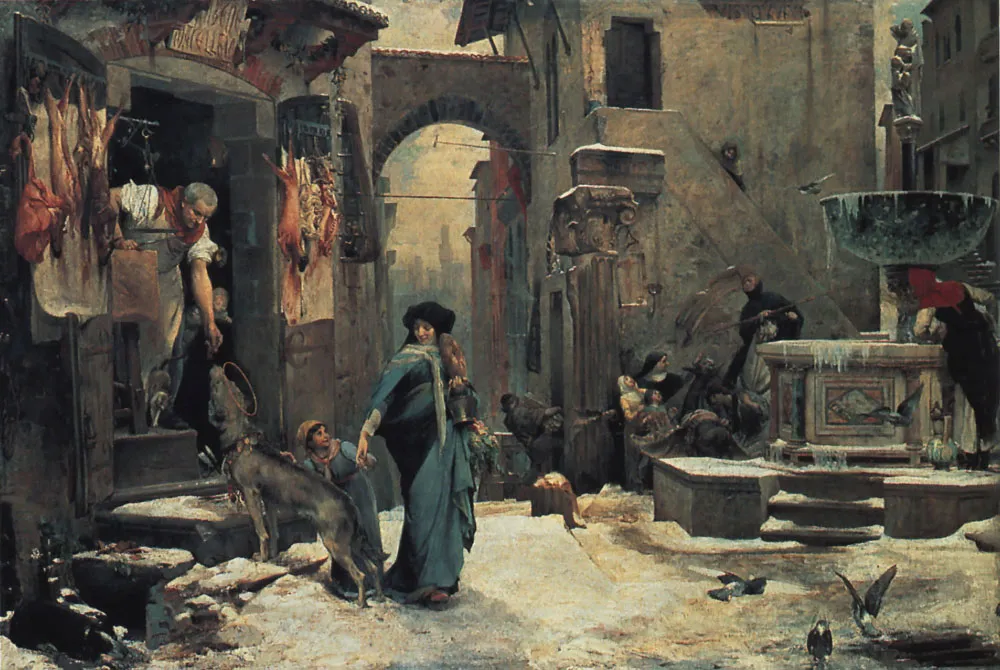
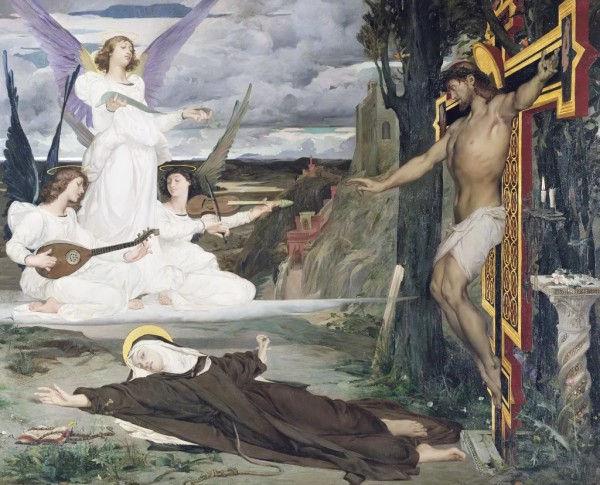
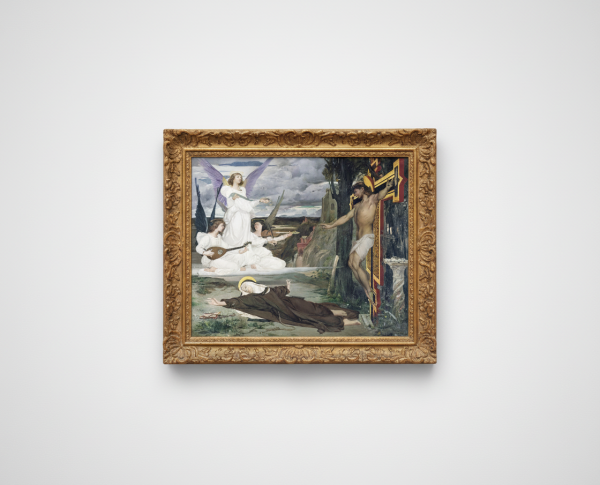
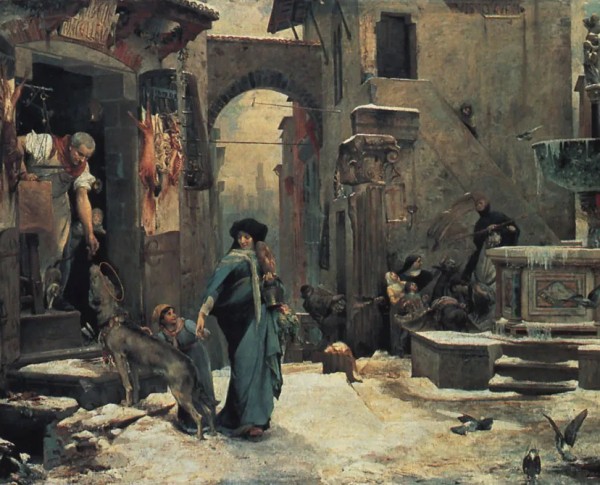
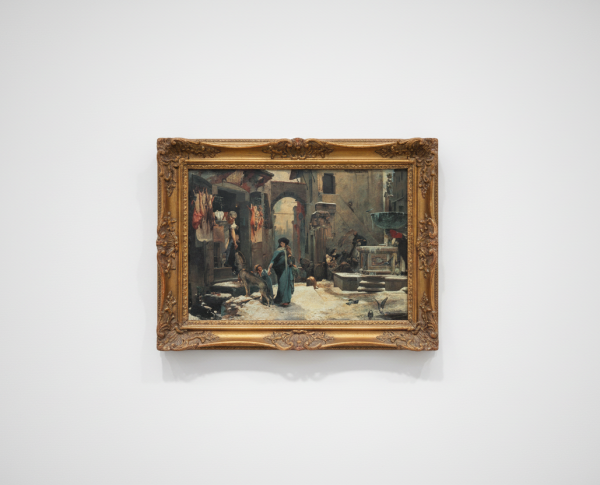
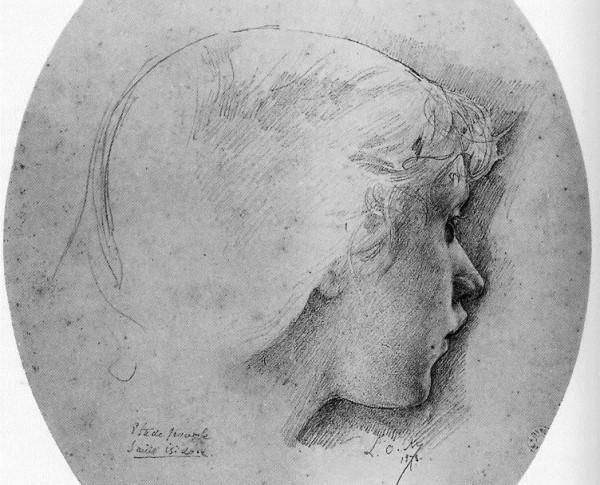
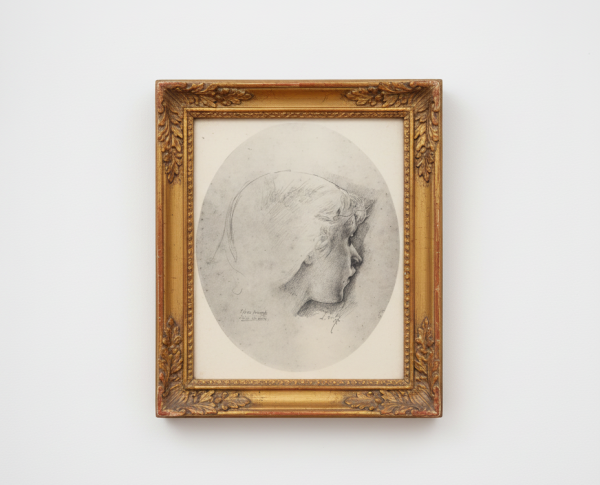
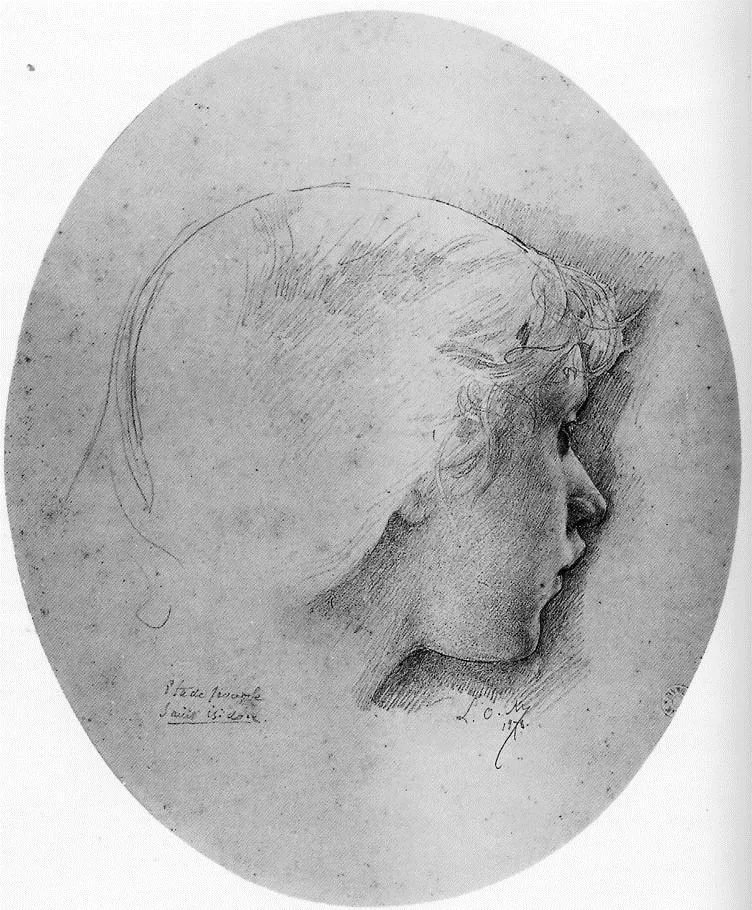
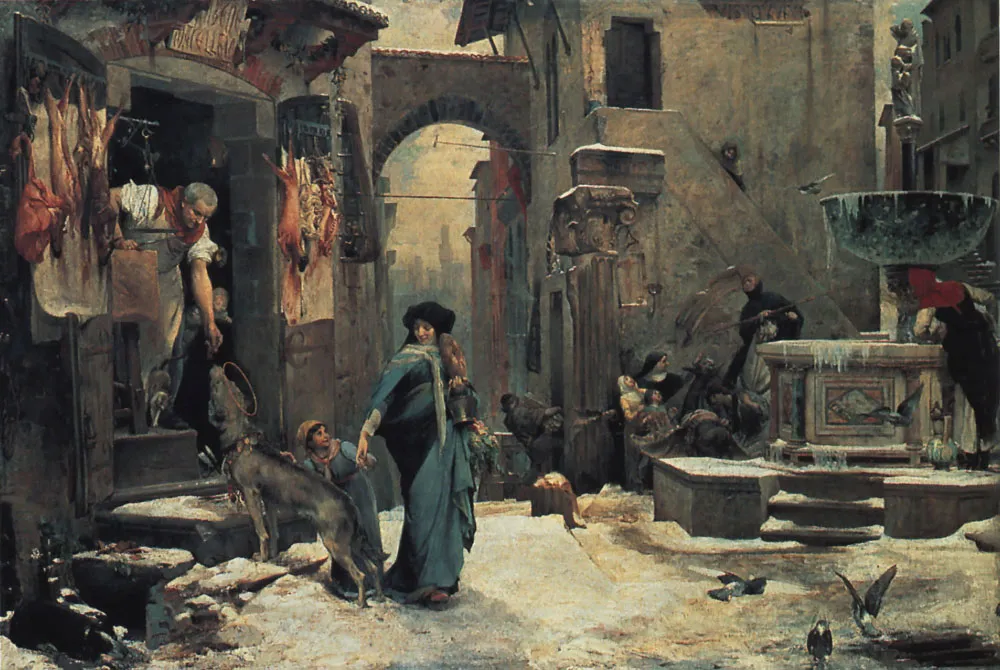
Luc-Olivier Merson’s "Study for the Head of an Angel in Saint Isidore" showcases remarkable mastery with oil on canvas, a medium favored by Academic artists for its depth and vibrancy. The delicate rendering of the angel’s features highlights Merson’s technical prowess and attention to detail. Comparable works like "The Wolf of Agubbio" and "The Vision" further demonstrate his ability to breathe life into religious subjects, making this painting a stellar example of Academic Art excellence.
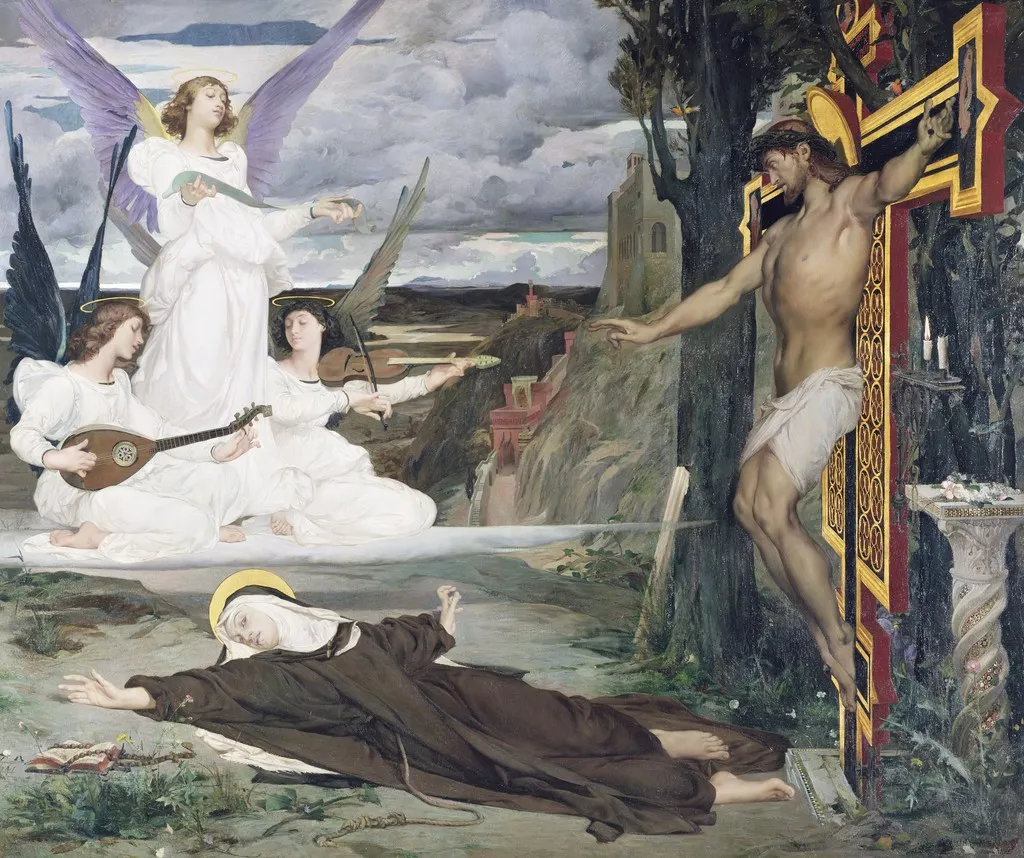
The narrative power of "Study for the Head of an Angel in Saint Isidore" lies in its subtle symbolism and emotive expression. As an exquisite fine art painting for sale, it invites viewers to contemplate themes of divinity and innocence, hallmarks of both Merson’s oeuvre and the Academic Art movement. This piece resonates with the storytelling found in related works like "Legend of the 14th Century" offering layers of meaning for art lovers to explore.
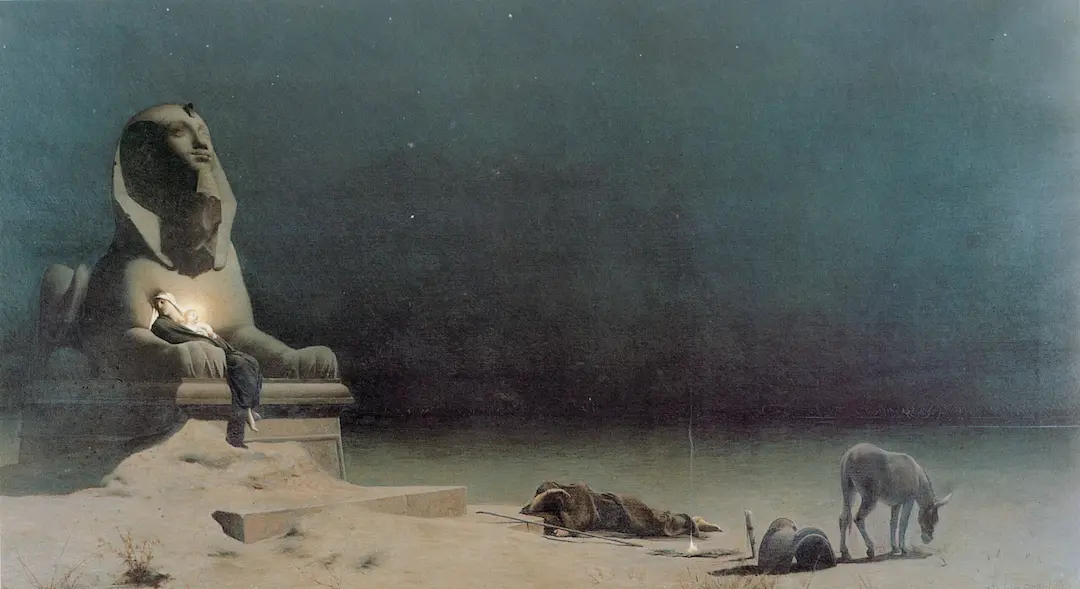
For discerning collectors, "Study for the Head of an Angel in Saint Isidore" by Luc-Olivier Merson represents a unique opportunity to own a hand-painted oil painting steeped in the traditions of Academic Art. Its connection to renowned pieces such as "Rest on the Flight into Egypt" enhances its appeal as a collector’s treasure. This painting is a testament to Merson’s legacy and the timeless allure of classical artistry.
When Art Meets History
"Study for the Head of an Angel in Saint Isidore" by Luc-Olivier Merson is a remarkable example of the Academic Art movement. This hand-painted oil painting reflects Merson’s dedication to historical and spiritual themes, echoing the grandeur of his era. Like his other works, such as "The Communion of Zouaves" and "General Gaston de Sonis," this study bridges the gap between past and present, inviting viewers to explore the rich narratives that shaped nineteenth-century art.
Techniques That Speak
Luc-Olivier Merson’s mastery shines through in this exquisite oil on canvas. The delicate rendering of the angel’s features demonstrates his command of light and shadow, hallmarks of the Academic Art movement. Merson’s technique is also evident in related paintings like "Love's Offering" and "Promenade," where meticulous brushwork and refined details create an ethereal atmosphere. This painting exemplifies the technical prowess that made Merson a celebrated figure among his contemporaries.
Emotions on Display
The emotional depth of "Study for the Head of an Angel in Saint Isidore" is unmistakable, with Merson capturing a serene and contemplative expression. Through his fine art painting for sale, the viewer is invited into a moment of spiritual reflection, reminiscent of the gentle innocence found in "Mud Pies" and other related works. This Academic Art piece is not just a visual treat but also an evocative portrayal of purity and devotion.
Coveted by Collectors
Works like "Study for the Head of an Angel in Saint Isidore" are highly sought after by collectors who appreciate the legacy of Luc-Olivier Merson and the Academic Art movement. As with "General Gaston de Sonis" and "Promenade," the allure of owning a hand-painted oil painting by such a master is undeniable. These masterpieces are treasured not only for their artistic merit but also for their historical significance and timeless beauty.
Related Academic Art Hand-Painted Oil Paintings by Other Artists
Other Famous Academic Art Artists:
Frequently Asked Questions About Study for the Head of an Angel in Saint Isidore
What is the historical context of "Study for the Head of an Angel in Saint Isidore"?
This painting was created during the late 19th century, a period marked by a resurgence of interest in religious themes and classical forms within the arts, reflecting the broader trends of the Romantic movement.
Who was Luc-Olivier Merson?
Luc-Olivier Merson was a French painter and illustrator known for his religious and allegorical works. He was associated with the Symbolist movement and was influenced by both academic traditions and emerging modernist ideas.
What artistic techniques are evident in this painting?
Merson employed traditional oil painting techniques, utilizing chiaroscuro to create depth and a sense of volume in the angel's face, while also emphasizing the ethereal quality of the subject through soft brushwork.
What is the significance of the angel's portrayal in this artwork?
The angel is often seen as a symbol of divine guidance and protection. Merson's depiction highlights the serene and benevolent nature of angels, reflecting the spiritual aspirations of the time.
How does this study relate to Merson's larger body of work?
This study serves as a preparatory work for a larger composition, showcasing Merson's meticulous approach to character development and his commitment to capturing the essence of spiritual subjects in his oeuvre.
What influences can be seen in Merson's style in this painting?
Merson's style in this painting reflects influences from both the academic tradition and the Symbolist movement, blending realism with idealized forms to convey deeper emotional and spiritual truths.
What role does color play in "Study for the Head of an Angel in Saint Isidore"?
The color palette is soft and muted, with a focus on whites, creams, and pastels, which enhances the angel's ethereal presence and evokes a sense of tranquility and divinity.
What themes are explored in this painting?
The themes of spirituality, divine intervention, and the human connection to the celestial are central to this work, reflecting the artist's exploration of faith and the metaphysical.
How does this painting reflect the values of its time?
The painting embodies the 19th-century fascination with spirituality and the supernatural, as well as a longing for a return to traditional values in the face of rapid industrialization and modernity.
What is the significance of the title "Study for the Head of an Angel in Saint Isidore"?
The title indicates that this work is a preparatory study, suggesting that Merson was focused on perfecting the angel's features before incorporating it into a larger religious narrative involving Saint Isidore.






















_GFM_Painting_(1).webp)


 100% Hand-Painted: Finished in 3-6 Weeks

.png)















_(1).webp)