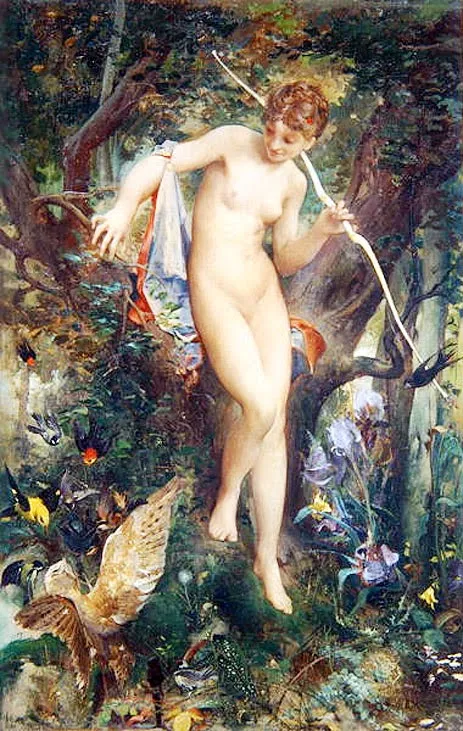
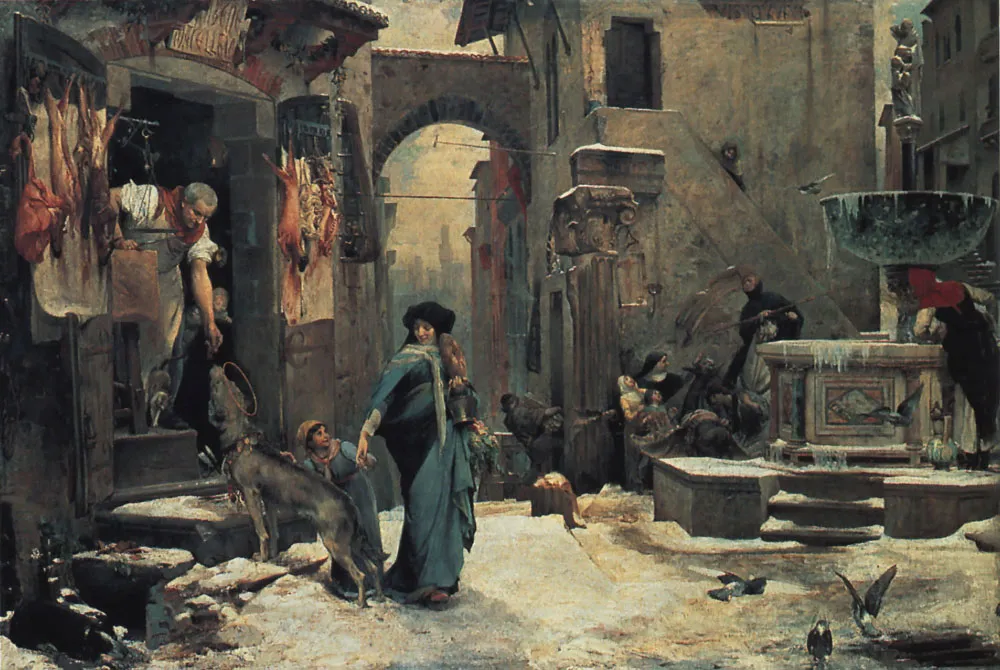
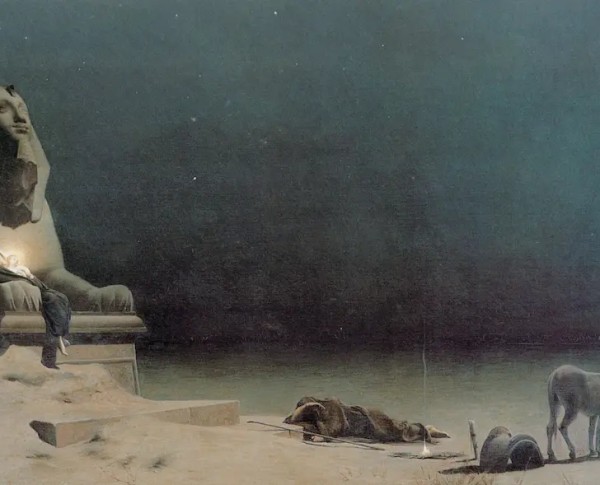
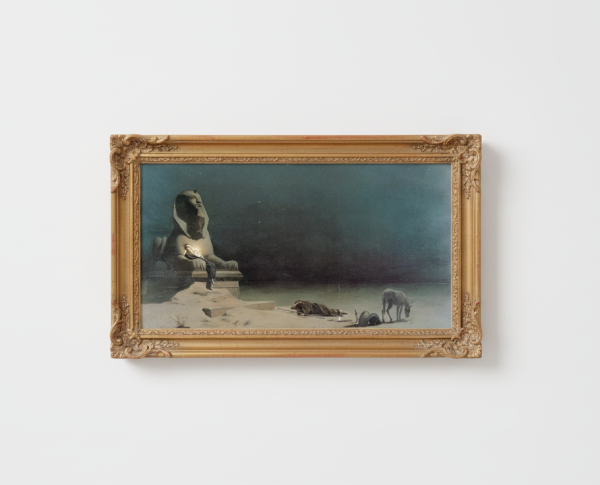
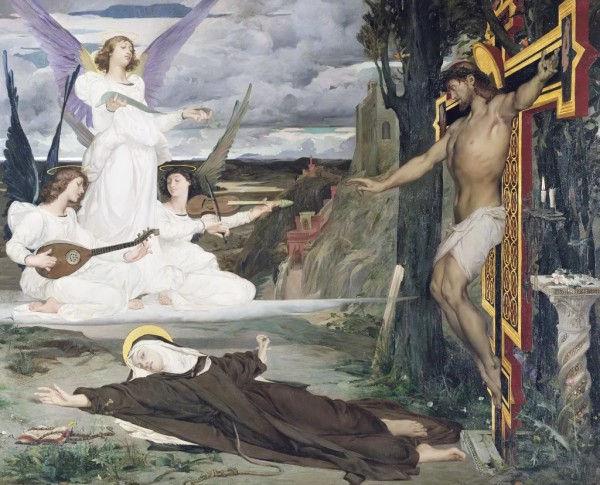
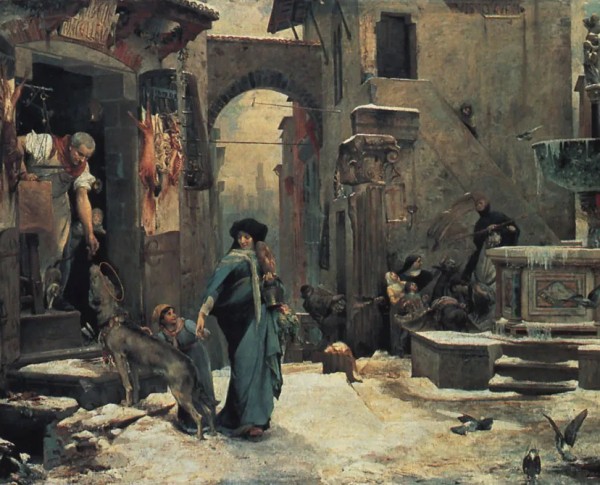
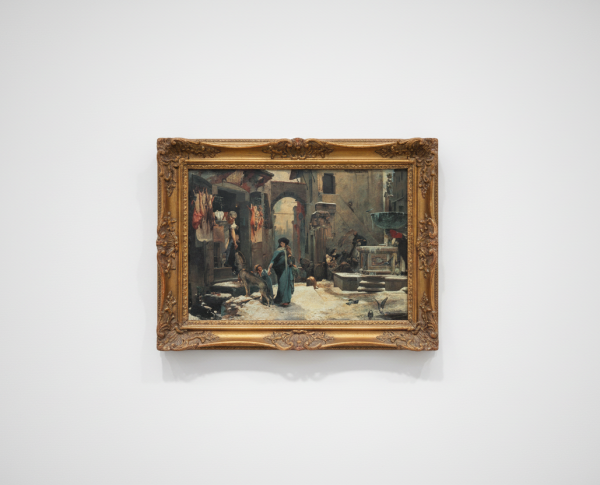
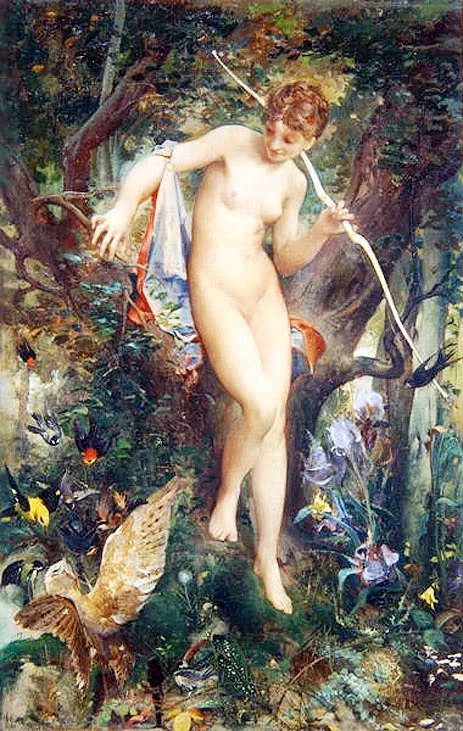
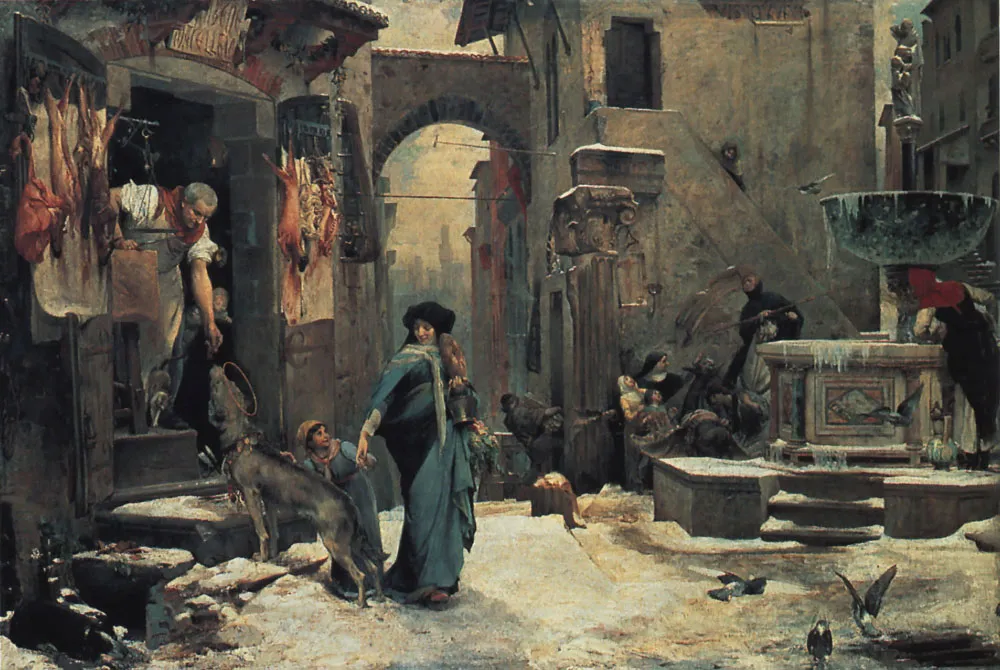
"Diane" is a true example of oil on canvas excellence, meticulously crafted by Luc-Olivier Merson. The artist’s attention to detail and command of the Academic Art movement’s principles are evident in every brushstroke. The rich textures and nuanced lighting found in "Diane" echo the quality seen in related works like "Legend of the 14th Century" and "Sacrificing Dolls," making this piece a prime illustration of Merson’s technical mastery within the genre.
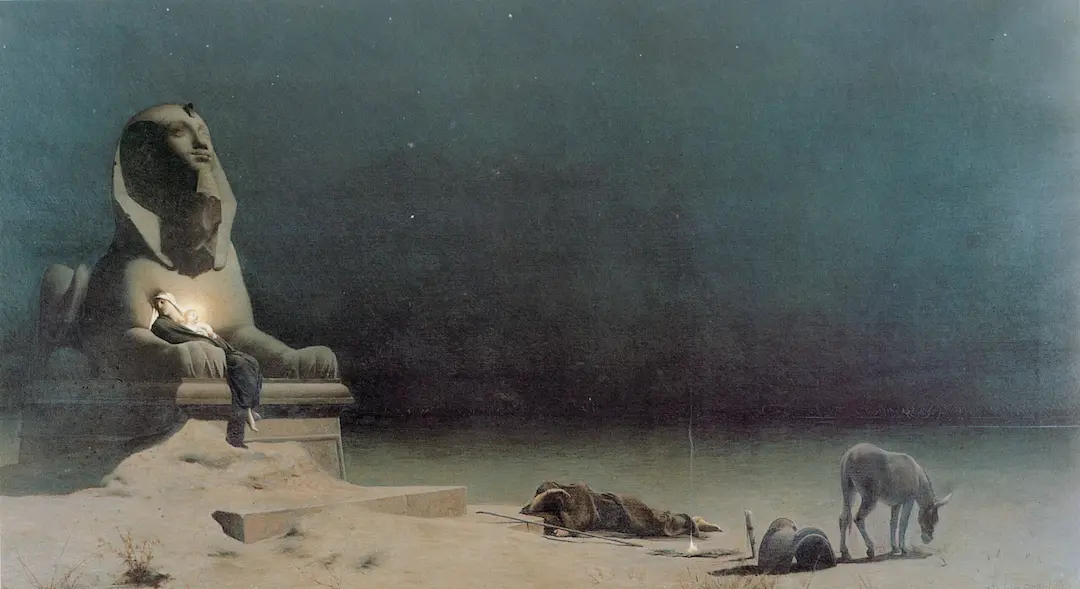
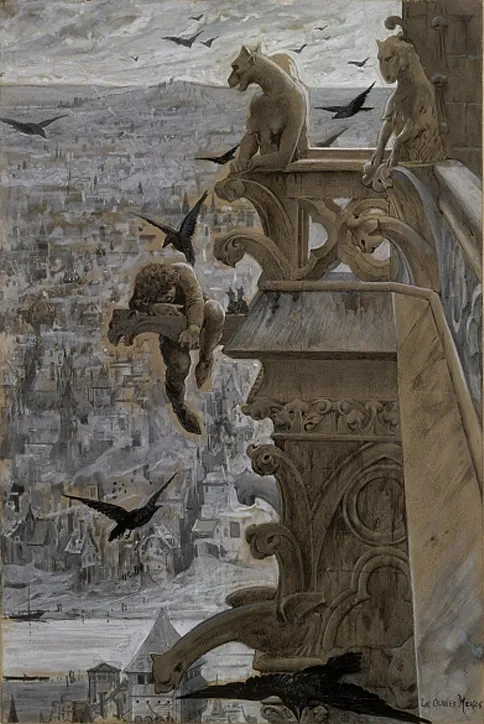
Every element in "Diane" tells a story, inviting viewers to unlock layers of meaning typical of a fine art painting for sale from the Academic Art movement. Luc-Olivier Merson weaves mythological and allegorical symbols into the composition, similar to how he approached "The Hunchback of Notre-Dame" and "Rest on the Flight into Egypt." This narrative depth ensures "Diane" remains a captivating piece for art lovers and collectors alike, rich in both history and imagination.
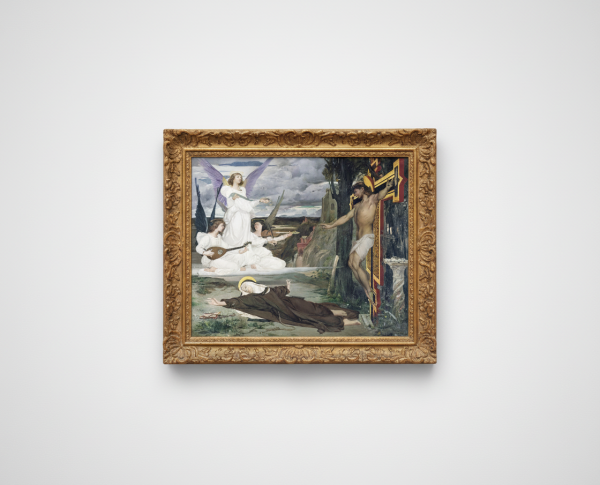
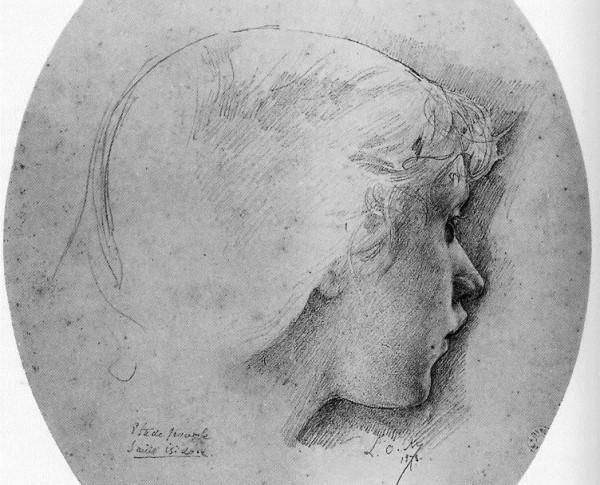
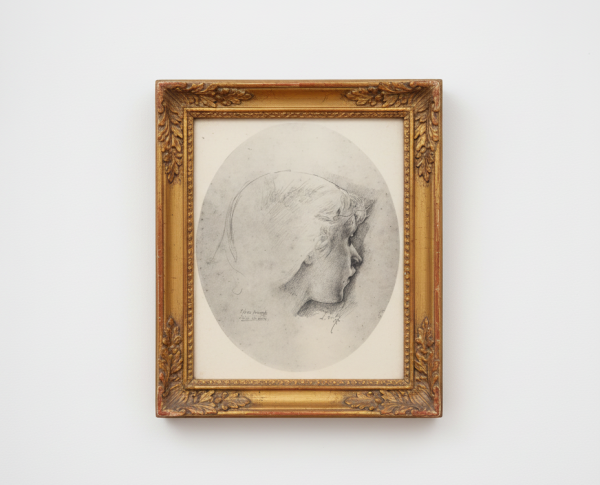
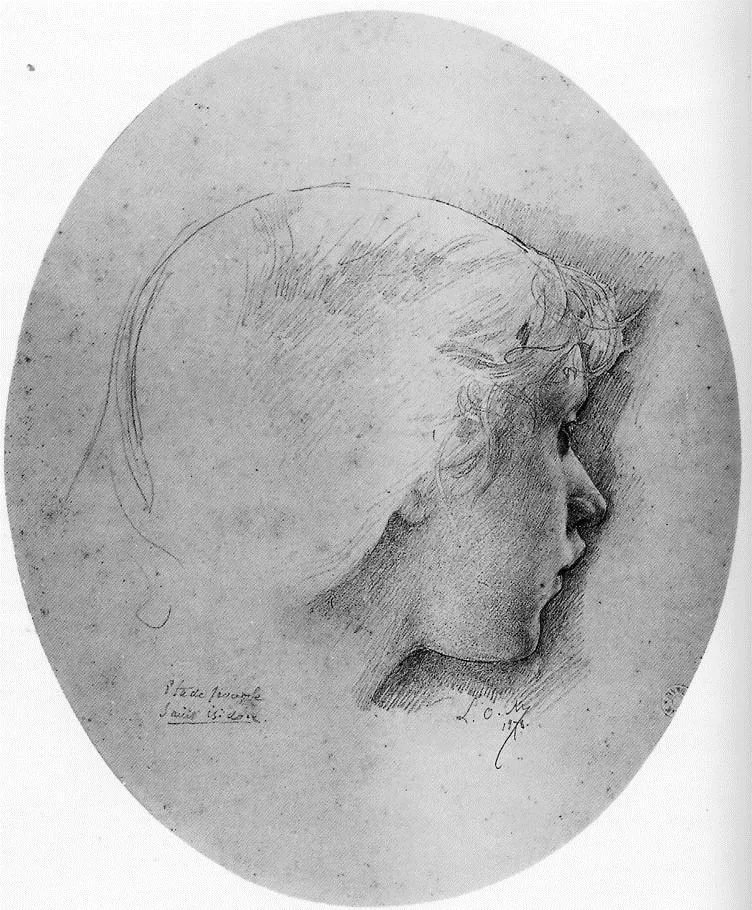
Owning "Diane" by Luc-Olivier Merson means possessing a remarkable hand-painted oil painting that embodies the best of the Academic Art movement. For collectors seeking museum-quality pieces, "Diane" and related treasures like "Study for the Head of an Angel in Saint Isidore" offer enduring value and beauty. These works are not just decorative; they are investments in culture and history, each one a sought-after fine art painting for sale.
When Art Meets History
"Diane" by Luc-Olivier Merson is a remarkable example of the Academic Art movement, capturing the essence of myth and history through a masterful hand-painted oil painting. Created during a period when artists sought to revive classical themes, this piece stands alongside related works such as "Ulysse Et Télémaque" and "The girl in the meadow." Merson's attention to detail and historical accuracy make "Diane" a testament to the enduring power of storytelling in fine art.
Techniques That Speak
Luc-Olivier Merson’s "Diane" demonstrates the refined techniques characteristic of oil on canvas, a hallmark of the Academic Art movement. Through meticulous brushwork and layered glazes, the artist achieves luminous skin tones and intricate textures. This technical mastery is also evident in his other paintings, like "Still Life with Fruit" and "Objects of Art from the Louvre." The result is a visually striking composition that invites viewers to appreciate the artist’s dedication to craft and tradition.
Emotions on Display
In "Diane," Merson captures a profound sense of serenity and strength, emotions that resonate with anyone who admires fine art painting for sale. The goddess’s poised expression and graceful posture evoke both vulnerability and divinity, inviting the viewer into her mythological world. Similar emotional depth can be found in related paintings such as "Still Life with Basket of Flowers" and "The girl in the meadow," where Merson’s sensitivity to mood is unmistakable.
Coveted by Collectors
"Diane" remains highly sought after by collectors who value the rich tradition of Academic Art. As a hand-painted oil painting by Luc-Olivier Merson, it stands alongside masterpieces like "Still Life with Fruit" and "Ulysse Et Télémaque." Its historical significance and exquisite technique make it a prized acquisition in any collection. The enduring appeal of Merson’s work ensures that "Diane" continues to captivate art enthusiasts and collectors alike.
Related Academic Art Hand-Painted Oil Paintings by Other Artists
Other Famous Academic Art Artists:
Frequently Asked Questions About Diane
What is the historical context of "Diane" by Luc-Olivier Merson?
"Diane" was painted during the late 19th century, a period marked by the transition from Romanticism to Impressionism in France. This era saw a renewed interest in classical themes and mythology, which Merson embraced in his work.
Who is the figure depicted in "Diane"?
The painting features Diane, the Roman goddess of the hunt, wilderness, and moon. She is often associated with nature and femininity, embodying strength and independence.
What artistic techniques did Luc-Olivier Merson use in "Diane"?
Merson employed a combination of classical painting techniques, including chiaroscuro to create depth and realism, as well as a rich color palette that enhances the ethereal quality of the goddess.
What symbolism is present in "Diane"?
The painting symbolizes the harmony between humanity and nature, as Diane is often depicted with animals and natural elements, representing the balance of life and the importance of the natural world.
How does "Diane" reflect the values of the Belle Époque period?
"Diane" reflects the Belle Époque's fascination with beauty, mythology, and the idealization of the female form, showcasing the era's artistic pursuit of elegance and sophistication.
In what ways does "Diane" connect to classical art traditions?
The painting draws heavily from classical art traditions, particularly the use of mythological subjects and the idealization of the human figure, reminiscent of works from the Renaissance and Baroque periods.
What influences can be seen in Merson's portrayal of Diane?
Merson's portrayal of Diane is influenced by both classical sculptures and paintings, as well as the Romantic movement's emphasis on emotion and the sublime, creating a dynamic representation of the goddess.
What is the significance of the setting in "Diane"?
The natural setting in "Diane" enhances the connection between the goddess and her domain, emphasizing her role as a protector of nature and the wilderness, which is central to her identity in mythology.
How does the composition of "Diane" contribute to its overall impact?
The composition of "Diane" is carefully arranged to draw the viewer's eye towards the figure of the goddess, utilizing diagonal lines and a balanced arrangement of elements that create a sense of movement and grace.
What legacy has "Diane" left in the art world?
"Diane" remains a significant work that exemplifies the blend of classical themes with modern artistic techniques, influencing subsequent generations of artists who explore mythology and the representation of women in art.























_GFM_Painting_(1).webp)


 100% Hand-Painted: Finished in 3-6 Weeks

.png)















_(1).webp)