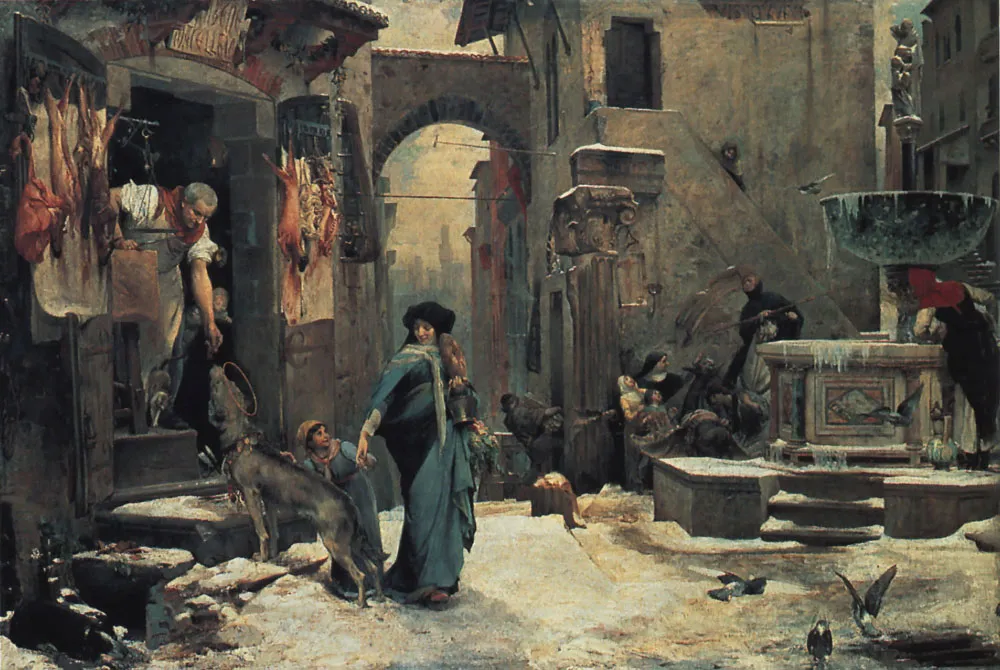
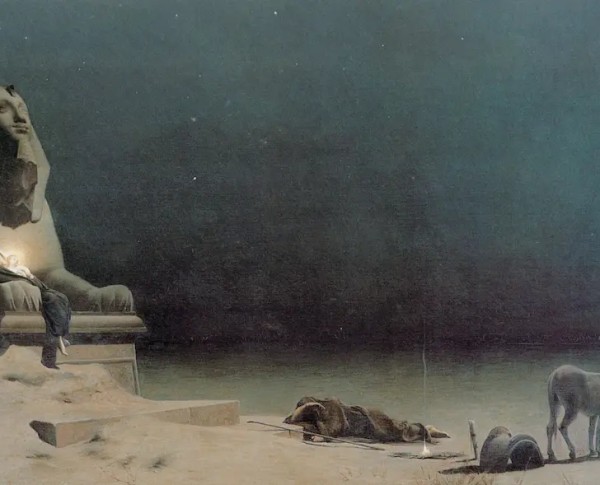
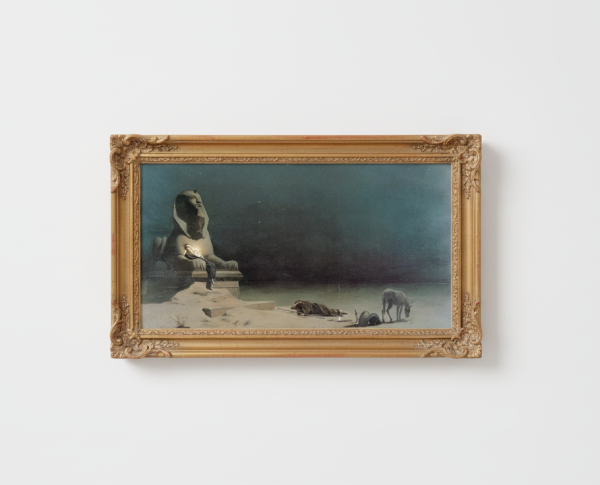
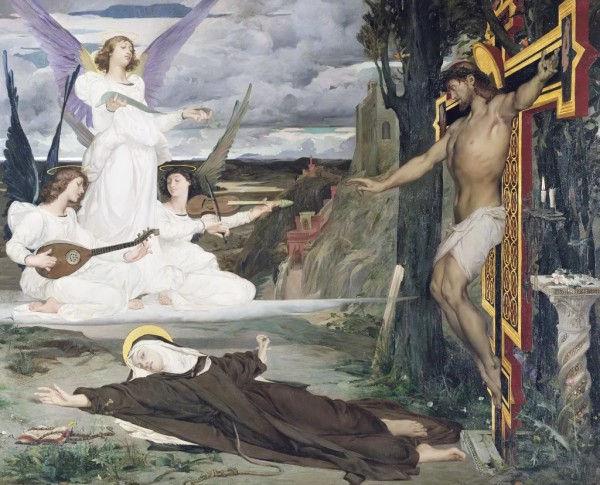
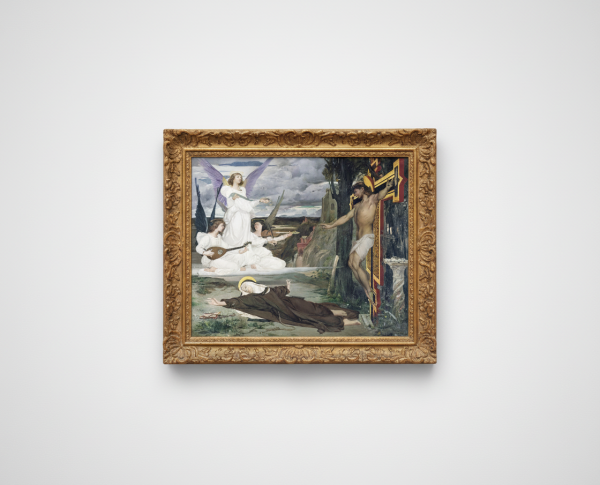
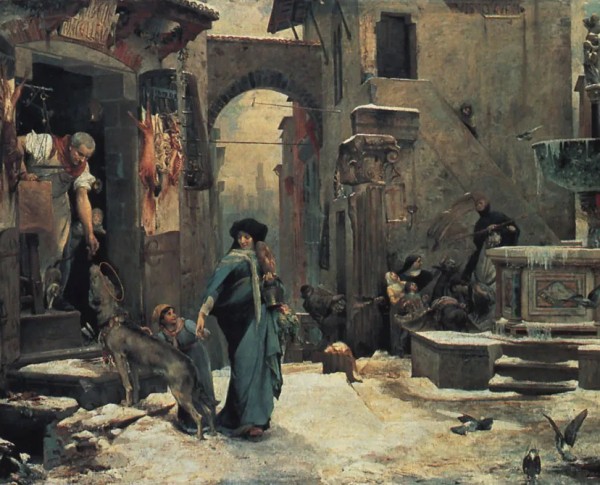
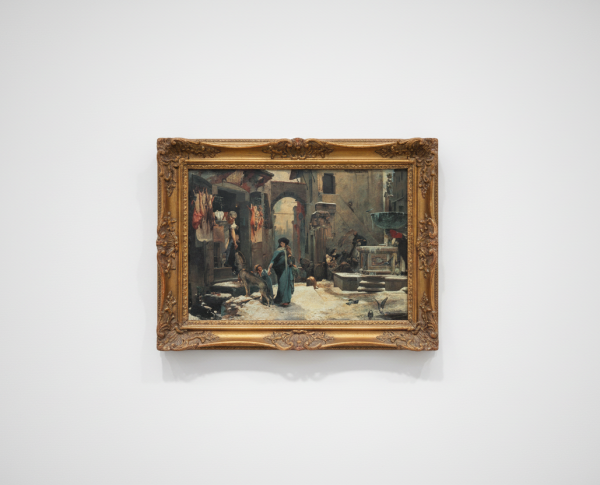
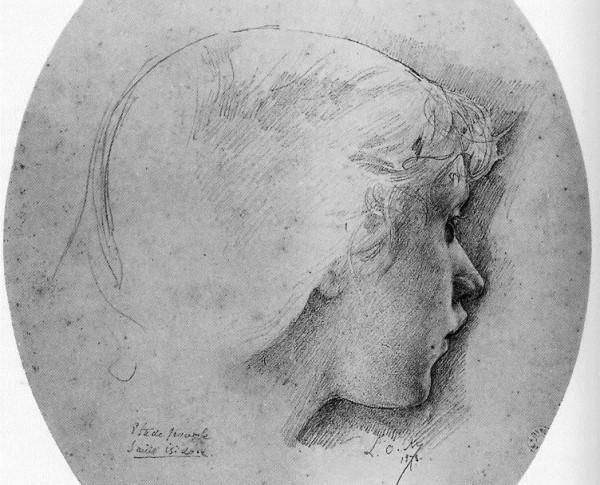
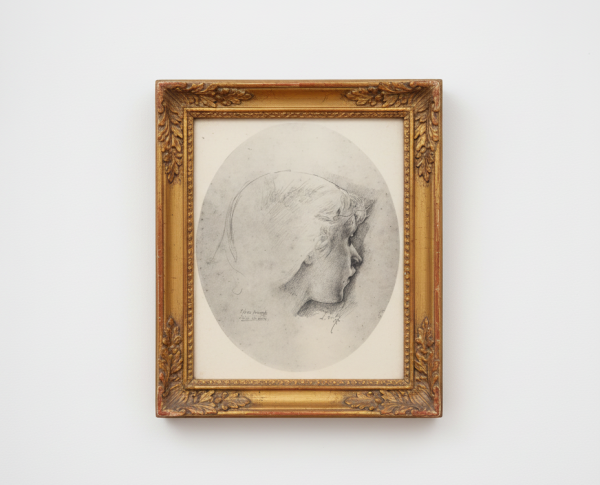
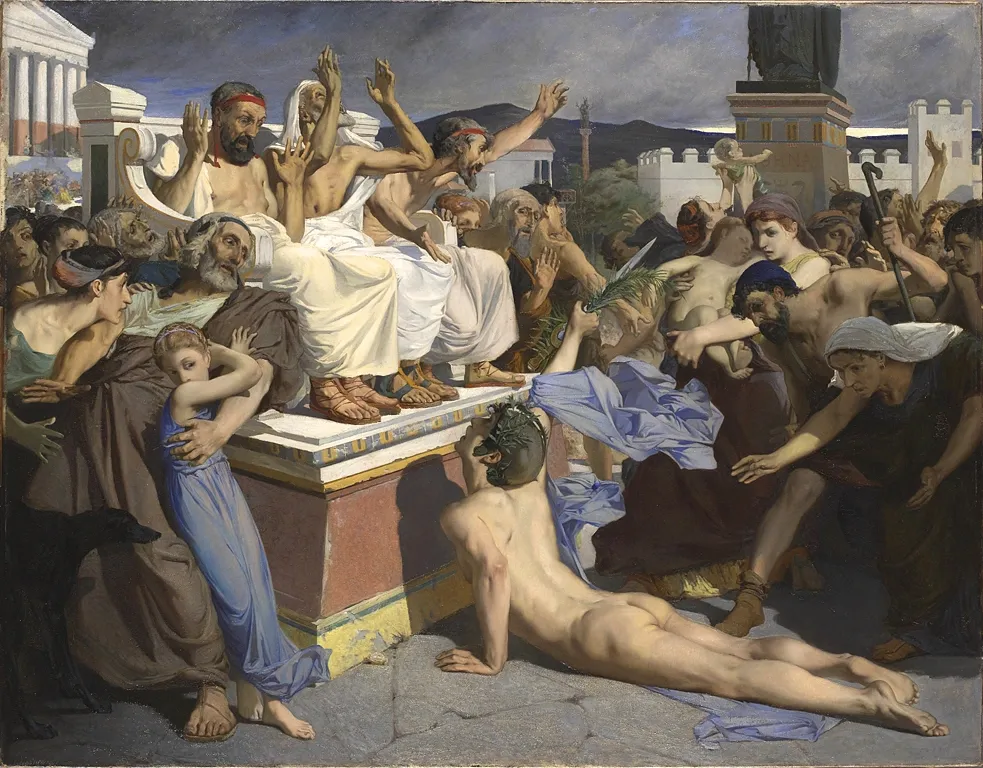
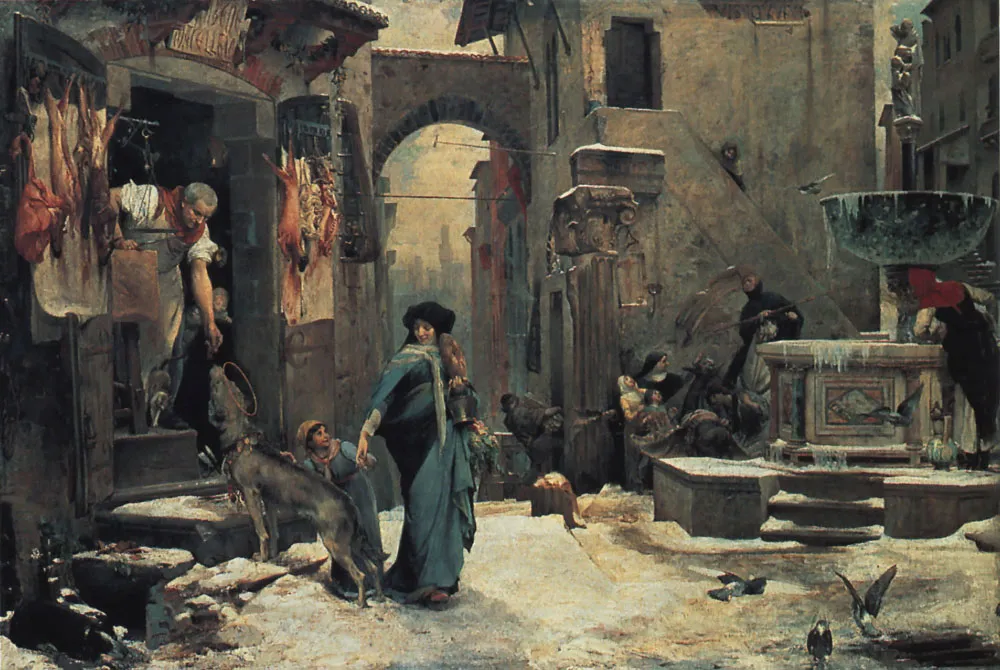
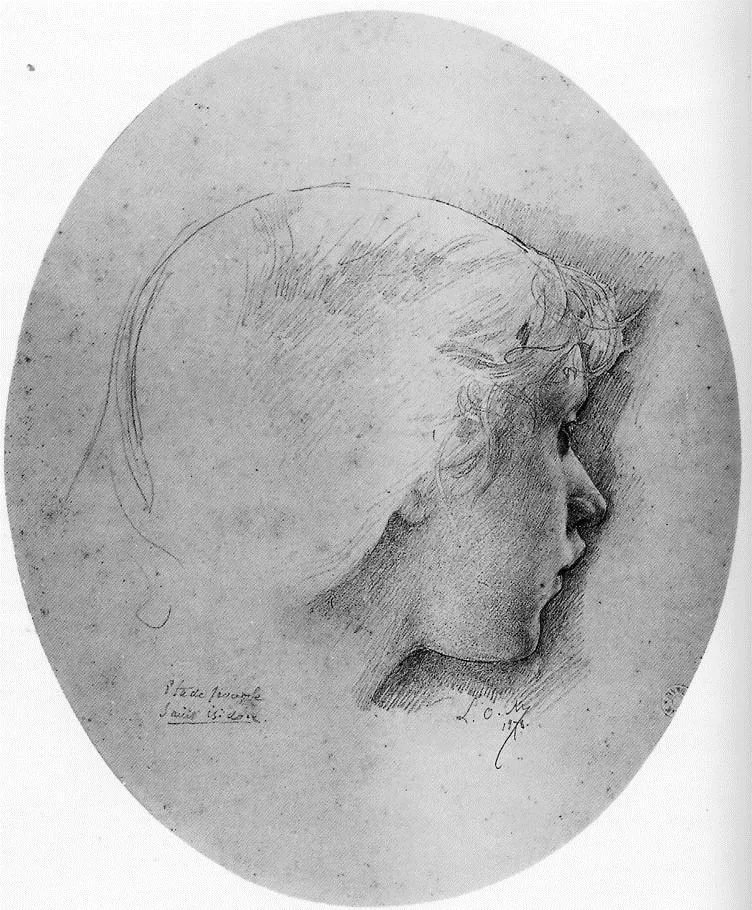
Luc-Olivier Merson’s "The Soldier of Marathon" exemplifies the technical prowess of oil on canvas, a hallmark of Academic Art. The artist’s expert manipulation of light and shadow, combined with lifelike anatomical accuracy, breathes life into the legendary figure. Merson’s other celebrated paintings, including "Study for the Head of an Angel in Saint Isidore" and "The Wolf of Agubbio," demonstrate his unwavering commitment to excellence in every oil on canvas creation.
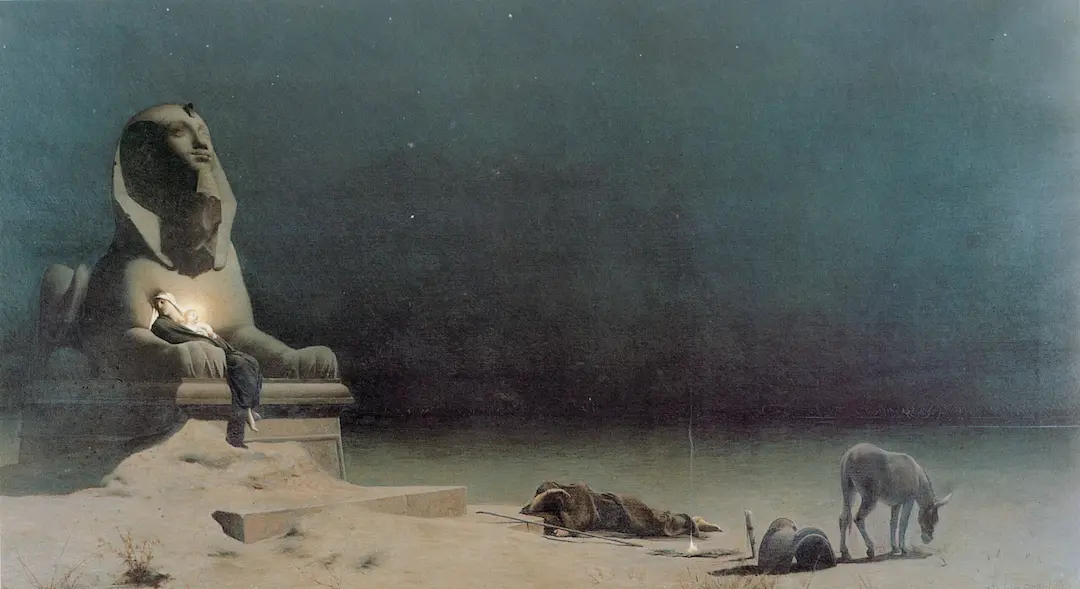
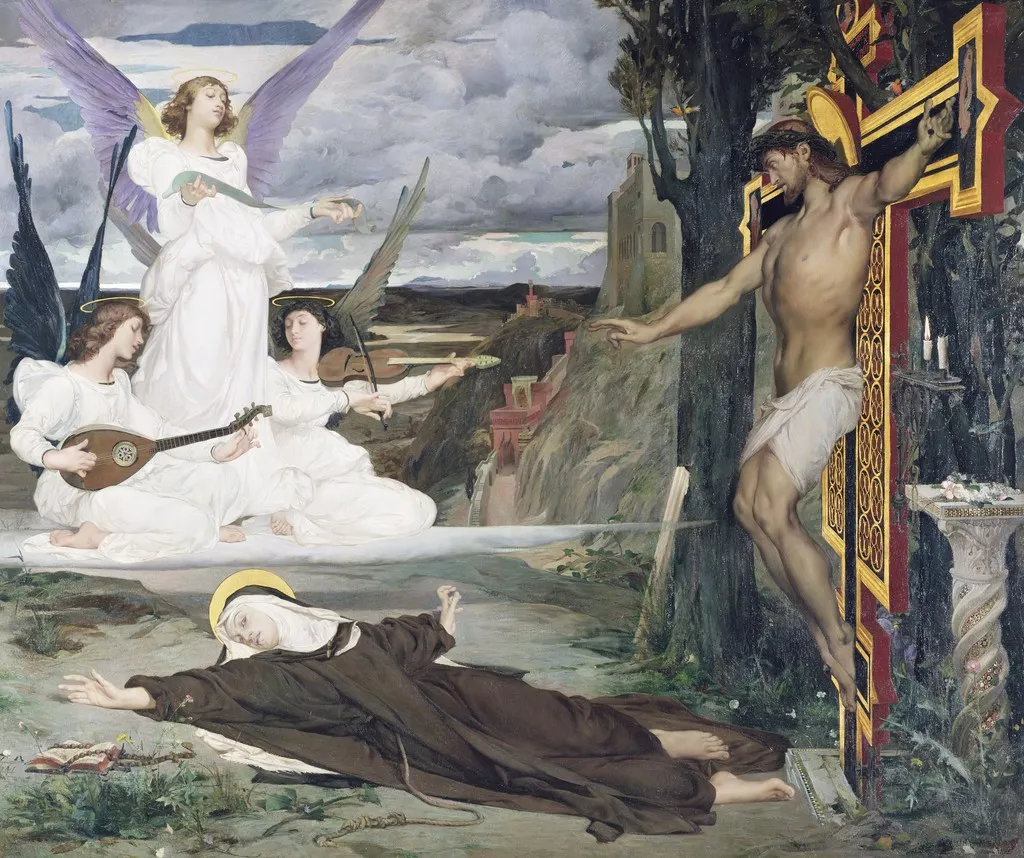
Every element in "The Soldier of Marathon" tells a story, blending historical accuracy with symbolic depth. Merson’s fine art painting for sale features the exhausted messenger, a symbol of sacrifice and triumph, resonating with themes found in "Legend of the 14th Century" and "Rest on the Flight into Egypt." The use of classical motifs and rich color palettes invites viewers to explore the timeless narratives that define the Academic Art movement.
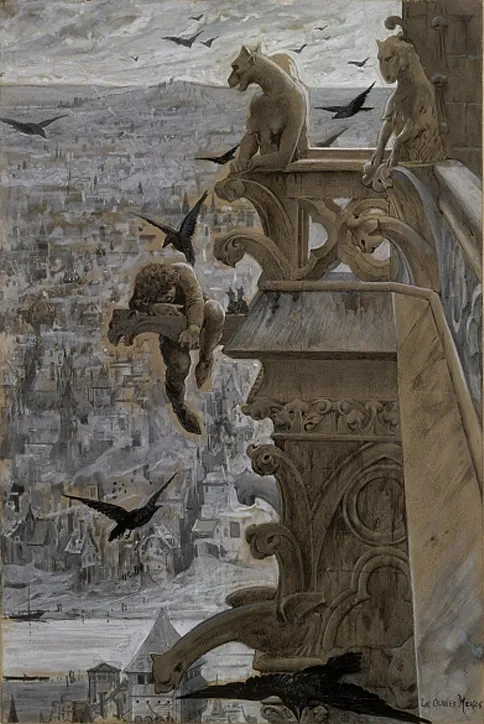
Owning "The Soldier of Marathon" by Luc-Olivier Merson means acquiring a hand-painted oil painting that embodies the grandeur of Academic Art. This masterwork, along with related pieces like "The Vision" and "The Hunchback of Notre-Dame," offers collectors a unique opportunity to invest in history and artistry. Each fine art painting for sale is a testament to Merson’s legacy, making it a prized addition to any discerning collection.
When Art Meets History
"The Soldier of Marathon" by Luc-Olivier Merson stands as an iconic example of the Academic Art movement. This hand-painted oil painting captures a pivotal moment in ancient Greek history, reflecting the artist's fascination with myth and legend. Merson’s attention to historical detail places this work alongside related paintings such as "Still Life with Basket of Flowers" and "Portrait of a young Roman woman," making it a must-see for anyone interested in history and fine art.
Techniques That Speak
Luc-Olivier Merson’s mastery is evident in his use of oil on canvas, a favored medium among Academic artists. The smooth brushwork, dramatic lighting, and meticulous rendering of textures demonstrate his technical prowess. Similar techniques can be observed in works like "Reunited" and "The players." Merson’s approach ensures that every element of "The Soldier of Marathon" contributes to its storytelling, making it a standout among other masterpieces in the Academic Art tradition.
Emotions on Display
Through "The Soldier of Marathon," Luc-Olivier Merson conveys profound emotion, capturing the tension and heroism of the ancient warrior. The painting’s composition and expressive gestures resonate deeply, inviting viewers to empathize with the soldier’s journey. As a fine art painting for sale, it rivals the emotional intensity found in related works like "STILL LIFE WITH EWER AND ACCOUTREMENTS ON GILT MOUNTED BUREAU PLAT," reaffirming Merson's place among the greats of the Academic Art movement.
Coveted by Collectors
Collectors worldwide seek out "The Soldier of Marathon" by Luc-Olivier Merson for its historical significance and artistic excellence. This hand-painted oil painting is a testament to the enduring appeal of the Academic Art movement. Alongside related paintings such as "The players" and "Reunited," it is highly prized in galleries and private collections. Its detailed execution and narrative power make it an exceptional addition to any collection of fine art.
Related Academic Art Hand-Painted Oil Paintings by Other Artists
Other Famous Academic Art Artists:
Frequently Asked Questions About The Soldier of Marathon
What historical event does "The Soldier of Marathon" depict?
The painting illustrates the aftermath of the Battle of Marathon, a pivotal conflict in 490 BC during the Greco-Persian Wars, where the Athenian army achieved a significant victory against the invading Persian forces.
Who was Luc-Olivier Merson, and what is his significance in art history?
Luc-Olivier Merson was a French painter and illustrator known for his historical and allegorical works. His contributions to the academic art movement in the late 19th century have made him a notable figure in the portrayal of historical narratives through painting.
What artistic style is employed in "The Soldier of Marathon"?
The painting is characterized by the academic style, which emphasizes realism, attention to detail, and a dramatic use of light and shadow, reflecting the influence of neoclassicism and romanticism prevalent during Merson's time.
What symbolism can be found in the depiction of the soldier?
The soldier represents not only the valor and sacrifice of the Athenian warriors but also embodies the ideals of freedom and democracy that emerged from the victory at Marathon, serving as a symbol of resistance against tyranny.
How does Merson convey emotion in "The Soldier of Marathon"?
Merson employs expressive facial features and dynamic body language to convey the soldier's exhaustion and triumph, effectively capturing the emotional weight of the moment following the battle.
What role does color play in the painting?
The use of a warm color palette, dominated by earthy tones, enhances the sense of realism while also evoking a heroic atmosphere, drawing the viewer's attention to the soldier's figure as the focal point of the composition.
What is the significance of the setting in "The Soldier of Marathon"?
The background of the painting, which includes elements of the battlefield and the distant Athenian landscape, situates the soldier within the historical context, emphasizing the connection between the individual and the broader narrative of Greek history.
How does "The Soldier of Marathon" reflect the values of 19th-century France?
The painting reflects the 19th-century French ideals of nationalism and heroism, resonating with contemporary audiences who sought inspiration from classical antiquity and the notion of civic duty during a time of political upheaval in France.
What techniques did Merson use to achieve realism in the painting?
Merson utilized techniques such as chiaroscuro to create depth, meticulous attention to anatomical accuracy, and naturalistic textures, all of which contribute to the lifelike representation of the soldier and the surrounding environment.
In what ways has "The Soldier of Marathon" influenced modern interpretations of historical painting?
The painting has influenced modern interpretations by demonstrating how historical events can be depicted with emotional depth and dramatic flair, encouraging contemporary artists to explore the intersection of history and personal narrative in their works.























_GFM_Painting_(1).webp)


 100% Hand-Painted: Finished in 3-6 Weeks

.png)















_(1).webp)