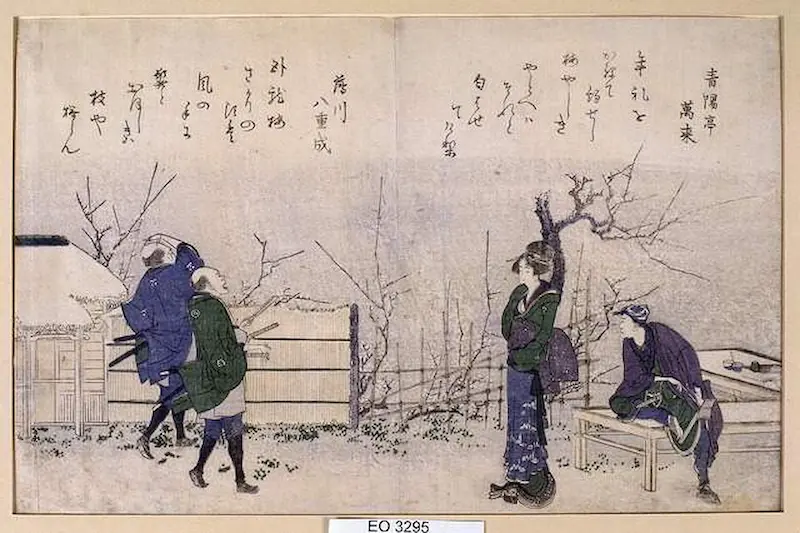
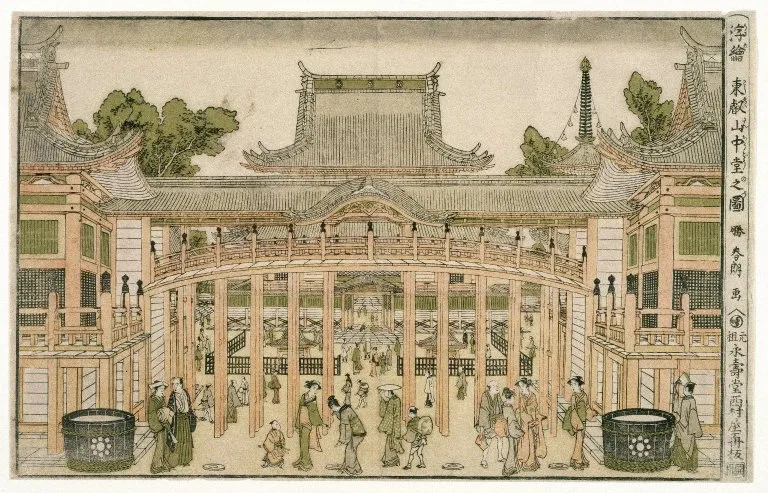
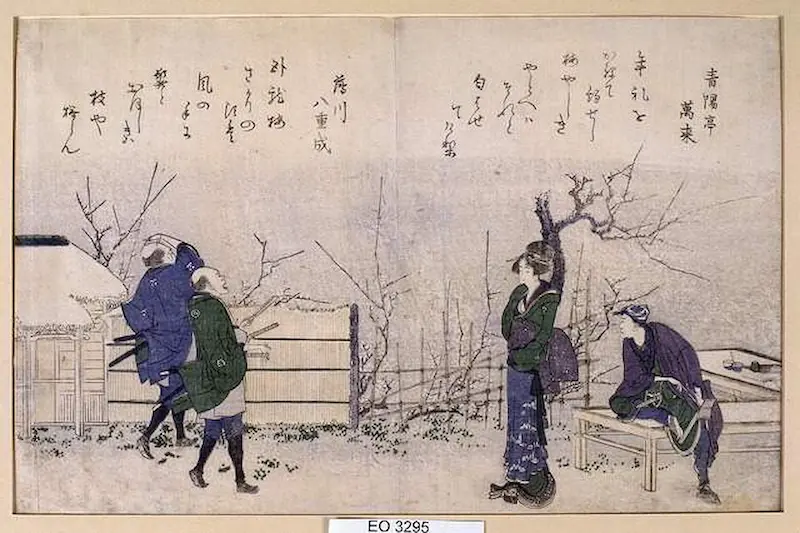
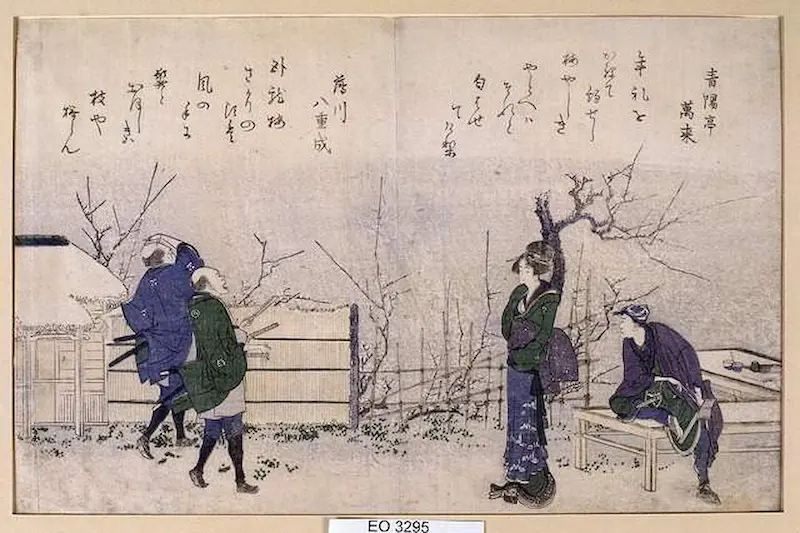
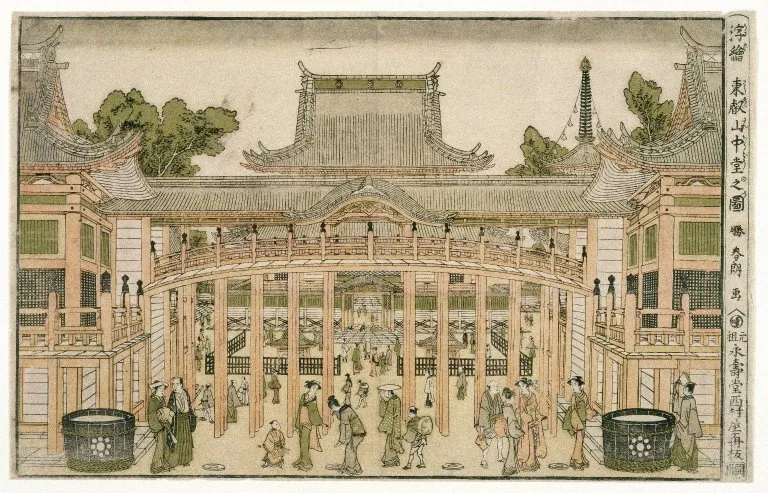
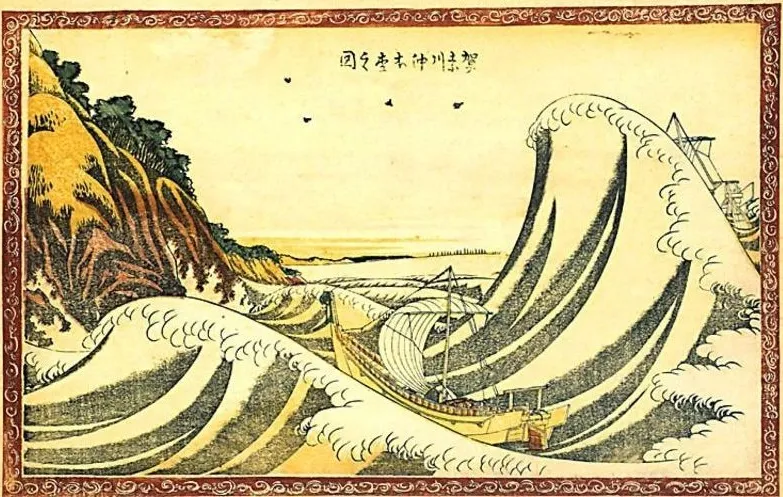
Katsushika Hokusai’s skillful technique in "Teahouse Umeyashiki" is evident in the delicate interplay of color and detail, characteristics that define the Ukiyo-e movement. The artist's use of oil on canvas brings depth and vibrancy to the serene teahouse scene. For those seeking to enrich their collection, fine art painting for sale options like "Inside the Courtyard of the Toeizan Temple at Ueno" highlight Hokusai’s exceptional mastery and timeless appeal.
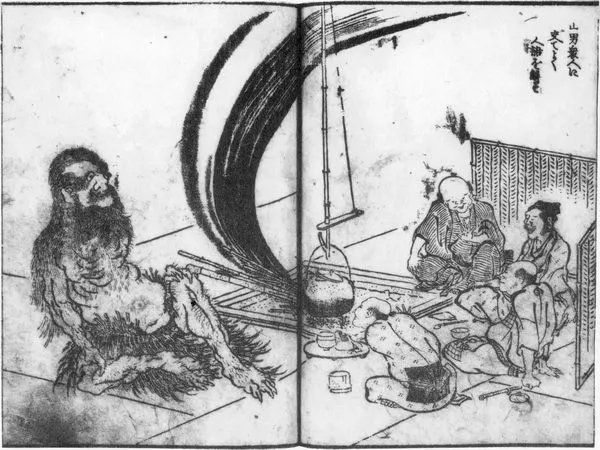
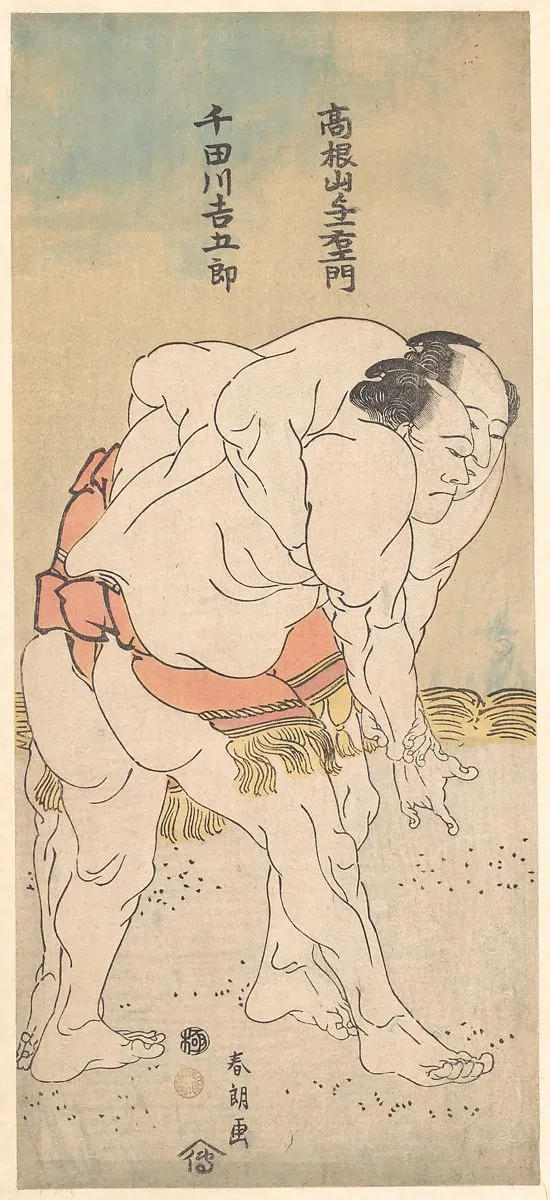
Every element in Hokusai’s "Teahouse Umeyashiki" tells a story, from the graceful figures to the natural surroundings, embodying the spirit of Ukiyo-e art. This hand-painted oil painting invites viewers to interpret its subtle symbolism and cultural references. Art enthusiasts may also explore related products such as "The Sumo Wrestlers Takaneyama Yoichiemon and Sendagawa Kichigoro" for a deeper understanding of the narratives woven into Hokusai’s celebrated works.
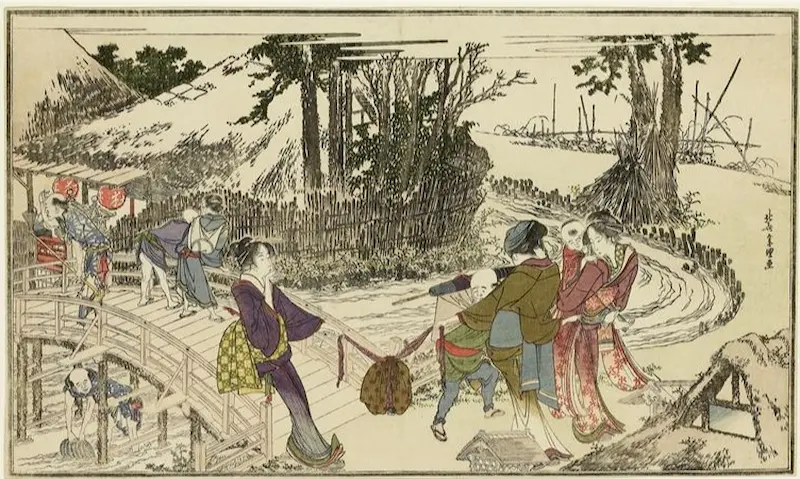
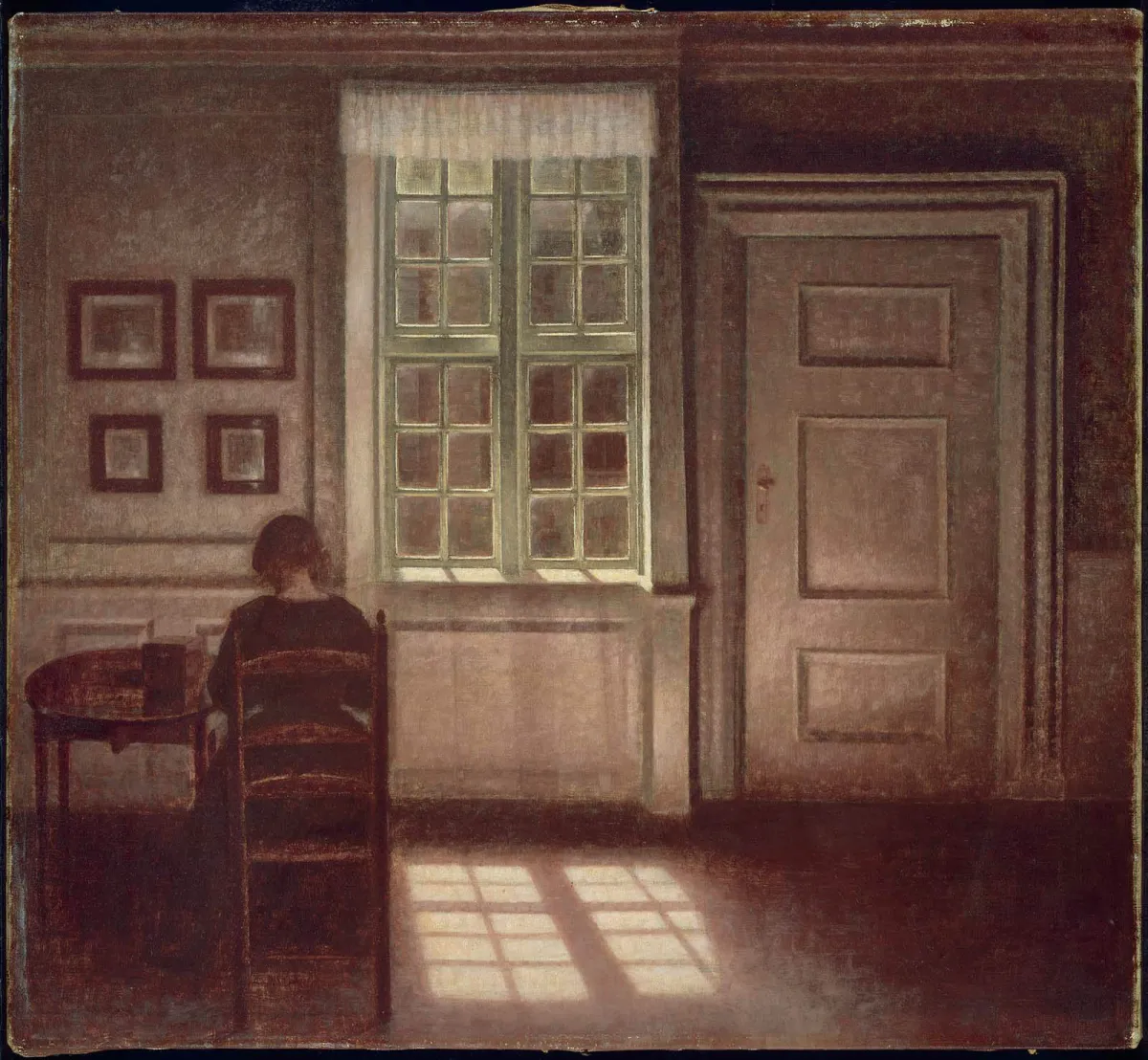
For collectors, "Teahouse Umeyashiki" by Katsushika Hokusai is more than a fine art painting for sale—it’s a connection to history and artistry. The Ukiyo-e movement’s influence is evident in every brushstroke, making this painting a coveted piece among art lovers. Pairing it with other works like "Woman in an Interior" enhances any collection, offering a rich tapestry of Japanese culture and the enduring legacy of Hokusai’s genius.
When Art Meets History
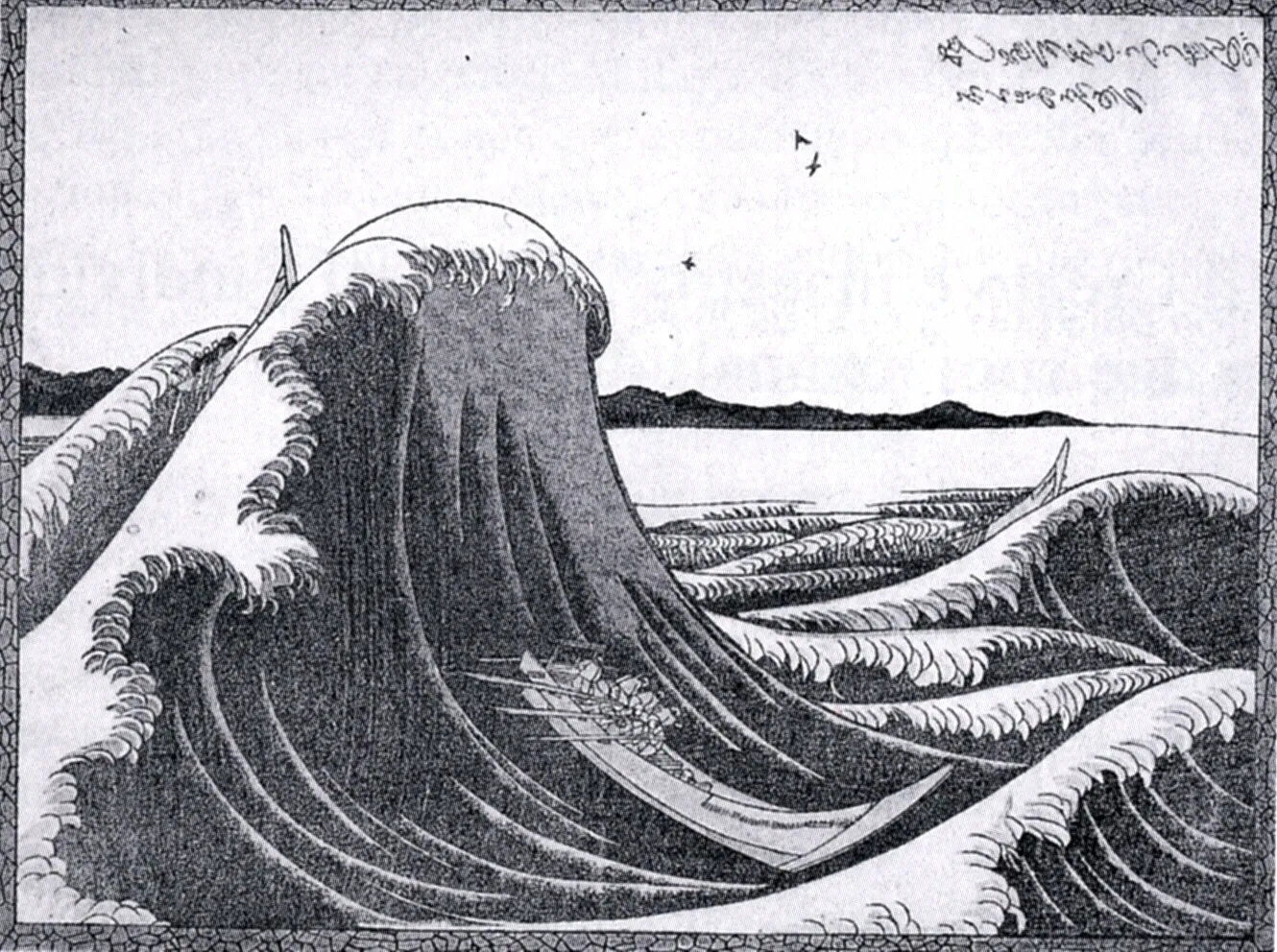
"Teahouse Umeyashiki" by Katsushika Hokusai is a remarkable example of the Ukiyo-e movement, capturing a fleeting moment in Edo-period Japan. This hand-painted oil painting transports viewers to a tranquil teahouse, reflecting the social and cultural atmosphere of its time. Hokusai, famed for works like "The Great Wave off Kanagawa," masterfully preserves the essence of daily life, making this artwork a timeless treasure that seamlessly blends art and history.
Techniques That Speak
Katsushika Hokusai’s "Teahouse Umeyashiki" demonstrates the meticulous techniques characteristic of the Ukiyo-e movement. By skillfully layering oil on canvas, Hokusai achieves vibrant colors and delicate lines that bring the scene to life. His attention to detail and composition showcases his mastery, making this piece stand out among other fine art paintings for sale. The techniques used not only highlight his expertise but also contribute to the enduring appeal of his work.
Emotions on Display
In "Teahouse Umeyashiki," Hokusai conveys a sense of serenity and social harmony, inviting viewers to experience the peaceful ambiance of a Japanese teahouse. The artist’s use of color and composition evokes feelings of calm and nostalgia, hallmarks of the Ukiyo-e movement. This fine art painting for sale captures the gentle interactions of its subjects, making it a compelling emotional statement and a reflection of Hokusai’s deep connection to his culture.
Coveted by Collectors
As a celebrated work by Katsushika Hokusai, "Teahouse Umeyashiki" is highly sought after by collectors of Japanese art and Ukiyo-e masterpieces. Its exquisite detail and historical significance ensure its place among the most desirable hand-painted oil paintings. Collectors appreciate not only the visual beauty but also the cultural depth it represents, making it a prized addition to any collection of fine art paintings for sale.
Frequently Asked Questions About Teahouse Umeyashiki
What is the historical significance of "Teahouse Umeyashiki"?
"Teahouse Umeyashiki" is significant as it reflects the Edo period's cultural practices, particularly the popularity of teahouses in Japan. It captures the social dynamics and leisure activities of the time, providing insight into the daily lives of people during this era.
Who was Katsushika Hokusai and what is his contribution to art?
Katsushika Hokusai was a renowned Japanese ukiyo-e painter and printmaker of the Edo period. His contributions to art include the popularization of landscape prints and his innovative techniques that influenced both Japanese and Western art movements.
What artistic techniques did Hokusai employ in "Teahouse Umeyashiki"?
Hokusai utilized woodblock printing techniques, characterized by vibrant colors and intricate details. His mastery of perspective and composition is evident in the way he captures the teahouse's architecture and the surrounding natural elements.
What themes are explored in "Teahouse Umeyashiki"?
The painting explores themes of leisure, nature, and social interaction. It highlights the harmony between human activity and the natural environment, a common theme in Hokusai's work that reflects the cultural values of the time.
How does "Teahouse Umeyashiki" reflect the aesthetics of the Edo period?
The aesthetics of the Edo period are reflected in the painting through its emphasis on beauty, simplicity, and the appreciation of nature. The teahouse serves as a symbol of tranquility and social harmony, which were valued during this time.
What is the symbolism of the teahouse in Japanese culture?
The teahouse symbolizes hospitality, tranquility, and the art of conversation in Japanese culture. It serves as a space for social gatherings and reflects the importance of tea ceremonies in fostering community and connection.
In what ways did Hokusai's work influence Western art?
Hokusai's work, including "Teahouse Umeyashiki," influenced Western art by introducing new perspectives and techniques, particularly during the Impressionist movement. His use of color and composition inspired artists to explore different approaches to landscape and everyday life.
What role does nature play in "Teahouse Umeyashiki"?
Nature plays a pivotal role in "Teahouse Umeyashiki," serving as both a backdrop and a complementary element to the teahouse. Hokusai's depiction of natural landscapes emphasizes the interconnectedness of human life and the environment, a recurring theme in his oeuvre.
How does "Teahouse Umeyashiki" compare to Hokusai's other works?
"Teahouse Umeyashiki" can be compared to Hokusai's other works through its similar themes of nature and daily life. However, it stands out due to its focus on social interaction within a specific cultural context, showcasing Hokusai's versatility as an artist.
What impact did "Teahouse Umeyashiki" have on Japanese art history?
"Teahouse Umeyashiki" has had a lasting impact on Japanese art history by exemplifying the ukiyo-e genre and influencing subsequent generations of artists. It remains a celebrated piece that encapsulates the essence of Edo period aesthetics and cultural practices.























_GFM_Painting_(1).webp)


 100% Hand-Painted: Finished in 3-6 Weeks

.png)















_(1).webp)