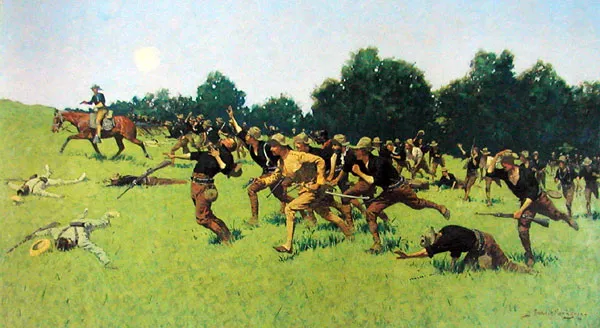
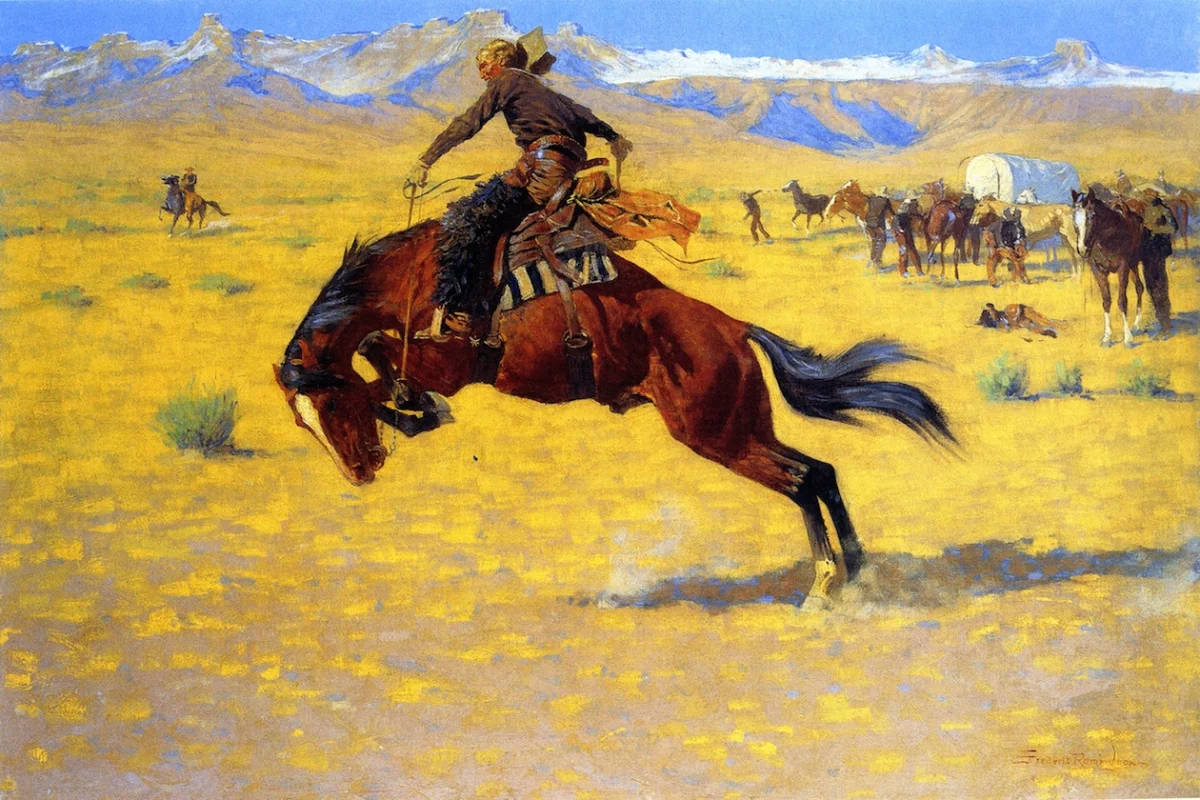
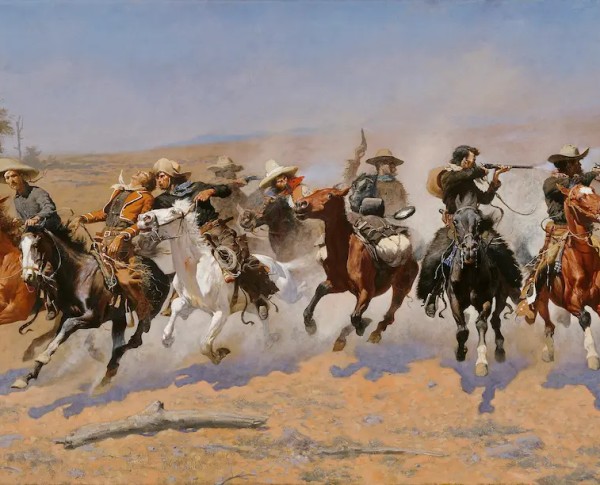
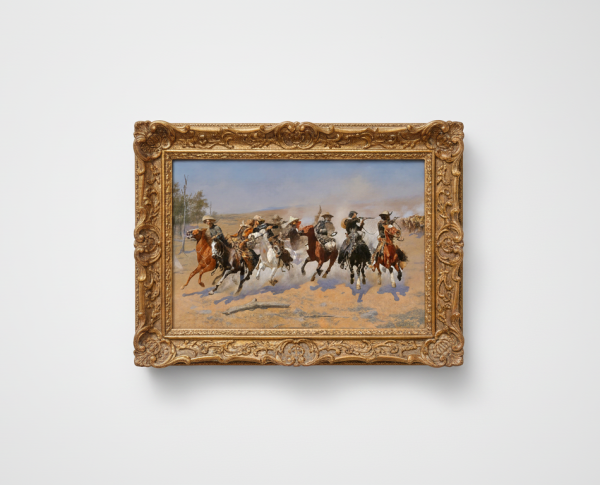
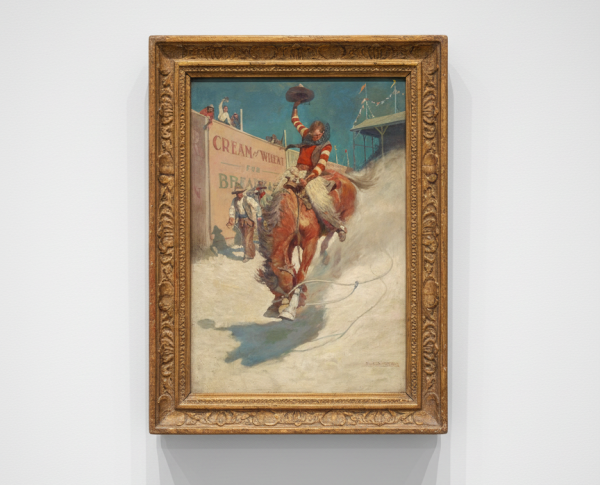
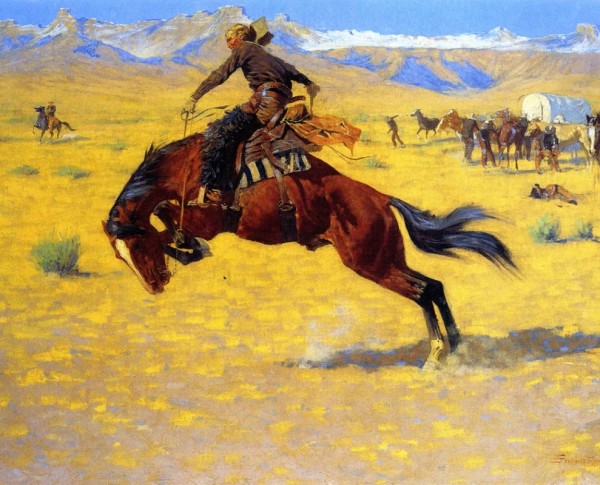
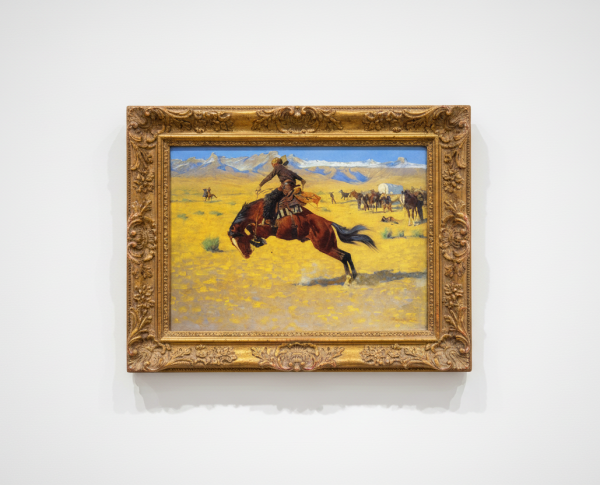
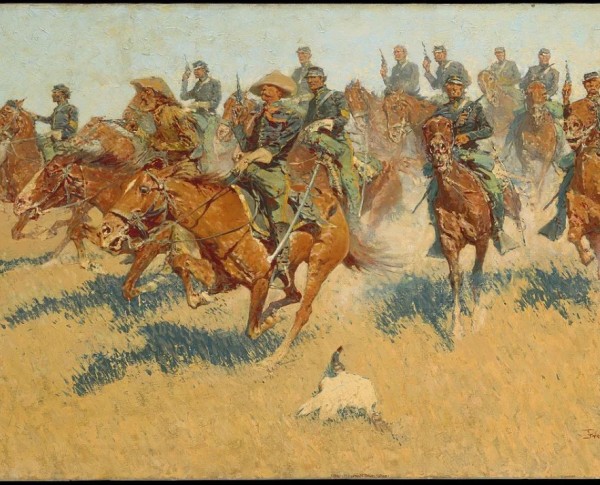
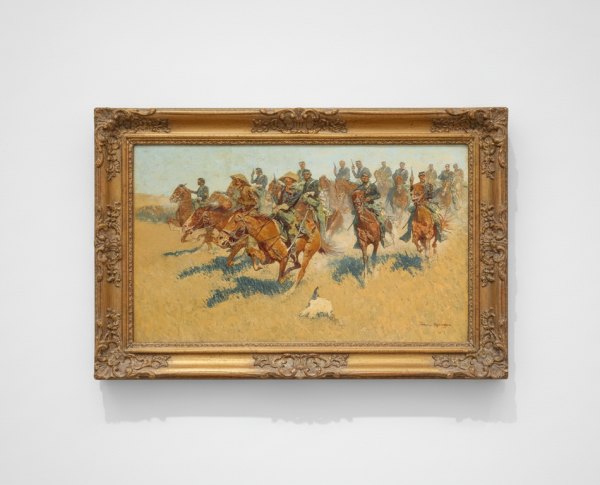
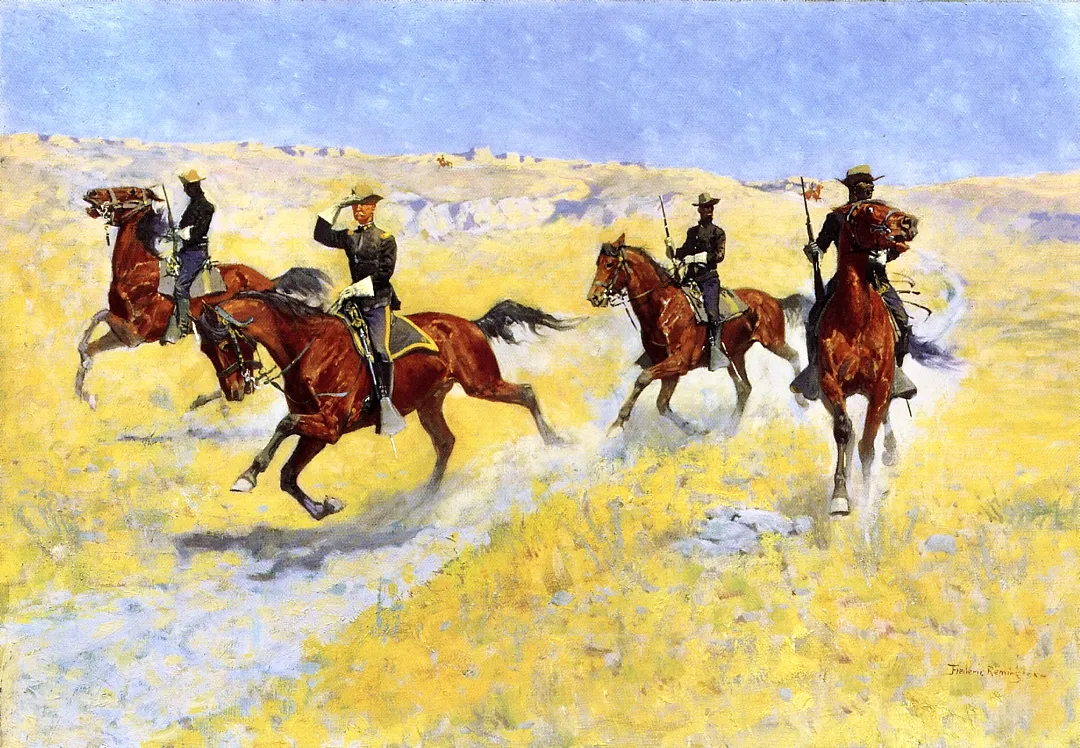
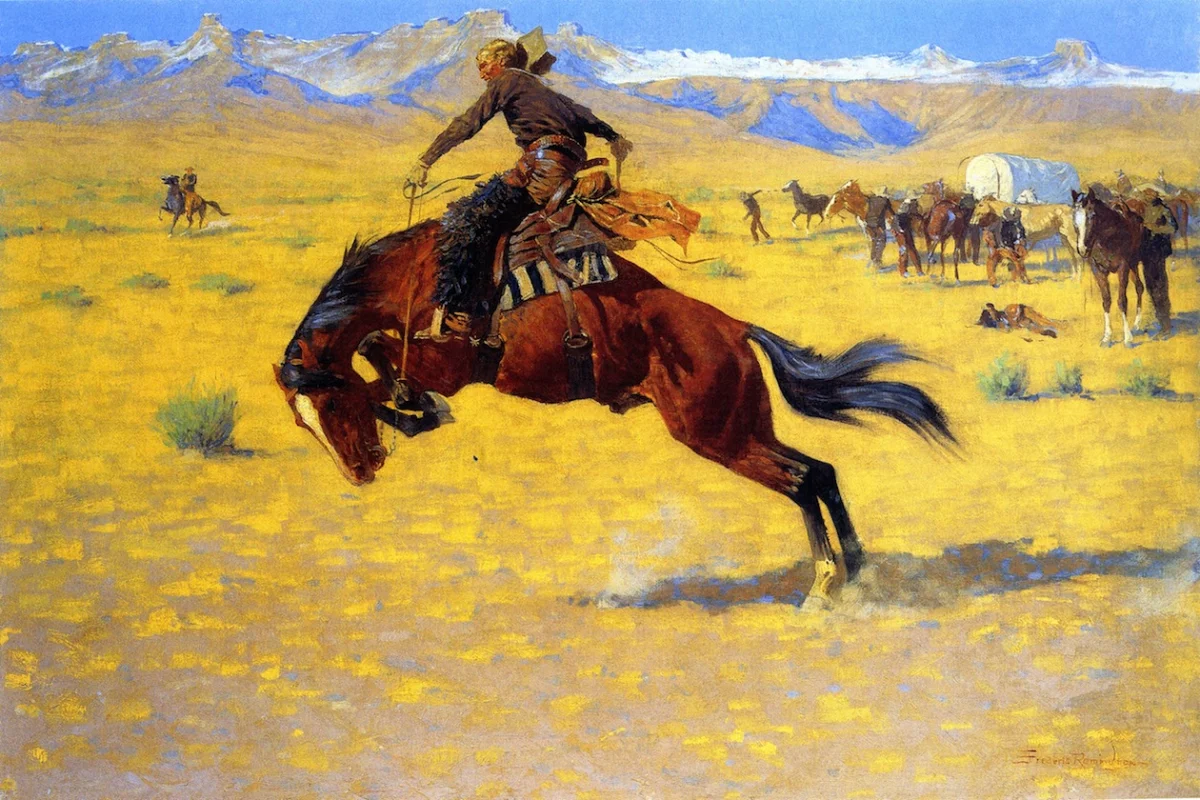
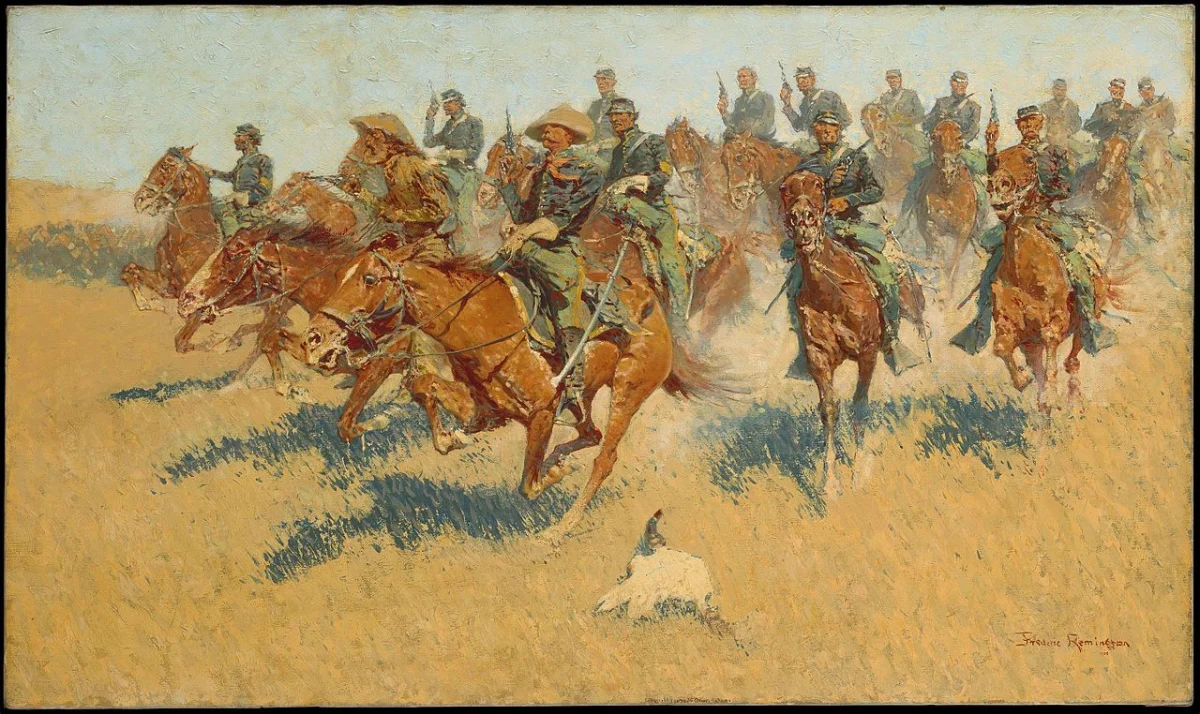
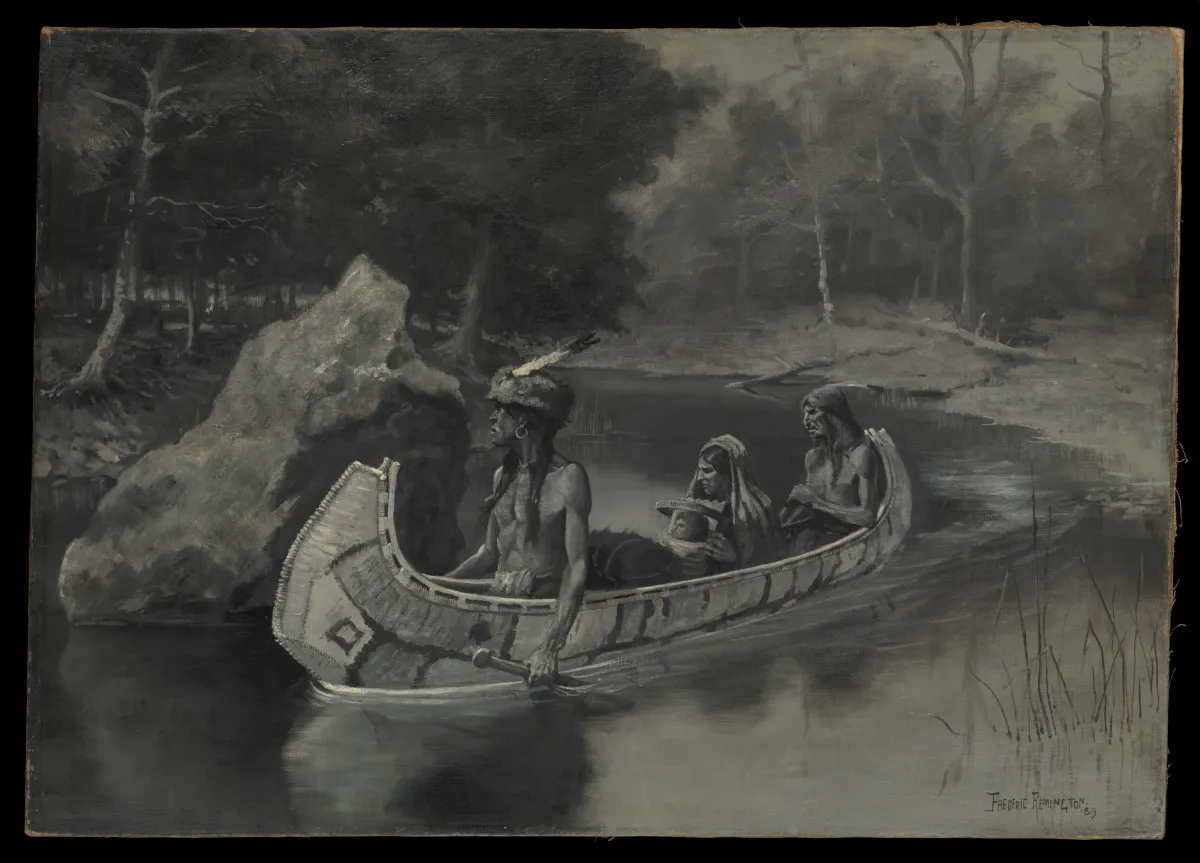
Frederic Remington’s use of oil on canvas in "The Advance" showcases his extraordinary ability to render dynamic action and atmospheric landscapes. Each brushstroke conveys the tension and movement of the scene, embodying the technical prowess that defines the Realism movement. Collectors and enthusiasts often compare this work to other Remington classics, such as "Pitched It Sheer into the River . . . Where It Still Is Seen in the Summer" and "Cold Morning on the Range."
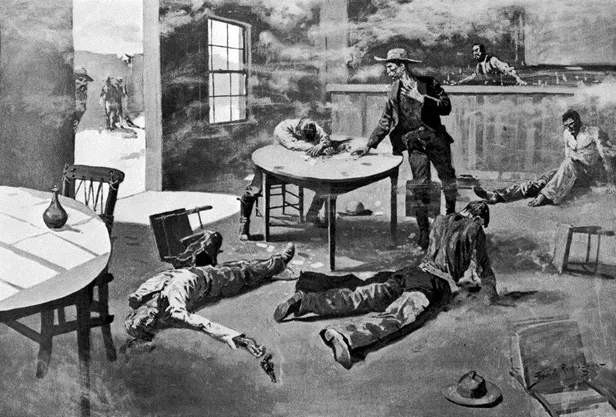
Within "The Advance," Remington weaves a narrative of bravery and exploration, making the painting a fine art painting for sale that appeals to history lovers and art collectors alike. The positioning of the figures, the play of light, and the surrounding environment all work together to tell a compelling story. For fans of Remington’s storytelling, related works like "A Misdeal" and "On the Southern Plains" also resonate with deep symbolism and narrative richness.
Owning "The Advance" by Frederic Remington means possessing a piece of the Realism movement’s heritage, rendered in a masterful hand-painted oil painting. This artwork’s authenticity and historical significance make it a valuable addition to any collection. Collectors searching for a standout piece often consider "The Advance" alongside other Remington offerings, such as "The Sergeant" and "Cold Morning on the Range," to enhance their fine art portfolios.
When Art Meets History
Frederic Remington’s masterpiece, "The Advance," stands as a testament to the Realism movement’s commitment to capturing authentic moments in time. This hand-painted oil painting vividly depicts a dramatic scene from American history, much like Remington’s contemporaries captured in "Portrait of Monsieur and Madame Auguste Manet" and "The Winnower." Through his art, Remington immerses viewers in the era, making "The Advance" not just a painting, but a visual journey into the past.
Techniques That Speak
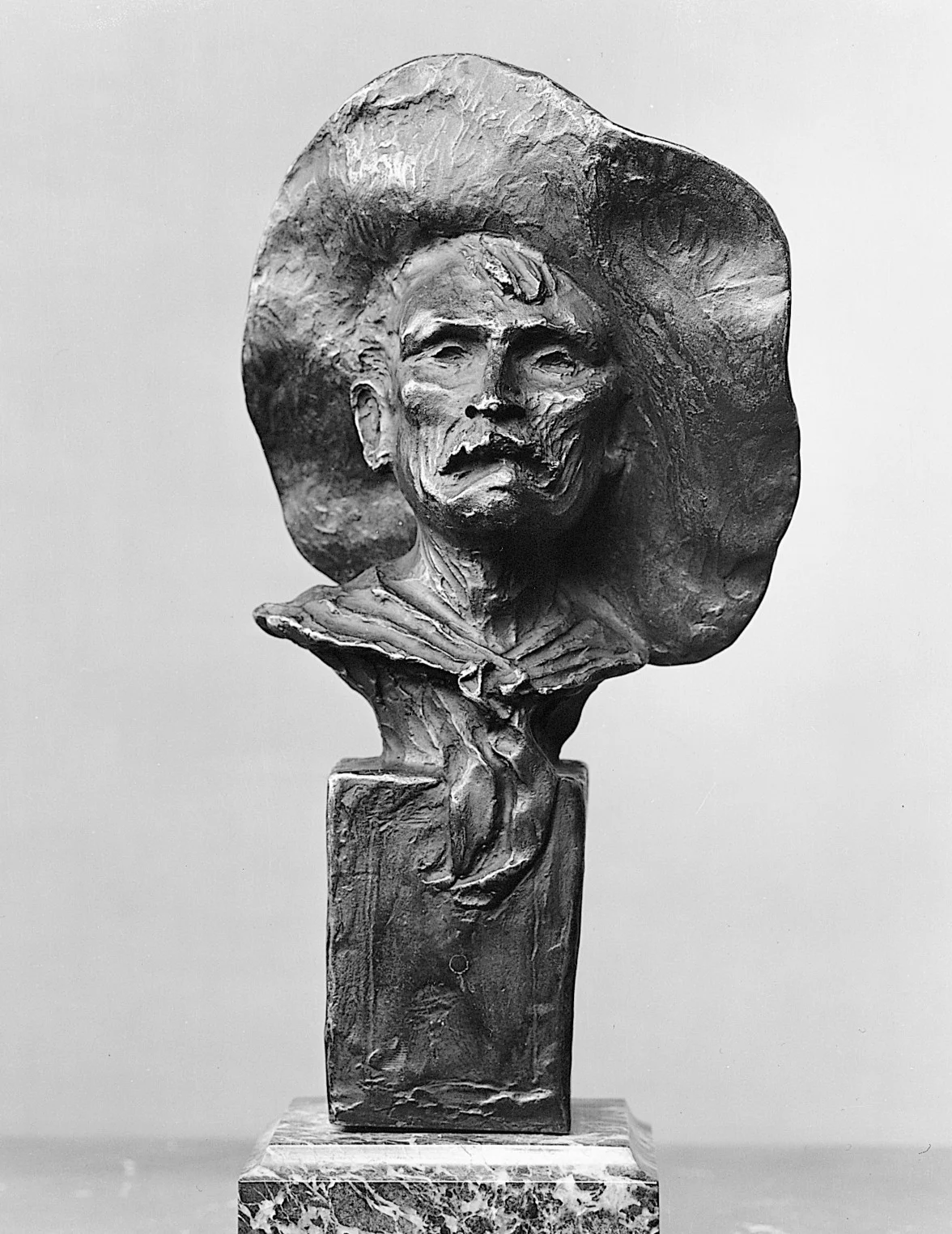
Remington’s expert use of oil on canvas in "The Advance" showcases his attention to detail and mastery of light and shadow. His technique, aligned with the Realism movement, brings out the textures and depth of the scene, similar to works like "The Lunch" and "Head of a Man." The artist’s brushwork and color palette make each figure lifelike, demonstrating why oil on canvas remains a favored medium for capturing historical narratives.
Emotions on Display
"The Advance" by Frederic Remington conveys intense emotion through expressive faces and dynamic postures, a hallmark of Realism. The composition draws viewers into the scene, making them feel the tension and anticipation, much like in "Portrait of a Man with a Goatee." This fine art painting for sale appeals to collectors and history enthusiasts alike, offering a compelling glimpse into the emotional landscape of a pivotal moment.
Coveted by Collectors
Collectors and art lovers prize "The Advance" for its historical significance and masterful execution, placing it among the most sought-after works in the Realism movement. Frederic Remington’s reputation and the painting’s connection to related works—such as "The Winnower" and "Portrait of Monsieur and Madame Auguste Manet"—add to its allure. As a hand-painted oil painting, "The Advance" remains a coveted centerpiece in any fine art collection.
Related Realism Hand-Painted Oil Paintings by Other Artists
Other Famous Realism Artists:
Frequently Asked Questions About "The Advance"
What is the historical context of "The Advance"?
"The Advance" was painted by Frederic Remington during the late 19th century, a period marked by the westward expansion of the United States and the romanticization of the American frontier. This painting reflects the themes of adventure and the rugged individualism associated with this era.
What artistic techniques did Frederic Remington use in "The Advance"?
Remington employed a combination of dynamic brushwork and a rich color palette to convey movement and emotion. His attention to detail in the depiction of horses and figures enhances the realism and drama of the scene.
What is the significance of the figures depicted in "The Advance"?
The figures in "The Advance" symbolize the spirit of exploration and the bravery of those who ventured into the unknown territories of the American West. They represent both the challenges faced and the triumphs achieved during this transformative period in American history.
How does "The Advance" reflect Remington's view of the American West?
Remington's work often illustrates a romanticized vision of the American West, highlighting themes of heroism and adventure. "The Advance" encapsulates his admiration for the rugged landscape and the indomitable spirit of its inhabitants.
What symbols are present in "The Advance" and what do they represent?
The horses in "The Advance" symbolize strength and freedom, while the figures represent courage and determination. Together, they embody the pioneering spirit that characterized the American West during the late 19th century.
In what ways did Remington's background influence "The Advance"?
Frederic Remington's upbringing in the American West and his experiences as a cowboy and soldier greatly influenced his artistic perspective. His firsthand knowledge of the landscape and its people allowed him to create authentic and compelling representations in "The Advance."
What role does light and shadow play in "The Advance"?
Light and shadow in "The Advance" are utilized to create depth and drama, enhancing the three-dimensionality of the figures and the landscape. This technique draws the viewer’s eye and emphasizes the action taking place within the scene.
How does "The Advance" compare to other works by Frederic Remington?
What impact did "The Advance" have on American art and culture?
"The Advance" contributed to the popularization of Western themes in American art, influencing future generations of artists. It helped to solidify Remington's reputation as a leading figure in Western art and shaped the cultural narrative surrounding the American frontier.
What emotions does "The Advance" evoke in viewers?
The painting evokes a sense of excitement and adventure, as well as a feeling of nostalgia for a bygone era. The dynamic composition and the portrayal of courageous figures inspire admiration and a connection to the historical context of the American West.























_GFM_Painting_(1).webp)


 100% Hand-Painted: Finished in 3-6 Weeks

.png)















_(1).webp)