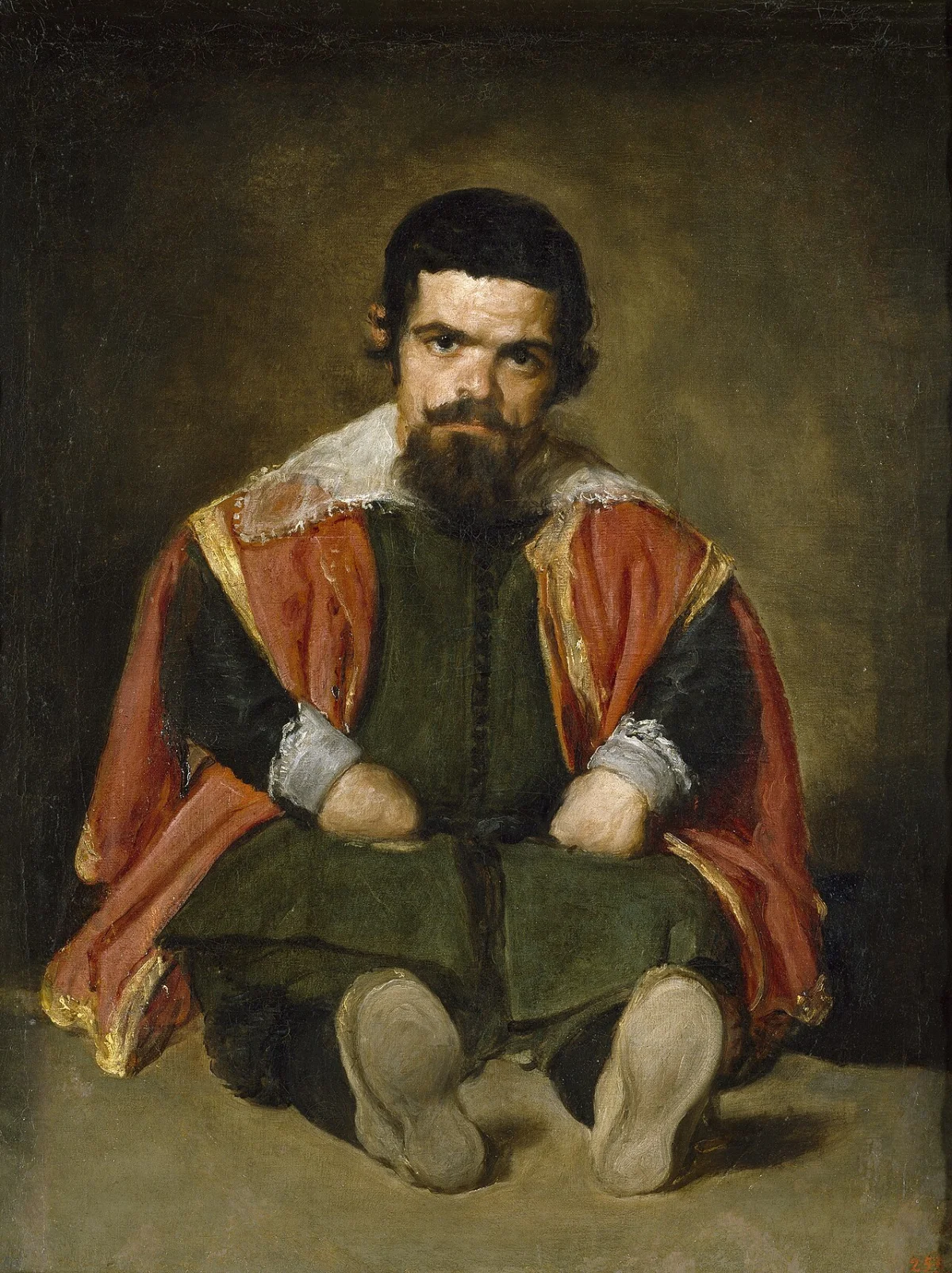
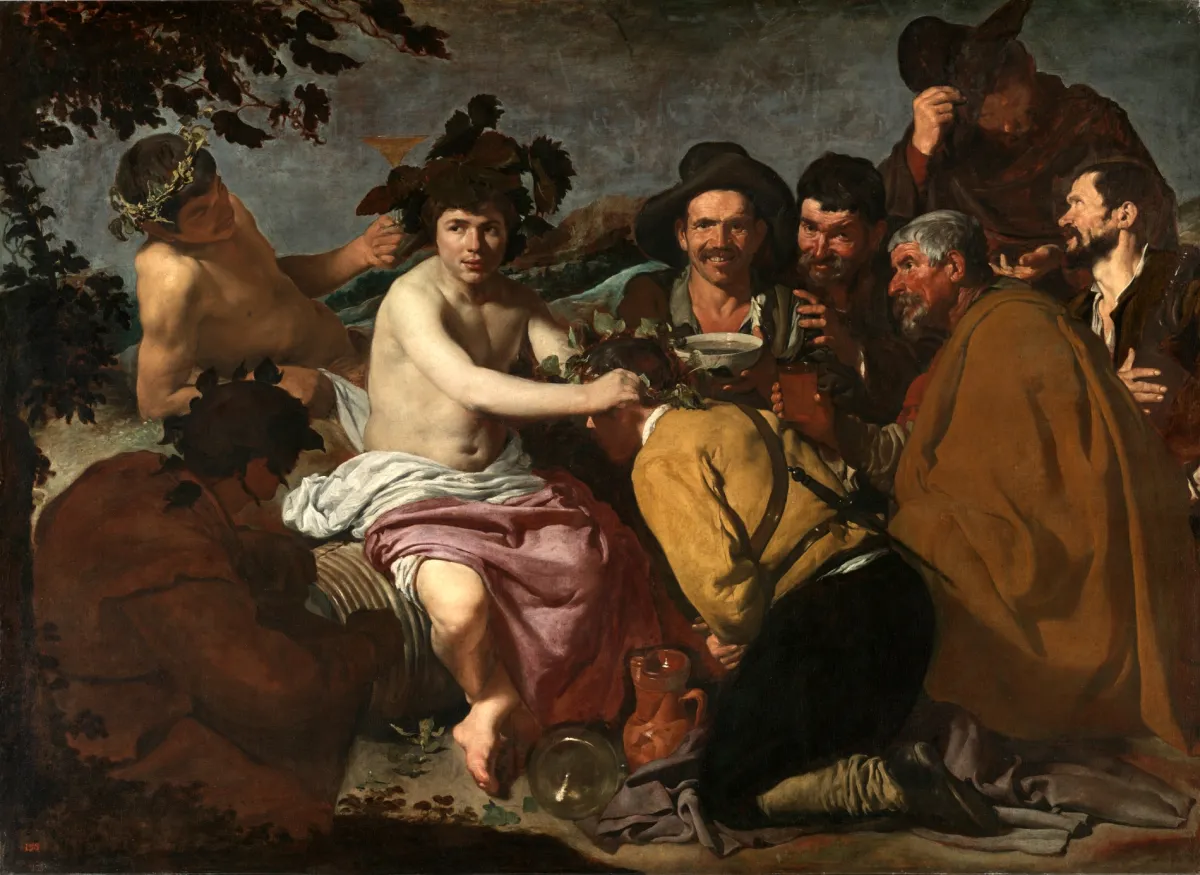
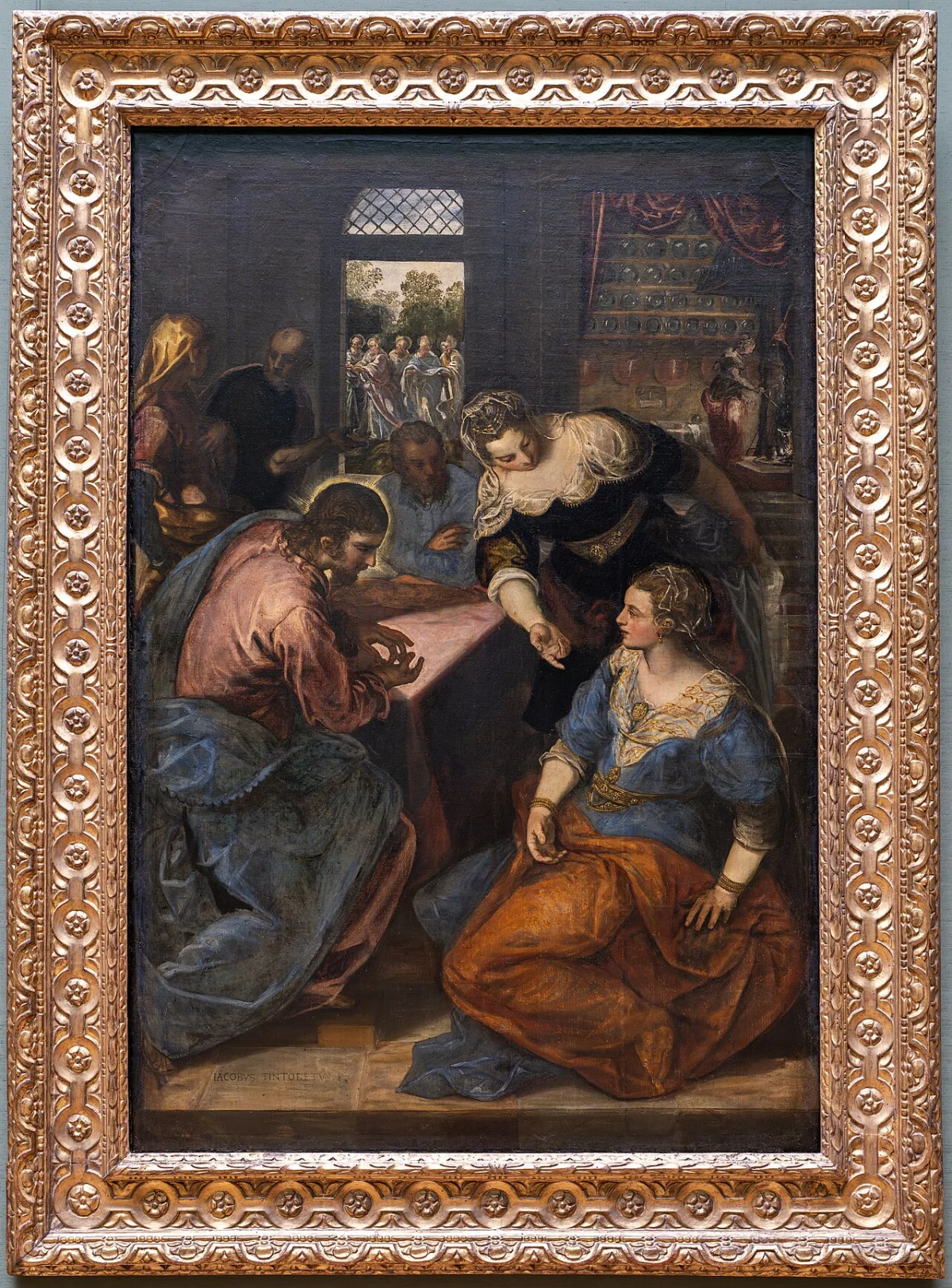
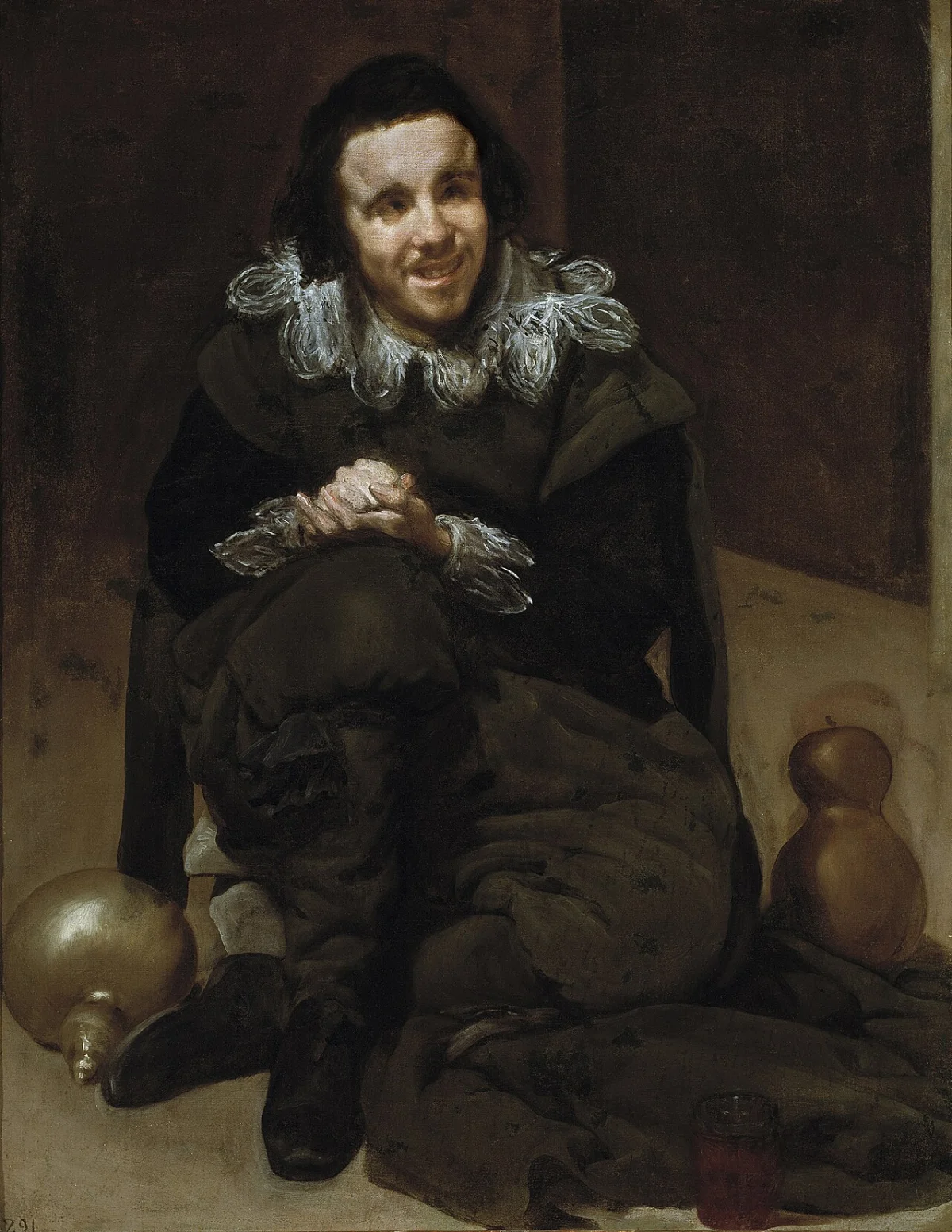
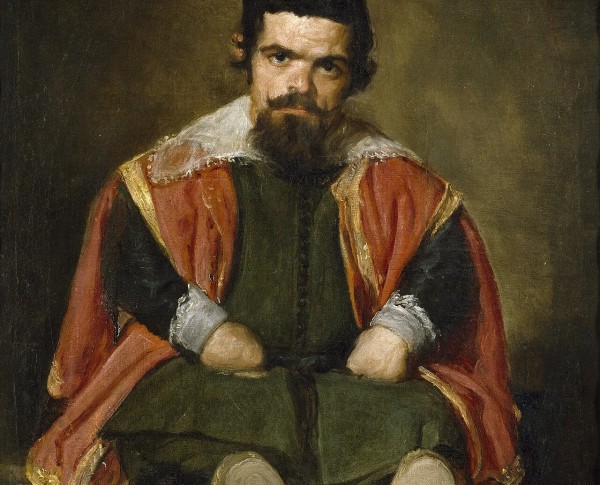
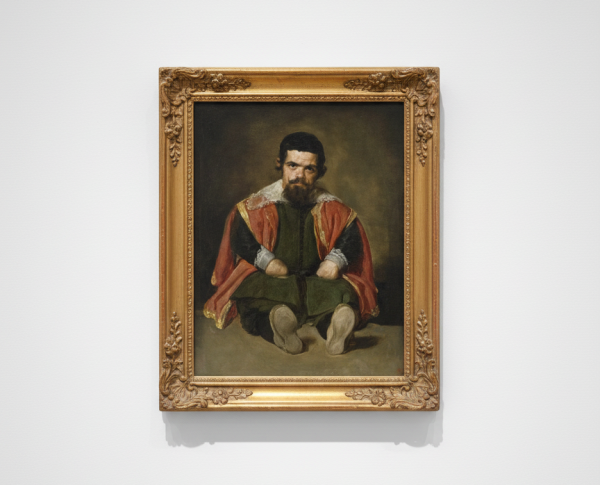
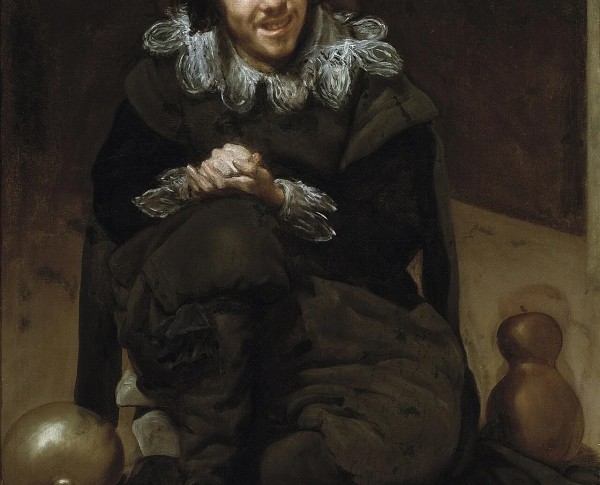
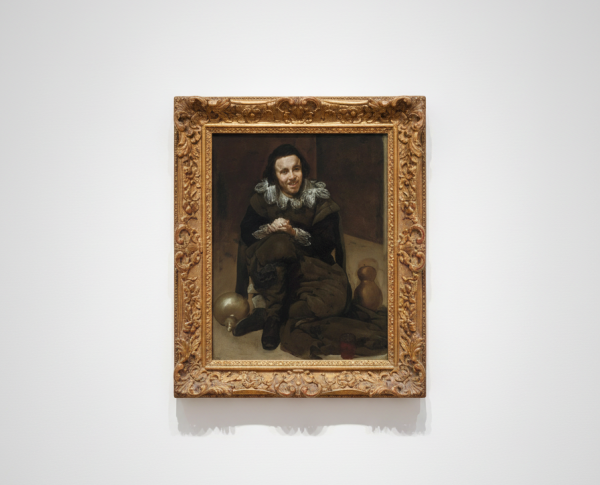
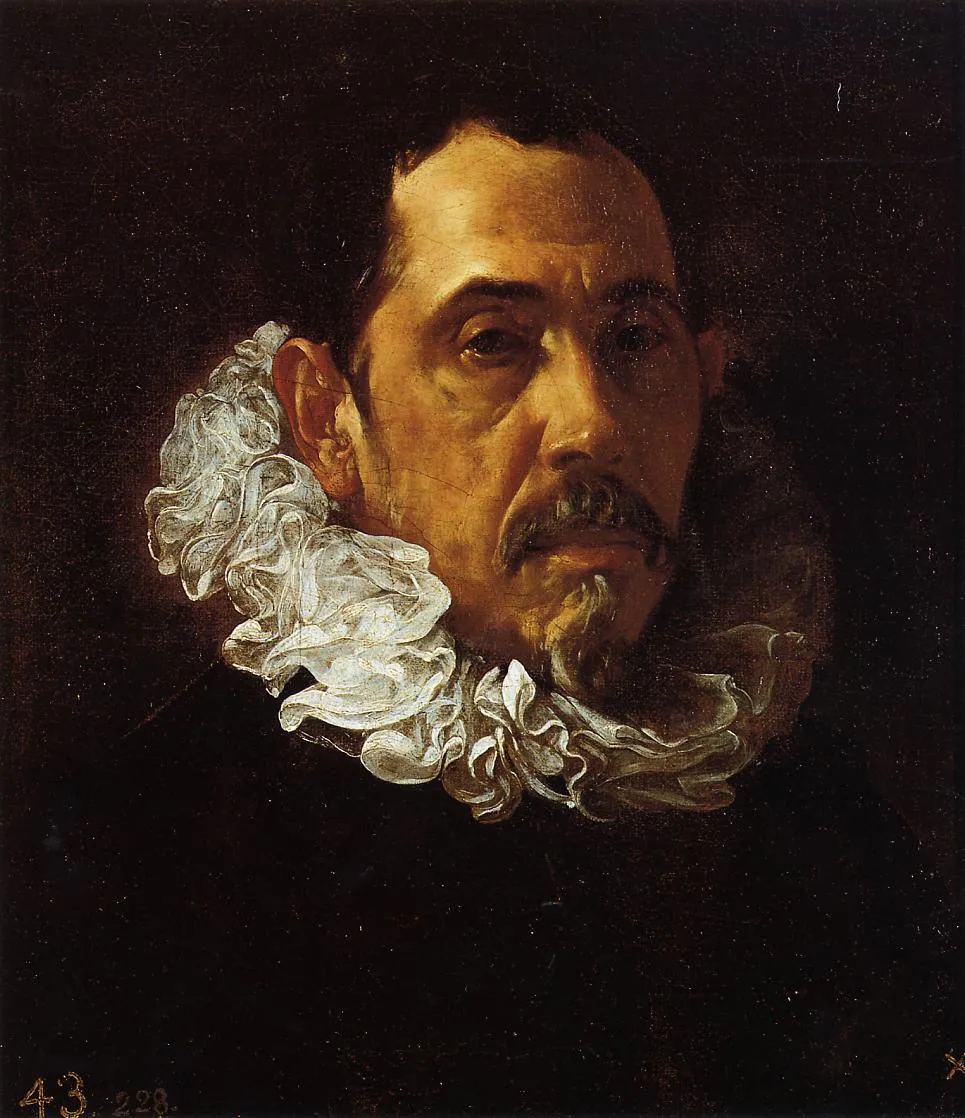
Velazquez’s "Portrait of a Man with a Goatee" is celebrated for its meticulous oil on canvas technique, reflecting the Realism movement’s focus on lifelike representation. Each brushstroke demonstrates his exceptional skill, making this artwork an inspiration for artists and collectors alike. The painting’s refined details can be compared to his other masterpieces such as "Saint Paul" and "The Lunch," both of which highlight the artist’s commitment to authenticity.
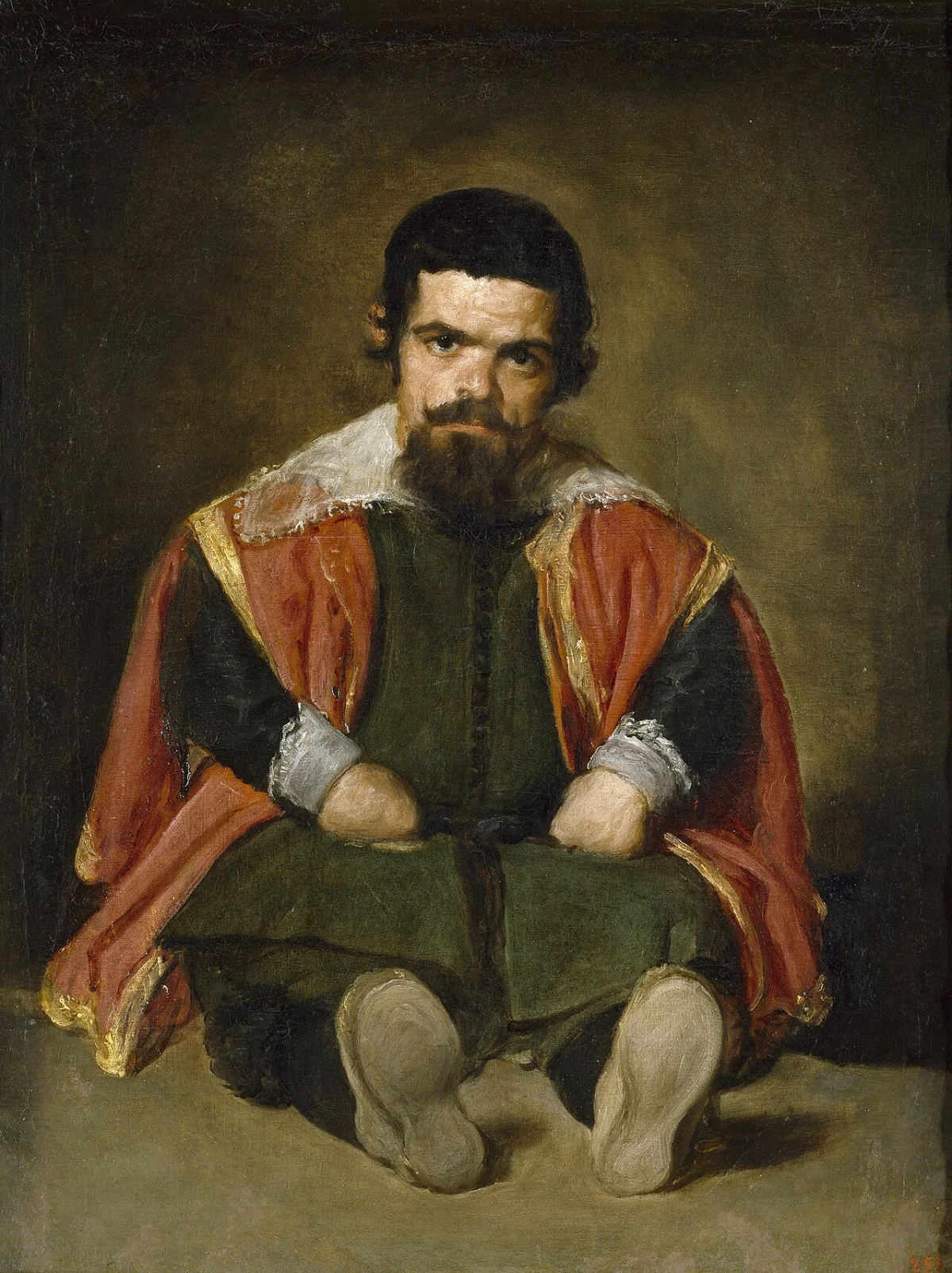
Within "Portrait of a Man with a Goatee," Diego Velazquez weaves subtle narratives through expressive features and thoughtful composition. This hand-painted oil painting invites viewers to interpret the sitter’s identity and the social context of the era. As with his "Portrait of Sebastián de Morra" and "Saint Thomas," Velazquez’s works in the Realism movement reveal deeper stories, making each fine art painting for sale a conversation piece.
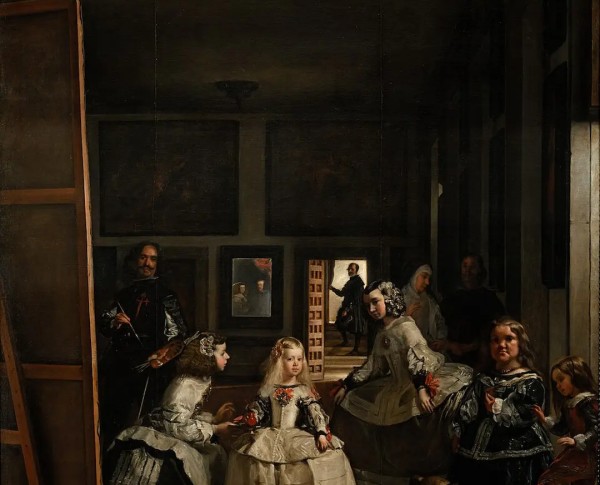
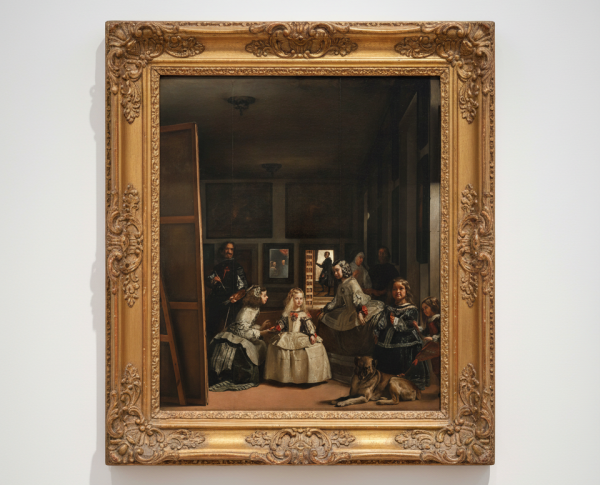
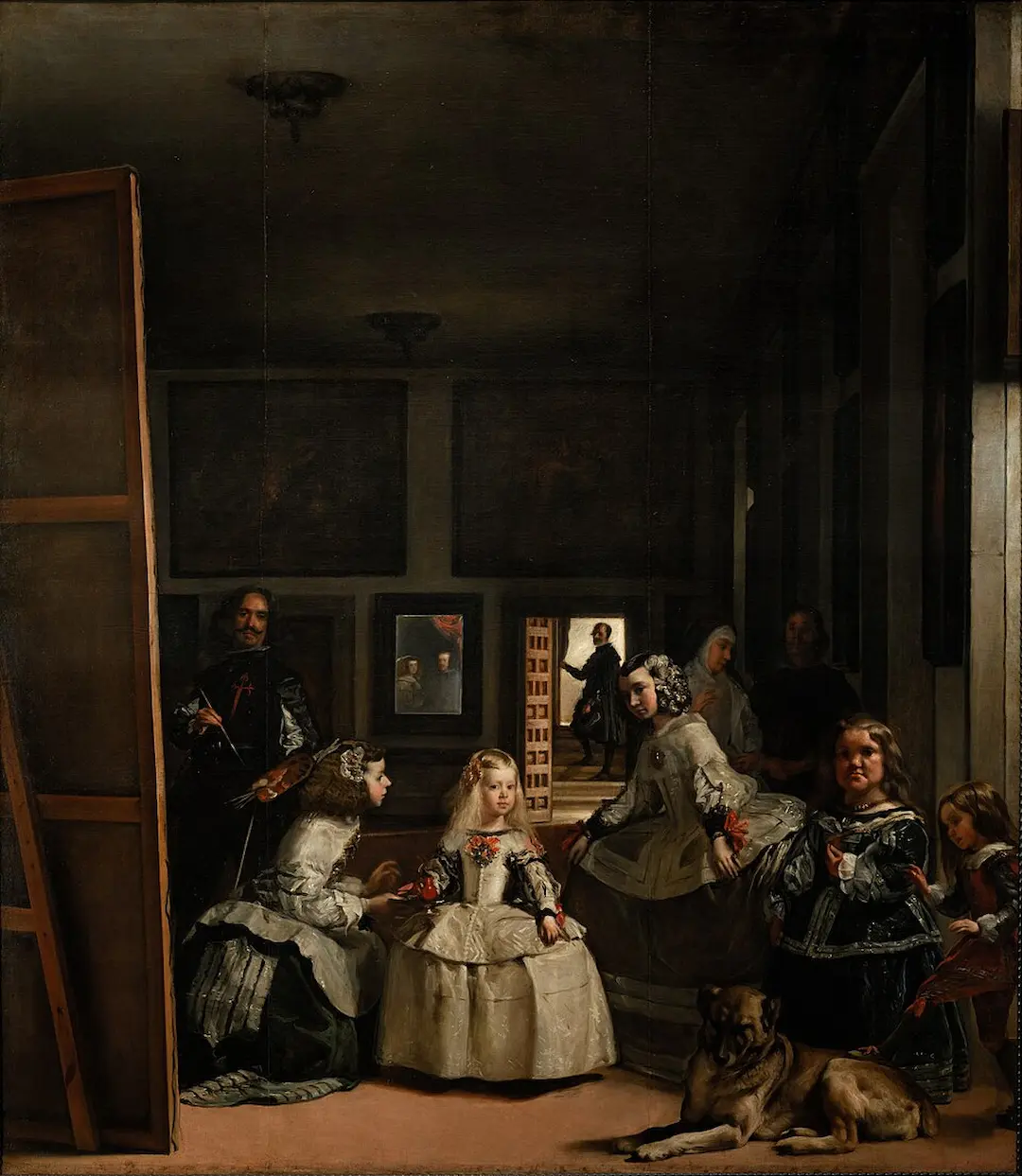
Owning "Portrait of a Man with a Goatee" is a testament to an appreciation for historical oil on canvas masterpieces. Collectors value this painting for its place in the Realism movement and its connection to Diego Velazquez’s celebrated legacy. Complementing collections with related products like "The Lunch" or "Las Meninas" enhances the allure of fine art painting for sale, offering a glimpse into the genius of one of Spain’s greatest artists.
When Art Meets History
"Portrait of a Man with a Goatee" by Diego Rodriguez de Silva y Velazquez stands as a remarkable example of the Realism movement. Painted with exquisite detail, this hand-painted oil painting captures the essence of its era, reflecting both the artist's mastery and the cultural context of 17th-century Spain. Velazquez, renowned for works like "The Boy with Cherries" and "Le Printemps," demonstrates his ability to immortalize history through his lifelike portrayals and commitment to realism.
Techniques That Speak
Velazquez's "Portrait of a Man with a Goatee" exemplifies his masterful use of oil on canvas, a medium that allows for both subtle gradations and bold contrasts. His brushwork, evident in related paintings such as "Study for the Surrender of Santa Anna" and "Lady Godiva," showcases the Realism movement's dedication to capturing the true nature of its subjects. The artist’s attention to light and texture brings the sitter’s personality to life, making each detail resonate with authenticity.
Emotions on Display
In "Portrait of a Man with a Goatee," Diego Rodriguez de Silva y Velazquez conveys a depth of human emotion that is characteristic of the Realism movement. The subject’s gaze and expression are meticulously rendered, inviting viewers to contemplate the sitter’s inner world. Much like Velazquez’s other masterpieces, this fine art painting for sale demonstrates the artist’s unparalleled ability to evoke empathy and curiosity, making it a compelling addition to any collection of classical portraiture.
Coveted by Collectors
"Portrait of a Man with a Goatee" remains highly sought after by art collectors and enthusiasts worldwide. As a prime example of a hand-painted oil painting from the Realism movement, it shares prestige with works like "In Front of Yorktown" and "Le Printemps." Diego Rodriguez de Silva y Velazquez’s artistry ensures that his paintings, including this iconic portrait, continue to be cherished in galleries and private collections, reinforcing their enduring value and historical significance.
Related Realism Hand-Painted Oil Paintings by Other Artists
Other Famous Realism Artists:
Frequently Asked Questions About Portrait of a Man with a Goatee
What is the historical significance of "Portrait of a Man with a Goatee"?
This painting is significant as it exemplifies the portraiture style of the Spanish Golden Age, showcasing Velázquez's mastery in capturing the essence of his subjects during the 17th century.
Who was the subject of the painting?
The identity of the man depicted in the portrait remains uncertain, leading to various interpretations regarding his social status and role in Velázquez's life.
What artistic techniques did Velázquez employ in this painting?
Velázquez utilized a technique known as chiaroscuro, effectively contrasting light and shadow to create depth and dimension, which enhances the realism of the subject.
How does the use of color contribute to the painting's impact?
The color palette is predominantly muted, with earthy tones that convey a sense of seriousness and introspection, reflecting the character of the subject.
What symbolism can be found in the goatee of the man?
The goatee can symbolize wisdom and maturity, often associated with intellectualism and a certain social standing during the period in which the painting was created.
How does this painting reflect Velázquez's overall body of work?
This portrait is representative of Velázquez's ability to blend realism with psychological depth, a hallmark of his broader oeuvre that includes both royal portraits and genre scenes.
In what ways does the composition of the painting enhance its subject?
The composition is carefully structured, with the subject placed slightly off-center, drawing the viewer's eye and creating a dynamic interaction between the figure and the background.
What influences can be seen in Velázquez's style in this work?
Velázquez was influenced by the Italian Renaissance masters, particularly in his use of realism and attention to detail, which is evident in the textures and expressions depicted in this portrait.
How does this painting fit into the context of Spanish art history?
This work is a pivotal example of Spanish Baroque art, illustrating the transition from religious themes to more secular subjects, reflecting the changing cultural landscape of Spain during Velázquez's time.
What is the current status of "Portrait of a Man with a Goatee" in the art world?
The painting is highly regarded and is considered a masterpiece of portraiture, frequently studied for its artistic techniques and historical context within Velázquez's career.























_GFM_Painting_(1).webp)


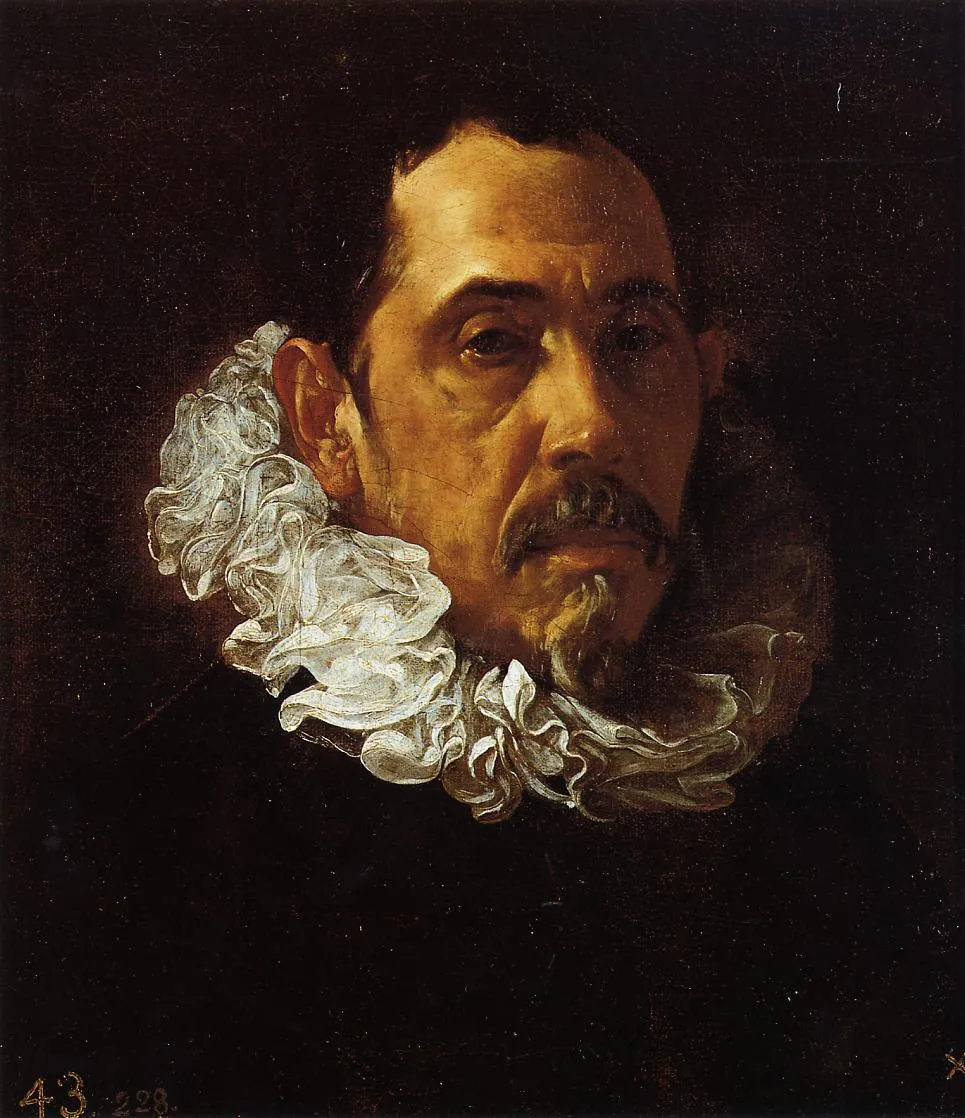
 100% Hand-Painted: Finished in 3-6 Weeks

.png)















_(1).webp)