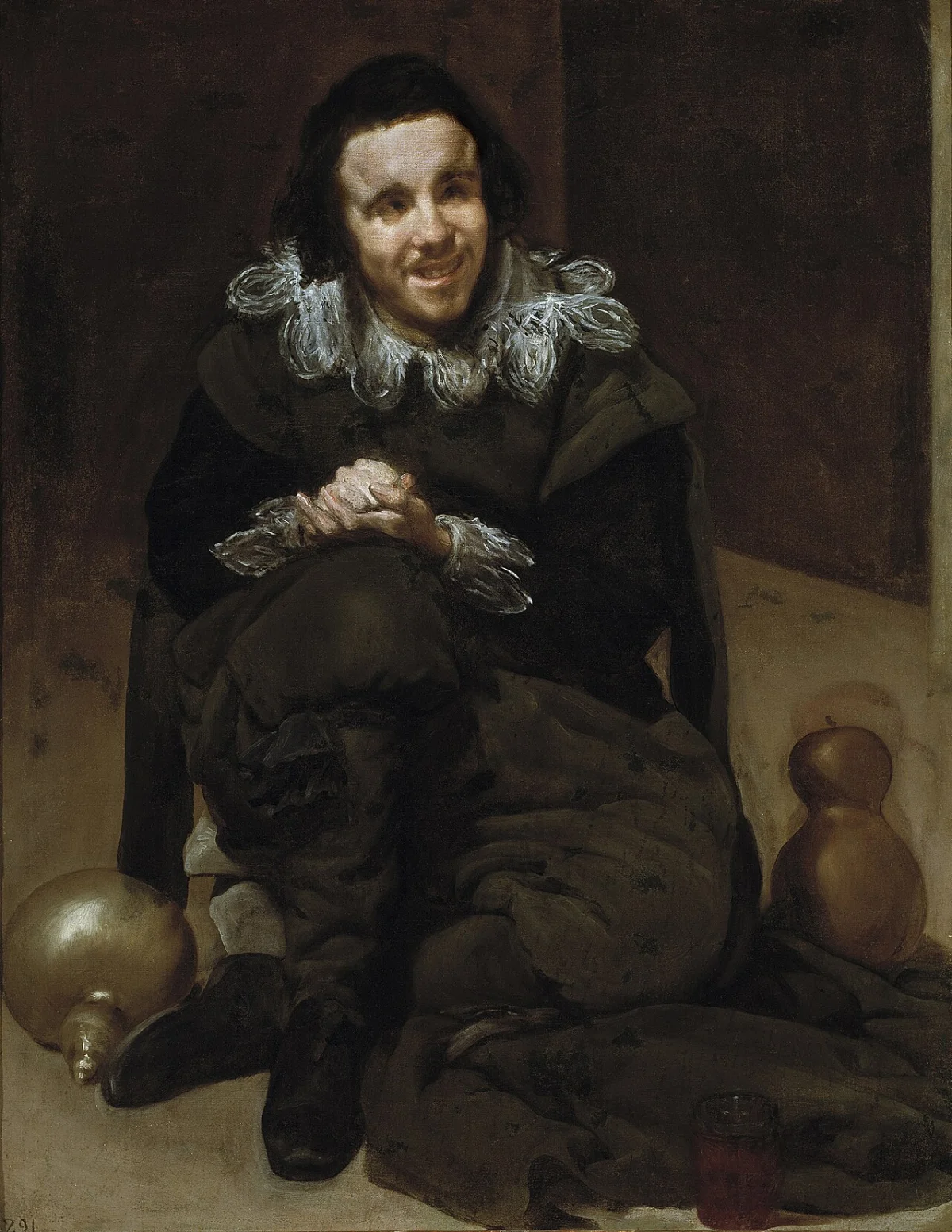
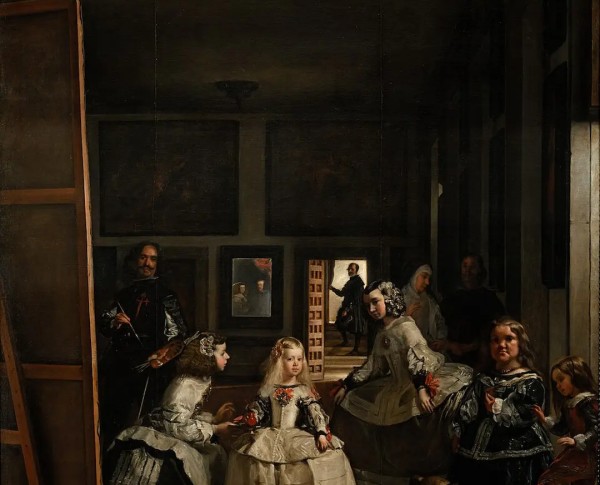
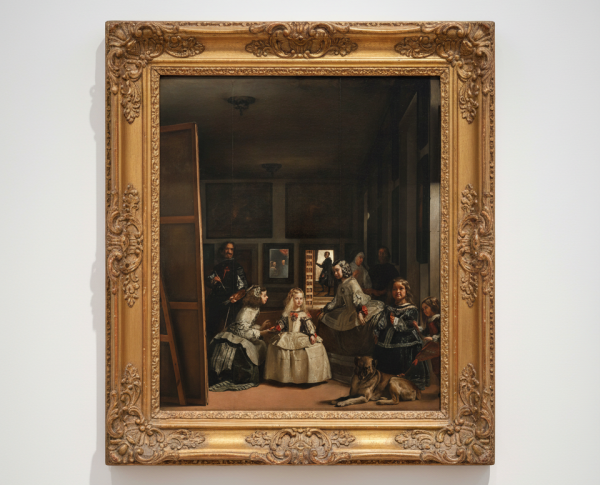
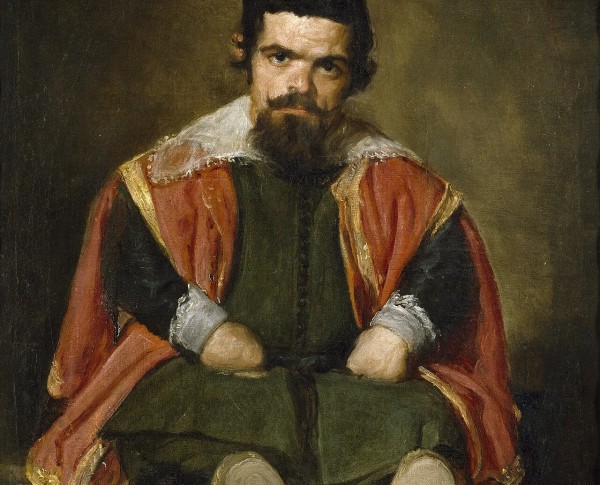
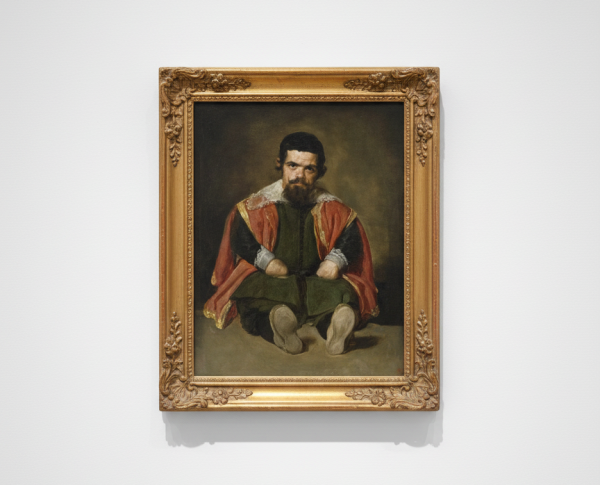
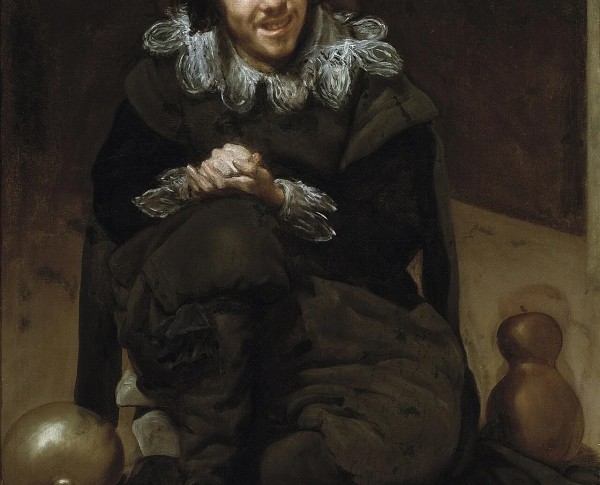
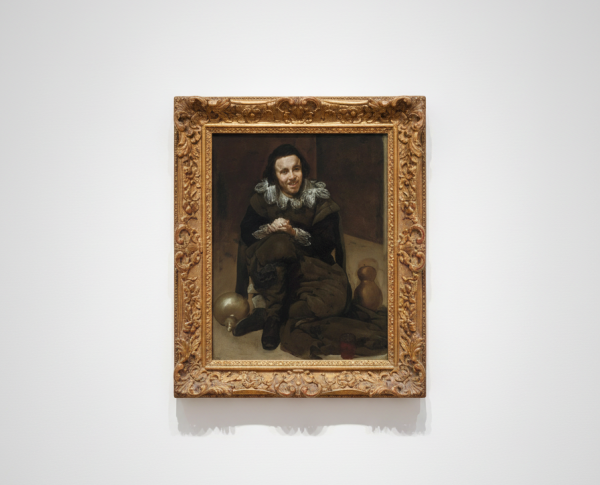
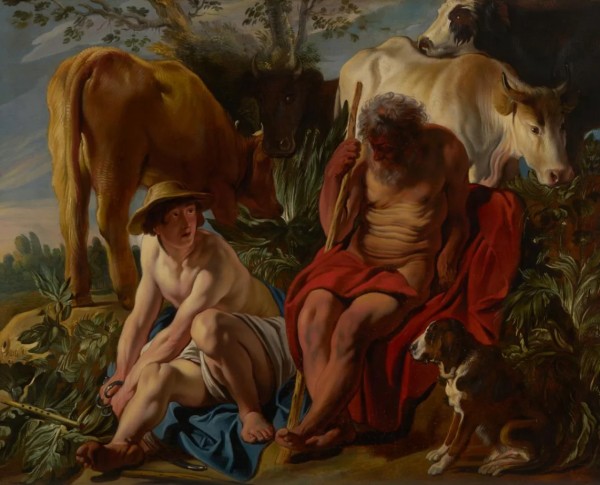
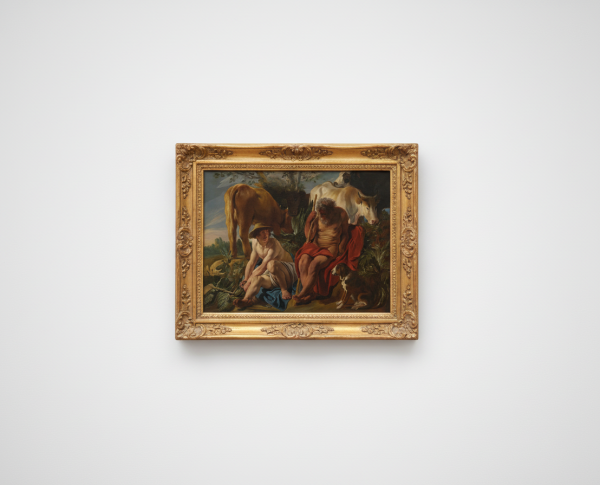
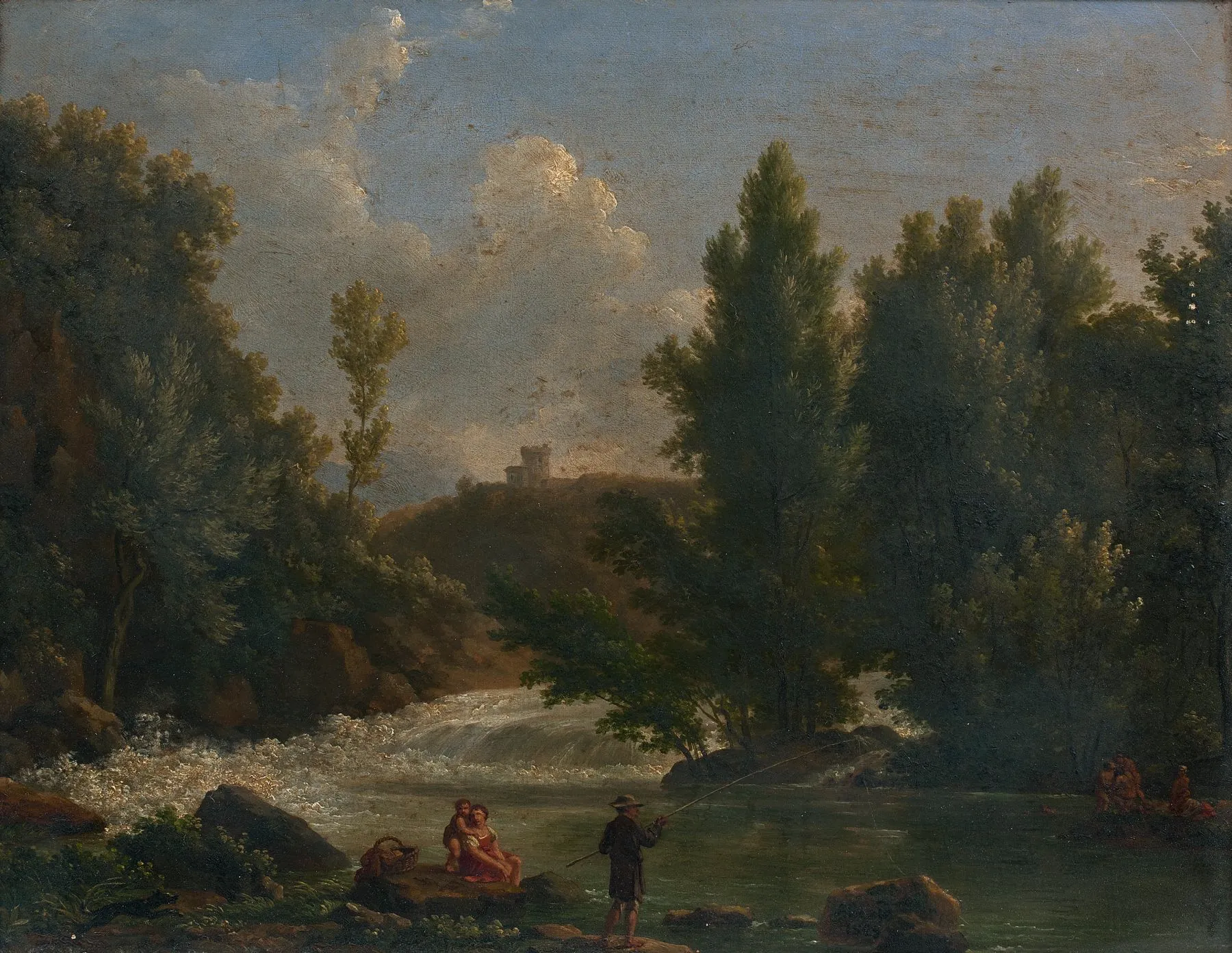
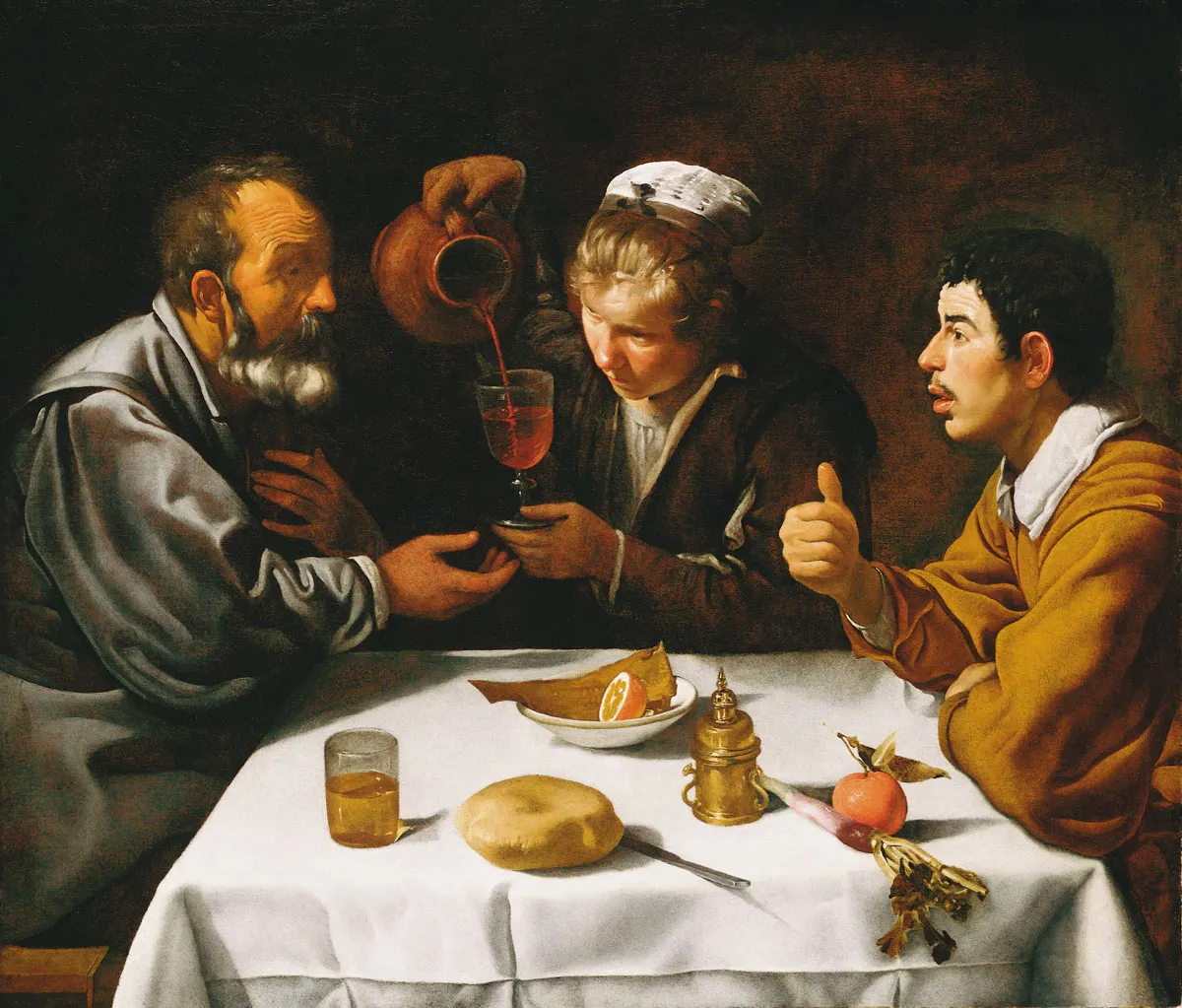
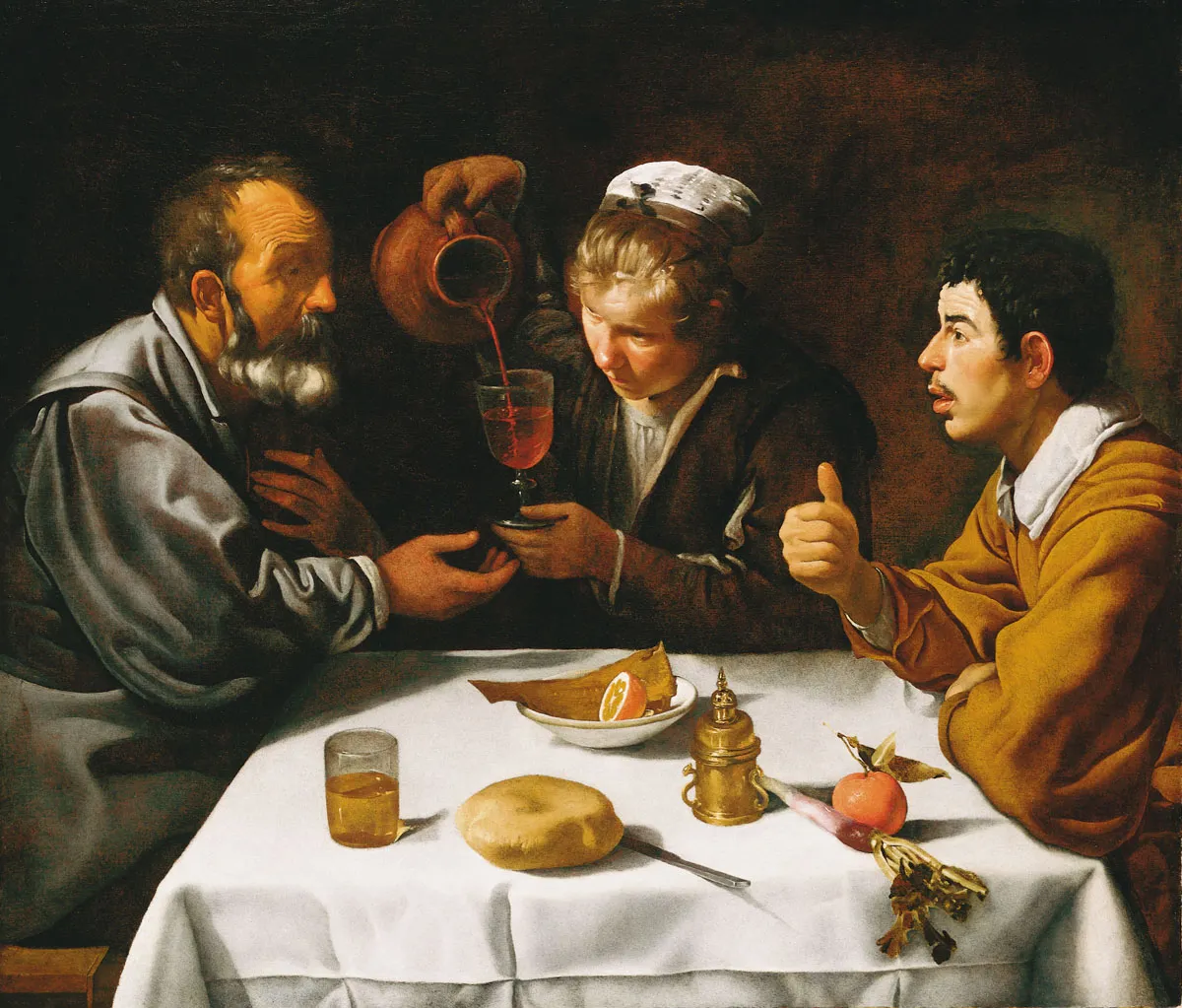
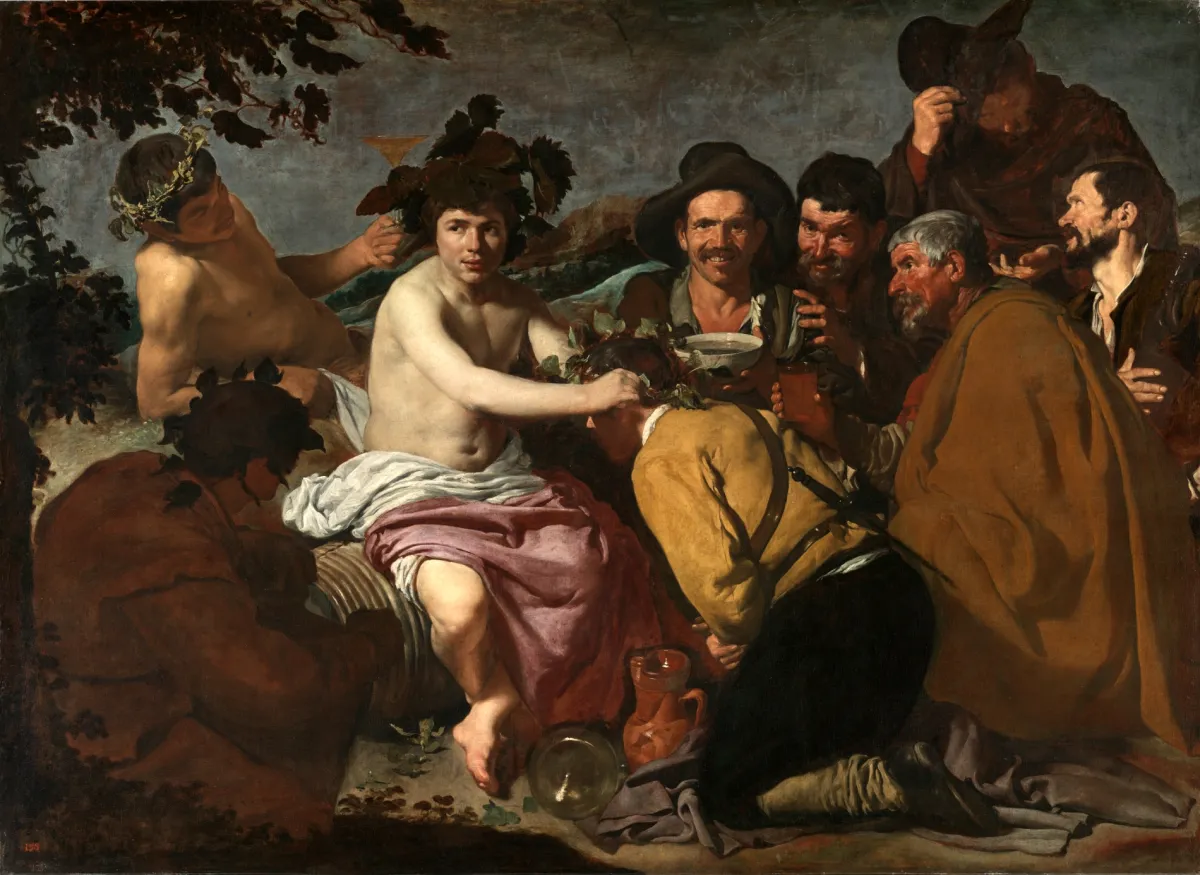
Diego Velazquez’s "The Lunch" stands out for its exquisite technique, demonstrating his expert use of oil on canvas. The composition and brushwork reflect his deep understanding of light, texture, and human expression, hallmarks of the Realism movement. Each figure and object in the painting is rendered with precision, creating a lifelike scene that draws viewers in. Collectors and enthusiasts can appreciate similar artistry in related works like "Breakfast" and "Saint John at Patmos."
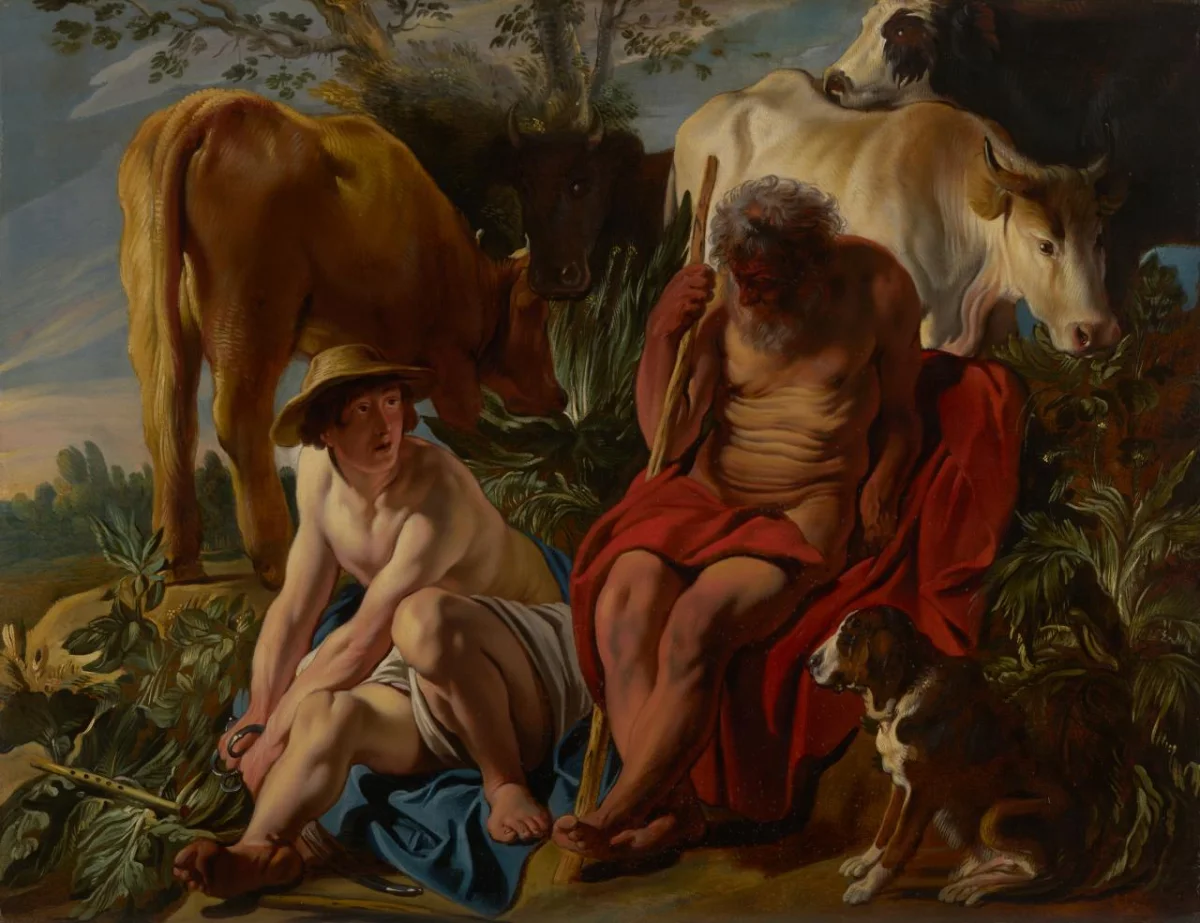
In "The Lunch," Diego Velazquez weaves subtle narratives through the arrangement of figures and objects, inviting viewers to interpret the social dynamics at play. This fine art painting for sale captures the essence of daily life, a key theme in the Realism movement. The symbolism found in the meal and gestures provides deeper insight into 17th-century Spanish culture. Art lovers may also find rich storytelling in Velazquez’s other works, such as "An Old Woman Cooking Eggs" and "Mercury and Argus."
Owning a piece like "The Lunch" by Diego Rodriguez de Silva y Velazquez is a rare opportunity for any art collector. This hand-painted oil painting exemplifies the Realism movement’s dedication to truth and detail. With its historical significance and masterful execution, it stands alongside related products like "Head of a Girl" and "Mercury and Argus" as essential additions to any collection. Investing in Velazquez’s fine art ensures a lasting legacy of beauty and craftsmanship.
When Art Meets History
Diego Rodriguez de Silva y Velazquez’s masterpiece, "The Lunch," stands as a testament to the Realism movement, capturing a moment in time with remarkable authenticity. Painted during the early 17th century, this hand-painted oil painting not only reflects the daily life of its era but also showcases Velazquez’s keen observation of social details. Alongside his other works like "The Boy with Cherries" and "The Absinthe Drinker," "The Lunch" transports viewers directly into history.
Techniques That Speak
Velazquez’s use of oil on canvas in "The Lunch" demonstrates his extraordinary command of light, texture, and composition. The artist’s brushwork imbues the scene with a lifelike quality, a hallmark of the Realism movement. His subtle manipulation of color and shadow is also evident in related paintings such as "Lady Godiva" and "Pine on the Cliff." These techniques distinguish "The Lunch" as a prime example of Velazquez’s technical mastery.
Emotions on Display
In "The Lunch," Velazquez presents a candid glimpse into the emotions and interactions of everyday people, a signature of Realism. The figures’ expressions and gestures evoke empathy, inviting viewers to share in their experience. This fine art painting for sale resonates with the same emotional depth found in "Oak on the Shore of the Gulf of Finland" and "The Absinthe Drinker," making it a compelling study of human nature through art.
Coveted by Collectors
"The Lunch" by Diego Rodriguez de Silva y Velazquez remains highly sought after by art collectors and enthusiasts. Its status in the Realism movement, combined with Velazquez’s reputation, ensures its enduring appeal. Whether displayed alongside "Lady Godiva" or "The Boy with Cherries," this hand-painted oil painting continues to be a highlight in galleries and private collections, celebrated for its authenticity and artistic significance.
Related Realism Hand-Painted Oil Paintings by Other Artists
Other Famous Realism Artists:
Frequently Asked Questions About The Lunch
What is the historical context of "The Lunch"?
"The Lunch" was created during the Spanish Golden Age, a period marked by significant cultural and artistic flourishing in Spain. Velazquez, a prominent figure of this era, often depicted themes of everyday life, reflecting the social dynamics of 17th-century Spain.
What artistic techniques did Velazquez employ in "The Lunch"?
Velazquez utilized a naturalistic style characterized by a keen attention to detail and a masterful use of light and shadow. His technique of chiaroscuro enhances the three-dimensionality of the figures, creating a sense of depth and realism.
What are the main themes represented in "The Lunch"?
The painting explores themes of social interaction and the simplicity of daily life. It captures a moment of leisure, emphasizing the importance of communal meals in Spanish culture during the 17th century.
Who are the figures depicted in "The Lunch"?
The figures in "The Lunch" are believed to represent common people, possibly a family or friends sharing a meal. Their expressions and postures convey a sense of intimacy and connection, highlighting the social aspect of dining.
How does "The Lunch" reflect Velazquez's artistic evolution?
This painting showcases Velazquez's transition from religious and mythological subjects to more secular themes. It marks a shift towards a focus on everyday life, demonstrating his ability to elevate ordinary moments into significant artistic statements.
What symbolism can be found in "The Lunch"?
The meal itself symbolizes nourishment and community, while the arrangement of the figures suggests harmony and conviviality. The act of sharing food serves as a metaphor for social bonds and the importance of human connection.
In what ways does "The Lunch" reflect Spanish culture?
The painting encapsulates the Spanish tradition of communal dining, emphasizing the role of meals in fostering relationships. It also reflects the cultural values of hospitality and togetherness prevalent in Spanish society during Velazquez's time.
What influence did "The Lunch" have on later artists?
"The Lunch" has inspired numerous artists who sought to capture the essence of everyday life. Its emphasis on realism and the portrayal of ordinary subjects paved the way for movements such as Impressionism and Modernism.
Where can "The Lunch" be viewed today?
The painting is housed in a prominent art institution, where it continues to be appreciated for its historical significance and artistic merit. Visitors can experience the work firsthand and engage with its rich narrative.
What is the significance of the composition in "The Lunch"?
The composition of "The Lunch" is carefully orchestrated, with figures arranged to guide the viewer's eye through the scene. This dynamic arrangement not only enhances the narrative but also reflects Velazquez's mastery of spatial organization.























_GFM_Painting_(1).webp)


 100% Hand-Painted: Finished in 3-6 Weeks

.png)















_(1).webp)