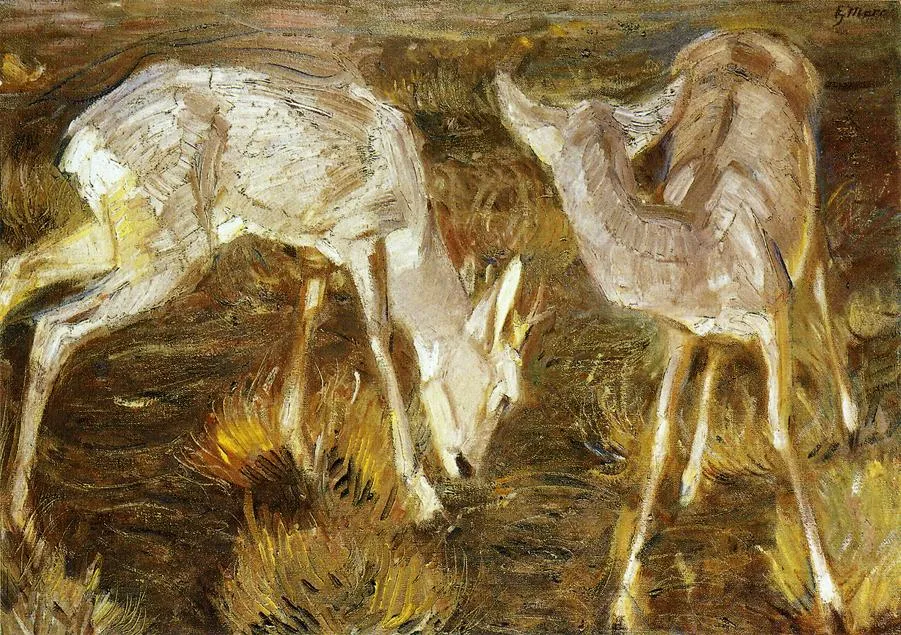
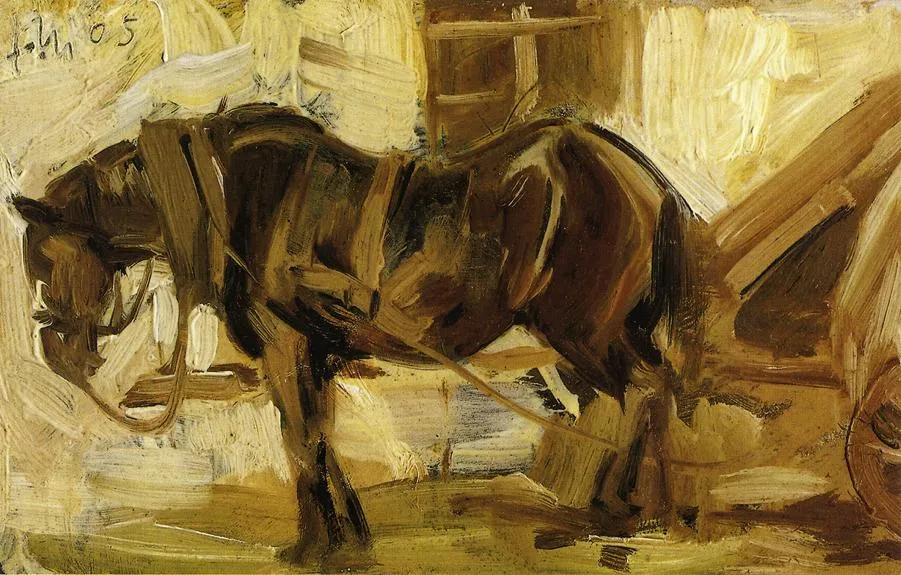
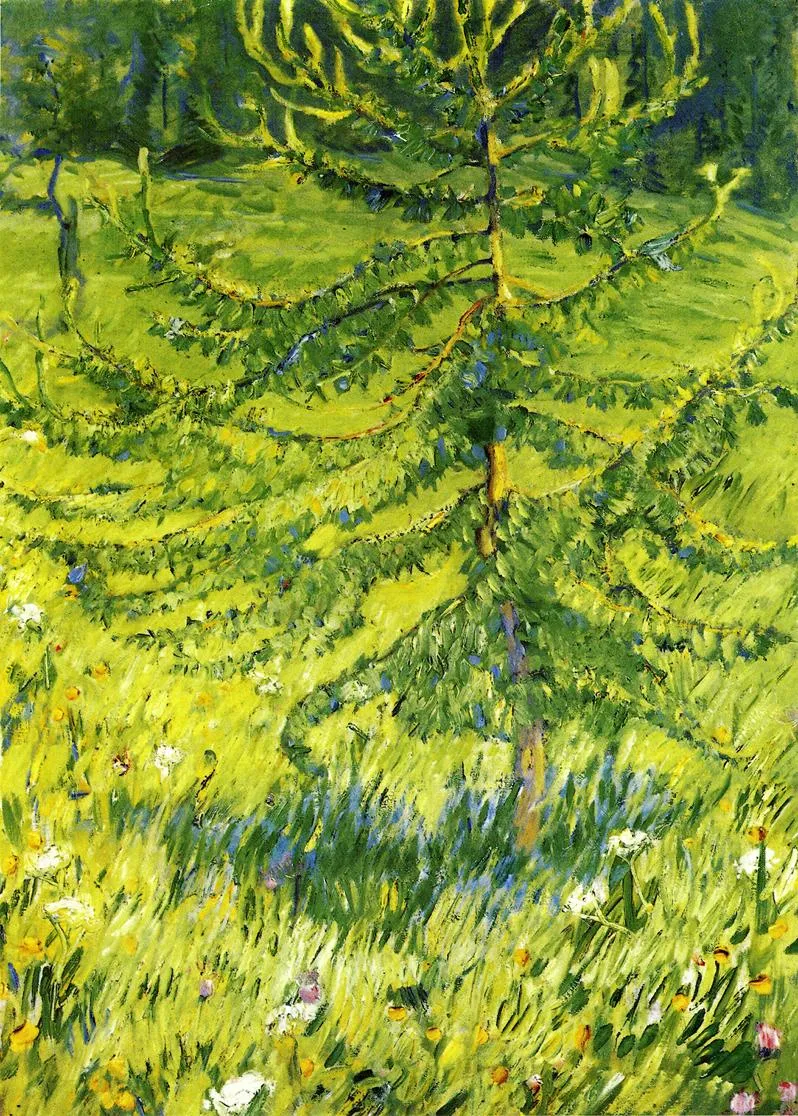
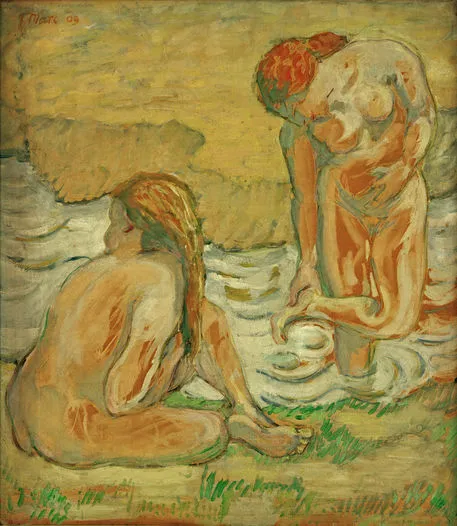
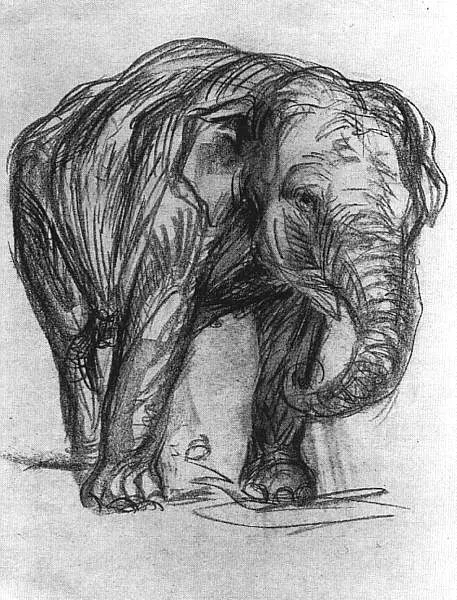
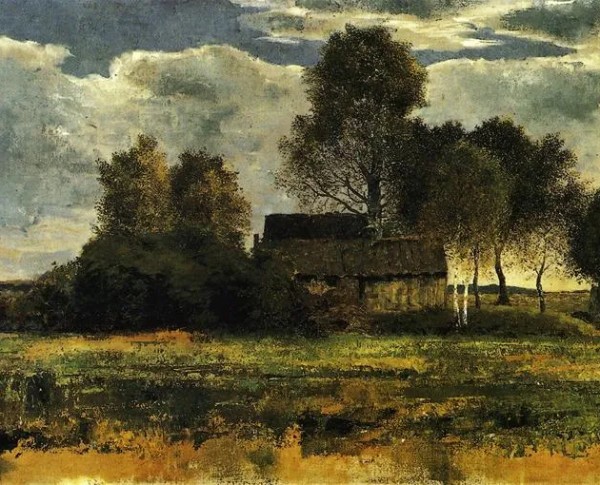
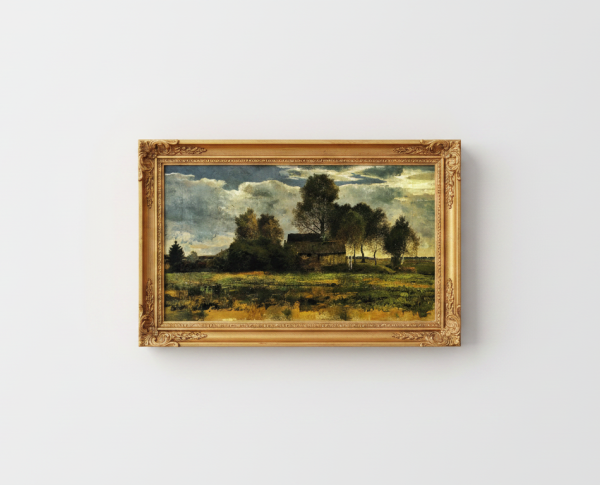
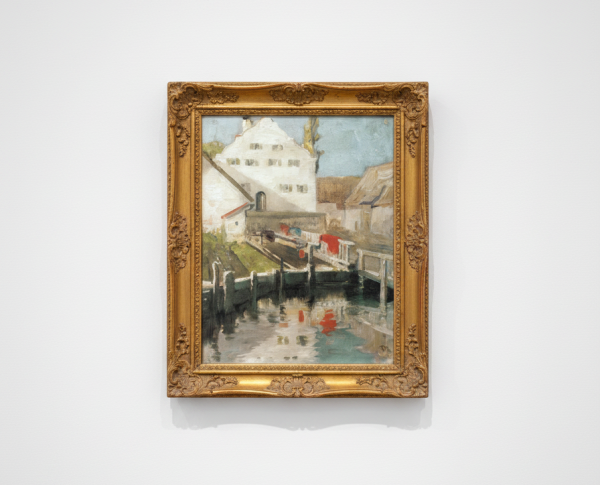
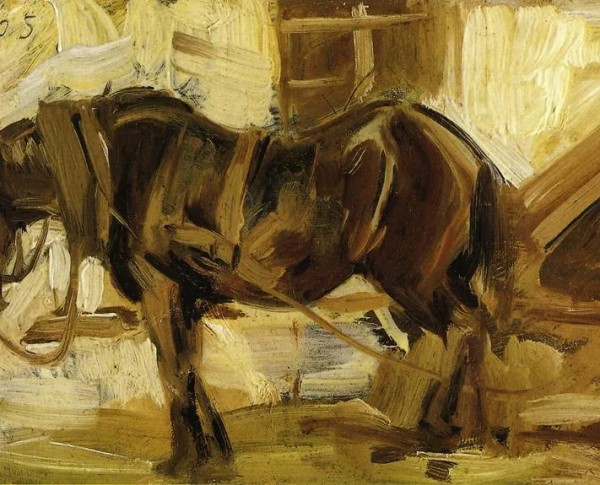
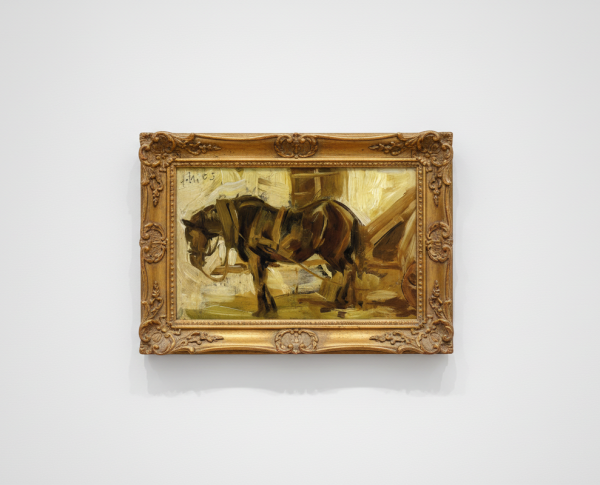
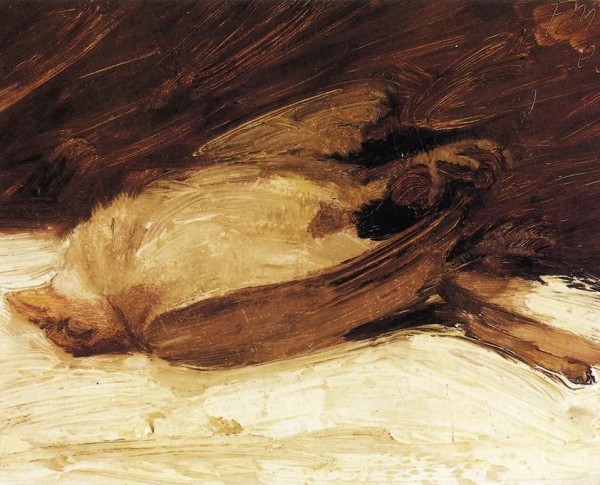
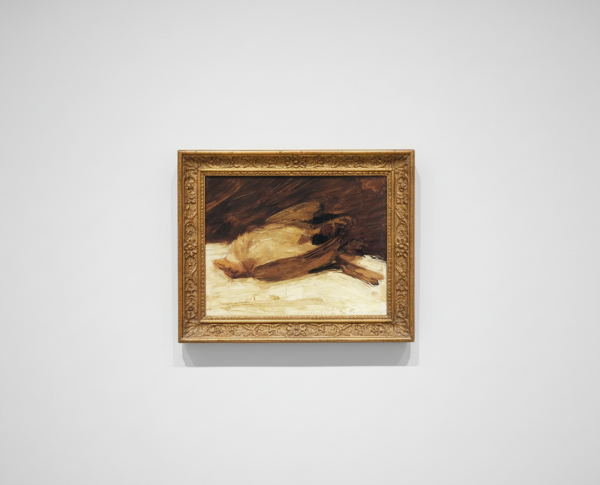
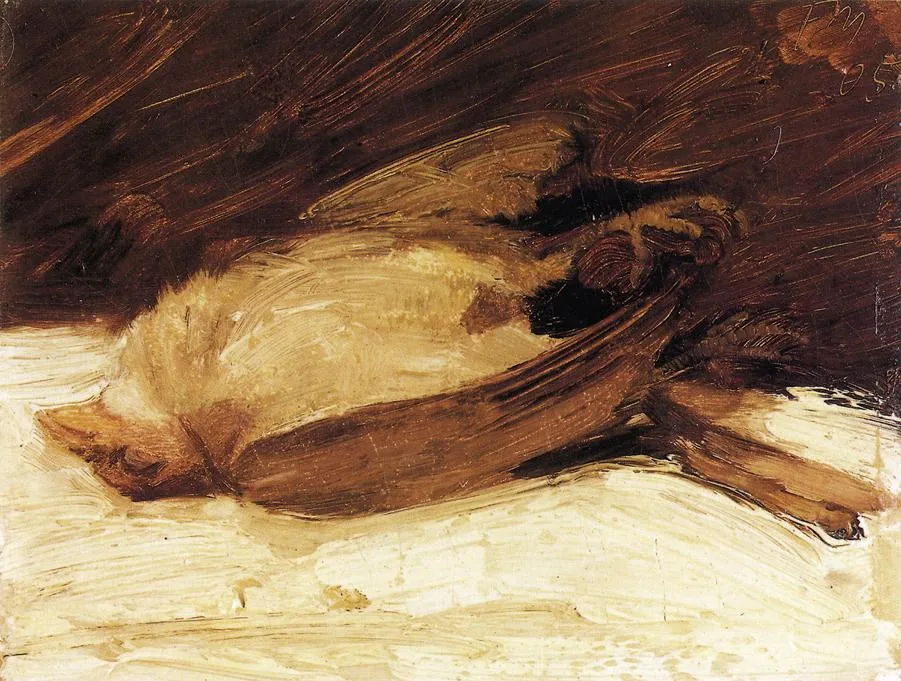
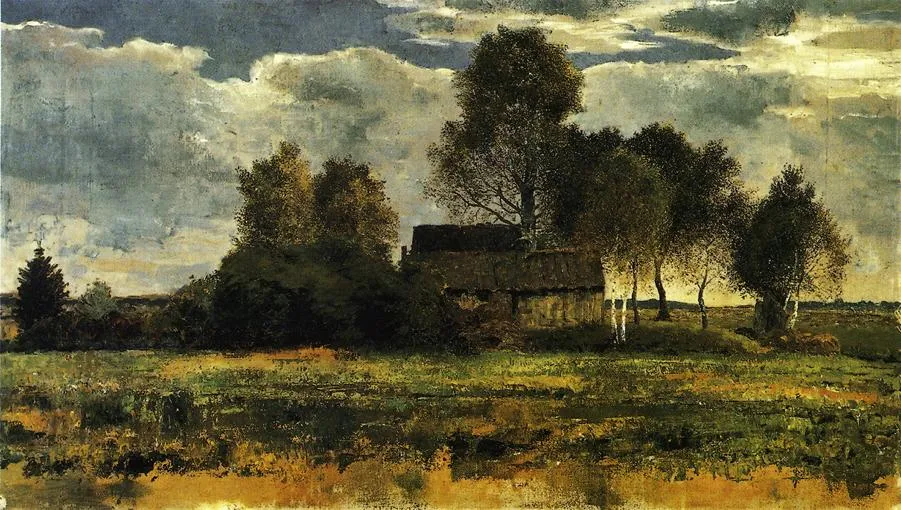
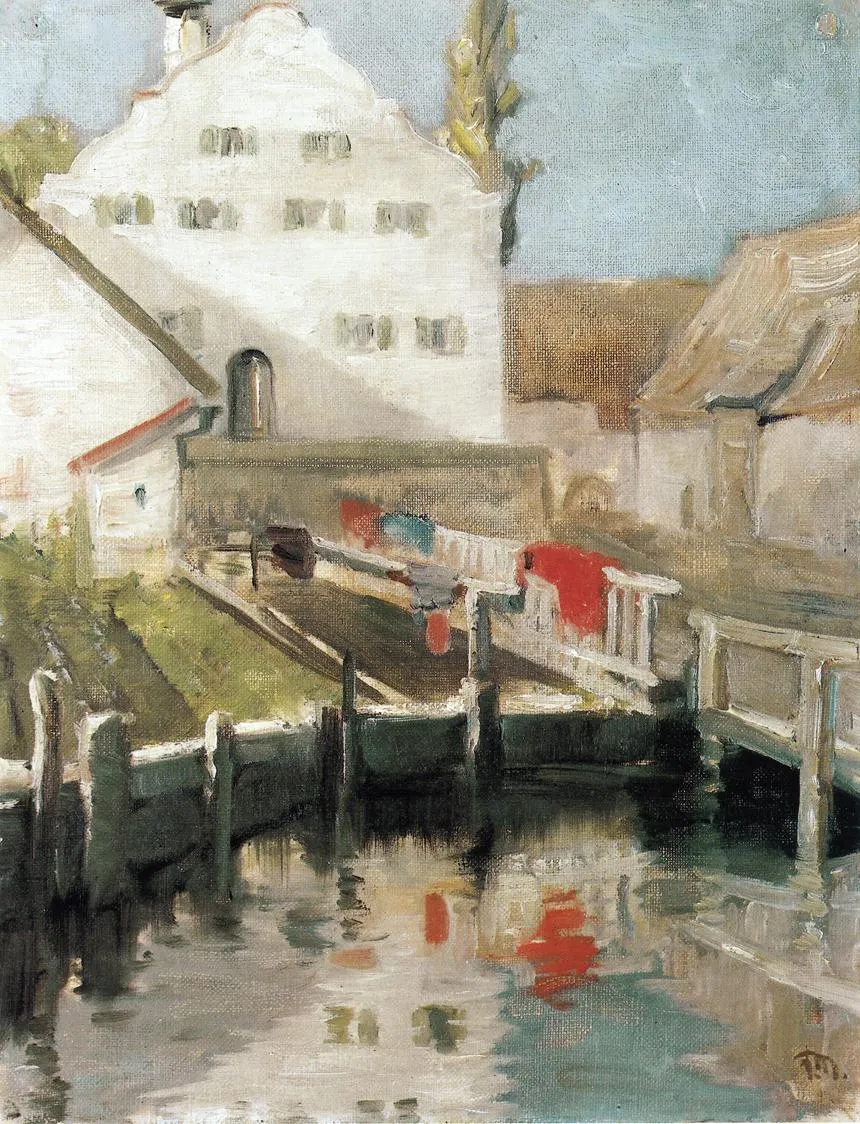
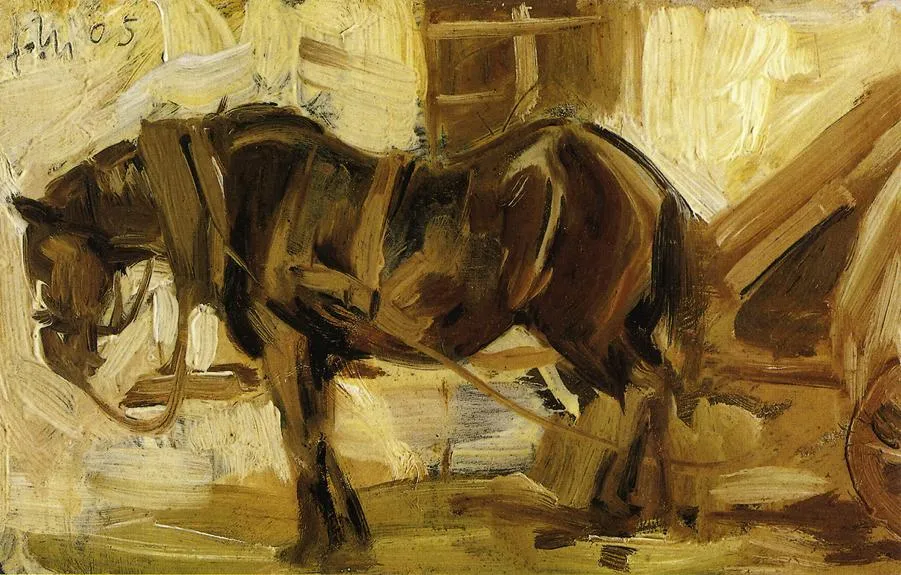
Every inch of "The Dead Sparrow" demonstrates Marc’s technical prowess with oil on canvas, utilizing vibrant hues and expressive brushwork characteristic of Expressionism. The painting’s dynamic composition and use of color evoke a sense of movement and emotional depth. For those seeking to enrich their collection, this masterpiece pairs beautifully with other works like "Small Horse Study" and "Cottages on the Dachau Marsh," all exemplifying the finest techniques in oil on canvas.
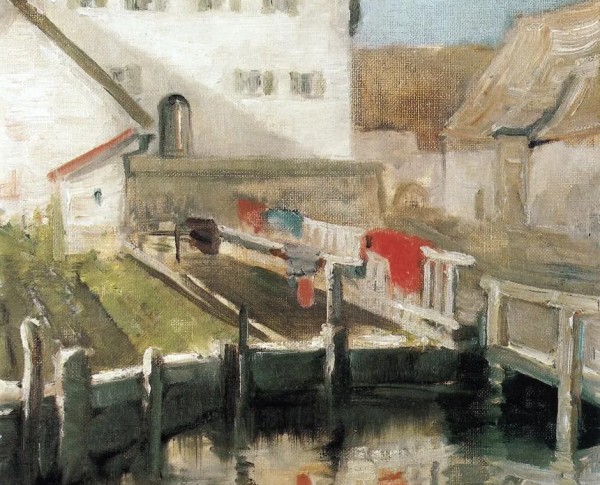
In "The Dead Sparrow," Franz Marc weaves symbolism and narrative, using the delicate form of the sparrow to explore themes of fragility and innocence lost. This fine art painting for sale invites viewers to contemplate the transient nature of life, a hallmark of Expressionism. Collectors often appreciate Marc’s ability to infuse his works, including "Indersdorf" and "Small Horse Study," with powerful storytelling and symbolic resonance.
Owning "The Dead Sparrow" by Franz Marc means possessing a significant piece of Expressionist history. This hand-painted oil painting is highly sought after, making it a prized acquisition for serious collectors. When displayed alongside related products such as "Cottages on the Dachau Marsh" and "Indersdorf," it elevates any fine art collection, highlighting the enduring appeal and investment value of original Expressionist works by Marc.
When Art Meets History
"The Dead Sparrow" by Franz Marc stands as a poignant example of the Expressionism movement, capturing the turbulent spirit of early twentieth-century Europe. This hand-painted oil painting reflects Marc’s sensitivity to both animal life and the shifting cultural landscape of his time. Like related works such as "Portrait of the Painter Jensen Hjell" and "The Sick Child," it offers a glimpse into the emotional undercurrents that defined an era, blending personal grief with broader historical significance.
Techniques That Speak
Franz Marc’s mastery is evident in the way "The Dead Sparrow" employs oil on canvas to evoke texture and depth. His brushstrokes, typical of Expressionism, are bold yet nuanced, creating a tactile sense of sorrow and loss. This piece, much like "Aunt Karen in the Rocking Chair" and "Girl Kindling a Stove," demonstrates Marc’s ability to manipulate color and form, making each oil on canvas work a vibrant testament to his technical prowess and emotional insight.
Emotions on Display
"The Dead Sparrow" is more than a fine art painting for sale; it is an emotional narrative rendered through vivid color and dramatic composition. Franz Marc channels the Expressionist ethos by imbuing the scene with a palpable sense of melancholy, reminiscent of "Old Aker Church" and other evocative works. The painting’s somber tones and dynamic lines invite viewers to share in the artist’s contemplation of mortality and the fragile beauty of life.
Coveted by Collectors
Collectors prize "The Dead Sparrow" for its unique place within both Franz Marc’s oeuvre and the broader Expressionism movement. As with other sought-after pieces like "The Sick Child" and "Portrait of the Painter Jensen Hjell," this hand-painted oil painting attracts attention for its historical resonance and artistic innovation. The demand for such fine art painting for sale underscores its enduring appeal among aficionados and newcomers to Expressionist art alike.
Related Expressionism Hand-Painted Oil Paintings by Other Artists
Other Famous Expressionism Artists:
Frequently Asked Questions About The Dead Sparrow
What is the historical context of "The Dead Sparrow"?
"The Dead Sparrow" was created in 1910, during a period of significant change in Europe, marked by the rise of modernism and the questioning of traditional artistic values. Franz Marc, a key figure in the Expressionist movement, sought to convey deeper emotional truths through his work, reflecting the turmoil of the time.
What artistic techniques did Franz Marc employ in "The Dead Sparrow"?
Franz Marc utilized bold colors and abstract forms in "The Dead Sparrow" to evoke emotional responses. His use of vibrant hues contrasts with the somber subject matter, illustrating his belief in color as a means of expression rather than mere representation.
What symbolism is present in "The Dead Sparrow"?
The dead sparrow symbolizes the fragility of life and the loss of innocence. It reflects Marc's fascination with nature and animals, often representing them as embodiments of purity and spirituality, which contrasts sharply with the harsh realities of human existence.
How does "The Dead Sparrow" relate to Franz Marc's other works?
In what way does "The Dead Sparrow" reflect Expressionist ideals?
"The Dead Sparrow" embodies Expressionist ideals by prioritizing emotional experience over realistic representation. Marc's intention was to convey feelings of sadness and loss, aligning with the movement's focus on subjective interpretation and the inner emotional landscape of the artist.
What influence did "The Dead Sparrow" have on later artists?
The themes and techniques present in "The Dead Sparrow" influenced later generations of artists who sought to explore emotional depth and abstraction. Marc's innovative use of color and form paved the way for future movements such as Abstract Expressionism, where personal expression became paramount.
How does "The Dead Sparrow" fit within the broader scope of early 20th-century art?
"The Dead Sparrow" is a significant example of early 20th-century art, reflecting the shift towards abstraction and emotional expression that characterized the period. It captures the essence of a time when artists began to challenge traditional norms and explore new ways of seeing and interpreting the world.
What was Franz Marc's philosophy regarding animals in art?
Franz Marc believed that animals represented a purer, more spiritual existence compared to humanity. In "The Dead Sparrow," he reflects his philosophy that animals embody emotional truths and serve as symbols of a deeper connection to nature, which he felt was often lost in modern society.
What impact did "The Dead Sparrow" have on the perception of nature in art?
"The Dead Sparrow" contributed to a reevaluation of nature in art, emphasizing its emotional and symbolic significance rather than just its physical representation. Marc's work encouraged viewers to consider the spiritual and emotional connections humans have with the natural world, a theme that resonates in contemporary environmental art.























_GFM_Painting_(1).webp)


 100% Hand-Painted: Finished in 3-6 Weeks

.png)















_(1).webp)