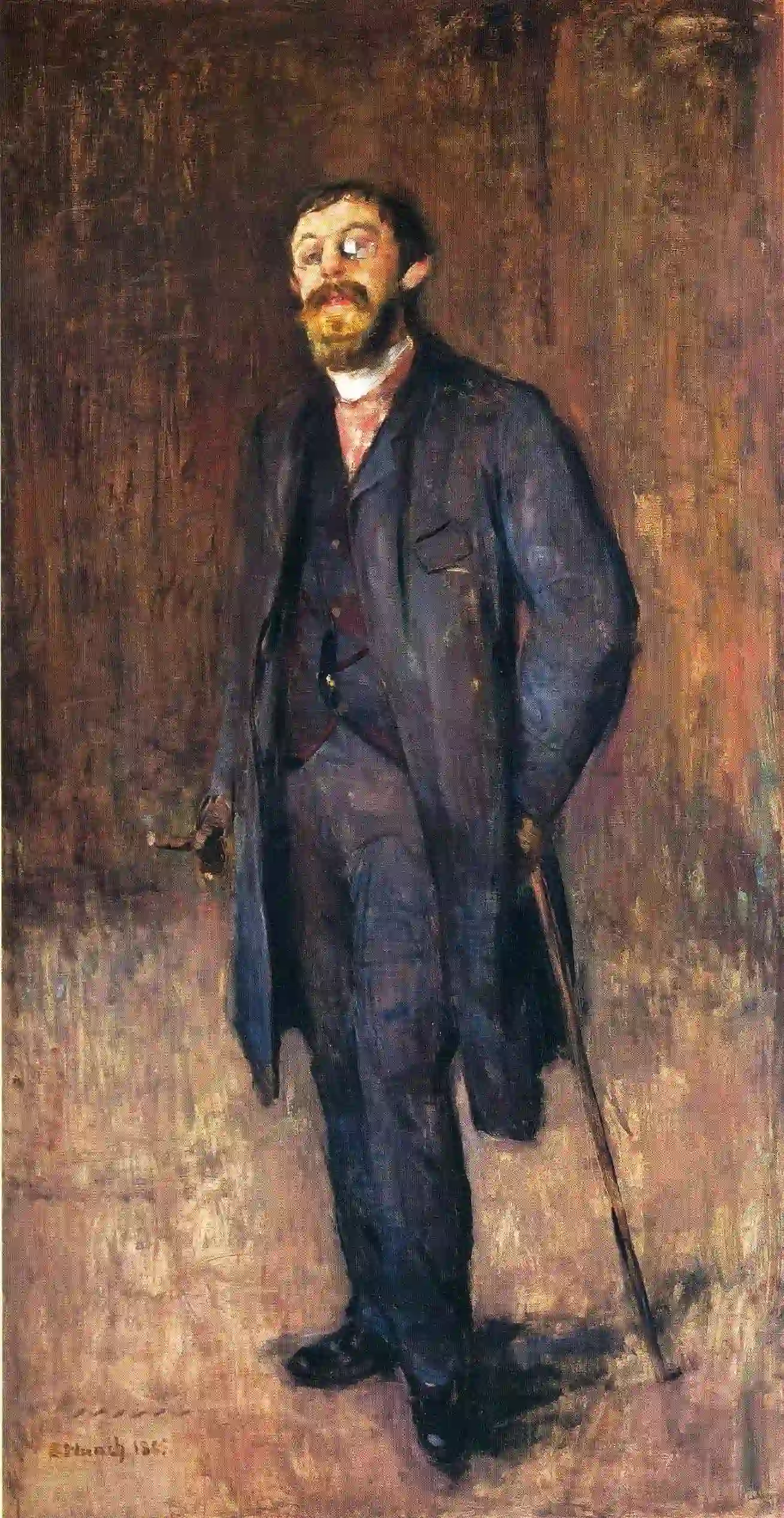
Every detail in "Portrait of the Painter Jensen Hjell" demonstrates Edvard Munch’s mastery over oil on canvas. The expressive brushwork and vivid colors, characteristic of the Expressionism movement, bring the sitter’s personality to life. Munch’s technique in this artwork is echoed in related masterpieces like "Girl Kindling a Stove" and "Landscape. Maridalen by Oslo," each showcasing the artist’s ability to convey emotion through the medium of oil on canvas.
In "Portrait of the Painter Jensen Hjell," Edvard Munch weaves subtle symbols and stories into the fabric of the composition. This hand-painted oil painting reveals more than a mere likeness; it offers insight into the psychological state of the sitter, a hallmark of the Expressionism movement. Collectors of Munch’s works, including "At the Coffee Table" and "Sister Inger," appreciate the narrative richness and symbolic depth present in each fine art painting for sale.
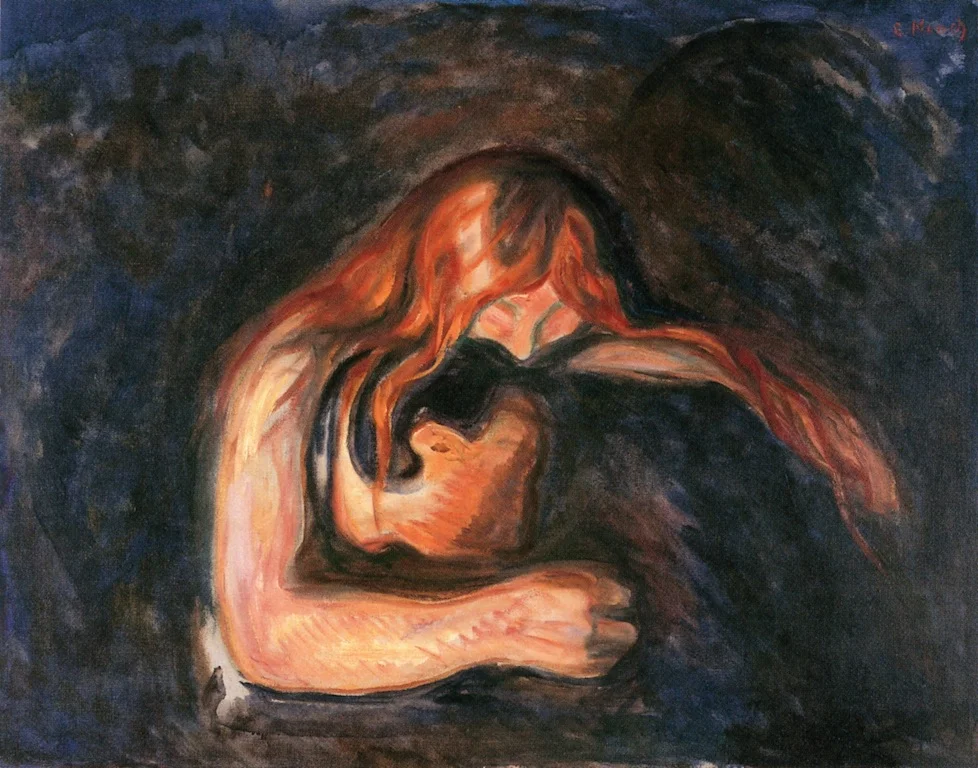
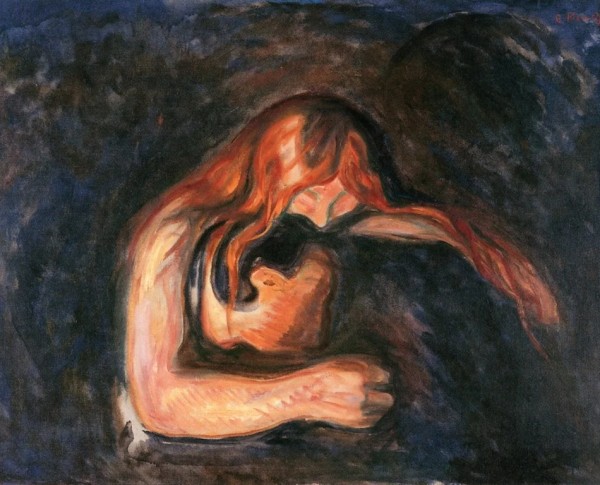
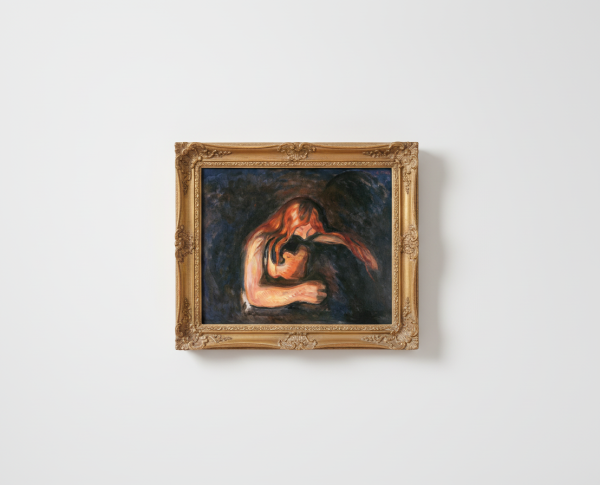
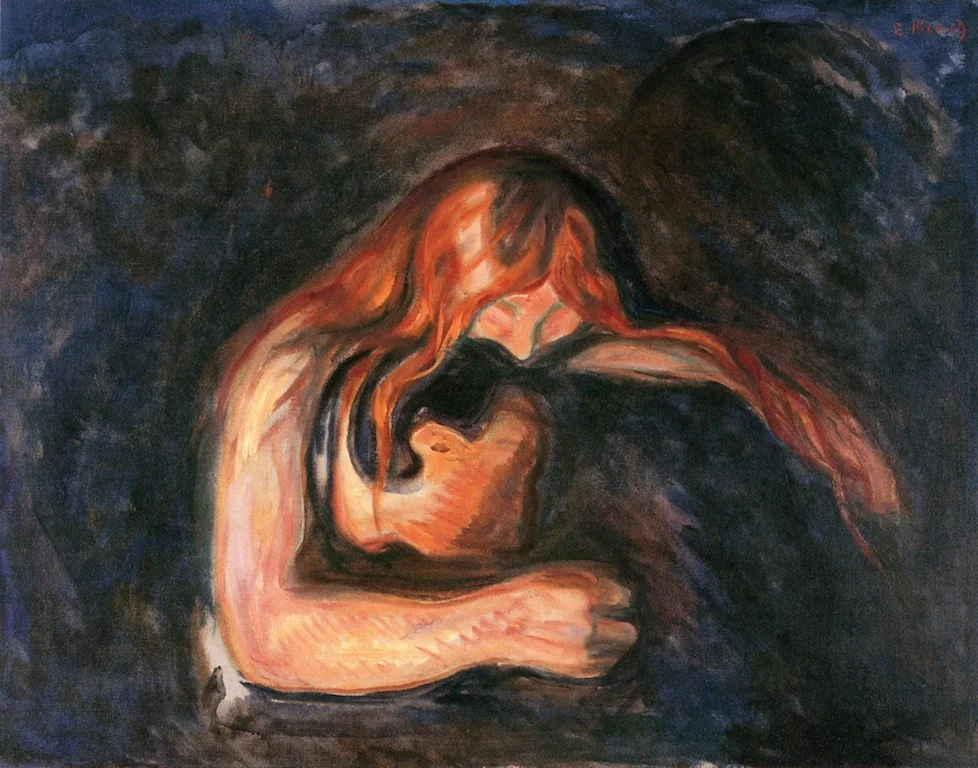
Owning "Portrait of the Painter Jensen Hjell" is a privilege for any lover of fine art painting for sale. Edvard Munch’s remarkable oil on canvas pieces, especially from his Expressionism period, are highly sought after by collectors. Alongside celebrated works like "Vampire" and "Old Aker Church," this portrait embodies the emotional resonance and artistic innovation that make Munch’s paintings enduring treasures in the art world.
When Art Meets History
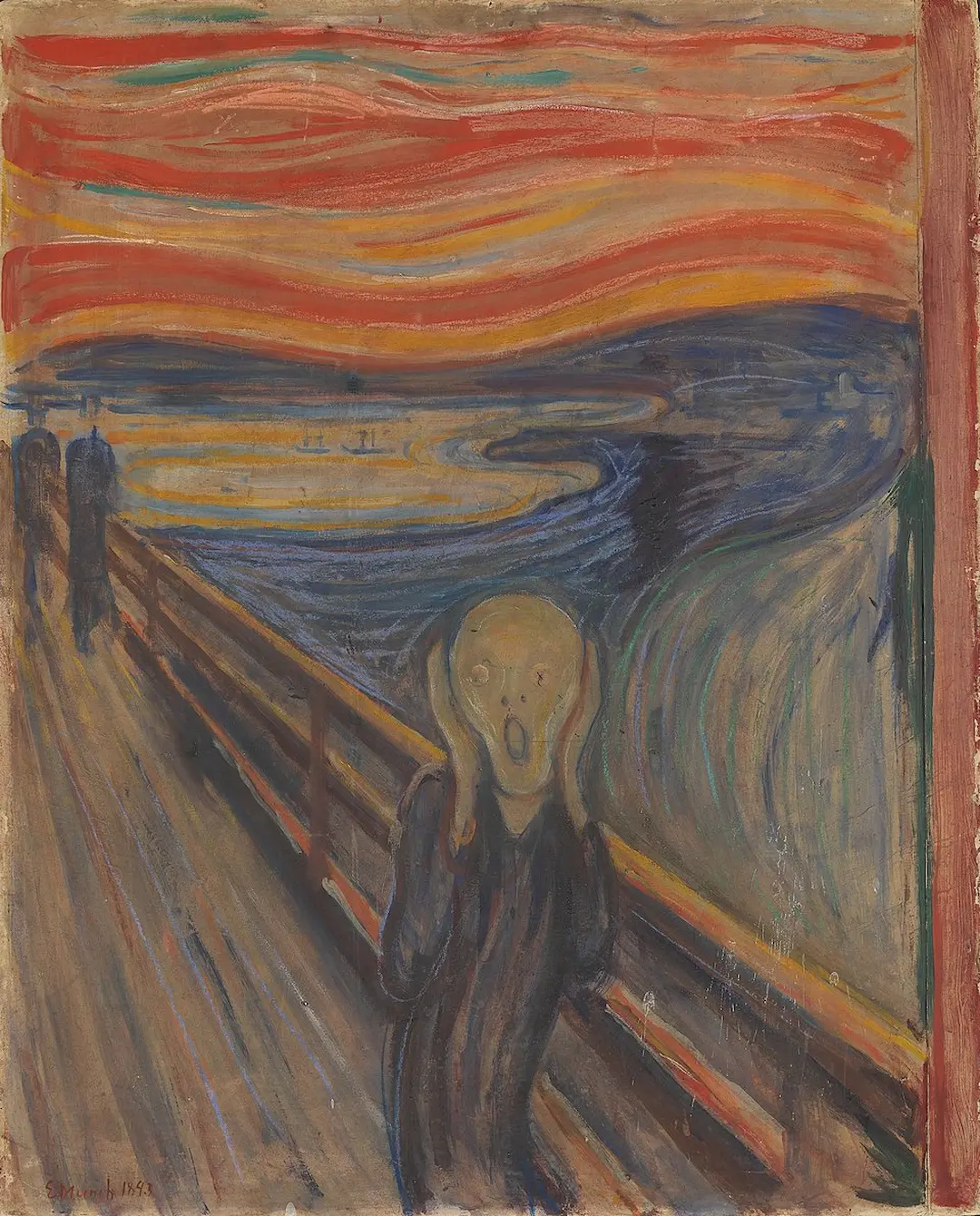
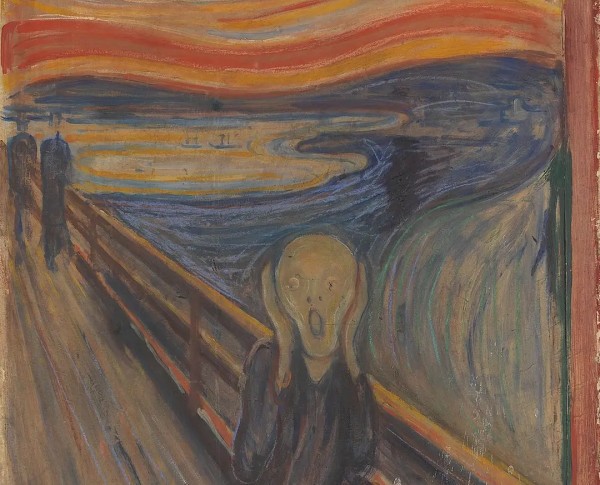
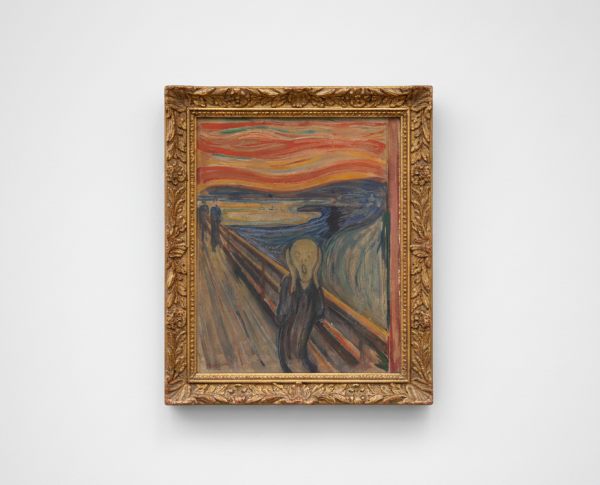
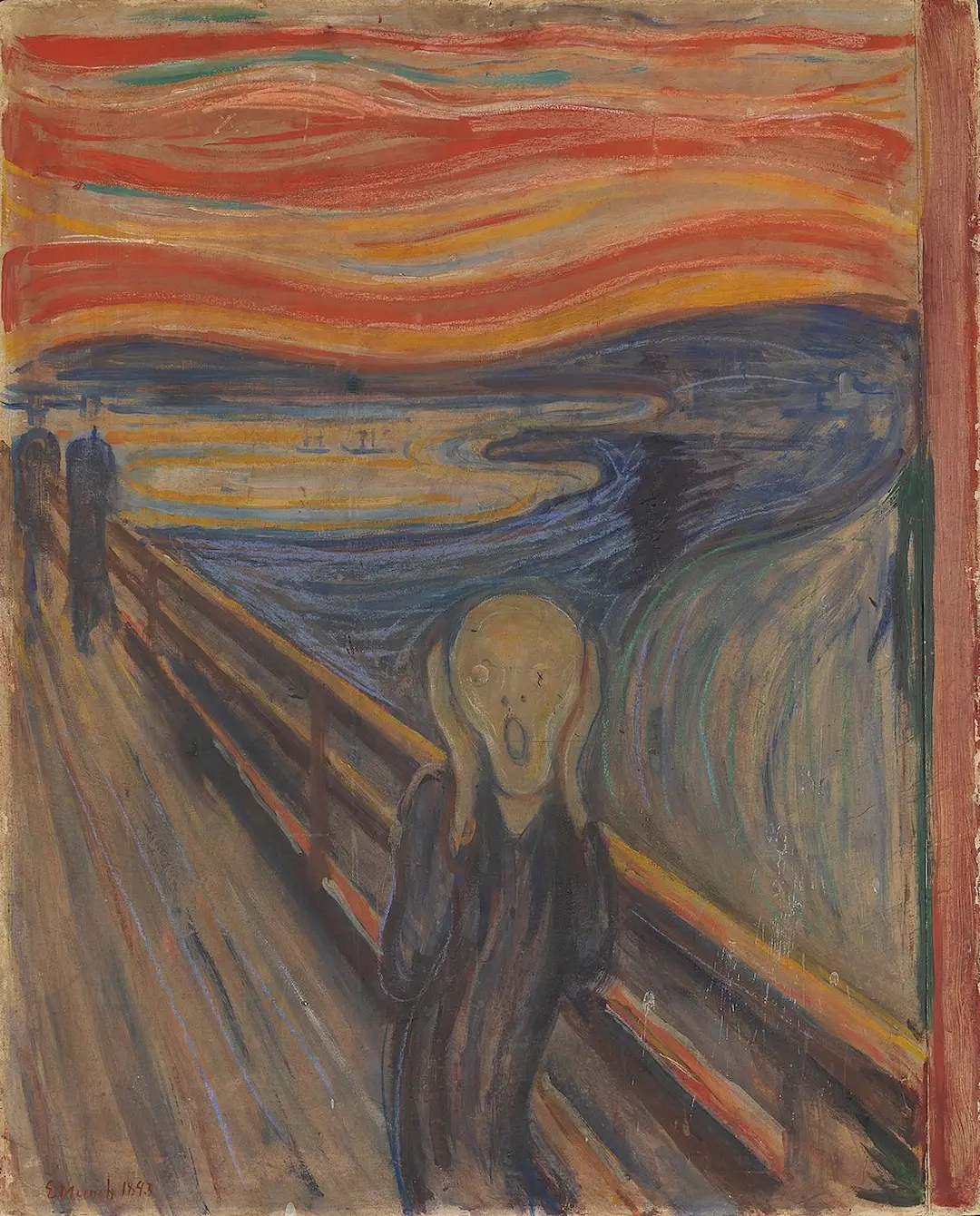
"Portrait of the Painter Jensen Hjell" by Edvard Munch stands as a remarkable example of the Expressionism movement. Created during a time of great artistic evolution, this hand-painted oil painting captures both the essence of its subject and the spirit of its era. Munch, celebrated for works like "The Scream," infused his portraits with psychological depth, making each piece a window into the past. This artwork remains a testament to the transformative power of expressionist art.
Techniques That Speak
Edvard Munch’s mastery of oil on canvas is evident in "Portrait of the Painter Jensen Hjell." Through bold brushstrokes and a vivid palette, he conveys intense emotion and individuality. The artist’s technique, a hallmark of Expressionism, emphasizes feeling over realism, drawing viewers into the subject’s inner world. Munch’s approach, similar to his other portraits, showcases how oil on canvas can be harnessed to evoke mood and atmosphere in fine art.
Emotions on Display
Expressionism thrives on emotional impact, and Munch’s "Portrait of the Painter Jensen Hjell" is no exception. The artist’s use of color and form in this fine art painting for sale brings the sitter’s character to life, revealing vulnerability and depth. Munch’s ability to channel psychological states through portraiture makes this work resonate with viewers today, much like his celebrated pieces from the same period. The painting’s emotive qualities continue to captivate art lovers worldwide.
Coveted by Collectors
"Portrait of the Painter Jensen Hjell" remains highly sought after by collectors, reflecting the enduring appeal of Edvard Munch’s oeuvre. As a hand-painted oil painting from the Expressionism movement, it holds significant value in the art market. Munch’s iconic style and the painting’s historical importance ensure its status as a prized possession. Collectors recognize the rarity and beauty of such works, making them central pieces in any distinguished art collection.
Frequently Asked Questions About Portrait of the Painter Jensen Hjell
What is the historical context of "Portrait of the Painter Jensen Hjell"?
"Portrait of the Painter Jensen Hjell" was created during a period of significant artistic exploration in the late 19th century, a time when Edvard Munch was developing his unique style that blended realism with emotional expressionism.
Who is Jensen Hjell and what is his significance in Munch's work?
Jensen Hjell was a fellow artist and a close associate of Edvard Munch. His portrayal in this painting reflects Munch's appreciation for his contemporaries and highlights the camaraderie among artists during this transformative period in art history.
What artistic techniques did Munch employ in this portrait?
Munch utilized bold brush strokes and a vibrant color palette to convey emotion and depth. The use of light and shadow in the painting enhances the psychological intensity of the subject, a hallmark of Munch's style.
What symbolism can be found in "Portrait of the Painter Jensen Hjell"?
The portrait symbolizes the inner struggles and complexities of the artist's psyche. Munch often explored themes of existential angst, and this work reflects the tension between the external appearance and internal emotional states of the subject.
How does this painting reflect Munch's overall artistic philosophy?
This painting embodies Munch's belief in the power of art to express profound emotional truths. It serves as a testament to his commitment to exploring the human condition through visual representation.
What influences can be seen in Munch's style in this portrait?
Munch's style in this portrait shows the influence of Impressionism, particularly in the use of color and light, as well as elements of Symbolism, which emphasize emotional experience over realistic representation.
In what ways does this portrait differ from Munch's other works?
While many of Munch's works focus on themes of love, death, and existential dread, "Portrait of the Painter Jensen Hjell" presents a more intimate and personal connection, showcasing the artist's relationship with his subject rather than broader existential themes.
What emotions does Munch aim to evoke in viewers through this portrait?
Munch seeks to evoke a sense of introspection and empathy in viewers, inviting them to connect with the emotional depth of the subject. The portrait's expressive qualities encourage contemplation of the artist's inner life.
How has "Portrait of the Painter Jensen Hjell" been received by critics and art historians?
The painting has been praised for its innovative approach to portraiture and its emotional resonance. Critics often highlight Munch's ability to capture the essence of his subject while simultaneously conveying broader themes of human experience.
What is the significance of the color palette used in this painting?
The color palette in "Portrait of the Painter Jensen Hjell" is significant as it reflects Munch's emotional state and the mood he wishes to convey. The use of contrasting colors enhances the emotional impact and draws attention to the subject's expression.






















_GFM_Painting_(1).webp)


 100% Hand-Painted: Finished in 3-6 Weeks

.png)















_(1).webp)