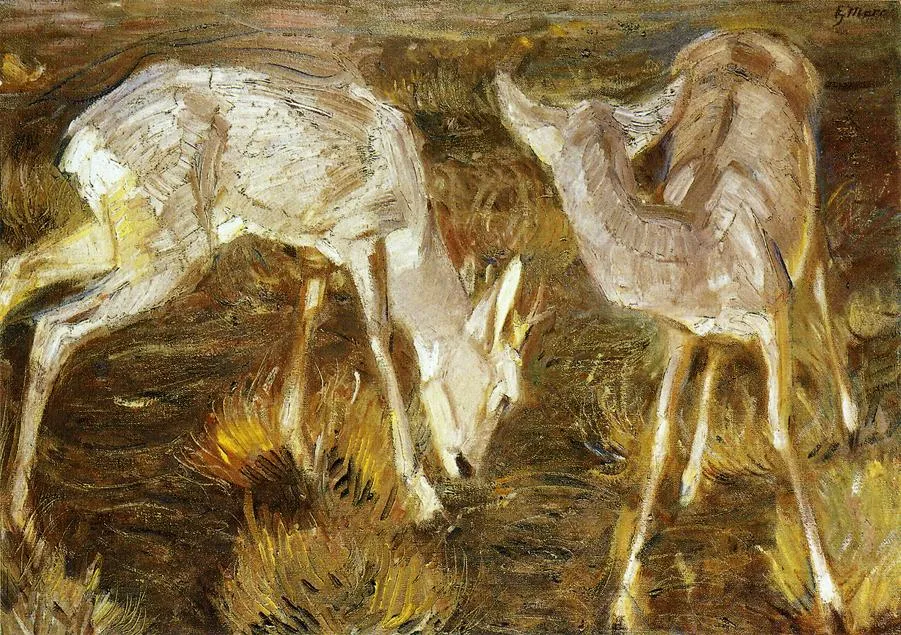
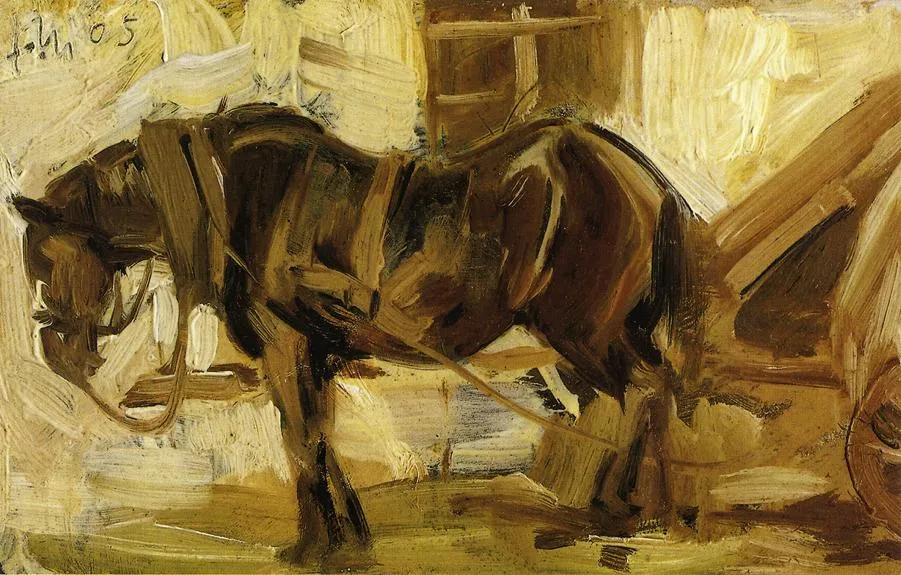
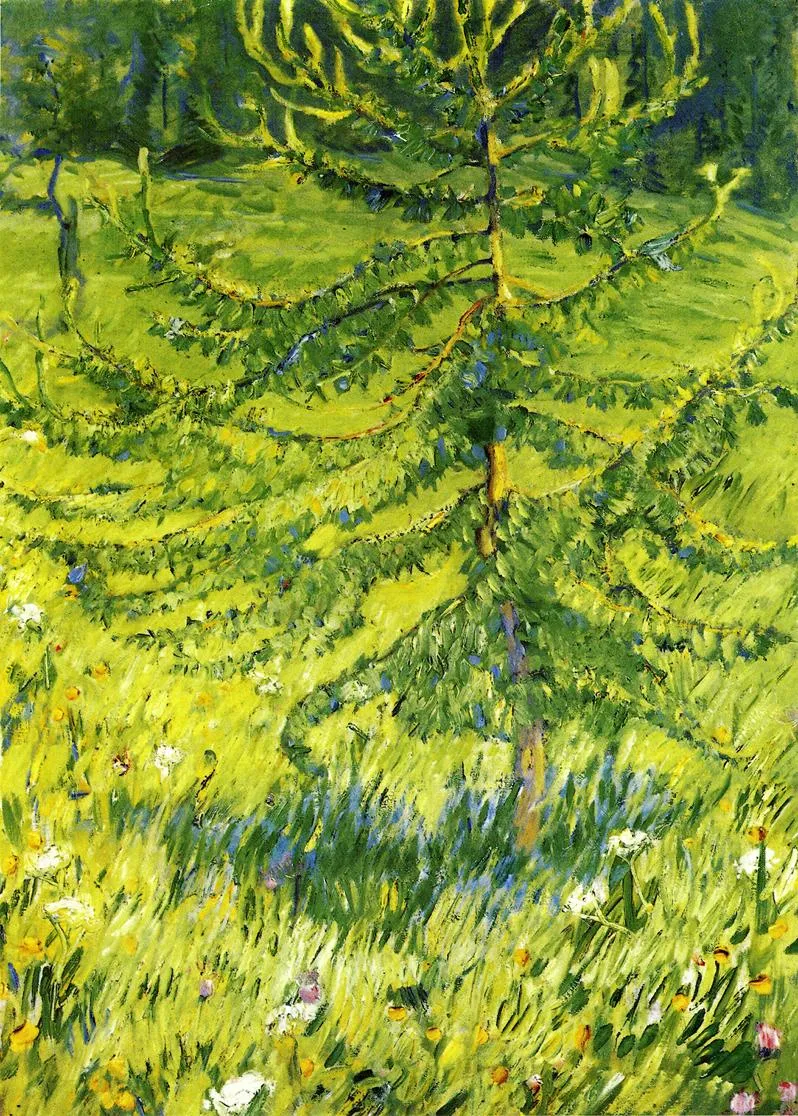
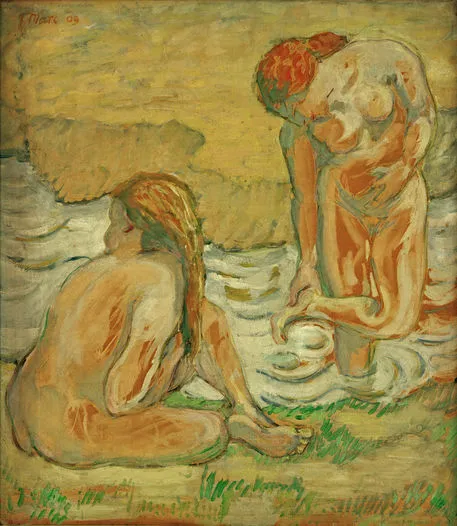
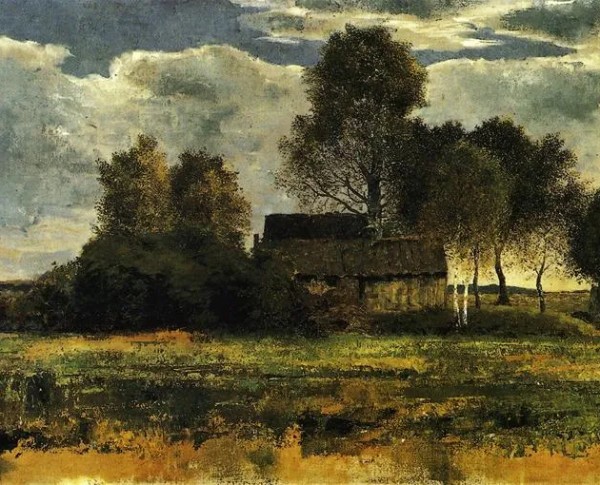
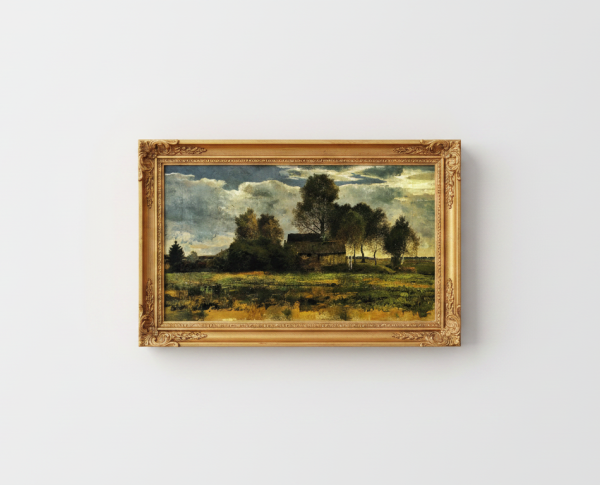
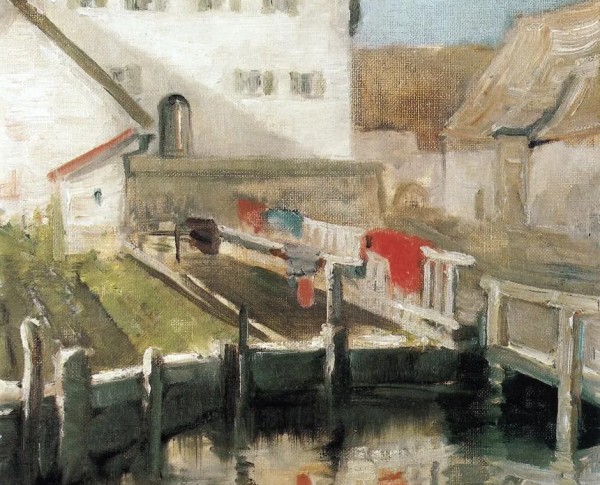
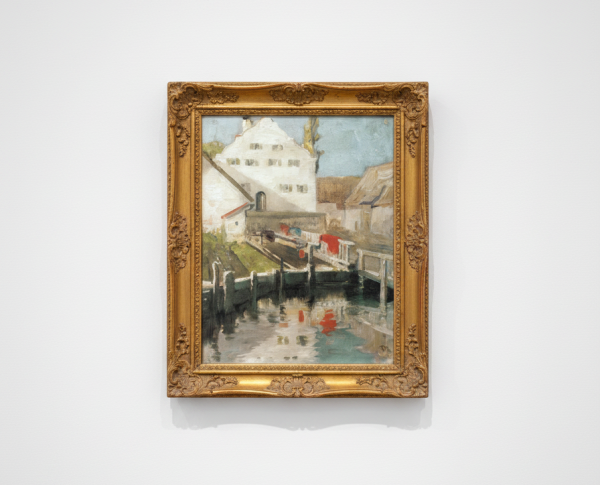
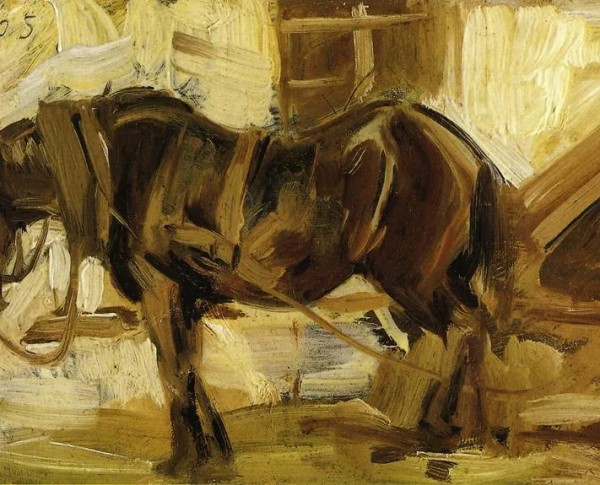
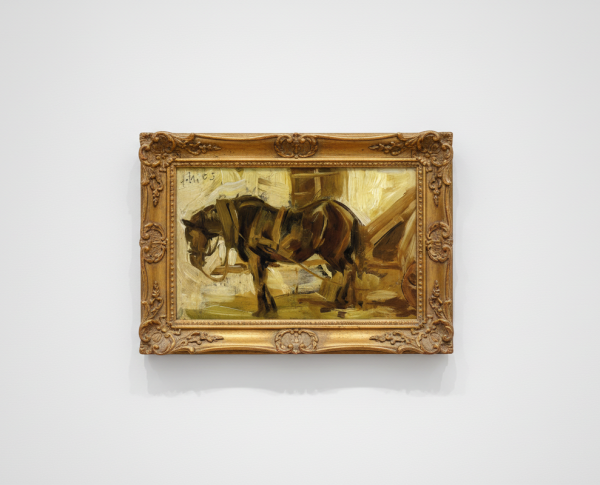
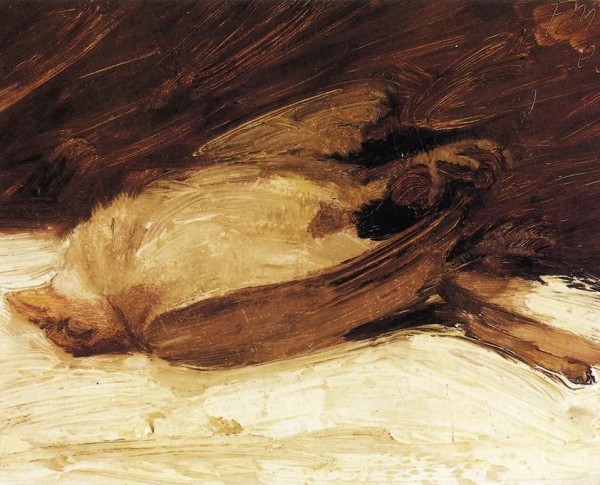
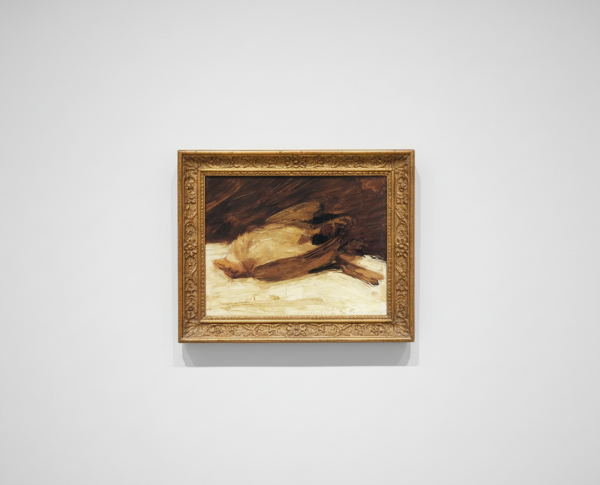
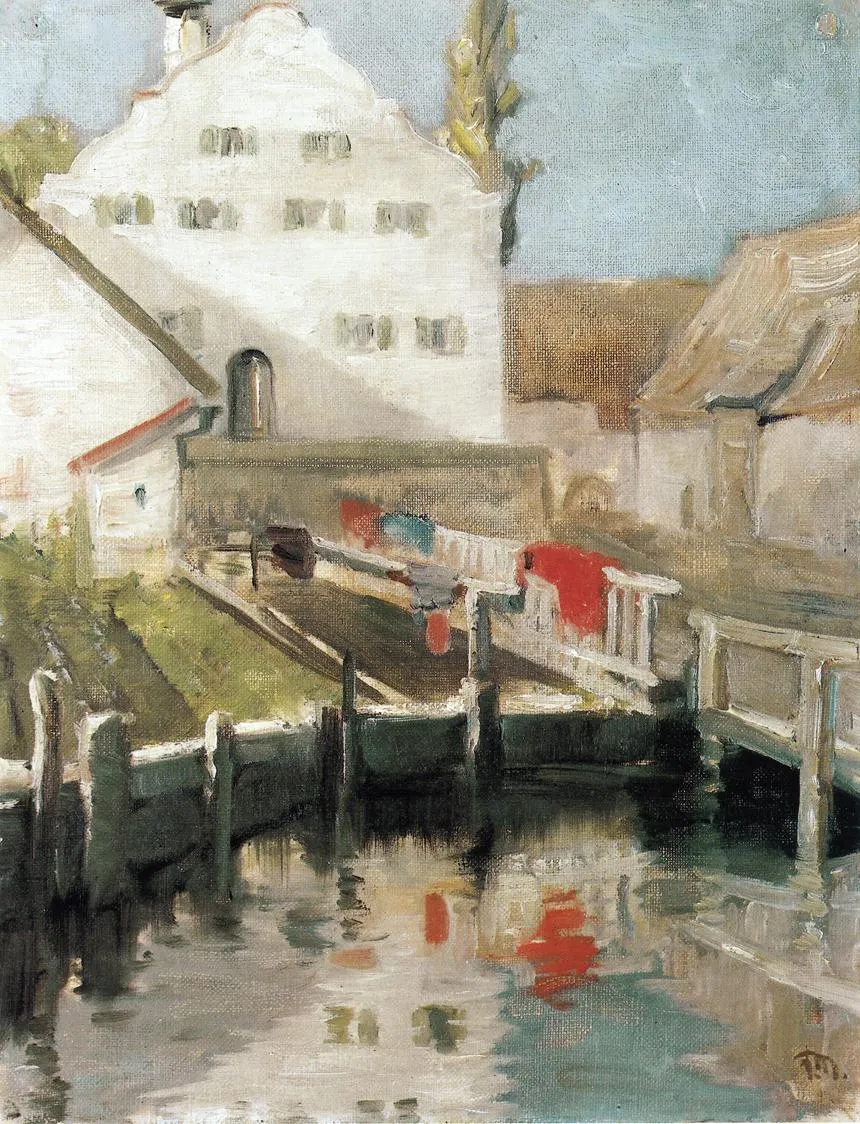
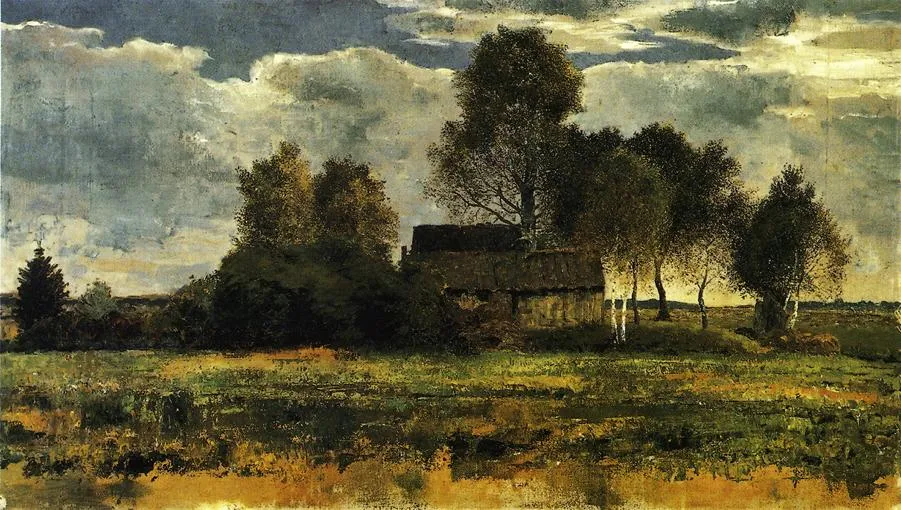
"Indersdorf" exemplifies the mastery of oil on canvas techniques that Franz Marc brought to Expressionism. Each brushstroke conveys movement and mood, reflecting the artist’s intimate connection with nature and color. The painting’s textured surface and dynamic composition highlight Marc’s innovative approach. Collectors seeking to enrich their galleries with original Expressionist works may also appreciate related pieces like "Cottages on the Dachau Marsh," which showcase similar mastery in oil on canvas.
Franz Marc’s "Indersdorf" is more than a fine art painting for sale; it is a tapestry of stories and symbols. Marc often imbued his Expressionist works with profound meaning, using color and form to evoke emotion and thought. This painting invites viewers to interpret its hidden messages and explore the narrative woven into the landscape. Art enthusiasts may also find "Cottages on the Dachau Marsh" an intriguing addition, as it shares Marc’s symbolic storytelling style.
Owning "Indersdorf" by Franz Marc means acquiring a piece of Expressionist history. This hand-painted oil painting represents both artistic brilliance and cultural significance, making it a prized acquisition for any collection. As demand grows for authentic Expressionist art, works like "Cottages on the Dachau Marsh" are also sought after by discerning collectors. Both paintings exemplify the enduring appeal and investment value of Marc’s contributions to the world of fine art.
When Art Meets History
"Indersdorf" by Franz Marc stands as a remarkable example of Expressionism, a movement that revolutionized early 20th-century art. This hand-painted oil painting captures the energy and emotion of its era, reflecting Marc's unique vision. Like his contemporaries in works such as "Aunt Karen in the Rocking Chair" and "The Sick Child," Marc’s "Indersdorf" bridges personal experience with historical context, cementing its place as a significant fine art painting for sale among collectors and enthusiasts alike.
Techniques That Speak
Franz Marc’s mastery of oil on canvas shines through in "Indersdorf." His brushwork and vivid color palette, characteristic of the Expressionism movement, infuse the painting with life and movement. The dynamic composition echoes the innovation found in related works like "Girl Kindling a Stove" and "At the Coffee Table." Marc’s skilled use of oil on canvas not only demonstrates his technical prowess but also enhances the emotional depth that defines this period of fine art.
Emotions on Display
"Indersdorf" radiates the emotional intensity that made Expressionism so influential. Franz Marc’s approach allows viewers to feel the pulse of the era, much like in "Morning" and other evocative pieces. The hand-painted oil painting technique amplifies the expressive force of the work, drawing the observer into a world of color and feeling. This emotional resonance is a hallmark of Marc’s style and a key reason his paintings remain sought-after today.
Coveted by Collectors
As a fine art painting for sale, "Indersdorf" by Franz Marc is highly prized among art collectors who value Expressionism’s bold spirit. Its connection to related masterpieces such as "The Sick Child" and "Aunt Karen in the Rocking Chair" adds to its allure. The painting’s vibrant execution and historical significance make it a standout piece, appealing to those seeking both aesthetic beauty and cultural depth in an oil on canvas work.
Related Expressionism Hand-Painted Oil Paintings by Other Artists
Other Famous Expressionism Artists:
Frequently Asked Questions About Indersdorf
What is the historical context of "Indersdorf"?
"Indersdorf" was created in 1910, during a period of significant artistic experimentation in Europe. This era saw the rise of movements such as Expressionism and Abstract art, which influenced Marc's approach to color and form.
What artistic techniques did Franz Marc employ in "Indersdorf"?
Franz Marc utilized bold colors and dynamic forms to convey emotion and spirituality in "Indersdorf." His use of color symbolism is particularly notable, as he believed that colors could express specific feelings and ideas.
What symbols are present in "Indersdorf"?
The painting features animals and natural elements, which are symbolic of Marc's belief in the interconnectedness of all living things. The use of animals often reflects his desire to depict the purity and innocence of nature.
How does "Indersdorf" reflect Franz Marc's artistic philosophy?
Marc's philosophy centered around the idea of transcending the material world to reach a spiritual understanding of nature. "Indersdorf" embodies this philosophy through its vibrant colors and abstract forms that suggest a deeper emotional resonance.
What role does color play in "Indersdorf"?
In "Indersdorf," color is not merely decorative but serves as a vital component of the composition. Marc believed that colors had intrinsic meanings; for instance, blue represented masculinity and spirituality, while yellow symbolized femininity and joy.
How does "Indersdorf" connect to the broader movement of Expressionism?
"Indersdorf" is a quintessential example of Expressionism, characterized by its emotional intensity and departure from realistic representation. Marc's work reflects the movement's focus on subjective experience and the expression of inner feelings through art.
What influences can be seen in "Indersdorf"?
Marc was influenced by various sources, including Impressionism, Post-Impressionism, and the burgeoning modernist movements. His exposure to these styles informed his innovative approach to color and form in "Indersdorf."
What is the significance of the title "Indersdorf"?
The title "Indersdorf" refers to a location in Bavaria, Germany, where Marc spent time. The painting reflects his deep connection to the landscape and nature of this region, which inspired much of his work.
How did "Indersdorf" contribute to Franz Marc's legacy?
"Indersdorf" is considered one of Marc's important works, showcasing his unique style and vision. It helped establish him as a leading figure in the Expressionist movement and continues to influence contemporary artists.
What emotions does "Indersdorf" evoke in viewers?
The vibrant colors and abstract forms in "Indersdorf" evoke a sense of harmony and tranquility, inviting viewers to reflect on their relationship with nature. The painting encourages an emotional response, fostering a deeper appreciation for the beauty of the natural world.























_GFM_Painting_(1).webp)


 100% Hand-Painted: Finished in 3-6 Weeks

.png)















_(1).webp)