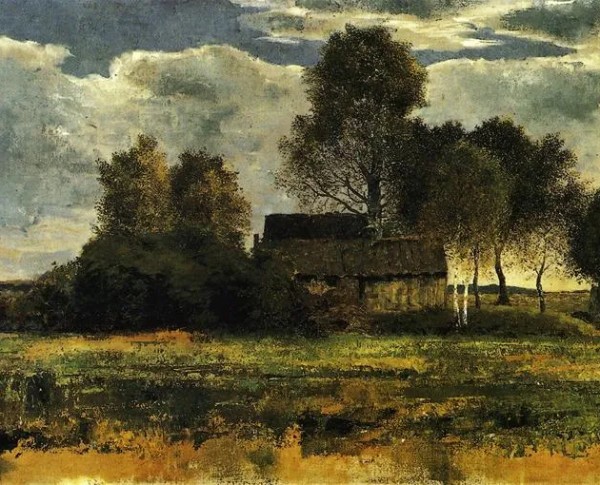
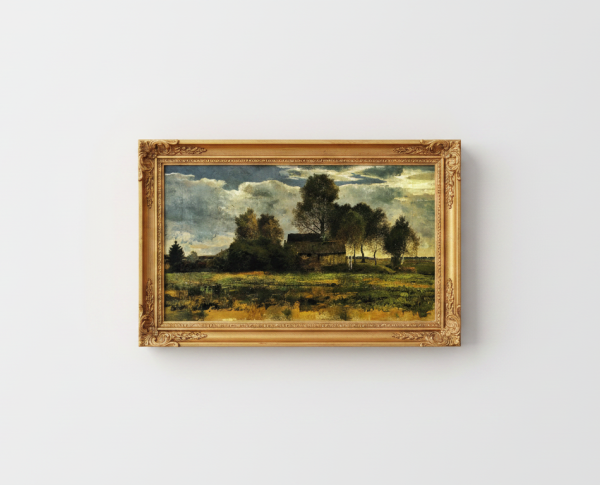
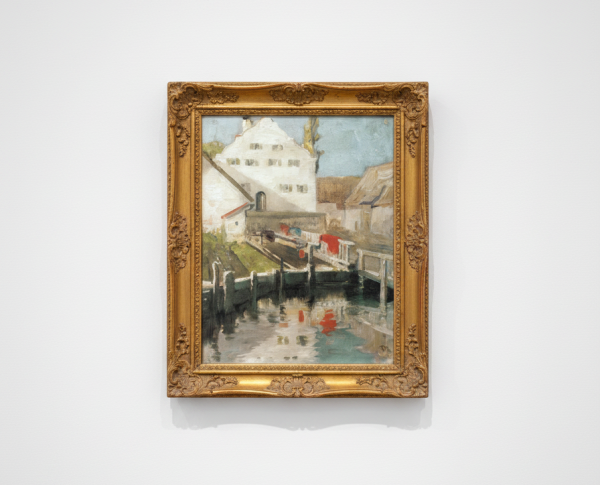
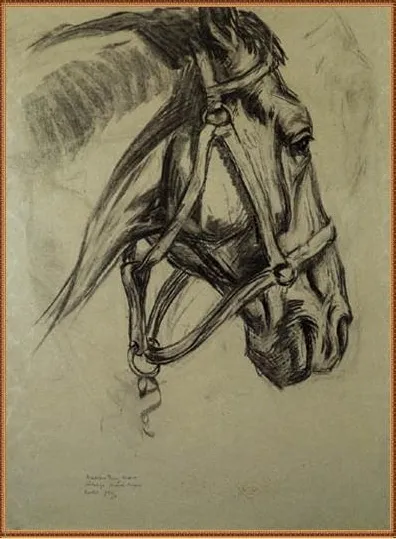
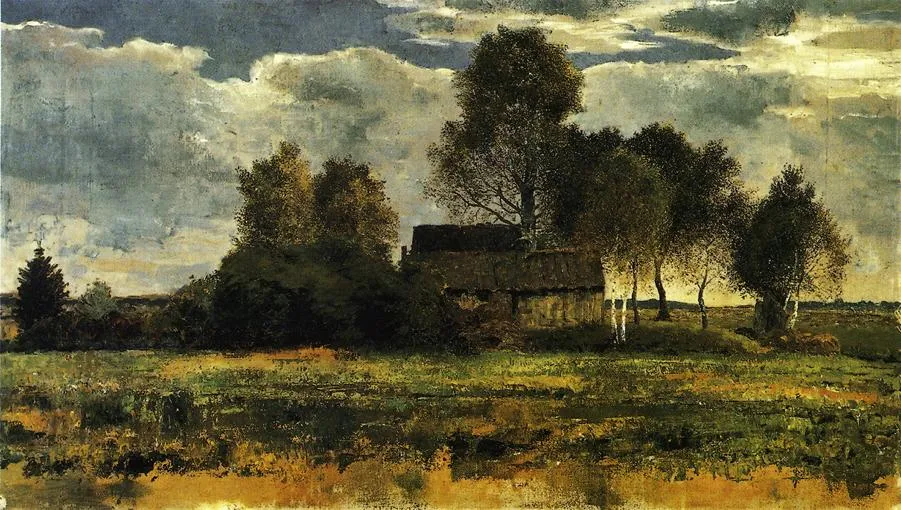
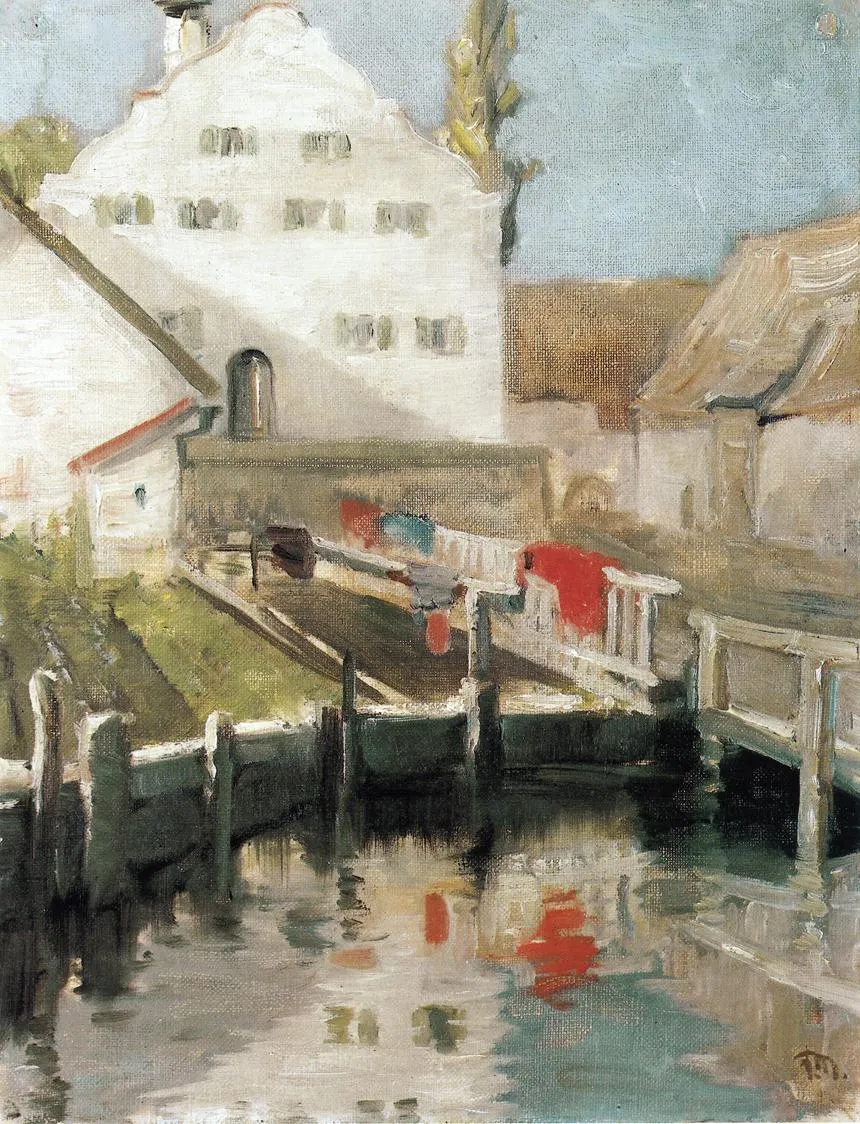
Franz Marc’s "Head of the Horse" showcases his remarkable skill with oil on canvas, blending vibrant colors and bold lines to evoke the spirit of his subject. The painting’s expressive style is emblematic of the Expressionism movement, where emotion takes precedence over realism. Collectors and art enthusiasts often pair this masterpiece with related works such as "Cottages on the Dachau Marsh" to enhance their collections of early twentieth-century art.
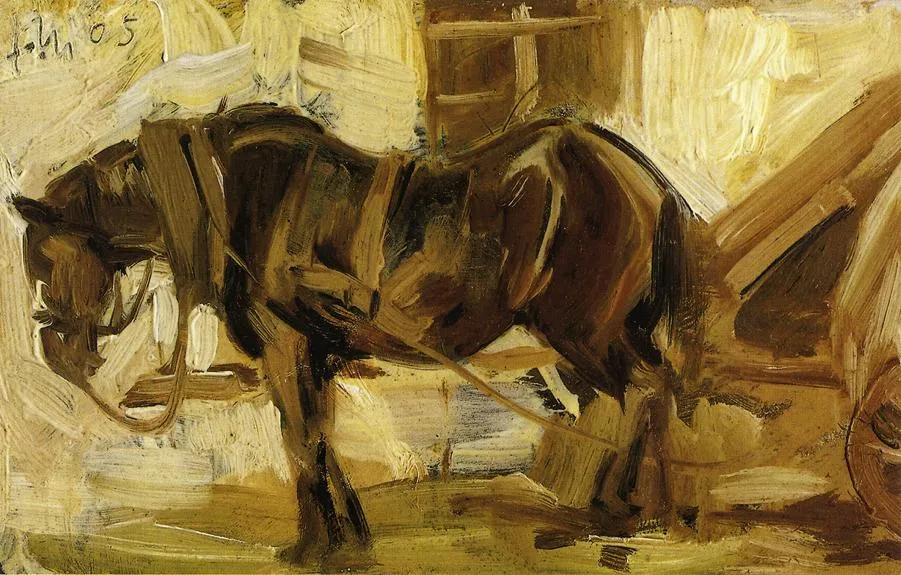
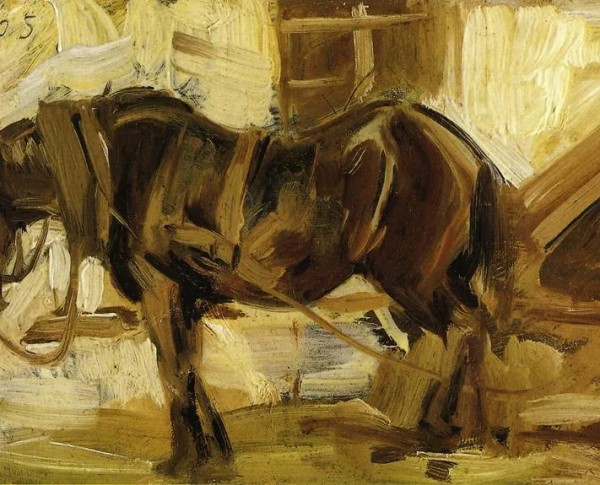
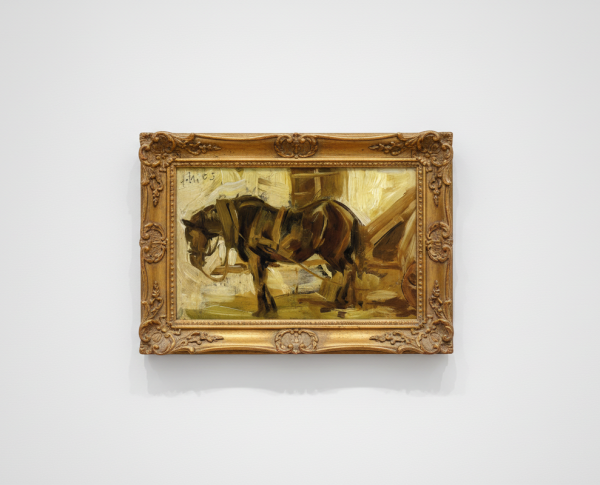
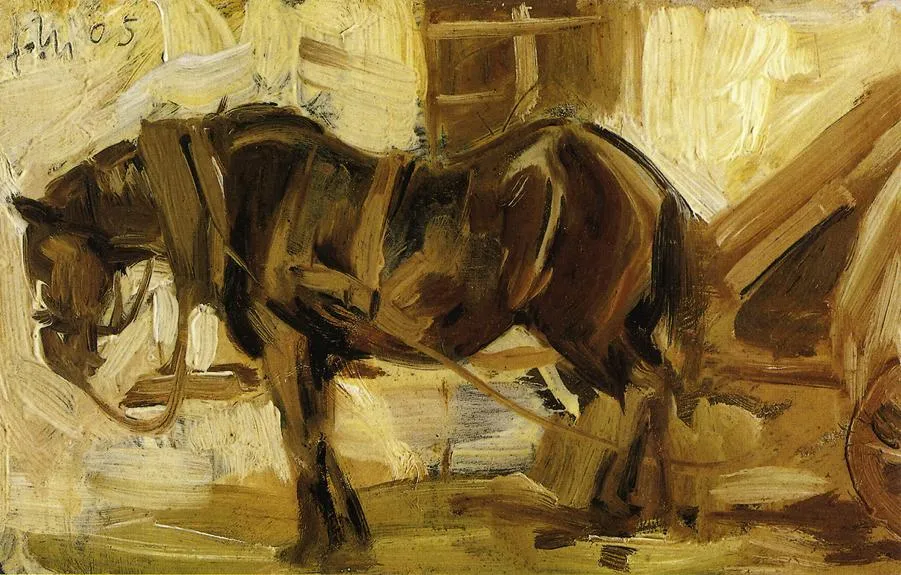
In "Head of the Horse," Franz Marc imbues his subject with deep symbolic meaning, a hallmark of Expressionism. The horse, a recurring motif in Marc’s hand-painted oil paintings, represents strength and purity. This fine art painting for sale invites viewers to explore its layers of meaning, much like Marc’s other works: "Small Horse Study" and "Indersdorf." Each piece offers a unique narrative, reflecting the artist’s fascination with the natural world and its spiritual resonance.
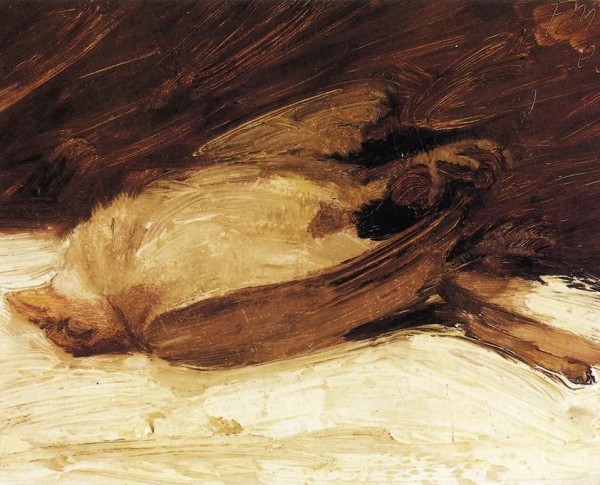
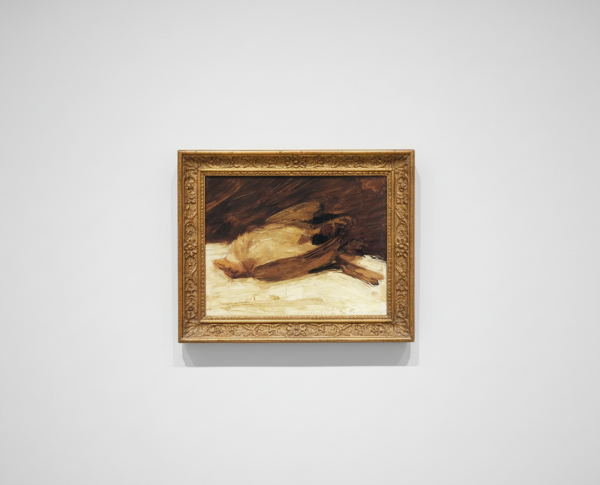
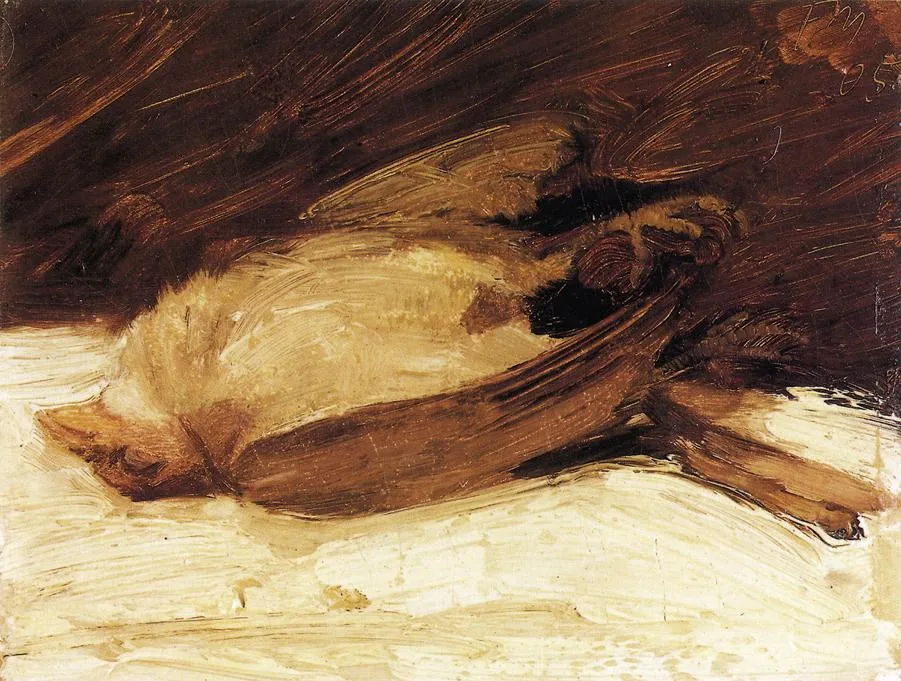
Owning "Head of the Horse" by Franz Marc is a rare opportunity for any collector seeking a fine art painting for sale from the Expressionism movement. The artwork’s emotional depth and technical brilliance make it a valuable addition to any collection. Those who appreciate Marc’s genius often look for complementary pieces such as "The Dead Sparrow" or "Cottages on the Dachau Marsh," enhancing their appreciation for this pivotal artist’s legacy.
When Art Meets History
"Head of the Horse" by Franz Marc is a remarkable example of the Expressionism movement, capturing the spirit of early 20th-century art. This hand-painted oil painting reflects Marc’s fascination with animals and his response to a rapidly changing world. Like Edvard Munch’s "The Scream" and "Madonna," Marc’s work channels emotion through bold color and form, making it a significant piece in the lineage of Expressionist masterpieces.
Techniques That Speak
Franz Marc’s "Head of the Horse" showcases masterful use of oil on canvas, utilizing vivid hues and dynamic brushwork to evoke the horse’s vitality. The painting’s textured surface and energetic lines are reminiscent of other Expressionist works, such as "Portrait of the Painter Jensen Hjell" and "Aunt Karen in the Rocking Chair." Marc’s technique brings depth and movement, emphasizing the emotional resonance found in each fine art painting for sale from this period.
Emotions on Display
With "Head of the Horse," Franz Marc channels intense emotion through color and abstraction, hallmarks of the Expressionism movement. The horse’s gaze and the swirling background convey a sense of urgency and inner life, similar to the emotional intensity seen in "The Scream" and "Landscape. Maridalen by Oslo." This hand-painted oil painting invites viewers to connect with the subject’s feelings, making it a compelling piece for art lovers and collectors alike.
Coveted by Collectors
Collectors highly prize "Head of the Horse" for its historical significance and the expressive power of Franz Marc’s style. As an original oil on canvas, it stands alongside sought-after works like "Madonna" and "Aunt Karen in the Rocking Chair." This fine art painting for sale represents a unique opportunity to own a piece of Expressionist history, embodying the emotional depth and artistic innovation that define Marc’s celebrated career.
Related Expressionism Hand-Painted Oil Paintings by Other Artists
Other Famous Expressionism Artists:
Frequently Asked Questions About Head of the Horse
What is the historical context of "Head of the Horse" by Franz Marc?
"Head of the Horse" was created during the early 20th century, a time marked by significant political and social upheaval in Europe. This period saw the rise of modernism in art, with artists like Franz Marc seeking to break away from traditional forms and explore new expressions of emotion and spirituality.
What artistic movement is Franz Marc associated with?
Franz Marc is primarily associated with the Expressionist movement, particularly as a founding member of the Blue Rider group. This movement emphasized the use of vivid colors and abstract forms to convey emotional experiences rather than realistic depictions.
What is the significance of the horse in Marc's work?
The horse is a recurring motif in Franz Marc's art, symbolizing strength, beauty, and a connection to nature. In "Head of the Horse," the depiction of the animal reflects Marc's belief in the spiritual essence of animals, contrasting with the industrialization of society.
How does color play a role in "Head of the Horse"?
Color in "Head of the Horse" is used expressively rather than representationally. Marc employs bold, vibrant hues to evoke emotional responses and convey the inner life of the horse, illustrating his belief in color as a means of spiritual communication.
What techniques did Franz Marc use in "Head of the Horse"?
Marc utilized a combination of simplified forms and dynamic lines in "Head of the Horse," creating a sense of movement and vitality. His approach to abstraction allows viewers to engage with the essence of the horse rather than a literal representation.
In what ways does "Head of the Horse" reflect Marc's philosophy of art?
Marc believed that art should transcend the material world and connect with deeper spiritual truths. "Head of the Horse" exemplifies this philosophy by focusing on the emotional and symbolic aspects of the subject, inviting viewers to experience a sense of harmony with nature.
What influences can be seen in "Head of the Horse"?
Marc was influenced by various sources, including Impressionism, Post-Impressionism, and Eastern philosophies. These influences are evident in his use of color, form, and the thematic exploration of the relationship between humans and nature in "Head of the Horse."
How does "Head of the Horse" fit into Franz Marc's overall body of work?
"Head of the Horse" is representative of Marc's exploration of animal subjects and his evolving style. It showcases his transition towards more abstract forms and his enduring fascination with the spiritual and emotional dimensions of the natural world.
What is the legacy of "Head of the Horse" in the context of modern art?
"Head of the Horse" is considered a significant work within the canon of modern art, reflecting the shift towards abstraction and emotional expression. It has influenced subsequent generations of artists who seek to explore the relationship between form, color, and meaning in their work.
Where can I see "Head of the Horse" displayed?
"Head of the Horse" is part of various collections and exhibitions focused on Expressionism and early 20th-century art. For specific locations and current exhibitions, please check with our gallery or other institutions featuring Marc's work.























_GFM_Painting_(1).webp)


 100% Hand-Painted: Finished in 3-6 Weeks

.png)















_(1).webp)