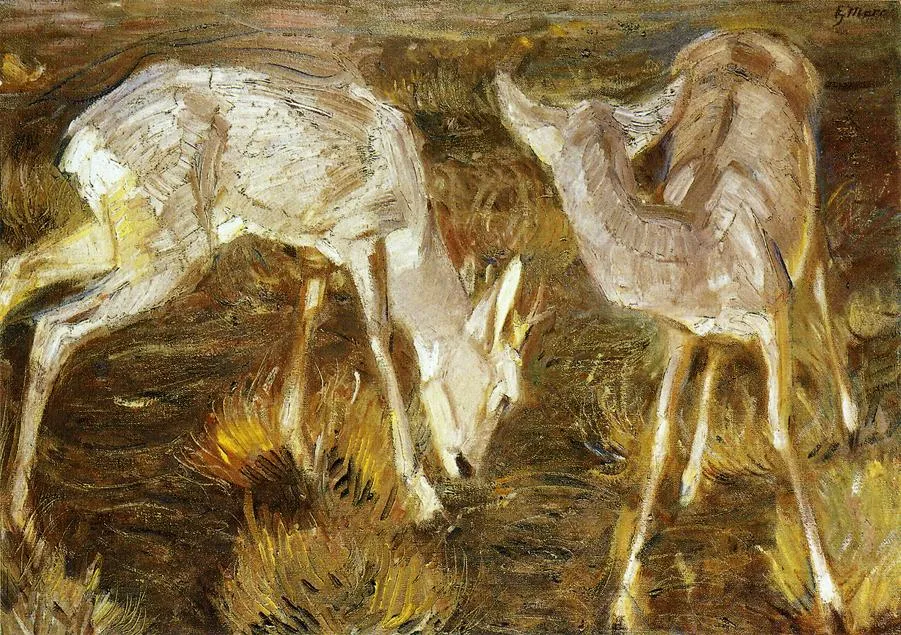
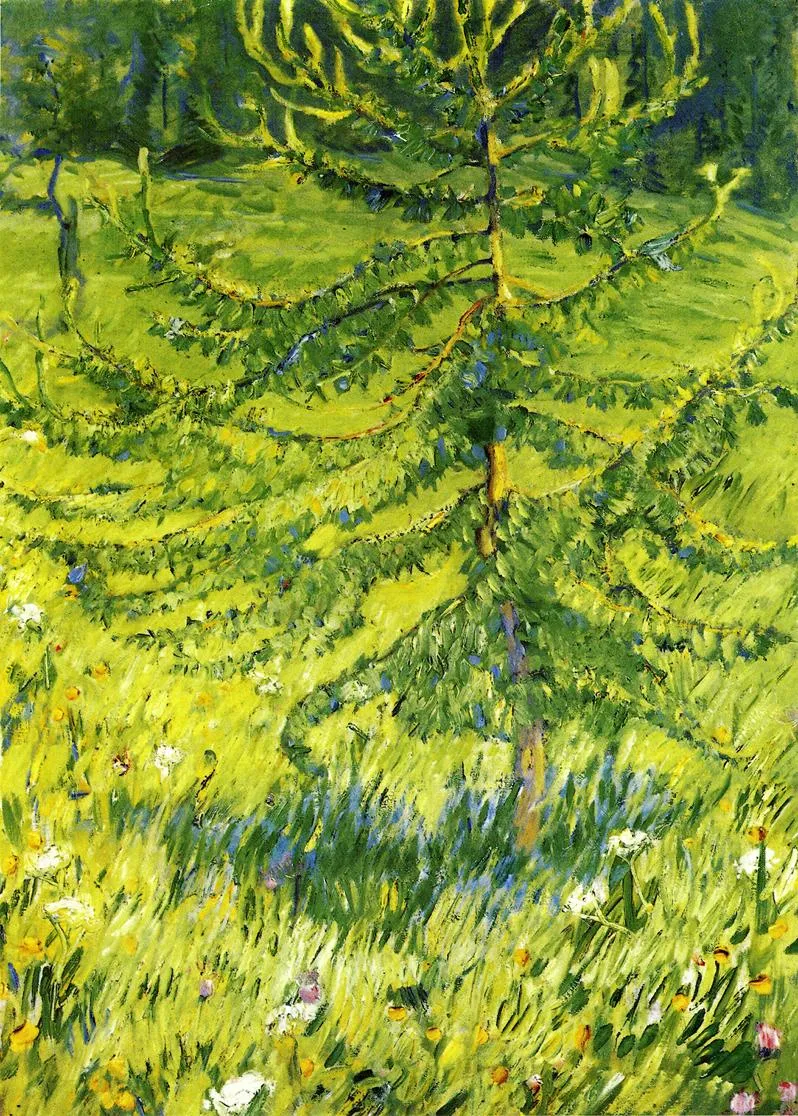
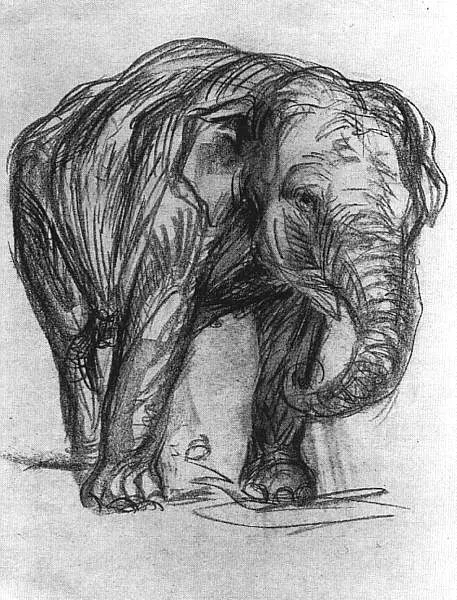
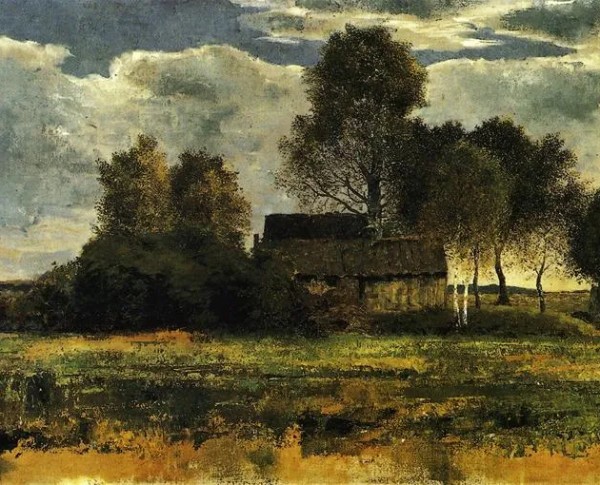
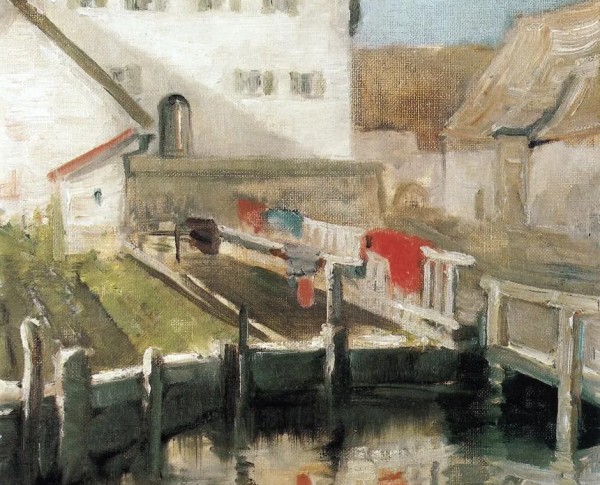
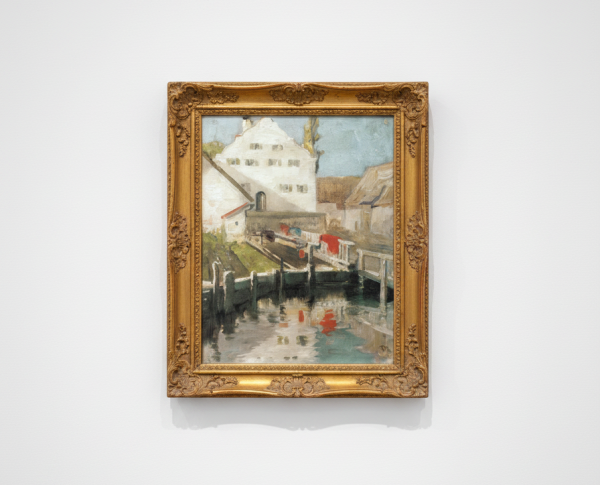
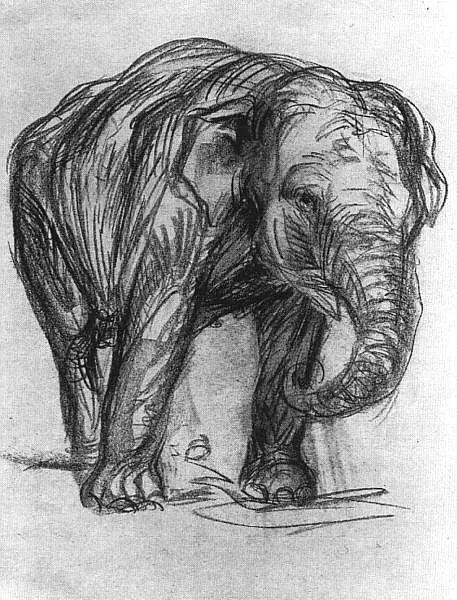
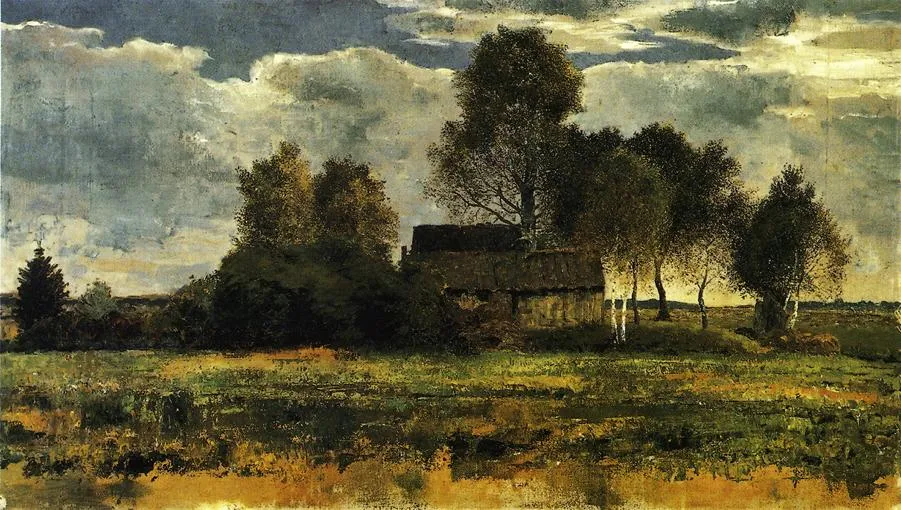
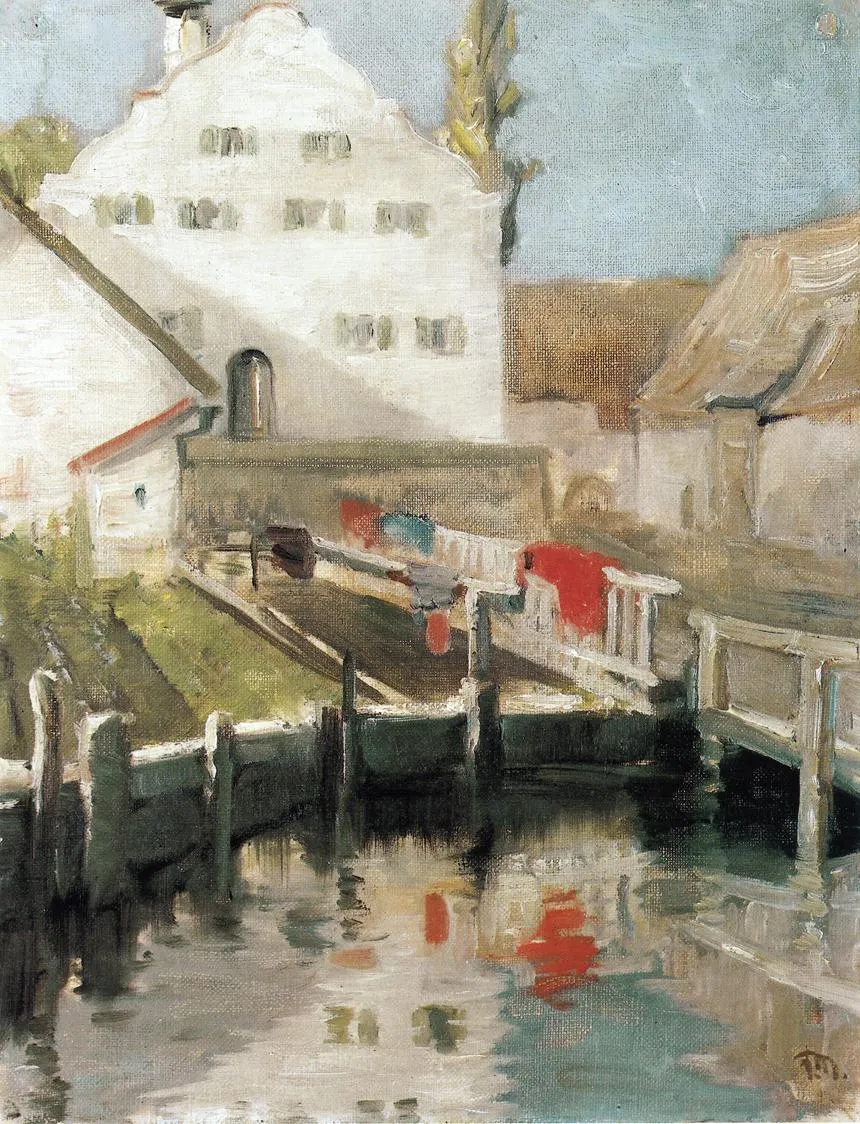
Every detail in Franz Marc’s “Elephant” showcases his exceptional skill with oil on canvas, a medium favored by Expressionist artists for its depth and vibrancy. The dynamic brushwork and bold color choices evoke the raw power and grace of the elephant, echoing themes found in related pieces like “Indersdorf” and “Cottages on the Dachau Marsh.” Marc’s technique elevates this painting, making it a striking example of Expressionist fine art.
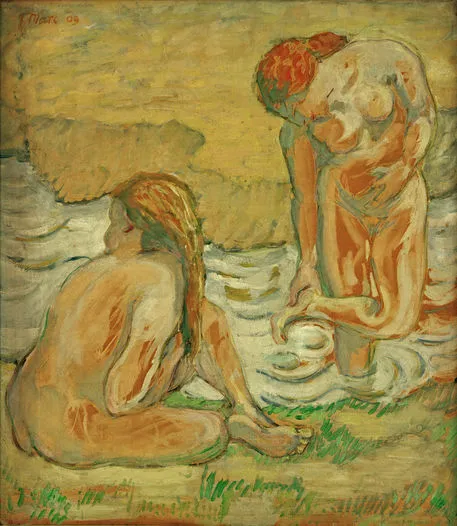
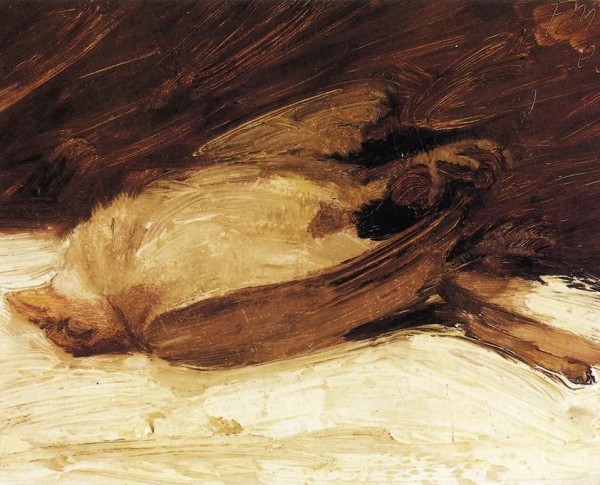
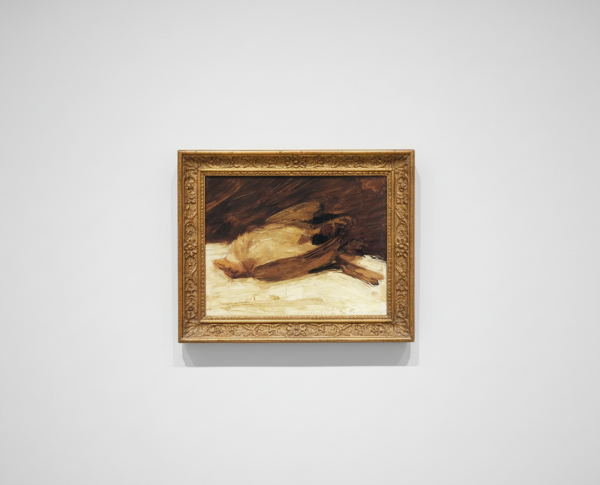
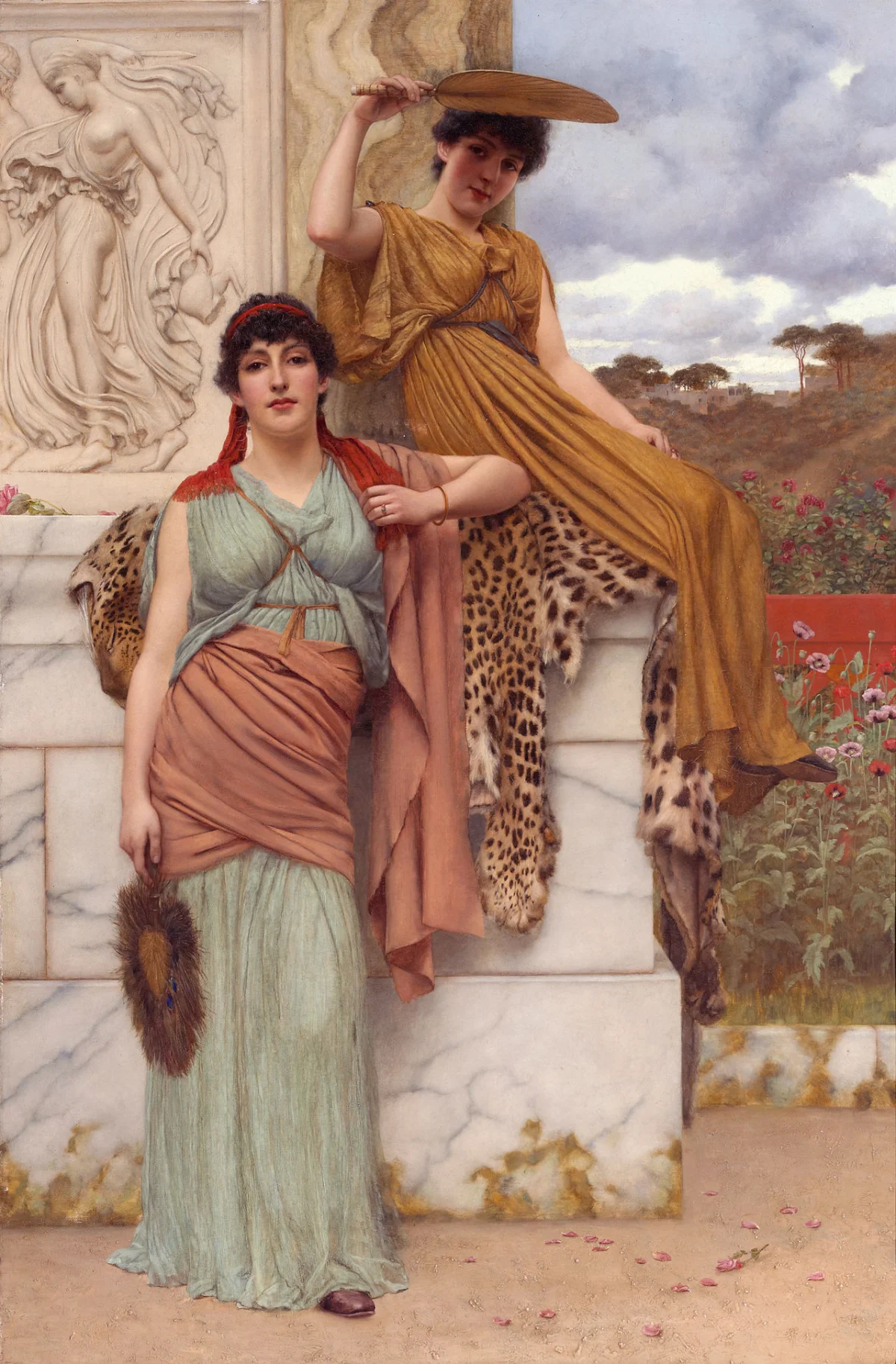
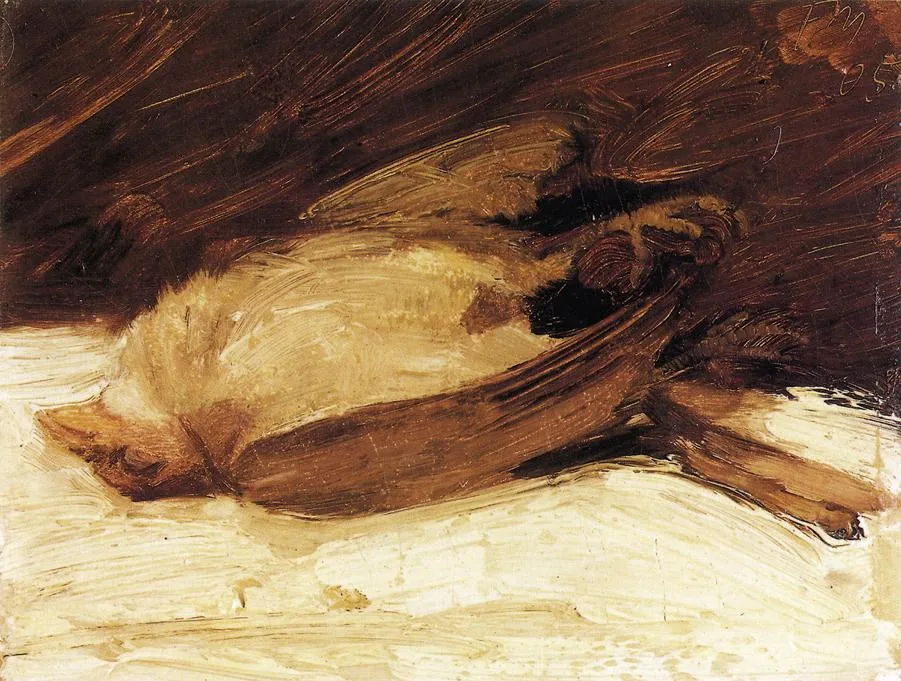
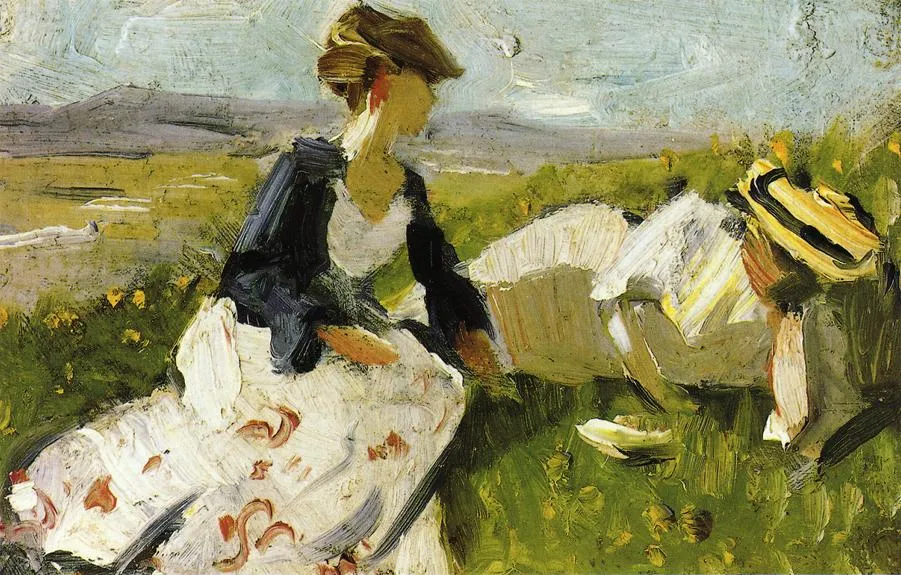
“Elephant” is more than a fine art painting for sale; it is a narrative woven with symbolism. Franz Marc often used animals to represent innocence and purity, and here, the majestic elephant stands as a symbol of strength and wisdom. This interpretation ties “Elephant” to Marc’s other symbolic works, such as “Two Women on the Hillside” and “The Dead Sparrow,” inviting viewers to explore deeper meanings within the Expressionism movement.
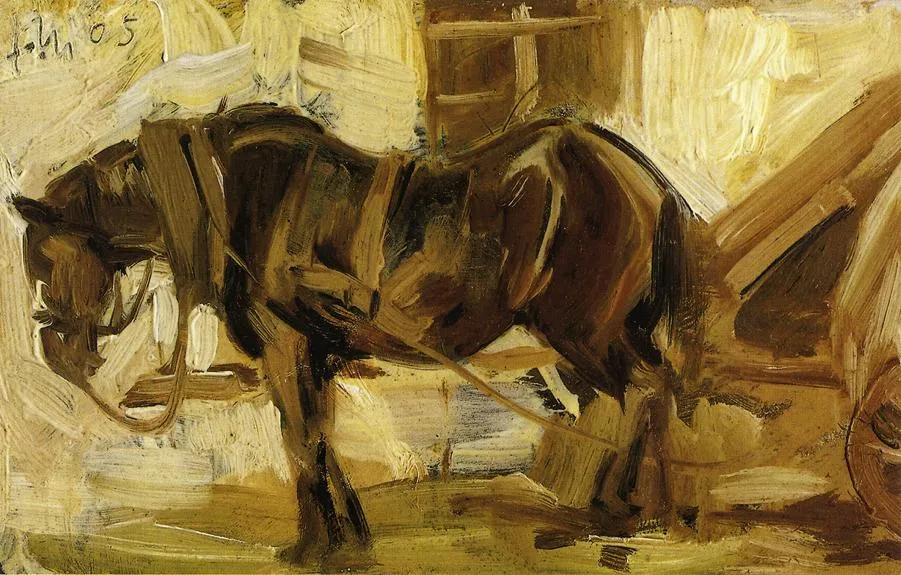
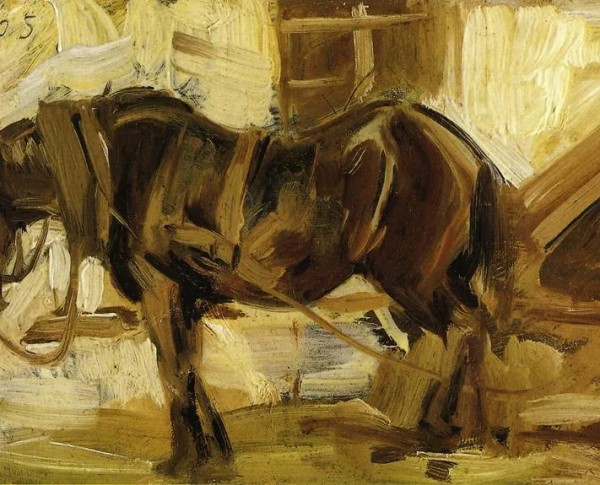
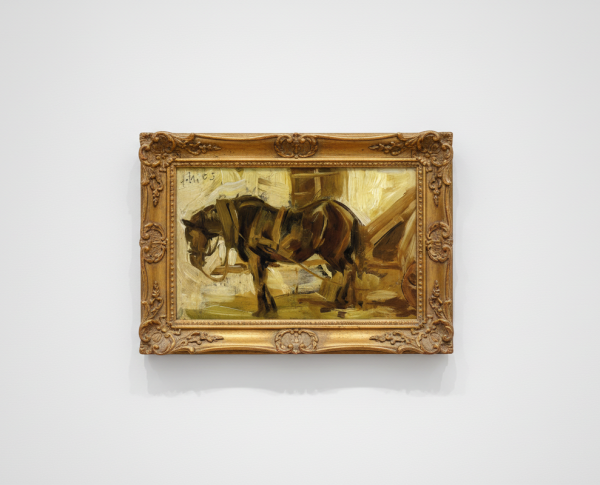
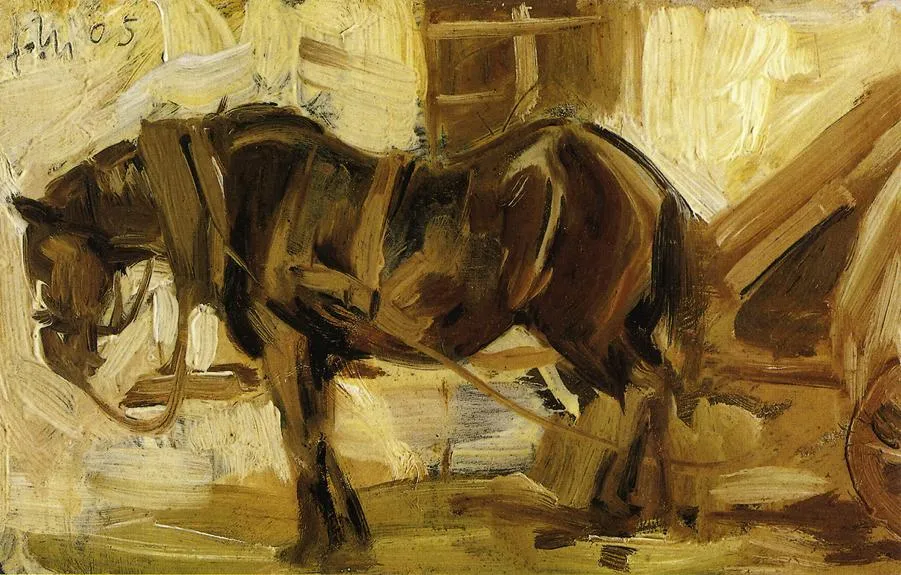
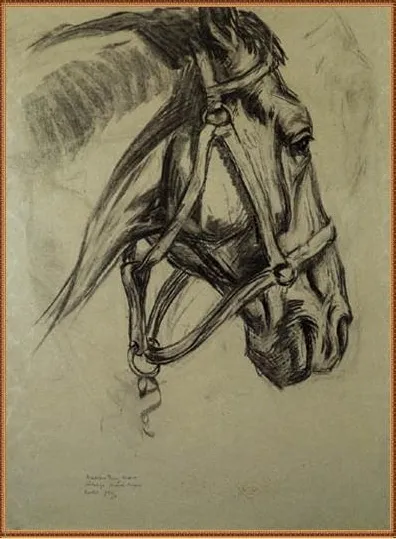
For collectors, “Elephant” by Franz Marc represents an exceptional opportunity to own a piece of art history. This hand-painted oil painting is highly sought after, much like Marc’s other renowned works. As an Expressionism masterpiece, it complements collections featuring related products such as “Indersdorf” and “Head of the horse,” making it an ideal addition for anyone passionate about fine art painting for sale from the early twentieth century.
When Art Meets History
Franz Marc’s "Elephant" stands as a testament to the Expressionism movement, capturing the spirit of early 20th-century innovation. This hand-painted oil painting not only reflects Marc’s fascination with animals but also connects to the vibrant cultural shifts of his time. Alongside related works such as "At the Coffee Table" and "Morning, Landscape. Maridalen by Oslo," "Elephant" demonstrates the artist’s unique vision and his pivotal role in shaping modern art’s course.
Techniques That Speak
Utilizing bold colors and dynamic forms, Franz Marc’s "Elephant" exemplifies the expressive power of oil on canvas. The brushwork and color palette reflect the energy and emotion characteristic of Expressionism. Marc’s technique, evident also in pieces like "Vampire" and "Aunt Karen in the Rocking Chair," invites viewers into an intense, personal experience, making each stroke in this fine art painting for sale a vital part of its storytelling.
Emotions on Display
"Elephant" by Franz Marc channels profound emotion through vibrant hues and abstract composition, hallmarks of the Expressionism movement. This hand-painted oil painting captures the animal’s strength and vulnerability, resonating with viewers on a deep, emotional level. In the same spirit as "Morning, Landscape. Maridalen by Oslo" and "Aunt Karen in the Rocking Chair," Marc’s work evokes empathy and introspection, making his paintings enduring favorites among art lovers.
Coveted by Collectors
Franz Marc’s "Elephant" remains a highly sought-after fine art painting for sale, cherished by collectors worldwide. Its status in the Expressionism movement and its connection to related masterpieces like "At the Coffee Table" and "Vampire" add to its allure. As an oil on canvas creation, "Elephant" represents not only Marc’s artistic legacy but also an investment in the timeless appeal of early modernist art.
Related Expressionism Hand-Painted Oil Paintings by Other Artists
Other Famous Expressionism Artists:
Frequently Asked Questions About Elephant
What is the historical context of Franz Marc's "Elephant"?
"Elephant" was created during the early 20th century, a time marked by significant artistic experimentation and the rise of modernism. Franz Marc was a key figure in the Expressionist movement, which sought to convey emotional experience rather than physical reality.
What artistic techniques did Franz Marc employ in "Elephant"?
In "Elephant," Marc utilized bold colors and dynamic forms to express the emotional essence of the subject. His use of color symbolism, particularly the vibrant blues and yellows, reflects his belief in the spiritual connection between animals and nature.
What does the elephant symbolize in Marc's painting?
The elephant in Marc's artwork symbolizes strength, wisdom, and a deep connection to the natural world. Marc often portrayed animals as embodiments of purity and instinct, contrasting them with the complexities of human society.
How does "Elephant" fit into Franz Marc's overall body of work?
"Elephant" is representative of Marc's fascination with animals and nature, which permeated much of his oeuvre. This painting aligns with his broader themes of exploring the spiritual and emotional dimensions of the animal kingdom.
What influences can be seen in "Elephant"?
Marc was influenced by various artistic movements, including Impressionism and Fauvism, which can be seen in his use of color and abstraction. Additionally, his interest in Eastern philosophies and spirituality informed his approach to depicting animals as symbols of deeper truths.
What role did color play in "Elephant"?
Color plays a crucial role in "Elephant," serving not only to attract the viewer's eye but also to convey emotional depth. Marc believed that colors had inherent meanings; for instance, blue represented spirituality, while yellow symbolized joy and warmth.
How does "Elephant" reflect the themes of Expressionism?
"Elephant" embodies the core principles of Expressionism by prioritizing emotional experience over realistic representation. Marc's abstraction of the elephant allows viewers to engage with their feelings and perceptions rather than focusing solely on the physical attributes of the animal.
What is the significance of the composition in "Elephant"?
The composition of "Elephant" is dynamic and fluid, emphasizing movement and energy. Marc's arrangement of shapes and colors creates a sense of harmony and balance, reflecting his belief in the interconnectedness of all living beings.
How did "Elephant" contribute to the development of modern art?
"Elephant" contributed to the development of modern art by challenging traditional representations of animals and nature. Marc's innovative use of abstraction and color paved the way for future artists to explore emotional and symbolic dimensions in their work.
What was Franz Marc's artistic philosophy regarding animals?
Franz Marc believed that animals represented a purer form of existence, free from the corruptions of human society. He sought to capture their essence in his work, viewing them as spiritual beings that could teach humanity about harmony and balance in nature.























_GFM_Painting_(1).webp)


 100% Hand-Painted: Finished in 3-6 Weeks

.png)















_(1).webp)