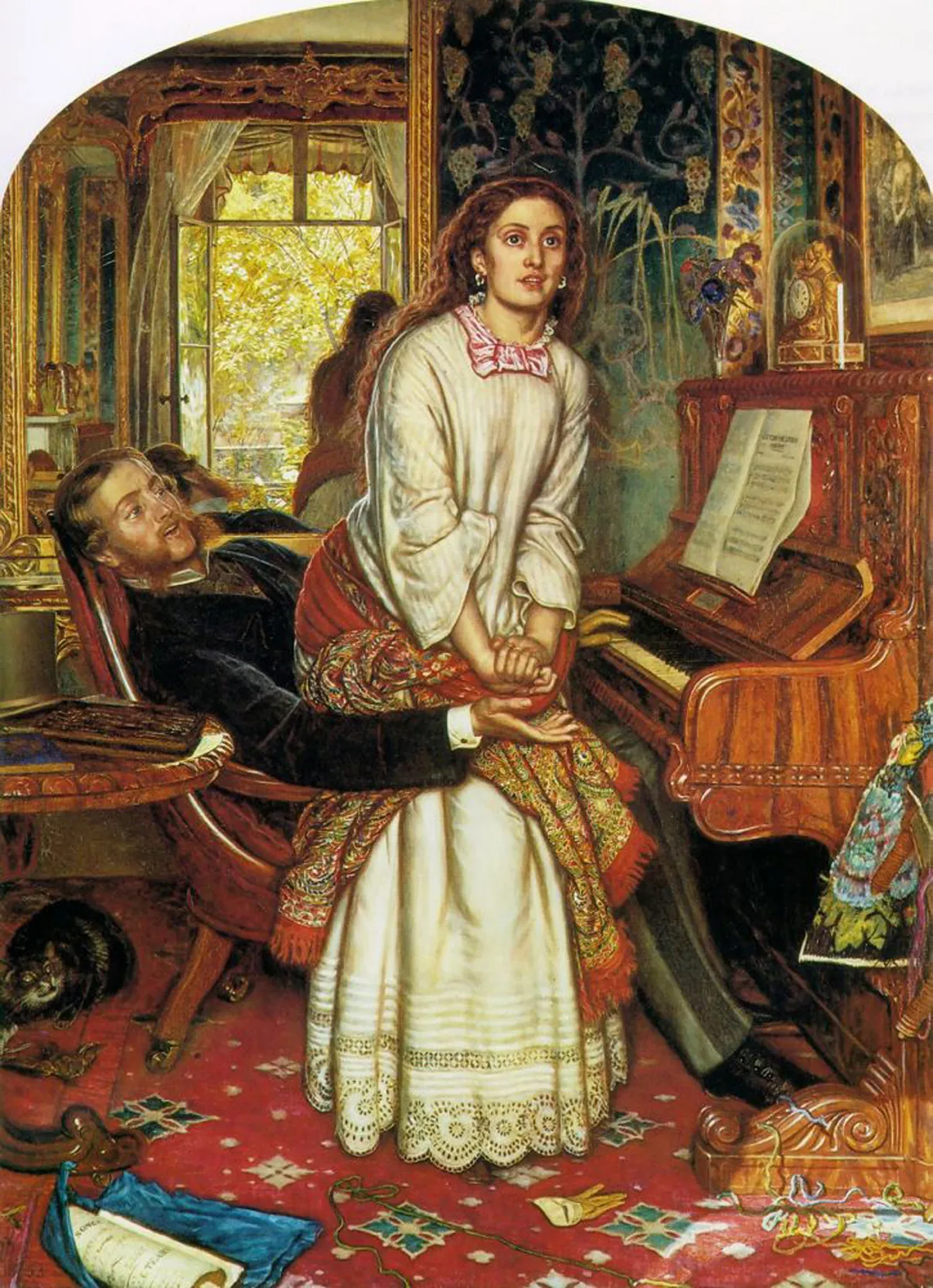
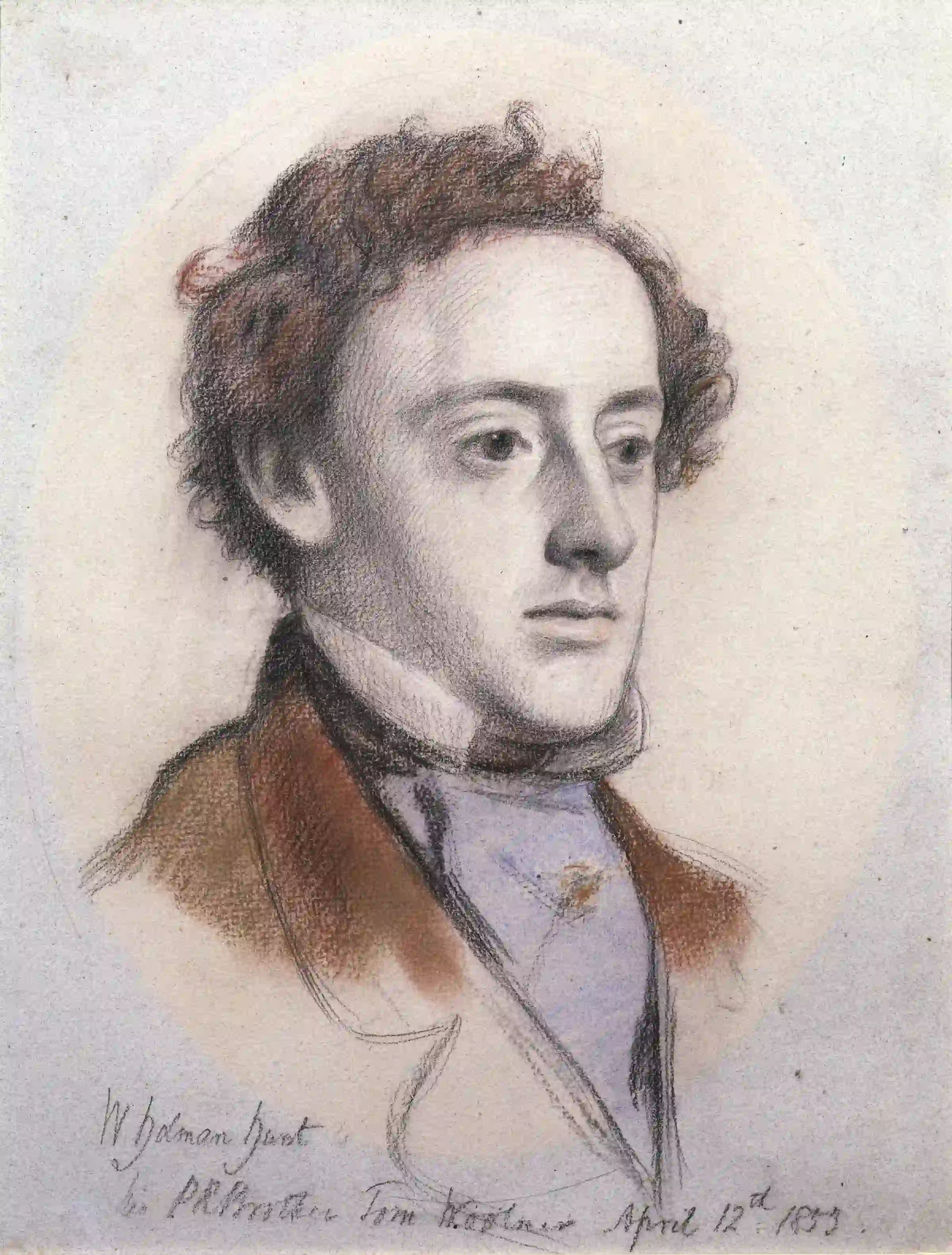
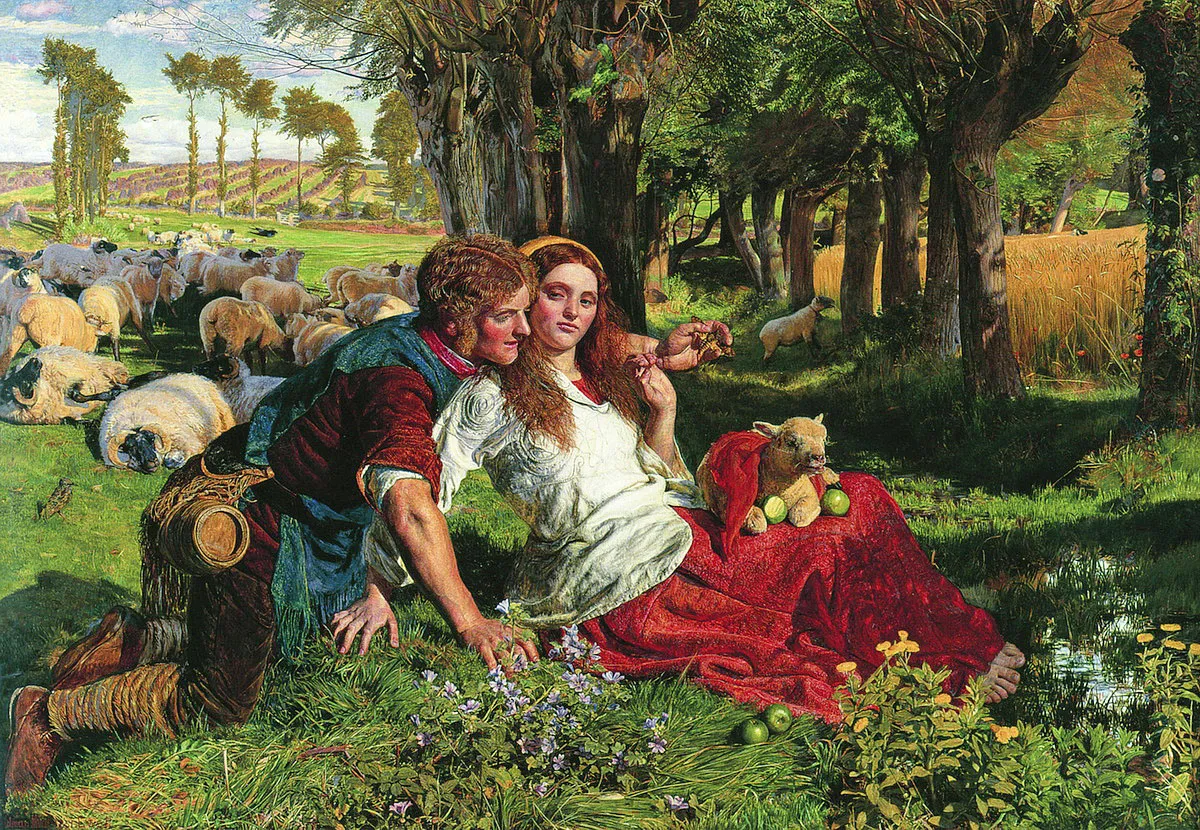
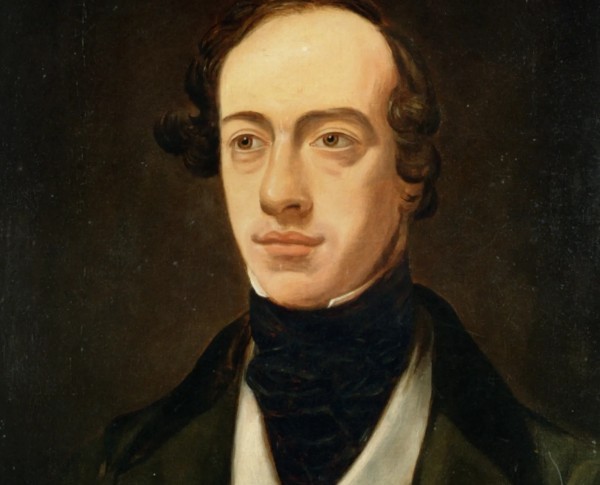
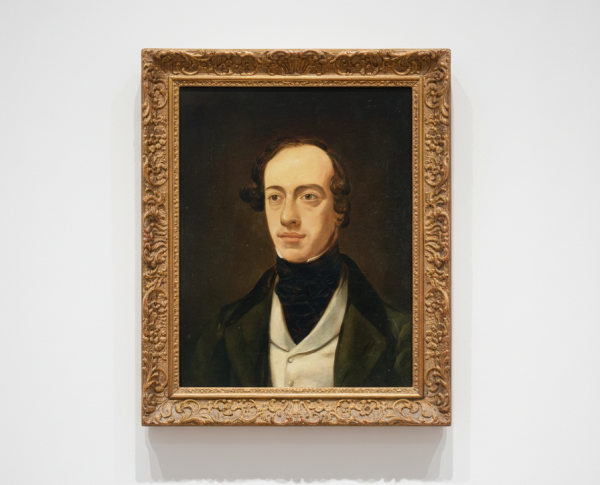
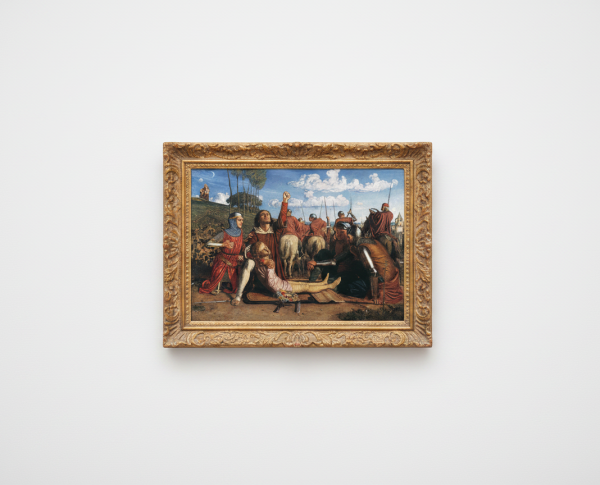
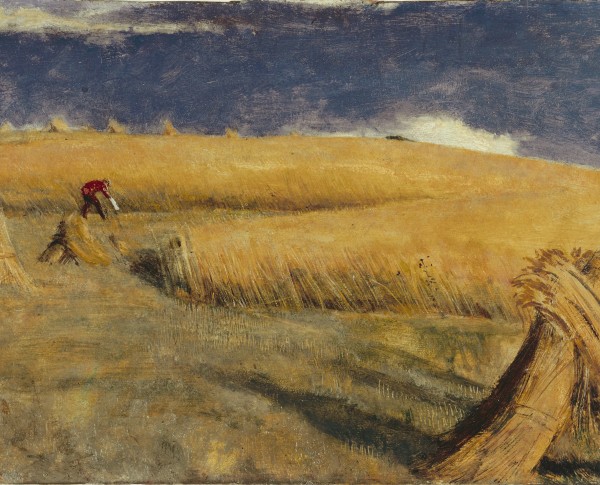
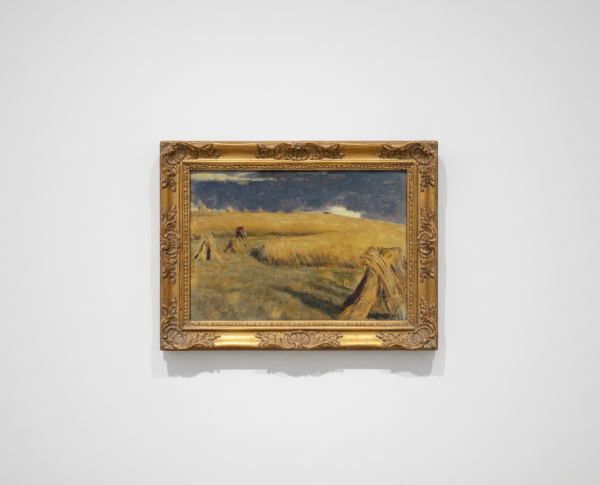
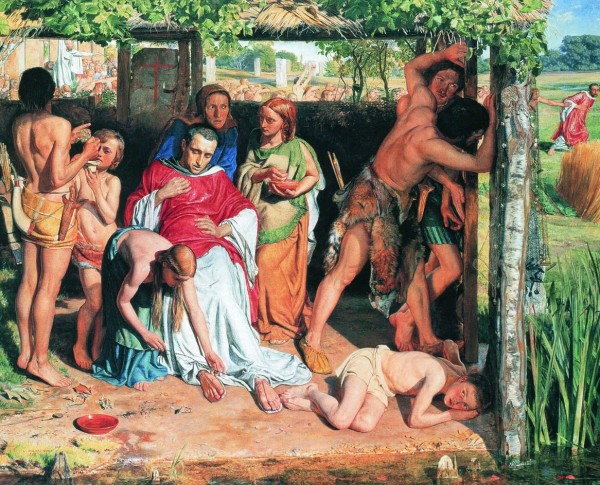
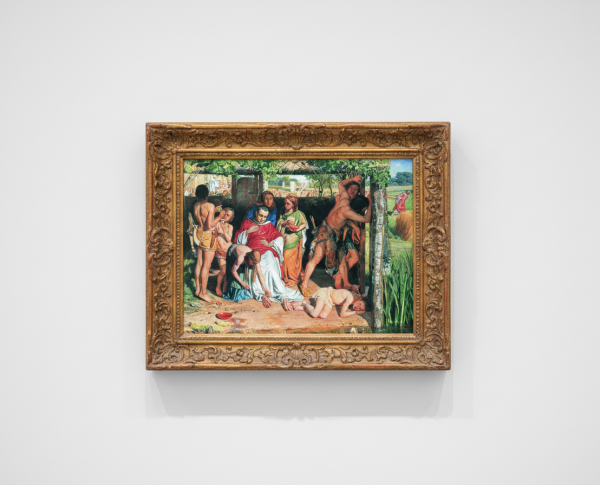
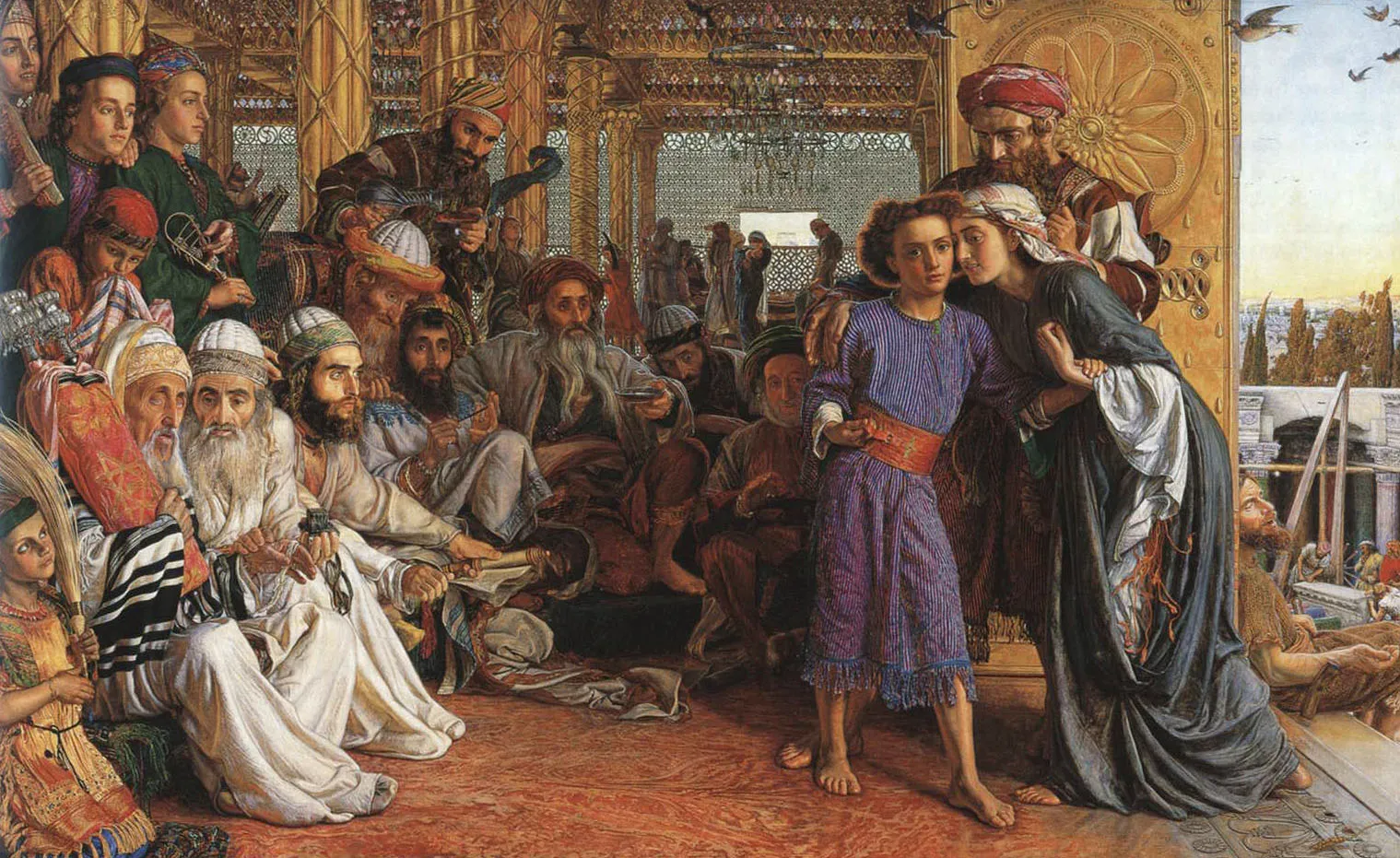
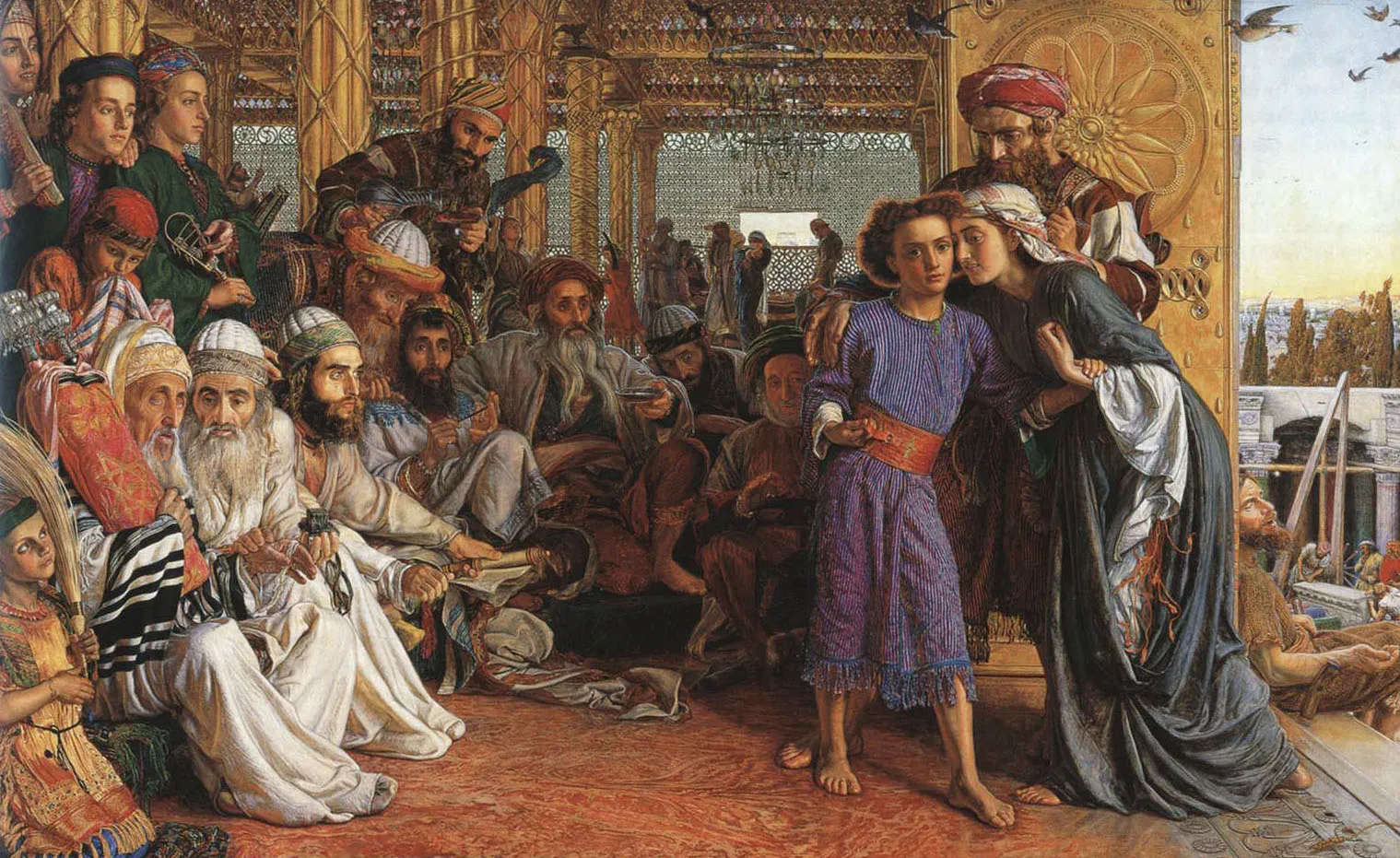
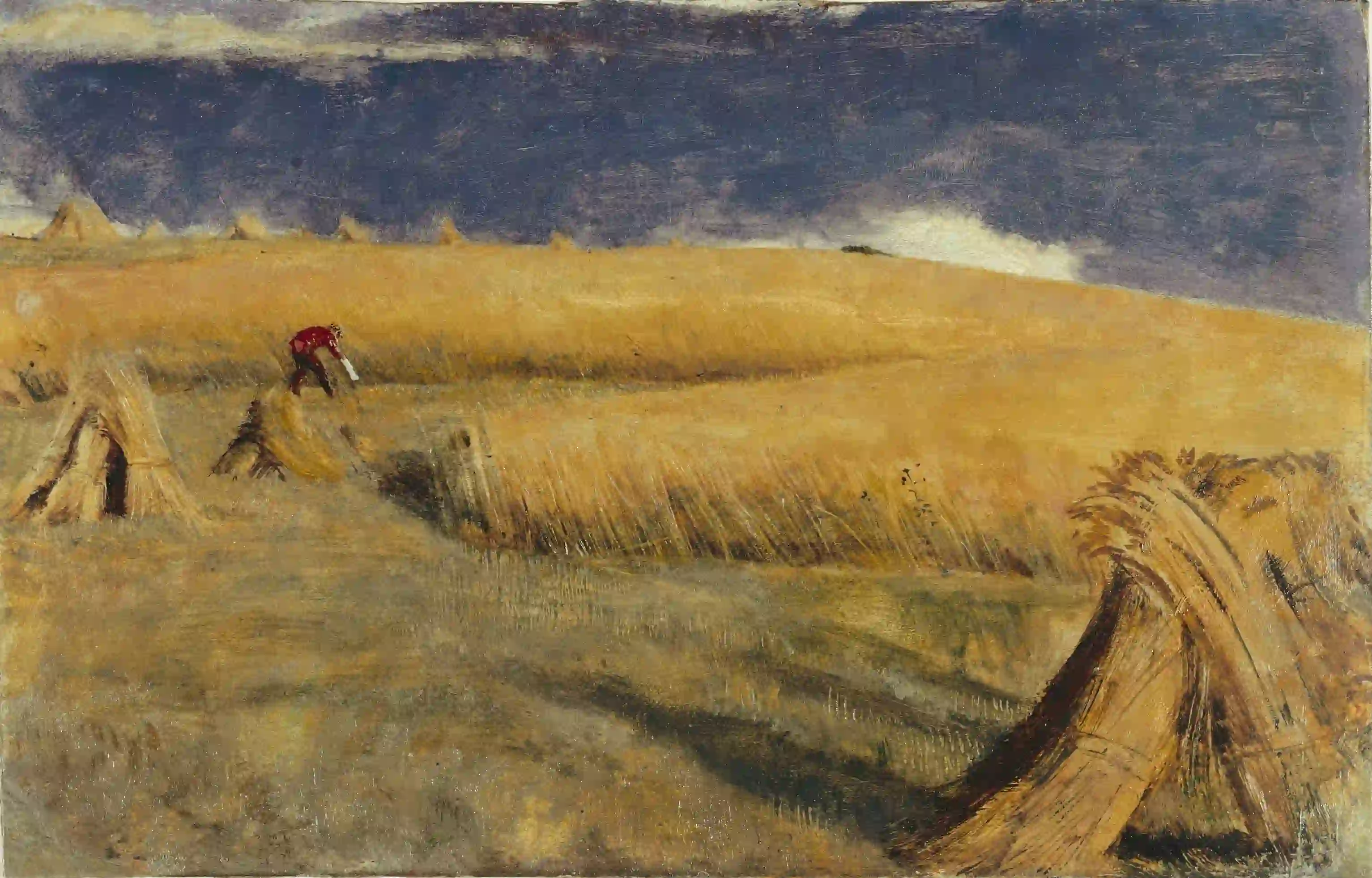
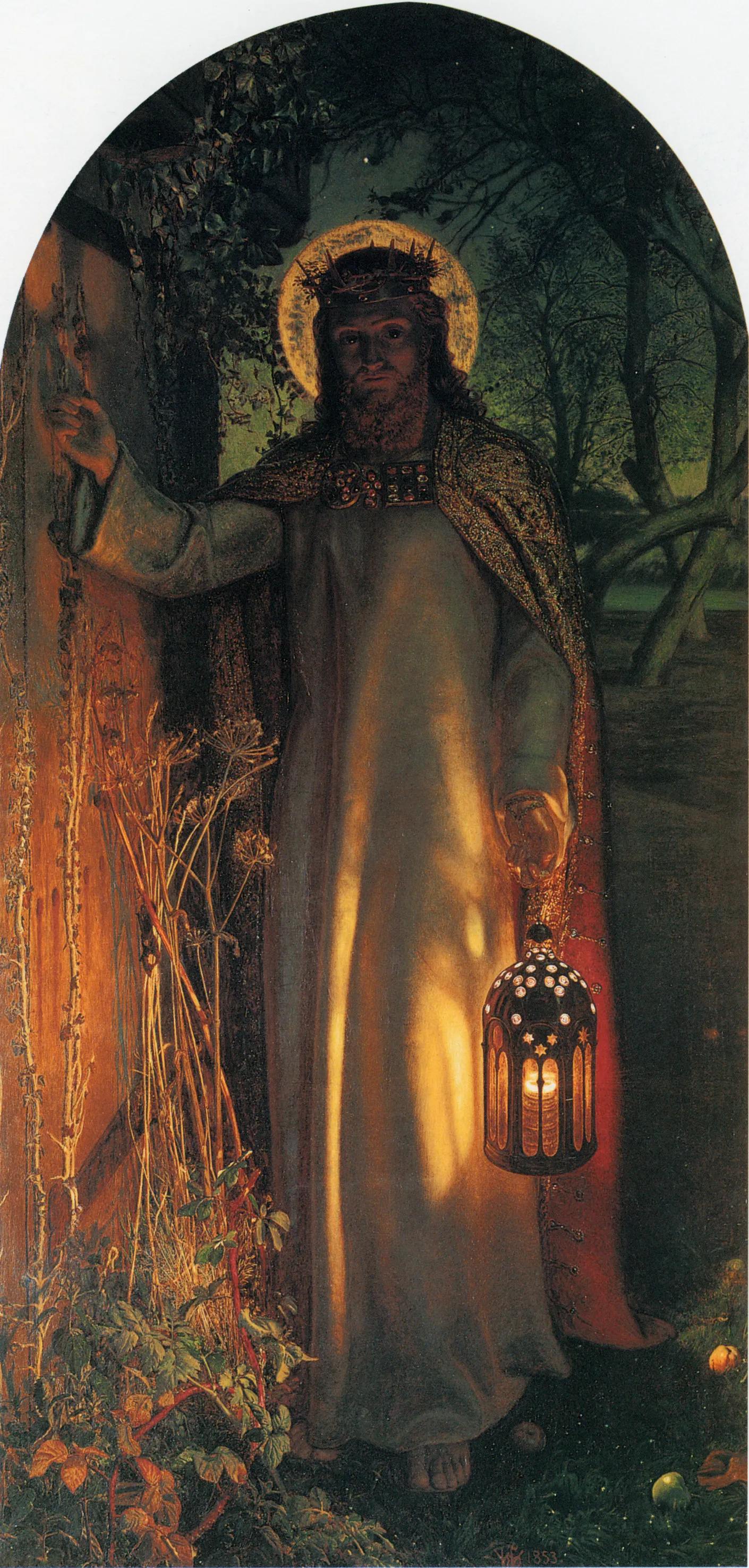
"The Finding of the Saviour in the Temple" showcases Hunt’s remarkable technique and dedication to realism through oil on canvas. Each brushstroke demonstrates his meticulous attention to detail and mastery of color, hallmarks of Romanticism. This painting, much like "Cornfield at Ewell" and "Portrait of William Pink," exemplifies Hunt’s commitment to authenticity and storytelling. Collectors and art lovers alike admire this oil on canvas for its vivid composition and emotional resonance.
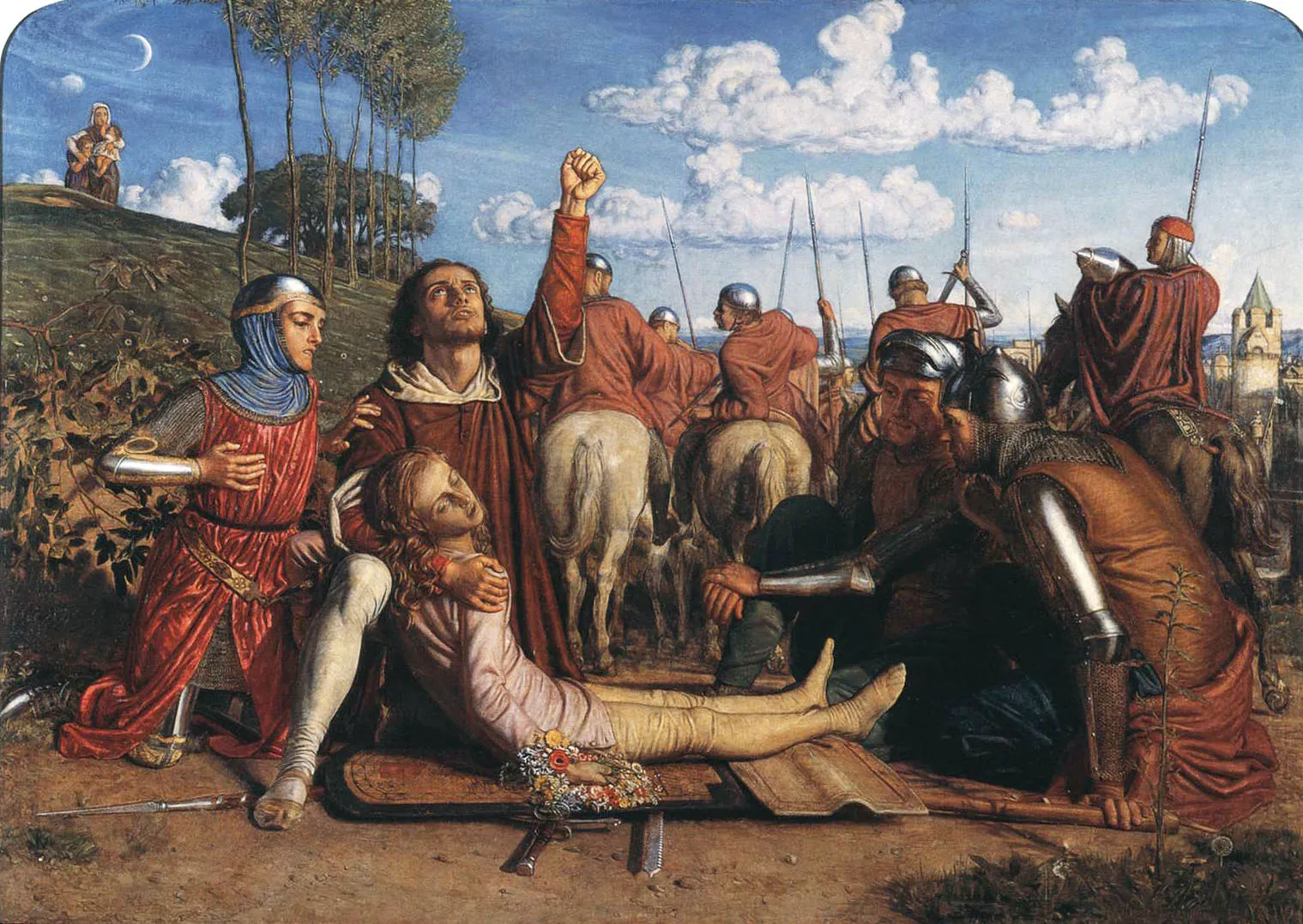
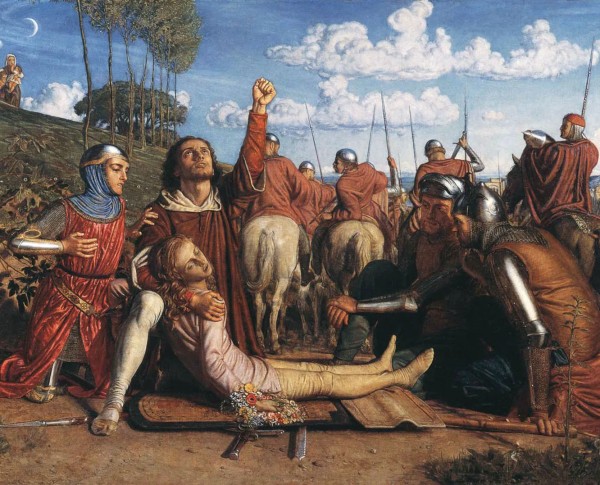
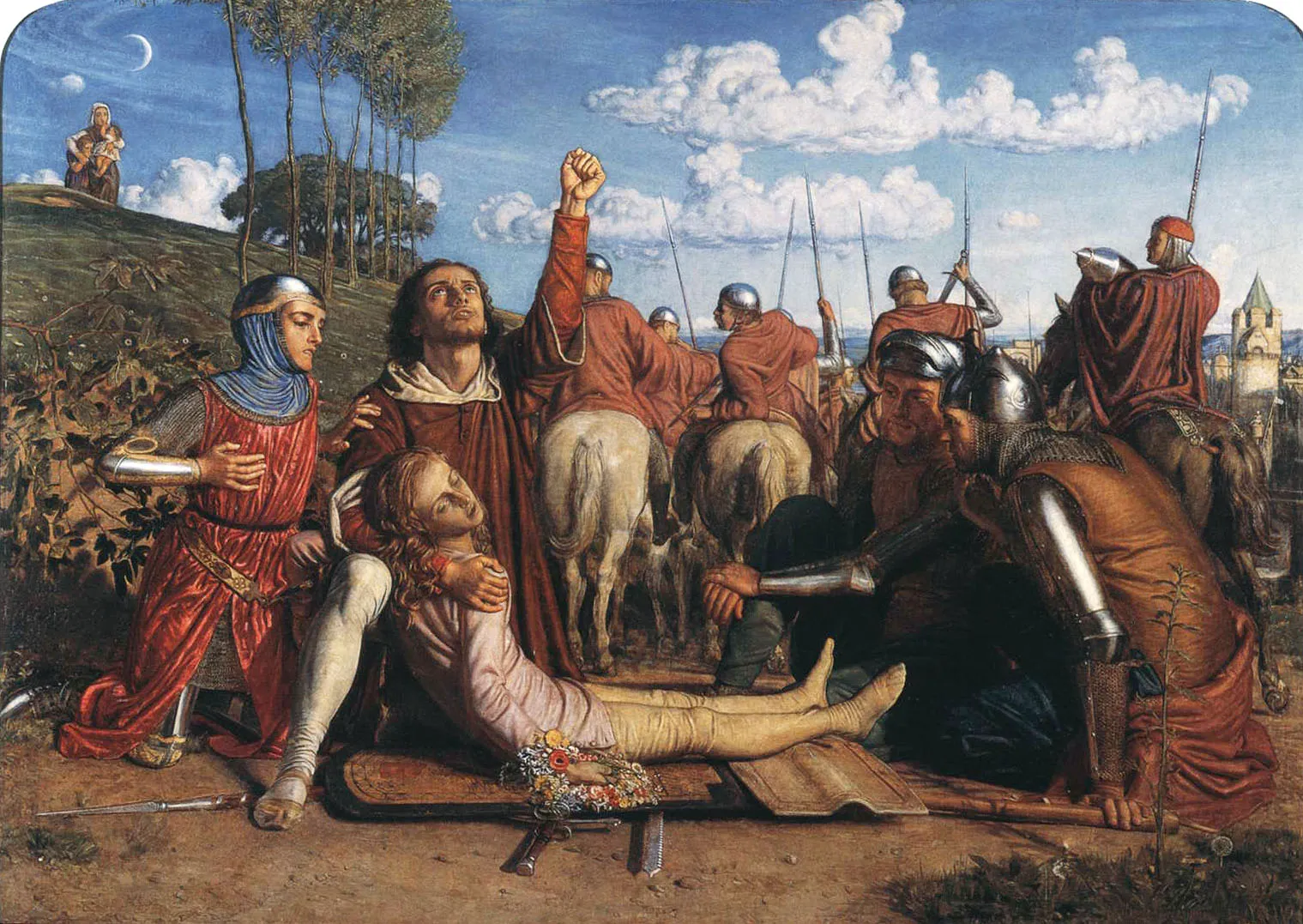
Every element in Hunt’s "The Finding of the Saviour in the Temple" is laden with symbolic meaning, from the expressions of the figures to the intricate architectural background. This fine art painting for sale invites viewers to explore themes of faith, discovery, and enlightenment, central to the Romanticism movement. Hunt’s narrative style is echoed in related works like "Rienzi Vowing to Obtain Justice" and "Portrait of Dante Gabriel Rossetti," offering a deeper appreciation for symbolic storytelling.
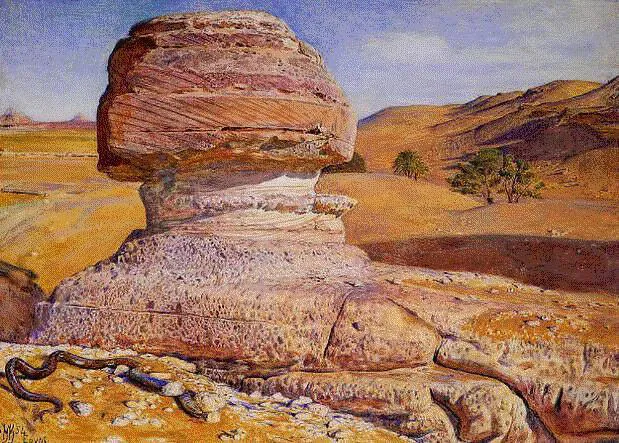
Owning "The Finding of the Saviour in the Temple" is a unique opportunity for those seeking a fine art painting for sale that embodies the essence of Romanticism. William Holman Hunt’s masterwork, along with companion pieces such as "The Scapegoat" and "Portrait of John Everett Millais," enriches any collection with historical and artistic value. As a hand-painted oil painting, it remains a coveted treasure for collectors who appreciate the blend of narrative depth and technical brilliance.
When Art Meets History
"The Finding of the Saviour in the Temple" by William Holman Hunt stands as a remarkable example of the Romanticism movement. This hand-painted oil painting captures a pivotal biblical moment, blending historical narrative with emotional depth. Holman Hunt, a key figure in the Pre-Raphaelite Brotherhood, masterfully intertwines history and spirituality, much like other fine art masterpieces such as "Dedham Lock and Mill" and "The Monk by the Sea." This painting invites viewers to reflect on both past and present through art.
Techniques That Speak
William Holman Hunt’s use of oil on canvas in "The Finding of the Saviour in the Temple" showcases his meticulous attention to detail and vibrant color palette. The artist’s technique mirrors the Romanticism movement’s focus on expressive brushwork and dramatic lighting, much like in "Self Portrait in a Group of Friends." The layered textures and luminous effects in this painting elevate it among other hand-painted oil paintings, demonstrating Hunt’s technical brilliance and dedication to his craft.
Emotions on Display
In "The Finding of the Saviour in the Temple," William Holman Hunt conveys profound emotion through facial expressions and body language, hallmarks of Romanticism. This fine art painting for sale resonates with viewers by capturing the tension and relief of the biblical scene. Like "The Lampugnani Conspiracy" and "Wolves in the Forest in Front of a Cave," Hunt’s work evokes empathy and contemplation, making it a moving piece for art lovers and collectors alike.
Coveted by Collectors
As a celebrated example of Romanticism, "The Finding of the Saviour in the Temple" by William Holman Hunt is highly sought after by art collectors. The painting’s masterful oil on canvas technique and rich historical context contribute to its desirability. Alongside related works such as "Dedham Lock and Mill," this hand-painted oil painting remains a prized addition to collections, admired for its artistry and the enduring influence of Holman Hunt within the world of fine art.
Related Romanticism Hand-Painted Oil Paintings by Other Artists
Other Famous Romanticism Artists:
Frequently Asked Questions About The Finding of the Saviour in the Temple
What is the historical context of "The Finding of the Saviour in the Temple"?
This painting was created by William Holman Hunt in 1854 and reflects the Victorian era's fascination with religious themes and narratives, particularly those drawn from the Bible.
What artistic movement is William Holman Hunt associated with?
William Holman Hunt is a founding member of the Pre-Raphaelite Brotherhood, an art movement that sought to return to the detail, intense colors, and complex compositions of pre-Renaissance art.
What biblical story does this painting depict?
The painting illustrates the moment when the young Jesus is found in the Temple by his parents, Mary and Joseph, engaging with the teachers of the law, as described in the Gospel of Luke.
What are the key symbols present in the painting?
Key symbols include the scrolls representing knowledge and wisdom, the light illuminating Jesus, signifying divine presence, and the expressions of awe and concern on the faces of Mary and Joseph.
How does Hunt's use of color contribute to the painting's meaning?
Hunt employs vibrant colors to evoke emotion and highlight the spiritual significance of the scene, using light to draw attention to Jesus and create a sense of divine revelation.
What techniques did Hunt use to achieve realism in this painting?
Hunt utilized meticulous detail, naturalistic textures, and careful attention to light and shadow, which are hallmarks of the Pre-Raphaelite style, to create a lifelike representation of the figures and setting.
What role does composition play in "The Finding of the Saviour in the Temple"?
The composition is carefully structured to guide the viewer's eye towards the central figure of Jesus, emphasizing his importance in the narrative and creating a dynamic interaction between the characters.
How does this painting reflect Victorian values and beliefs?
The painting reflects Victorian values through its emphasis on morality, family, and the importance of religious education, aligning with the era's ideals of piety and social responsibility.
What influence did "The Finding of the Saviour in the Temple" have on later artists?
This work influenced later artists by demonstrating the power of narrative and symbolism in religious art, encouraging a return to detailed realism and emotional depth in their own works.
Where can one view "The Finding of the Saviour in the Temple" today?
The painting is part of the collection at the Birmingham Museum and Art Gallery, where it continues to be appreciated for its artistic and historical significance.























_GFM_Painting_(1).webp)


 100% Hand-Painted: Finished in 3-6 Weeks

.png)















_(1).webp)