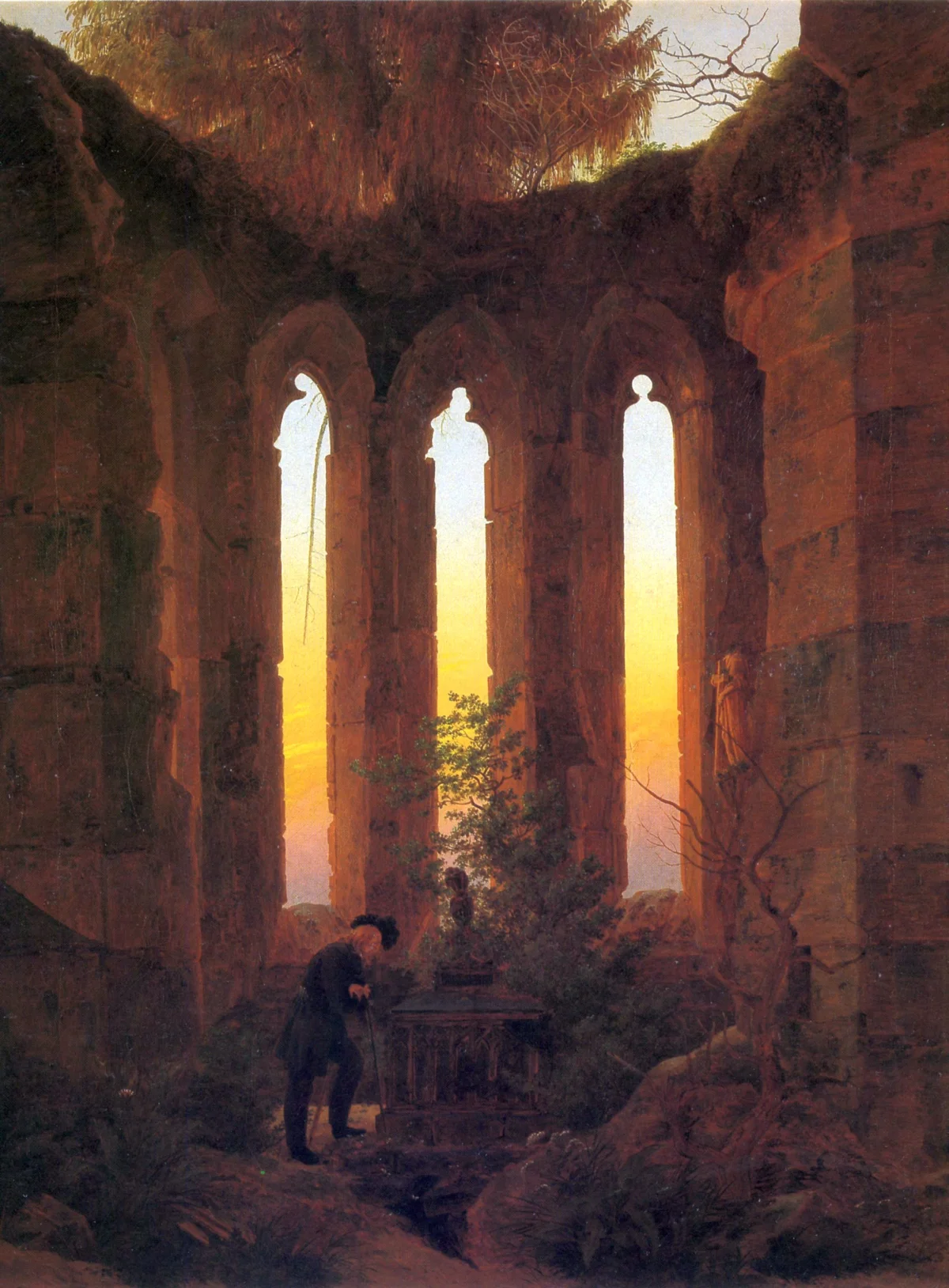
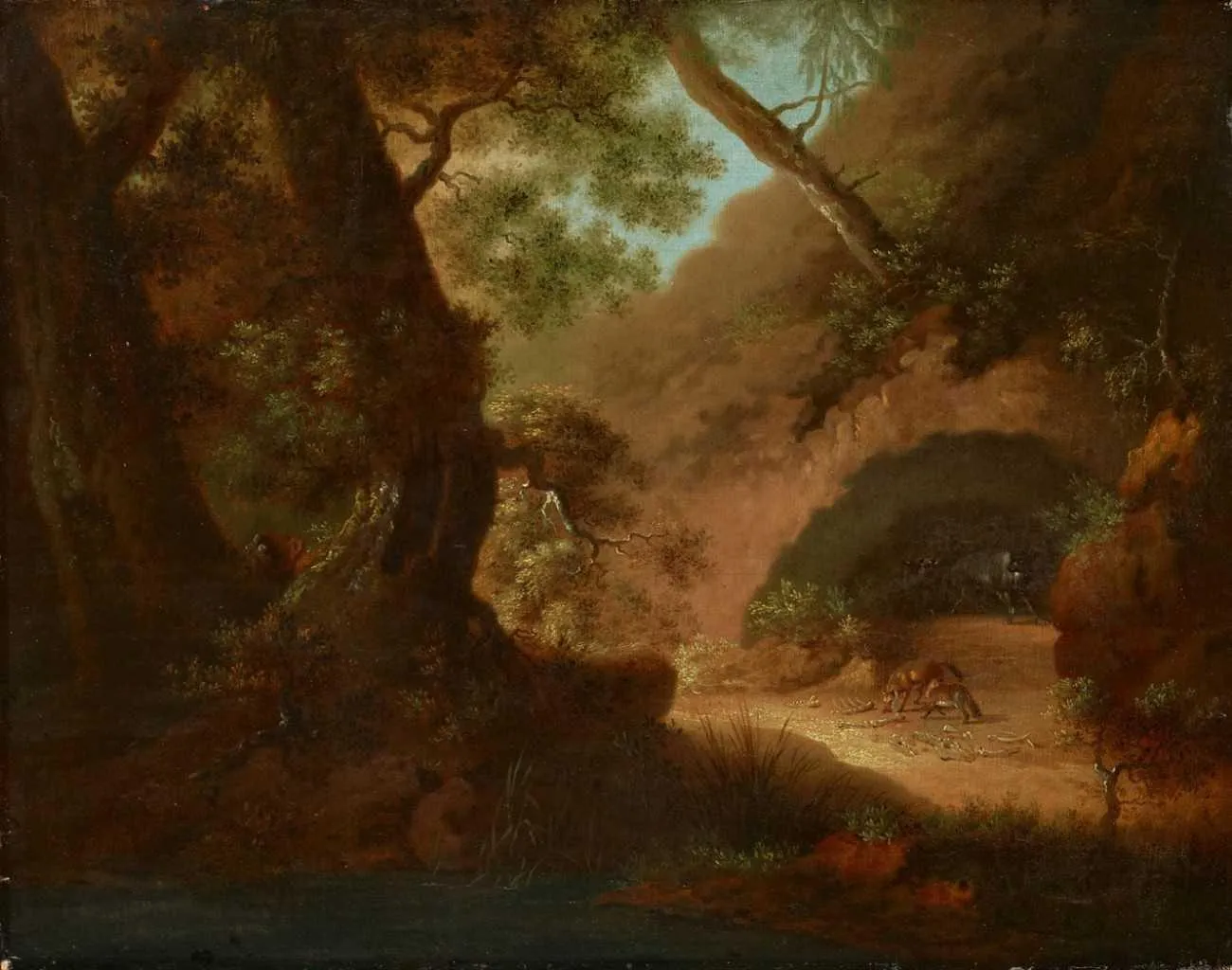
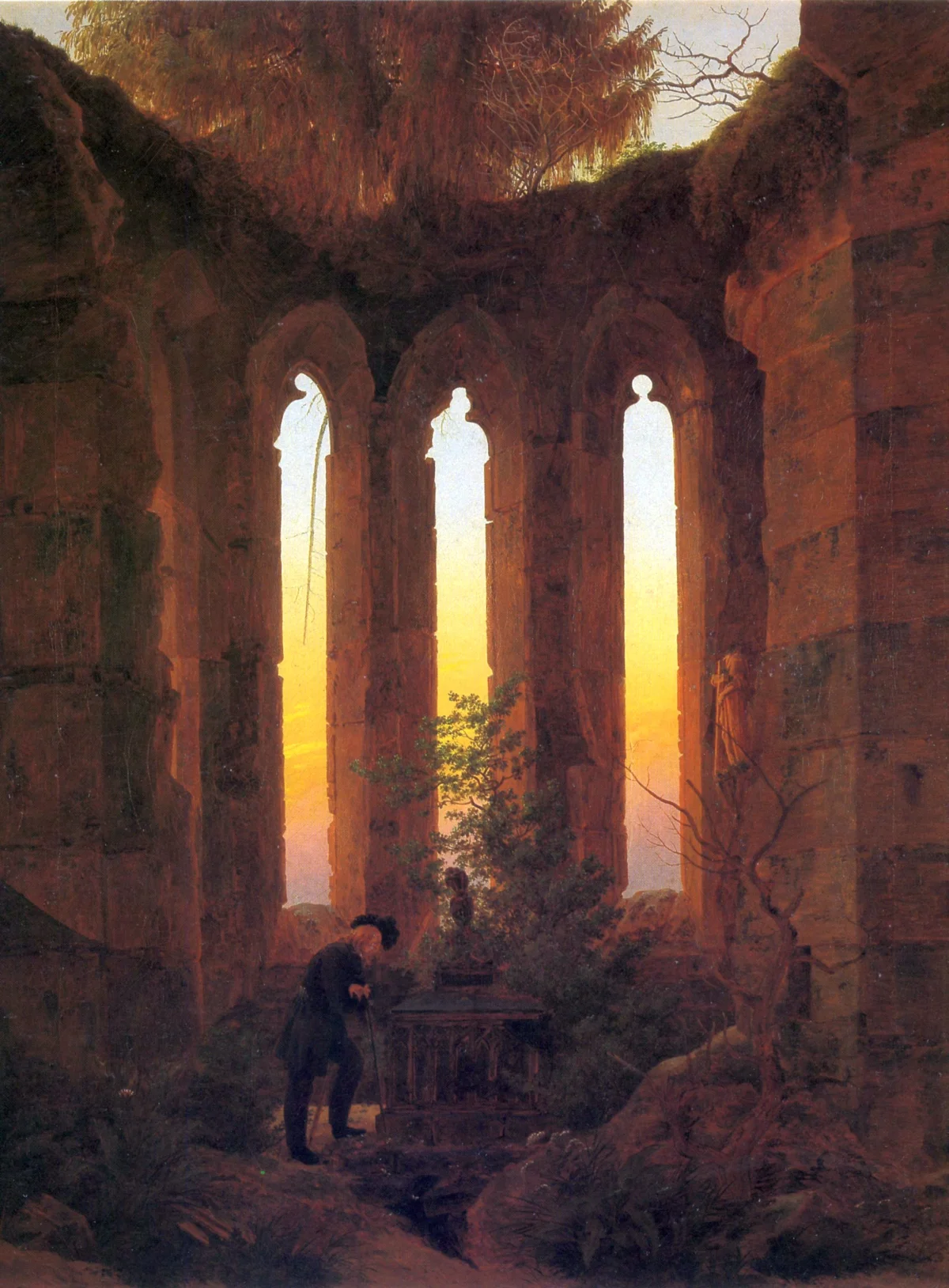
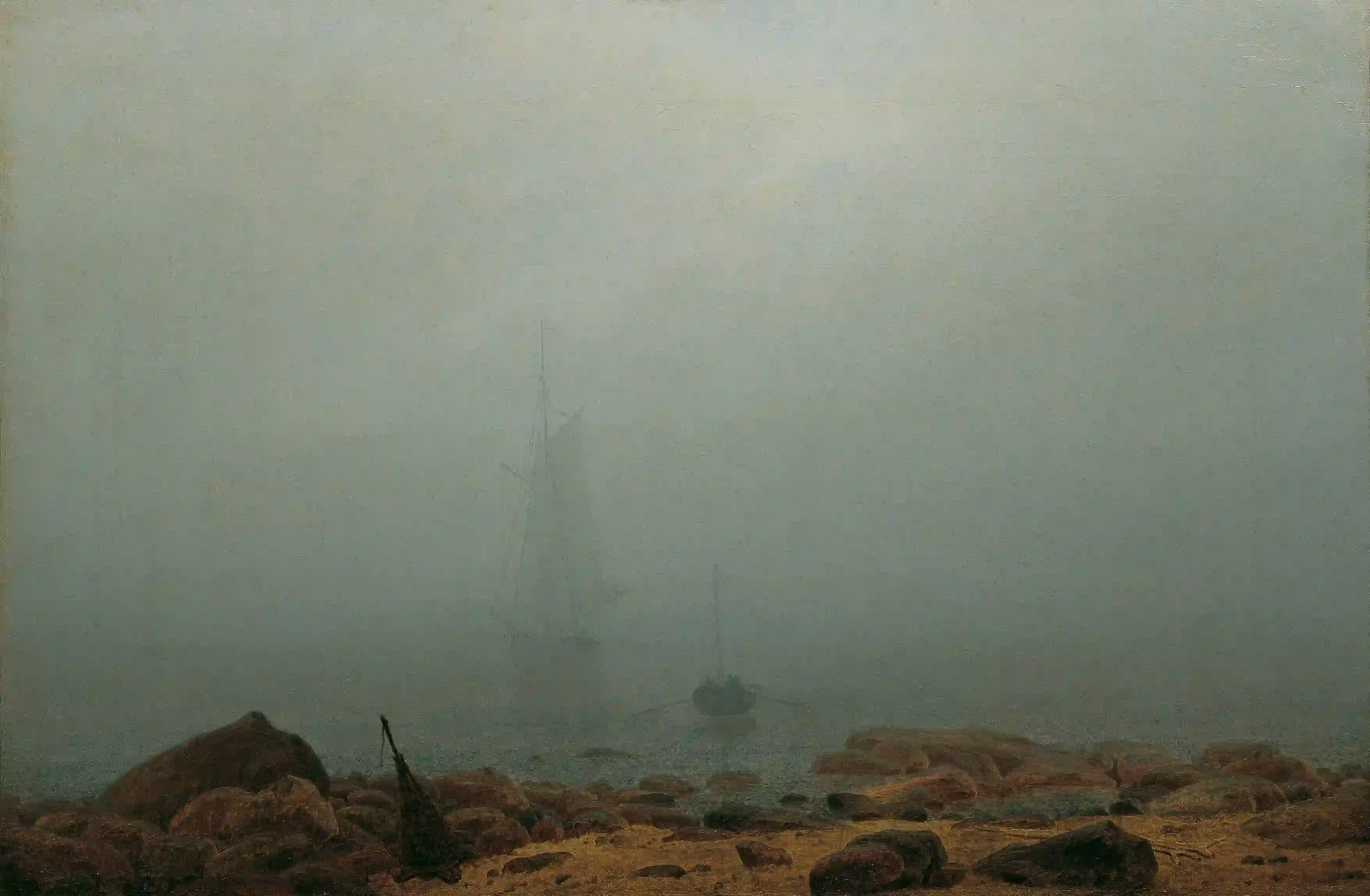
Rendered meticulously in oil on canvas, "Wolves in the Forest in Front of a Cave" demonstrates Friedrich’s unrivaled skill in portraying atmosphere and emotion. Each brushstroke contributes to the painting’s striking realism and depth, much like those seen in his "Fog" and "Hutten Grave." The artist’s dedication to detail and mastery of Romanticism techniques make this oil on canvas a timeless treasure for those who appreciate fine art.
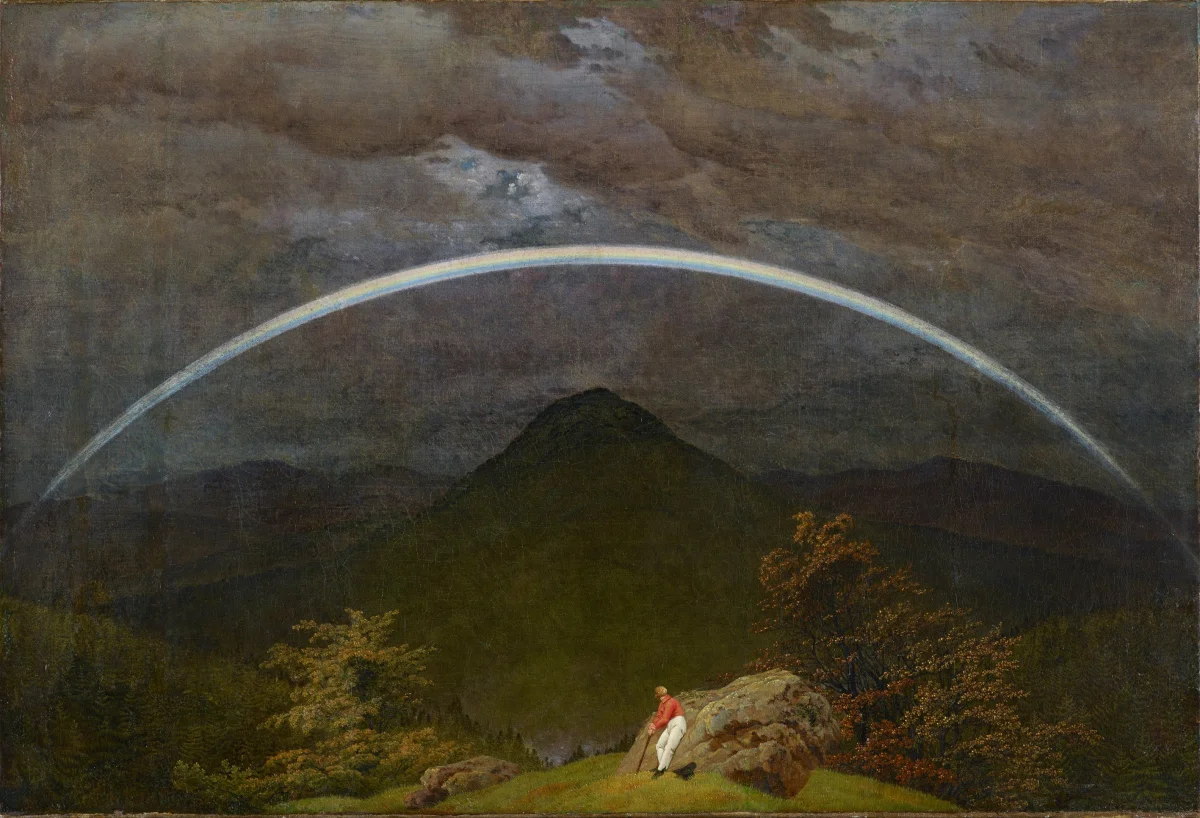
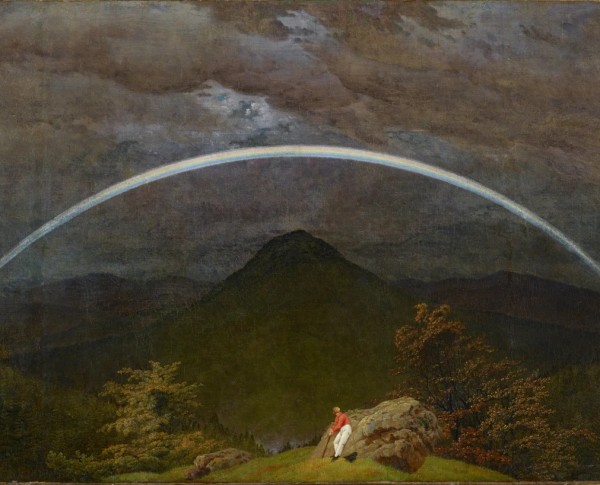
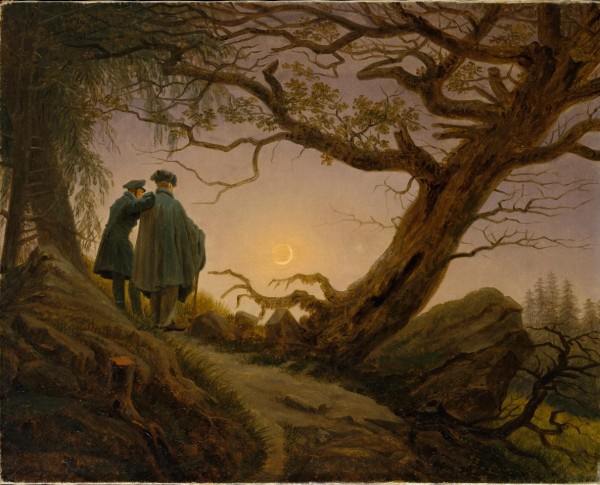
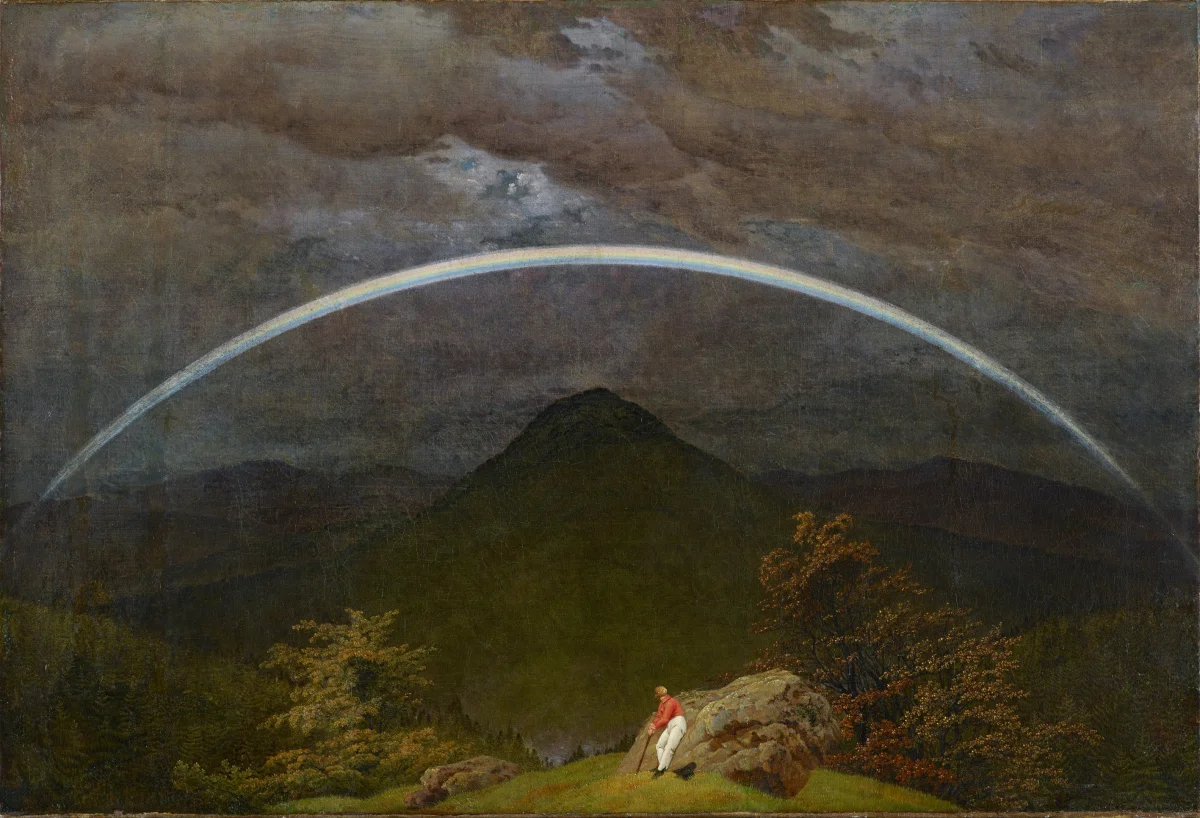
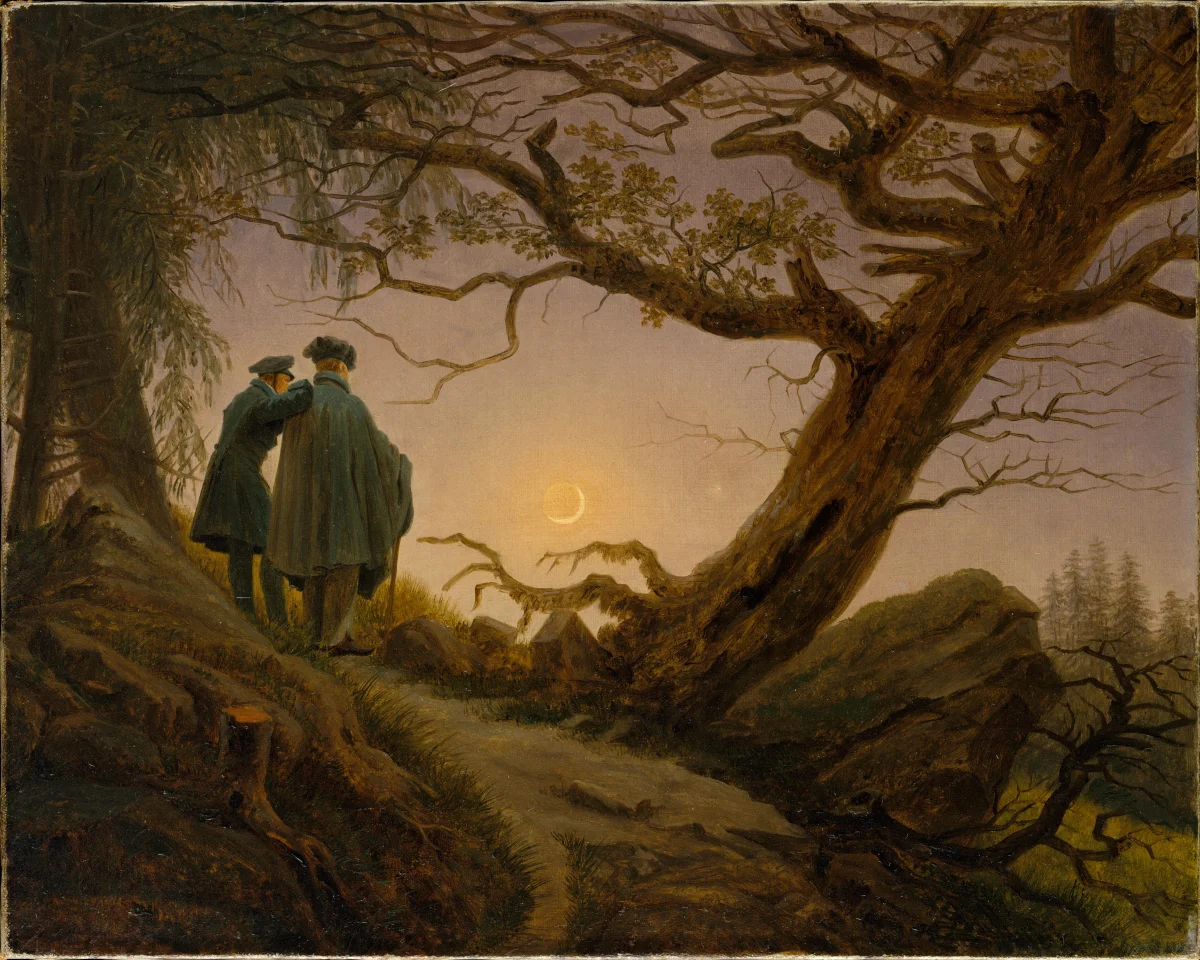
Within this fine art painting for sale, the wolves and their shadowy forest evoke deeper meanings—reflecting the Romantic era’s preoccupation with nature’s mysteries and humanity’s place within it. Friedrich’s symbolic approach, also evident in "Mountain Landscape with Rainbow" and "Two men contemplating the Moon," invites viewers to interpret the narrative. This piece encourages contemplation, making it a compelling addition to any collection of Romanticism-era artworks.
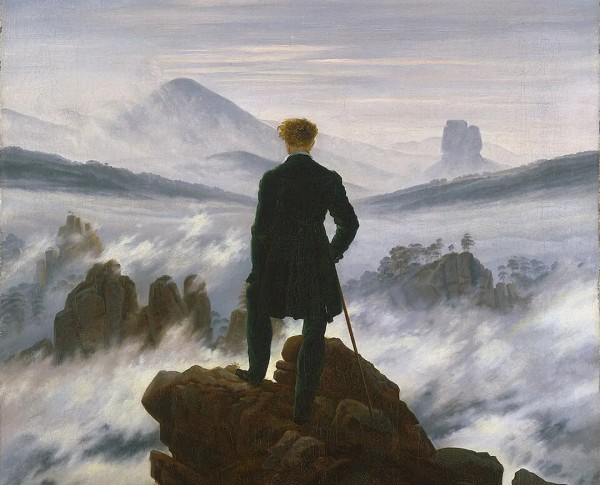
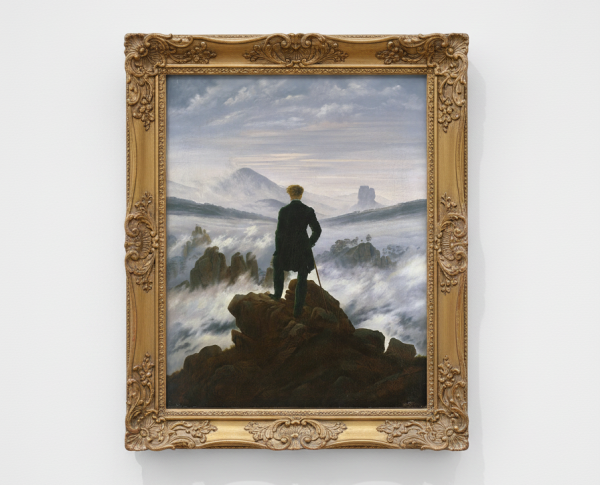
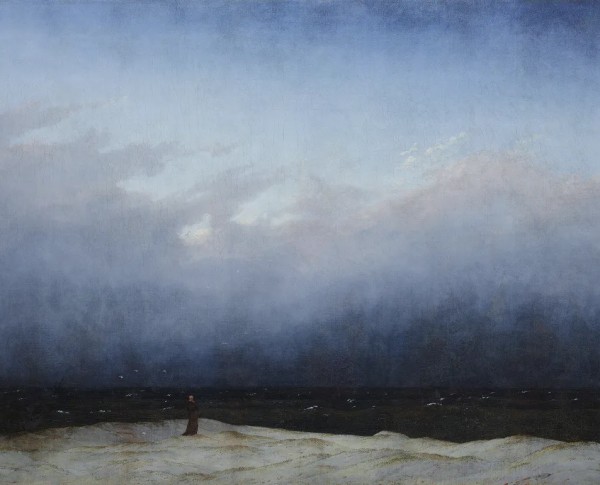
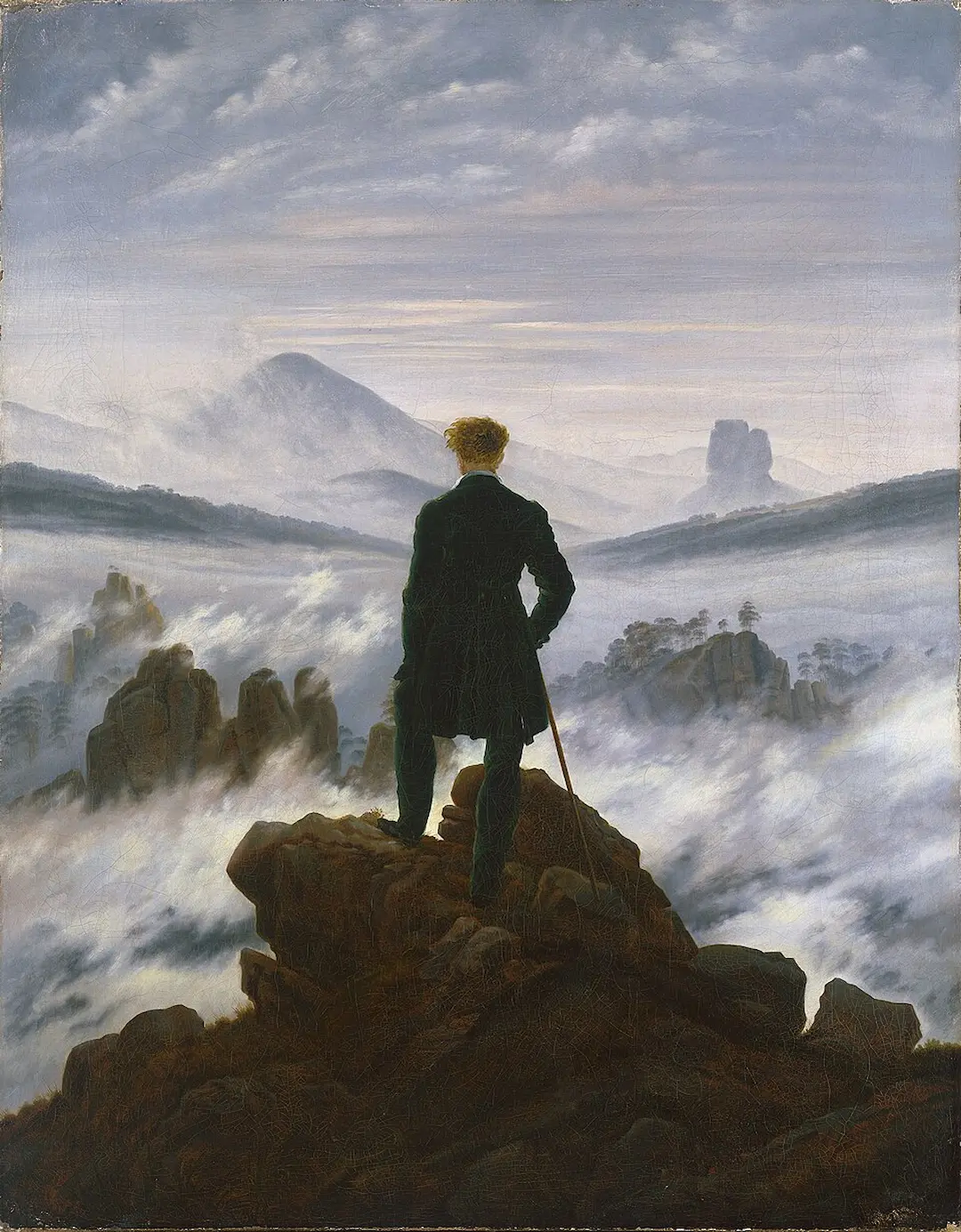
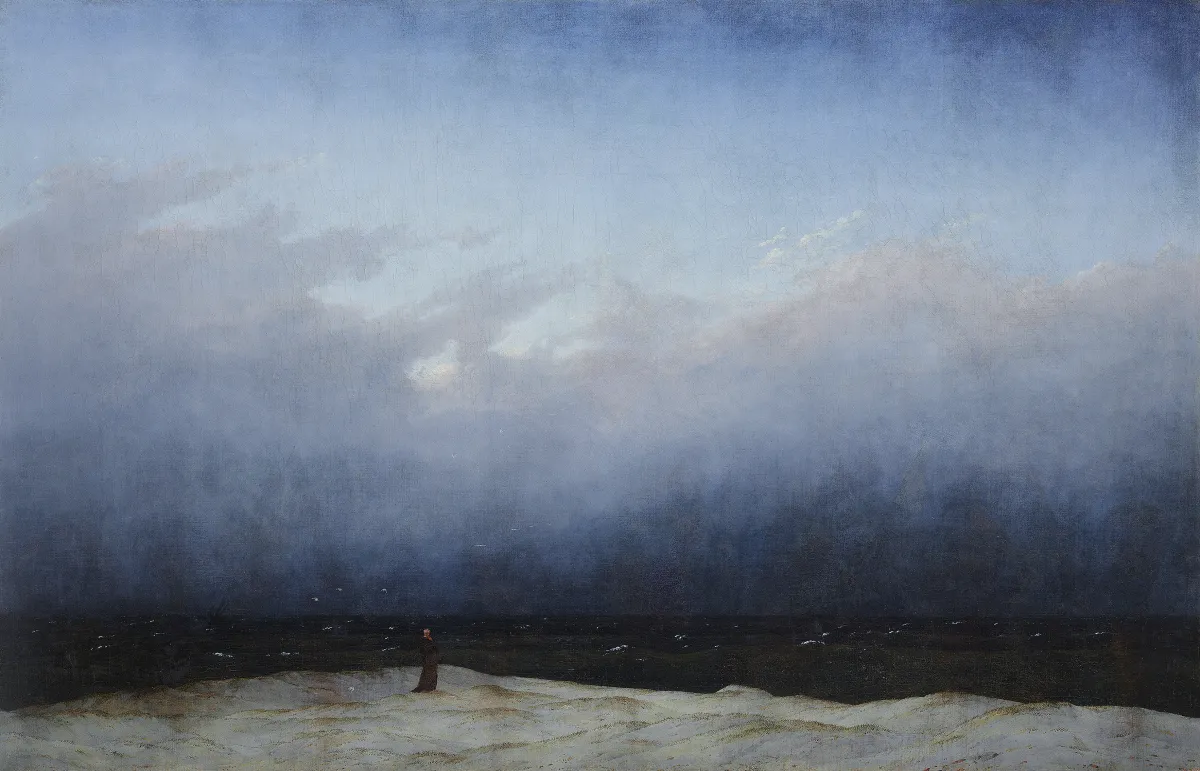
"Wolves in the Forest in Front of a Cave" by Caspar David Friedrich is more than just a painting; it’s a hand-painted oil painting that embodies the spirit of Romanticism. For collectors seeking a fine art painting for sale that echoes the majesty of nature, this work stands alongside related masterpieces like "The Monk by the Sea" and "The Wanderer above the Mists 1817-18." Owning this piece means preserving an enduring legacy of artistic brilliance.
When Art Meets History
Caspar David Friedrich’s "Wolves in the Forest in Front of a Cave" stands as a quintessential example of the Romanticism movement. Created during a period when artists sought to capture the sublime power of nature, this hand-painted oil painting immerses viewers in a mysterious woodland scene. Friedrich, well-known for works like "The Wreckers" and "Pietro Rossi prisonner of the Scaligeri," masterfully bridges history and emotion, making his landscapes timeless and deeply evocative.
Techniques That Speak
The mesmerizing "Wolves in the Forest in Front of a Cave" showcases Friedrich’s expert use of oil on canvas to create depth and atmosphere. His detailed brushwork and subtle gradations of light evoke a sense of haunting tranquility, much like in "Madame Pasteur" and "The Battle of Nazareth." Friedrich’s Romanticism technique elevates the natural world, encouraging viewers to linger on every shadow and detail, a testament to his unparalleled mastery of the medium.
Emotions on Display
Friedrich’s "Wolves in the Forest in Front of a Cave" radiates raw emotion, capturing both the solitude and wildness of nature. This fine art painting for sale invites viewers to experience the tension between serenity and danger, a hallmark of Romanticism. Similar to "Portrait du comte Honoré de La Riboisière (1788-1868)," Friedrich’s work stirs introspection and awe, making it a powerful narrative woven through each brushstroke and composition.
Coveted by Collectors
"Wolves in the Forest in Front of a Cave" remains a sought-after masterpiece among collectors of Romanticism art. Its status as a hand-painted oil painting by Caspar David Friedrich increases its allure, much like his celebrated works "The Wreckers" and "Pietro Rossi prisonner of the Scaligeri." With its mysterious atmosphere and historical significance, this painting continues to be a fine art painting for sale that captivates connoisseurs and enthusiasts alike.
Related Romanticism Hand-Painted Oil Paintings by Other Artists
Other Famous Romanticism Artists:
Frequently Asked Questions About Wolves in the Forest in Front of a Cave
What is the historical context of "Wolves in the Forest in Front of a Cave"?
This painting was created during the early 19th century, a time when Romanticism was emerging as a dominant artistic movement in Europe. It reflects the era's fascination with nature, the sublime, and the emotional experience of the individual in relation to the natural world.
Who was Caspar David Friedrich?
Caspar David Friedrich was a German Romantic painter known for his landscapes that often convey deep philosophical and spiritual themes. He is considered one of the most important figures in 19th-century art, with a focus on the relationship between humanity and nature.
What artistic techniques are employed in this painting?
Friedrich utilized a combination of chiaroscuro and atmospheric perspective to create depth and mood in "Wolves in the Forest in Front of a Cave." The contrast between light and shadow enhances the dramatic effect of the scene, inviting viewers to contemplate the wilderness.
What is the significance of the wolves in the painting?
The wolves symbolize the wildness and untamed aspects of nature, representing both danger and freedom. Their presence evokes a sense of mystery and the primal instincts inherent in both animals and humans.
How does the cave contribute to the painting's symbolism?
The cave serves as a metaphor for the unknown and the subconscious. It suggests a hidden depth within nature and humanity, inviting viewers to explore themes of isolation, refuge, and the duality of existence.
What themes are prevalent in "Wolves in the Forest in Front of a Cave"?
The painting explores themes of nature's beauty and terror, the struggle between civilization and the wild, and the introspective journey of the human spirit. It reflects the Romantic ideal of finding solace and truth in the natural world.
How does this painting compare to other works by Friedrich?
What role does light play in the painting?
Light in this painting is used to highlight the wolves and the cave, creating a focal point that draws the viewer's eye. The interplay of light and shadow not only adds depth but also enhances the emotional atmosphere, suggesting both hope and foreboding.
What influence did "Wolves in the Forest in Front of a Cave" have on later artists?
This painting has influenced numerous artists and movements, particularly those interested in the themes of nature and the sublime. Its emotional depth and dramatic composition have inspired both Romantic and contemporary artists to explore similar subjects in their work.
How is this painting viewed in the context of Romanticism?
"Wolves in the Forest in Front of a Cave" epitomizes the Romantic movement's emphasis on emotion, nature, and the sublime. It invites viewers to engage with the raw power of the natural world and reflects the Romantic belief in the transformative power of art.























_GFM_Painting_(1).webp)


 100% Hand-Painted: Finished in 3-6 Weeks

.png)















_(1).webp)