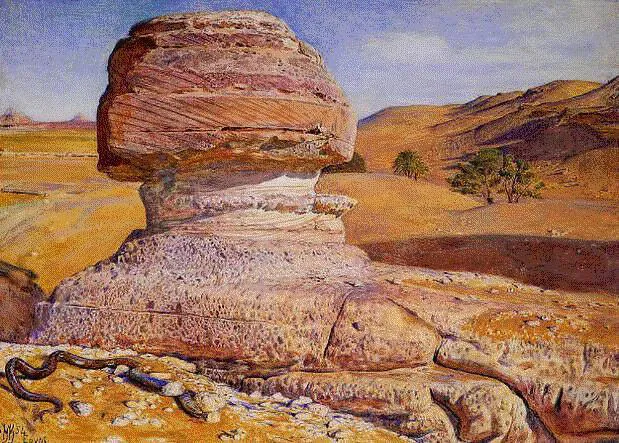
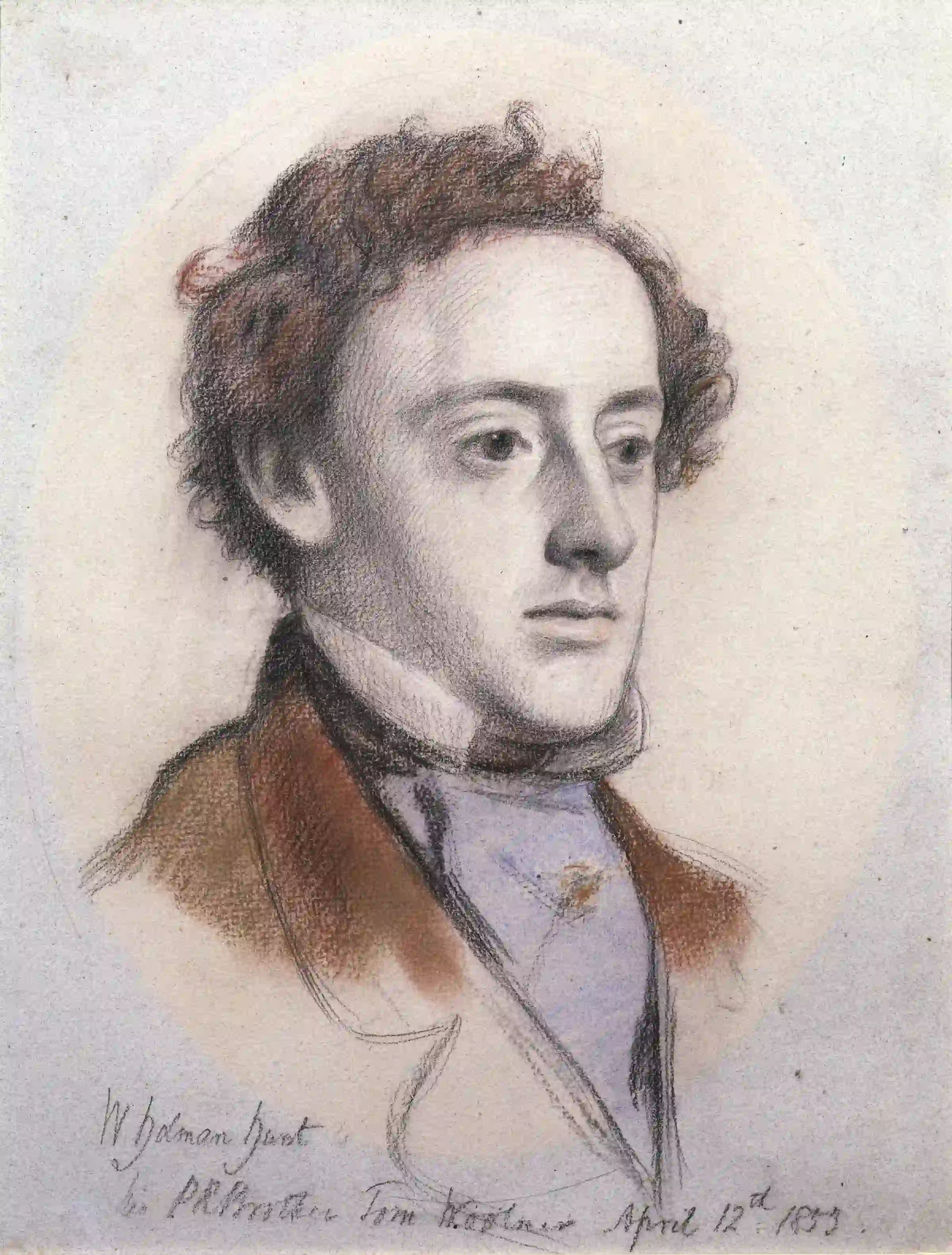
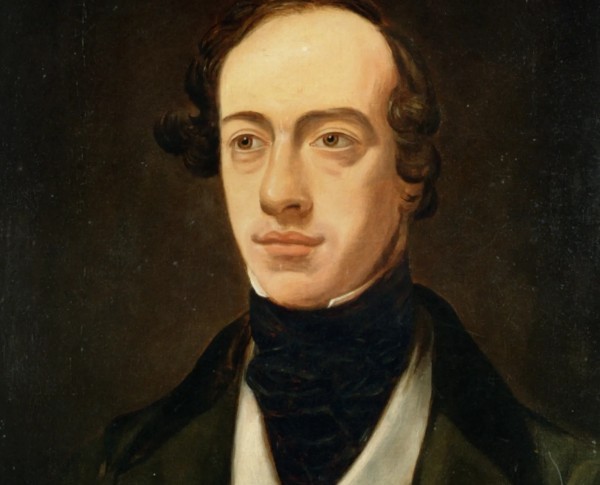
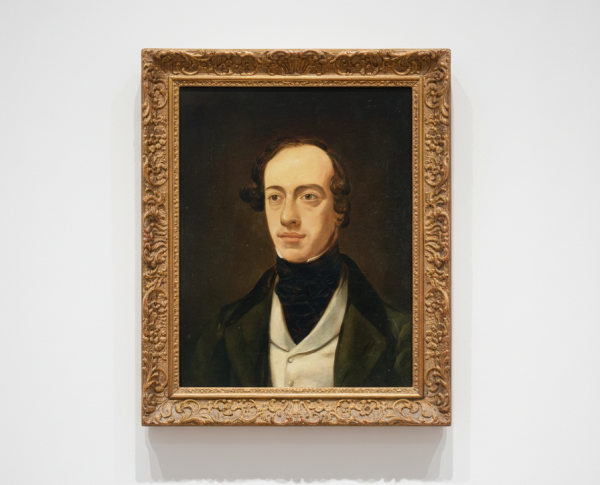
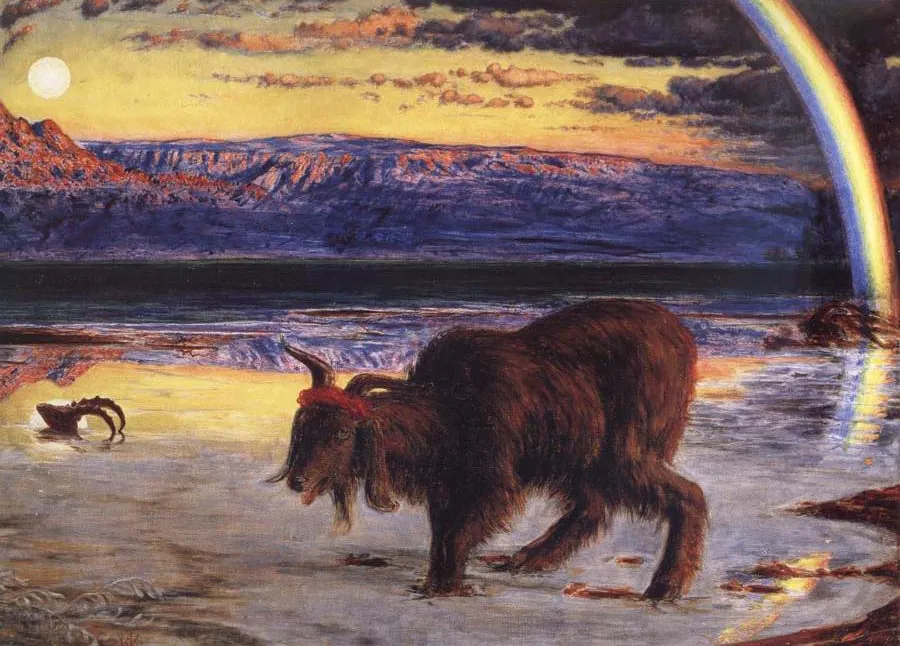
Every inch of "The Scapegoat" reveals Hunt’s meticulous attention to detail, a hallmark of his technique within the Romanticism movement. Created as an oil on canvas, the painting immerses viewers in a desolate yet vibrant wilderness, where the scapegoat stands as a haunting figure. Hunt’s skillful brushwork is also evident in his other notable works, including "Valentine Rescuing Silvia from Proteus" and "Portrait of William Pink," making his art highly collectible.
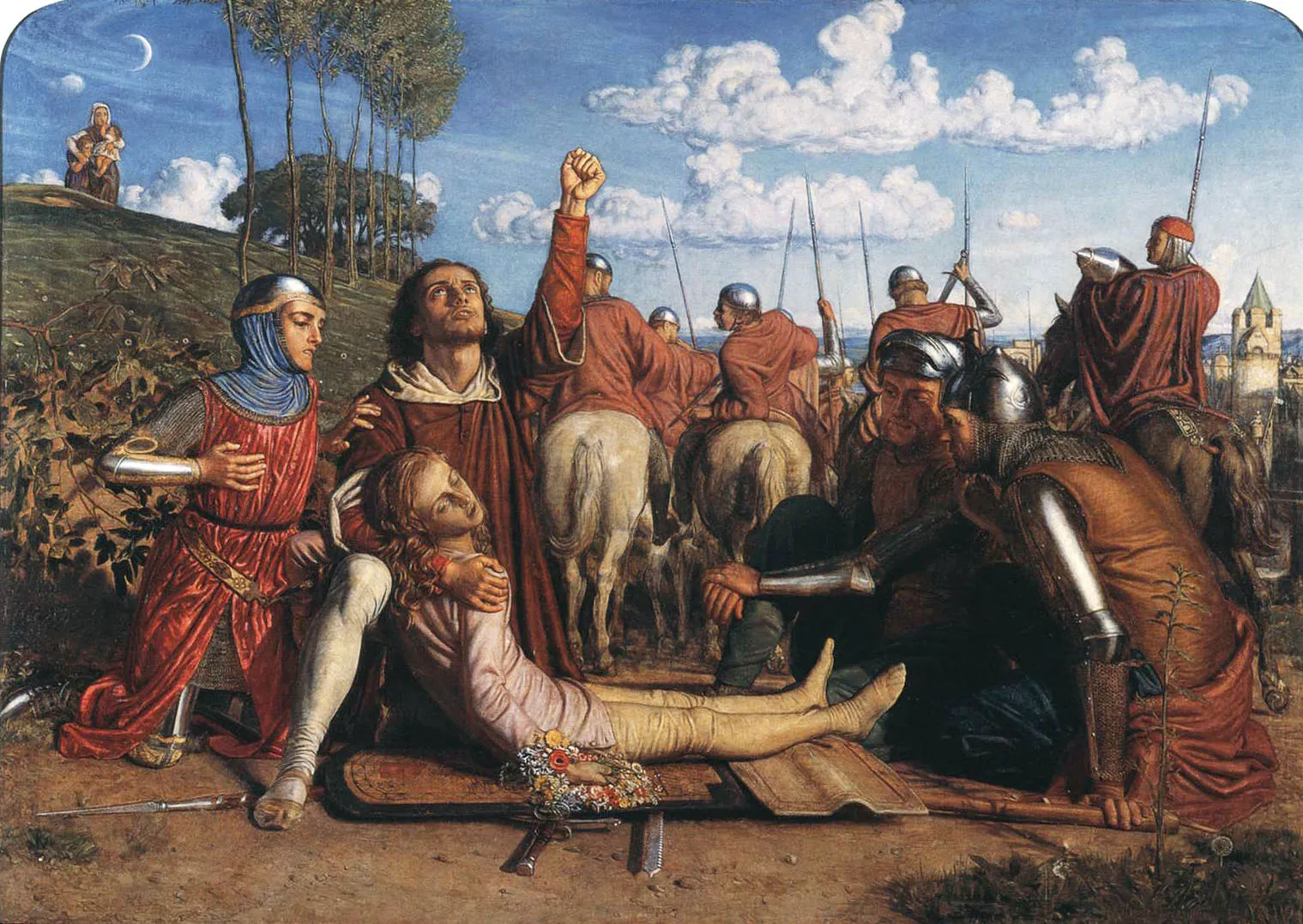
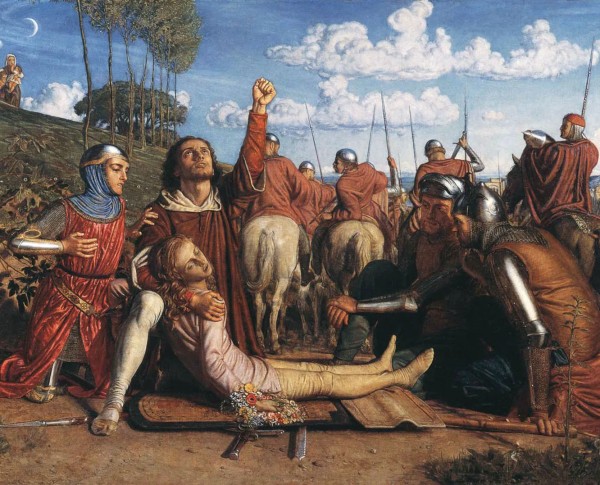
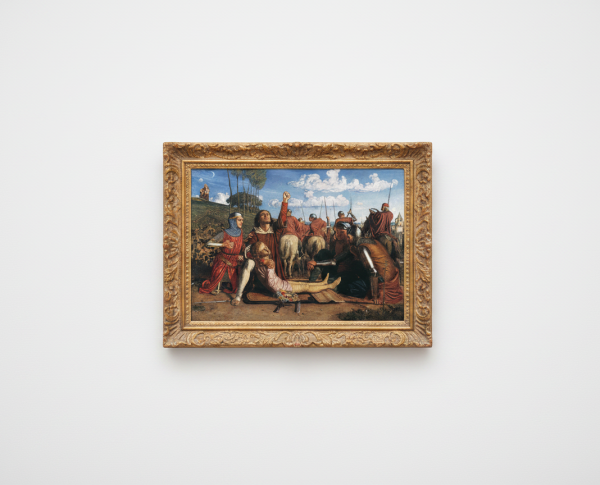
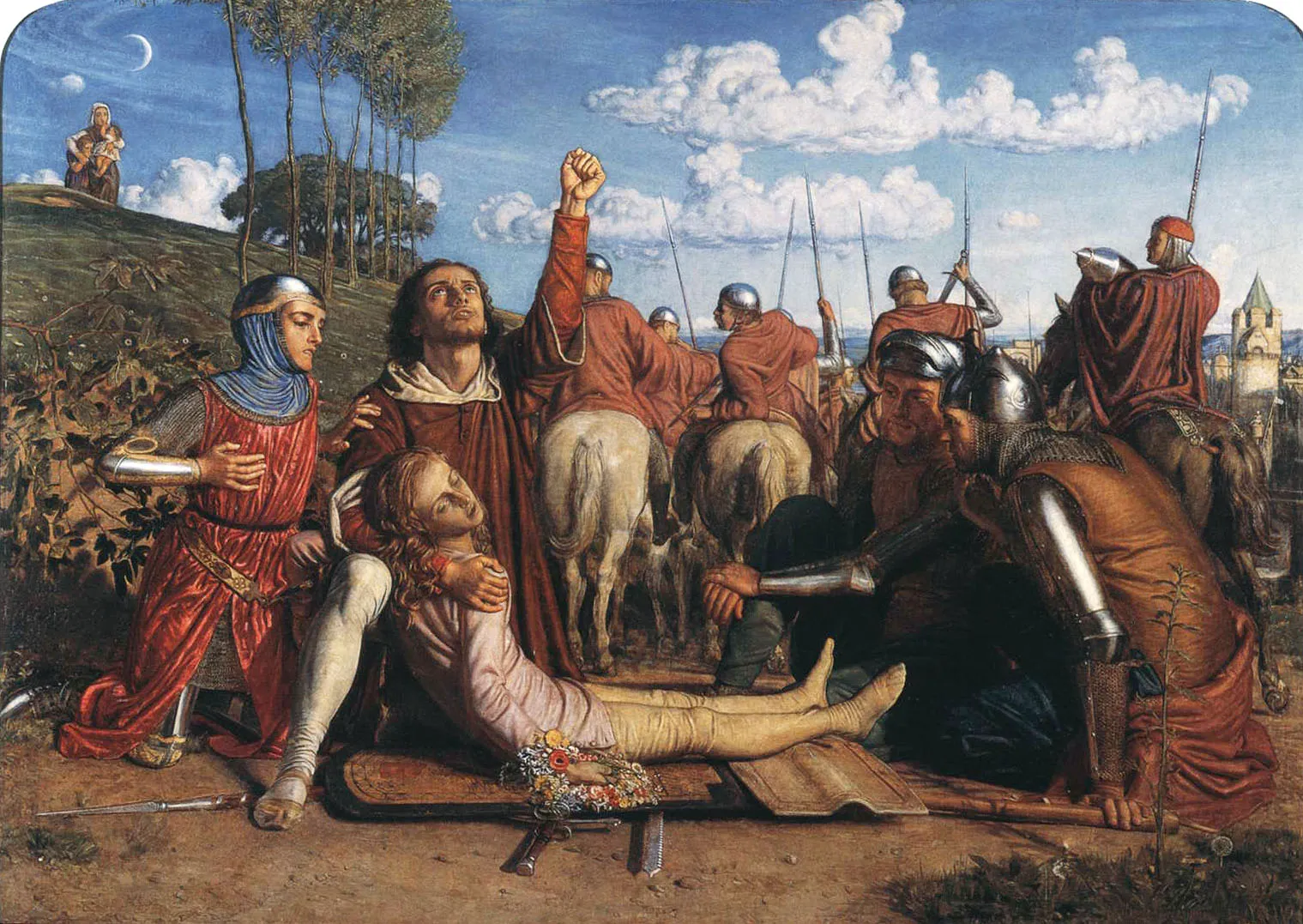
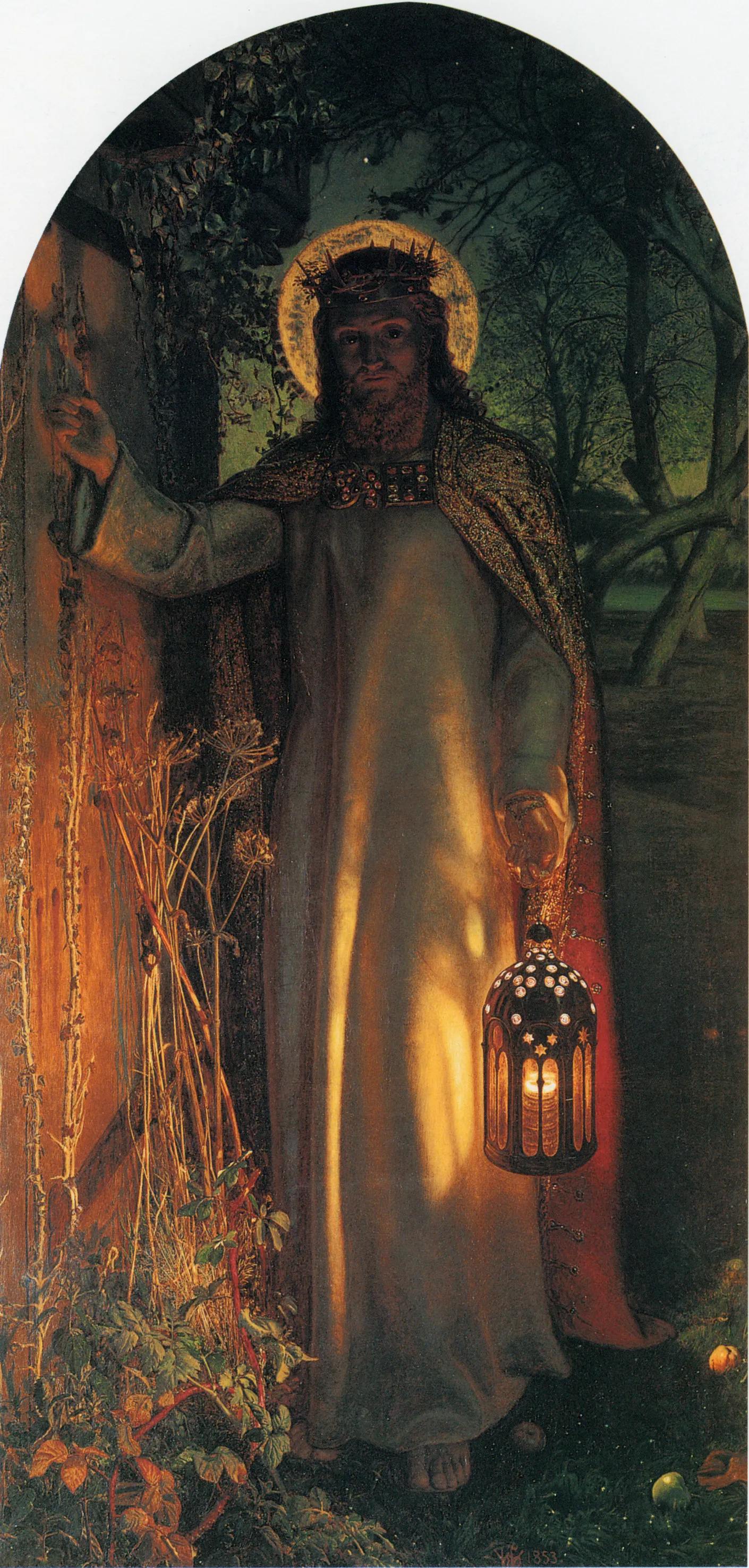
"The Scapegoat" is rich in narrative, drawing from biblical tales and the emotional depth characteristic of Romanticism. Hunt’s use of symbolism transforms this hand-painted oil painting into a powerful meditation on sacrifice and redemption. Alongside masterpieces like "The Light of the World" and "Rienzi Vowing to Obtain Justice for the Death of his Young Brother," this work invites viewers to explore layers of meaning within fine art painting for sale collections worldwide.
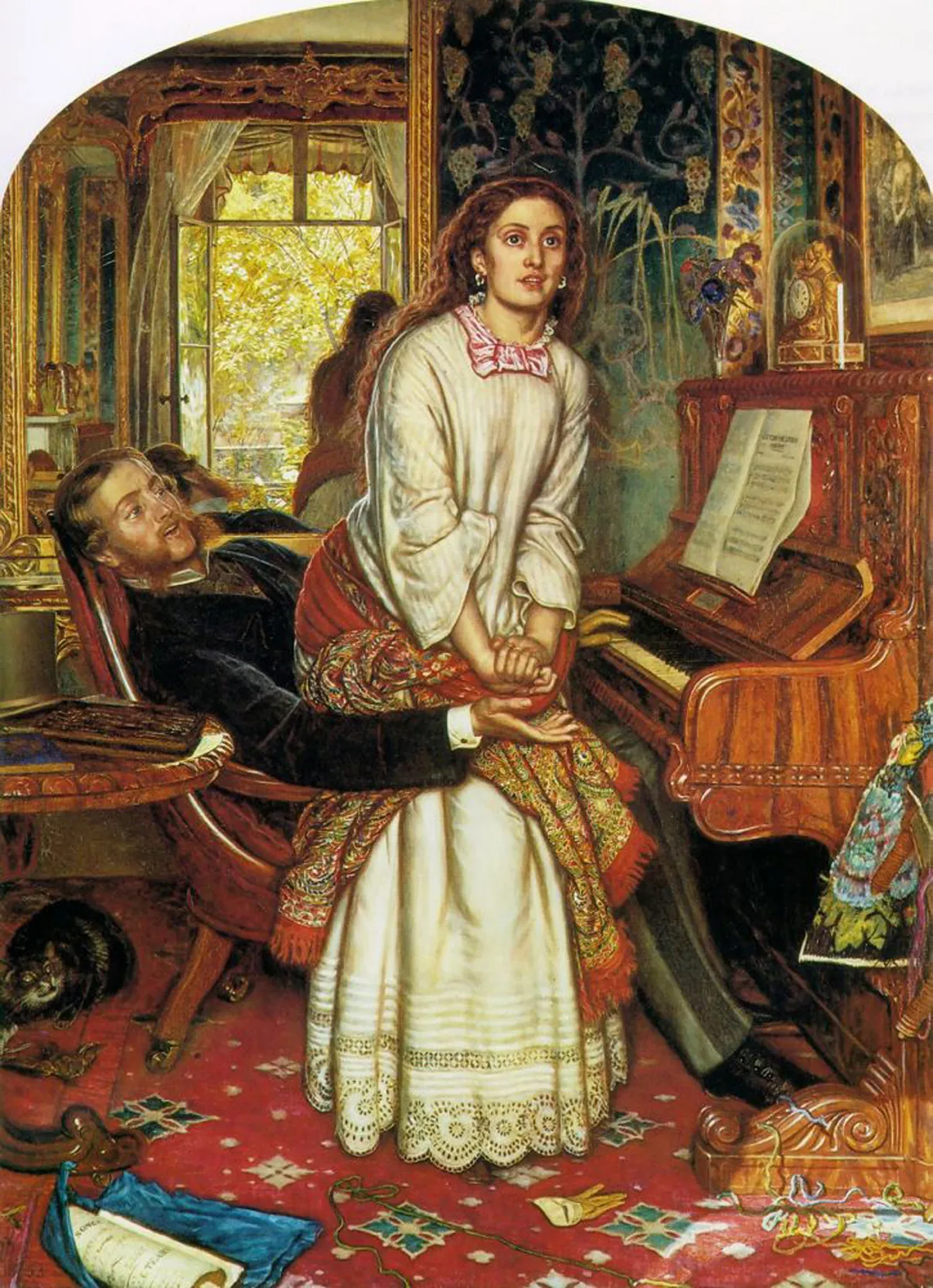
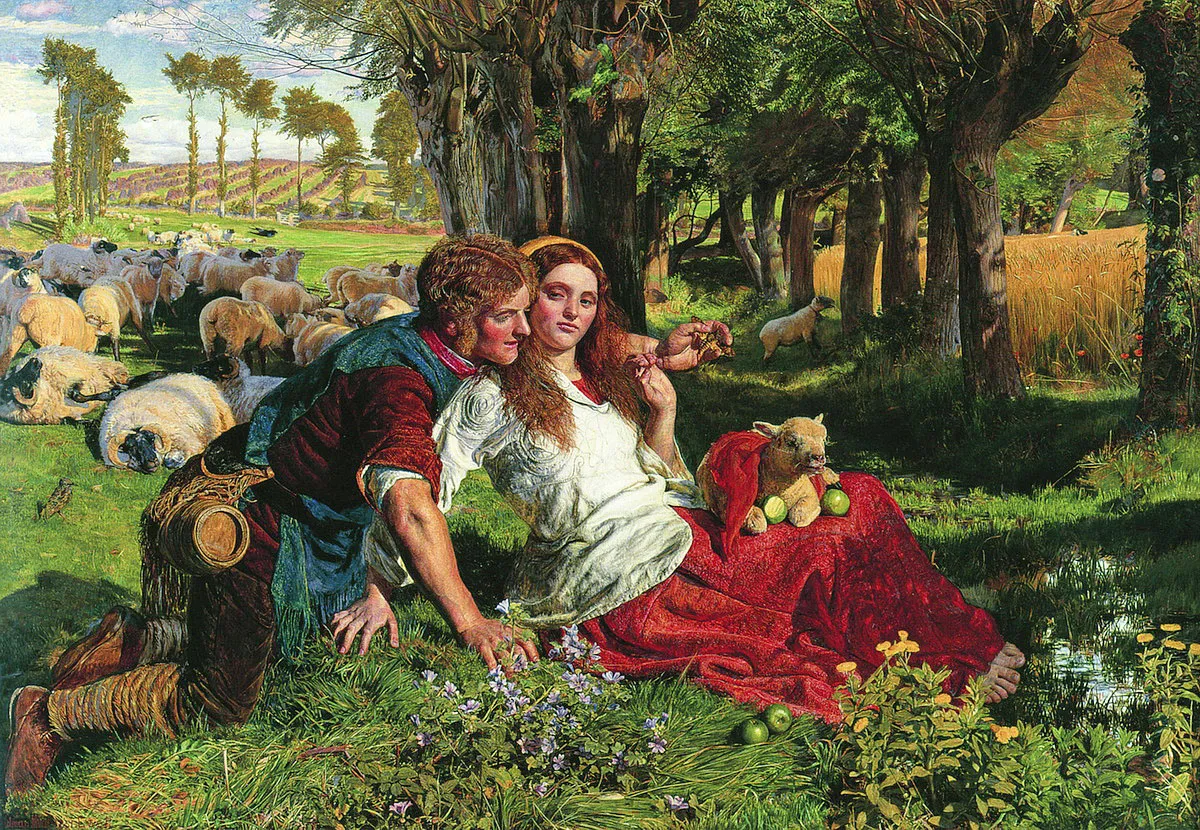
For art collectors and admirers of Romanticism, William Holman Hunt’s "The Scapegoat" is a prized acquisition. This oil on canvas masterpiece not only showcases Hunt’s artistic prowess but also complements collections featuring related products such as "The Awakening Conscience" and "The Hireling Shepherd." As a fine art painting for sale, "The Scapegoat" continues to inspire, offering a timeless narrative that enriches any private or public art collection.
When Art Meets History
"The Scapegoat" by William Holman Hunt stands as a remarkable example of the Romanticism movement, blending vivid storytelling with historical depth. This hand-painted oil painting was created during a period when artists sought to evoke profound emotions through dramatic subjects. Much like related paintings such as "Settlement of Austin's Colony" and "Portrait of Napoleon Bonaparte, full-length, as First Consul," Hunt's masterpiece weaves together biblical symbolism and narrative, reflecting the fervor and ideals of its time.
Techniques That Speak
William Holman Hunt utilized oil on canvas to achieve the luminous colors and intricate details in "The Scapegoat." His careful layering and realistic textures are hallmarks of Romanticism, paralleling works like "Battle of Aboukir, July 25, 1799" and "Pietro Rossi prisonner of the Scaligeri." The painting's atmospheric landscape and expressive use of light invite viewers to appreciate the technical mastery behind this fine art painting for sale, making it a coveted piece among connoisseurs.
Emotions on Display
"The Scapegoat," a hand-painted oil painting by William Holman Hunt, is renowned for its evocative portrayal of isolation and sacrifice. The barren landscape and forlorn figure embody the deep emotional resonance characteristic of Romanticism. Comparable to the intensity found in "Family portrait" and other related works, Hunt’s painting captures the viewer’s empathy and contemplation. Its emotional depth continues to inspire those seeking meaningful connections through fine art painting for sale.
Coveted by Collectors
Collectors highly prize "The Scapegoat" by William Holman Hunt not only for its historical significance but also for its technical brilliance as an oil on canvas. As a standout piece within the Romanticism movement, it is often compared to masterpieces like "Portrait of Napoleon Bonaparte, full-length, as First Consul" and "Battle of Aboukir, July 25, 1799." The painting’s unique narrative and artistry make it a sought-after fine art painting for sale in prestigious collections worldwide.
Related Romanticism Hand-Painted Oil Paintings by Other Artists
Other Famous Romanticism Artists:
Frequently Asked Questions About The Scapegoat
What is the historical context of "The Scapegoat"?
"The Scapegoat," painted by William Holman Hunt in 1854, reflects the Victorian era's fascination with biblical themes and moral narratives. The painting draws upon the ancient Jewish ritual described in Leviticus, where a goat is symbolically burdened with the sins of the people and sent into the wilderness.
What artistic techniques did Hunt employ in "The Scapegoat"?
Hunt utilized meticulous detail and vibrant colors characteristic of the Pre-Raphaelite movement. His technique involved layering paint to achieve luminosity and depth, creating a lifelike representation of the goat and the surrounding landscape.
What symbolism is present in "The Scapegoat"?
The scapegoat itself symbolizes the burden of sin and the concept of sacrifice. The desolate landscape surrounding the goat represents isolation and the weight of guilt, while the goat's posture conveys a sense of vulnerability and resignation.
How does "The Scapegoat" reflect Pre-Raphaelite ideals?
The painting embodies Pre-Raphaelite ideals through its emphasis on nature, intricate detail, and moral themes. Hunt's focus on realism and emotional depth aligns with the movement's goal to challenge conventional artistic norms and convey profound narratives.
What role does color play in "The Scapegoat"?
Color in "The Scapegoat" serves to enhance emotional resonance and highlight thematic elements. The rich reds and earthy tones evoke a sense of warmth and sorrow, while the contrasting blues of the sky suggest a vast, indifferent universe, amplifying the goat's plight.
What is the significance of the setting in "The Scapegoat"?
The barren landscape surrounding the goat symbolizes desolation and abandonment, reinforcing the theme of isolation associated with sin. The setting serves as a stark backdrop that emphasizes the goat's role as a vessel for the community's transgressions.
How does "The Scapegoat" relate to contemporary themes?
The themes of guilt, sacrifice, and redemption in "The Scapegoat" resonate with contemporary discussions about accountability and the human condition. The painting invites viewers to reflect on the nature of sin and the societal tendency to project blame onto others.
What influence did "The Scapegoat" have on later artists?
"The Scapegoat" has influenced numerous artists by exemplifying the power of narrative in visual art. Its emotional depth and symbolic complexity have inspired explorations of similar themes in various artistic movements, including Symbolism and Expressionism.
Where is "The Scapegoat" currently housed?
The painting is part of the collection at the Manchester Art Gallery in England, where it continues to be a significant work that attracts scholarly interest and public admiration.
What is the legacy of William Holman Hunt as an artist?
William Holman Hunt is remembered as a key figure in the Pre-Raphaelite Brotherhood, known for his commitment to realism and moral storytelling. His works, including "The Scapegoat," have left a lasting impact on the art world, influencing generations of artists and art movements.























_GFM_Painting_(1).webp)


 100% Hand-Painted: Finished in 3-6 Weeks

.png)















_(1).webp)