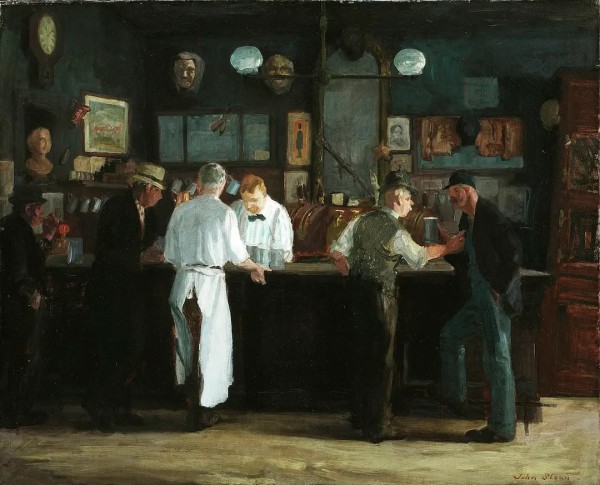
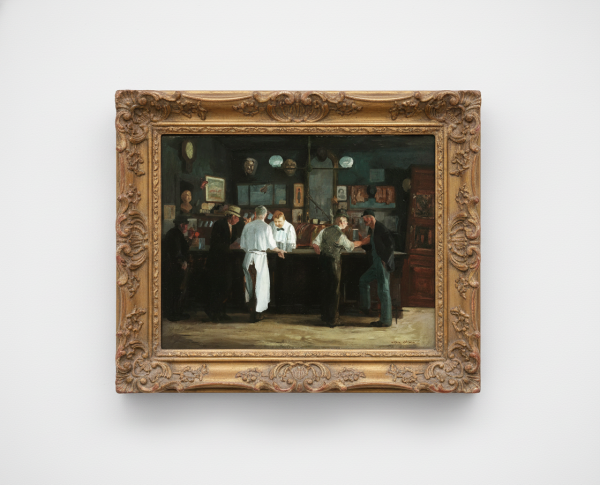
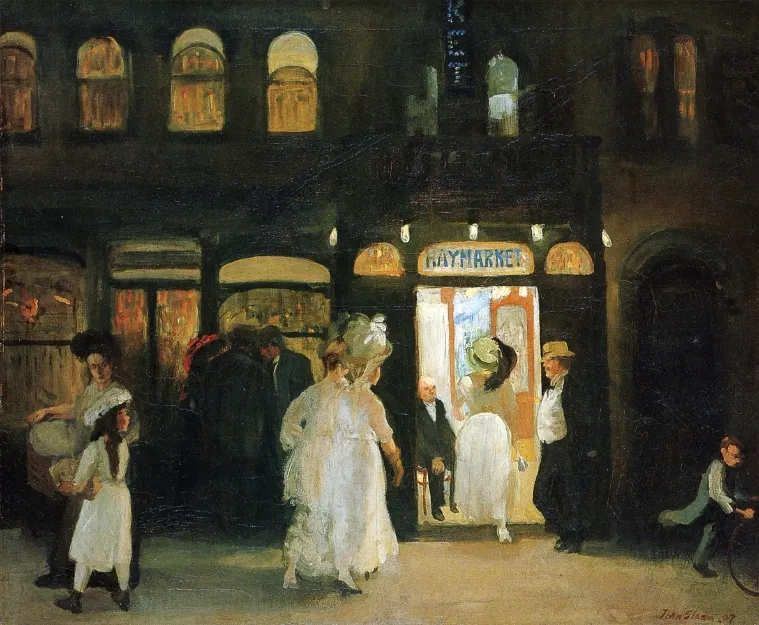
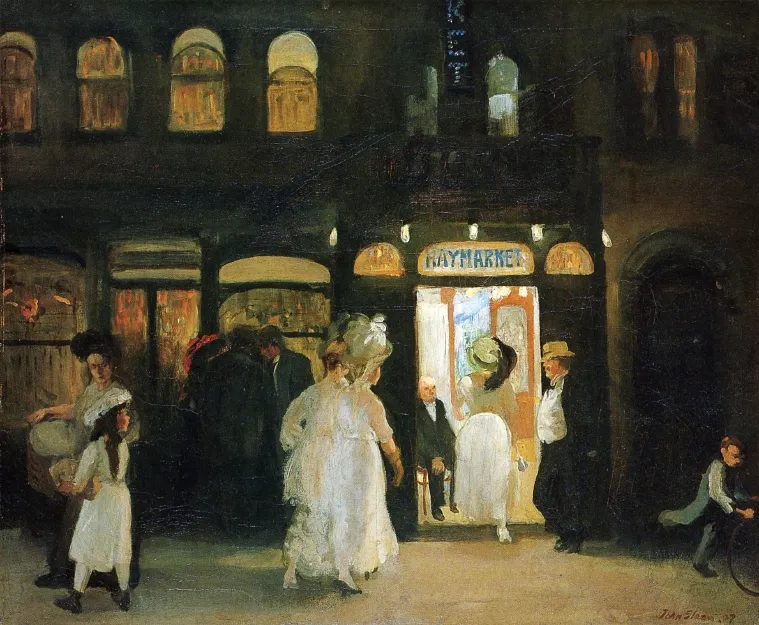
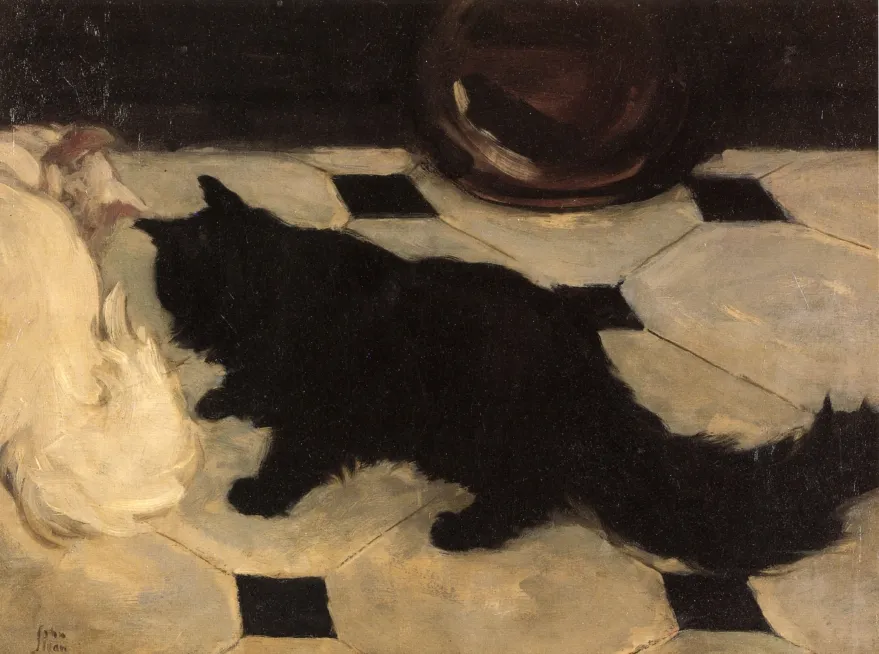
John Sloan's "The Haymarket" exemplifies the technical brilliance found in oil on canvas works from the Ashcan School. Each brushstroke reveals his commitment to realism and detail, immersing viewers in the vibrant street scenes he so loved to depict. This oil on canvas painting shares its masterful technique with other Sloan works such as "Daisy" and "Hairdresser's Window," offering a genuine glimpse into the artist’s world and his dedication to capturing the spirit of urban America.
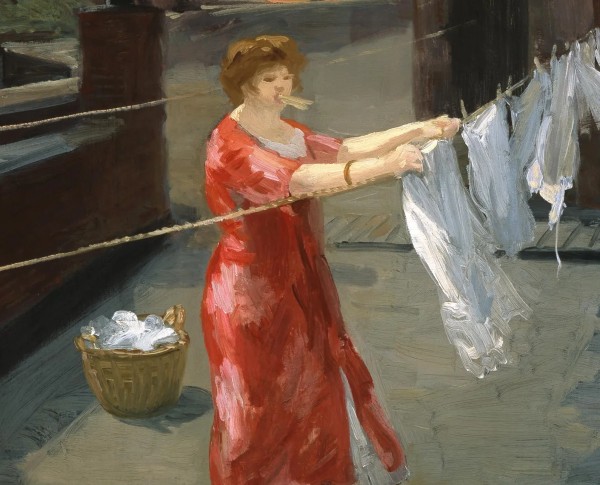
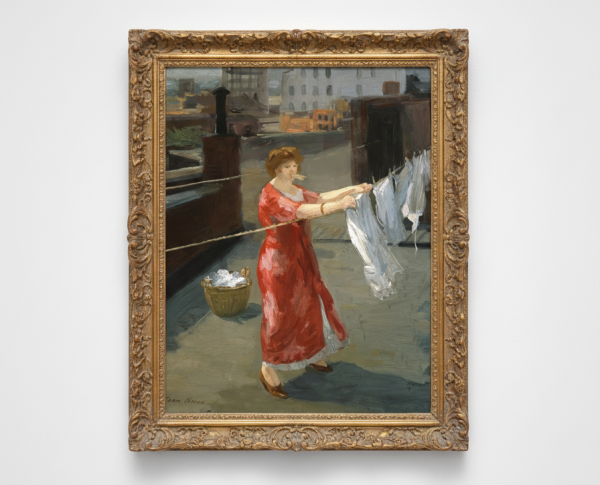
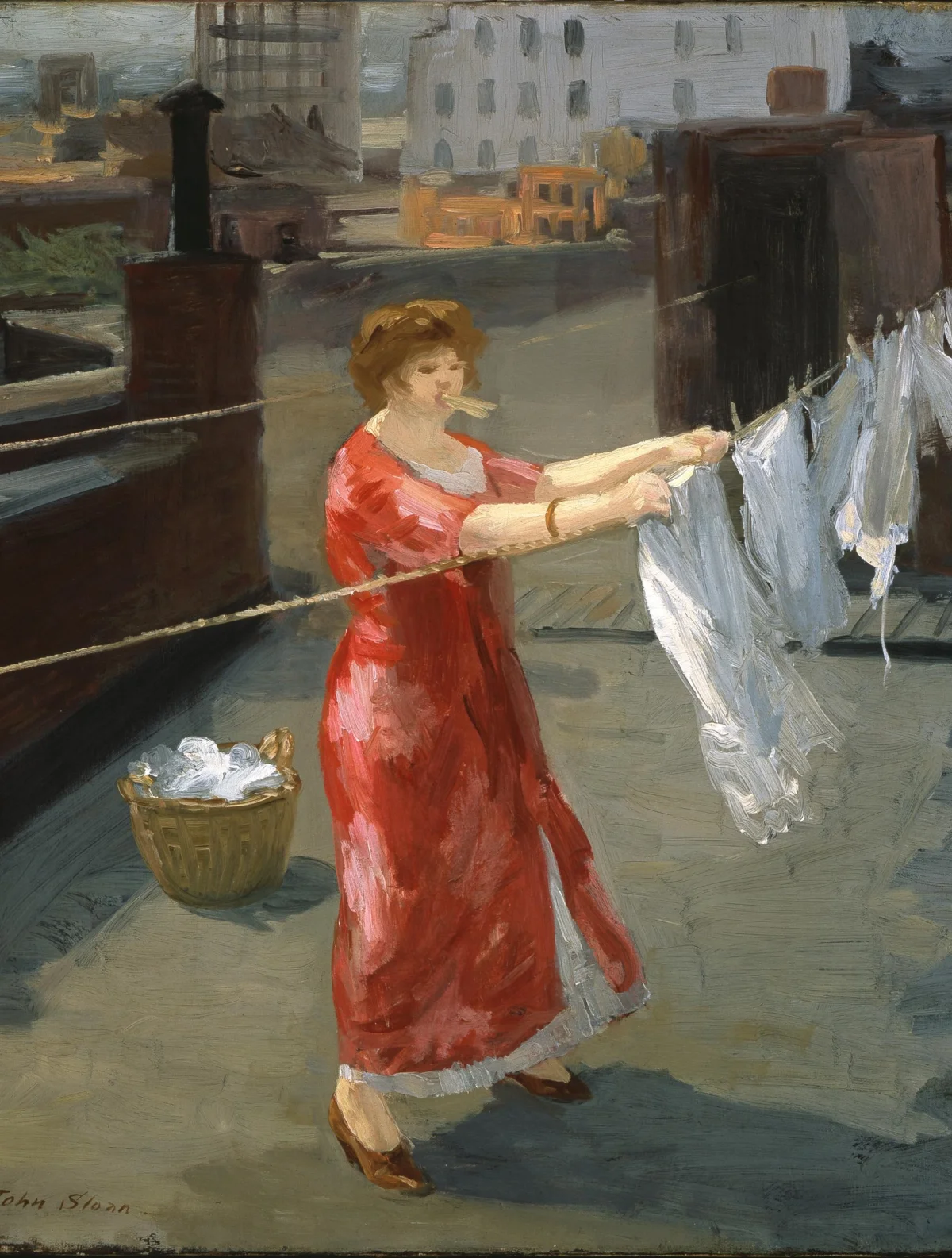
Through "The Haymarket," John Sloan weaves stories of daily life, using symbolism characteristic of the Ashcan School. The painting’s dynamic composition invites viewers to explore the narratives unfolding within the bustling market. Like related works "Red Kimono on the Roof" and "Independence Square, Philadelphia," this fine art painting for sale is more than a visual delight—it’s a commentary on society, urbanization, and the resilience of ordinary people during a transformative era in American history.
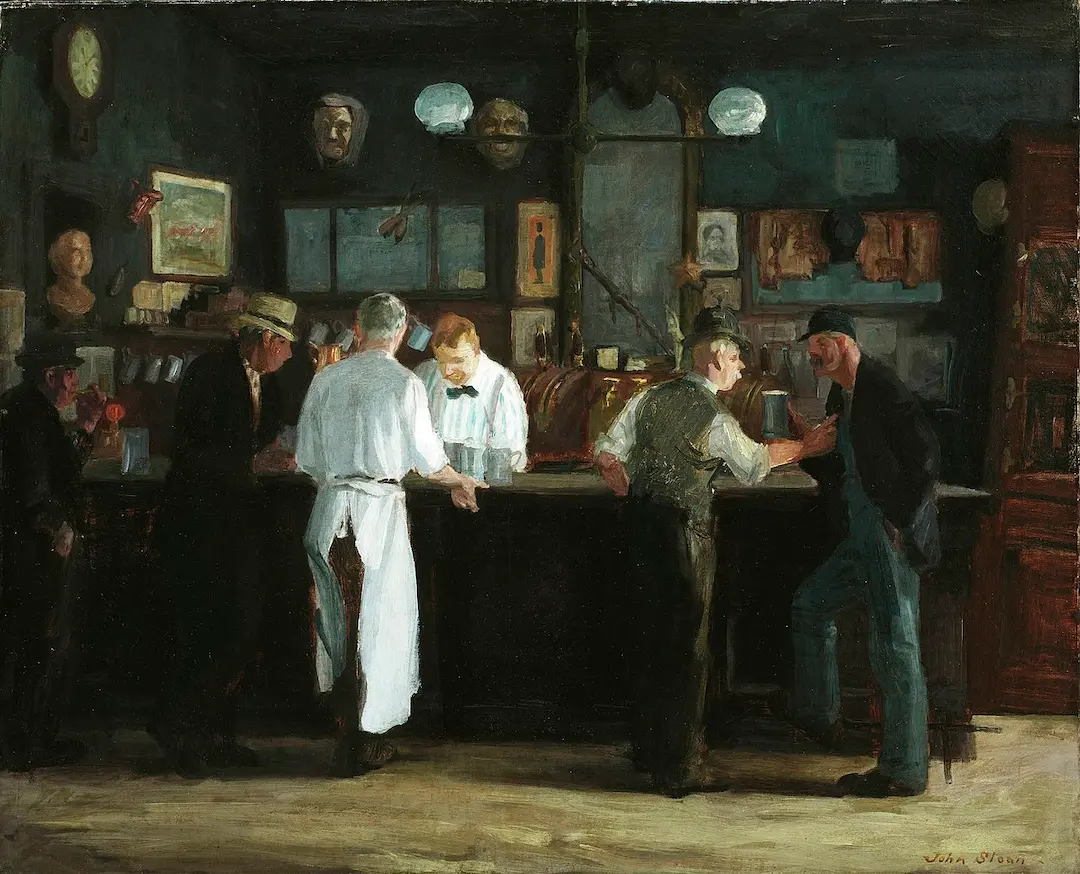
For art enthusiasts, "The Haymarket" by John Sloan represents a prized addition to any collection of Ashcan School masterpieces. This hand-painted oil painting embodies the movement’s raw energy and authenticity, making it a sought-after piece among collectors. Whether displayed alongside other Sloan works like "McSorley's Bar" or "Daisy," or as a standalone treasure, this painting stands out as a fine art painting for sale that brings the spirit of early twentieth-century America into any space.
When Art Meets History
John Sloan’s "The Haymarket" is a remarkable example of the Ashcan School movement, reflecting early twentieth-century urban life through a hand-painted oil painting. Sloan, a key figure of the movement, often depicted scenes from New York City’s streets, capturing the raw energy and everyday moments of its inhabitants. The Haymarket stands out for its vivid storytelling, immersing viewers in the bustling markets of the era—an approach also seen in Sloan’s other Ashcan works.
Techniques That Speak
Utilizing oil on canvas, John Sloan employed expressive brushwork and a rich, earthy palette in "The Haymarket." The artist’s technique highlights the Ashcan School’s commitment to realism and immediacy, showcasing the crowded, dynamic market scene with palpable texture and depth. Sloan’s mastery of oil on canvas brings the figures and environment to life, inviting the viewer to experience the vibrancy and authenticity that define his celebrated fine art painting.
Emotions on Display
"The Haymarket" by John Sloan captures a range of emotions, from the determination of market vendors to the curiosity of passersby. This fine art painting for sale communicates the social realities of its time, a hallmark of the Ashcan School movement. Through subtle facial expressions and body language, Sloan invites viewers to empathize with his subjects, making the painting resonate emotionally, much like his other urban-themed masterpieces.
Coveted by Collectors
As a significant work by John Sloan in the Ashcan School movement, "The Haymarket" is highly sought after by art enthusiasts. Its status as a hand-painted oil painting and its historical relevance make it a prized addition to any collection. Collectors appreciate Sloan’s ability to immortalize city life, and "The Haymarket" stands alongside his other iconic works as a testament to the enduring appeal of early American realism in fine art painting for sale.
Frequently Asked Questions About The Haymarket
What is the historical context of "The Haymarket"?
"The Haymarket," painted by John Sloan in 1907, reflects the vibrant urban life of early 20th century America, particularly in New York City. This period was marked by significant social changes, including the rise of labor movements and the increasing visibility of immigrant communities.
What artistic style is employed in "The Haymarket"?
John Sloan is associated with the Ashcan School, an artistic movement that focused on portraying the realities of urban life. "The Haymarket" exemplifies this style through its loose brushwork and emphasis on everyday scenes, capturing the essence of the bustling market environment.
What themes are explored in "The Haymarket"?
The painting explores themes of community, labor, and the intersection of different social classes. It highlights the dynamic interactions among people in a public space, reflecting both the vibrancy and challenges of urban life.
How does Sloan use color in "The Haymarket"?
Sloan employs a rich palette of earthy tones and vibrant colors to evoke the lively atmosphere of the market. The use of contrasting colors helps to draw attention to the figures and activities, enhancing the sense of movement and energy within the scene.
What is the significance of the figures depicted in "The Haymarket"?
The figures in "The Haymarket" represent a cross-section of society, including workers, vendors, and shoppers. Their diverse appearances and interactions symbolize the melting pot of cultures and experiences that characterize urban life in America during this era.
How does "The Haymarket" reflect John Sloan's artistic philosophy?
Sloan believed in capturing the authenticity of everyday life. "The Haymarket" embodies this philosophy by depicting a scene that is both ordinary and significant, showcasing the beauty and complexity of daily interactions in a bustling city environment.
What techniques did Sloan use to create depth in "The Haymarket"?
Sloan utilized techniques such as overlapping figures and varying brush strokes to create a sense of depth and perspective. The layering of elements in the composition invites viewers to explore the scene more fully, enhancing the immersive experience.
In what ways does "The Haymarket" serve as a social commentary?
The painting serves as a social commentary by highlighting the lives of working-class individuals and the vibrancy of their community. It draws attention to the importance of public spaces in fostering social connections and reflects the socio-economic realities of the time.
What impact did "The Haymarket" have on American art?
"The Haymarket" contributed to the recognition of the Ashcan School as a significant movement in American art. It helped pave the way for future artists to explore urban themes and the depiction of everyday life, influencing the trajectory of modern American painting.
Where can I view "The Haymarket" today?
"The Haymarket" is part of the collection at the Whitney Museum of American Art in New York City, where it continues to be appreciated for its historical significance and artistic merit.























_GFM_Painting_(1).webp)


 100% Hand-Painted: Finished in 3-6 Weeks

.png)
















_(1).webp)