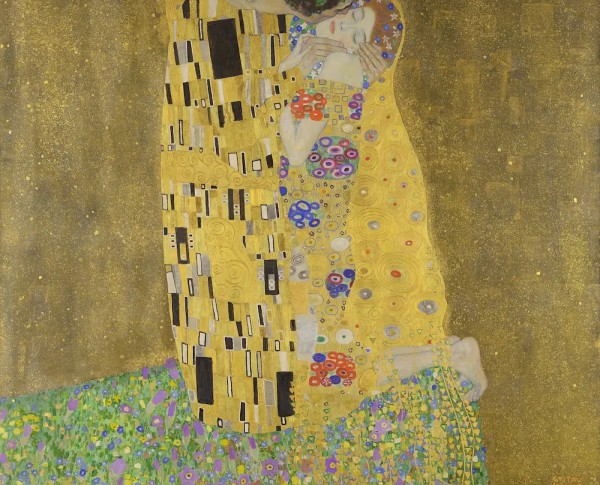
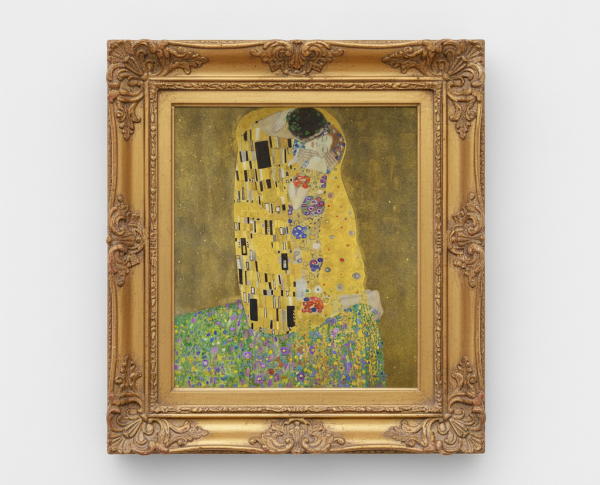
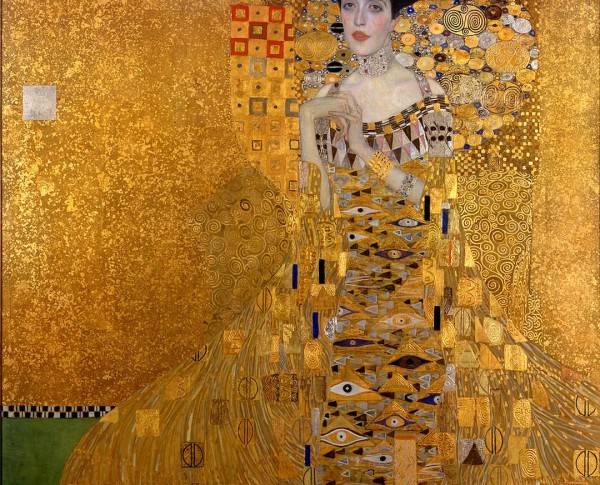
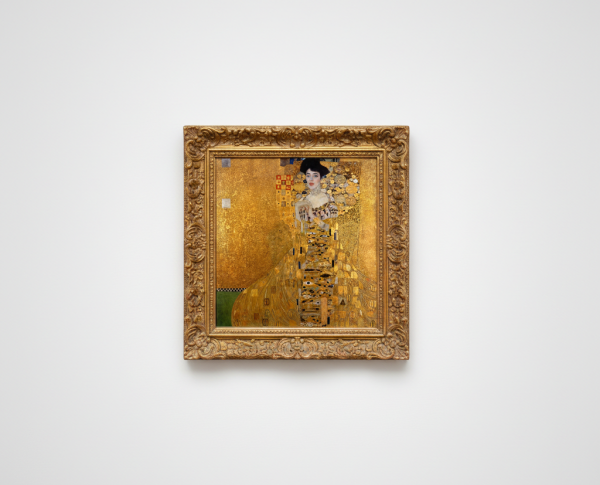
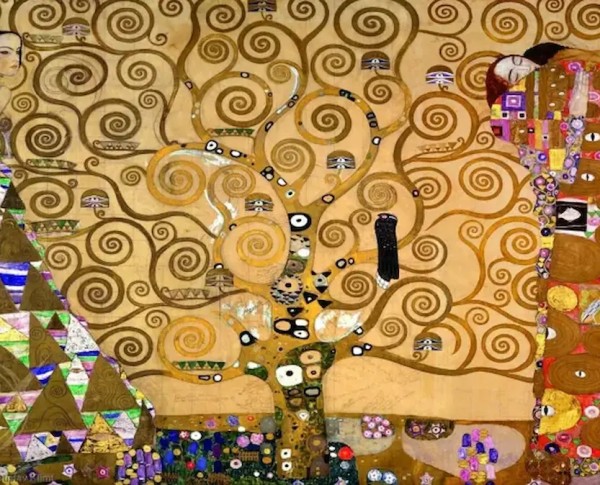
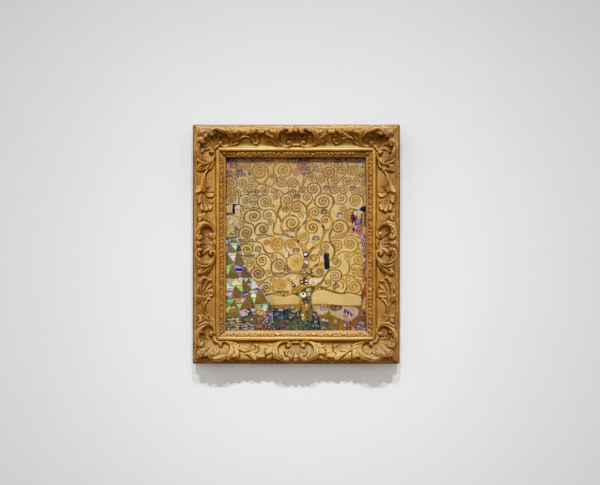
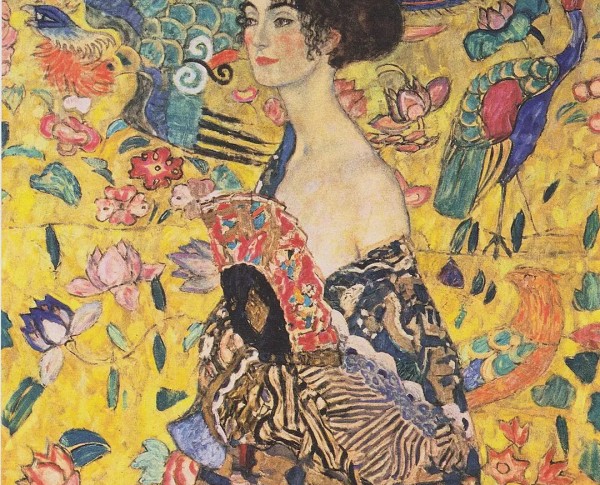
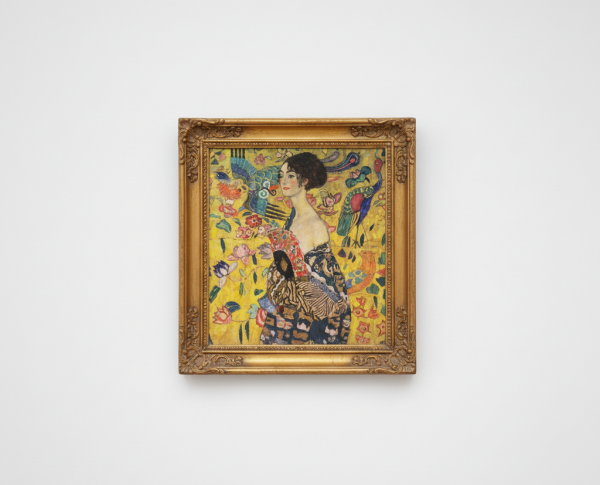
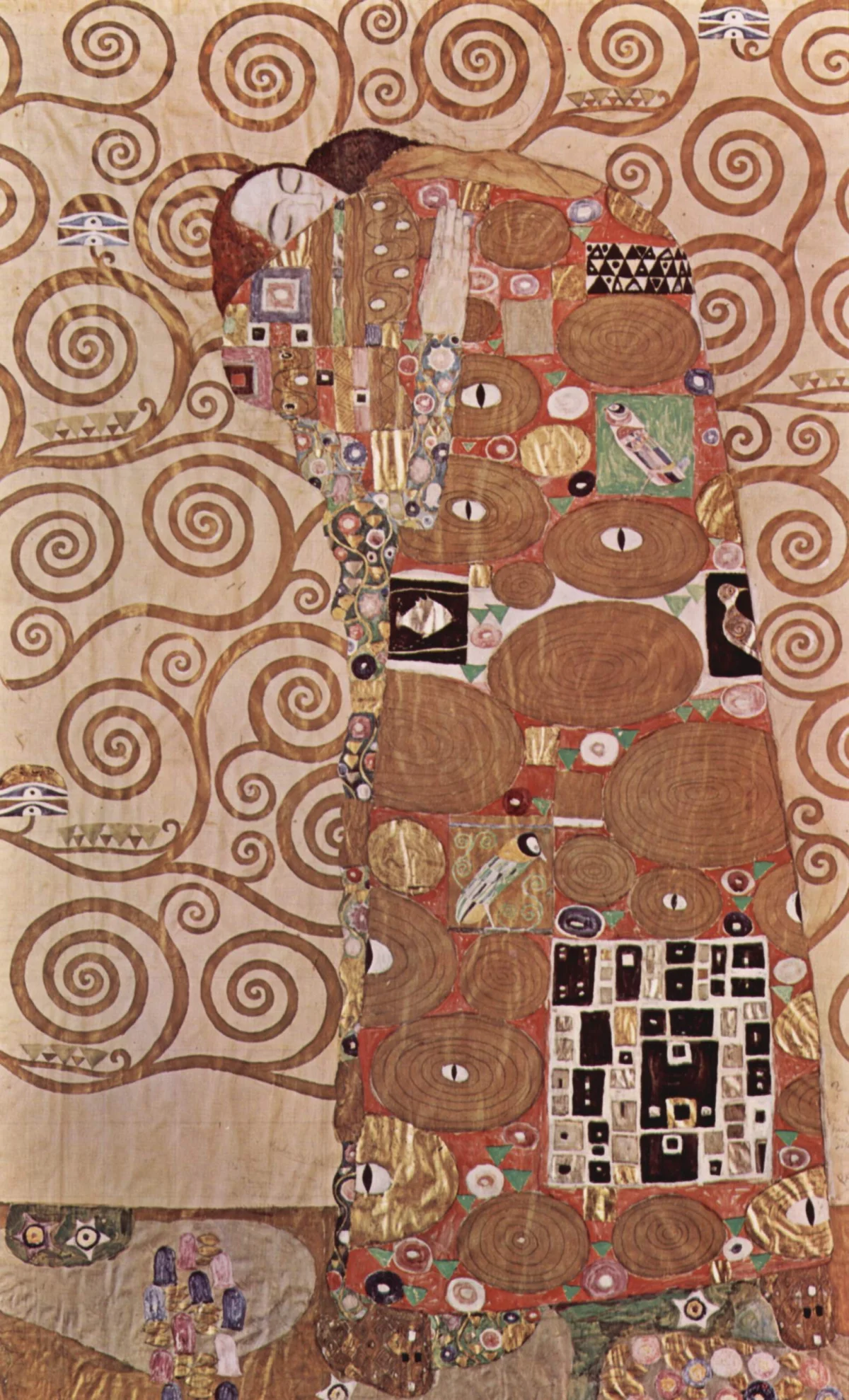
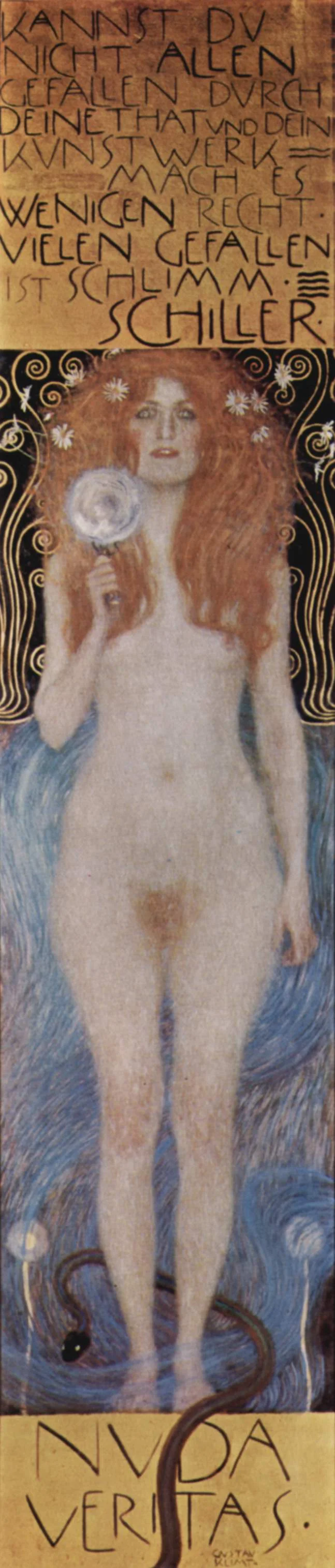
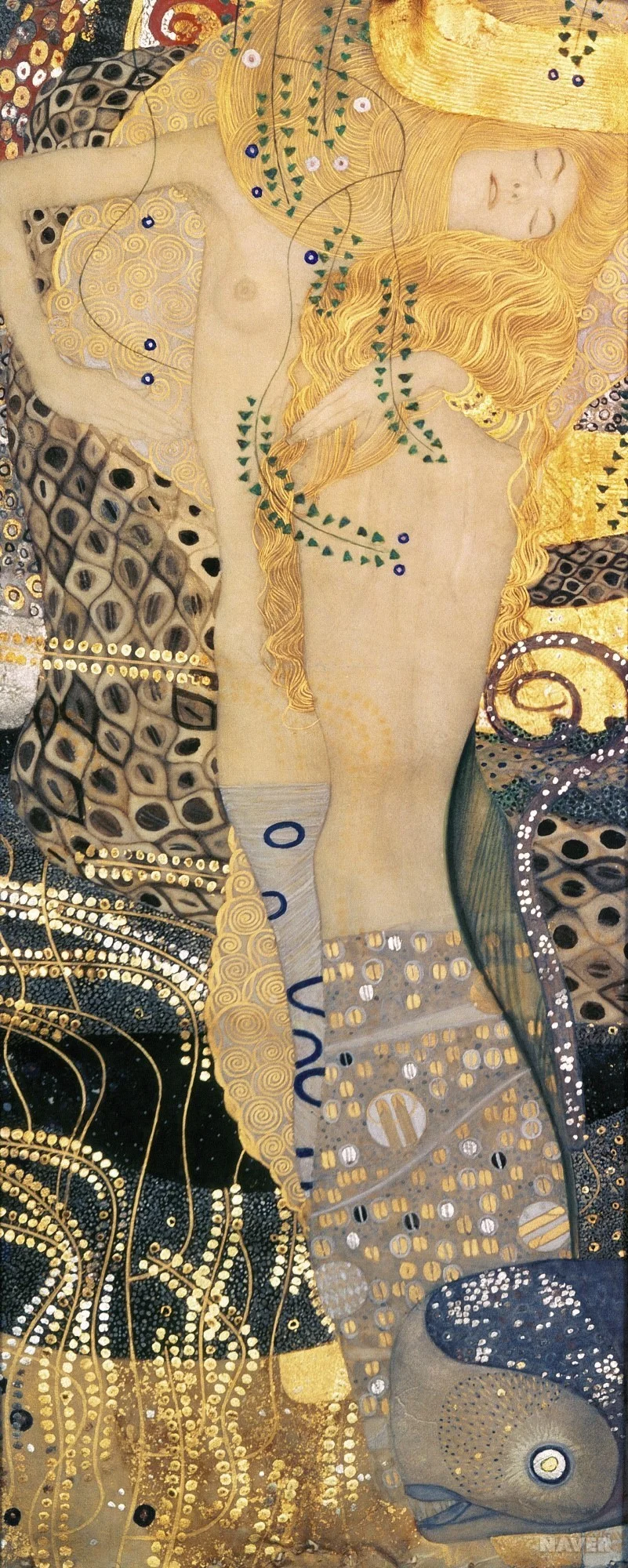
"The Hydra" by Gustav Klimt demonstrates extraordinary technique, with each brushstroke revealing the artist’s precision and vision. The use of oil on canvas allows for rich textures and vibrant colors, giving the painting a luminous quality characteristic of the Vienna Secession movement. Klimt’s mastery is also seen in related works such as "Danaë" and "Adele Bloch-Bauer II," making "The Hydra" a must-have for those seeking a remarkable oil on canvas by a master.
In "The Hydra," Gustav Klimt weaves mythological themes with his signature ornamental style, a hallmark of the Vienna Secession. The painting’s layers of symbolism invite viewers to interpret its deeper meanings, much like Klimt’s "Pallas Athena" and "Judith I." This fine art painting for sale captivates collectors who appreciate artworks that challenge the imagination and provoke thought, making it a conversation piece in any distinguished collection.
Owning "The Hydra" by Gustav Klimt is a unique opportunity to possess a piece of the Vienna Secession’s rich history. This hand-painted oil painting is highly sought after, much like Klimt’s other iconic creations such as "The Kiss" and "Adele Bloch-Bauer II." For art lovers searching for a fine art painting for sale that embodies elegance, symbolism, and historical significance, "The Hydra" is truly a collector’s treasure.
When Art Meets History
Gustav Klimt’s “The Hydra” embodies the spirit of the Vienna Secession movement, a pivotal era in European art history. Painted during a time of cultural transformation, this hand-painted oil painting reflects the avant-garde ideals that Klimt and his contemporaries championed. “The Hydra” stands alongside Klimt’s other renowned works, representing a break from academic tradition and the embrace of symbolic storytelling, making it a significant piece for collectors and admirers of early twentieth-century innovation.
Techniques That Speak
“The Hydra” showcases Klimt’s mastery with oil on canvas, a medium that allowed him to blend luminous colors and intricate details with remarkable depth. His technique involves layering glazes to create a glowing, textured surface, characteristic of his Vienna Secession works. In this painting, Klimt’s signature use of gold accents and sinuous lines are evident, echoing his approach in related paintings. The result is a visually captivating canvas that demonstrates his technical prowess.
Emotions on Display
Gustav Klimt’s “The Hydra” evokes powerful emotions through its dynamic composition and symbolic imagery. The fine art painting for sale captures the mythological creature’s tension and drama, inviting viewers into a world of allegory and psychological depth. As with Klimt’s other Vienna Secession pieces, the painting’s expressive brushwork and vivid palette convey a sense of movement and intensity, resonating with collectors who seek art that stirs the imagination and soul.
Coveted by Collectors
“The Hydra” by Gustav Klimt is highly sought after by collectors of Vienna Secession masterpieces. Its status as a hand-painted oil painting enhances its allure, offering authenticity and historical significance. Klimt’s innovative approach and signature style make this work a prized addition to any fine art collection. As with his other celebrated paintings, “The Hydra” continues to captivate audiences worldwide, underscoring the enduring appeal of Klimt’s artistic legacy.
Frequently Asked Questions About The Hydra
What is the historical context of "The Hydra"?
"The Hydra" was created during the late 19th century, a period marked by the rise of Symbolism in art. Gustav Klimt, an influential figure in this movement, often explored themes of mythology and the human experience, reflecting the cultural shifts of his time.
What artistic techniques did Gustav Klimt employ in "The Hydra"?
Klimt is renowned for his use of gold leaf, intricate patterns, and decorative elements. In "The Hydra," he combines these techniques with a focus on organic forms and flowing lines, creating a dynamic visual experience that draws the viewer into the mythological narrative.
What symbolism is present in "The Hydra"?
The Hydra, a creature from Greek mythology, symbolizes resilience and regeneration due to its ability to grow two heads for every one that is cut off. Klimt's portrayal emphasizes themes of struggle, transformation, and the duality of human nature.
How does "The Hydra" reflect Klimt's overall artistic style?
What influences can be seen in "The Hydra"?
Klimt was influenced by various artistic movements, including Art Nouveau and Japanese woodblock prints. These influences are evident in the fluid lines and decorative patterns of "The Hydra," which reflect a synthesis of diverse cultural aesthetics.
What is the significance of the colors used in "The Hydra"?
The color palette of "The Hydra" plays a crucial role in conveying emotion and symbolism. Rich golds and deep blues evoke a sense of mystery and allure, while contrasting colors highlight the tension between beauty and danger inherent in the mythological creature.
How does "The Hydra" compare to Klimt's other works?
What impact did "The Hydra" have on the art world?
"The Hydra" contributed to the evolution of Symbolism and paved the way for modern interpretations of myth in art. Klimt's innovative approach inspired future generations of artists to explore complex themes through the lens of mythology and personal experience.
Is there a specific message that Klimt intended to convey with "The Hydra"?
While the exact message may be open to interpretation, "The Hydra" is often seen as a commentary on the duality of existence—beauty intertwined with danger, and the perpetual cycle of life and death. Klimt invites viewers to engage with these themes on a personal level.



















_GFM_Painting_(1).webp)


 100% Hand-Painted: Finished in 3-6 Weeks

.png)















_(1).webp)