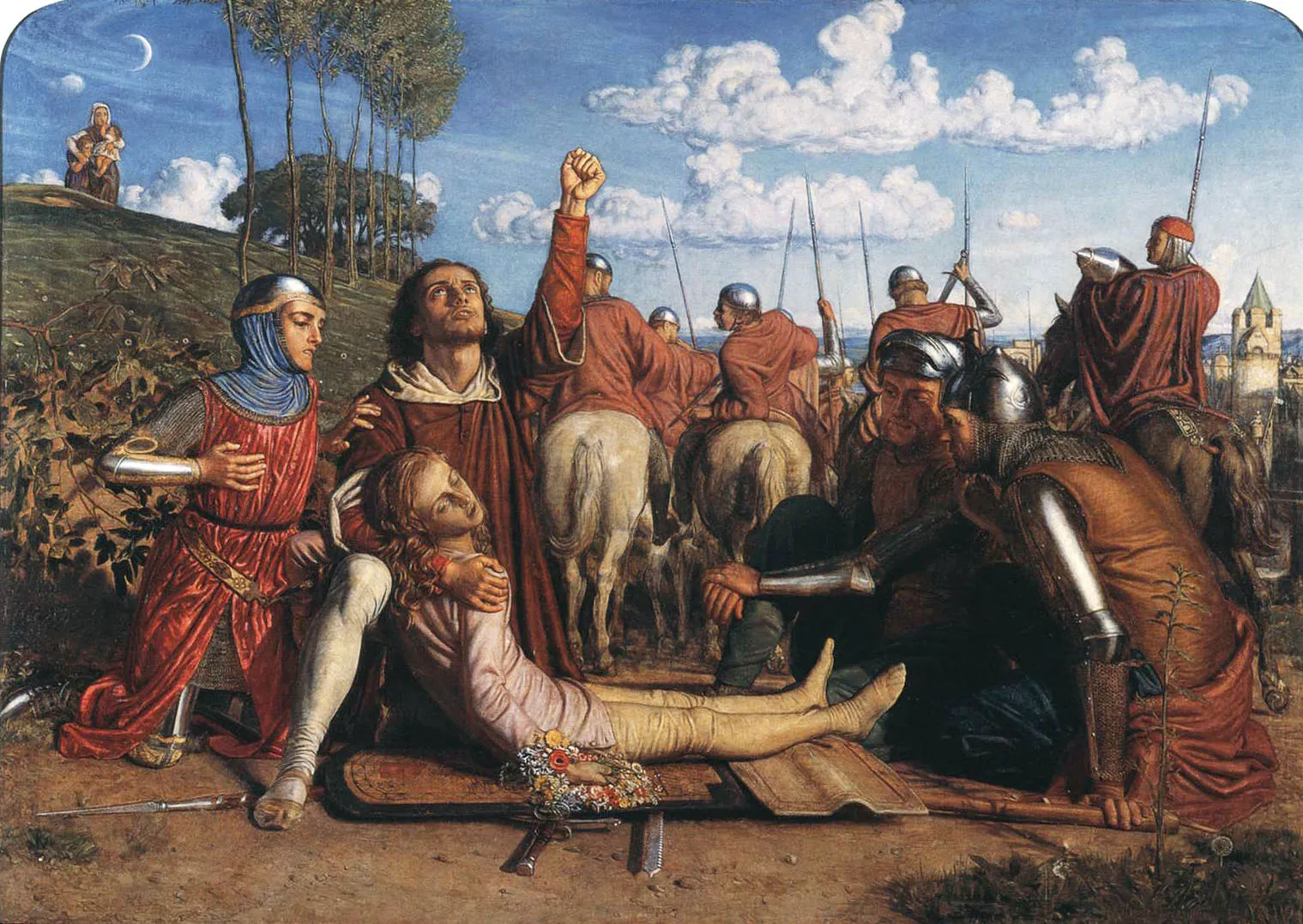
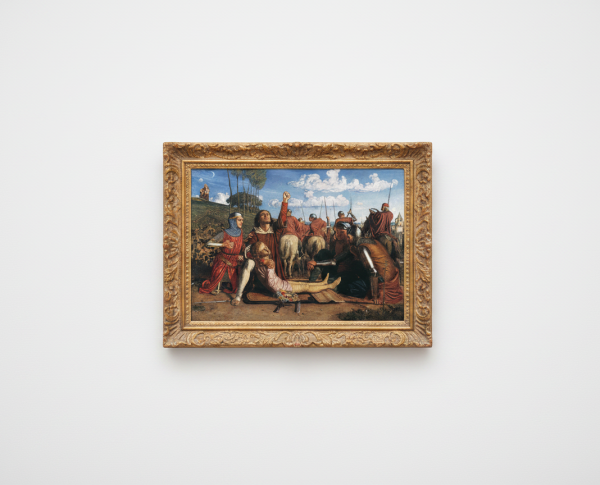
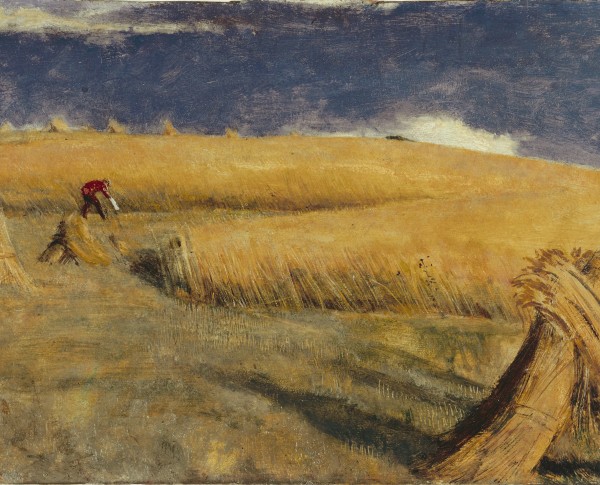
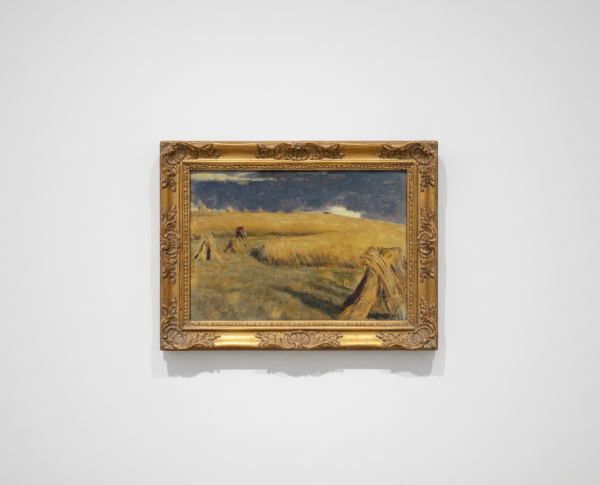
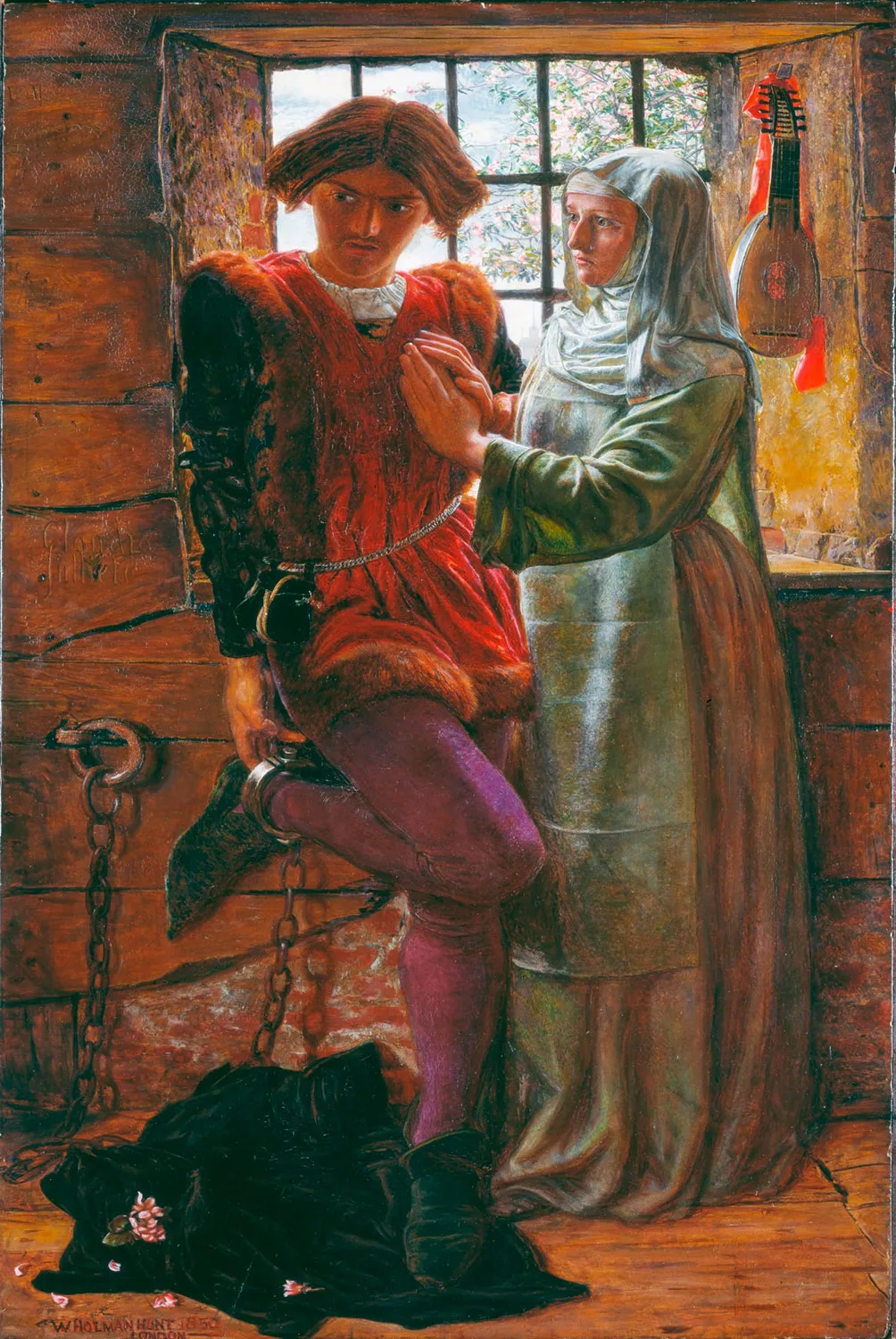
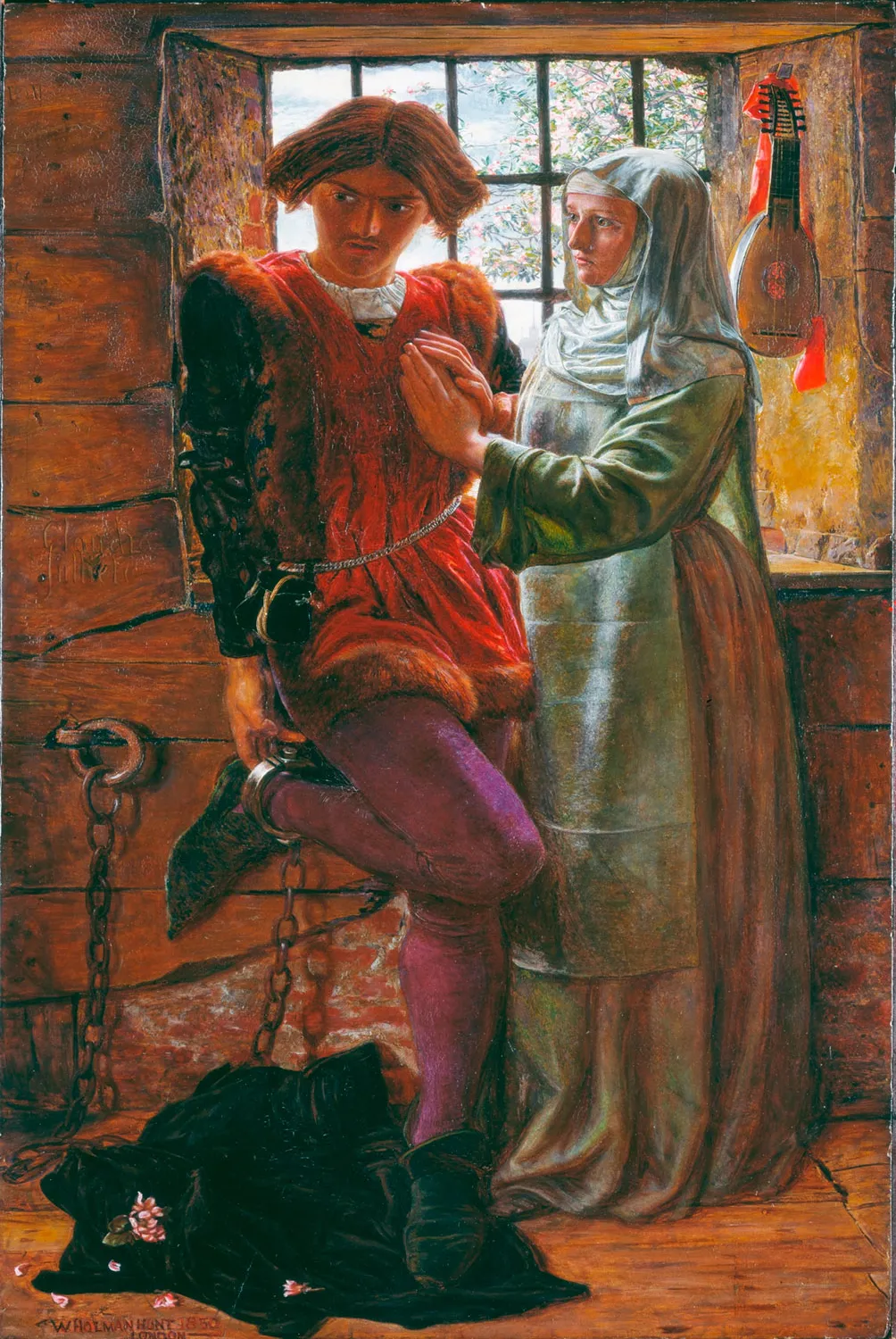
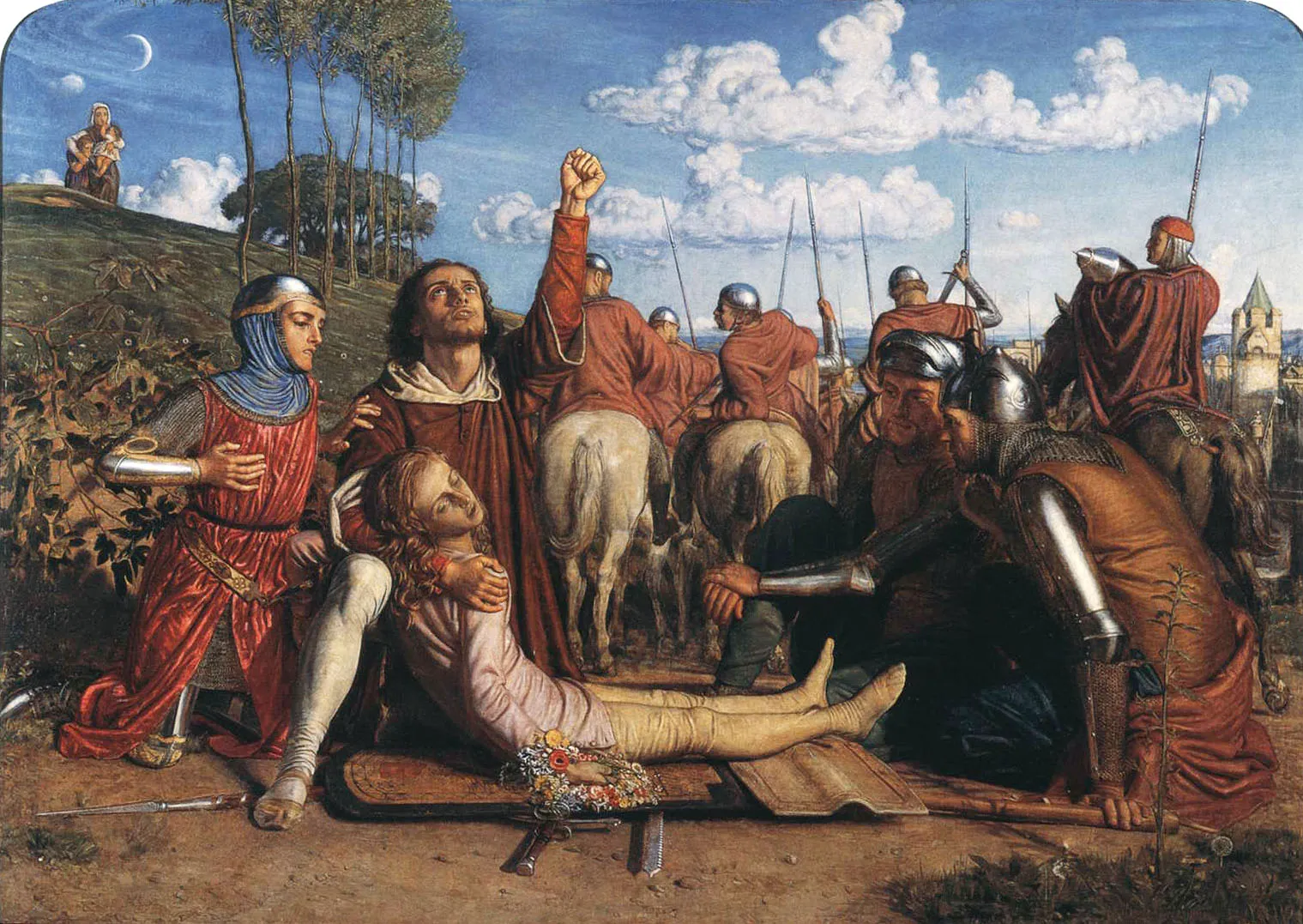
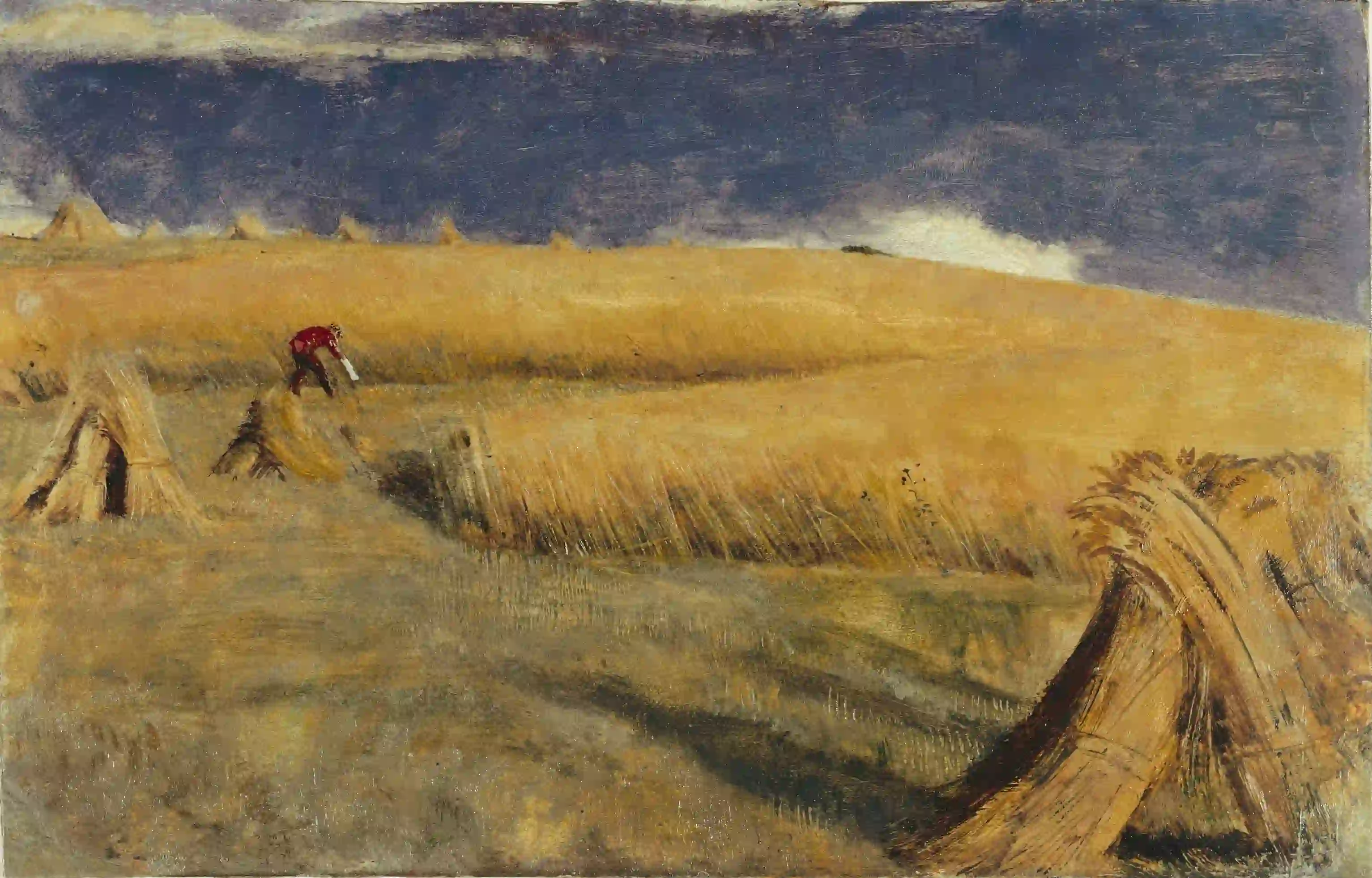
William Holman Hunt’s "Claudio and Isabella" exemplifies the artist’s meticulous technique and attention to detail in oil on canvas. Each brushstroke reveals Hunt’s dedication to realism and emotion, hallmarks of the Romanticism movement. The interplay of light and shadow brings the figures to life, while the rich textures enhance the painting’s narrative power. Art lovers may also appreciate the technical brilliance in Hunt’s other works, such as "Cornfield at Ewell" and "Rienzi Vowing to Obtain Justice."
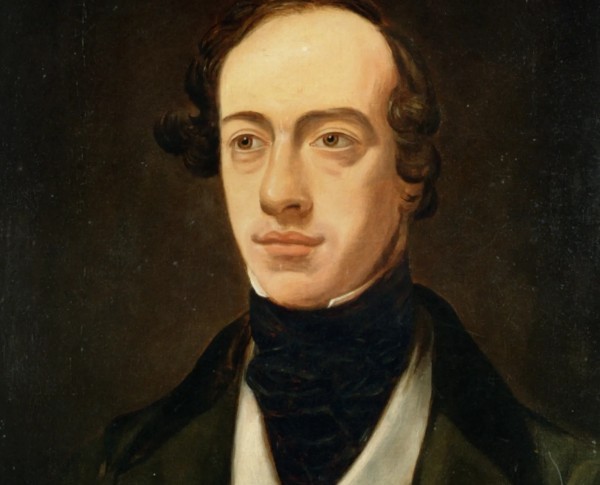
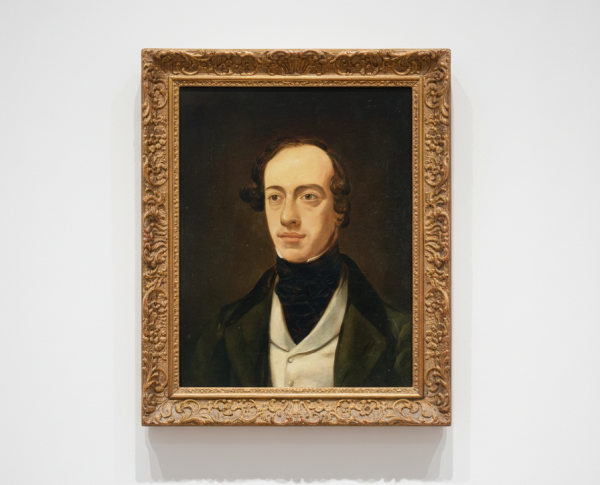
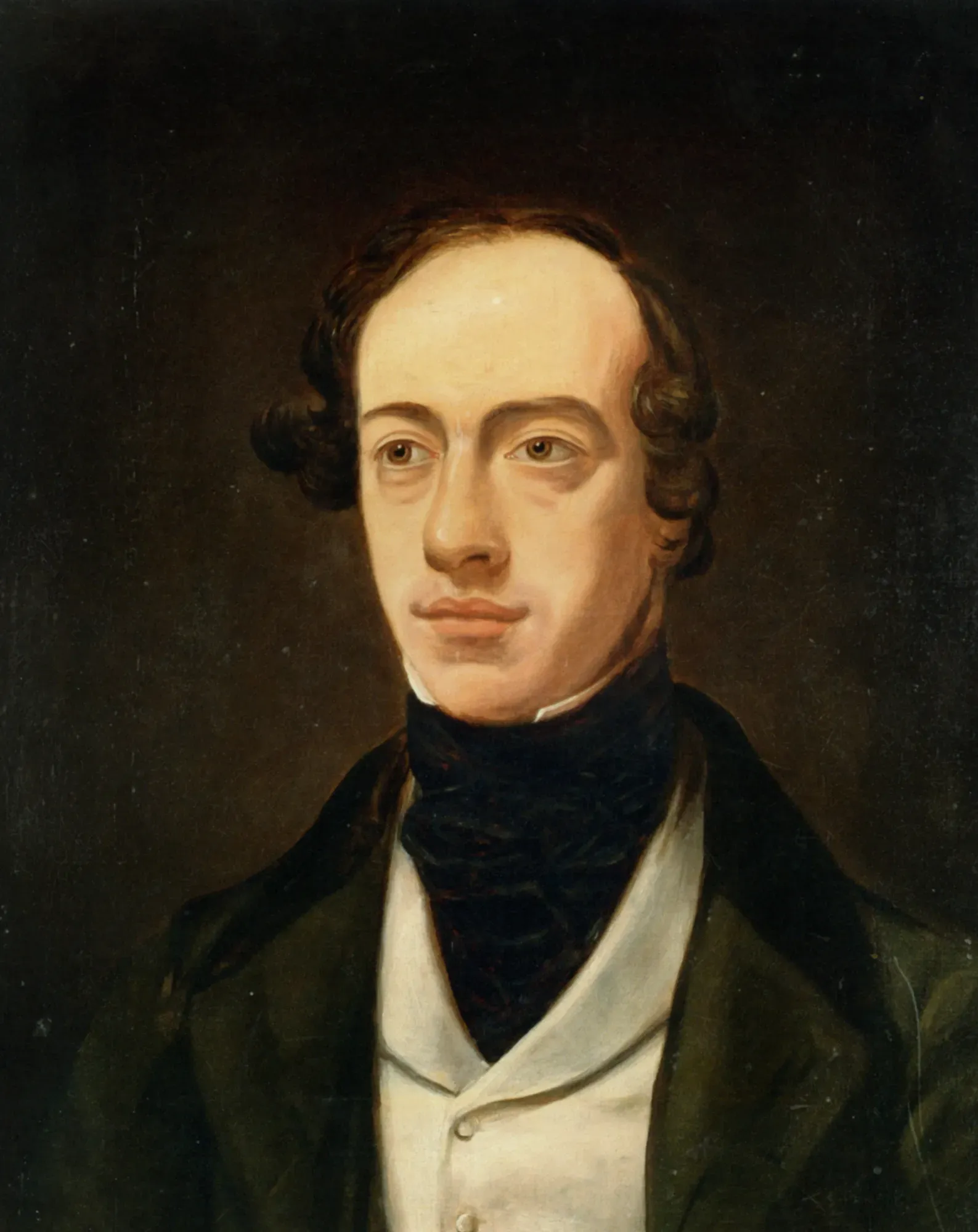
In "Claudio and Isabella," Hunt uses symbolism and storytelling to convey themes of virtue and sacrifice, hallmark traits of the Romanticism movement. The fine art painting for sale draws viewers into the poignant moment between the siblings, capturing their moral struggle. Hunt’s ability to infuse narrative depth into his paintings invites comparisons with his other masterpieces, including "Rienzi Vowing to Obtain Justice for the Death of his Young Brother" and "Portrait of William Pink," both rich in symbolic meaning.
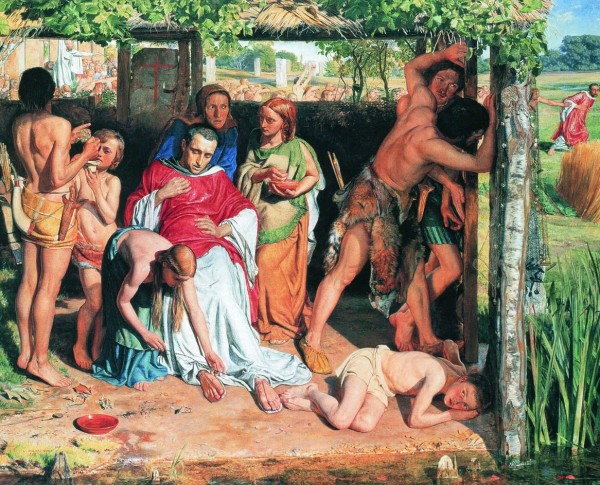
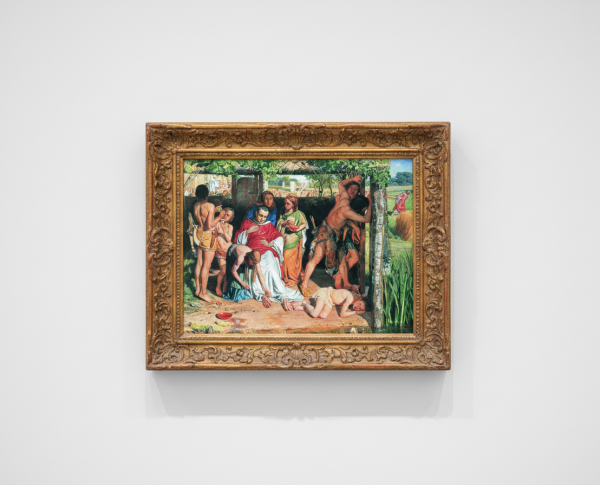
Owning "Claudio and Isabella" by William Holman Hunt is a unique opportunity for any art collector seeking a hand-painted oil painting from the Romanticism era. This evocative work stands alongside other sought-after pieces such as "A Converted British Family Sheltering a Christian Priest from the Persecution of the Druids" and "Cornfield at Ewell." As a fine art painting for sale, it not only enhances a collection but also preserves the enduring legacy of Hunt and the Romanticism movement.
When Art Meets History
"Claudio and Isabella" by William Holman Hunt stands as a testament to the Romanticism movement, capturing the spirit of dramatic storytelling through visual art. Created as a hand-painted oil painting, it draws inspiration from Shakespeare’s "Measure for Measure," weaving history and literature together. Alongside works like "The Hay Wain, 1821" and "Fog," Hunt’s masterpiece invites viewers to explore the intersection of narrative and emotion, making it a significant piece in the world of fine art.
Techniques That Speak
William Holman Hunt’s use of oil on canvas in "Claudio and Isabella" brings a striking realism and depth to the figures and their surroundings. The meticulous brushwork and vibrant colors are hallmarks of Romanticism, echoing the finesse seen in related paintings such as "Light and Colour (Goethe's Theory) – The Morning after the Deluge – Moses Writing the Book of Genesis." Hunt’s technical mastery elevates this oil on canvas to a compelling visual experience, capturing the essence of his era.
Emotions on Display
The emotional intensity in "Claudio and Isabella" is palpable, as William Holman Hunt masterfully conveys the internal struggles of his subjects. This fine art painting for sale resonates with viewers, much like "Deer on the Prairie" or "Tethys Immerses Achilles in the Waters of the Styx," by expressing vulnerability, hope, and despair. The Romanticism movement thrives on such emotive storytelling, and Hunt’s work remains a powerful example of art’s ability to evoke deep feeling.
Coveted by Collectors
Collectors and enthusiasts of Romanticism highly value "Claudio and Isabella" for its historical relevance and exquisite artistry. As a hand-painted oil painting, it stands alongside masterpieces like "Fog" and "The Hay Wain, 1821" in prestigious collections. William Holman Hunt’s dedication to narrative and detail ensures that this work remains a sought-after fine art painting for sale, embodying the enduring appeal of the Romanticism movement in today’s art market.
Related Romanticism Hand-Painted Oil Paintings by Other Artists
Other Famous Romanticism Artists:
Frequently Asked Questions About Claudio and Isabella
What is the historical context of "Claudio and Isabella"?
"Claudio and Isabella," painted by William Holman Hunt in 1850, reflects the Pre-Raphaelite Brotherhood's commitment to realism and detail, emerging during the Victorian era when art was increasingly used to convey moral and social messages.
What themes are explored in "Claudio and Isabella"?
The painting explores themes of love, sacrifice, and the tension between desire and duty, encapsulating the emotional struggles of the characters within a narrative framework inspired by Shakespeare's "Measure for Measure."
What artistic techniques did Hunt use in this painting?
Hunt employed meticulous attention to detail, vibrant colors, and a focus on naturalism, characteristic of the Pre-Raphaelite style, to create a vivid and immersive scene that draws the viewer into the emotional depth of the narrative.
What is the significance of the characters Claudio and Isabella?
Claudio represents the consequences of moral failure, while Isabella embodies virtue and the struggle for justice, highlighting the moral dilemmas faced in society and the personal sacrifices made in the name of love.
How does the composition of the painting contribute to its meaning?
The composition, with its dynamic poses and intimate proximity of the figures, enhances the emotional intensity of the scene, emphasizing the conflict between Claudio's desperation and Isabella's moral fortitude.
What role does symbolism play in "Claudio and Isabella"?
Symbolism is prevalent in the painting, with elements such as the contrasting colors representing moral dichotomies, and the setting serving as a backdrop that reflects the societal constraints faced by the characters.
How does "Claudio and Isabella" reflect Pre-Raphaelite ideals?
The painting exemplifies Pre-Raphaelite ideals through its emphasis on detailed realism, emotional expression, and the use of literary themes, aiming to evoke a deeper understanding of human experience and morality.
What influence did "Claudio and Isabella" have on later art movements?
This work influenced later movements by reinforcing the importance of narrative and emotional depth in art, paving the way for Symbolism and other movements that sought to explore complex human experiences through visual storytelling.
What materials and techniques did Hunt use for this painting?
William Holman Hunt used oil on canvas, employing a technique that involved layering glazes to achieve luminosity and depth, which was a hallmark of his meticulous approach to painting.
Where can "Claudio and Isabella" be viewed today?
"Claudio and Isabella" is part of the collection at the Tate Britain in London, where it continues to be appreciated for its artistic and historical significance within the Pre-Raphaelite movement.























_GFM_Painting_(1).webp)


 100% Hand-Painted: Finished in 3-6 Weeks

.png)
















_(1).webp)