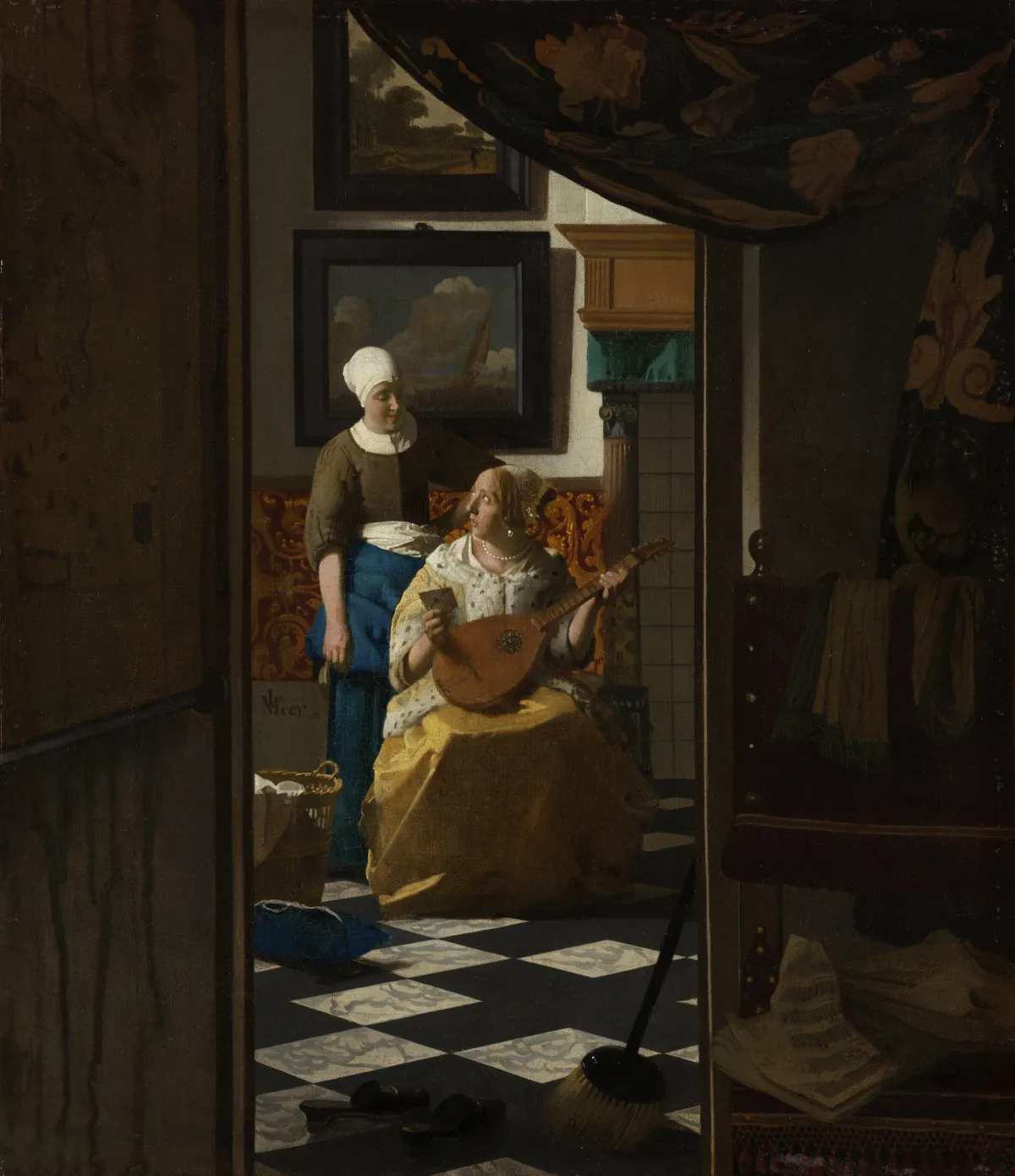
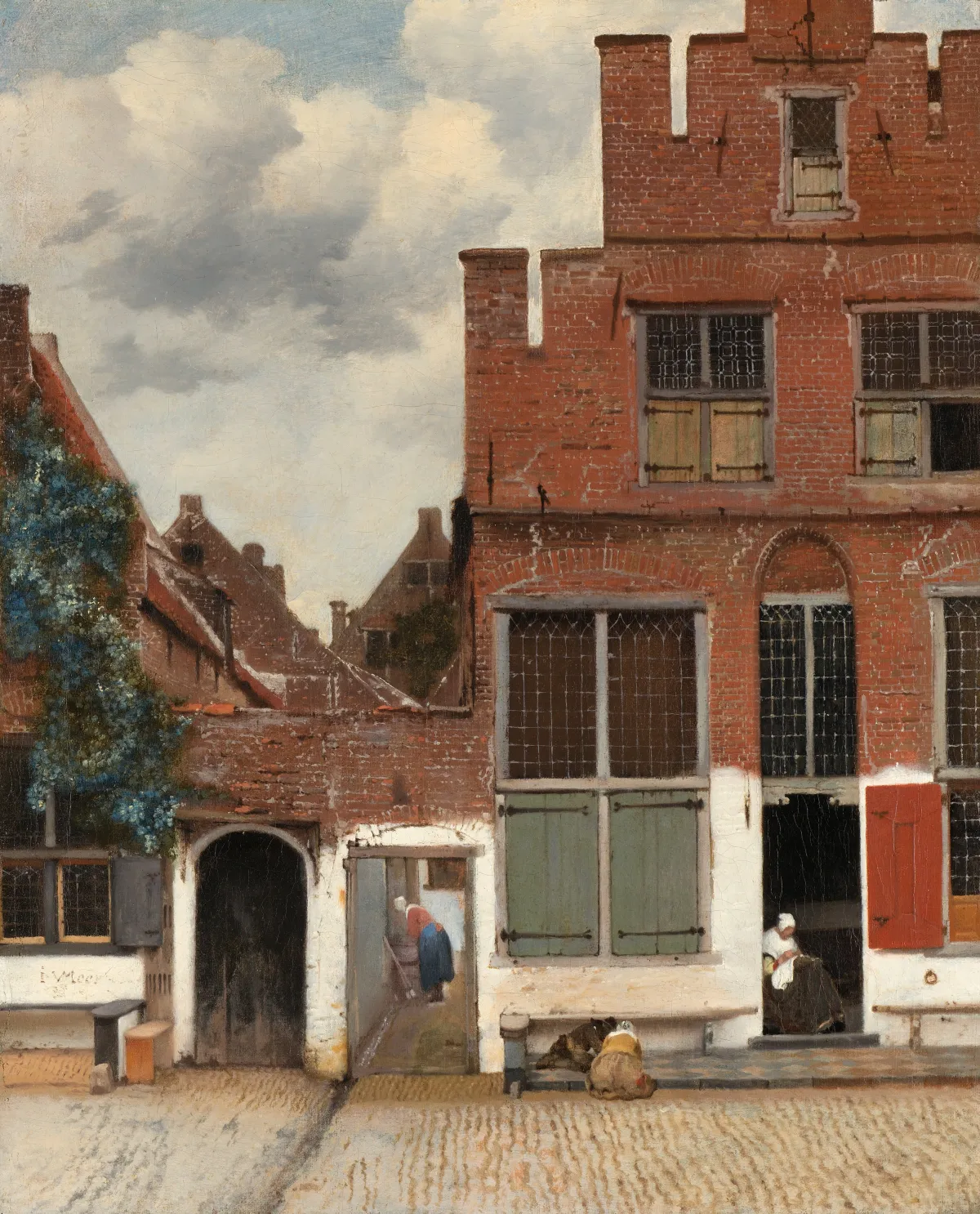
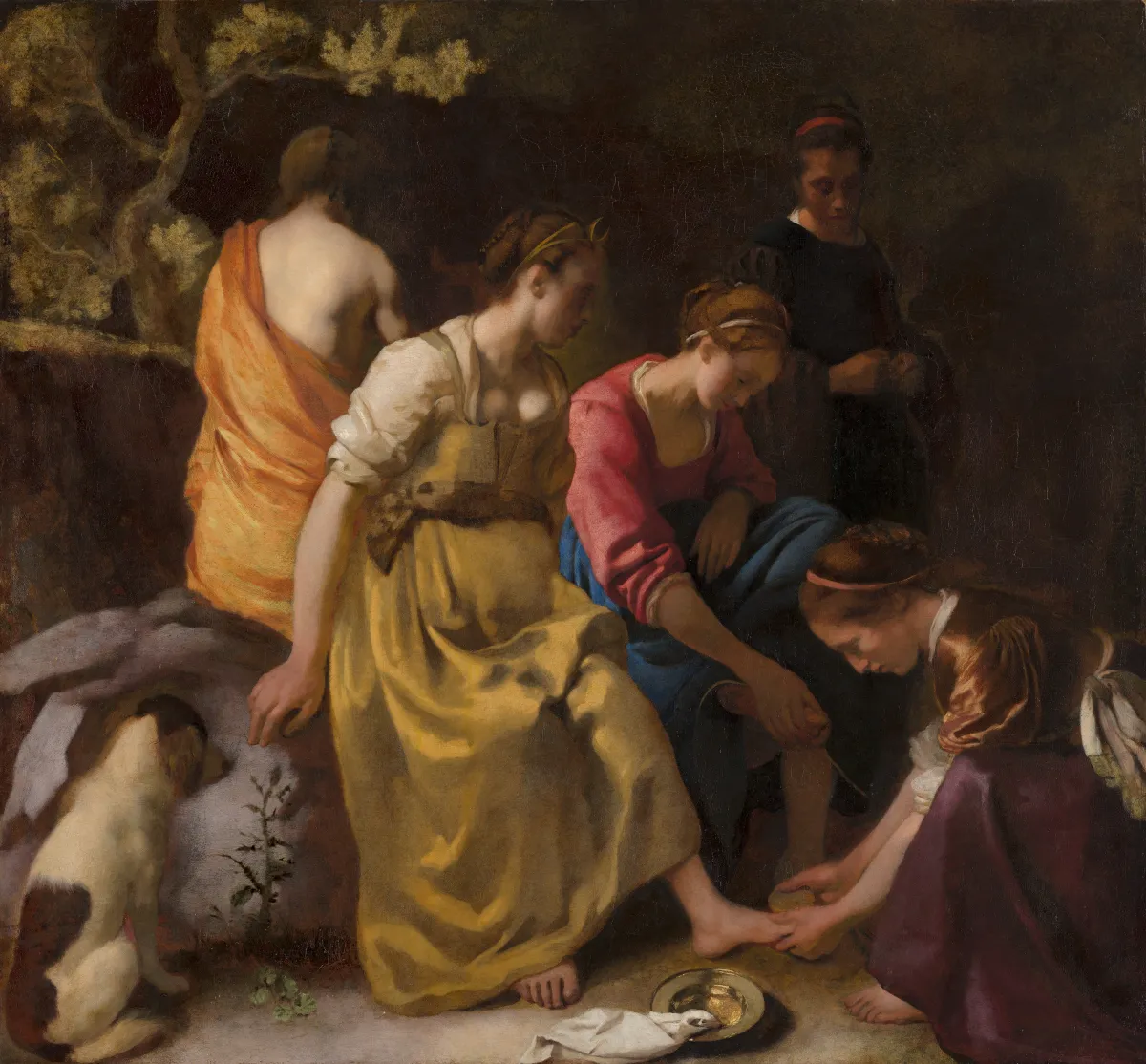
"The Little Street" showcases Vermeer’s extraordinary technique, characterized by his expert use of oil on canvas to create luminous textures and subtle details. The artist’s mastery is evident in the careful rendering of brickwork and the interplay of light and shadow. As a quintessential Dutch Golden Age piece, it stands alongside masterpieces like "Woman with a Pearl Necklace" and "Diana and her Nymphs", embodying the era’s dedication to realism and technical brilliance.
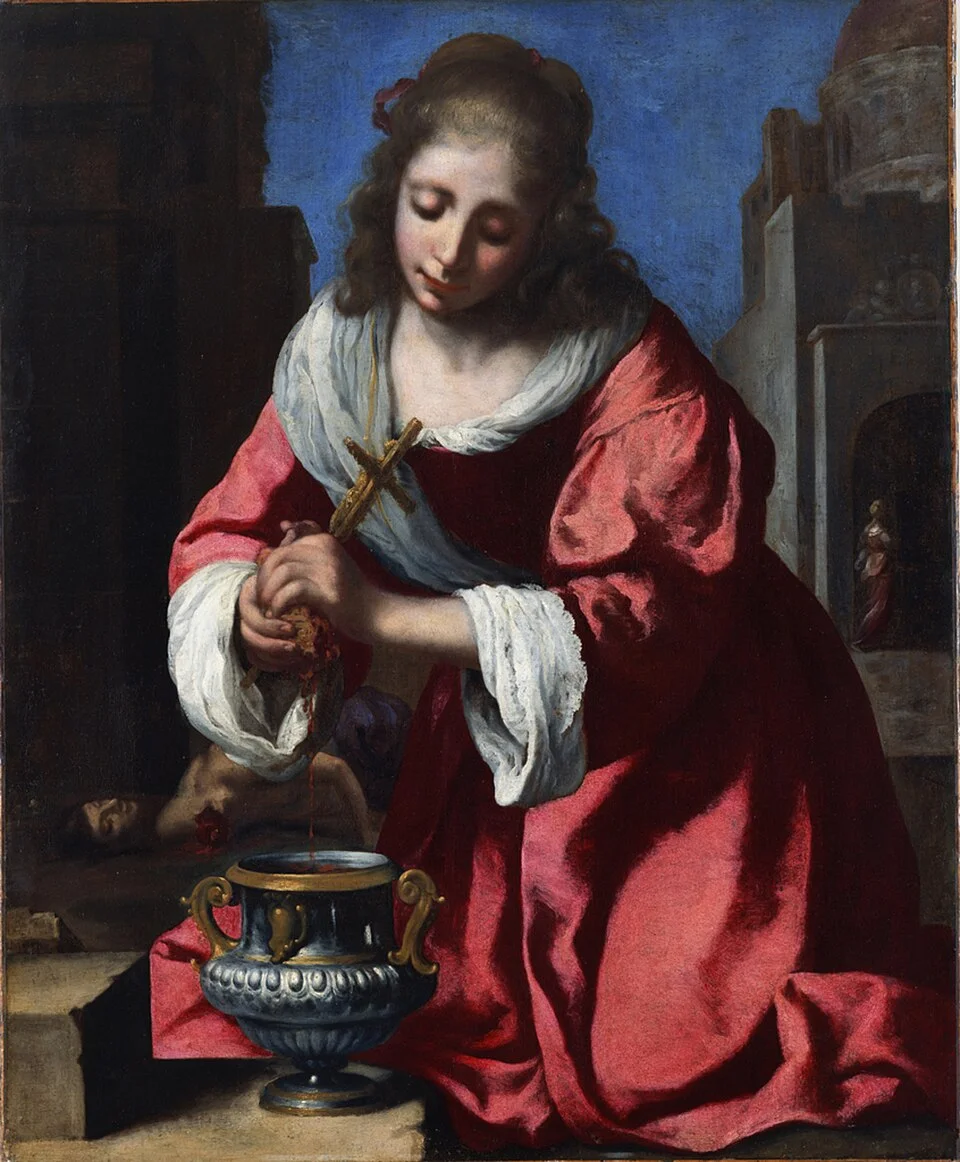
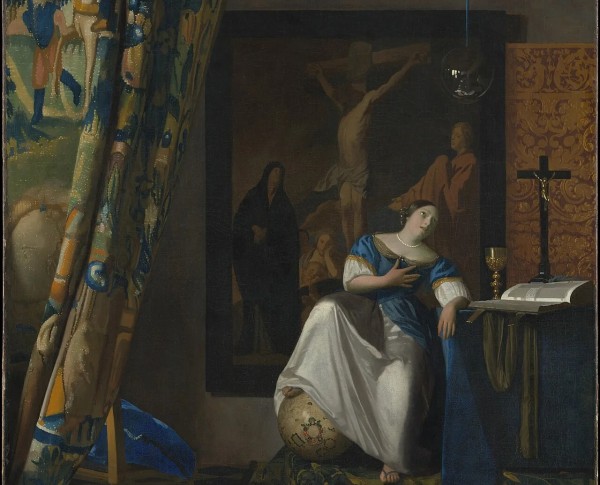
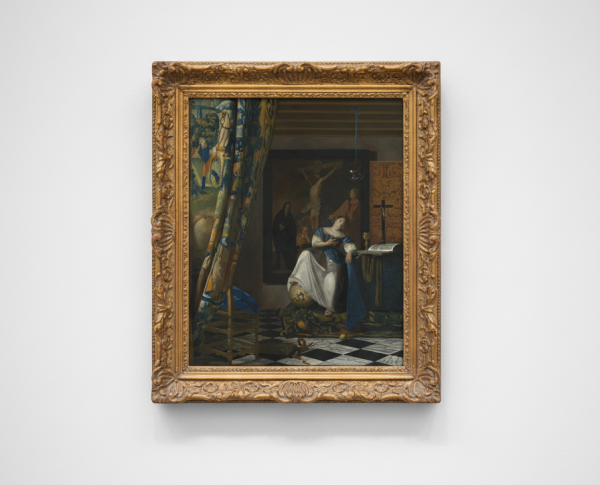
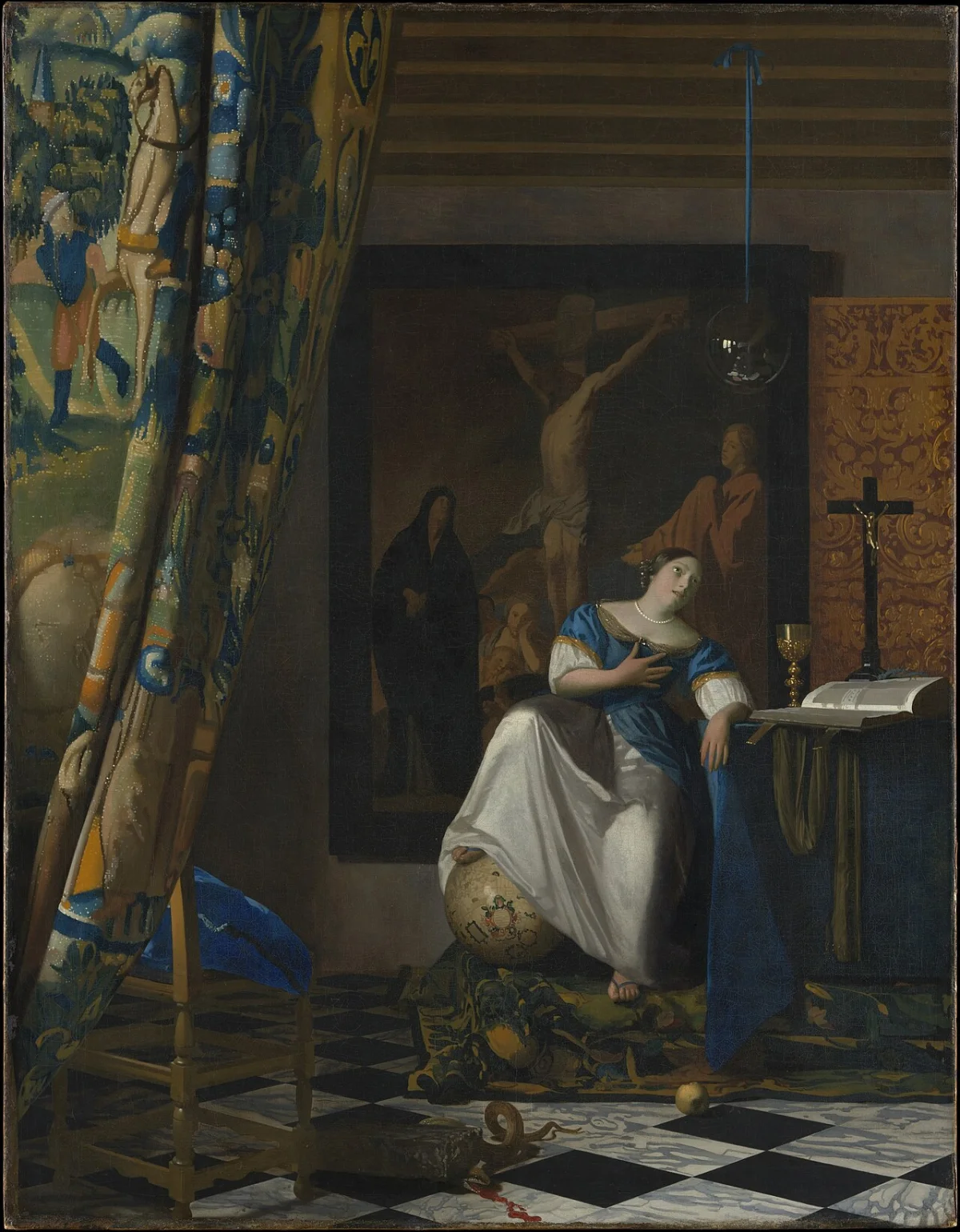
Every element in "The Little Street" tells a story, from the domestic activities to the architectural details that hint at daily life in Delft. As a fine art painting for sale, it invites viewers to interpret the subtle symbolism Vermeer wove into his work, much like in "Allegory of the Catholic Faith" and "Saint Praxedis". The painting’s narrative depth is a testament to the artist’s ability to transform ordinary scenes into profound visual tales.
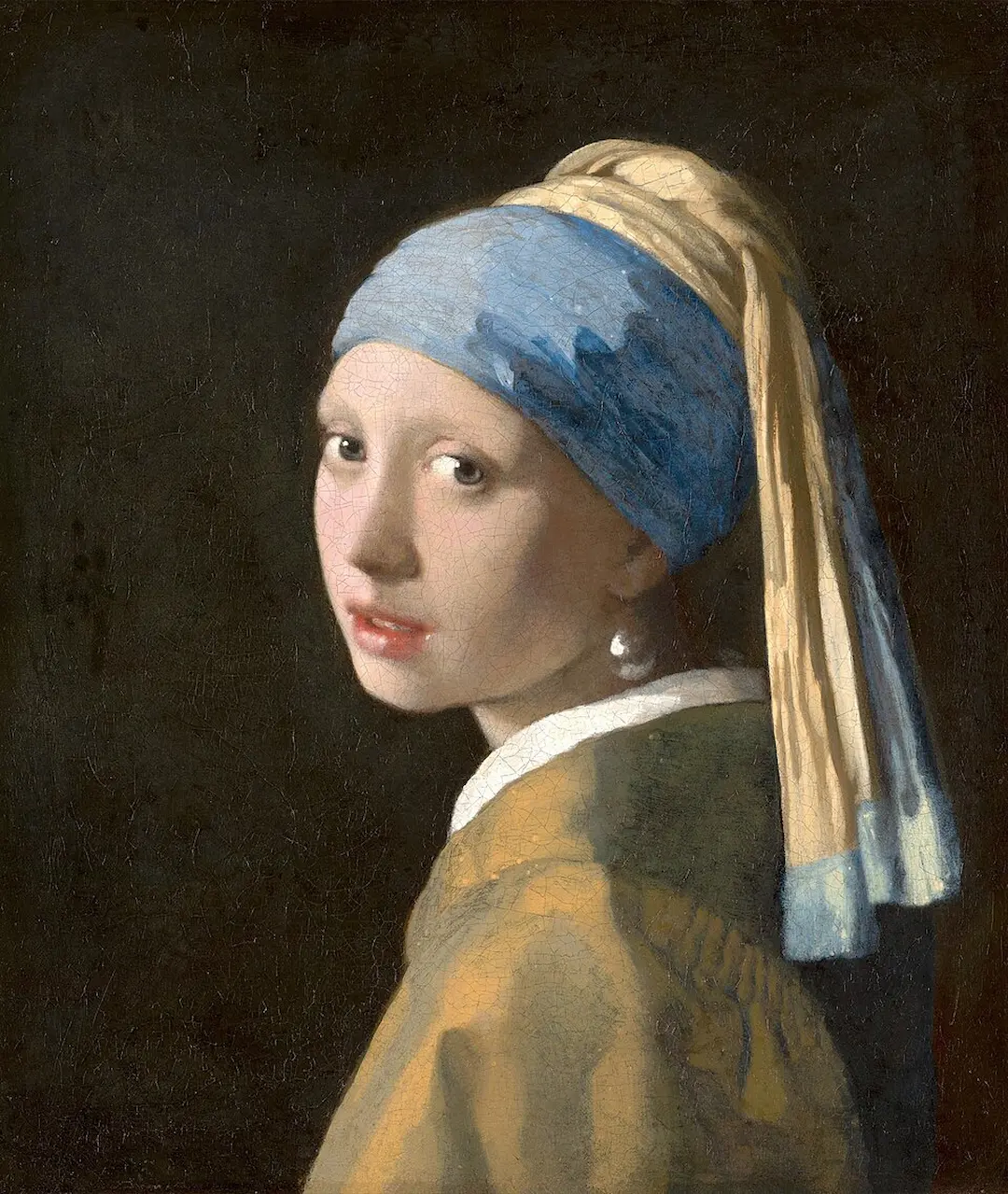
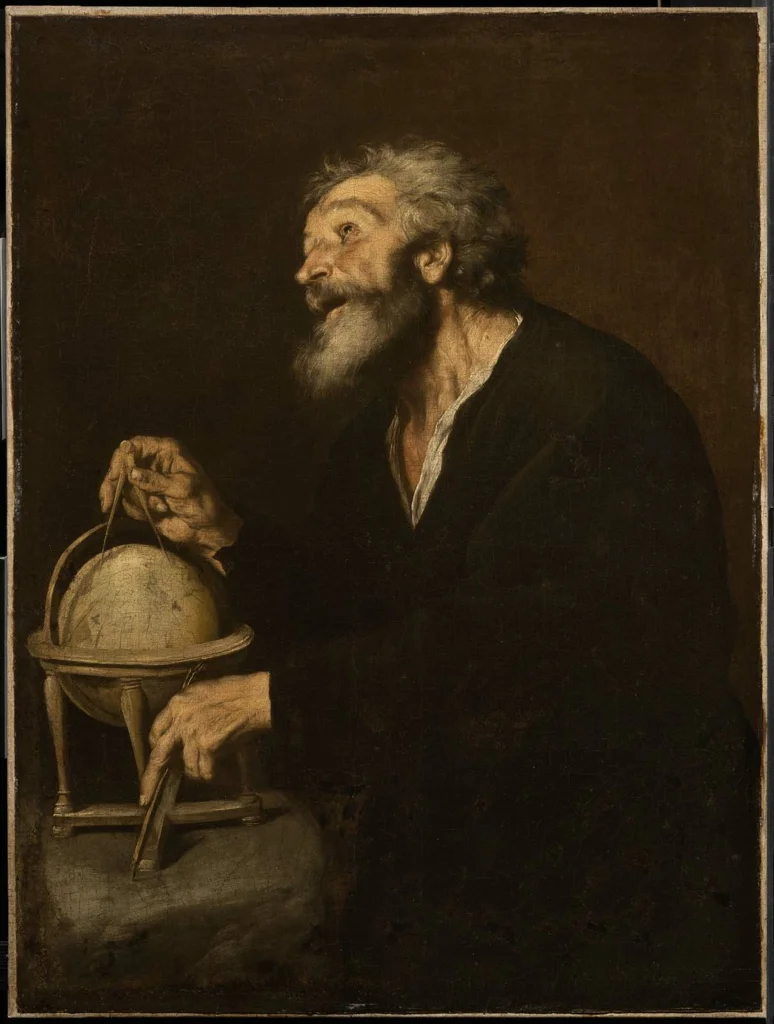
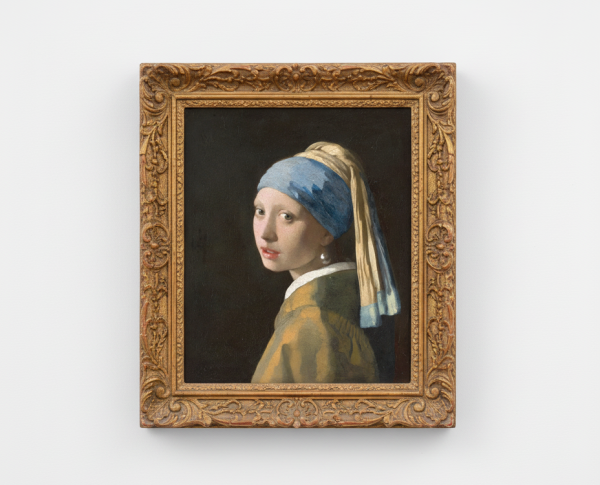
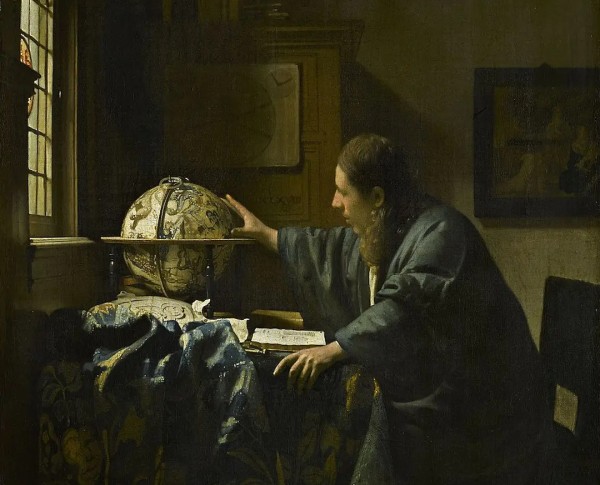
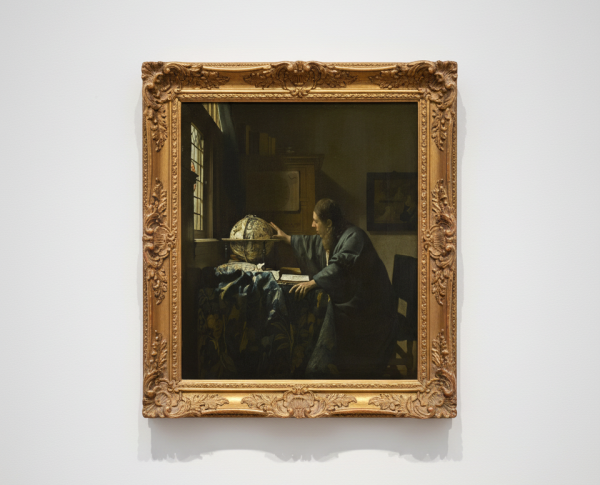
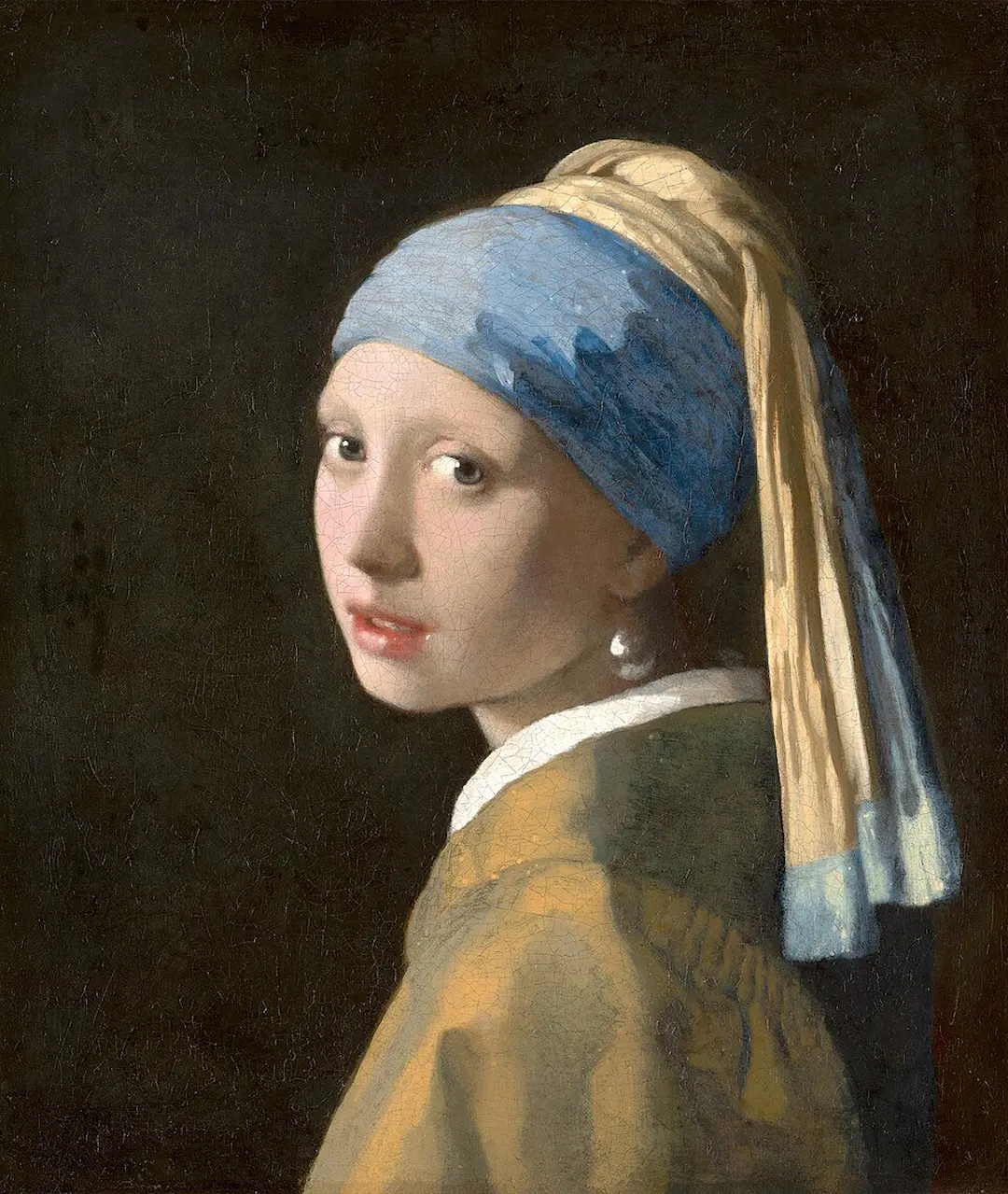
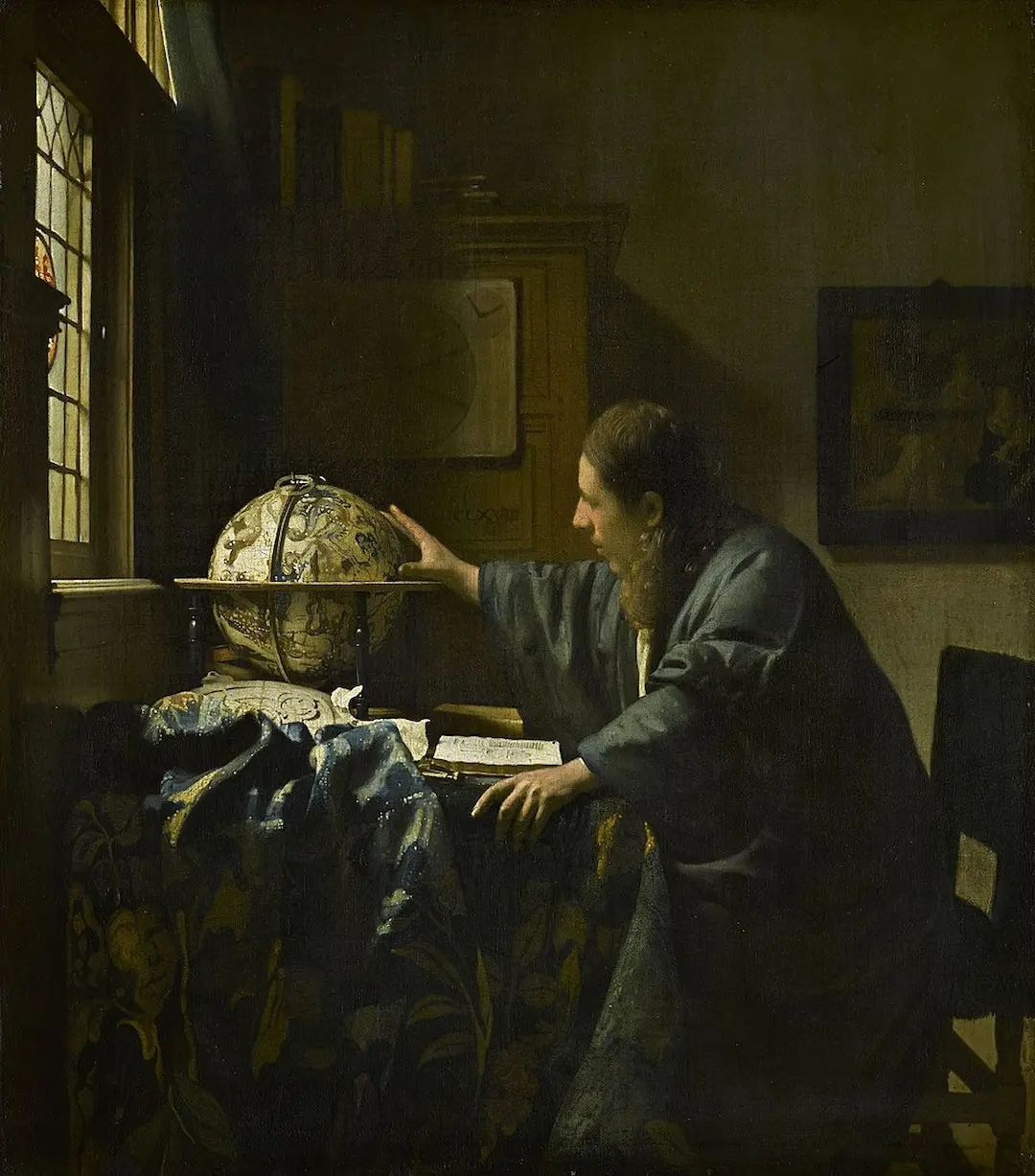
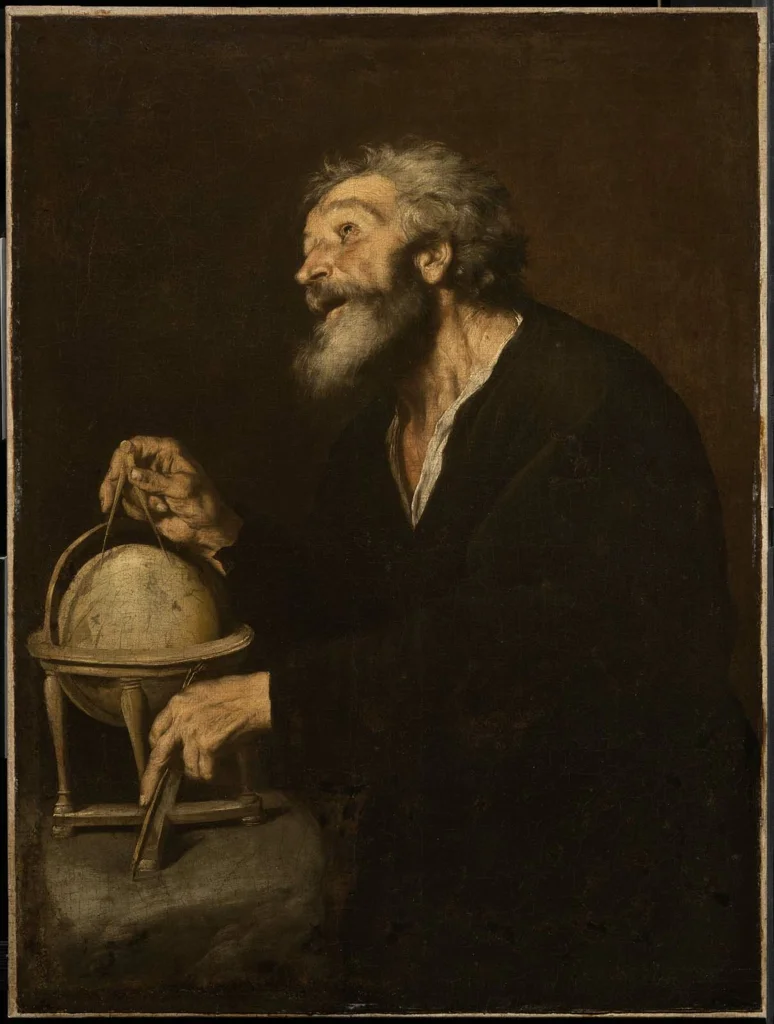
Owning "The Little Street" or any hand-painted oil painting by Jan Vermeer Van Delft offers a unique connection to the Dutch Golden Age. Collectors and art enthusiasts treasure such works for their historical significance and timeless beauty. Whether displayed alongside "The Astronomer c. 1668" or "Girl with a Pearl Earring c. 1665", this masterpiece enhances any collection, serving as a captivating centerpiece among fine art painting for sale.
When Art Meets History
"The Little Street" by Jan Vermeer Van Delft stands as a quintessential example of the Dutch Golden Age, a period renowned for its remarkable artistry and innovation. This hand-painted oil painting captures a quiet street scene in Delft, offering viewers a glimpse into 17th-century Dutch life. Alongside masterpieces like "The Night Watch" and "Man in a Golden Helmet c. 1650," Vermeer's work illustrates the era's fascination with domestic tranquility and subtle narrative, making it a significant piece in art history.
Techniques That Speak
Jan Vermeer Van Delft’s mastery is evident in "The Little Street," where his use of oil on canvas creates luminous textures and realistic details. His delicate brushwork and sophisticated play with light and shadow evoke a sense of intimacy and stillness. As in related works such as "Christ In The Storm On The Sea Of Galilee" and "Philosopher in Meditation 1632," Vermeer’s technical prowess sets his paintings apart, defining the Dutch Golden Age’s pursuit of realism and depth.
Emotions on Display
"The Little Street" invites viewers to experience the serene beauty of everyday life, a hallmark of Vermeer’s approach during the Dutch Golden Age. The painting’s subtle emotional resonance is akin to the introspection found in "The Return of the Prodigal Son c. 1669." Through his fine art painting for sale, Vermeer captures ordinary moments with extraordinary emotion, allowing us to connect deeply with the quiet dignity and warmth of the scene.
Coveted by Collectors
Collectors and art enthusiasts highly prize "The Little Street" for its historical significance and masterful execution. As a hand-painted oil painting, it exemplifies the refined artistry of Jan Vermeer Van Delft and the Dutch Golden Age. Alongside celebrated works like "The Night Watch," this piece remains a sought-after treasure, with its value and appeal further enhanced by its connection to other great paintings of the period, making it a true gem in any collection.
Related Dutch Golden Age Hand-Painted Oil Paintings by Other Artists
Other Famous Dutch Golden Age Artists:
Frequently Asked Questions About The Little Street
What is the historical significance of "The Little Street"?
"The Little Street," painted by Jan Vermeer van Delft in the 1650s, is significant as it provides a rare glimpse into the everyday life and urban landscape of 17th-century Delft, showcasing the artist's attention to detail and domestic scenes.
What artistic techniques did Vermeer employ in "The Little Street"?
Vermeer utilized a meticulous approach to composition, employing linear perspective and a harmonious color palette. His use of light and shadow enhances the three-dimensionality of the scene, drawing the viewer’s eye through the architecture.
What does "The Little Street" depict?
The painting depicts a quiet street in Delft, featuring a modest house and figures engaged in daily activities. It captures the essence of urban life during the Dutch Golden Age, emphasizing simplicity and tranquility.
How does "The Little Street" reflect Dutch culture of the 17th century?
The painting reflects the Dutch emphasis on domestic life and community, as well as the burgeoning middle class. It highlights the importance of home and the beauty found in ordinary moments, characteristic of Dutch genre painting.
What symbolism can be found in "The Little Street"?
The architecture and the figures in "The Little Street" symbolize stability and the importance of community. The open door invites viewers into the intimate world of the subjects, suggesting themes of hospitality and domesticity.
What role does light play in "The Little Street"?
Light plays a crucial role in "The Little Street," as Vermeer masterfully captures natural light filtering through the buildings. This technique enhances the realism of the scene and creates a warm, inviting atmosphere.
How does "The Little Street" compare to Vermeer's other works?
Compared to Vermeer’s other works, "The Little Street" is more focused on urban landscapes rather than interior scenes. It showcases his versatility as an artist while maintaining his signature attention to detail and light.
What is the significance of the colors used in "The Little Street"?
The color palette in "The Little Street" is characterized by soft, muted tones that evoke a sense of calm and harmony. Vermeer’s choice of colors enhances the naturalistic quality of the scene and reflects the aesthetic values of the time.
What techniques did Vermeer use to create depth in "The Little Street"?
Vermeer created depth in "The Little Street" through the use of overlapping elements, varying sizes of figures, and a receding perspective. These techniques guide the viewer’s eye into the painting, creating a sense of space and dimension.
What can we learn about Vermeer’s artistic philosophy from "The Little Street"?
"The Little Street" reflects Vermeer’s artistic philosophy of finding beauty in the mundane. His focus on everyday scenes suggests a deep appreciation for the ordinary aspects of life, elevating them to the level of fine art.























_GFM_Painting_(1).webp)


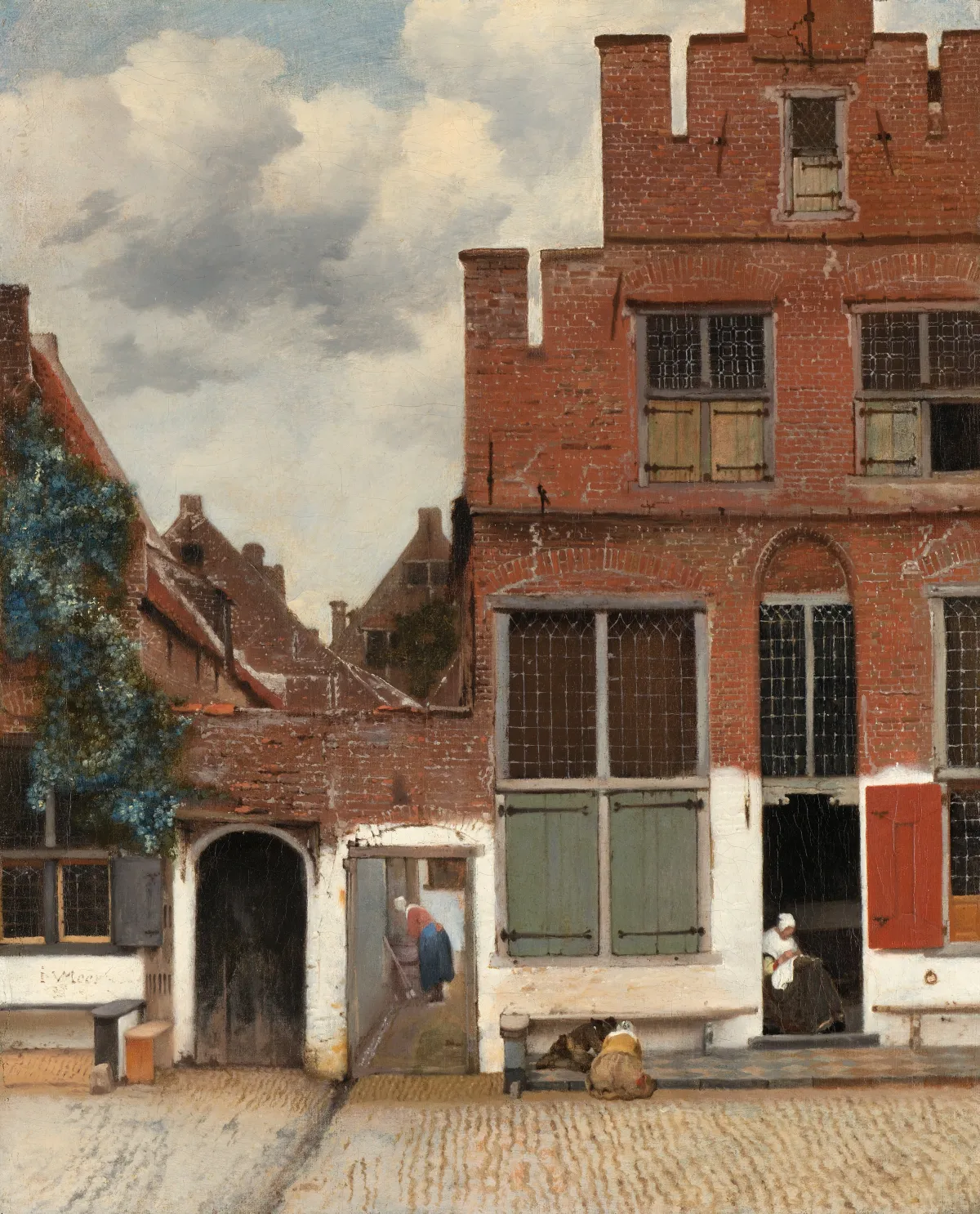
 100% Hand-Painted: Finished in 3-6 Weeks

.png)















_(1).webp)