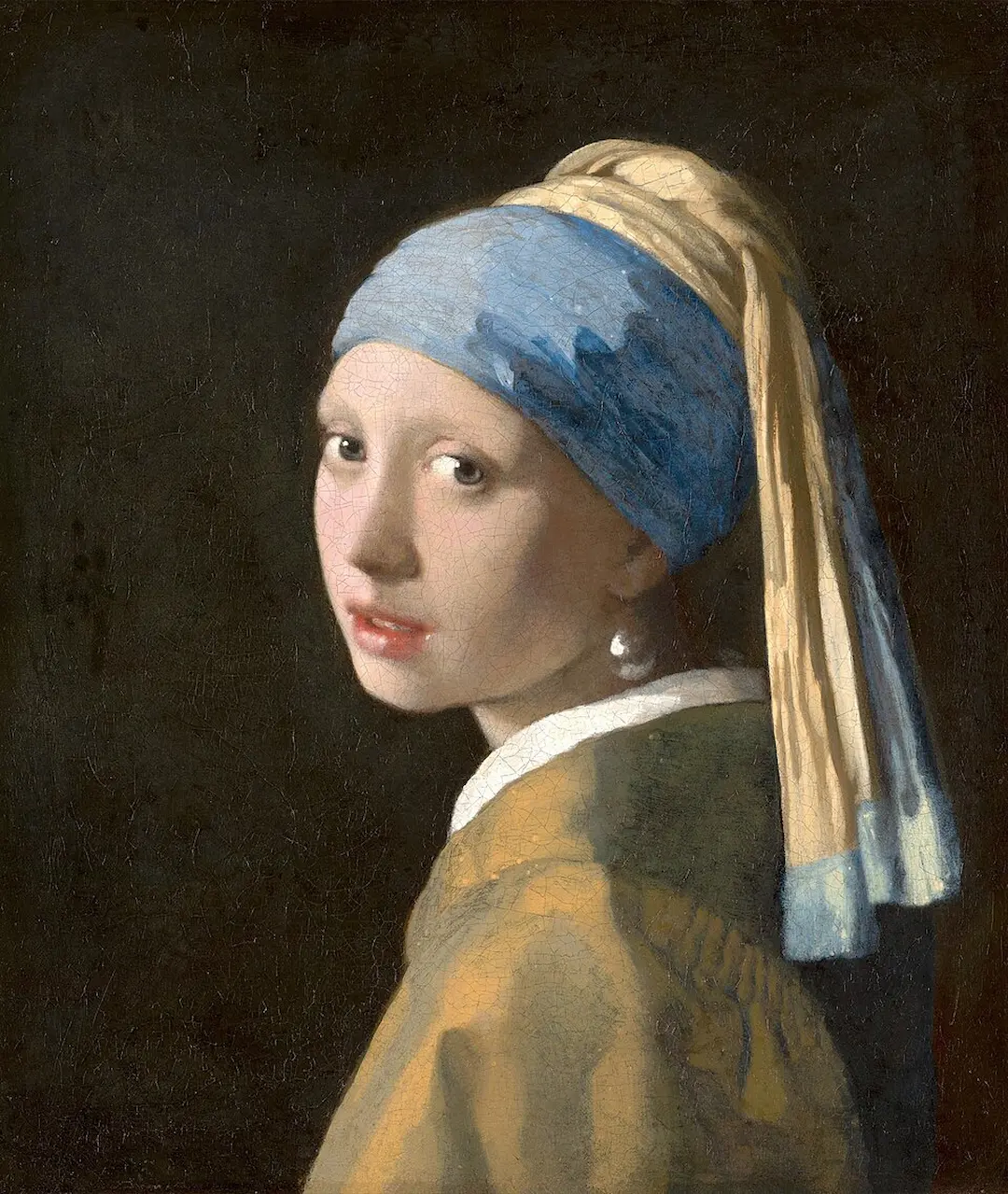
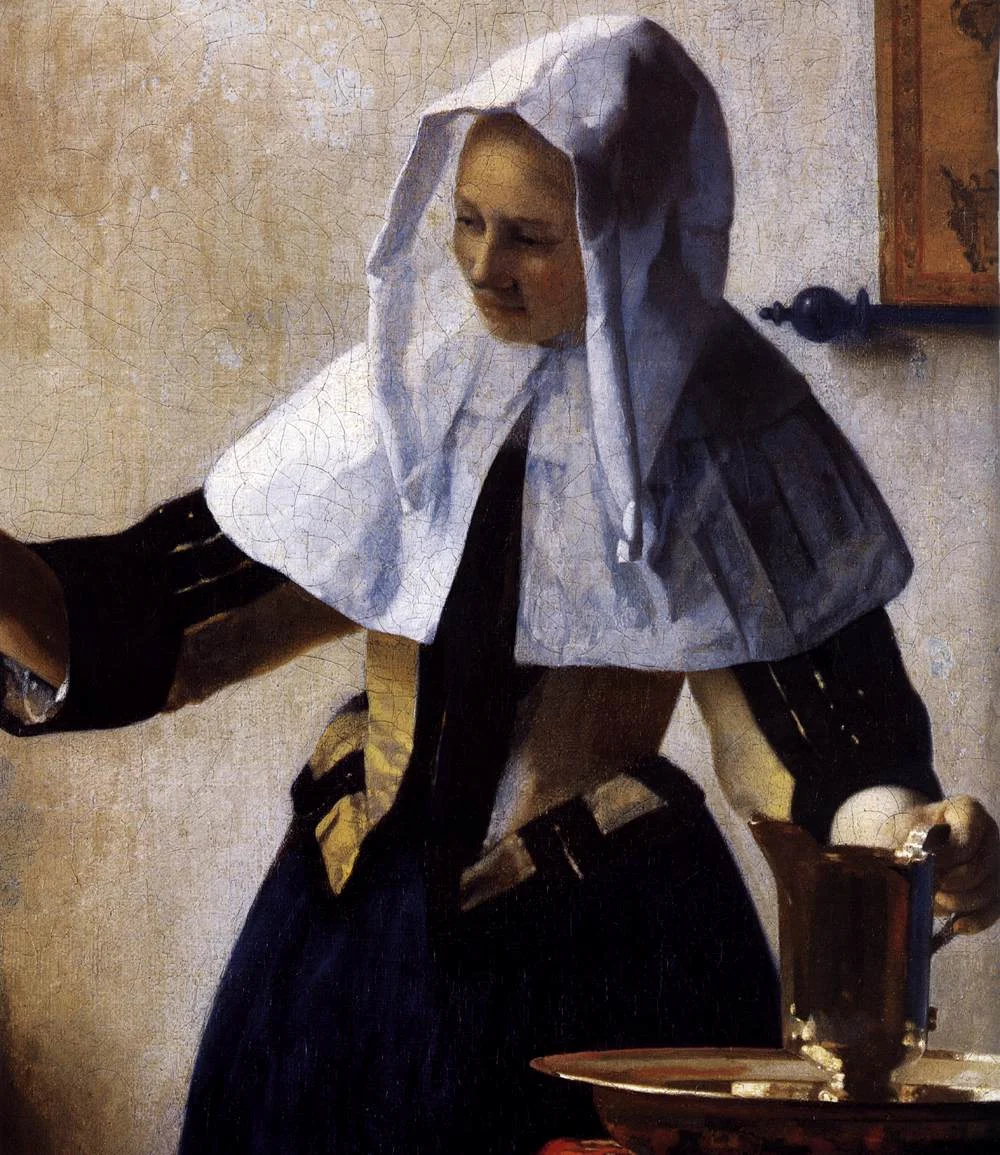
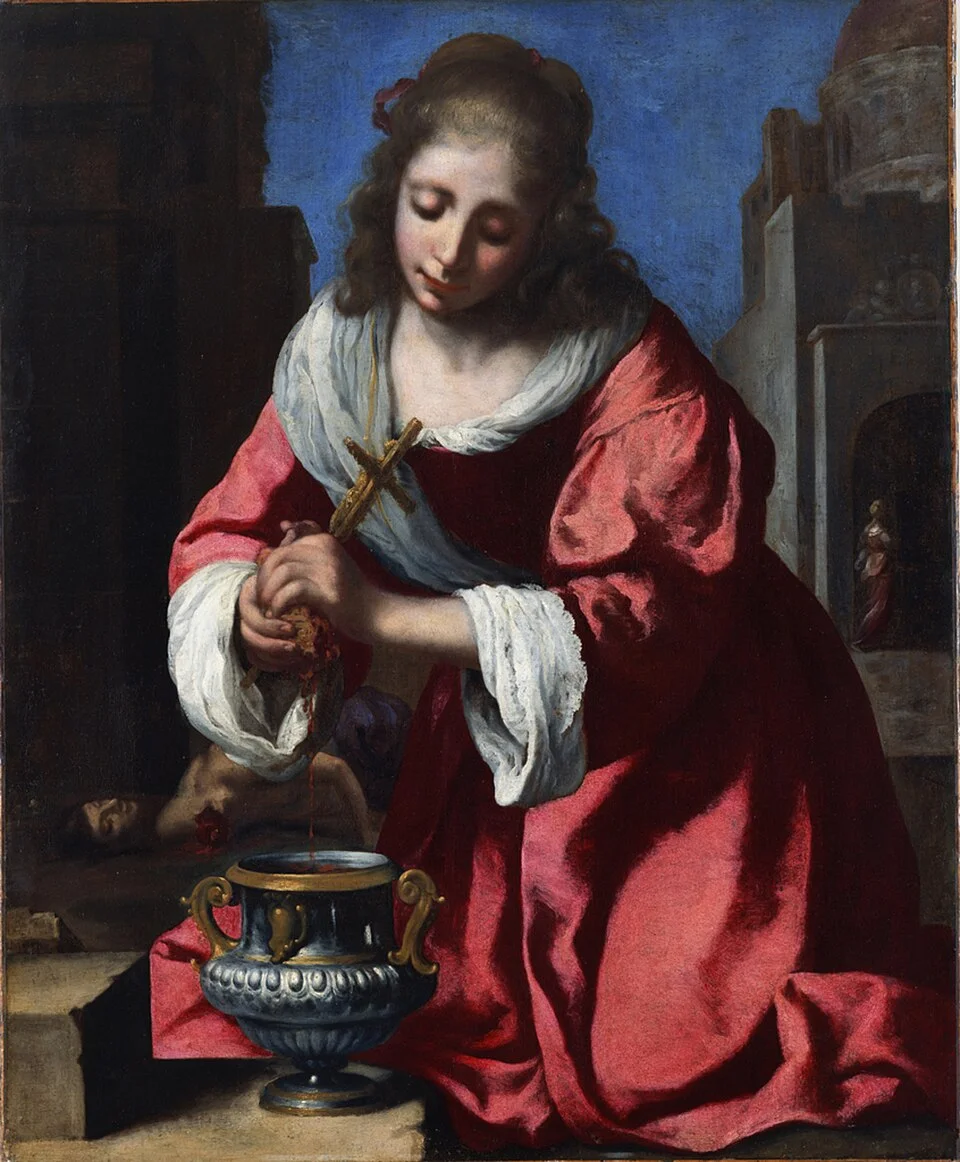
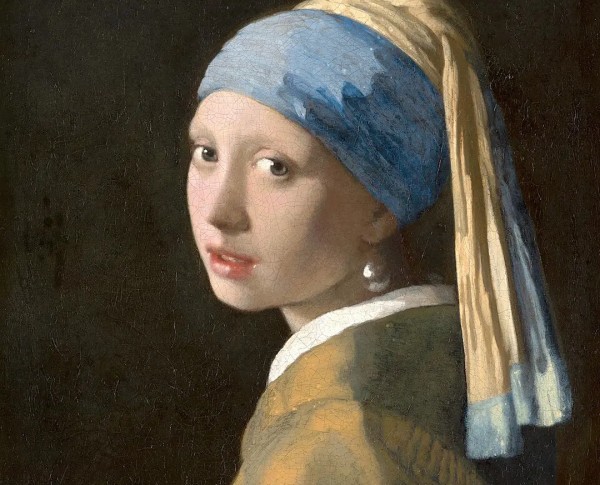
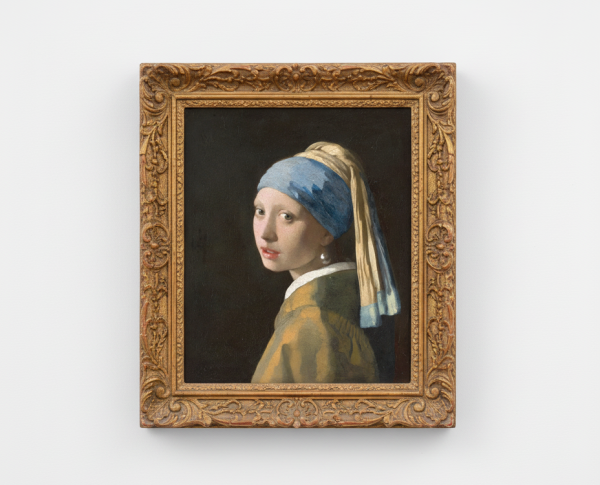
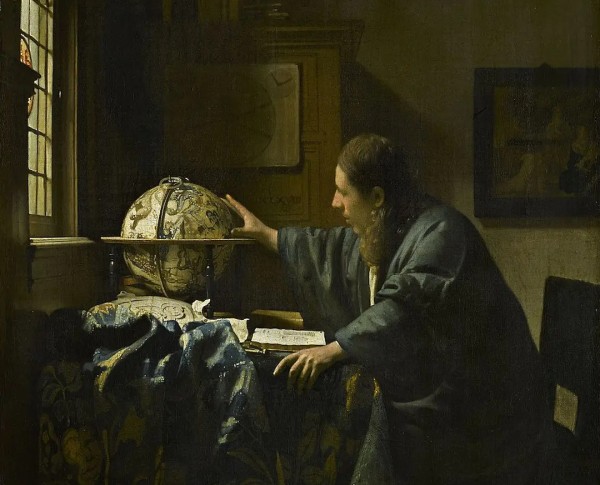
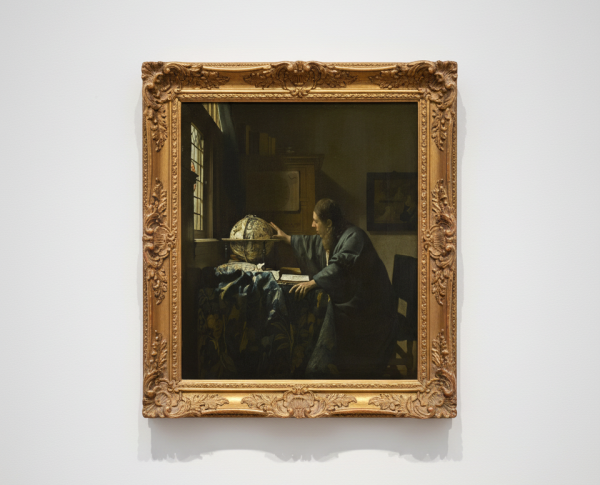
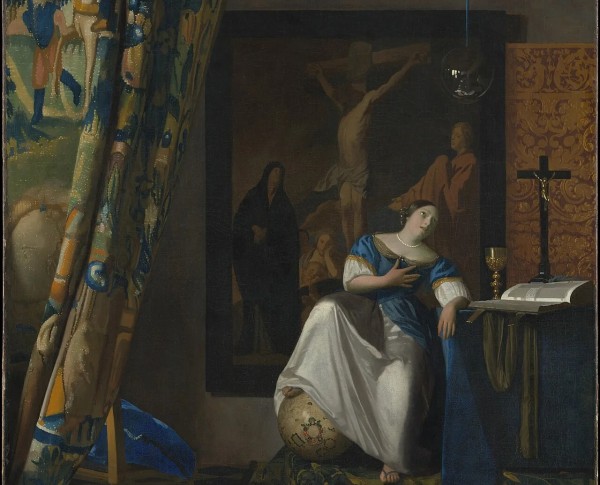
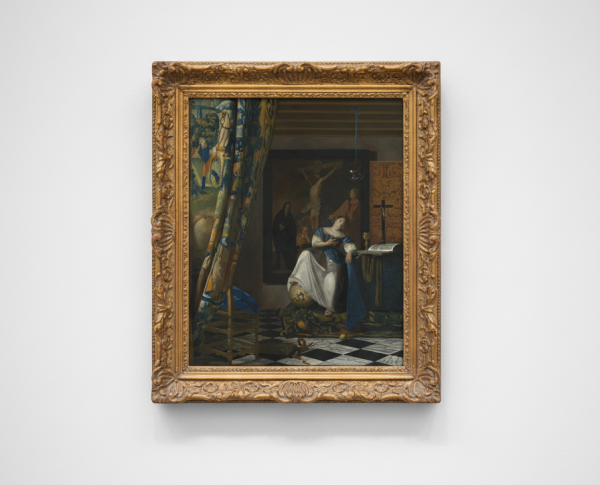
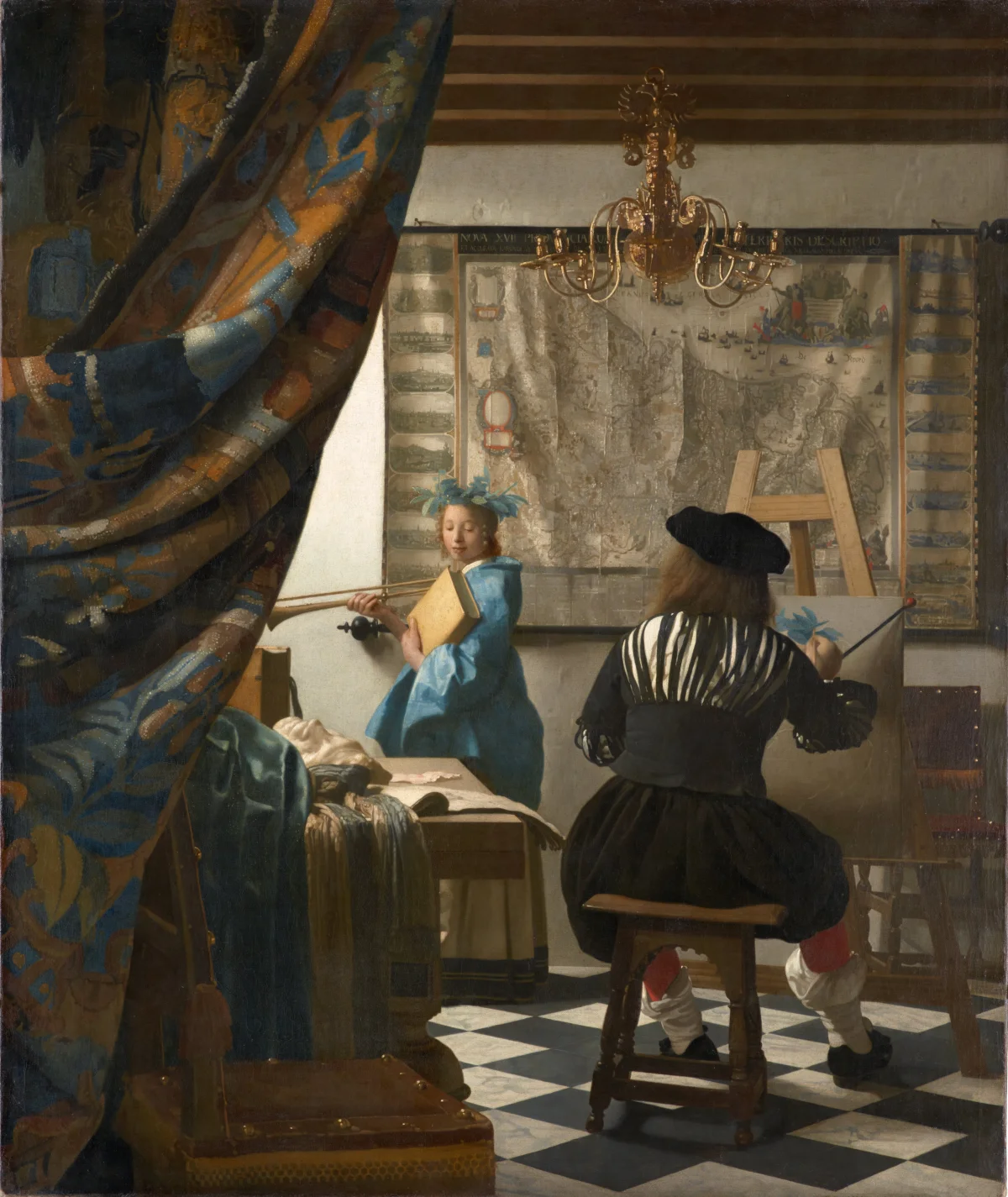
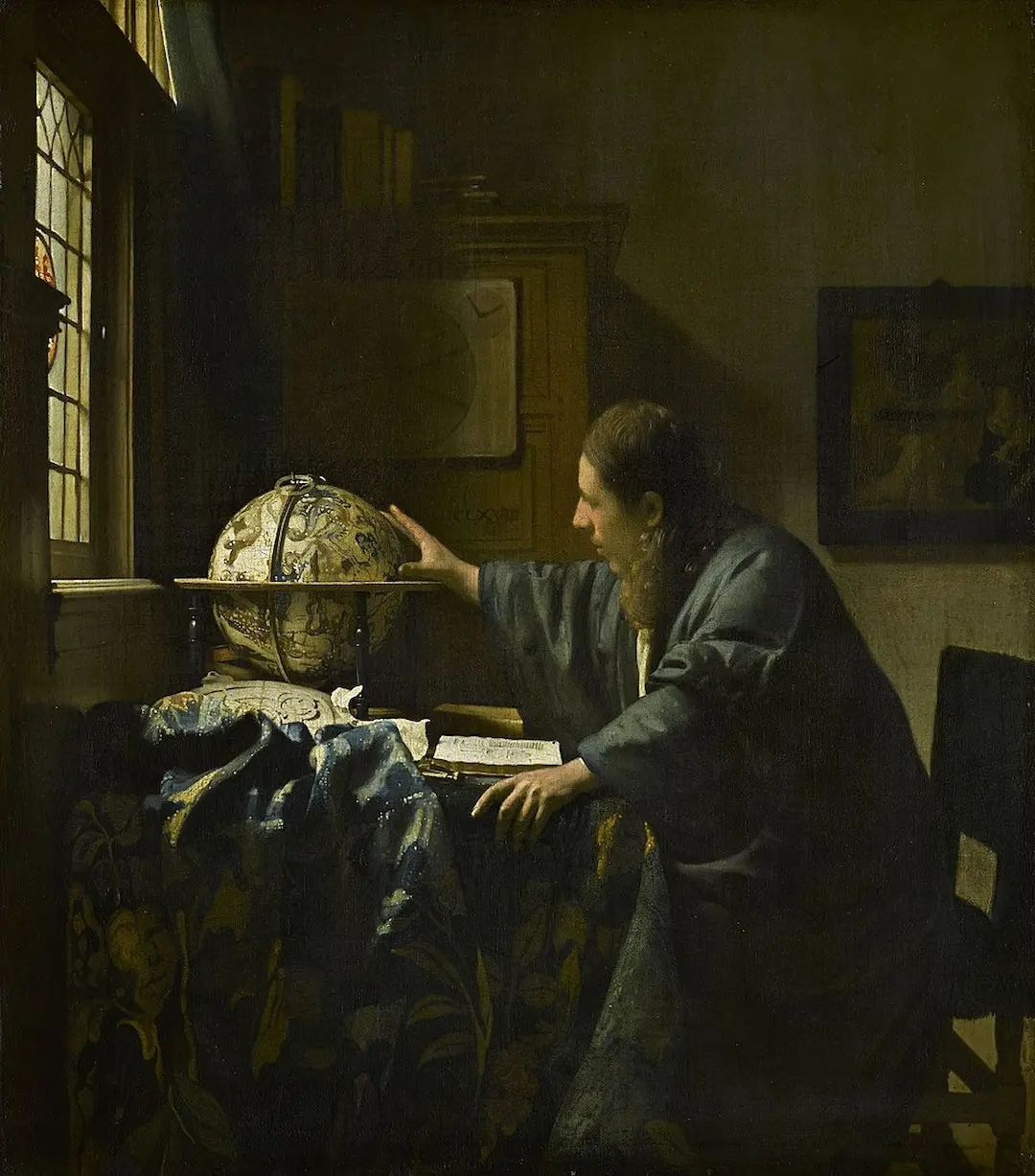
"The Art of Painting" showcases Vermeer’s exceptional technique, utilizing oil on canvas to create stunning realism and depth. The Dutch Golden Age movement is renowned for such technical brilliance, and Vermeer’s ability to capture textures and light is evident in every stroke. Collectors and enthusiasts often seek similar pieces, including "The Astronomer c. 1668" and "View of Delft," to experience the timeless beauty of oil on canvas artistry.
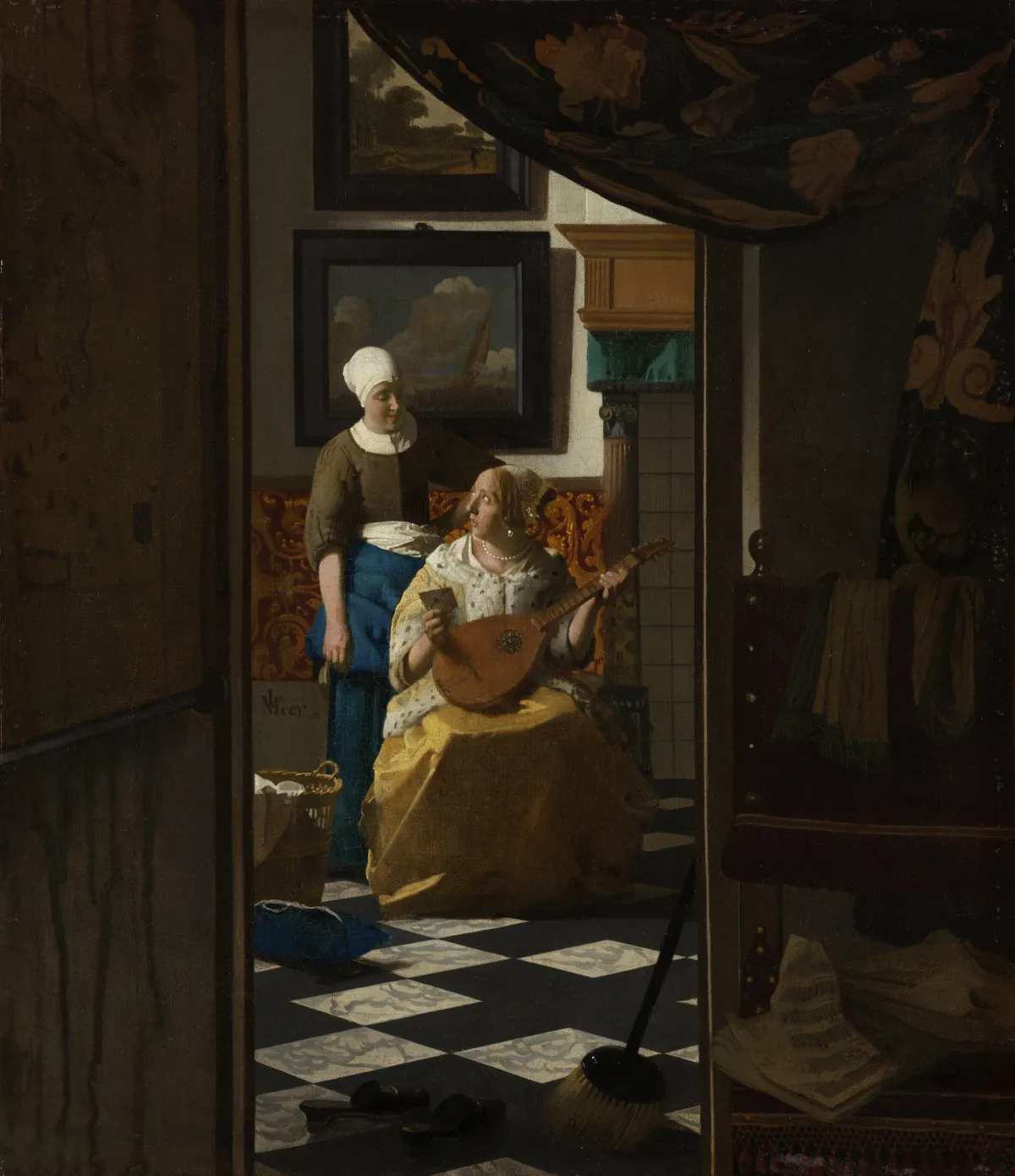
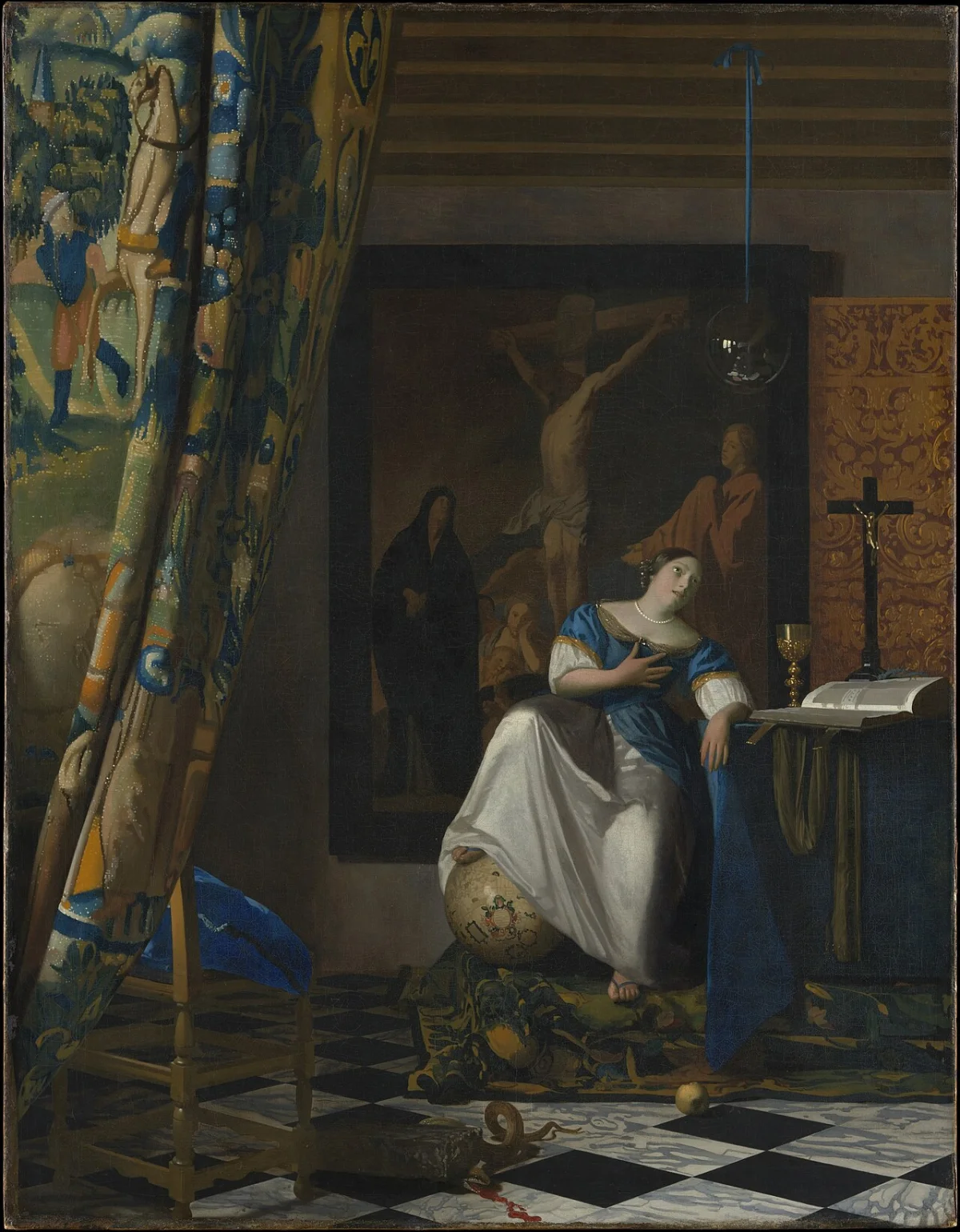
Every detail in "The Art of Painting" is rich with symbolism and narrative, hallmark traits of Dutch Golden Age art. The artist, Jan Vermeer Van Delft, invites viewers to interpret layers of meaning within his fine art painting for sale. Those intrigued by hidden stories often explore related masterpieces like "The Procuress" and "Woman with a Pearl Necklace," each offering a unique glimpse into the era’s culture and artistic innovation.
As one of the most admired works by Jan Vermeer Van Delft, "The Art of Painting" remains a coveted acquisition for connoisseurs of Dutch Golden Age art. This exquisite hand-painted oil painting not only exemplifies Vermeer’s genius but also complements collections featuring "The Astronomer," "The Geographer," and "View of Delft." Owning such a masterpiece is a testament to an appreciation for the finest traditions in art history.
When Art Meets History
"The Art of Painting" by Jan Vermeer Van Delft stands as an iconic masterpiece from the Dutch Golden Age movement. This hand-painted oil painting elegantly captures the creative process, bridging the realms of art and history. Vermeer’s work resonates alongside related paintings such as "Christ In The Storm On The Sea Of Galilee" and "The Night Watch," offering a glimpse into the era’s cultural richness. The artist’s attention to historical context makes this piece truly timeless.
Techniques That Speak
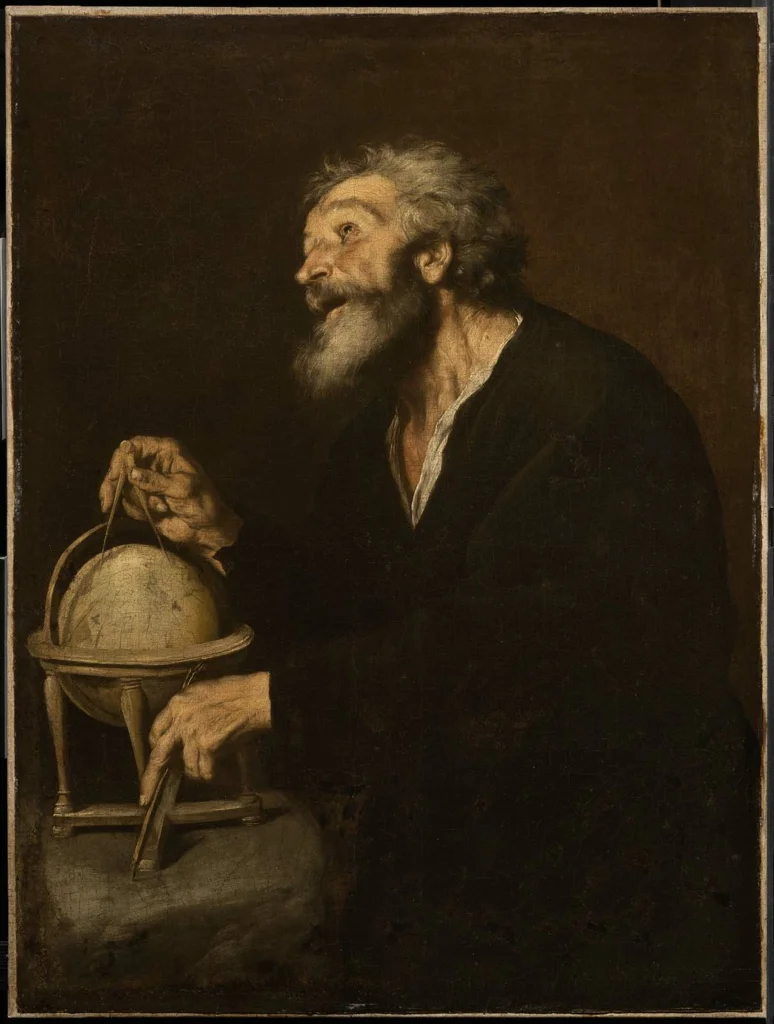
Jan Vermeer Van Delft’s mastery in "The Art of Painting" is evident through his meticulous oil on canvas technique. The luminous play of light, intricate textures, and delicate details showcase the signature style of the Dutch Golden Age. Similar techniques are admired in masterpieces like "Philosopher in Meditation 1632" and "Man in a Golden Helmet c. 1650," reinforcing Vermeer’s influence. Each brushstroke in this painting exemplifies the technical prowess of the era’s finest artists.
Emotions on Display
In "The Art of Painting," Jan Vermeer Van Delft beautifully conveys the emotional intensity of the creative journey. This fine art painting for sale invites viewers to connect with the artist and model, capturing a moment filled with inspiration and anticipation. Comparable to Rembrandt’s "The Return of the Prodigal Son c. 1669," Vermeer’s work evokes empathy and wonder, making it a standout in the Dutch Golden Age movement. The painting’s ambiance lingers long after viewing.
Coveted by Collectors
Jan Vermeer Van Delft’s "The Art of Painting" is highly sought after by collectors and enthusiasts of Dutch Golden Age art. As a hand-painted oil painting, it holds immense historical and artistic value, often displayed alongside renowned works like "The Night Watch." Its rarity and Vermeer’s signature style make it a prized possession. Collectors admire the painting’s exquisite craftsmanship and its connection to related masterpieces from the same influential period.
Related Dutch Golden Age Hand-Painted Oil Paintings by Other Artists
Other Famous Dutch Golden Age Artists:
Frequently Asked Questions About The Art of Painting
What is the historical significance of "The Art of Painting"?
"The Art of Painting," created by Jan Vermeer Van Delft in the 17th century, is considered a masterpiece of the Dutch Golden Age, reflecting the era's emphasis on realism and the exploration of light and color.
What artistic techniques did Vermeer employ in this painting?
Vermeer utilized techniques such as chiaroscuro to create depth and dimension, as well as a meticulous attention to detail that captures the textures of fabrics and the play of light on surfaces.
What themes are explored in "The Art of Painting"?
The painting explores themes of artistry, the role of the artist, and the relationship between art and reality, showcasing the act of painting as both a craft and a profound intellectual pursuit.
What symbols are present in "The Art of Painting"?
Key symbols include the map of the Netherlands, representing national pride and identity, and the artist's palette, symbolizing creativity and the act of creation itself.
How does "The Art of Painting" reflect the social context of its time?
The painting reflects the rise of the bourgeoisie in the 17th century, highlighting the growing appreciation for art and culture among the middle class, as well as the status of the artist in society.
What is the significance of the female figure in the painting?
The female figure, often interpreted as Clio, the muse of history, symbolizes knowledge and inspiration, emphasizing the intellectual aspect of painting and the pursuit of truth.
How does Vermeer’s use of color contribute to the painting's impact?
Vermeer’s use of vibrant yet harmonious colors enhances the realism of the scene and draws the viewer's eye to the focal points, creating a sense of intimacy and engagement with the artwork.
In what ways does "The Art of Painting" differ from other works by Vermeer?
This painting is unique in its complex composition and the inclusion of multiple figures, as well as its meta-artistic commentary on the nature of painting itself, setting it apart from Vermeer’s more intimate domestic scenes.
What role does light play in "The Art of Painting"?
Light is a central element in the painting, used to create atmosphere and highlight the textures and forms, demonstrating Vermeer’s mastery of capturing natural light and its effects on color and space.
Why is "The Art of Painting" considered a self-portrait of the artist?
The painting is often viewed as a self-portrait of Vermeer, as it not only depicts the act of painting but also reflects his identity and philosophy as an artist, merging his personal narrative with the broader narrative of art.























_GFM_Painting_(1).webp)


 100% Hand-Painted: Finished in 3-6 Weeks

.png)















_(1).webp)