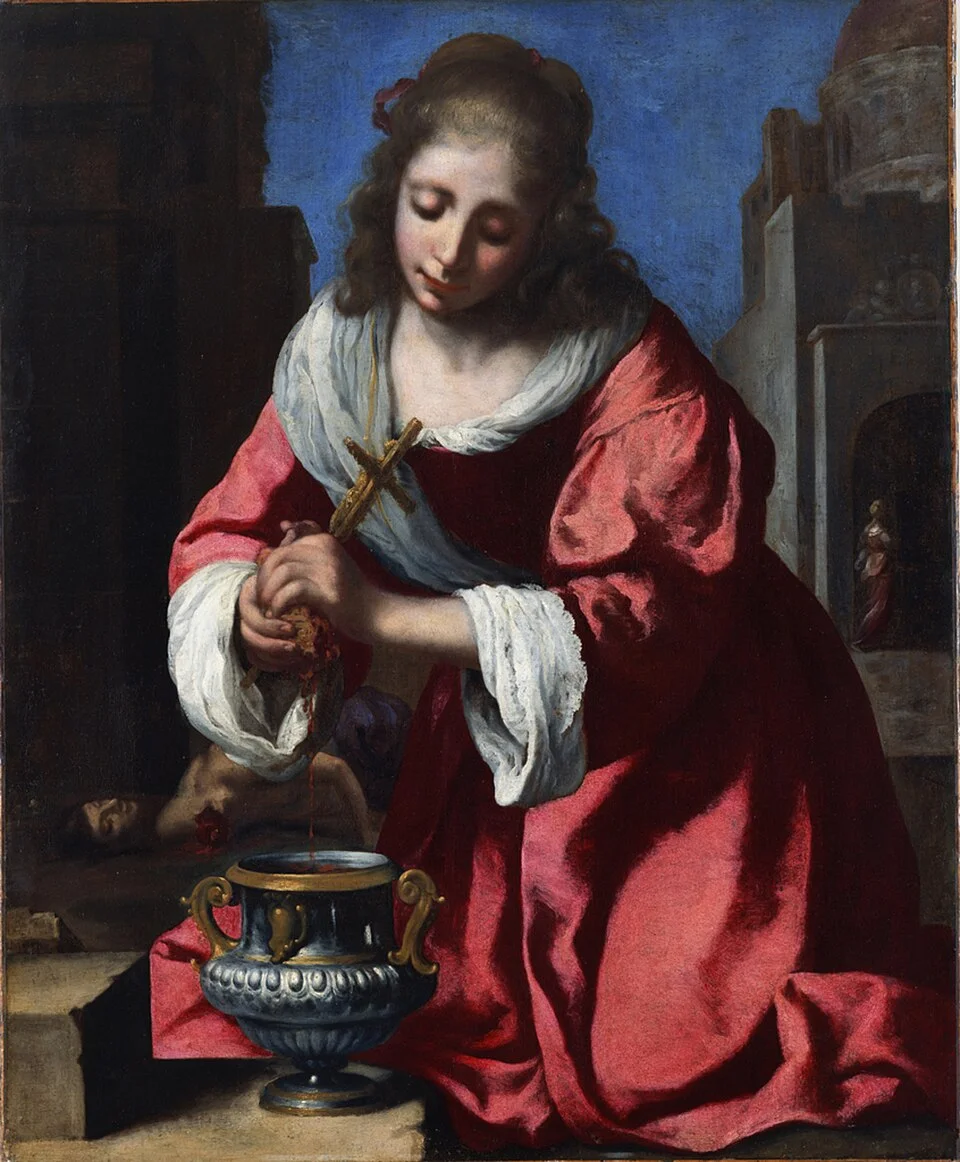
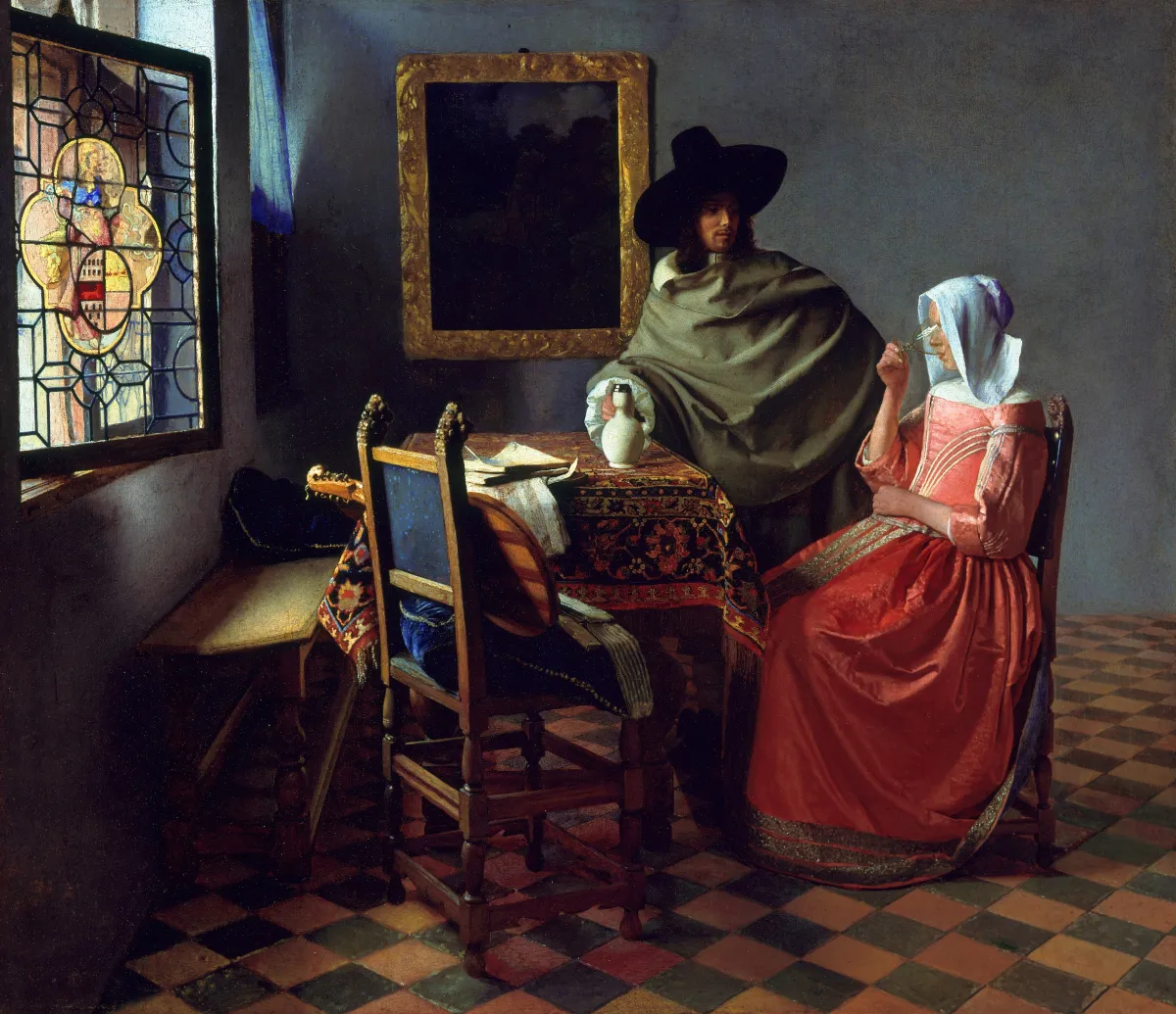
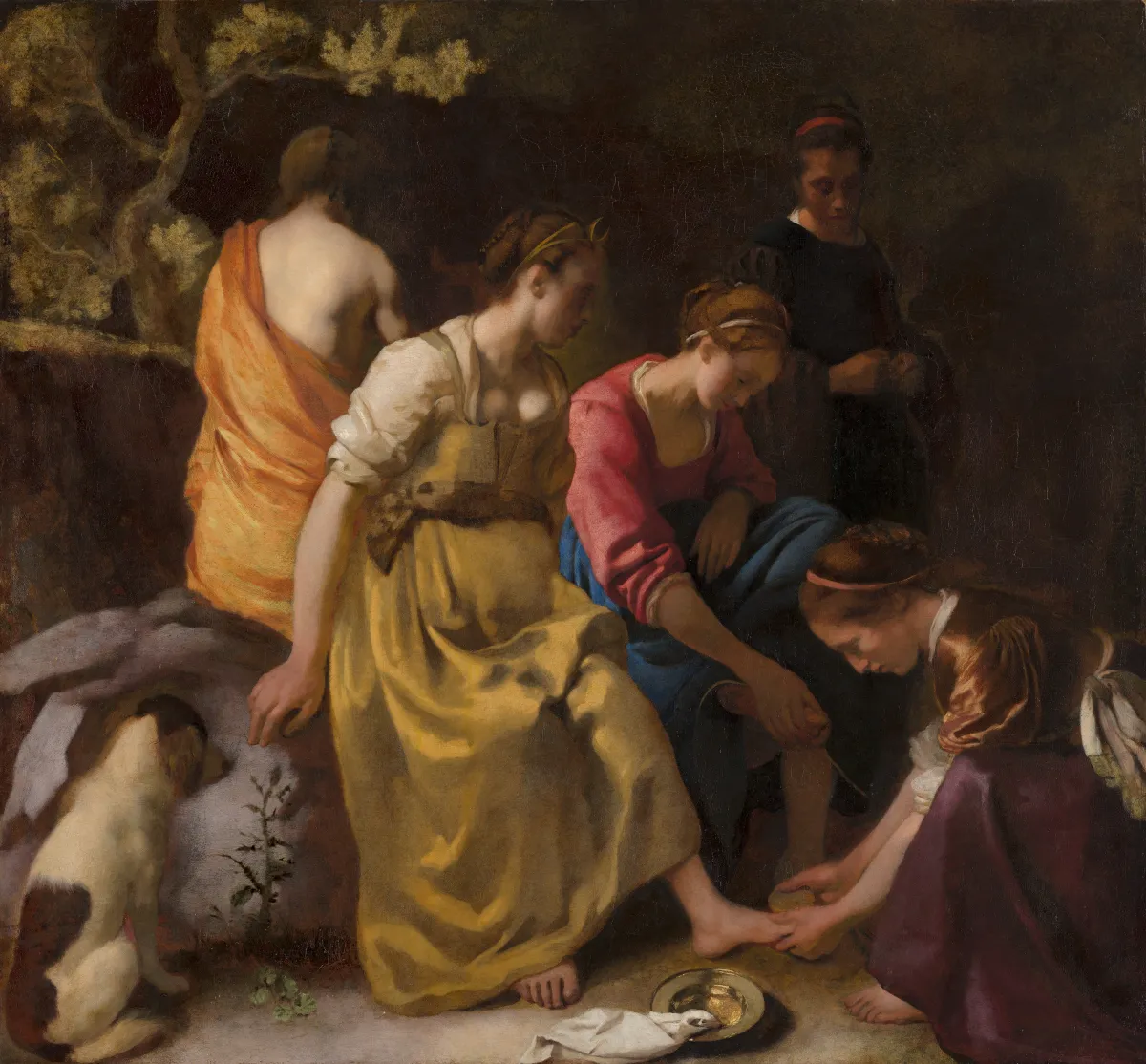
Jan Vermeer Van Delft’s use of oil on canvas in "The Wine Glass" demonstrates his extraordinary technique and attention to light and detail. This painting, alongside other renowned works like "View of Delft" and "Diana and her Nymphs," showcases the meticulous brushwork characteristic of the Dutch Golden Age. The seamless blending of colors, lifelike textures, and subtle play of shadows set this oil on canvas apart as a true testament to Vermeer’s artistic mastery.
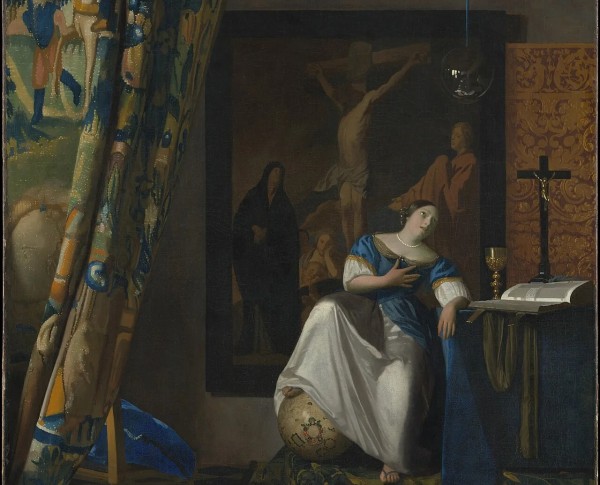
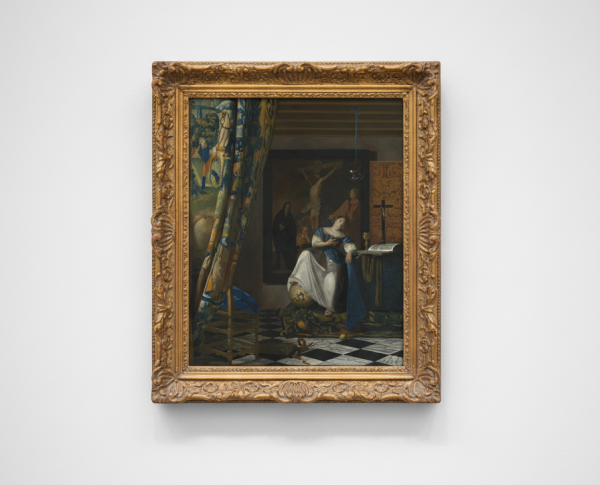
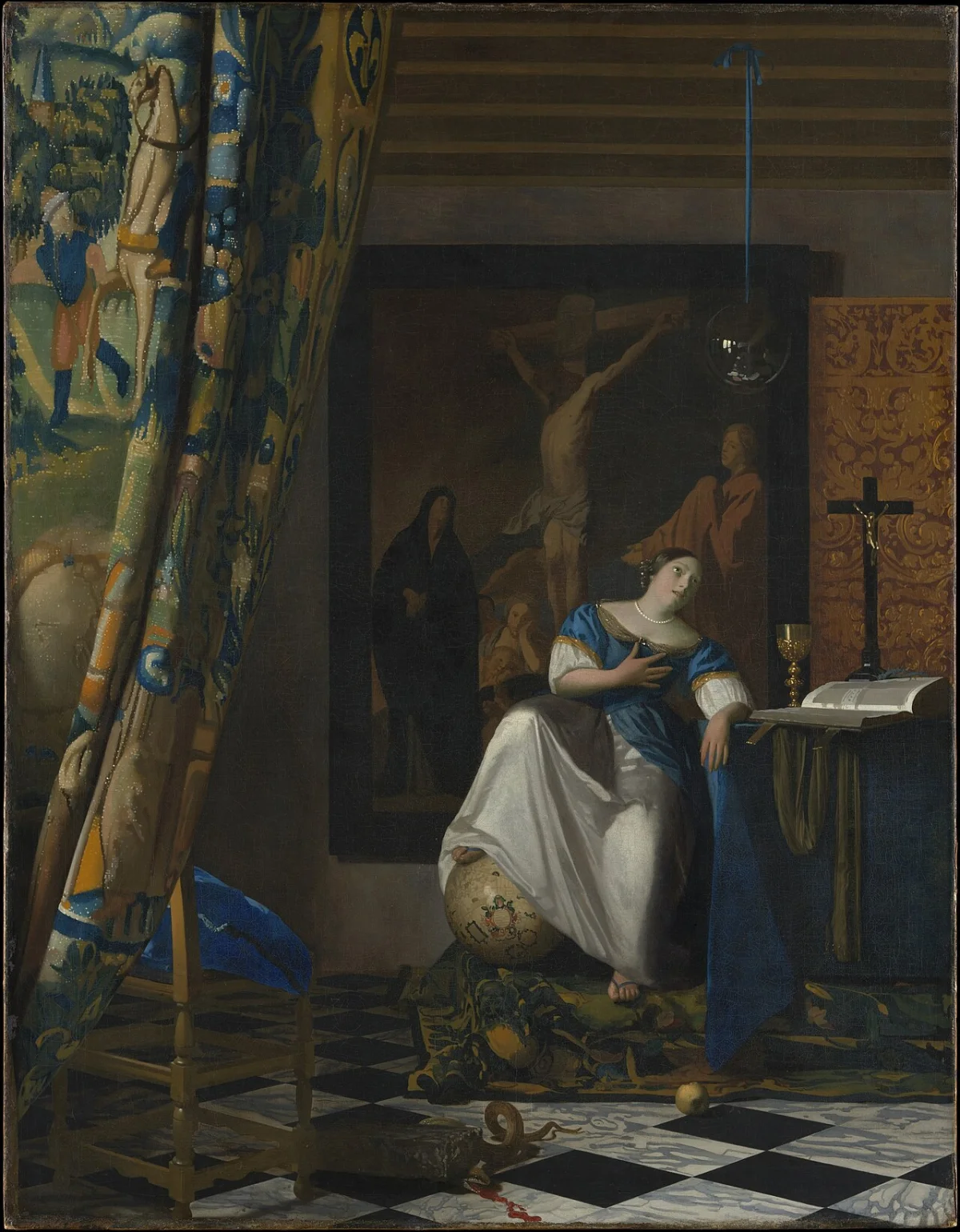
Within "The Wine Glass," Vermeer Van Delft weaves subtle stories and symbols, inviting viewers to interpret the social interactions and hidden meanings typical of the Dutch Golden Age. The painting’s careful composition and rich symbolism connect it to other narrative-driven works like "The Procuress" and "Allegory of the Catholic Faith." These elements make this hand-painted oil painting not just a visual delight but also a fascinating subject for art lovers and historians alike.
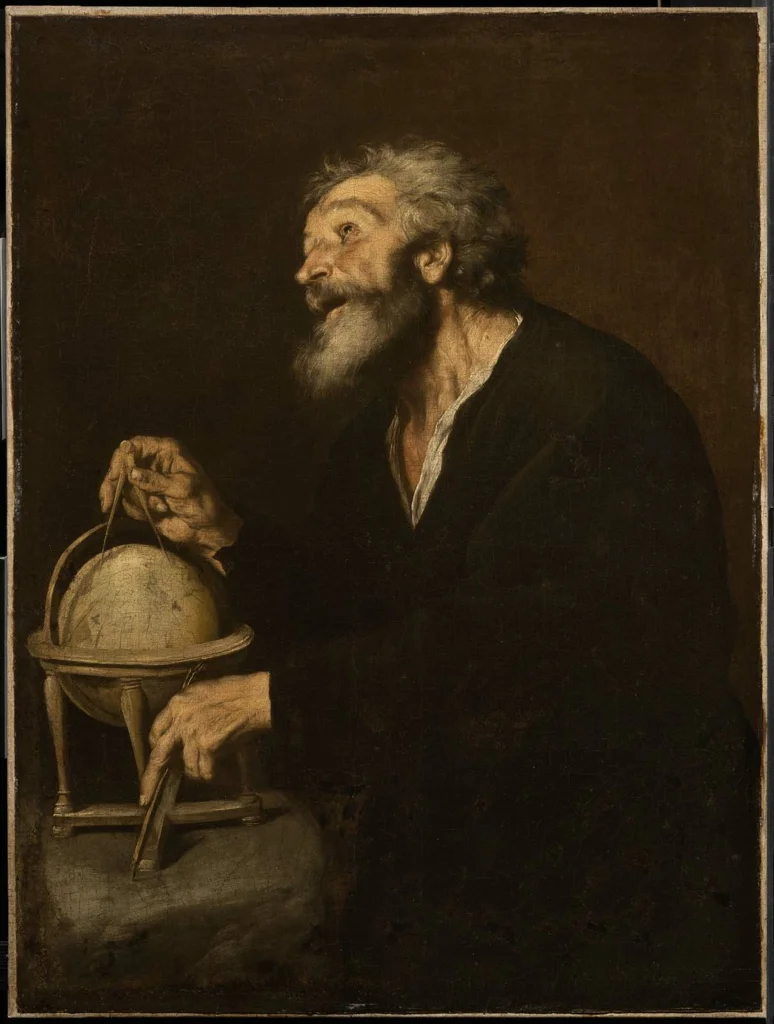
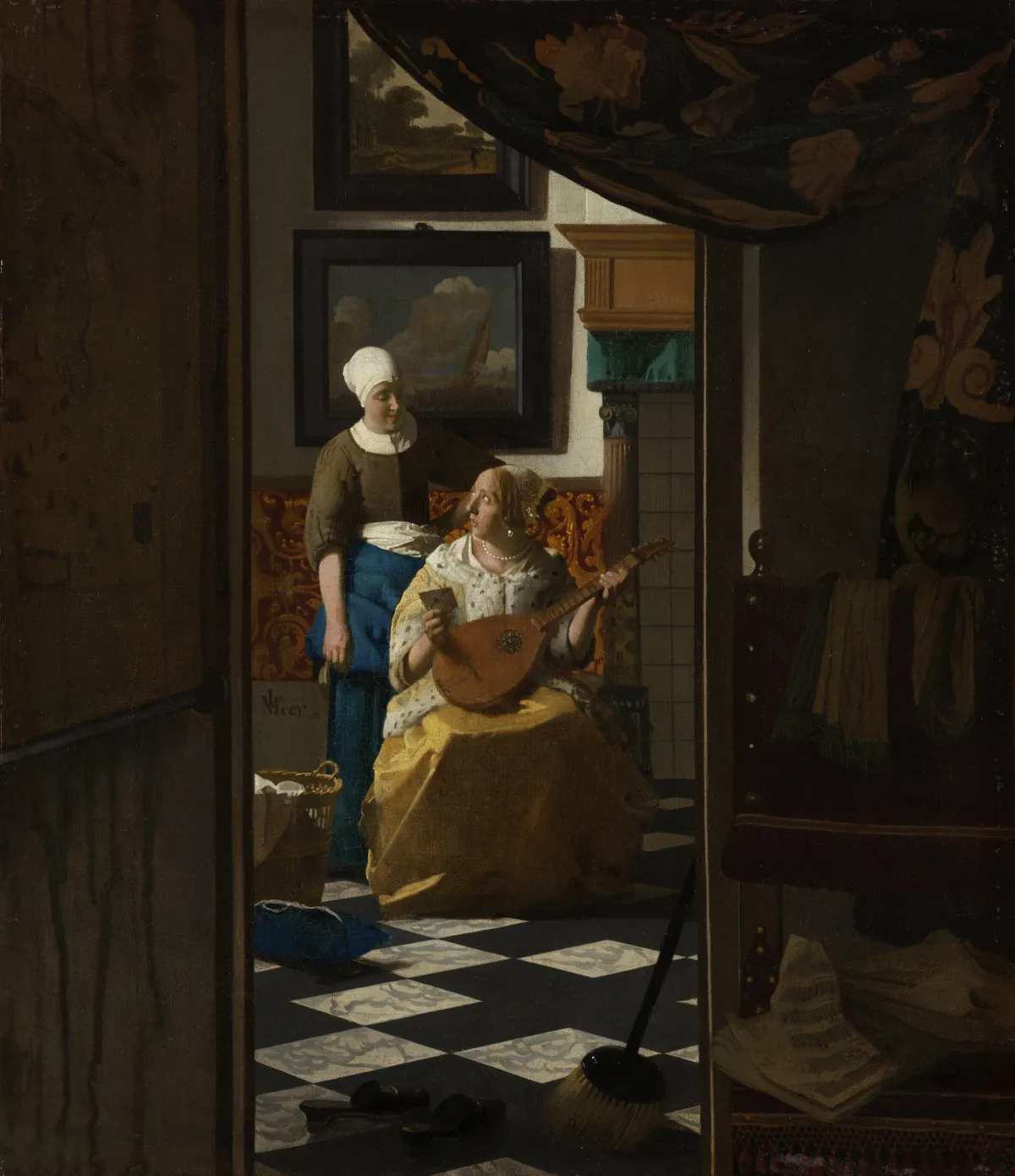
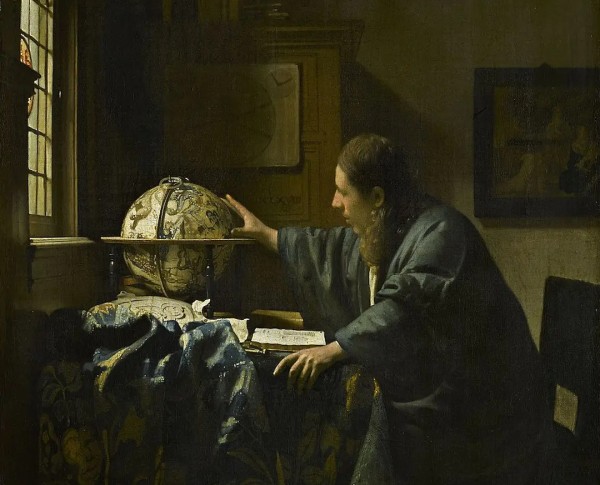
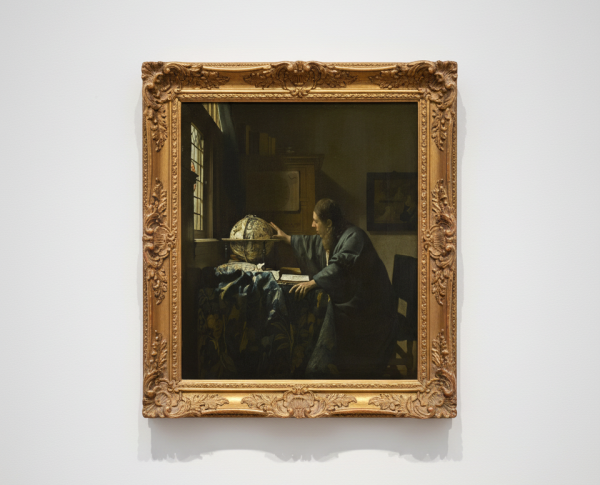
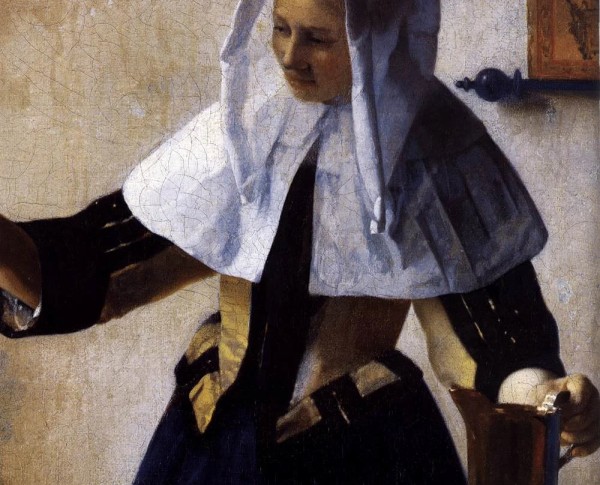
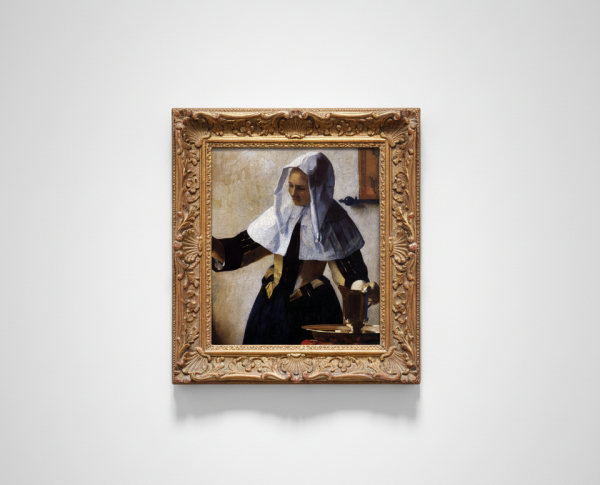
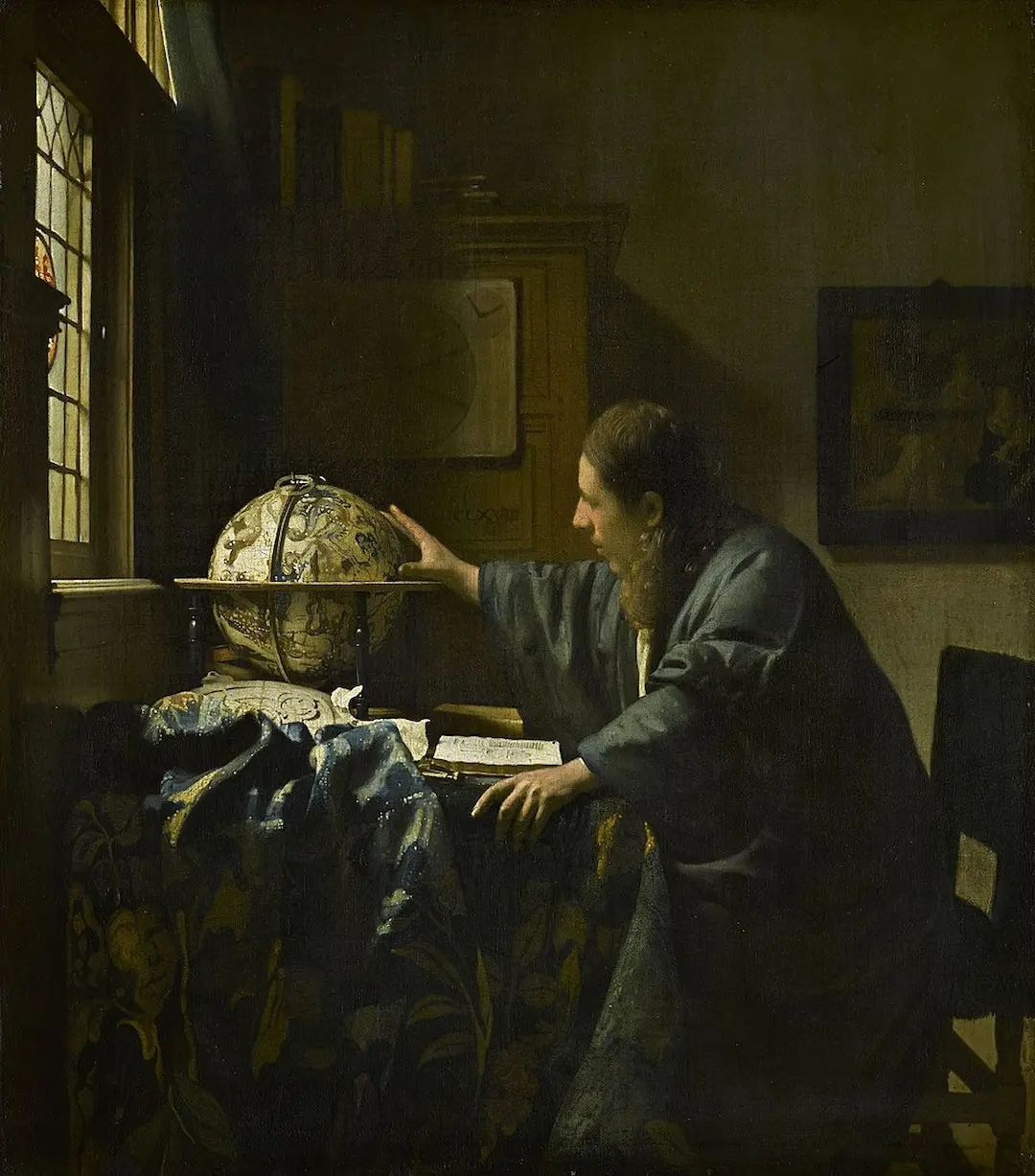
For collectors seeking a fine art painting for sale, "The Wine Glass" by Jan Vermeer Van Delft is a prized addition. Its place within the Dutch Golden Age movement, along with its connection to masterpieces such as "The Geographer" and "The Love Letter," ensures its enduring value. Owning this artwork, or related pieces like "Diana and her Nymphs," allows collectors to celebrate the legacy and timeless beauty of Vermeer’s artistic vision.
When Art Meets History
Jan Vermeer Van Delft’s "The Wine Glass" stands as a quintessential example of the Dutch Golden Age, a period renowned for its cultural and artistic achievements. This hand-painted oil painting not only reflects the social customs of 17th-century Netherlands but also connects to masterpieces like "Anatomy Lesson of Dr Tulp" and "Man in a Golden Helmet c. 1650." Through its depiction of daily life, Vermeer’s work captures the harmony between art and the historical context of his era.
Techniques That Speak
Vermeer’s mastery of oil on canvas is evident in "The Wine Glass," where delicate brushwork and subtle lighting create an intimate atmosphere. His technique, similar in quality to "Portrait of Abraham de Potter" and "Mercury and Aglauros," demonstrates a keen understanding of composition and perspective. Like many Dutch Golden Age painters, Vermeer’s attention to detail elevates this oil on canvas, making it a benchmark for artists and collectors alike.
Emotions on Display
"The Wine Glass" captures a quiet moment between two figures, their interactions rendered with sensitivity and nuance. This fine art painting for sale evokes a sense of anticipation and social ritual, reminiscent of the emotional depth seen in Jan Vermeer Van Delft’s ability to convey subtle emotions within the Dutch Golden Age movement allows viewers to connect with his subjects on a personal level, making the experience both timeless and profound.
Coveted by Collectors
As a celebrated masterpiece by Jan Vermeer Van Delft, "The Wine Glass" is highly sought after among those who appreciate hand-painted oil paintings from the Dutch Golden Age. Its connection to other renowned works, such as "Man in a Golden Helmet c. 1650" and "Portrait of Abraham de Potter," adds to its allure. Art collectors worldwide recognize this piece as a valuable addition, enhancing any collection with its historical and artistic significance.
Related Dutch Golden Age Hand-Painted Oil Paintings by Other Artists
Other Famous Dutch Golden Age Artists:
Frequently Asked Questions About The Wine Glass
What is the historical context of "The Wine Glass"?
"The Wine Glass," painted by Jan Vermeer Van Delft in the 1660s, reflects the Dutch Golden Age, a period marked by economic prosperity and cultural flourishing in the Netherlands. The painting captures the social customs of the time, particularly the enjoyment of leisure and the appreciation of fine objects.
What artistic techniques did Vermeer employ in "The Wine Glass"?
Vermeer is renowned for his masterful use of light and color. In "The Wine Glass," he employs chiaroscuro to create depth and dimension, while his meticulous attention to detail showcases his skill in rendering textures, particularly in the glass and fabrics depicted in the painting.
What symbolism is present in "The Wine Glass"?
The wine glass itself symbolizes indulgence and the pleasures of life, while the act of drinking can be interpreted as a metaphor for the fleeting nature of enjoyment and the passage of time. The presence of the woman in the painting suggests themes of femininity and domesticity.
How does "The Wine Glass" reflect Vermeer's style?
This painting exemplifies Vermeer's characteristic style, which includes a focus on intimate domestic scenes, the use of natural light, and a limited color palette. His ability to capture the subtleties of everyday life is evident in the serene yet engaging composition of "The Wine Glass."
What role does light play in "The Wine Glass"?
Light plays a crucial role in "The Wine Glass," illuminating the subjects and enhancing the overall atmosphere of the painting. Vermeer’s skillful manipulation of light creates a sense of realism and invites the viewer to engage with the scene on a deeper emotional level.
What are the notable elements of composition in "The Wine Glass"?
The composition of "The Wine Glass" is carefully balanced, with the placement of the figures and objects guiding the viewer's eye throughout the painting. The use of diagonal lines and the arrangement of elements create a dynamic yet harmonious visual experience.
How does "The Wine Glass" compare to other works by Vermeer?
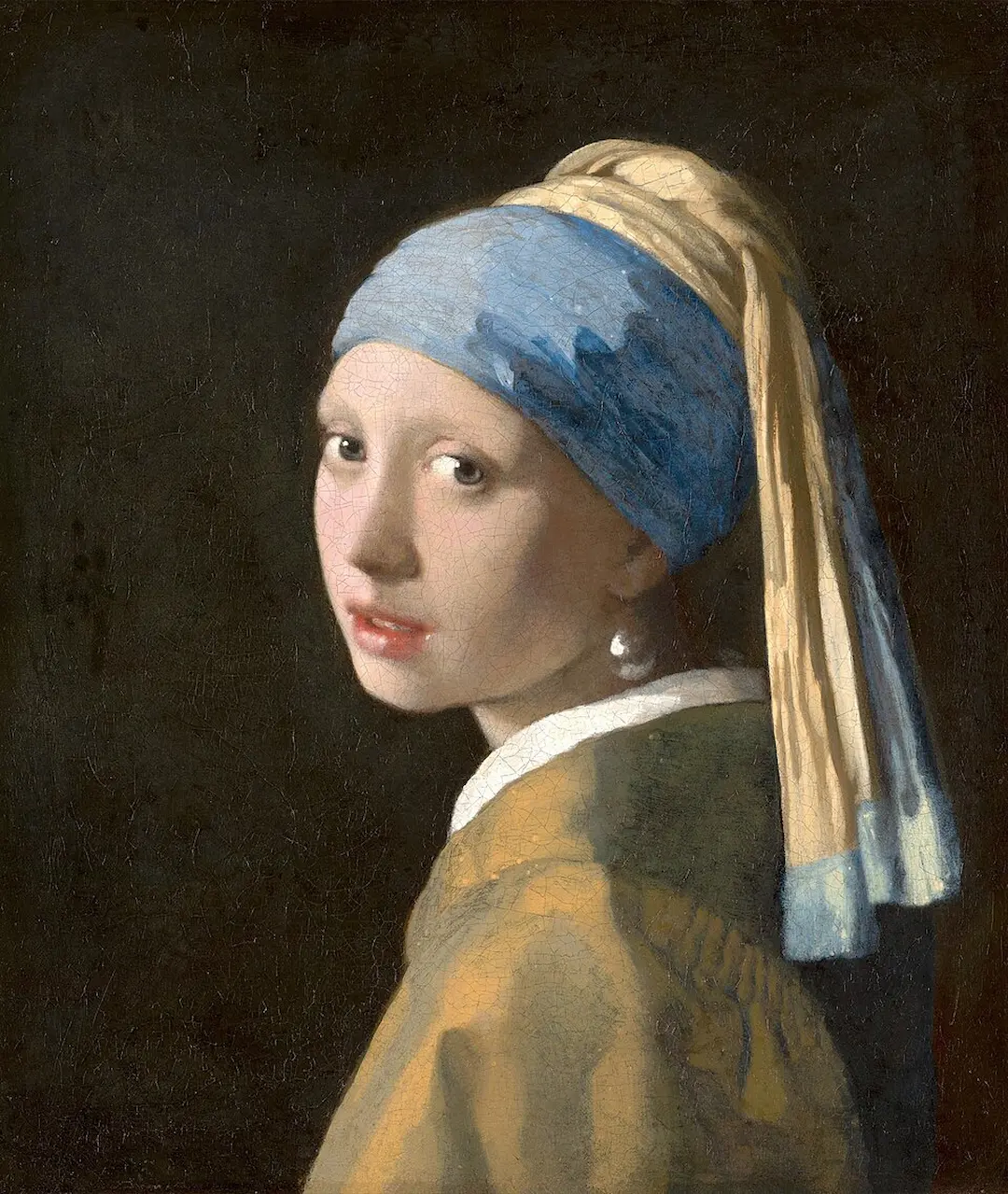
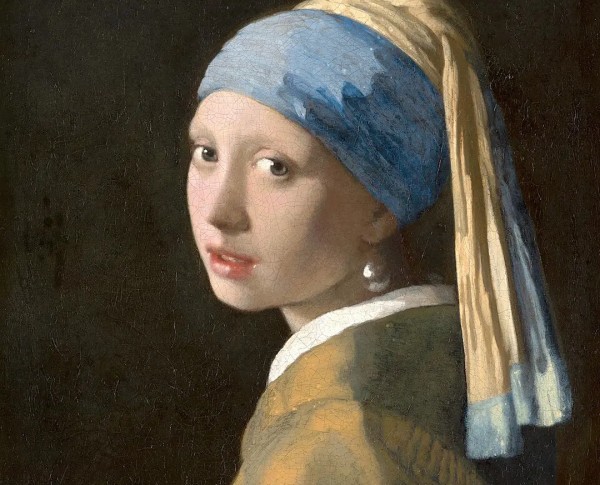
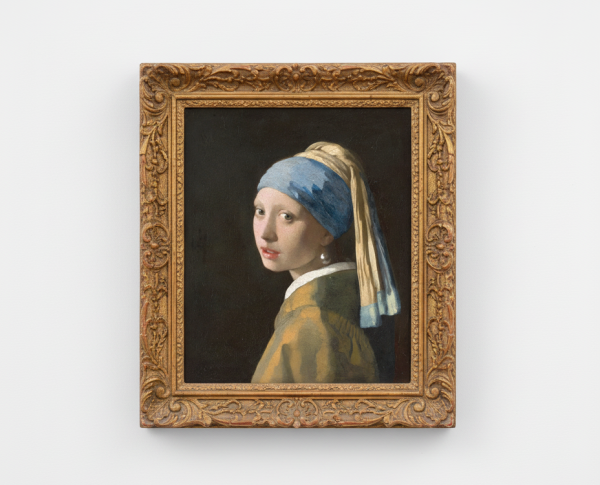
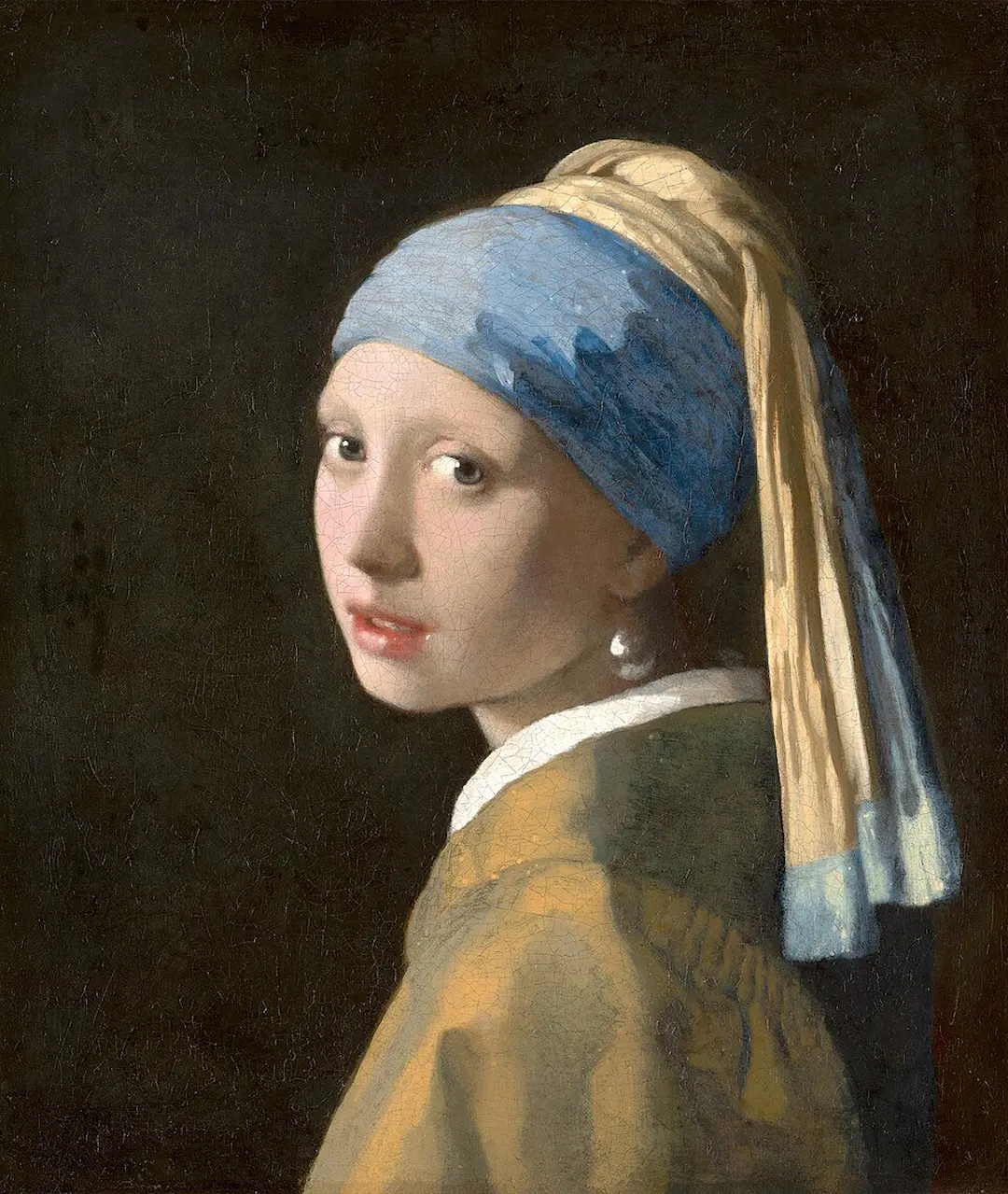
Compared to other works by Vermeer, such as "Girl with a Pearl Earring," "The Wine Glass" shares similar themes of domesticity and the use of light. However, it also highlights Vermeer's exploration of social interactions and the subtleties of human behavior in a more intimate setting.
What materials were likely used in the creation of "The Wine Glass"?
Vermeer typically used oil paints on canvas for his works. The vibrant colors and fine details in "The Wine Glass" suggest the use of high-quality pigments, which were characteristic of the artist's commitment to excellence in his craft.
What influence did "The Wine Glass" have on later artists?
"The Wine Glass" has had a lasting influence on artists who admire Vermeer’s ability to capture light and atmosphere. His techniques have inspired countless painters, particularly those interested in genre scenes and the depiction of everyday life in art.
What is the significance of the setting in "The Wine Glass"?
The setting of "The Wine Glass" is significant as it reflects the domestic sphere of 17th-century Dutch life. The interior space, adorned with elegant objects, conveys a sense of comfort and affluence, emphasizing the cultural values of the time regarding home and hospitality.























_GFM_Painting_(1).webp)


 100% Hand-Painted: Finished in 3-6 Weeks

.png)















_(1).webp)