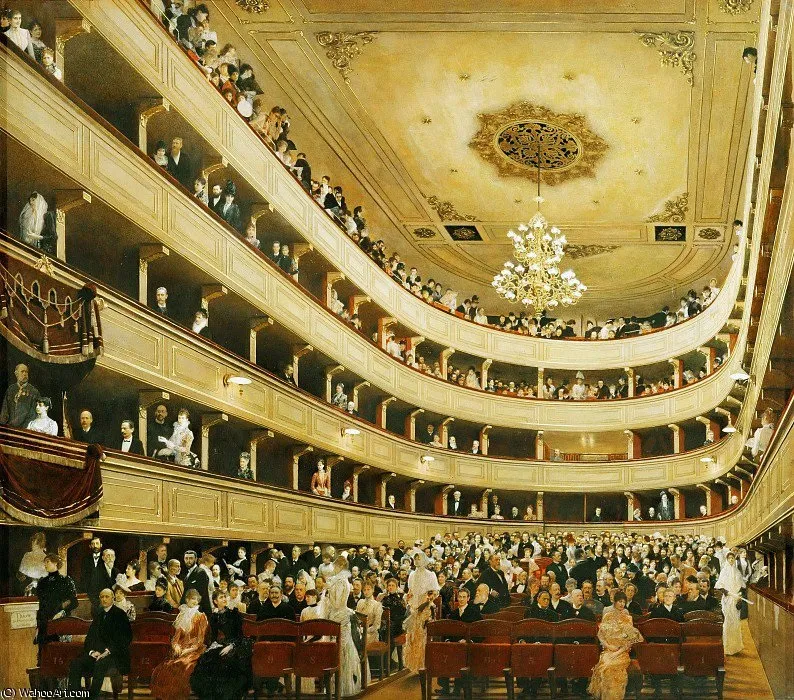
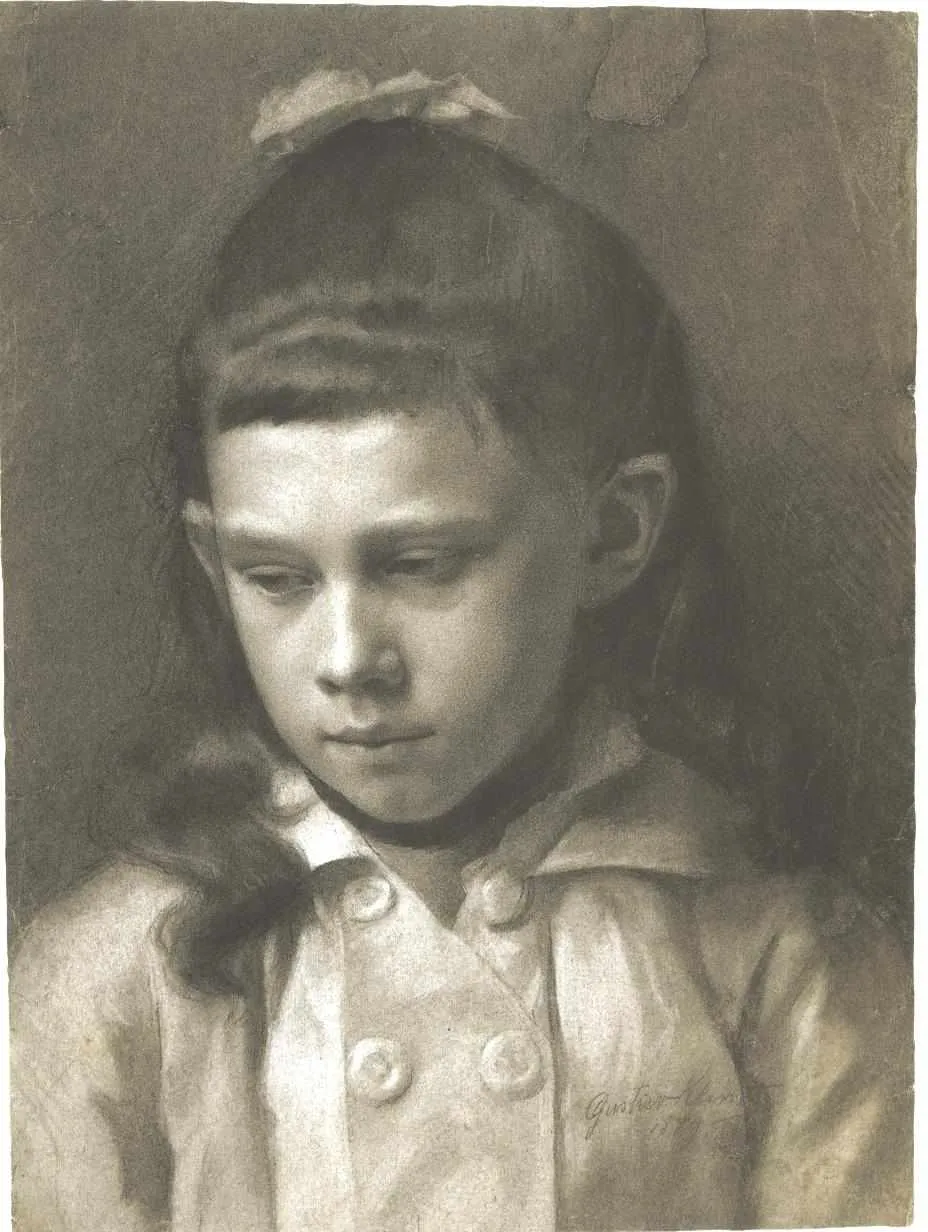
Gustav Klimt’s technique in "The Old Burgtheater" demonstrates his mastery of oil on canvas, capturing the lively atmosphere and architectural grandeur of the famous theater. The Vienna Secession movement encouraged artists like Klimt to push creative boundaries, resulting in masterpieces that blend realism with decorative elegance. Collectors can also explore related works such as "Sitting Nude Man Turned to the Left" and "Portrait of a Girl, Head Slightly Turned Left," which showcase similar technical brilliance and attention to detail.
"The Old Burgtheater" is more than a fine art painting for sale; it is a visual narrative woven with symbolism and historical context. Gustav Klimt’s depiction of theatergoers and the grand façade reflects the vibrant social life of Vienna during the Secessionist era. As with his other works like "Portrait of a Man Facing Left" and "Design for a theater curtain," Klimt invites viewers to explore stories hidden within each brushstroke, making every piece a conversation between art and observer.
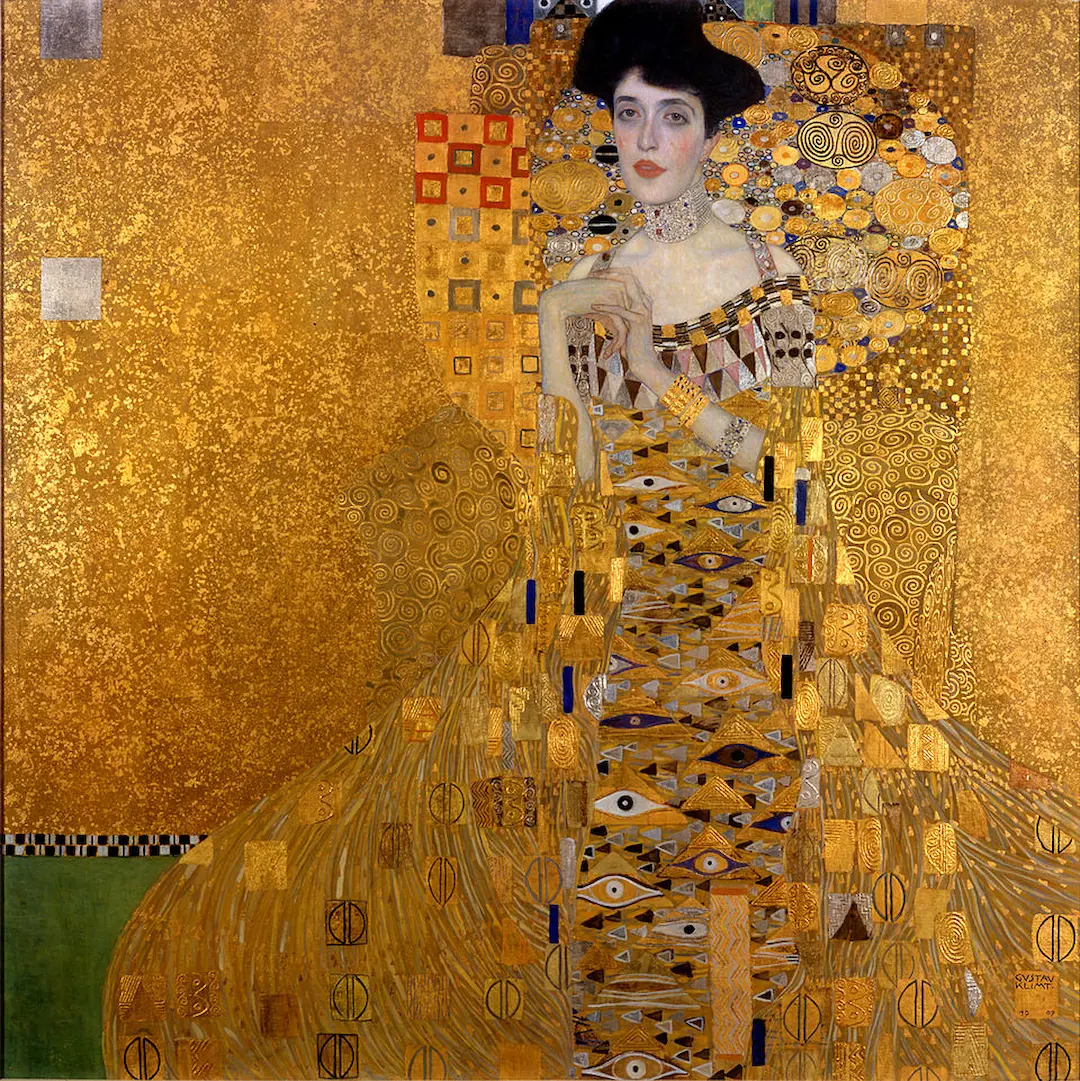
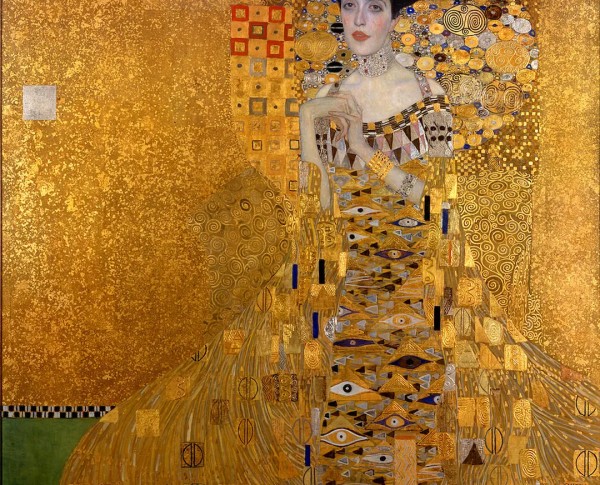
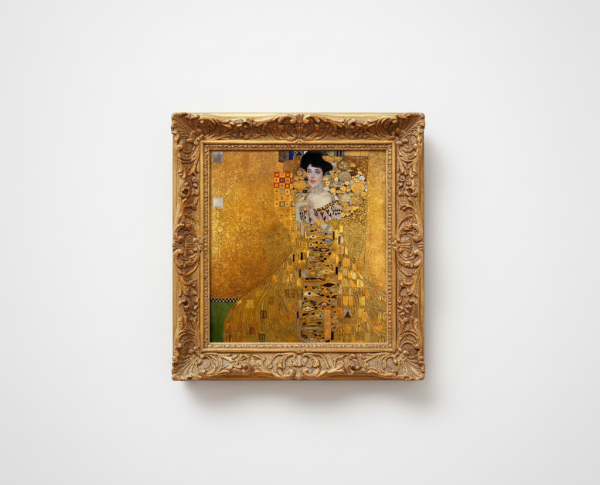
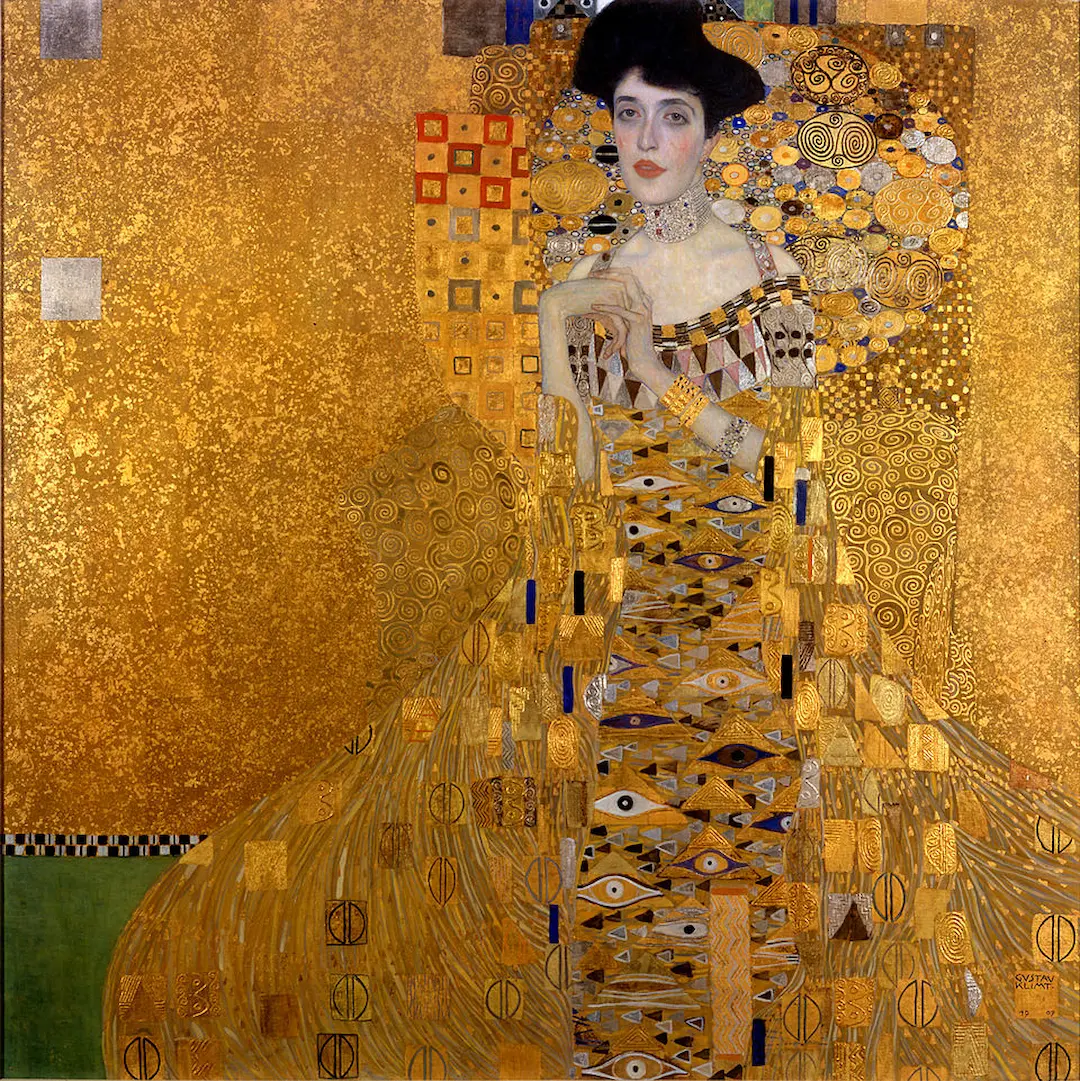
For art enthusiasts, owning "The Old Burgtheater" by Gustav Klimt means possessing a unique hand-painted oil painting from the Vienna Secession movement. This masterpiece, along with related products such as "Portrait Of Adele Bloch Bauer I" and "Sitting Nude Man Turned to the Left," offers unparalleled beauty and historical significance. Klimt’s legacy, marked by innovation and expressive power, ensures that each acquisition is not just an artwork but a cherished collector’s treasure for generations to come.
When Art Meets History
Gustav Klimt's "The Old Burgtheater" stands as a testament to the Vienna Secession movement, capturing the grandeur of Vienna's cultural past. This hand-painted oil painting immortalizes the historic Burgtheater before its demolition, blending artistic innovation with historical reverence. Klimt’s attention to architectural detail and lively street scenes connects this masterpiece to the era’s societal changes, similar to his other works from the same period. Collectors and enthusiasts are drawn to such historical representations in fine art.
Techniques That Speak
Executed with meticulous care, "The Old Burgtheater" showcases Klimt’s mastery of oil on canvas, a technique he frequently used in his Vienna Secession pieces. The artist’s brushwork and color palette breathe life into the bustling street and stately theater façade. Klimt’s innovative approach, seen in related paintings, emphasizes both realism and decorative elements, making this painting a prime example of the movement’s stylistic evolution and the enduring appeal of oil on canvas in fine art.
Emotions on Display
In "The Old Burgtheater," Gustav Klimt skillfully evokes a sense of nostalgia and reverence for Vienna’s cultural heritage. The vibrant street scene and grand architecture stir emotions of loss and admiration, hallmarks of the Vienna Secession movement. This fine art painting for sale invites viewers to reflect on the passage of time and the significance of public spaces. Klimt’s evocative style, as seen in his related paintings, continues to move art lovers worldwide.
Coveted by Collectors
"The Old Burgtheater" by Gustav Klimt remains highly sought after by collectors of Vienna Secession art. As a hand-painted oil painting, its historical subject matter and artistic excellence make it a valuable addition to any collection. Klimt’s unique interpretation of Vienna’s iconic theater, alongside his related paintings, ensures lasting interest and appreciation. This masterpiece exemplifies the allure of collecting significant works from influential art movements like the Vienna Secession.
Frequently Asked Questions About The Old Burgtheater
What is the historical significance of The Old Burgtheater?
The Old Burgtheater, located in Vienna, is one of the most important cultural institutions in Austria. Gustav Klimt's painting captures the grandeur and architectural beauty of this iconic building, reflecting its role as a center for the performing arts in the late 19th and early 20th centuries.
What artistic techniques did Gustav Klimt employ in The Old Burgtheater?
Klimt utilized his signature style, characterized by intricate patterns and decorative elements. The painting showcases his mastery of color and texture, blending realism with ornamental aesthetics to create a vibrant depiction of the theater.
What symbols are present in The Old Burgtheater?
The painting features various symbols associated with art and culture, such as the theatrical masks and motifs that represent drama and performance. These elements emphasize the theater's significance as a cultural hub.
How does The Old Burgtheater reflect Klimt's overall artistic philosophy?
Klimt's work often explores the interplay between the individual and the collective experience of culture. In The Old Burgtheater, he illustrates the importance of communal artistic experiences, highlighting the theater's role in society.
What influences can be seen in Klimt's portrayal of The Old Burgtheater?
The influences of the Vienna Secession movement are evident in Klimt's portrayal of The Old Burgtheater. His emphasis on decorative elements and the integration of fine art with architecture reflect the movement's ideals of innovation and artistic freedom.
What was the public's reaction to The Old Burgtheater when it was first unveiled?
Upon its unveiling, The Old Burgtheater was met with admiration for its artistic representation of a beloved cultural landmark. Klimt's unique style garnered attention and contributed to the ongoing discourse about modern art in Vienna.
In what ways does The Old Burgtheater connect to Klimt's other works?
The Old Burgtheater shares thematic connections with Klimt's other works, particularly in its exploration of the relationship between art, architecture, and the human experience. His focus on beauty and ornamentation is consistent throughout his oeuvre.
What role does color play in The Old Burgtheater?
Color in The Old Burgtheater serves to evoke emotion and enhance the visual impact of the painting. Klimt's use of rich, warm tones creates a sense of warmth and vibrancy, inviting viewers to engage with the scene.
How does The Old Burgtheater reflect the cultural context of its time?
The Old Burgtheater reflects the cultural context of late 19th-century Vienna, a period marked by artistic innovation and a flourishing of the arts. Klimt's painting captures the spirit of this era, showcasing the theater as a symbol of cultural pride and artistic achievement.
What impact did The Old Burgtheater have on Klimt's career?
The Old Burgtheater solidified Klimt's reputation as a leading figure in the Vienna Secession movement. Its success contributed to his recognition as an artist who could seamlessly blend fine art with cultural commentary, influencing future generations of artists.























_GFM_Painting_(1).webp)


 100% Hand-Painted: Finished in 3-6 Weeks

.png)















_(1).webp)