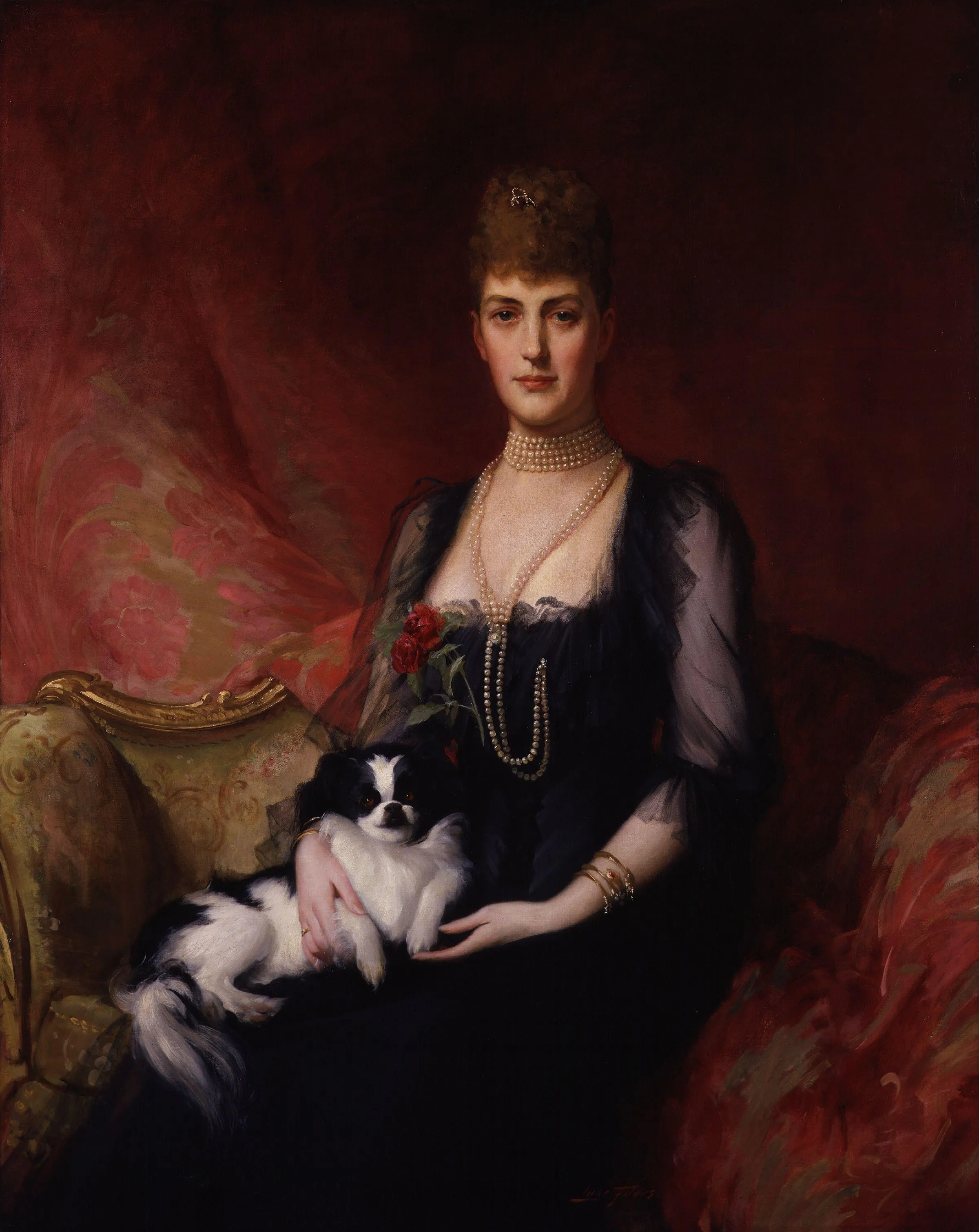
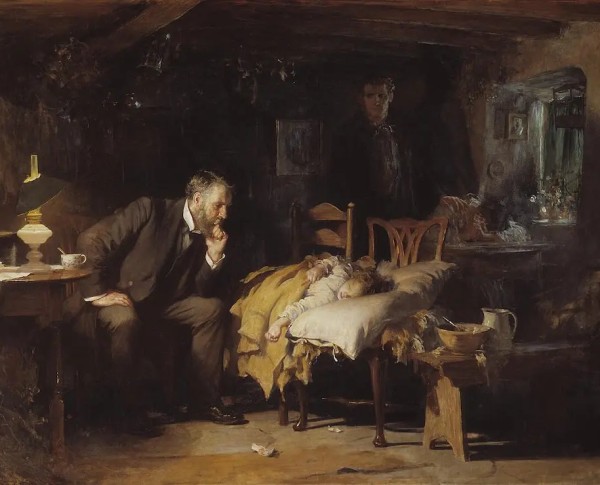
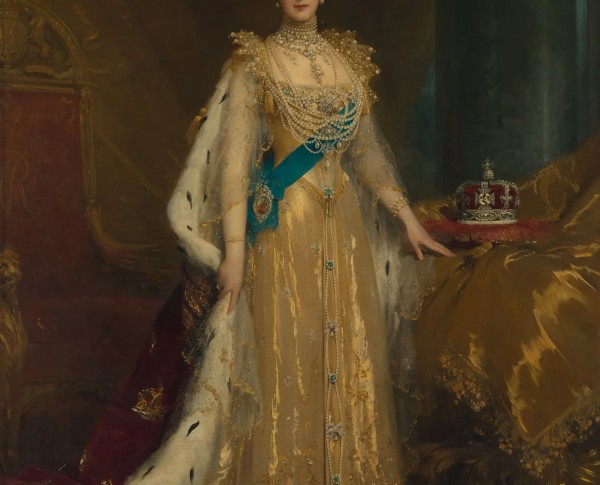
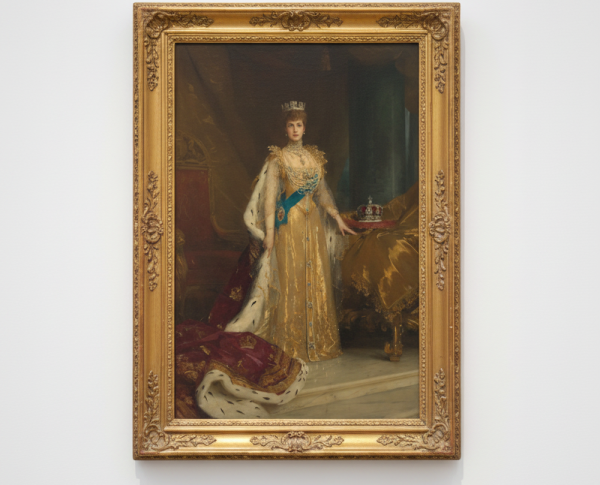
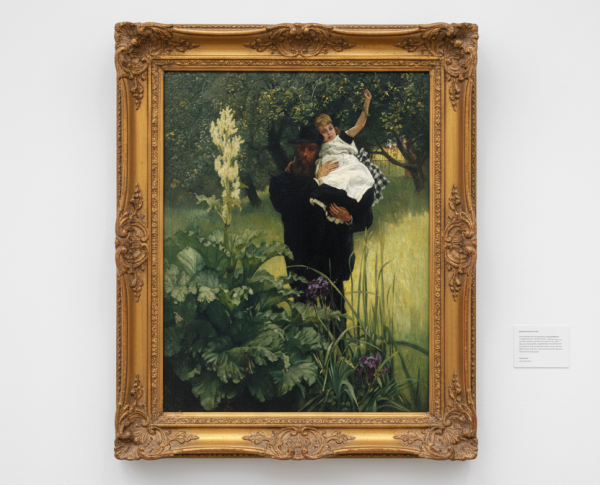
"The Return of the Penitent" demonstrates Fildes’ exceptional technique, where every brushstroke on the oil on canvas reveals emotional intensity and realism. The artist’s attention to detail and mastery of light and shadow exemplify the hallmarks of Social Realism. This piece, much like "Queen Alexandra (1844-1925)" and "a Venetian Flower Girl," showcases Fildes’ ability to capture poignant moments, making his oil on canvas works highly sought after by art lovers and collectors.
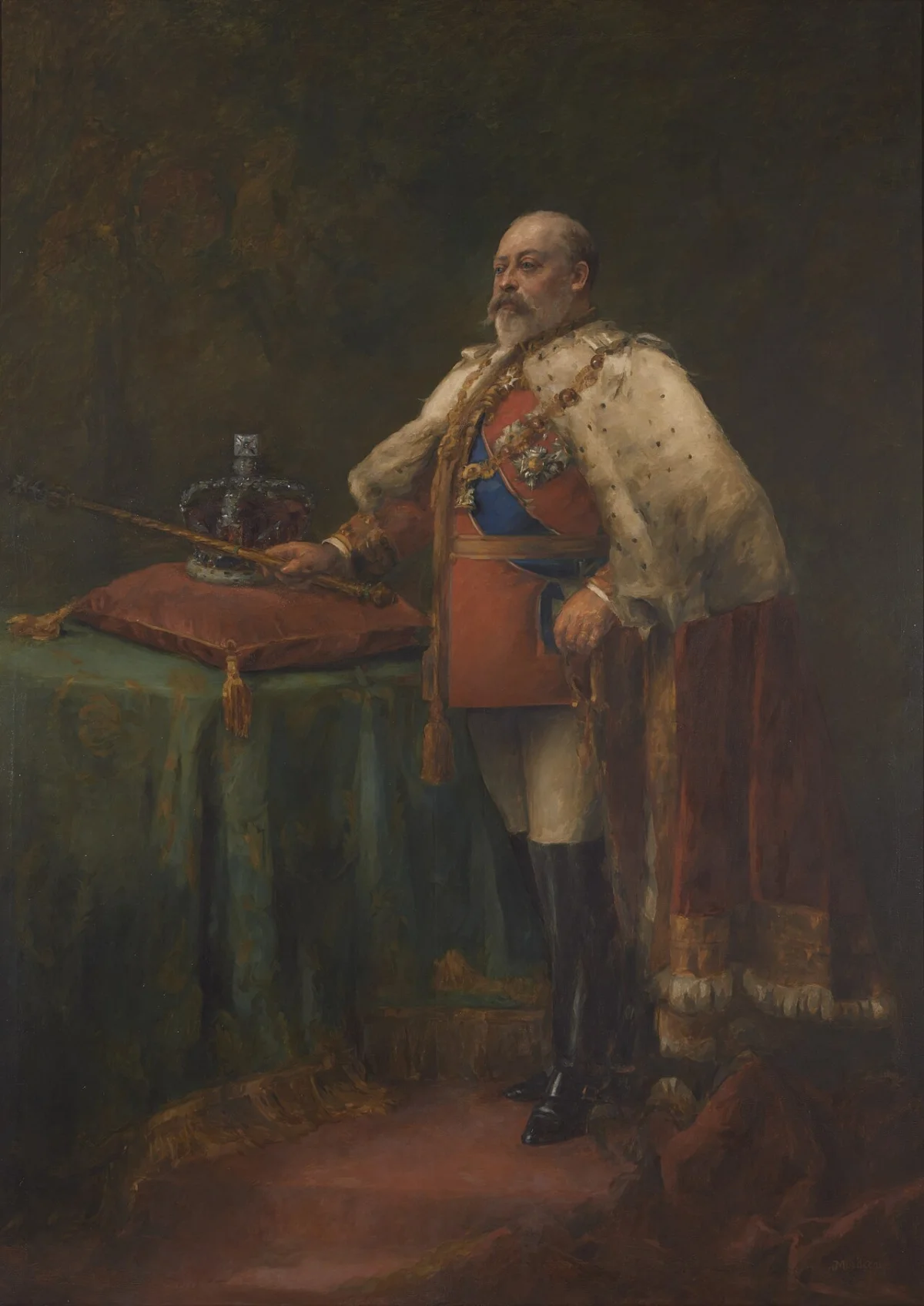
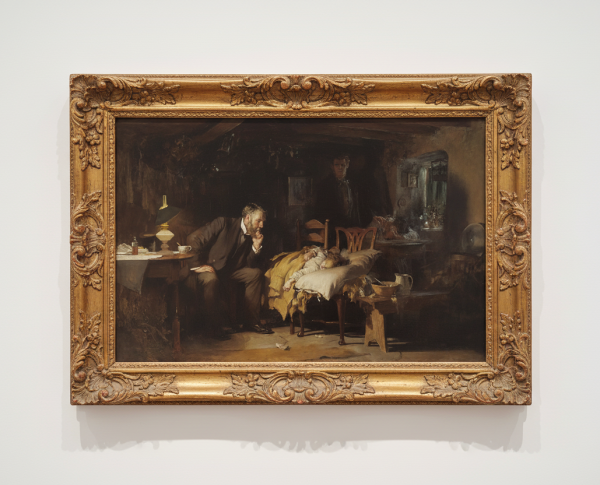
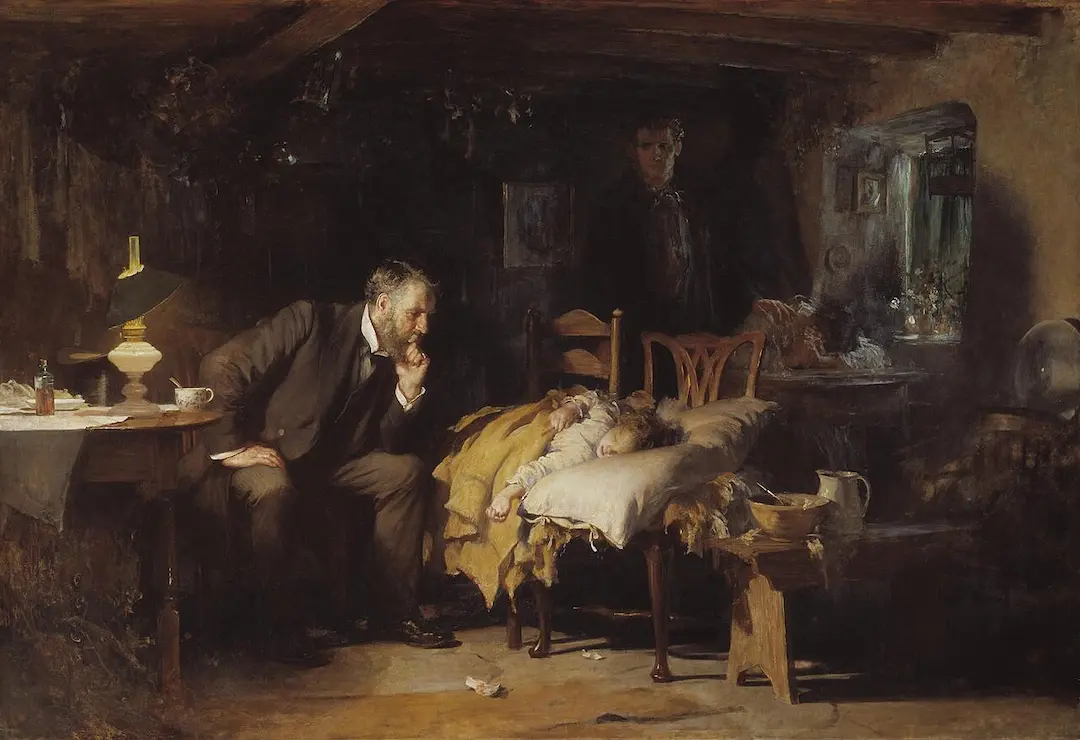
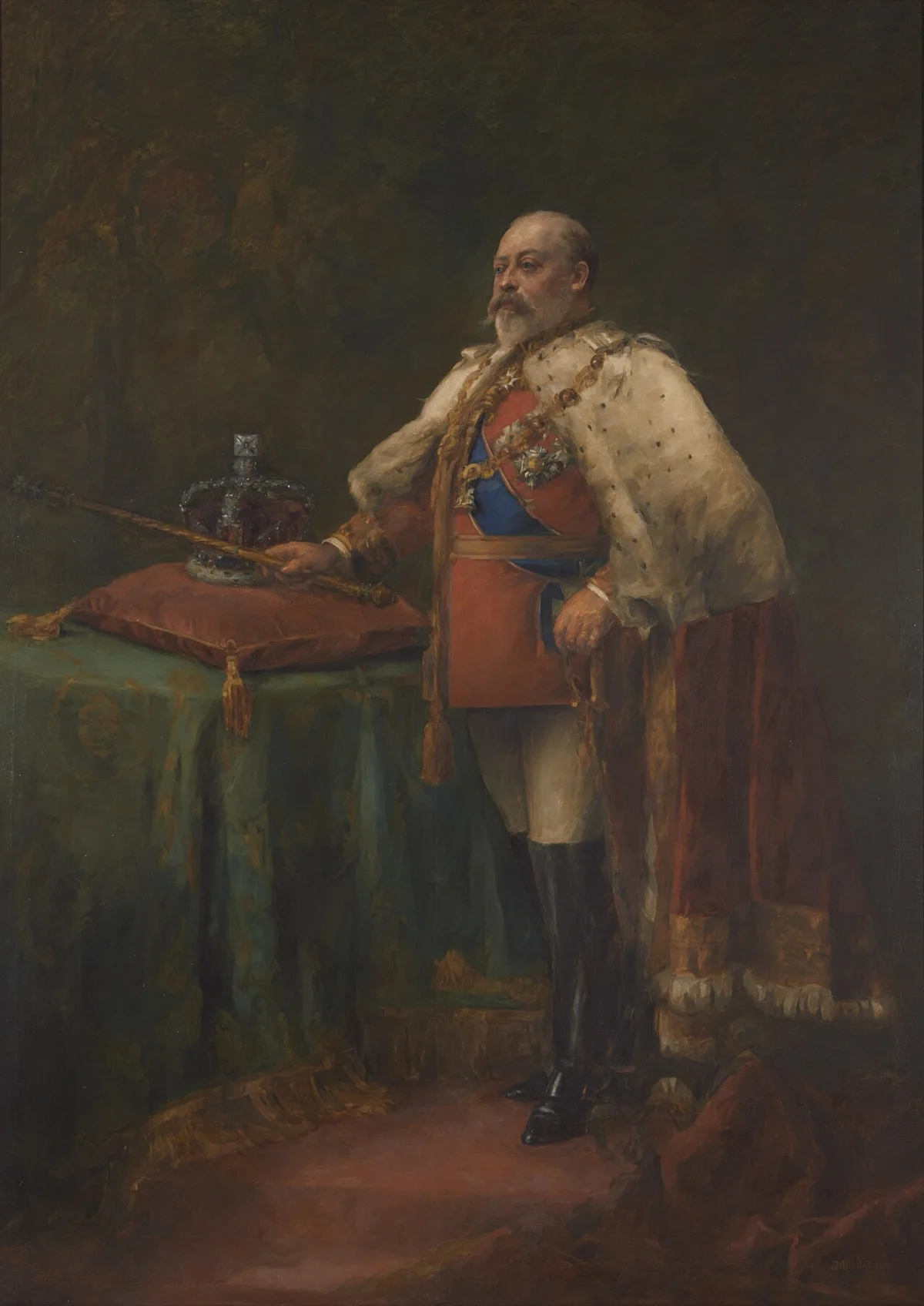
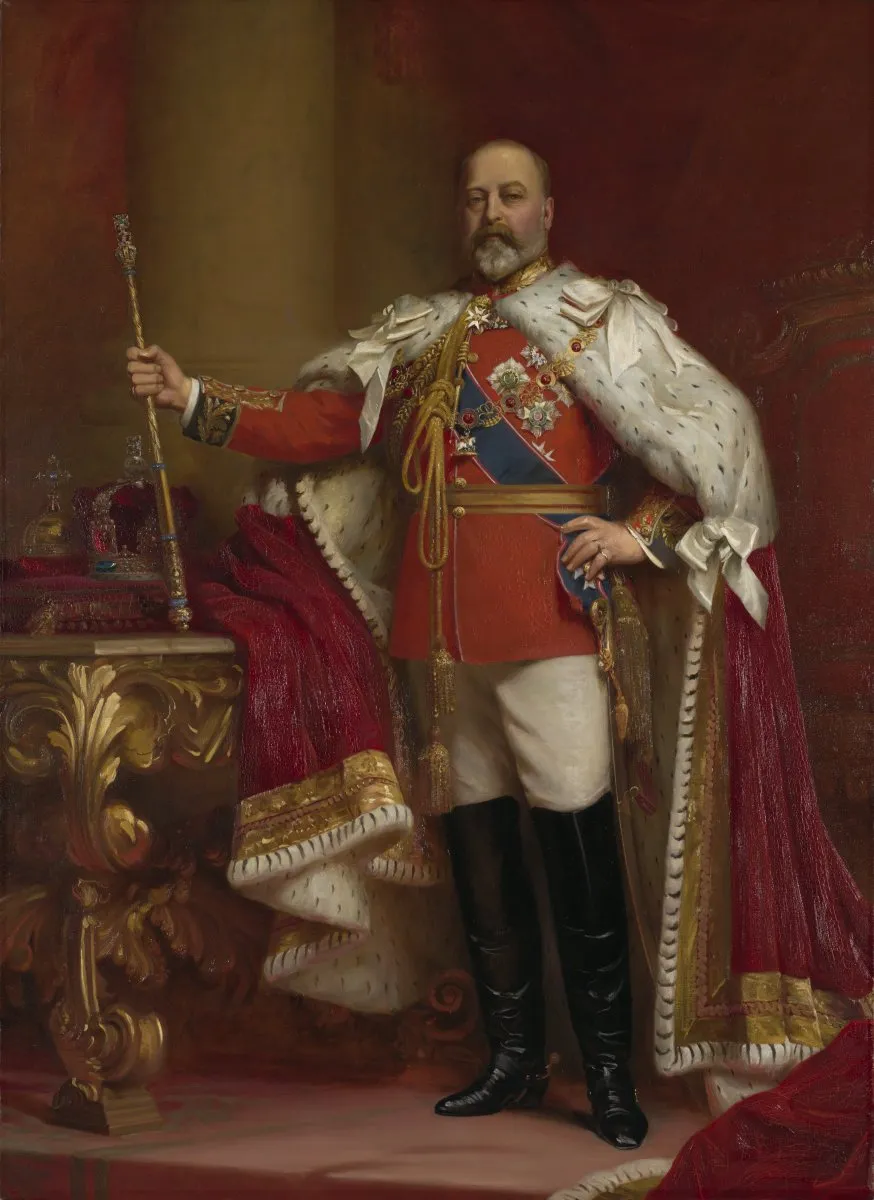
In "The Return of the Penitent," Fildes uses symbolism to narrate themes of redemption and forgiveness, central to Social Realism. Each figure and gesture within the fine art painting for sale conveys a deeper story, inviting viewers to reflect on societal values. The emotional depth seen here is echoed in related paintings such as "King Edward VII (1841-1910)" and "The Doctor," making Fildes’ portfolio a rich exploration of human experience through art.
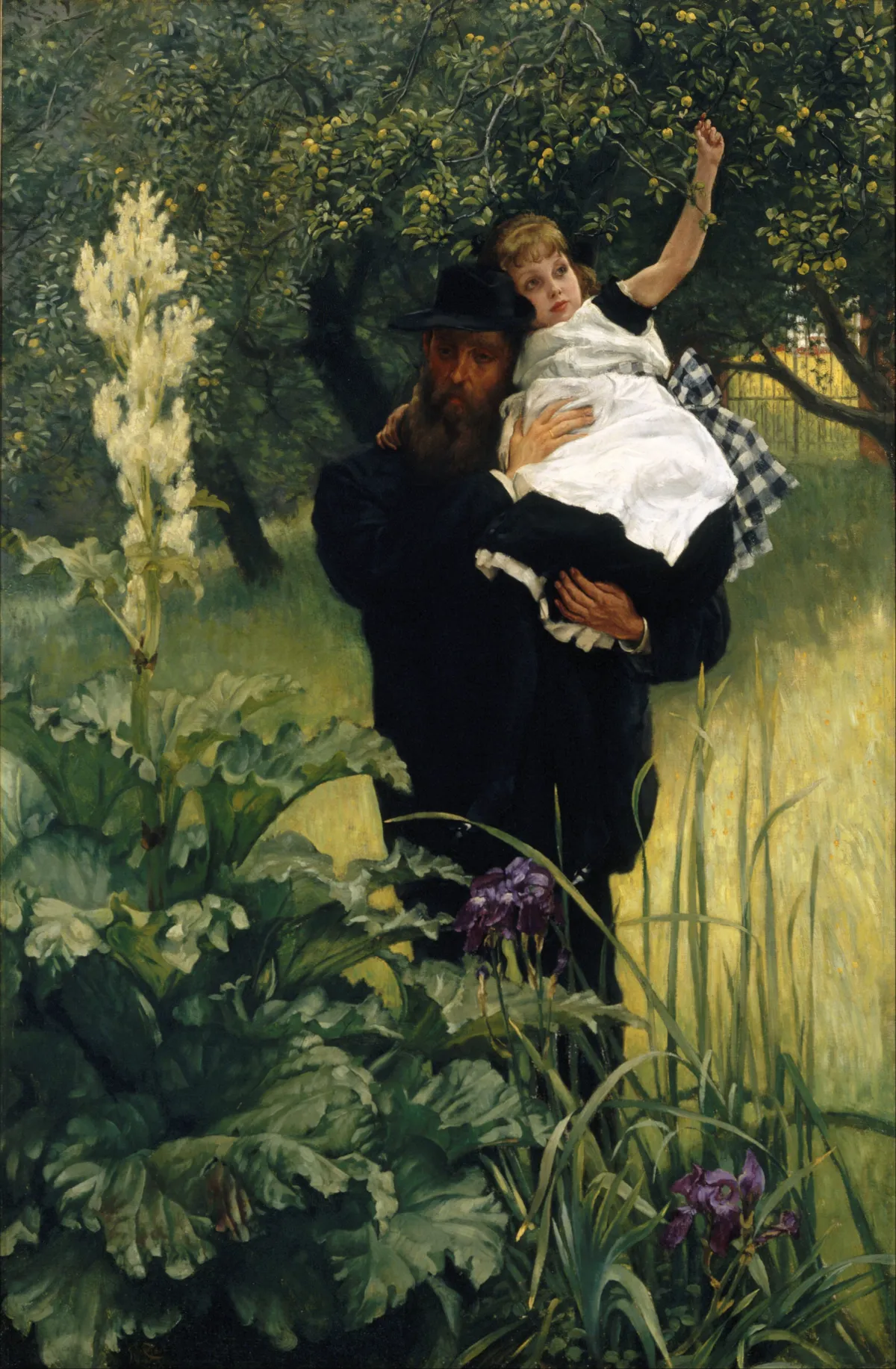
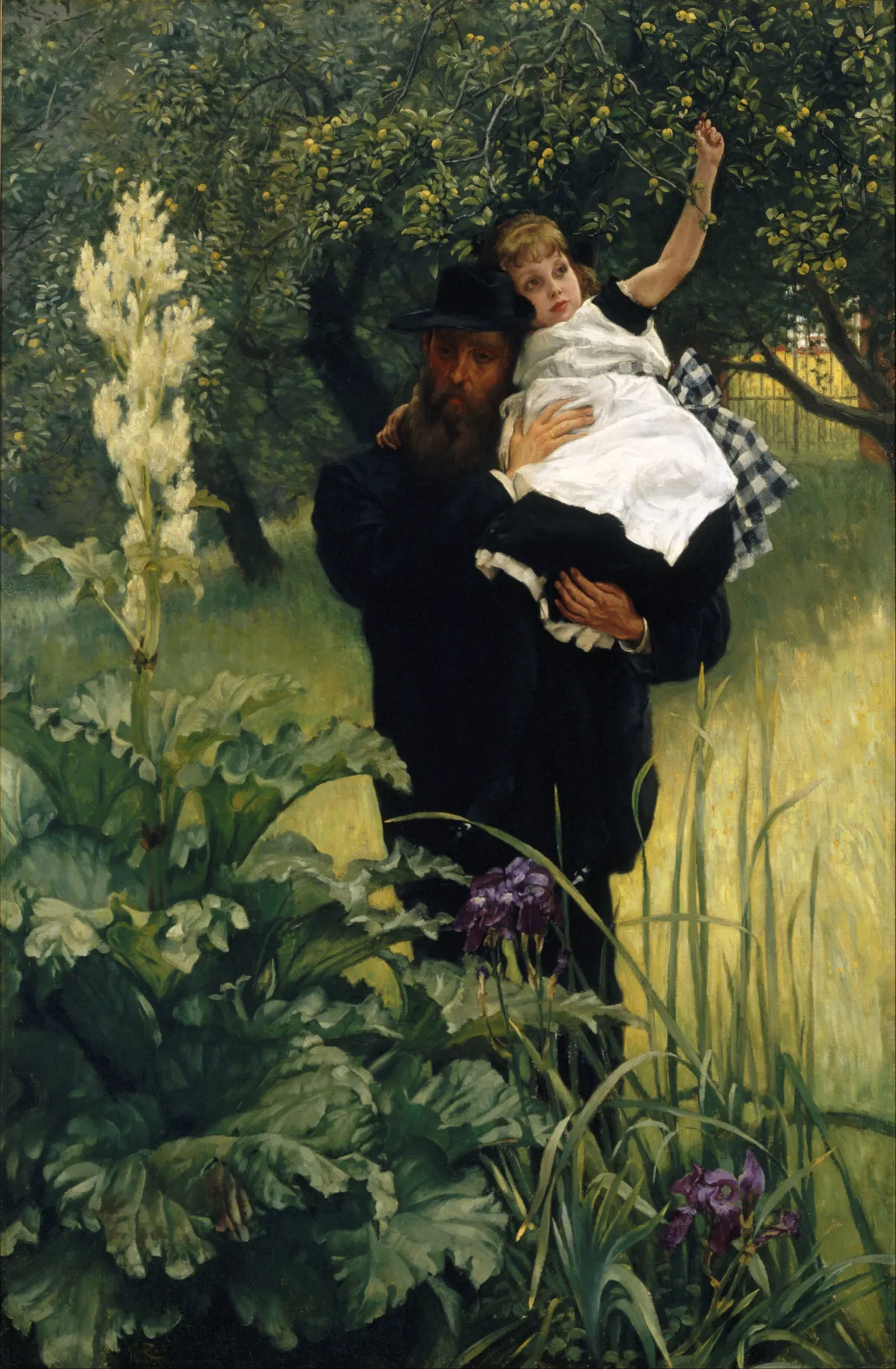
Owning "The Return of the Penitent" means possessing a significant piece of Social Realism history. This hand-painted oil painting by Samuel Luke Fildes not only enriches any collection but also connects collectors with the profound stories of the era. As with other fine art painting for sale by Fildes, including "The Widower" and "Queen Alexandra," this masterpiece offers timeless appeal and a lasting investment in the world of classic art.
When Art Meets History
Samuel Luke Fildes, a prominent figure in the Social Realism movement, masterfully captures the spirit of his era in "The Return of the Penitent." This hand-painted oil painting reflects the social concerns and everyday struggles of Victorian society. By drawing inspiration from real-life events, Fildes aligns his work with other socially conscious artists, making this piece a cornerstone of historical fine art. Collectors often seek similar works for their historical and cultural significance.
Techniques That Speak
"The Return of the Penitent" showcases Fildes’ remarkable skill with oil on canvas, a medium that allows for rich textures and lifelike details. His meticulous brushwork and use of light draw viewers into the emotional heart of the scene. Fildes, like other Social Realist painters, uses these techniques to highlight the dignity and humanity of his subjects, ensuring the painting stands out in any collection of 19th-century British art.
Emotions on Display
This fine art painting for sale is renowned for its emotional depth, portraying themes of remorse and forgiveness with profound sensitivity. Samuel Luke Fildes brings the viewer into the intimate world of his characters, a hallmark of the Social Realism movement. Through nuanced facial expressions and body language, the painting evokes empathy and reflection, much like Fildes’ other acclaimed works. Such emotional resonance makes this piece highly desirable among art enthusiasts.
Coveted by Collectors
Collectors value "The Return of the Penitent" not only for its historical context but also for its status as a hand-painted oil painting by Samuel Luke Fildes. As Social Realism continues to gain appreciation, this artwork’s authenticity and emotional power make it a sought-after addition to any fine art collection. Fildes’ dedication to depicting real-life struggles ensures that his paintings, including this masterpiece, remain highly regarded and frequently pursued in the art market.
Frequently Asked Questions About The return of the penitent
What is the historical context of "The return of the penitent"?
"The return of the penitent" was created by Samuel Luke Fildes in the late 19th century, a period marked by significant social and artistic changes. The painting reflects the Victorian era's moral values and the emphasis on redemption and forgiveness.
What artistic techniques did Fildes employ in this painting?
Fildes utilized a realistic style, characterized by meticulous attention to detail and a focus on human emotion. His use of light and shadow enhances the dramatic effect, drawing the viewer's eye to the central figures and their expressions.
What themes are explored in "The return of the penitent"?
The painting explores themes of redemption, forgiveness, and the complexity of human relationships. It captures a moment of emotional reconciliation, highlighting the struggle between guilt and the desire for forgiveness.
Who are the figures depicted in the painting?
The central figures in the painting represent a penitent individual, likely seeking forgiveness, and a figure embodying authority or judgment. Their interaction symbolizes the tension between remorse and acceptance.
What symbolism is present in "The return of the penitent"?
The painting is rich in symbolism, with elements such as the posture of the figures and their facial expressions conveying deep emotional narratives. The setting may also symbolize the transition from despair to hope.
How does "The return of the penitent" reflect Victorian values?
The painting reflects Victorian values through its emphasis on morality, the importance of redemption, and the belief in the possibility of personal transformation, which were central themes in the society of that era.
What was Samuel Luke Fildes' artistic background?
Samuel Luke Fildes was a prominent British painter known for his narrative style and social realism. He was influenced by the Pre-Raphaelite movement and often depicted themes of human experience and emotion in his works.
How does this painting compare to Fildes' other works?
"The return of the penitent" is consistent with Fildes' focus on human emotion and social themes, similar to his other notable works, such as "The doctor's dilemma," which also explores the complexities of human relationships and moral dilemmas.
What impact did "The return of the penitent" have on contemporary art?
The painting contributed to the dialogue on realism in art during its time, influencing future artists to explore emotional depth and social issues in their works, thus paving the way for modern narrative painting.
Where can "The return of the penitent" be viewed today?
The painting is part of a collection in a notable art gallery, where it continues to be appreciated for its artistic merit and historical significance, allowing contemporary audiences to engage with its themes.























_GFM_Painting_(1).webp)



 100% Hand-Painted: Finished in 3-6 Weeks


.png)
















_(1).webp)