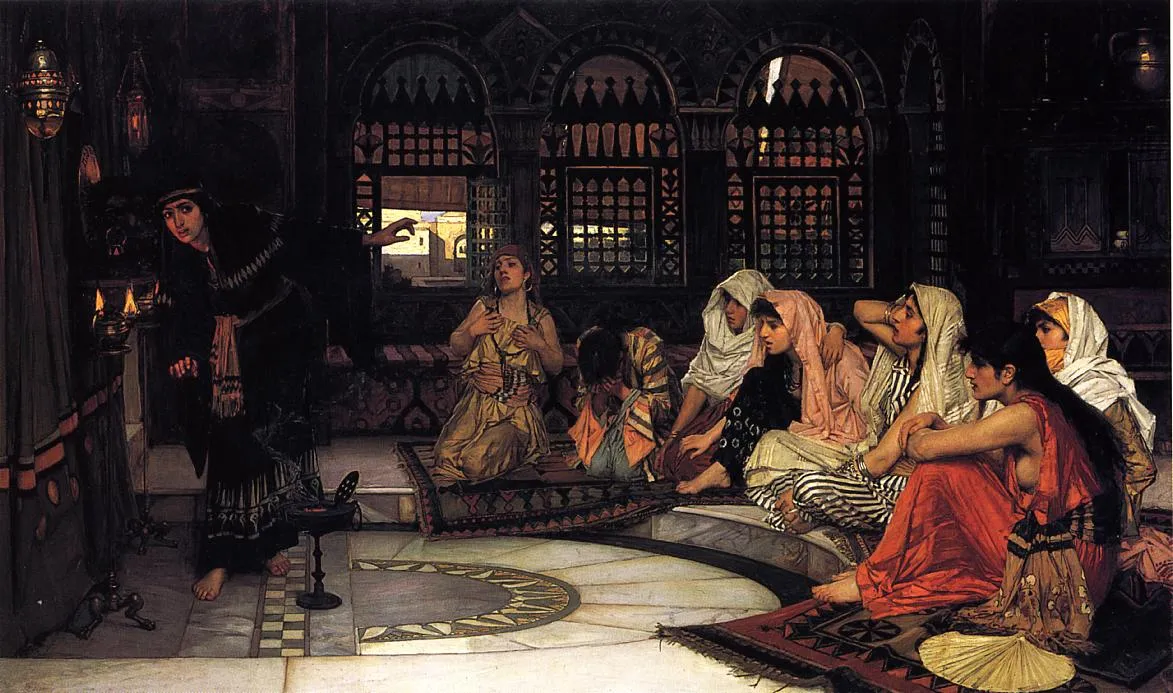
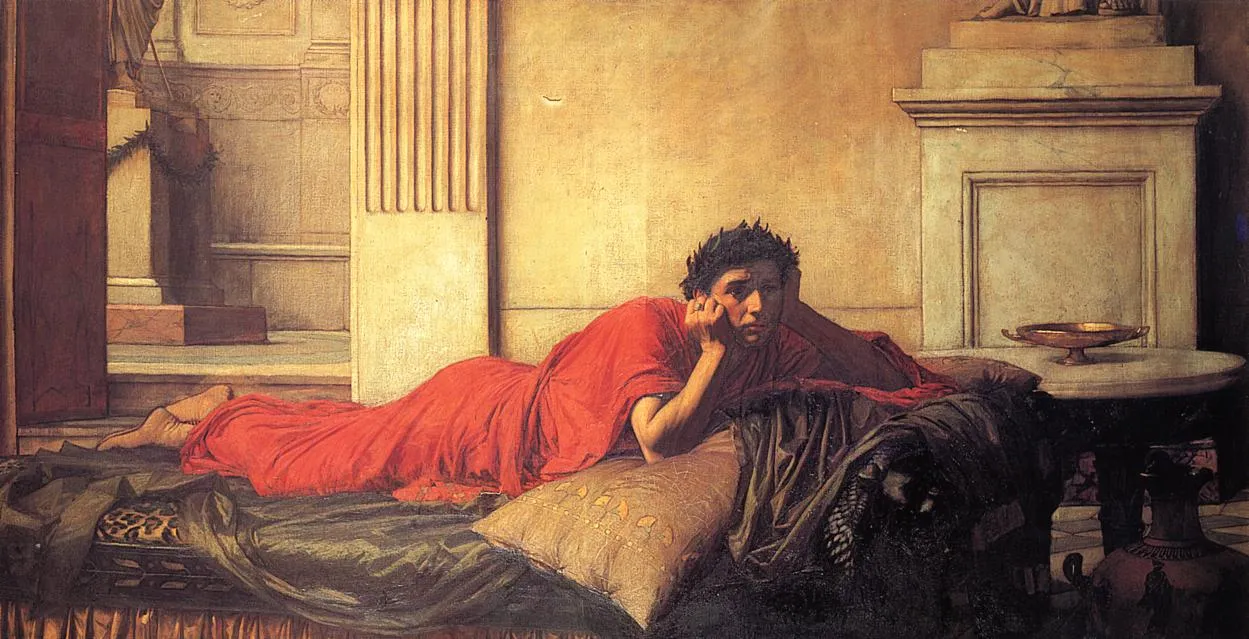
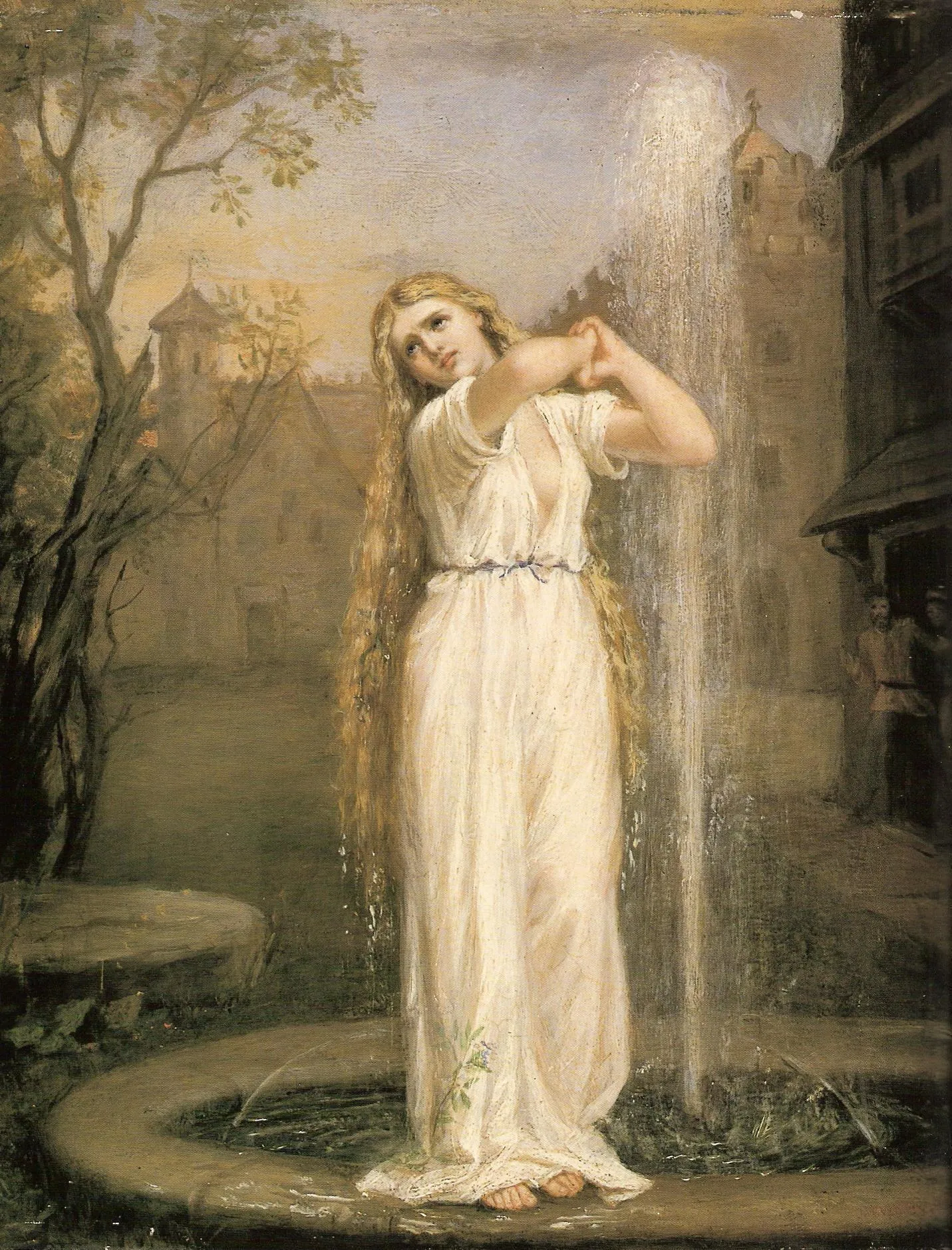
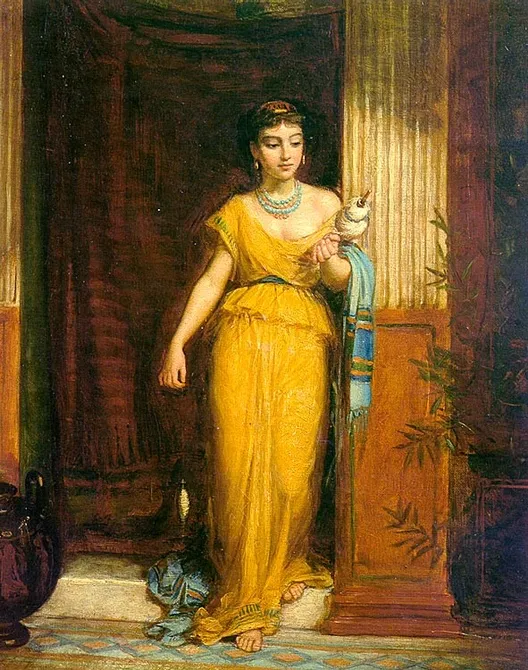
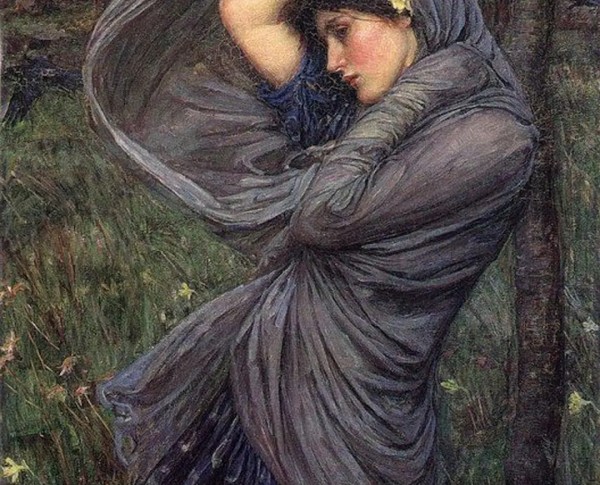
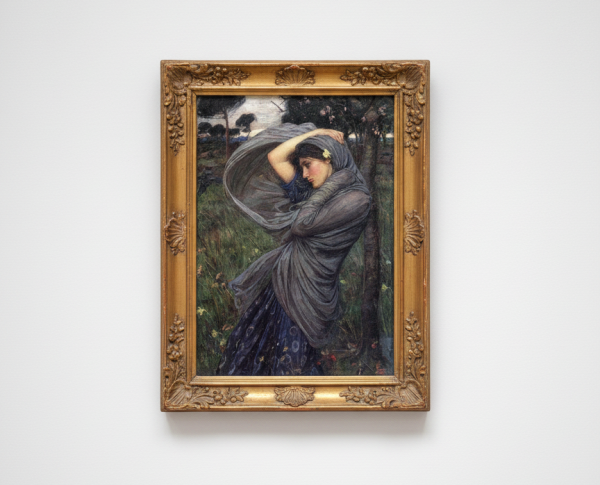
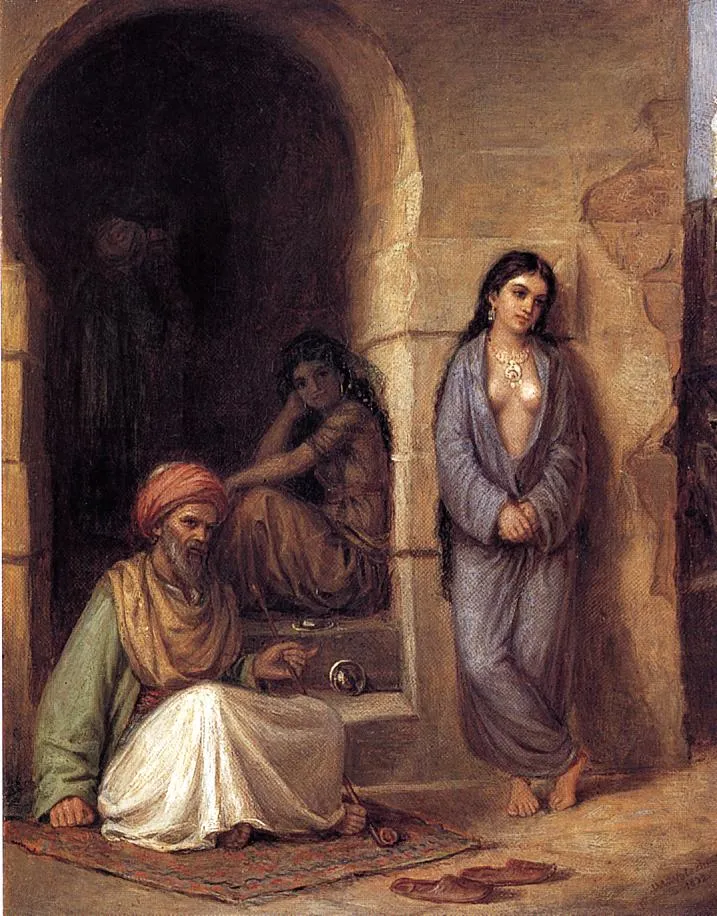
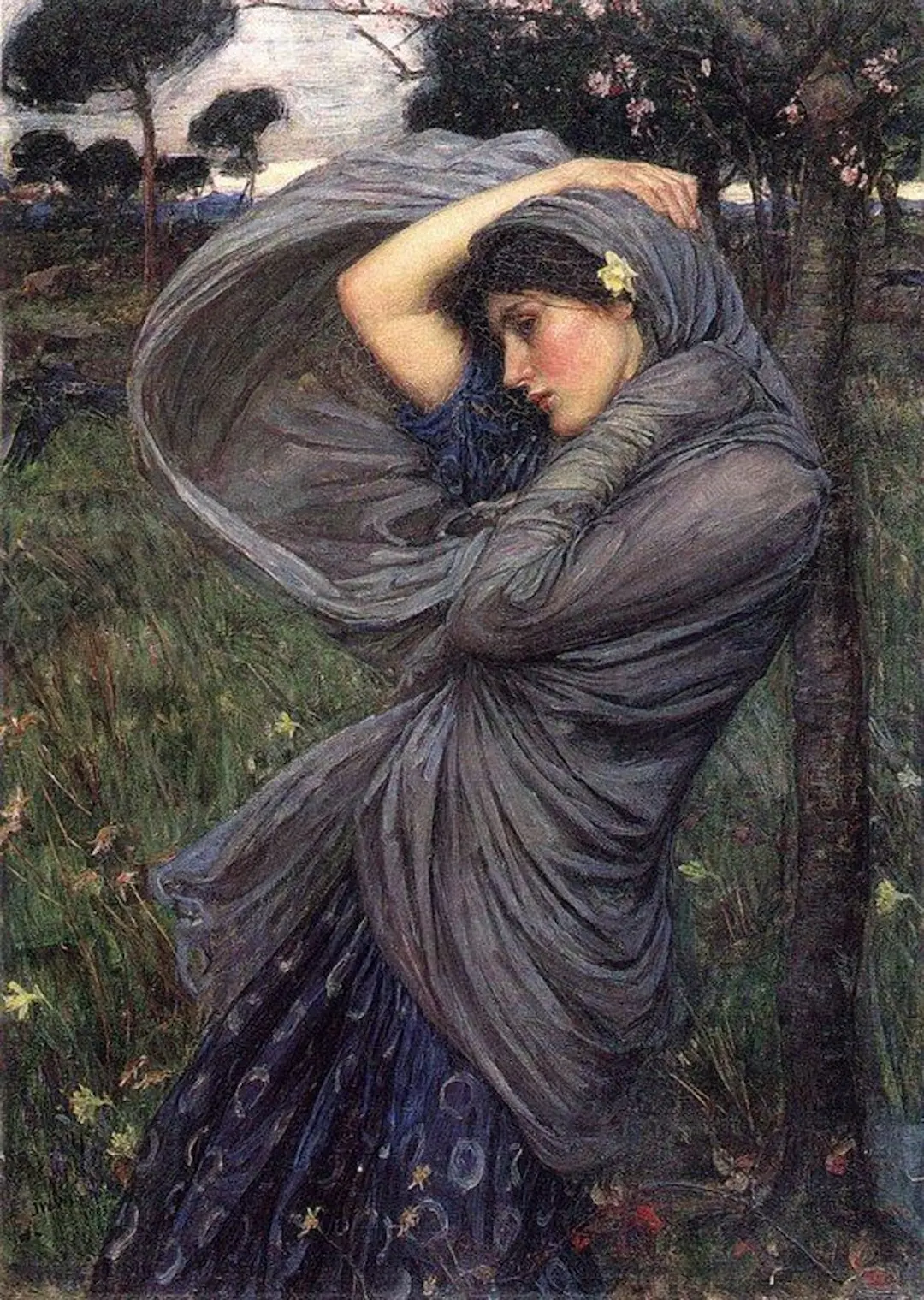
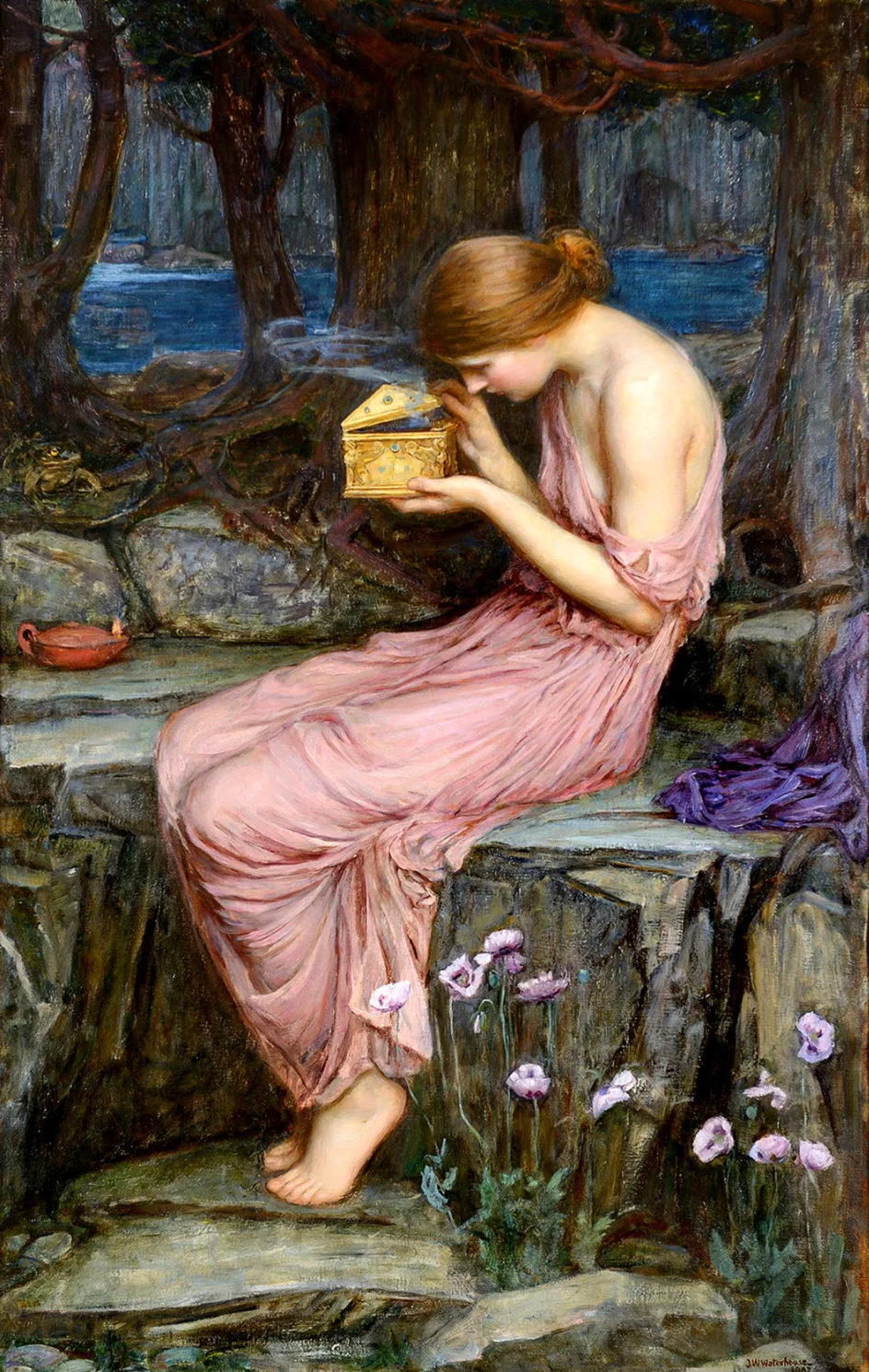
John William Waterhouse’s expertise is evident in "The Slave," where every detail is meticulously rendered using oil on canvas, a hallmark of his artistic process. The Pre-Raphaelites’ emphasis on vibrant color and realistic textures shines through, elevating this work among fine art paintings. Collectors seeking to experience this mastery often explore related pieces such as "Psyche Opening the Golden Box 1903" and "Boreas 1903" for their own curated galleries.
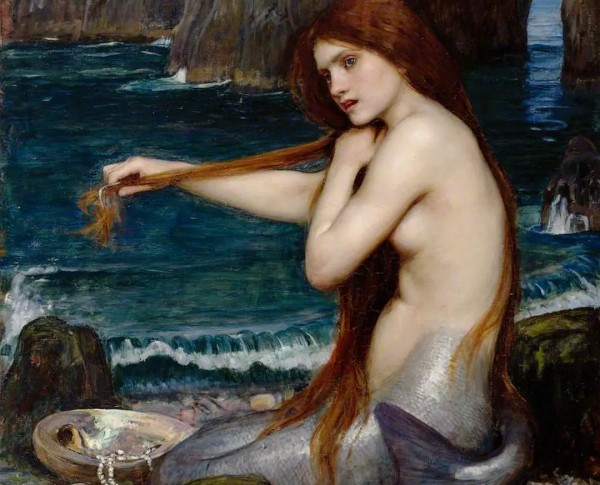
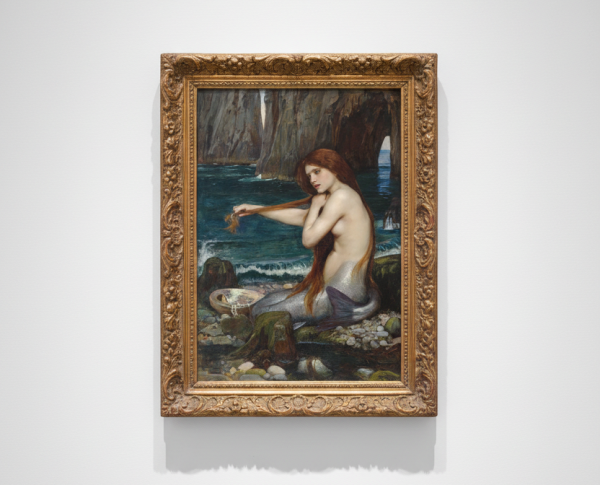
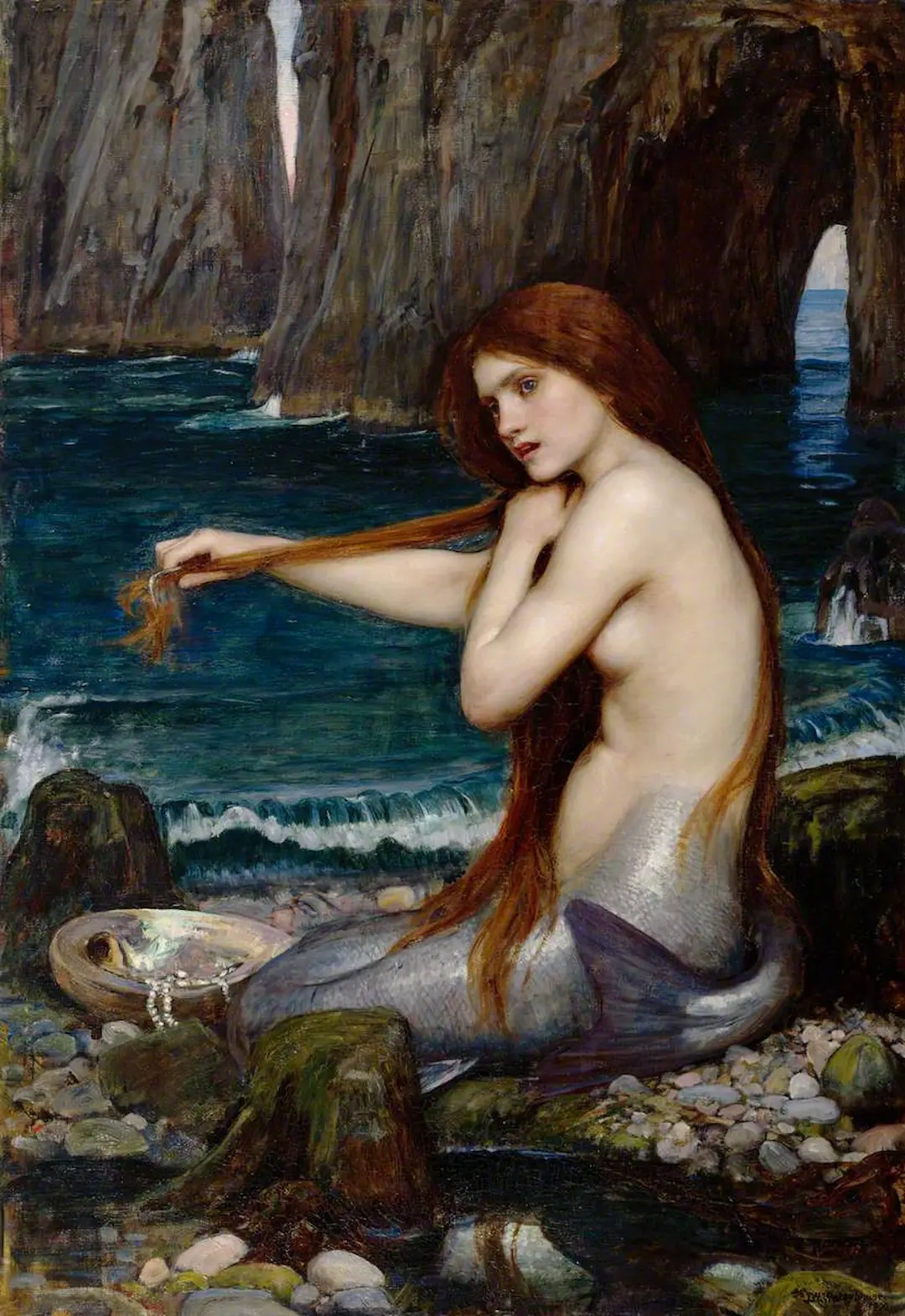
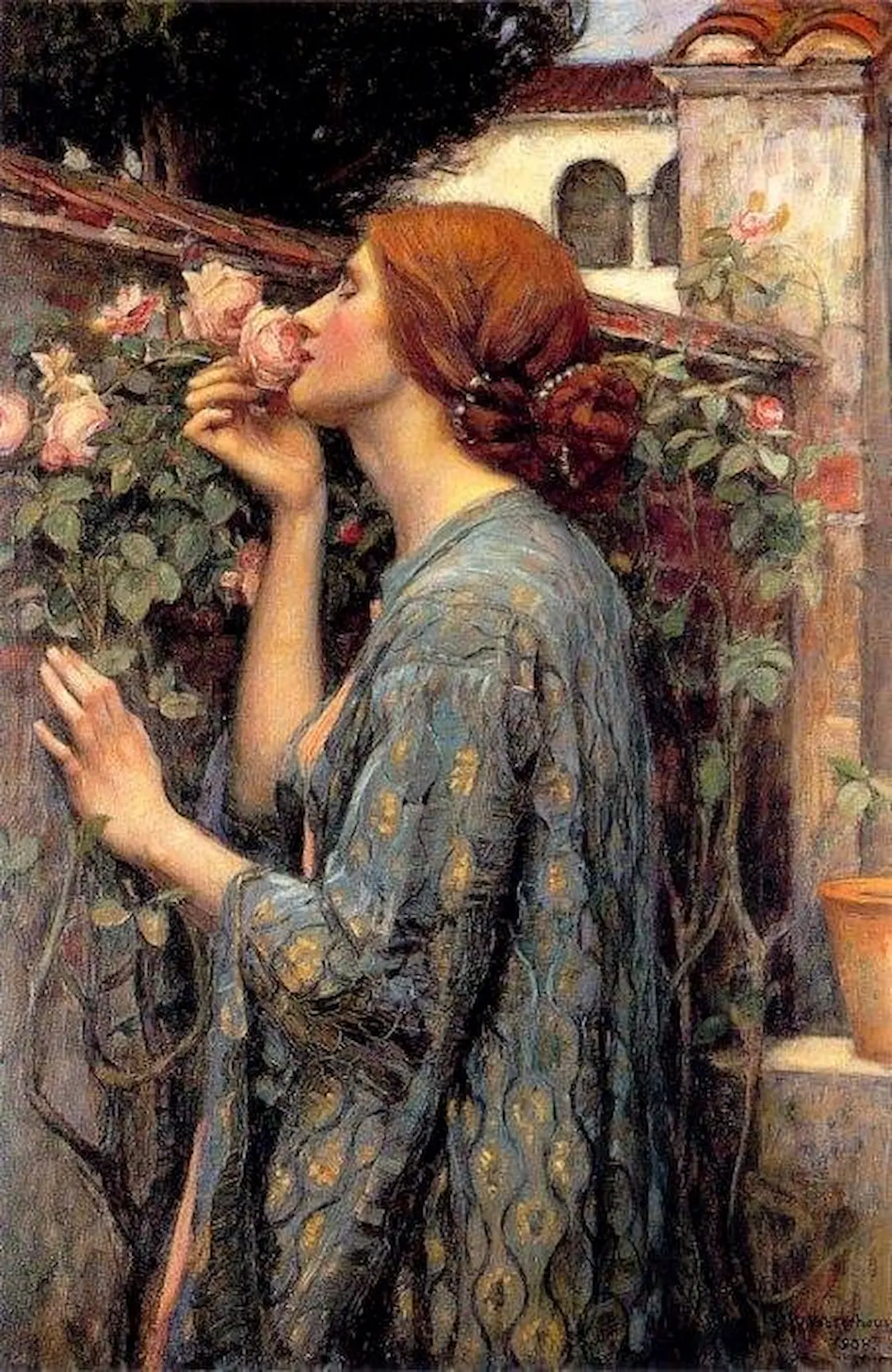
"The Slave" reveals layers of symbolism, characteristic of the Pre-Raphaelites and John William Waterhouse’s storytelling prowess. The painting’s composition draws viewers into a world of myth and emotion, inviting interpretations of freedom and fate. As a fine art painting for sale, it appeals to those who appreciate narrative depth. Art lovers also find resonance in related works like "The Soul of the Rose 1908" and "A Mermaid 1900," each rich with allegory.
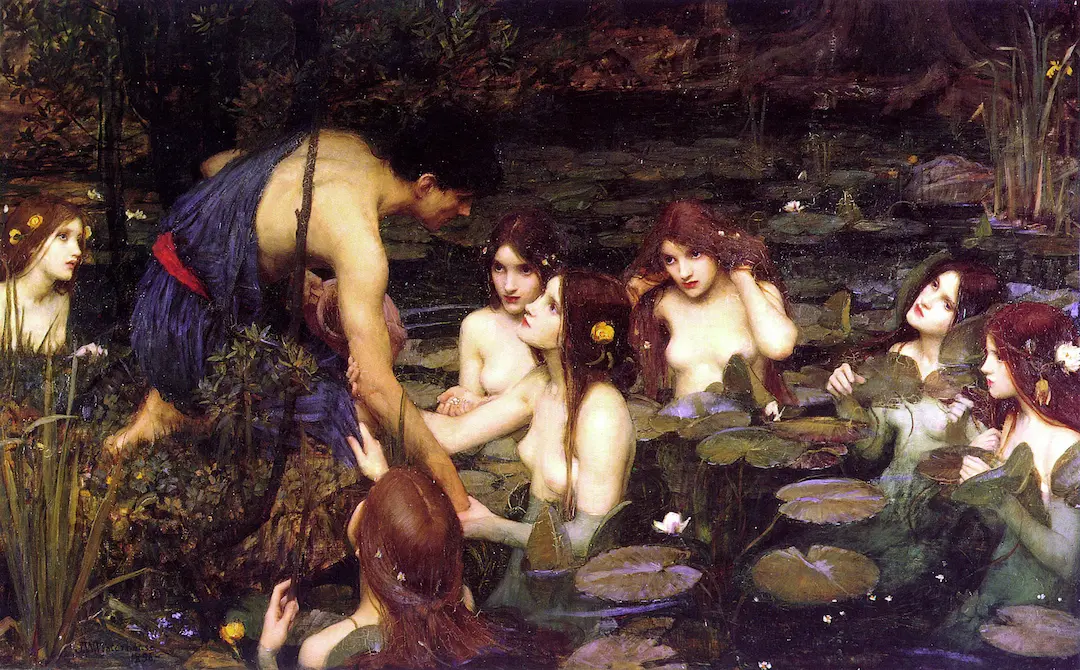
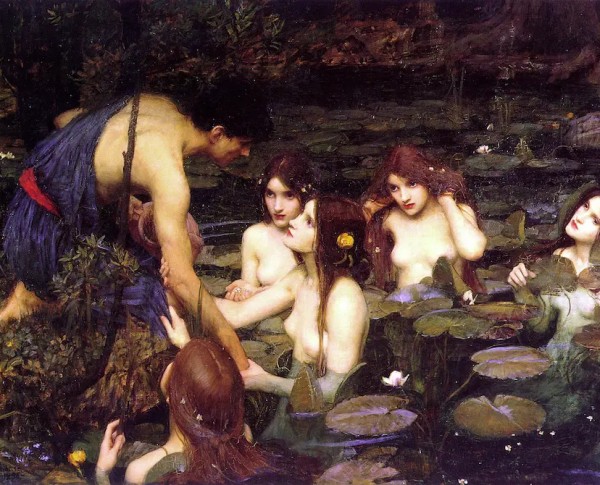
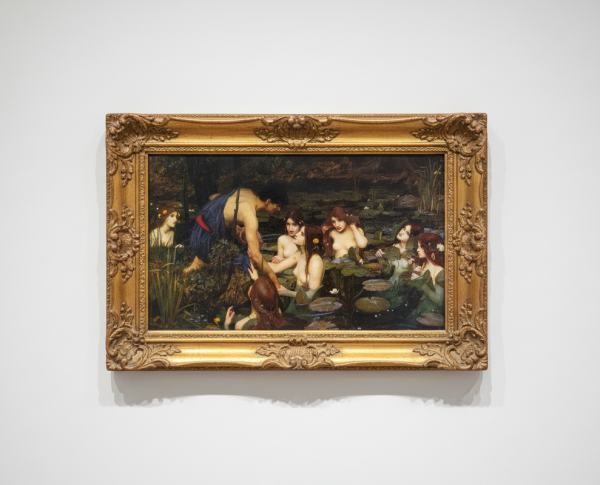
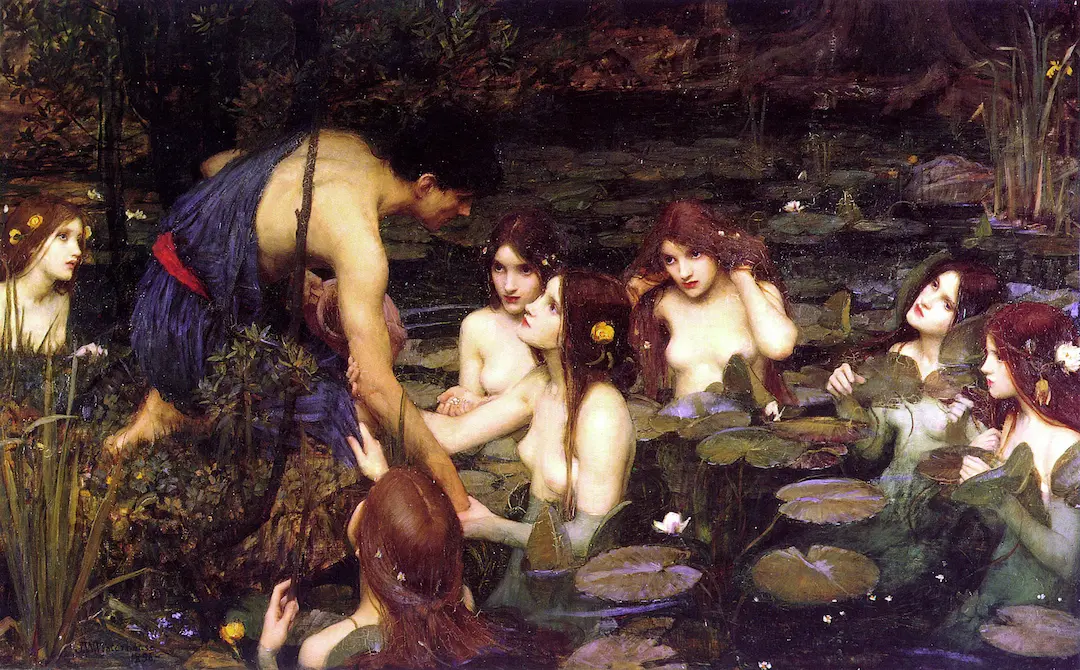
Owning "The Slave" by John William Waterhouse means acquiring more than just a beautiful artwork; it’s an investment in the legacy of the Pre-Raphaelites. This hand-painted oil painting stands as a testament to the movement’s enduring appeal. Collectors often seek out related masterpieces such as "Hylas and the Nymphs 1896" or "Boreas 1903" to complement their fine art collections, ensuring a timeless display of artistic excellence.
When Art Meets History
"The Slave" by John William Waterhouse stands as a significant hand-painted oil painting within the Pre-Raphaelites movement. Created during a time when artists sought to revive the vividness and detail of early Renaissance art, this work exemplifies the movement’s dedication to storytelling through rich visual narratives. Waterhouse, renowned for pieces like "War" and "Luna," masterfully intertwines historical themes and human experience, ensuring that "The Slave" remains a remarkable testament to the era's artistic ideals.
Techniques That Speak
John William Waterhouse’s expertise shines in his use of oil on canvas, which allows for intricate textures and a striking depth of color. In "The Slave," every brushstroke reflects the Pre-Raphaelites’ attention to detail and devotion to realism. The artist’s technique can also be seen in related works such as "Portrait of the Artist’s Husband Henry with a Pipe" and "Landscape with Trees," where the same meticulous approach brings each subject to life, captivating viewers with its lifelike quality.
Emotions on Display
With "The Slave," Waterhouse explores the complexity of human emotion through expressive faces and evocative body language, hallmarks of a fine art painting for sale from the Pre-Raphaelites movement. The painting’s subject conveys vulnerability and strength, drawing viewers into her story. Similar emotional depth can be found in Waterhouse’s "Eve," where the artist’s sensitivity to feeling and psychological nuance transforms each composition into a moving, immersive experience.
Coveted by Collectors
As a distinguished hand-painted oil painting, "The Slave" continues to be highly sought after by collectors of Pre-Raphaelites art. John William Waterhouse’s works, including "War" and "Luna," are prized for their historical significance and exquisite technique. This painting’s enduring appeal ensures its place among the most desirable pieces in galleries and private collections, alongside other masterpieces from the movement and related paintings that showcase Waterhouse’s timeless style.
Related Pre-Raphaelites Hand-Painted Oil Paintings by Other Artists
Other Famous Pre-Raphaelites Artists:
Frequently Asked Questions About "The Slave"
What is the historical context of "The Slave"?
"The Slave," painted by John William Waterhouse in 1876, reflects the Victorian era's complex relationship with themes of sexuality, morality, and the exotic. This period was marked by a fascination with classical antiquity and the exploration of human emotions.
What artistic style is employed in "The Slave"?
Waterhouse is known for his association with the Pre-Raphaelite movement, which emphasizes vivid colors, intricate details, and a focus on narrative. "The Slave" embodies these characteristics, showcasing Waterhouse's mastery of color and form.
What themes are explored in "The Slave"?
The painting explores themes of captivity, desire, and the struggle for freedom. The portrayal of the figure suggests a tension between beauty and suffering, inviting viewers to contemplate the complexities of human emotion.
Who is the central figure in "The Slave" and what does she represent?
The central figure in "The Slave" is a woman whose expression conveys a sense of longing and despair. She represents the archetype of the tragic heroine, embodying the themes of entrapment and the yearning for liberation.
How does Waterhouse use color in "The Slave"?
Waterhouse employs a rich palette of deep reds and earthy tones to evoke emotion and depth. The use of contrasting colors enhances the dramatic effect of the scene, drawing attention to the figure's plight.
What symbolic elements are present in "The Slave"?
Symbolism in "The Slave" includes the use of chains, which represent bondage and oppression, while the flowing drapery around the figure suggests both beauty and the constraints of her situation. These elements work together to deepen the narrative of the painting.
How does "The Slave" compare to other works by Waterhouse?
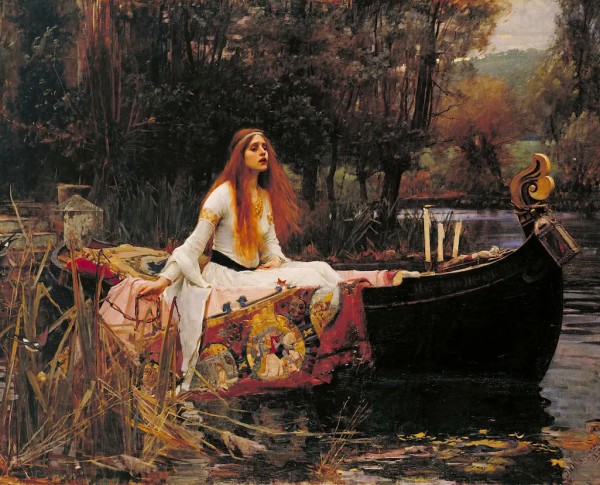
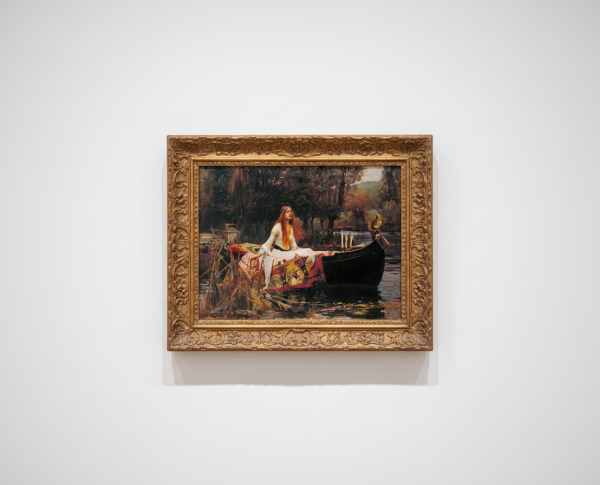
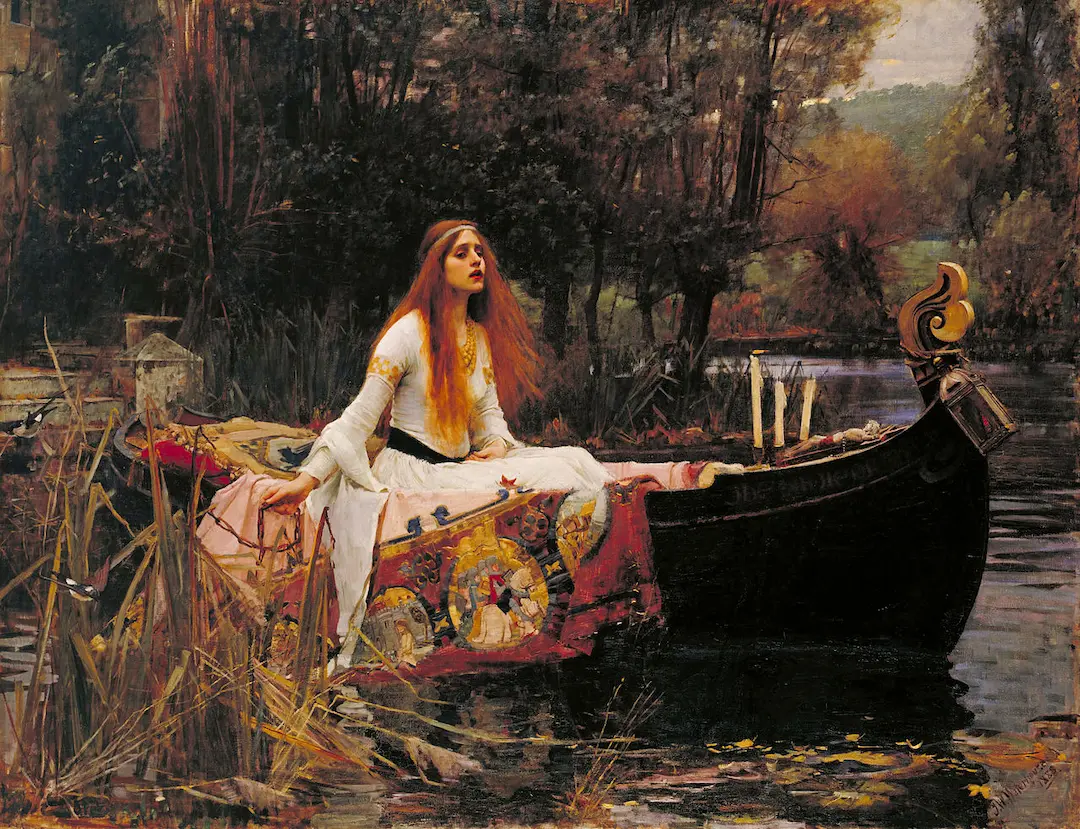
Compared to other works by Waterhouse, such as "The Lady of Shalott," "The Slave" focuses more on the emotional turmoil of the subject rather than the idyllic beauty of nature. This painting showcases a darker, more introspective side of Waterhouse's artistic vision.
What impact did "The Slave" have on contemporary viewers?
Upon its release, "The Slave" sparked discussions about the representation of women in art and society. Its emotional depth and striking imagery resonated with contemporary audiences, challenging societal norms and expectations of the time.
What techniques did Waterhouse use to create depth in "The Slave"?
Waterhouse utilized techniques such as chiaroscuro, which contrasts light and shadow, to create depth and dimensionality. This technique enhances the three-dimensionality of the figure and the overall emotional impact of the painting.
What is the significance of the title "The Slave"?
The title "The Slave" is significant as it encapsulates the central theme of the painting—captivity and the longing for freedom. It invites viewers to reflect on the broader implications of slavery, both literal and metaphorical, in human experience.























_GFM_Painting_(1).webp)


 100% Hand-Painted: Finished in 3-6 Weeks

.png)















_(1).webp)