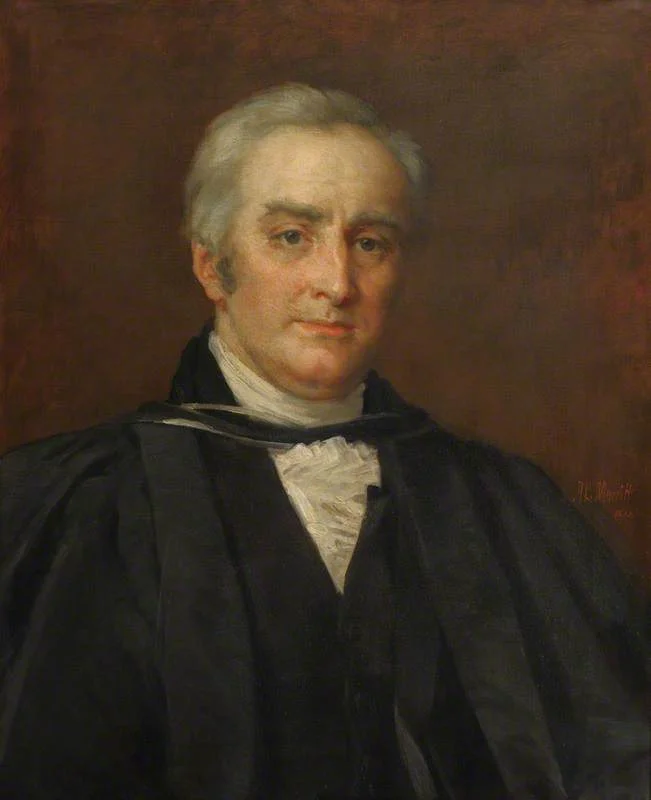
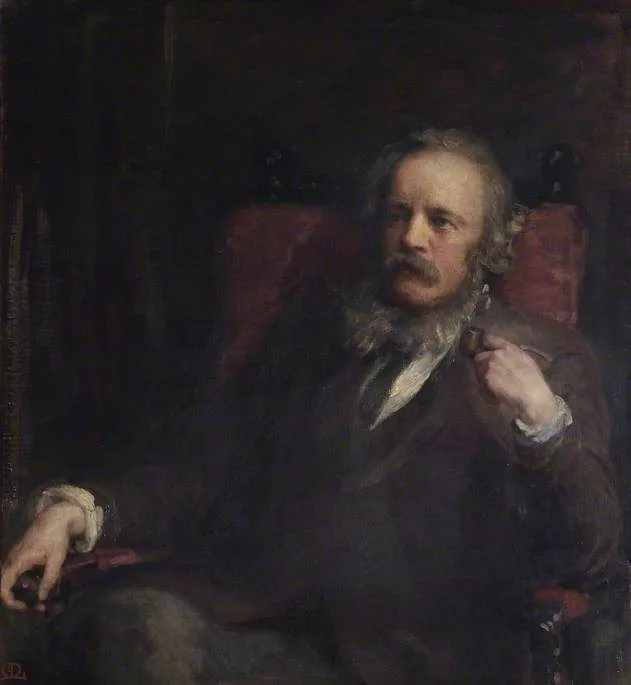
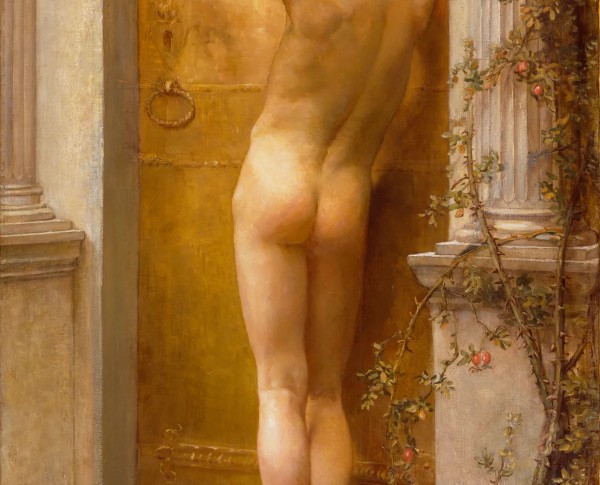
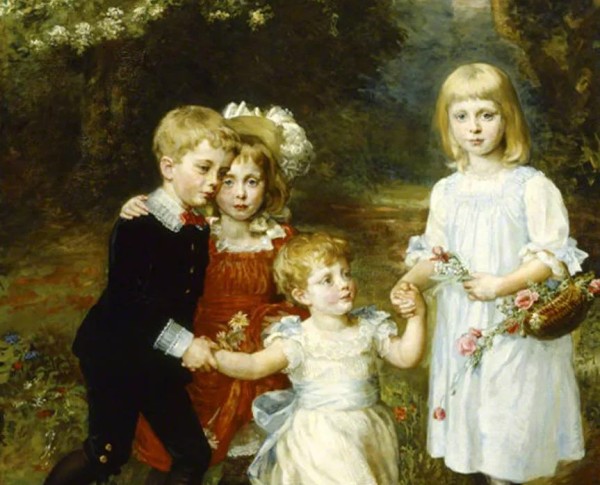
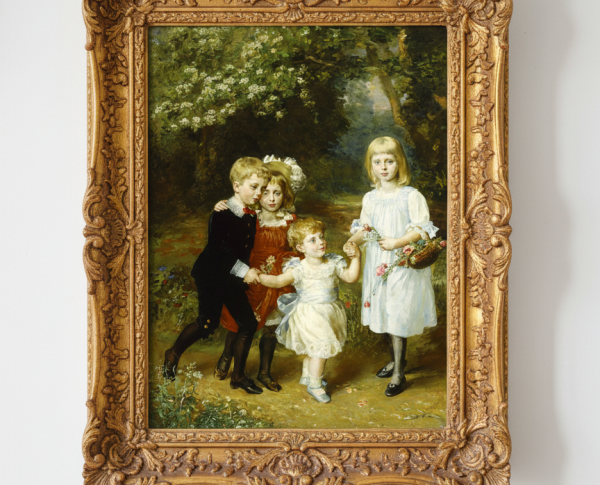
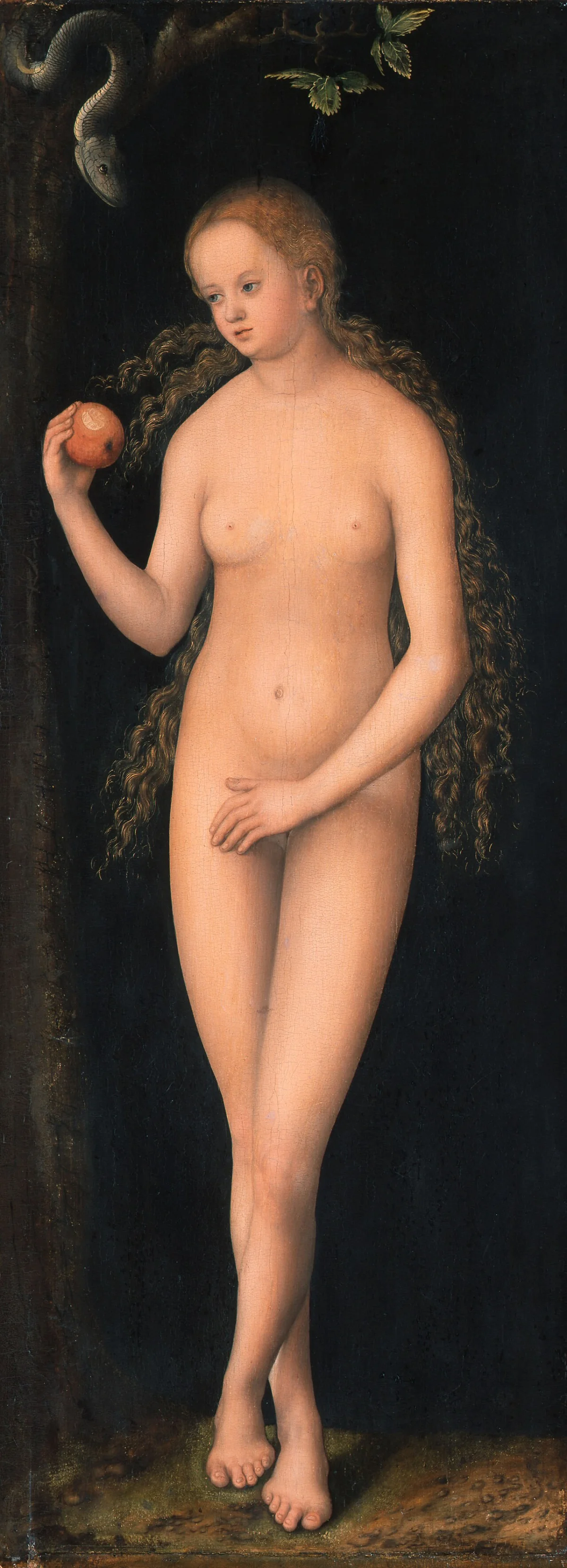
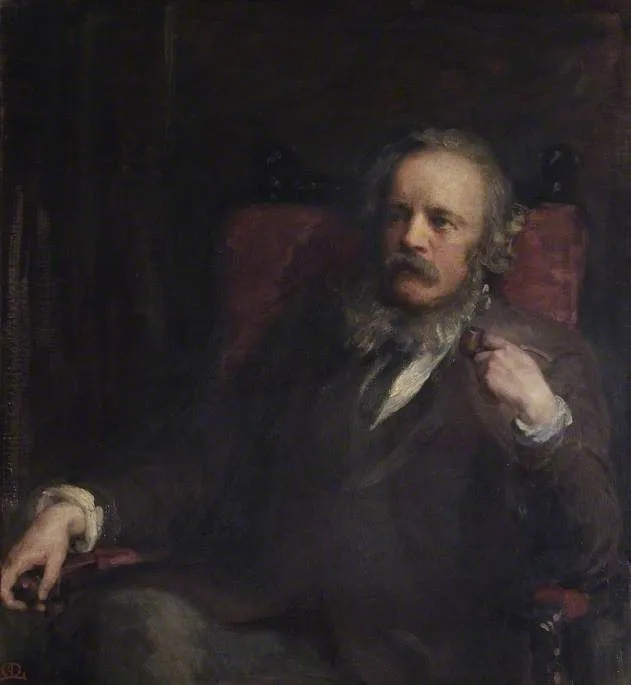
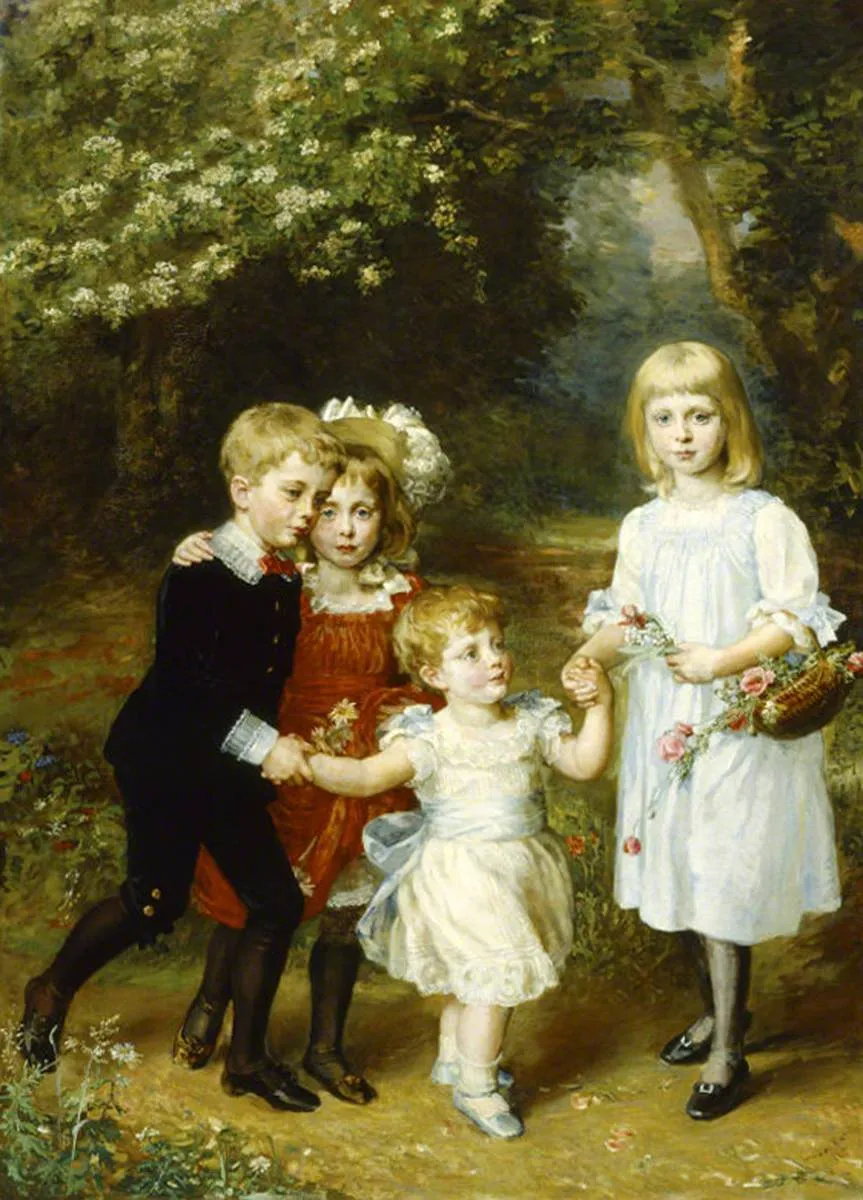
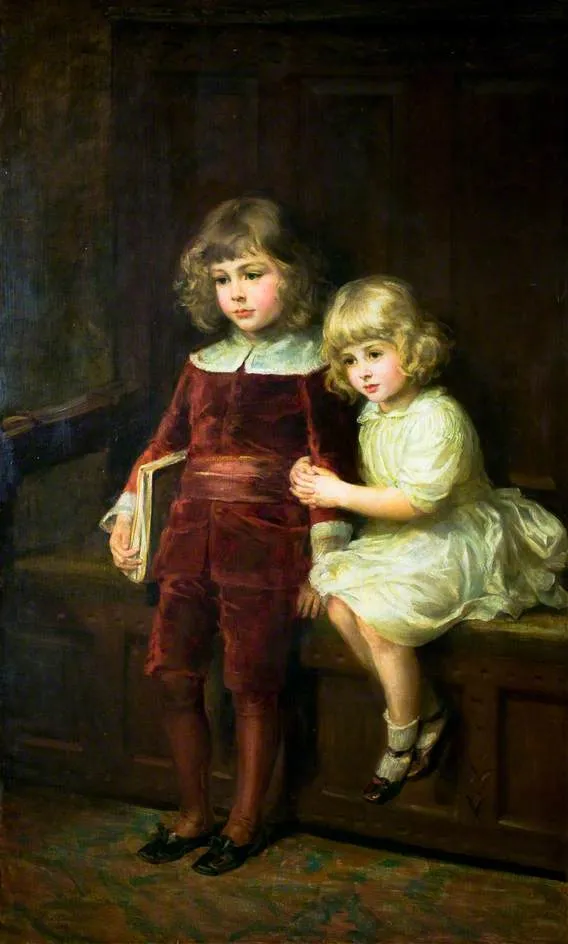
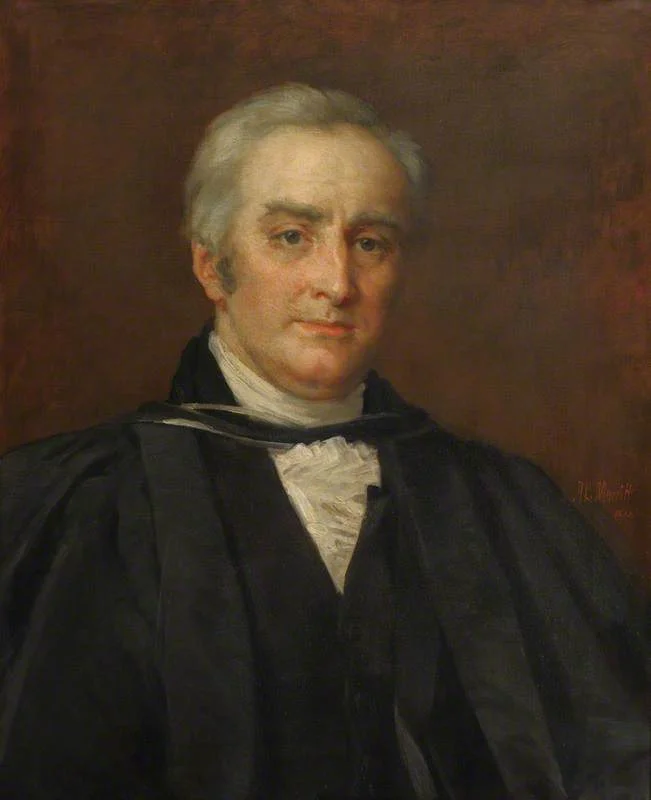
Anna Lea Merritt’s "Eve" demonstrates her exceptional technique with oil on canvas, a hallmark of the Pre-Raphaelites. The painting’s delicate brushwork and luminous color palette bring the biblical subject to life, echoing the movement’s devotion to realism and beauty. Collectors appreciate the skill evident in "Eve," as well as related works like "James Russell Lowell" and "Alfred and Charles, Grandchildren of Alfred Tennyson," all of which showcase Merritt’s artistic mastery.
"Eve" by Anna Lea Merritt is rich in symbolism, reflecting the Pre-Raphaelites’ fascination with narrative and meaning. The fine art painting for sale invites viewers to interpret themes of innocence, temptation, and redemption. Merritt’s evocative imagery is echoed in related paintings such as "William Boxall" and "John Owen, Fellow, Secretary, British and Foreign Bible Society," each offering their own symbolic depth within the movement’s tradition.
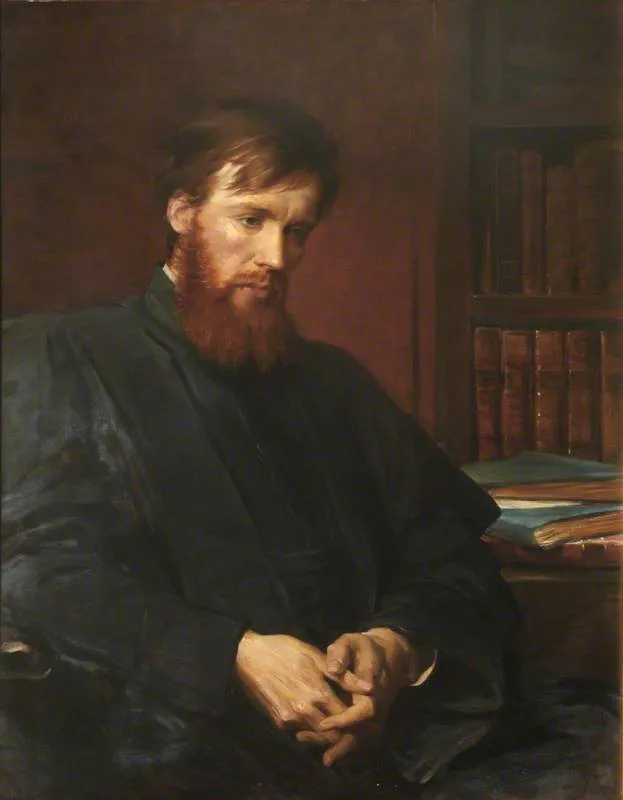
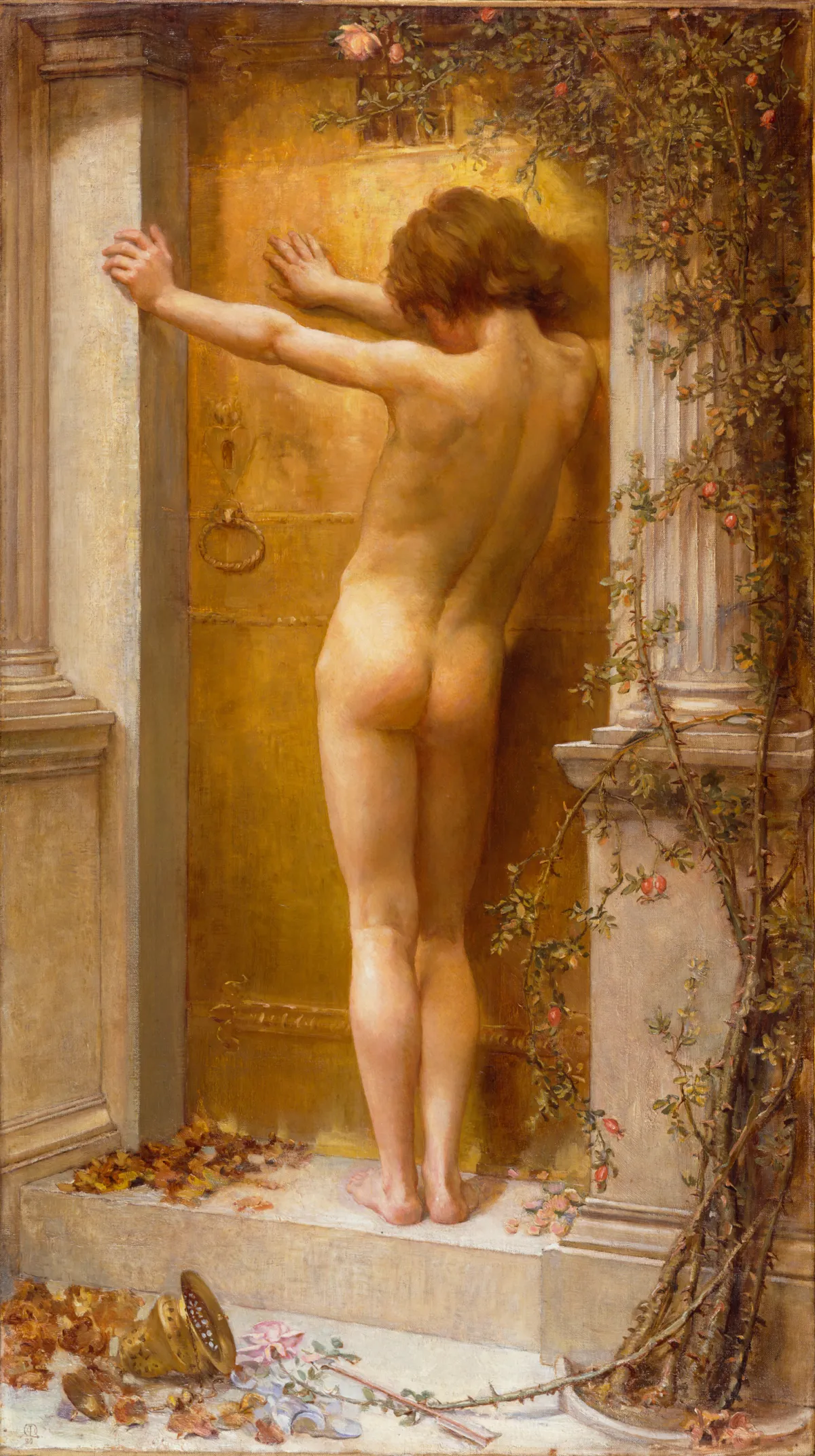
For art lovers and collectors, Anna Lea Merritt’s "Eve" is a prized addition, representing the best of the Pre-Raphaelites. As a hand-painted oil painting, it embodies the movement’s values of craftsmanship and storytelling. Collectors seeking a unique piece often explore related works like "Treasurer of Lady Margaret Hall" and "Love Locked Out," making "Eve" and its companions highly sought-after fine art painting for sale in today’s market.
When Art Meets History
"Eve" by Anna Lea Merritt stands as a remarkable hand-painted oil painting from the Pre-Raphaelites movement, a period renowned for its return to vivid detail and classical themes. Created in a time of renewed interest in biblical subjects, this work draws connections to other masterpieces such as "Midsummer Eve" and "The Soul of the Rose 1908." Merritt’s depiction of Eve elevates the narrative, blending historical significance with timeless beauty in a way that continues to inspire art lovers today.
Techniques That Speak
Anna Lea Merritt’s "Eve" showcases her mastery in oil on canvas, a medium favored by many Pre-Raphaelite artists. Her meticulous brushwork and attention to detail bring the figure of Eve to life, echoing the style seen in related works like "Portrait of Caroline Hill" and "Night with her Train of Stars." The composition’s luminous colors and layered textures highlight Merritt’s technical prowess, making this painting a prime example of the movement’s dedication to craftsmanship and realism.
Emotions on Display
In "Eve," Anna Lea Merritt captures a profound sense of vulnerability and contemplation, hallmarks of fine art painting for sale from the Pre-Raphaelites era. The emotional depth is palpable, inviting viewers to empathize with Eve’s internal struggle. Similar emotional resonance can be found in works like "Boreas 1903" and "Midsummer Eve." Through subtle expressions and evocative use of light, Merritt crafts a narrative that lingers in the mind long after viewing.
Coveted by Collectors
Today, "Eve" by Anna Lea Merritt remains a highly sought-after hand-painted oil painting among collectors of Pre-Raphaelite art. Its historical importance and exceptional artistry place it alongside notable works such as "The Soul of the Rose 1908" and "Night with her Train of Stars." The painting’s enduring appeal lies in its unique blend of technical skill and emotional impact, ensuring its place as a treasured piece in galleries and private collections worldwide.
Related Pre-Raphaelites Hand-Painted Oil Paintings by Other Artists
Other Famous Pre-Raphaelites Artists:
Frequently Asked Questions About Eve
What is the historical context of Anna Lea Merritt's painting "Eve"?
"Eve" was created in the late 19th century, a period marked by a growing interest in women's rights and representation in art. Merritt's work reflects the shifting societal views on femininity and the role of women in both the domestic and public spheres.
What artistic movements influenced Anna Lea Merritt's work?
Merritt's "Eve" is influenced by the Pre-Raphaelite movement, which emphasized detailed realism and vibrant colors. Additionally, elements of Symbolism can be observed in her use of allegorical themes and emotional depth.
What is the significance of the title "Eve" in this painting?
The title "Eve" evokes themes of creation, innocence, and the complexities of femininity. It references the biblical figure, symbolizing both the origins of humanity and the burdens of womanhood, which Merritt explores through her portrayal.
How does Merritt's portrayal of Eve differ from traditional representations?
Merritt's "Eve" presents a more introspective and complex character than typical depictions of the biblical figure. Instead of focusing solely on temptation, Merritt emphasizes Eve's strength and vulnerability, inviting viewers to consider her humanity.
What techniques did Anna Lea Merritt use in "Eve" to convey emotion?
Merritt employed a combination of soft brushwork and a rich color palette to evoke a sense of intimacy and emotional depth. The careful rendering of Eve's expression and posture allows viewers to connect with her inner turmoil and strength.
What symbols are present in "Eve" and what do they represent?
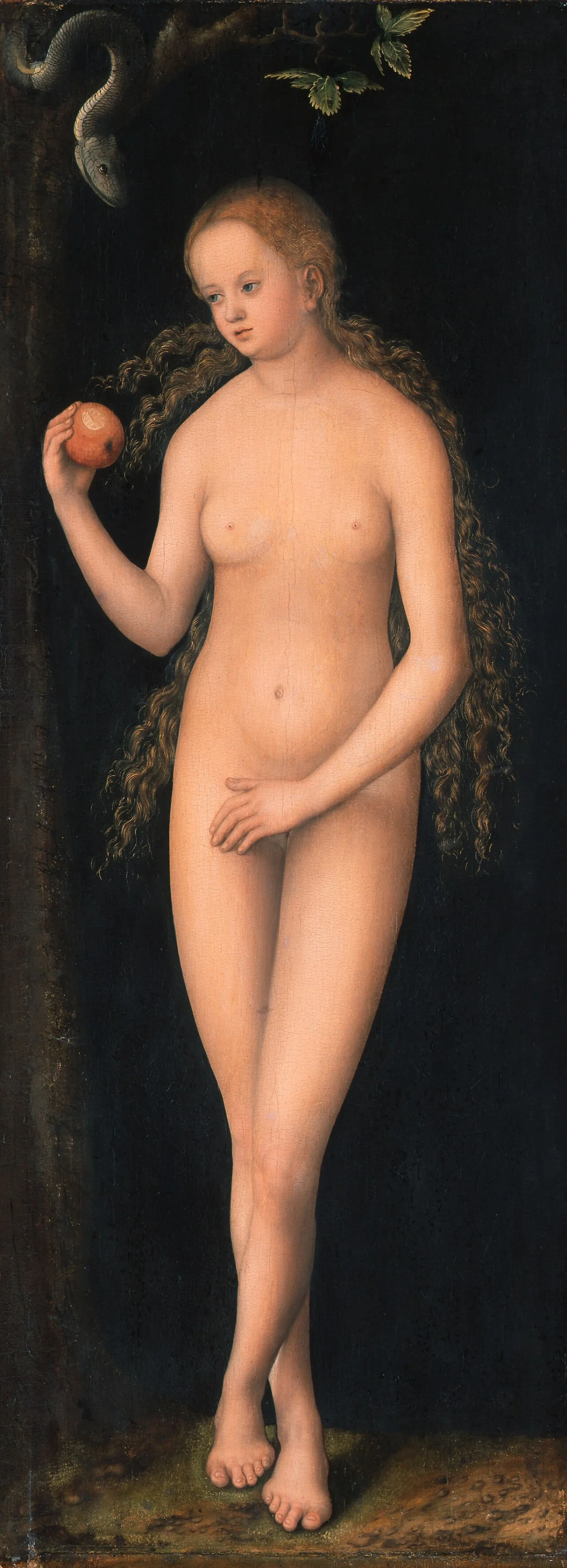
The painting features various symbols, such as the apple, which represents knowledge and temptation, and the serpent, often associated with deceit. These elements serve to highlight the duality of Eve's character as both a figure of innocence and a catalyst for change.
How does "Eve" reflect the role of women in the 19th century?
"Eve" reflects the evolving role of women during the 19th century, as it captures the tension between traditional expectations and emerging ideas of female empowerment. Merritt's portrayal encourages viewers to reconsider women's narratives in both art and society.
What impact did Anna Lea Merritt have on the art world as a female artist?
Merritt was a pioneering figure in the art world, breaking barriers for female artists in a predominantly male-dominated field. Her success and recognition helped pave the way for future generations of women in art, challenging societal norms and expectations.
In what ways does "Eve" challenge traditional narratives of femininity?
"Eve" challenges traditional narratives by presenting a multifaceted view of femininity that encompasses strength, vulnerability, and complexity. Merritt's depiction invites a deeper exploration of women's experiences beyond the confines of societal expectations.
What legacy does "Eve" leave in the context of feminist art history?
"Eve" holds a significant place in feminist art history as it embodies the struggles and triumphs of women. Merritt's work continues to inspire discussions about gender, identity, and representation, making it a vital piece in understanding the evolution of feminist art.






















_GFM_Painting_(1).webp)


 100% Hand-Painted: Finished in 3-6 Weeks

.png)















_(1).webp)