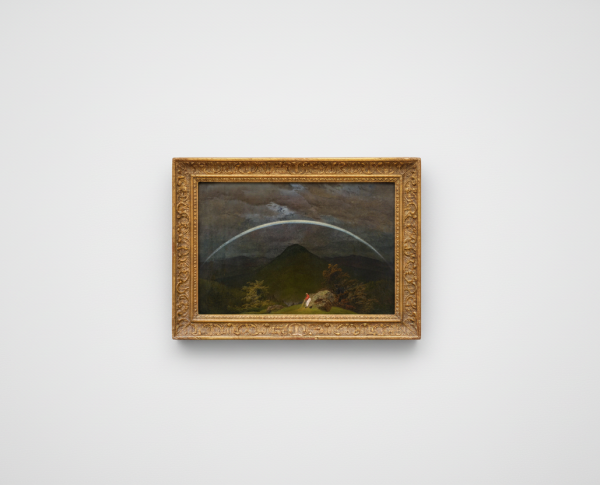
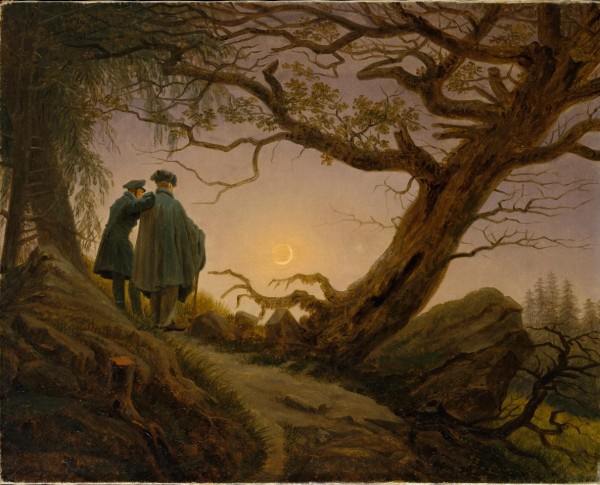
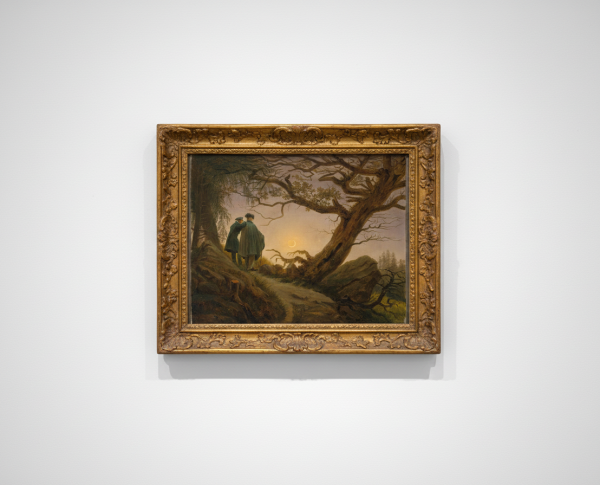
Caspar David Friedrich’s "The Summer" is a stunning example of oil on canvas technique, showcasing his mastery in rendering delicate landscapes and atmospheric moods. Each brushstroke contributes to the painting’s depth and serenity, hallmarks of the Romanticism era. As with his other masterpieces, such as "Landscape in the Riesengebirge," Friedrich’s expertise in oil on canvas brings an unparalleled sense of realism and emotion to this celebrated work.
"The Summer" is more than just a fine art painting for sale; it is an exploration of nature’s cycles and human emotion. Friedrich weaves subtle symbols and narratives into his landscapes, inviting viewers to interpret the changing seasons and tranquil scenes. Similar thematic depth can be found in related works like "Ship in the Arctic Ocean" and "View of Arkona with Moon Rising," all of which enrich any fine art collection with their evocative storytelling.
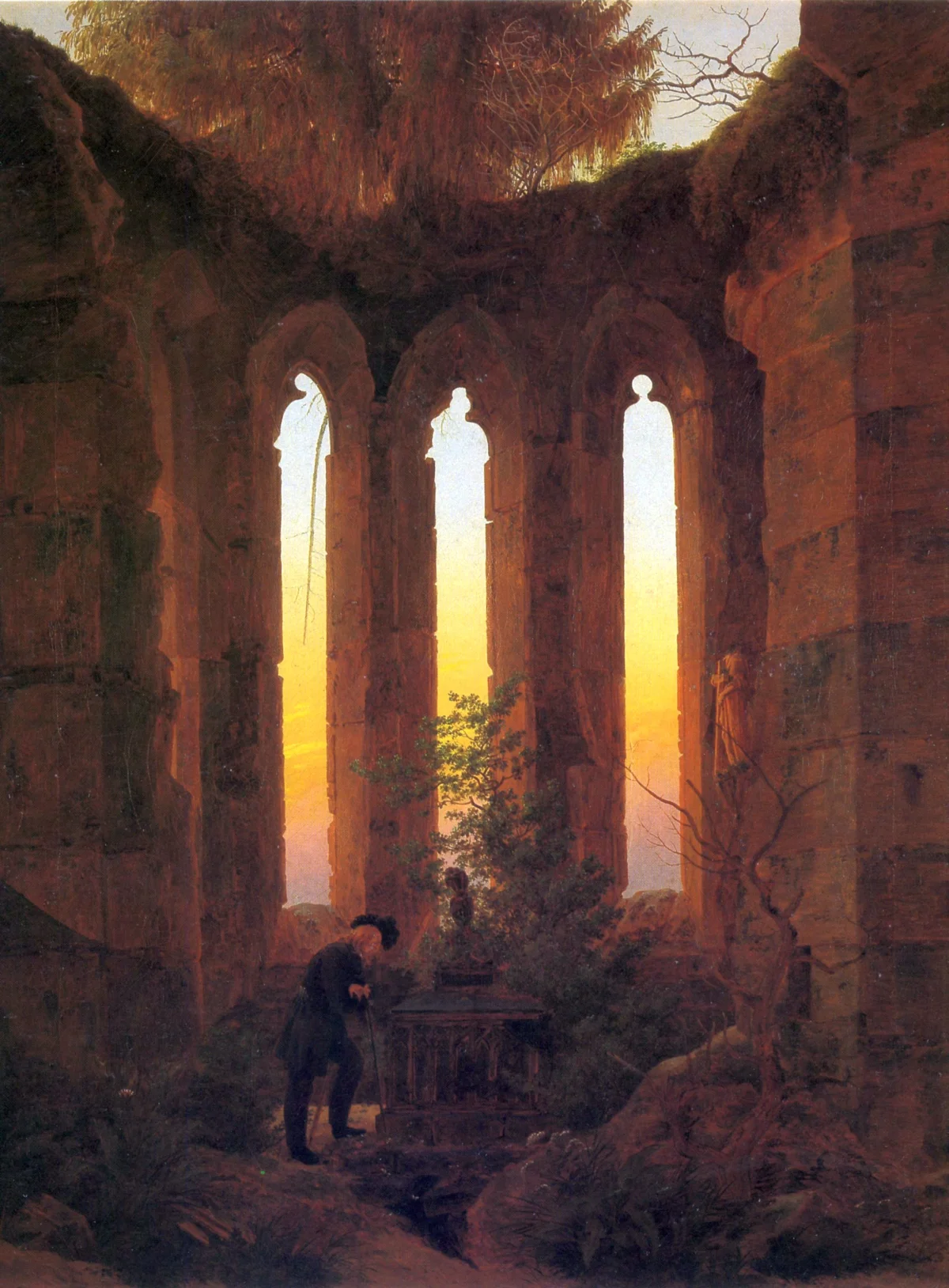
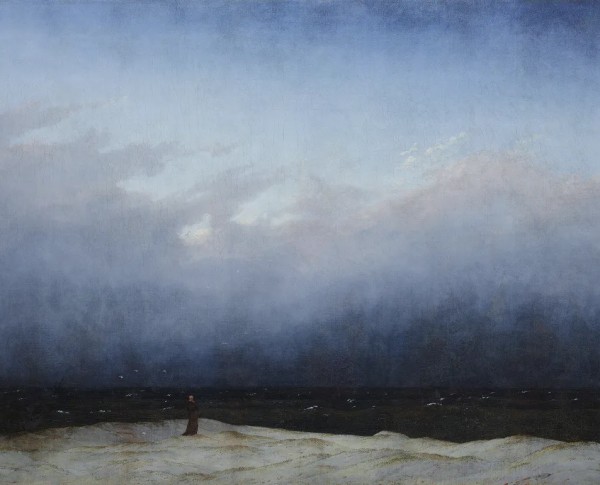
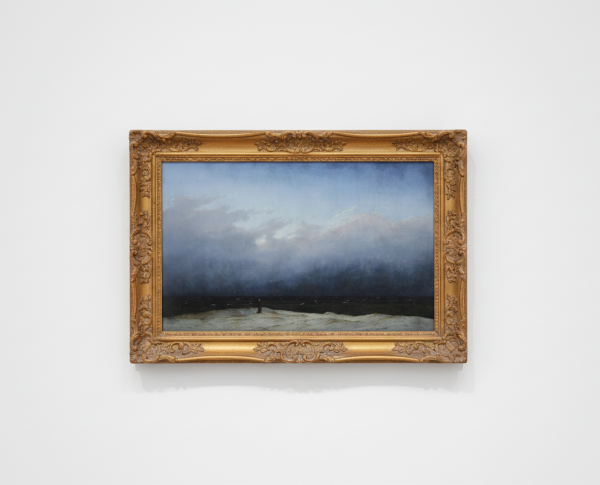
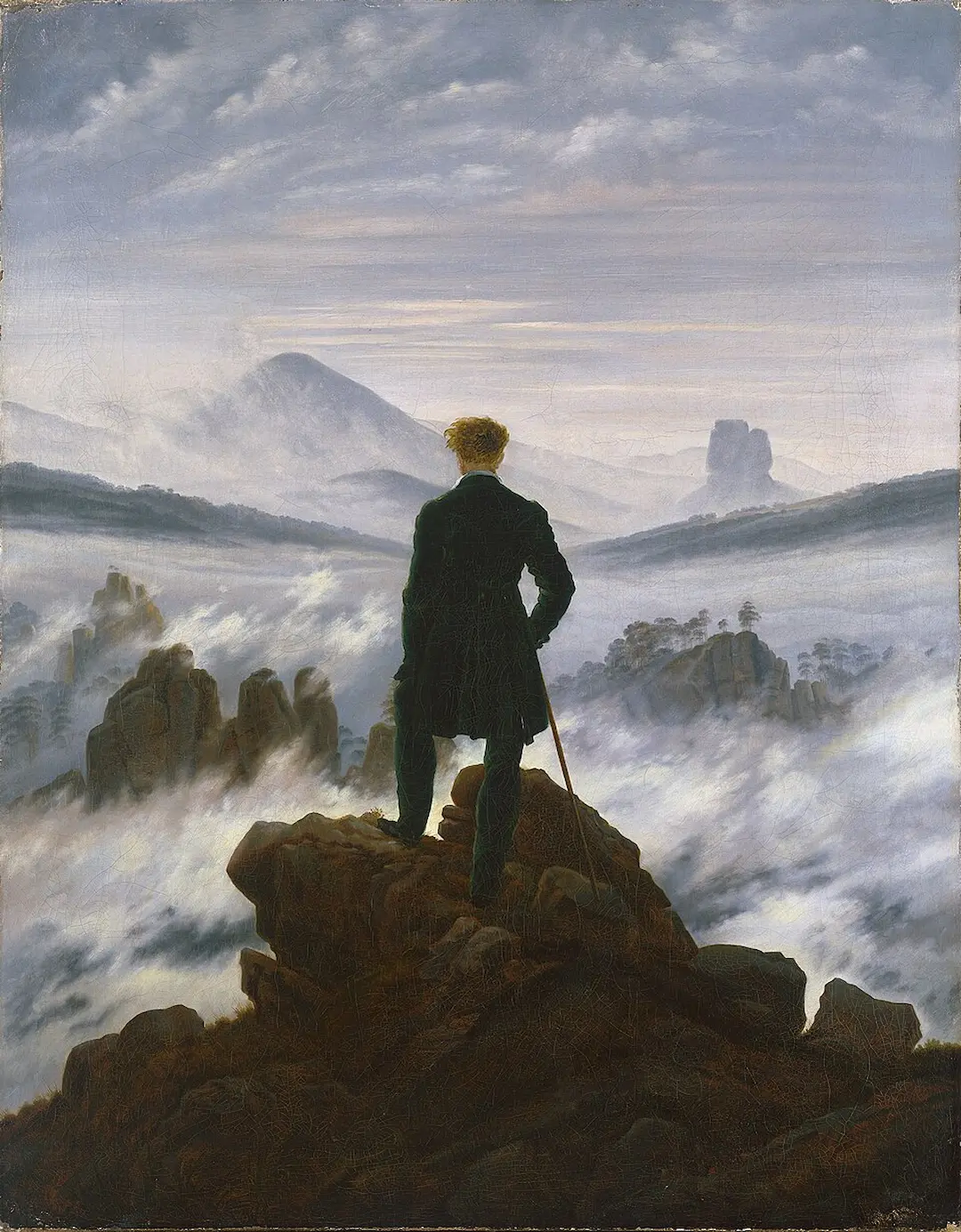
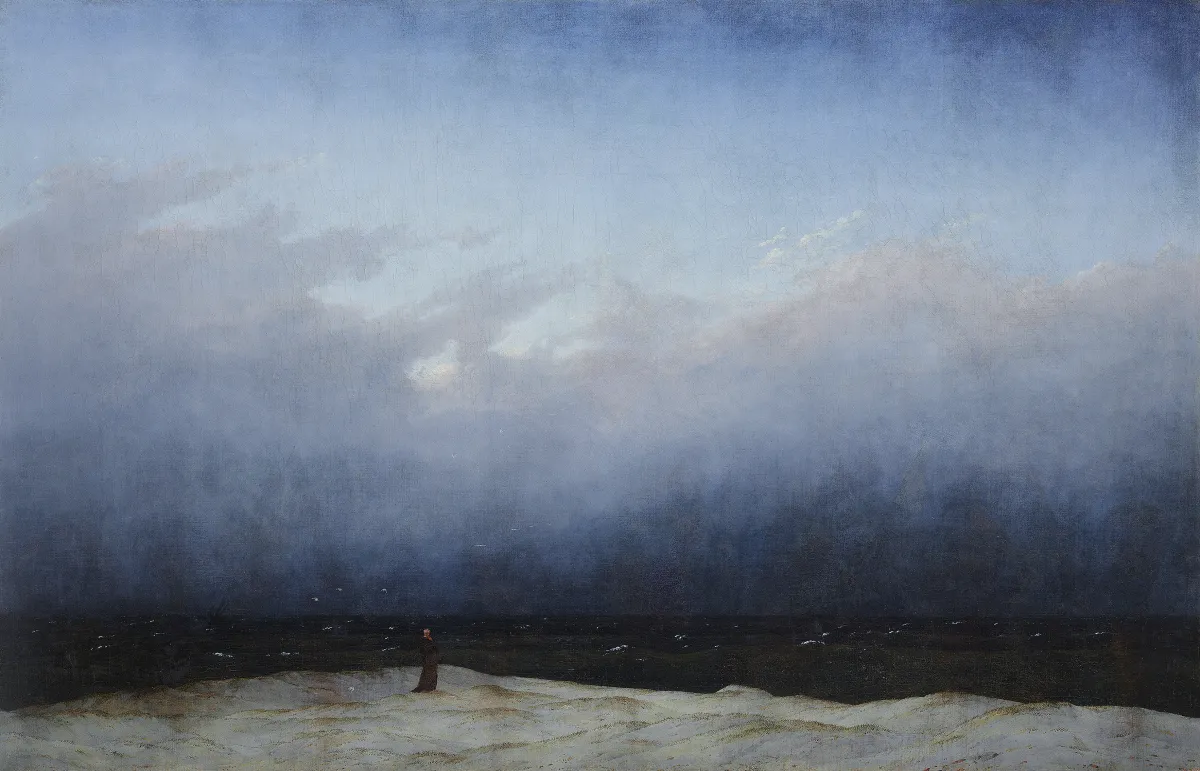
For art collectors, Caspar David Friedrich’s "The Summer" represents a prized acquisition within the Romanticism movement. This hand-painted oil painting not only elevates any collection but also harmonizes beautifully with other works by Friedrich, such as "Hutten Grave" and "The Monk by the Sea." With its evocative style and historical significance, "The Summer" is a fine art painting for sale that continues to captivate and inspire generations of art lovers.
When Art Meets History
Caspar David Friedrich’s "The Summer" stands as a striking example of the Romanticism movement, capturing the essence of nature’s beauty and human emotion. Created during a period when artists sought to evoke deep feelings, this hand-painted oil painting reflects Friedrich’s mastery and the era’s fascination with the sublime. Alongside related works like "Calais Pier" and "Christopher Columbus Before the Council of Salamanca," "The Summer" continues to intrigue art historians and enthusiasts alike.
Techniques That Speak
Friedrich’s "The Summer" utilizes oil on canvas to create luminous landscapes and atmospheric effects, hallmarks of Romanticism. His layered brushwork and subtle use of light evoke tranquility and depth, drawing viewers into the scene. This oil on canvas masterpiece shares technical brilliance with related paintings such as "Dedham Lock and Mill" and "The Discovery of Adam," demonstrating Friedrich’s profound influence on the evolution of fine art techniques.
Emotions on Display
In "The Summer," Caspar David Friedrich channels the emotive power central to Romanticism, inviting viewers to reflect on the harmony between humanity and nature. The painting’s serene composition and delicate color palette evoke feelings of nostalgia and contemplation. Like "Domestic Squabble" and "Dedham Lock and Mill," this fine art painting for sale captures the timeless longing and introspection that define Friedrich’s most celebrated works.
Coveted by Collectors
As a renowned hand-painted oil painting, "The Summer" by Caspar David Friedrich is highly sought after by collectors and museums worldwide. Its connection to the Romanticism movement and its kinship with masterpieces like "The Discovery of Adam" and "Calais Pier" enhance its desirability. Owning this fine art painting for sale is not only an investment in beauty, but also in a rich artistic legacy that continues to inspire generations.
Related Romanticism Hand-Painted Oil Paintings by Other Artists
Other Famous Romanticism Artists:
Frequently Asked Questions About "The Summer"
What is the historical context of "The Summer"?
"The Summer" was painted by Caspar David Friedrich during the early 19th century, a time characterized by the Romantic movement in art. This period emphasized emotion, nature, and individualism, reflecting the broader cultural shifts in Europe following the Enlightenment and the Industrial Revolution.
What artistic techniques did Friedrich use in "The Summer"?
Friedrich employed a combination of oil painting techniques, utilizing rich colors and dramatic contrasts of light and shadow. His mastery of atmospheric perspective enhances the depth of the landscape, drawing the viewer into the serene yet evocative scene.
What themes are explored in "The Summer"?
The painting explores themes of nature's beauty, tranquility, and the passage of time. It reflects the Romantic ideal of finding solace and inspiration in the natural world, as well as the fleeting nature of summer and life itself.
What symbolism is present in "The Summer"?
The elements in "The Summer" symbolize renewal and the cycle of life. The lush greenery and vibrant colors represent vitality and growth, while the expansive sky suggests freedom and the infinite possibilities of existence.
How does "The Summer" compare to Friedrich's other works?
Compared to Friedrich's other works, "The Summer" embodies a more optimistic and serene atmosphere. While many of his paintings explore themes of solitude and melancholy, this piece captures a moment of harmony and joy within nature.
What influence did "The Summer" have on future artists?
"The Summer" has influenced numerous artists within the Romantic movement and beyond, inspiring a deeper appreciation for landscape painting. Its emphasis on emotional resonance and the sublime in nature has been echoed in the works of later artists such as the Impressionists and the Symbolists.
What is the significance of the landscape depicted in "The Summer"?
The landscape in "The Summer" is significant as it reflects Friedrich's deep connection to the natural world. It serves as a backdrop for human emotion and contemplation, inviting viewers to engage with their own experiences of nature and beauty.
How does "The Summer" reflect Romantic ideals?
The painting reflects Romantic ideals through its emphasis on emotion, individual experience, and the beauty of nature. Friedrich's focus on the sublime aspects of the landscape encourages viewers to reflect on their own feelings and the transcendental qualities of the natural world.
What role does light play in "The Summer"?
Light plays a crucial role in "The Summer," enhancing the painting's emotional depth and atmosphere. The interplay of light and shadow creates a sense of warmth and vibrancy, inviting viewers to immerse themselves in the idyllic summer scene.
What can viewers learn from "The Summer" about Friedrich's artistic philosophy?
Viewers can learn that Friedrich's artistic philosophy centers around the connection between humanity and nature. He believed that nature could evoke profound emotional responses and serve as a mirror for the human soul, a theme that is vividly expressed in "The Summer."























_GFM_Painting_(1).webp)



 100% Hand-Painted: Finished in 3-6 Weeks


.png)
















_(1).webp)