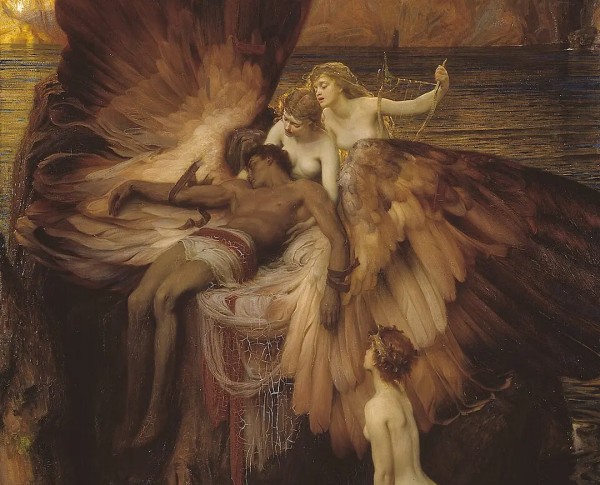
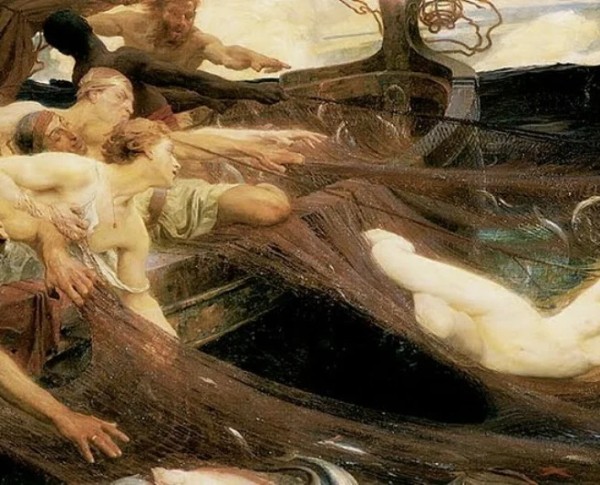
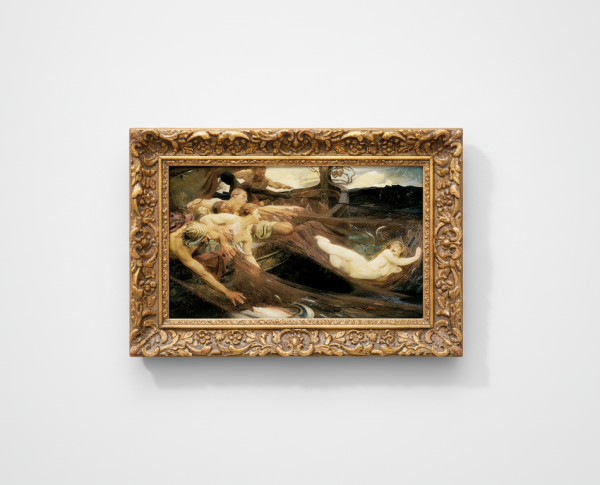
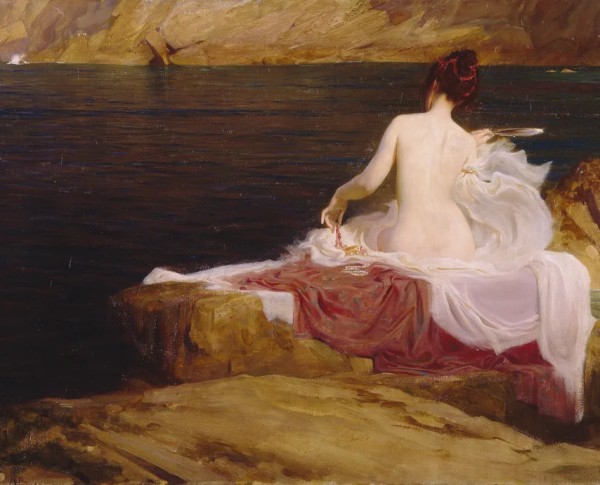
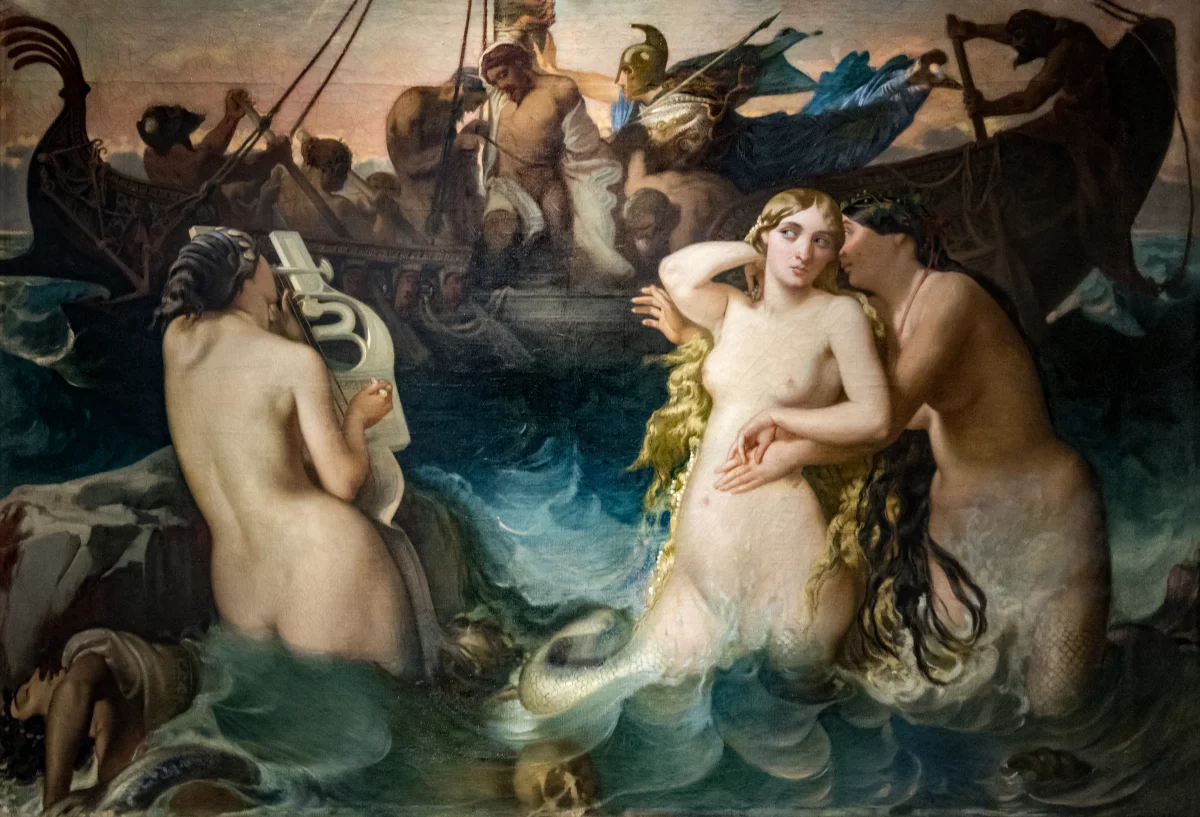
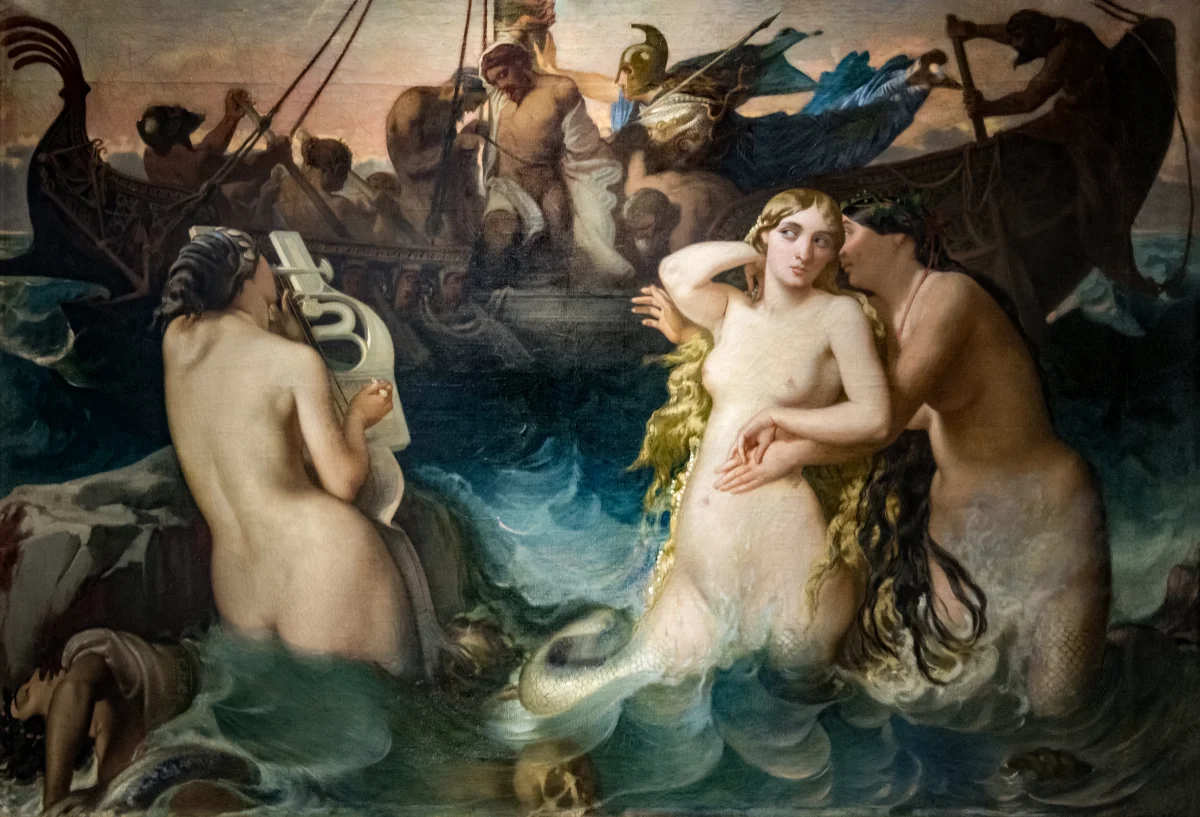
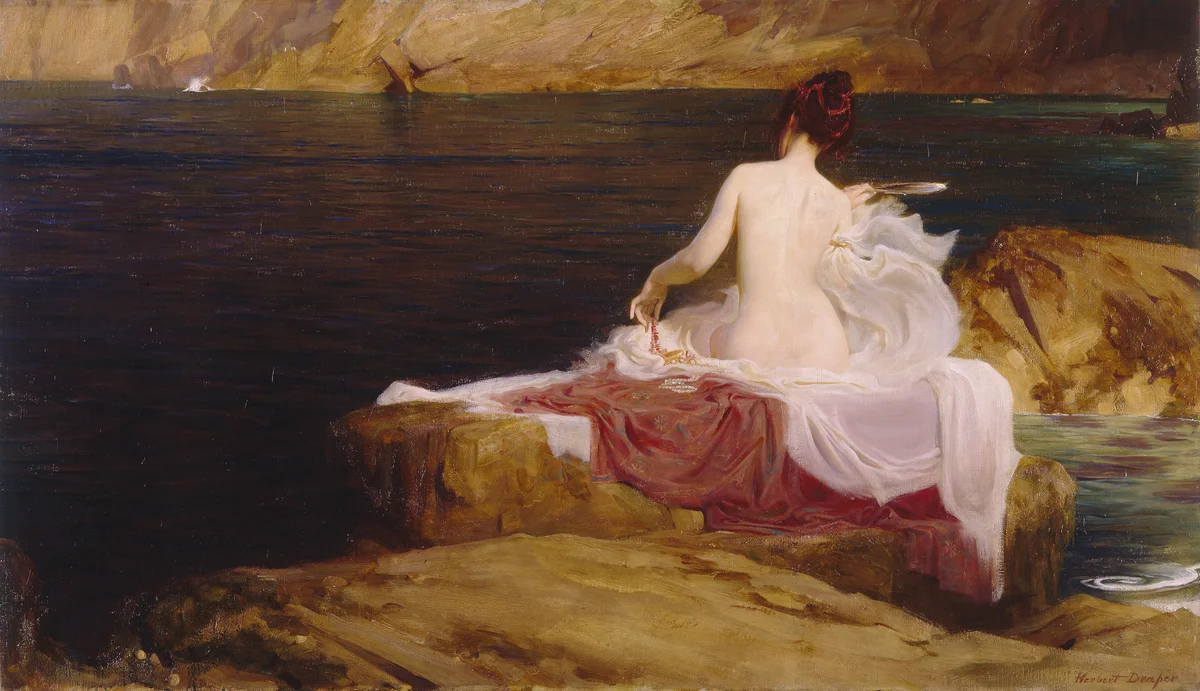
Herbert James Draper’s “Ulysses and the Sirens” showcases exquisite technique characteristic of Neo-Classical art. The oil on canvas medium allows Draper to render the dramatic encounter between Ulysses and the enchanting Sirens with remarkable realism and vibrancy. This painting, alongside works like “Calypso's Isle,” demonstrates Draper’s ability to combine mythological themes with technical brilliance, making each hand-painted oil painting a true masterpiece cherished by art enthusiasts and collectors alike.
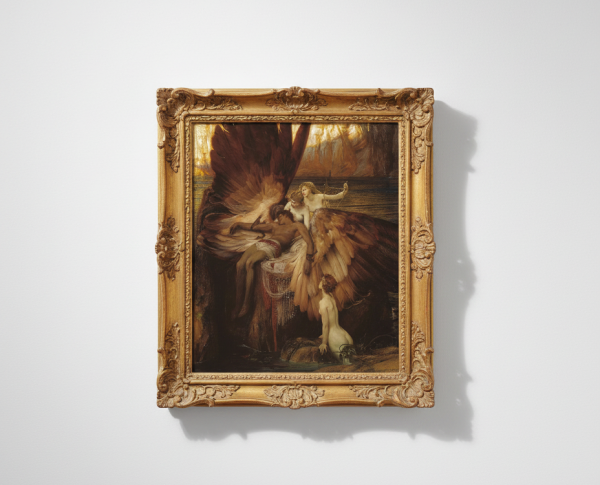
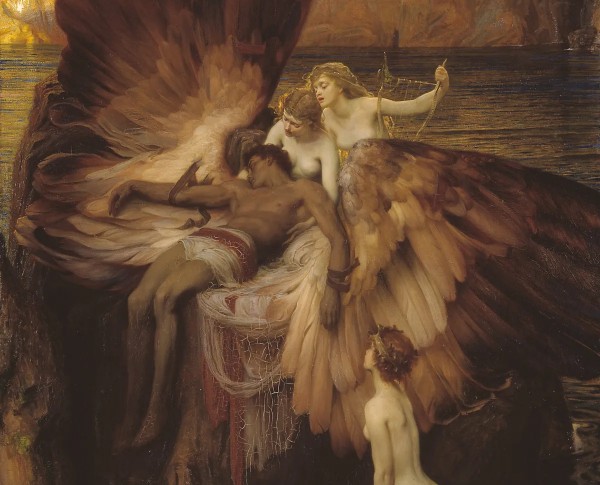
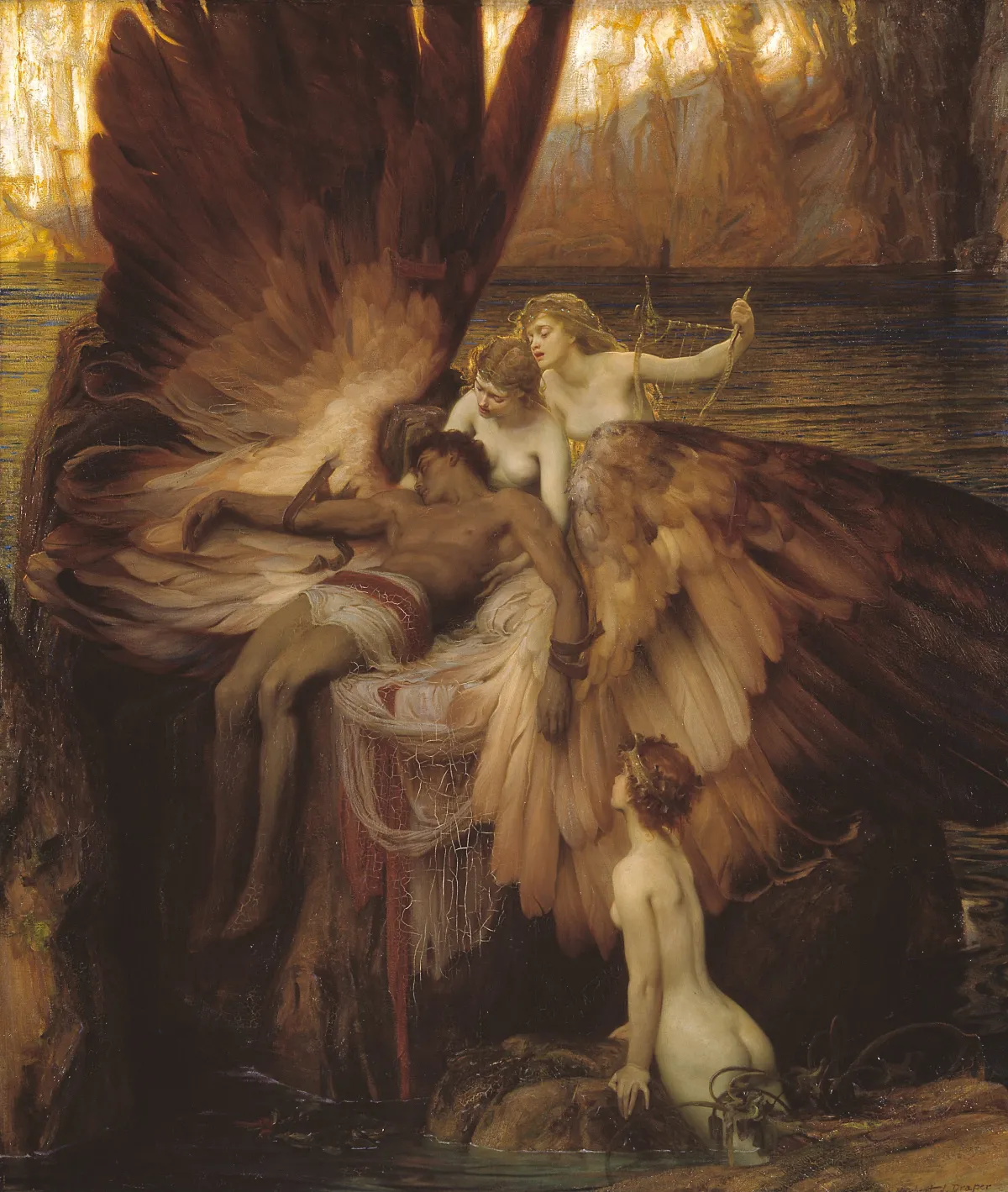
In “Ulysses and the Sirens,” Draper weaves classical mythology into a captivating visual narrative, a hallmark of Neo-Classical fine art painting for sale. The painting illustrates Ulysses resisting the Sirens' song, symbolizing human strength and temptation. Through works such as “The Lament for Icarus,” Draper explores similar themes of struggle and allure, inviting viewers to delve into ancient stories reimagined through the artist’s unique vision and mastery in oil on canvas.
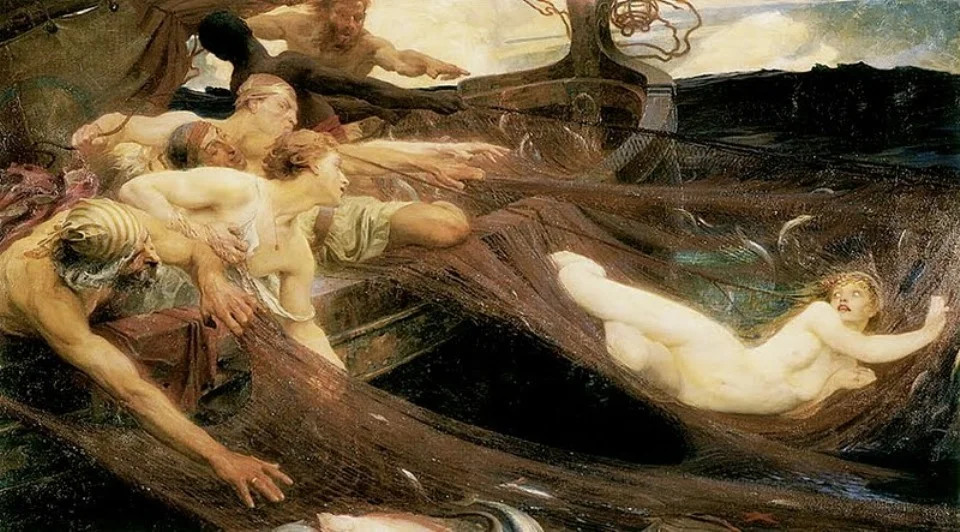
Owning “Ulysses and the Sirens” by Herbert James Draper means possessing a piece of Neo-Classical history. This hand-painted oil painting, like “The Sea Maiden” and “Lament for Icarus,” is highly sought after by discerning collectors. Its timeless appeal, intricate details, and mythological significance make it a prized fine art painting for sale, perfect for anyone wishing to add a touch of classical elegance and storytelling to their collection.
When Art Meets History
"Ulysses and the Sirens" by Herbert James Draper is a remarkable hand-painted oil painting that masterfully captures the moment from Homer’s Odyssey when Ulysses resists the deadly allure of the sirens. Draper, a renowned figure in the Neo-Classical movement, draws inspiration from ancient mythology and classical themes. This painting stands alongside related works such as "The Bridge at La Cava, Kingdom of Naples" and "View of the Isle of Sora" in its historical resonance and narrative power.
Techniques That Speak
Herbert James Draper's use of oil on canvas in "Ulysses and the Sirens" showcases his technical brilliance and attention to fine detail. The smooth brushwork, dramatic lighting, and realistic anatomy are hallmarks of the Neo-Classical style. Draper’s technique elevates the emotional intensity, much like his peers in related paintings such as "Lake Fucino and the Abruzzi Mountains" and "Portrait of Thomas Jefferson," making this work a standout in classical oil painting.
Emotions on Display
This fine art painting for sale vividly conveys the tension and allure of the scene, with Ulysses bound to the mast as the sirens tempt him with their song. Draper’s mastery in the Neo-Classical movement is evident in the expressive faces and dynamic composition. The emotional depth in "Ulysses and the Sirens" echoes the intensity found in "Portrait of Dr. Meer" and other related works, making it a captivating study in human desire and struggle.
Coveted by Collectors
Collectors prize "Ulysses and the Sirens" for its exquisite blend of mythological storytelling and Neo-Classical artistry. As a hand-painted oil painting by Herbert James Draper, it holds significant value in the world of fine art. Alongside related masterpieces like "The Bridge at La Cava, Kingdom of Naples" and "Portrait of Thomas Jefferson," this painting is a sought-after treasure for those who appreciate the timeless allure of oil on canvas in classical art collections.
Related Neo-Classical Hand-Painted Oil Paintings by Other Artists
Other Famous Neo-Classical Artists:
Frequently Asked Questions About Ulysses and the Sirens
What is the historical context of "Ulysses and the Sirens"?
"Ulysses and the Sirens" was painted by Herbert James Draper in 1909, during the late Victorian and early Edwardian periods, a time characterized by a renewed interest in classical themes and mythology in art.
What mythological story does the painting depict?
The painting illustrates a scene from Homer's "Odyssey," where Ulysses (Odysseus) is warned about the enchanting song of the Sirens, creatures who lured sailors to their doom. Ulysses, curious yet cautious, orders his crew to plug their ears while he listens to their song.
What artistic techniques did Draper employ in this painting?
Draper utilized a combination of classical composition, vibrant colors, and dynamic figures to create a sense of movement and drama. His use of light and shadow enhances the emotional intensity of the scene.
What symbolism is present in "Ulysses and the Sirens"?
The Sirens symbolize temptation and the peril of succumbing to desire, while Ulysses represents human resilience and the struggle against one's own weaknesses. The juxtaposition of beauty and danger is a central theme in the painting.
How does Draper's portrayal of the Sirens differ from traditional depictions?
Draper's Sirens are depicted as alluring yet ethereal figures, emphasizing their beauty and seduction. Unlike some traditional representations that focus on their monstrous aspects, Draper highlights their enchanting nature, inviting viewers to contemplate the duality of allure and danger.
What role does color play in the painting?
The vibrant colors in "Ulysses and the Sirens" serve to heighten the emotional impact of the scene. Draper uses rich blues and greens to evoke the sea and the Sirens' environment, contrasting with the warm tones of Ulysses, symbolizing his humanity amidst the supernatural.
What influence did the Pre-Raphaelite movement have on Draper's work?
Draper was influenced by the Pre-Raphaelite movement, which emphasized detail, vivid colors, and complex compositions. This influence is evident in his meticulous attention to the figures and the lush, romanticized landscapes that surround them.
What is the significance of Ulysses' pose in the painting?
Ulysses' pose, with one hand raised and his body turned towards the Sirens, conveys both curiosity and caution. This posture reflects his internal conflict between the desire to hear their song and the knowledge of the danger it poses.
How does this painting reflect the themes of the Odyssey?
"Ulysses and the Sirens" encapsulates the themes of temptation, knowledge, and the human condition found in the Odyssey. It illustrates the struggle between desire and self-control, a central conflict in Ulysses' journey home.
What is the legacy of "Ulysses and the Sirens" in contemporary art?
The painting continues to inspire contemporary artists and scholars, serving as a powerful example of how classical themes can be reinterpreted through modern artistic techniques. Its exploration of myth and human emotion remains relevant in discussions of art and literature today.






















_GFM_Painting_(1).webp)


 100% Hand-Painted: Finished in 3-6 Weeks

.png)
















_(1).webp)