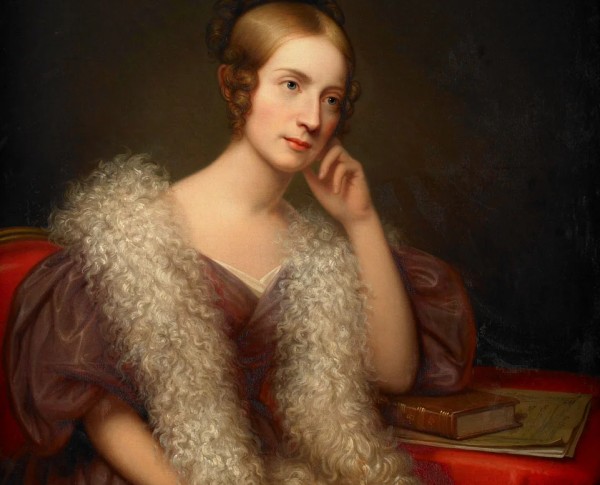
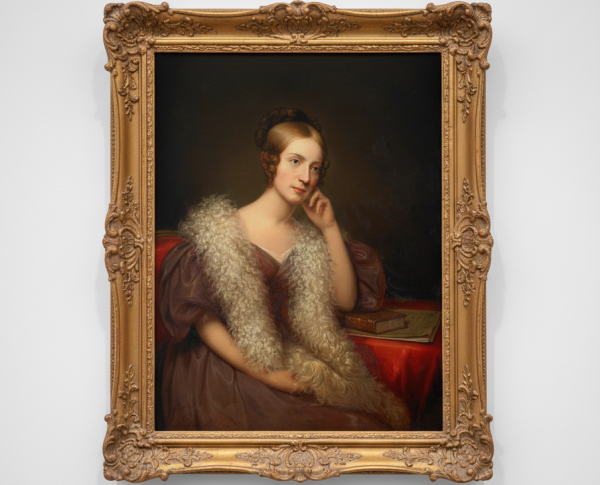
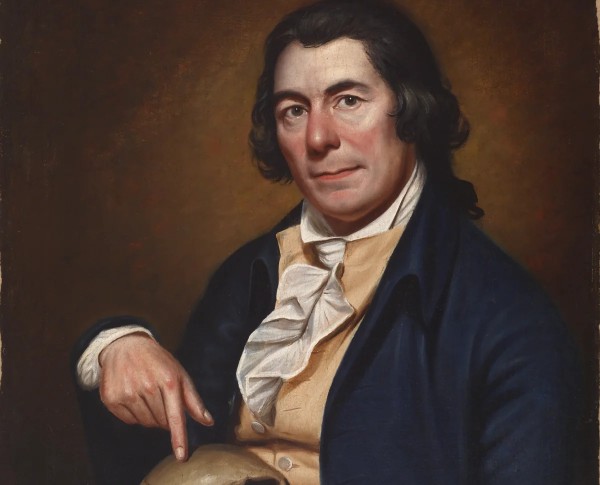
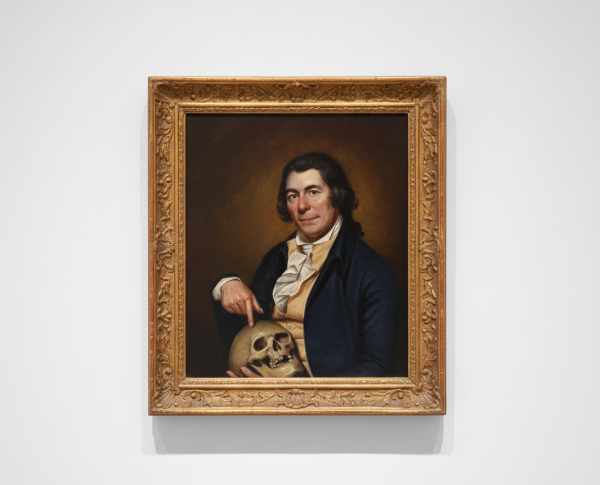
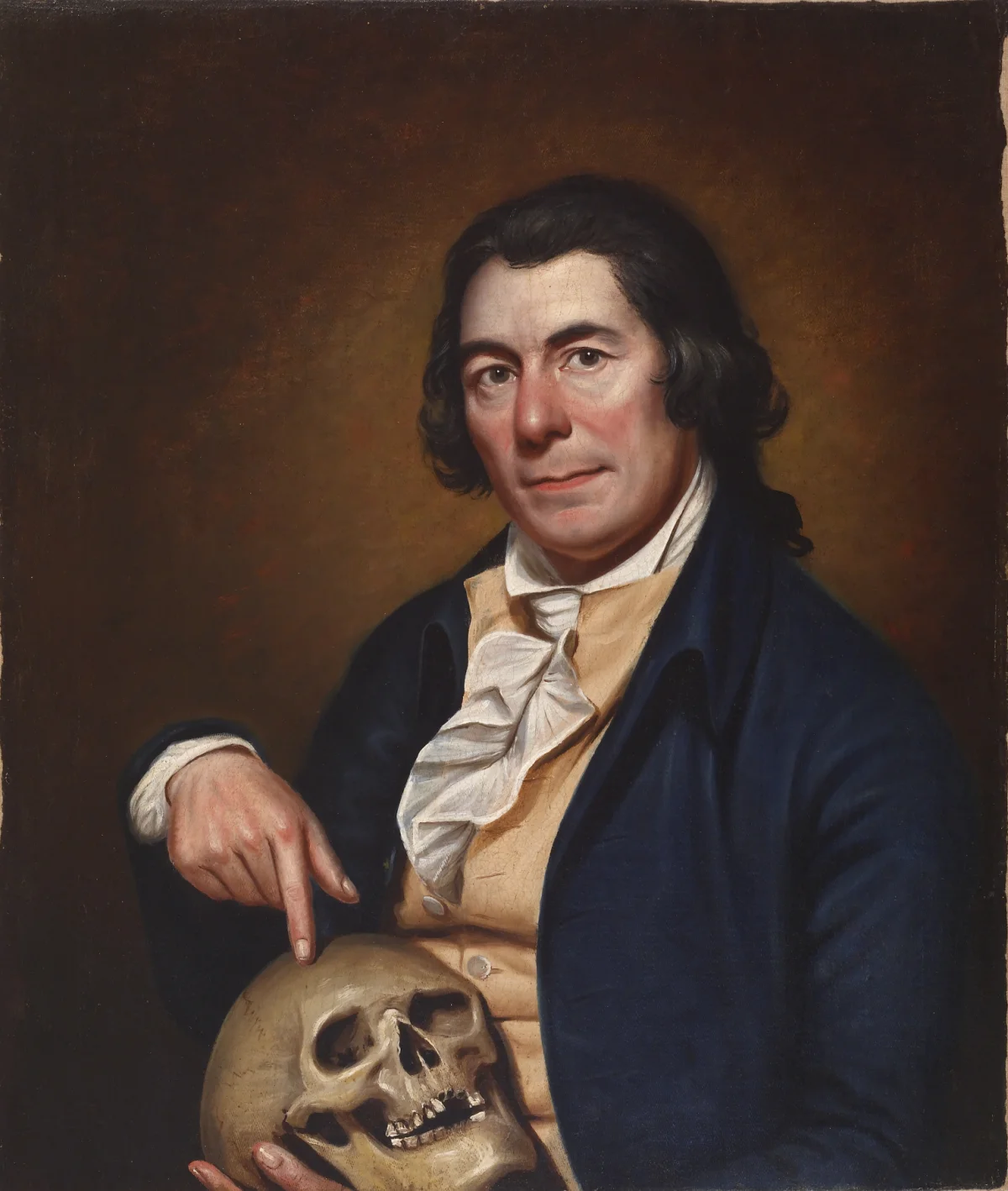
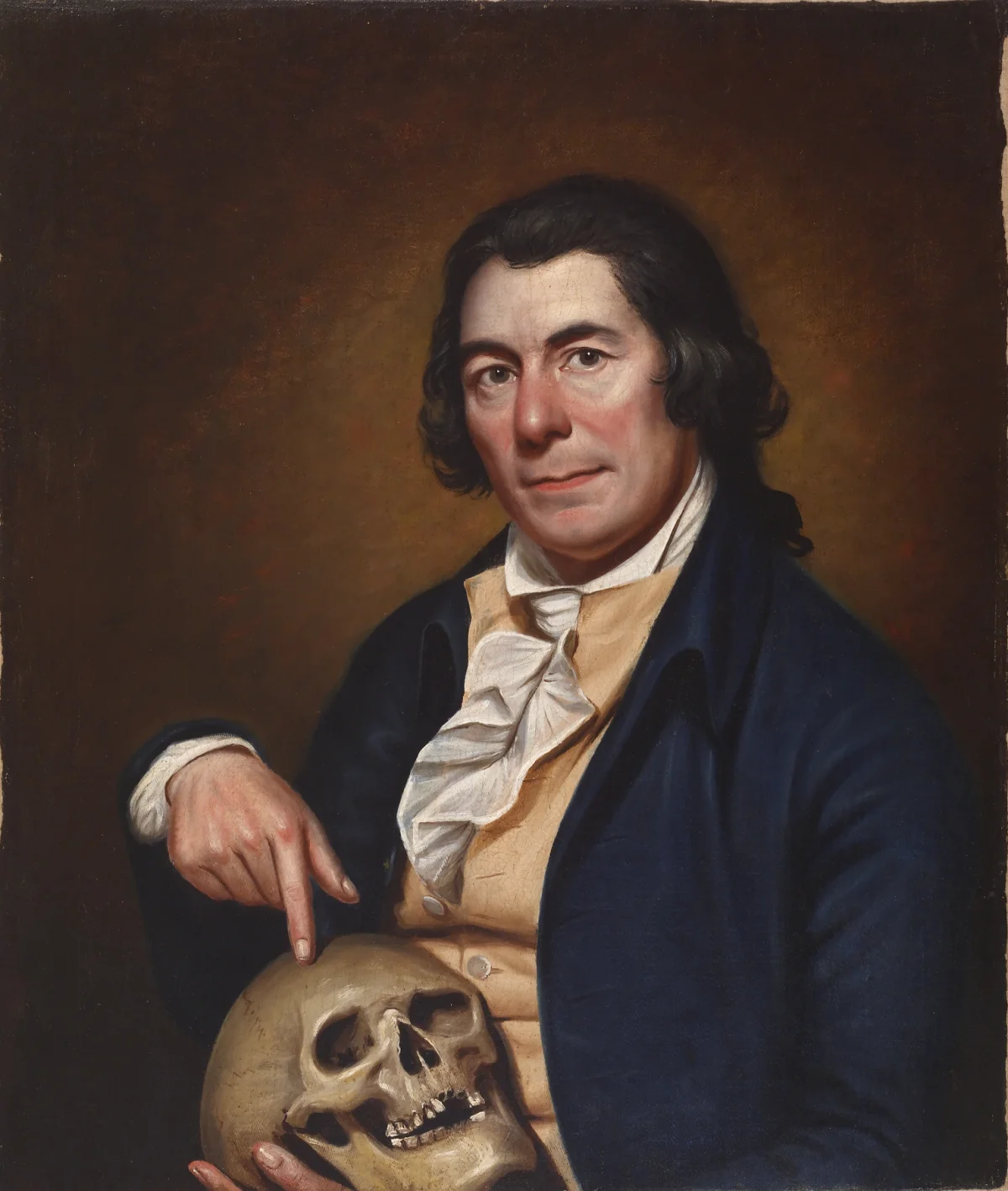
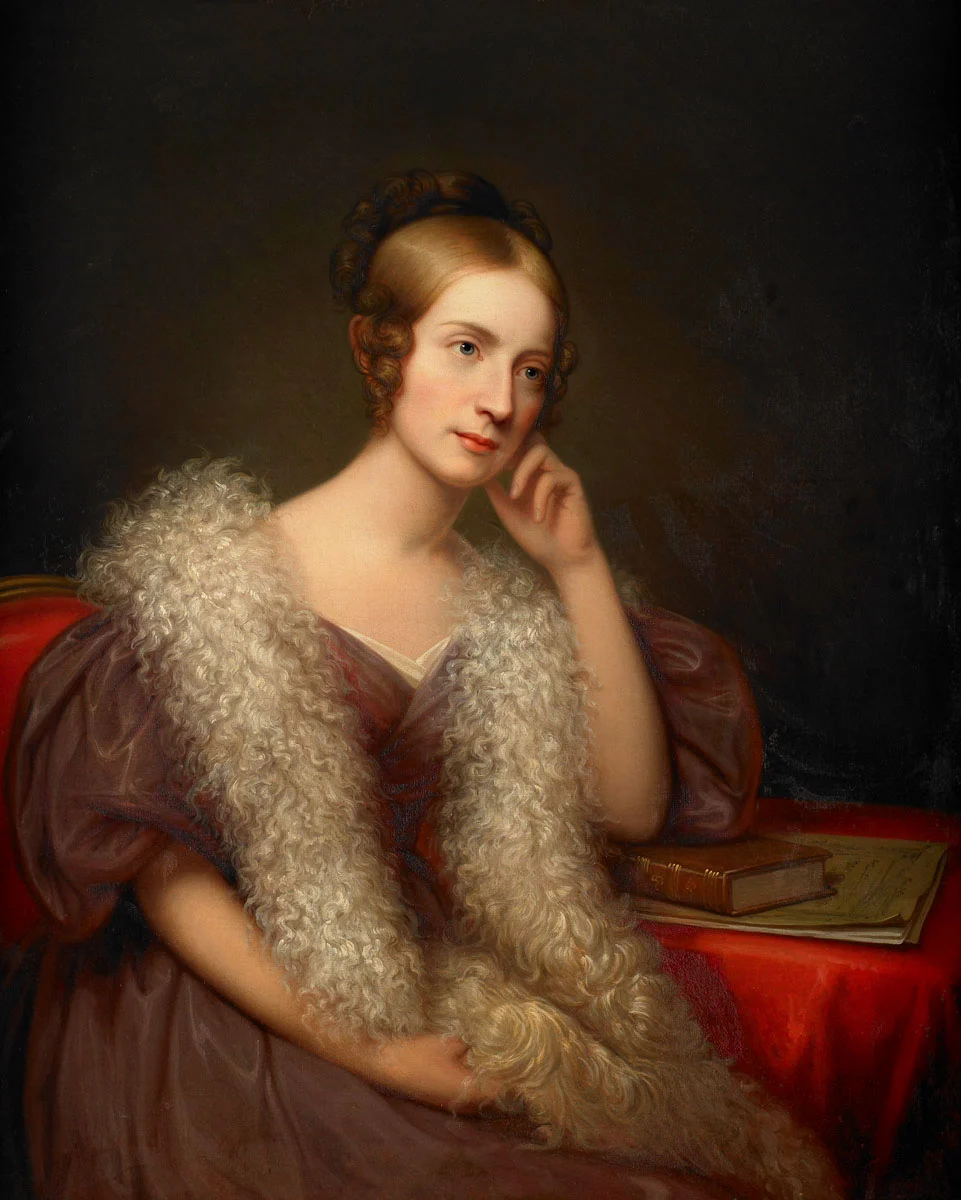
Rembrandt Peale’s "Portrait of Dr. Meer" exemplifies the exquisite technique characteristic of Neo-Classical oil on canvas masterpieces. Each brushstroke reveals Peale’s dedication to detail and subtlety, qualities also evident in his works such as "Caroline Louisa Pratt Bartlett." The interplay of light and shadow on Dr. Meer’s visage demonstrates Peale’s artistic prowess, making this painting a cherished example of the era’s finest oil on canvas traditions.
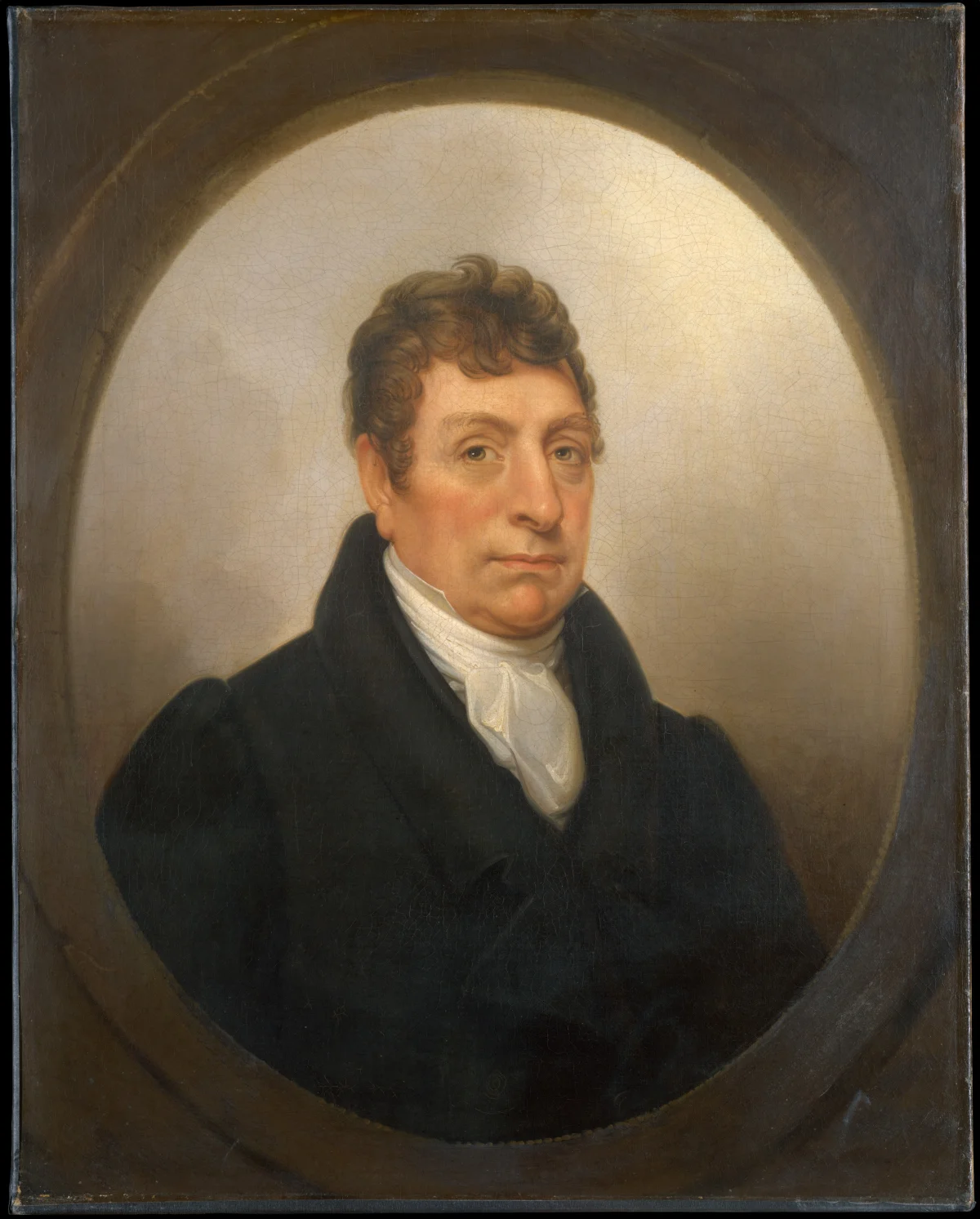
Within "Portrait of Dr. Meer," Rembrandt Peale weaves subtle stories and symbols that reflect the intellectual ideals of the Neo-Classical movement. The subject’s poised demeanor invites viewers to ponder his significance, much like in "Timothy Matlack" and other fine art painting for sale by Peale. The careful composition and symbolic elements in the background provide layers of meaning, making this work a source of fascination for art historians and admirers alike.
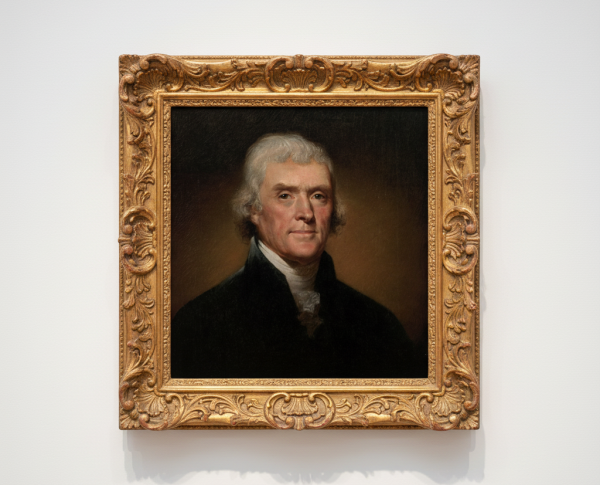
For collectors, "Portrait of Dr. Meer" by Rembrandt Peale is more than a fine art painting for sale—it is a rare piece of Neo-Classical heritage. The painting’s provenance and meticulous craftsmanship place it alongside esteemed works such as "Portrait of Thomas Jefferson" and "Caroline Louisa Pratt Bartlett." Owning this portrait offers a unique opportunity to preserve and celebrate the legacy of one of America’s most accomplished portraitists.
When Art Meets History
"Portrait of Dr. Meer" by Rembrandt Peale stands as a testament to the Neo-Classical movement, capturing both the intellectual spirit and artistic elegance of its era. This hand-painted oil painting reflects Peale's mastery in blending historical context with individual character, much like his contemporaries who produced works such as "View of the Isle of Sora" and "Lament for Icarus." Through this portrait, Peale invites viewers to explore the intersection of art and history, where every brushstroke tells a story.
Techniques That Speak
Rembrandt Peale’s "Portrait of Dr. Meer" showcases his exceptional skill in oil on canvas, a medium favored by Neo-Classical artists for its depth and luminosity. The artist’s precise brushwork and careful layering create a lifelike representation, echoing techniques seen in related paintings like "Still-Life 1810" and "The Sea Maiden." Peale’s approach highlights classical ideals of beauty and form, making this oil on canvas an enduring example of technical excellence in fine art.
Emotions on Display
In "Portrait of Dr. Meer," Rembrandt Peale masterfully captures the sitter’s subtle emotions, giving the viewer insight into the subject’s inner world. The Neo-Classical style emphasizes rationality and poise, yet Peale’s fine art painting for sale reveals a nuanced expression that connects deeply with the audience. Similar to works like "Running Stream at San Cosimato," this portrait invites contemplation, demonstrating Peale’s unique ability to convey emotion through refined artistic choices.
Coveted by Collectors
As a hand-painted oil painting by Rembrandt Peale, "Portrait of Dr. Meer" holds significant value for collectors interested in the Neo-Classical movement. Its connection to other celebrated works, including "Still-Life 1810" and "Lament for Icarus," enhances its desirability. The portrait’s historical importance and outstanding craftsmanship make it a highly sought-after piece, ensuring its place among the most treasured fine art painting for sale in today’s art market.
Related Neo-Classical Hand-Painted Oil Paintings by Other Artists
Other Famous Neo-Classical Artists:
Frequently Asked Questions About Portrait of Dr. Meer
Who is Dr. Meer, and why is he significant in this portrait?
Dr. Meer was a prominent physician of his time, known for his contributions to medicine and his role in the community. The portrait serves to commemorate his achievements and elevate his status in society.
What artistic techniques did Rembrandt Peale use in this painting?
Peale employed a combination of chiaroscuro to create depth and realism, along with meticulous attention to detail in the textures of the clothing and skin, which are hallmarks of his style.
What is the significance of the color palette used in the painting?
The color palette features warm tones that evoke a sense of intimacy and respect, highlighting Dr. Meer's dignified presence and the importance of his character.
How does the composition of the portrait contribute to its overall impact?
The composition is carefully balanced, with Dr. Meer positioned centrally, drawing the viewer's eye. This placement emphasizes his authority and the significance of his role in society.
What symbolism can be found in the objects included in the portrait?
Objects such as medical instruments or books may symbolize Dr. Meer's dedication to his profession and knowledge, reinforcing his identity as a learned and respected figure in the medical field.
In what ways does this portrait reflect the artistic trends of the early 19th century?
This portrait reflects the neoclassical influences of the early 19th century, characterized by an emphasis on realism, idealized forms, and the portrayal of individuals in a dignified manner.
How does Rembrandt Peale's background influence this painting?
As a member of the Peale family, known for their artistic contributions, Rembrandt Peale was influenced by both his family's legacy and the broader American art scene, which sought to establish a national identity through portraiture.
What role does light play in the portrayal of Dr. Meer?
Light is used strategically to highlight Dr. Meer's facial features and expressions, conveying his intelligence and character, while also creating a sense of warmth and approachability.
How does this portrait compare to other works by Rembrandt Peale?
This portrait showcases Peale's signature style, yet it stands out due to its intimate portrayal and the specific focus on the subject's character, differing from his more formal and grandiose works.
What historical context surrounds the creation of this portrait?
Created during a time of growing respect for the medical profession in America, this portrait reflects societal values of the period, emphasizing the importance of education, professionalism, and individual achievement.






















_GFM_Painting_(1).webp)


 100% Hand-Painted: Finished in 3-6 Weeks

.png)

















_(1).webp)