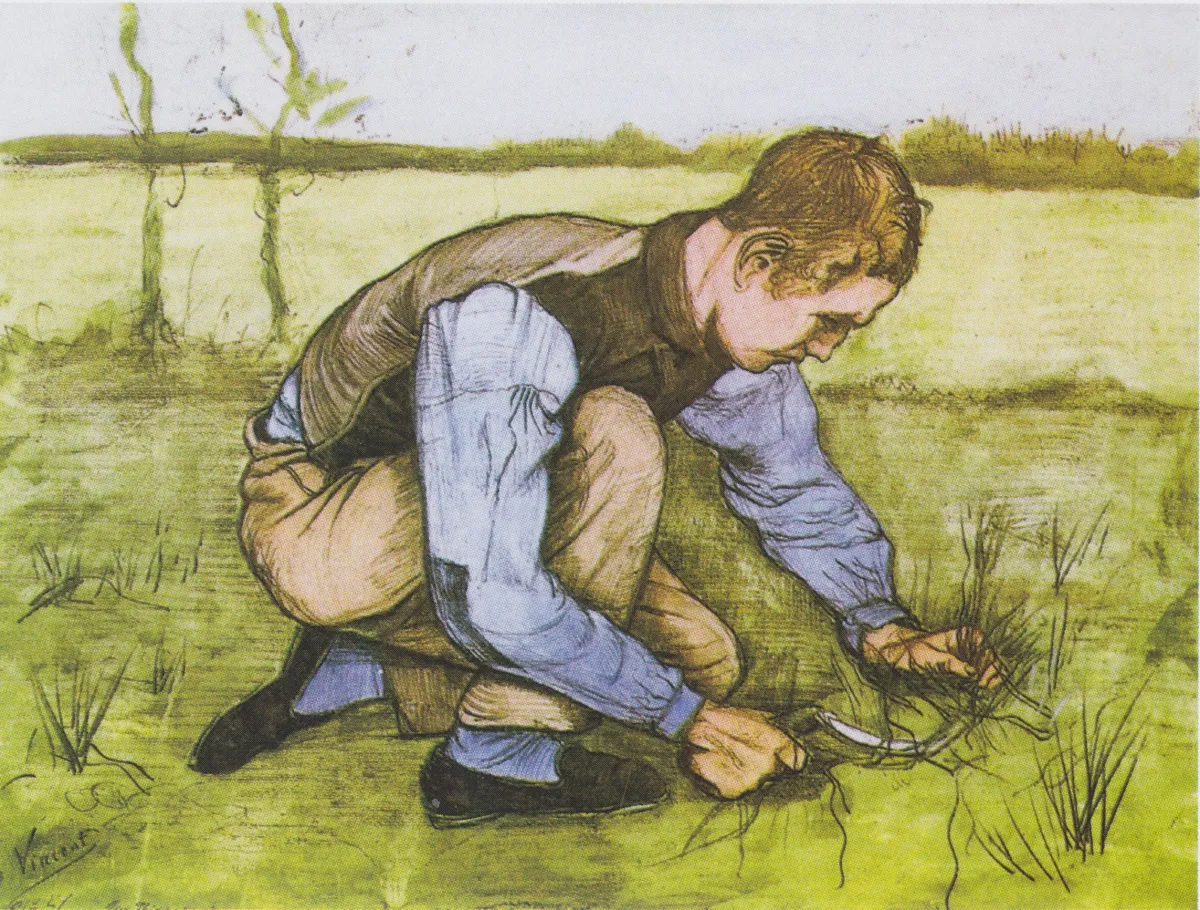
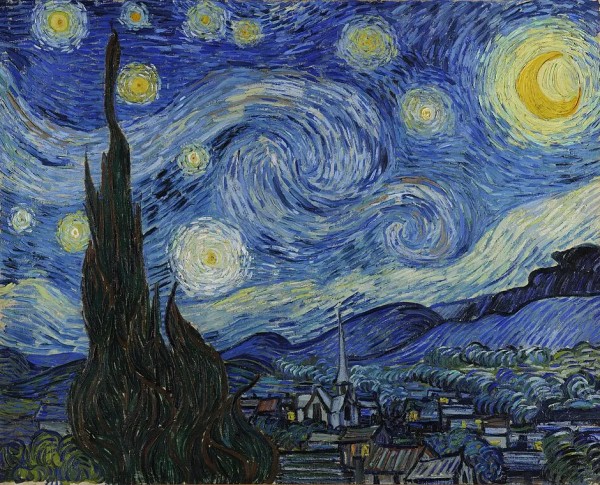
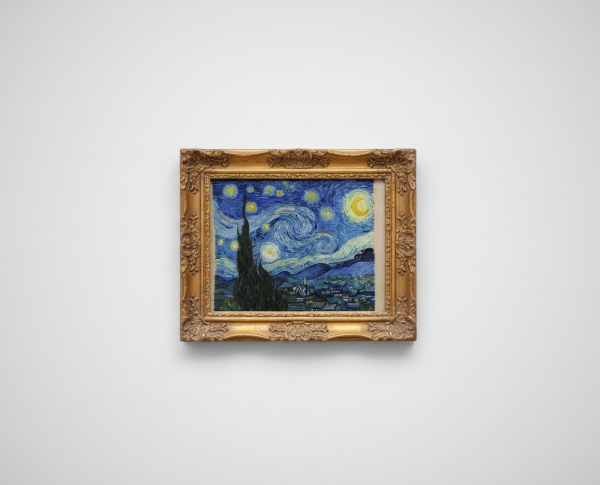
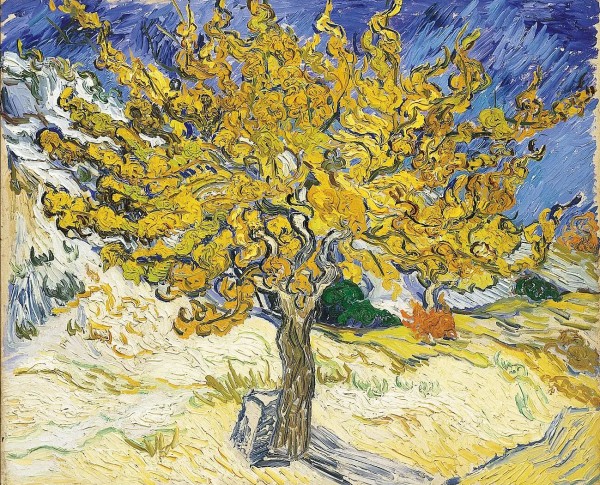
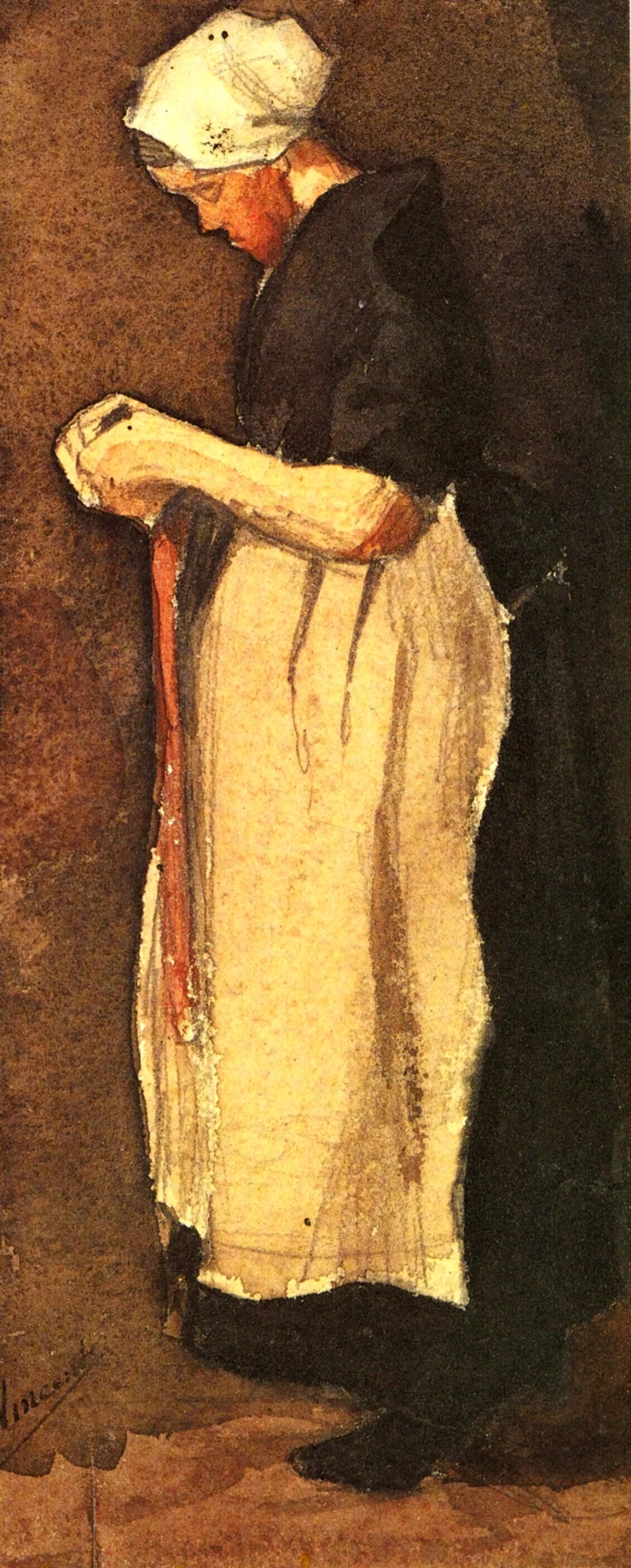
Vincent Van Gogh’s "Young Fisherwoman From Scheveningen, Standing: Facing Left" showcases his renowned mastery with oil on canvas. Each brushstroke reveals the artist’s characteristic vibrancy and movement, emblematic of the Post-Impressionism period. The painting’s textured surface and color palette evoke the coastal atmosphere, much like his other works such as "Cypress against a Starry Sky." This oil on canvas is a brilliant example of Van Gogh’s ability to infuse life and emotion into everyday scenes.
In "Young Fisherwoman From Scheveningen, Standing: Facing Left," Van Gogh weaves subtle stories and symbols throughout the composition, reflecting the hardships and resilience of coastal workers. As a fine art painting for sale, it invites viewers to connect with the narrative behind the figure’s posture and attire. The themes explored resonate with those found in "The Night Café" and "Church Pew with Worshippers," making it a meaningful addition to any collection of Van Gogh’s art.
This hand-painted oil painting is more than just a visual masterpiece—it’s a collector’s treasure representing the height of the Post-Impressionism movement. Van Gogh’s "Young Fisherwoman From Scheveningen, Standing: Facing Left" is ideal for those seeking a fine art painting for sale that embodies history, technique, and emotional depth. Art lovers often pair it with related works like "Vincent's Boarding House in Hackford Road, Brixton, London" to enrich their curated collections with Van Gogh’s genius.
When Art Meets History
Vincent Van Gogh’s "Young Fisherwoman From Scheveningen, Standing: Facing Left" stands as a testament to the Post-Impressionism movement. Painted during a period when Van Gogh was deeply inspired by the everyday life of coastal communities, this hand-painted oil painting captures a fleeting moment in Dutch history. Like "The Night Café in Arles" and "Fields with trees in Barbizon," the work reflects Van Gogh’s fascination with ordinary people and places, making it a vital part of his artistic journey.
Techniques That Speak
Employing his signature brushwork and vibrant palette, Van Gogh brings the scene to life with bold strokes and textured surfaces. The use of oil on canvas allows for dynamic contrasts and depth, echoing techniques seen in related works such as "An English Traveling Circus" and "Morning Mist on the Orwell." Through careful layering and expressive use of color, the artist encapsulates the spirit of Post-Impressionism, making this painting a masterful example of Van Gogh’s evolving style.
Emotions on Display
"Young Fisherwoman From Scheveningen, Standing: Facing Left" evokes a profound sense of solitude and resilience. Van Gogh’s portrayal of the young woman, set against the windswept coast, invites viewers to connect with her silent strength. This fine art painting for sale resonates with the emotional depth found in "Two Tahitian Women" and other Van Gogh masterpieces, offering a glimpse into the artist’s empathy for his subjects and his ability to convey complex feelings through simple scenes.
Coveted by Collectors
As a notable work within Van Gogh’s Post-Impressionism period, this painting is highly sought after by collectors worldwide. Its status as a rare oil on canvas, combined with the historical and emotional significance, elevates its desirability. Much like the demand for "The Night Café in Arles," this piece represents a unique opportunity for those passionate about owning a significant fine art painting for sale from one of history’s most influential artists.
Related Post-Impressionism Hand-Painted Oil Paintings by Other Artists
Other Famous Post-Impressionism Artists:
Frequently Asked Questions About Young Fisherwoman From Scheveningen, Standing: Facing Left
What is the historical context of "Young Fisherwoman From Scheveningen, Standing: Facing Left"?
This painting was created by Vincent Van Gogh in 1882, during his early career when he was exploring themes of rural life and the working class. It reflects the artist's interest in the lives of fishermen and their families in the Dutch coastal town of Scheveningen.
What artistic techniques did Van Gogh employ in this painting?
Van Gogh utilized bold brushstrokes and a vibrant color palette to convey emotion and movement. His use of impasto technique adds texture to the painting, enhancing the visual impact of the fisherwoman's figure and the surrounding environment.
What is the significance of the fisherwoman's pose in the painting?
The fisherwoman is depicted standing and facing left, which symbolizes strength and resilience. This pose reflects her role as a vital contributor to her family's livelihood, emphasizing the dignity of labor and the importance of women in the fishing community.
How does this painting reflect Van Gogh's artistic development?
This work marks a transitional phase in Van Gogh's style, showcasing his move towards a more expressive use of color and form. It foreshadows his later, more well-known works that feature similar themes of rural life and emotional depth.
What themes are explored in "Young Fisherwoman From Scheveningen, Standing: Facing Left"?
The painting explores themes of labor, gender roles, and the connection between humanity and nature. It highlights the everyday struggles and resilience of working-class individuals, particularly women, in the face of societal challenges.
What colors dominate the painting, and what do they symbolize?
The dominant colors in the painting are earthy tones, including browns and greens, which symbolize the natural environment and the fisherwoman's connection to her work. The use of brighter accents conveys hope and vitality, reflecting the spirit of the community.
How does this painting compare to other works by Van Gogh?
Compared to Van Gogh's later works, "Young Fisherwoman From Scheveningen" exhibits a more subdued color palette and less dynamic composition. However, it shares thematic similarities with his later pieces, particularly in its focus on labor and the human condition.
What influence did the location of Scheveningen have on Van Gogh's work?
Scheveningen, a fishing village, provided Van Gogh with inspiration for his depictions of rural life. The vibrant community and the daily activities of fishermen and their families allowed him to explore the themes of labor and resilience that resonate throughout his oeuvre.
What is the current status of "Young Fisherwoman From Scheveningen, Standing: Facing Left"?
The painting is part of a private collection and is not currently on public display. Its historical significance and artistic merit continue to be recognized by art historians and enthusiasts alike.
What can we learn from the portrayal of women in Van Gogh's work?
Van Gogh's portrayal of women, particularly in this painting, highlights their strength and contributions to society. It challenges traditional gender roles and emphasizes the importance of women's labor in both domestic and public spheres during the late 19th century.






















_GFM_Painting_(1).webp)


 100% Hand-Painted: Finished in 3-6 Weeks

.png)
















_(1).webp)