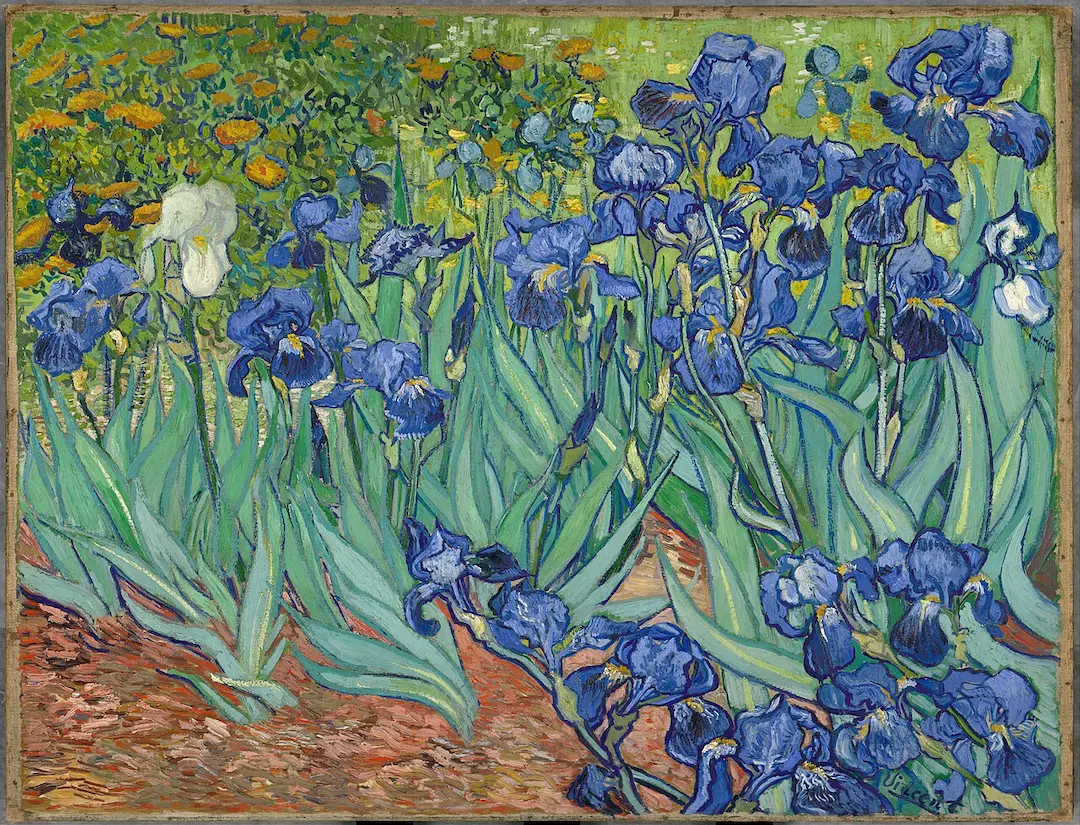
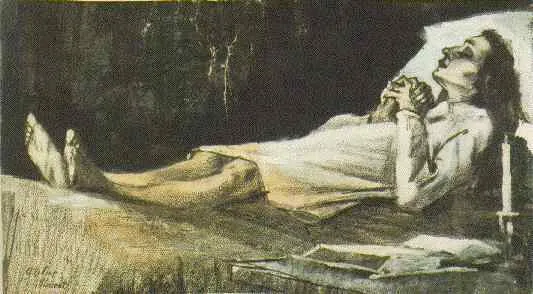
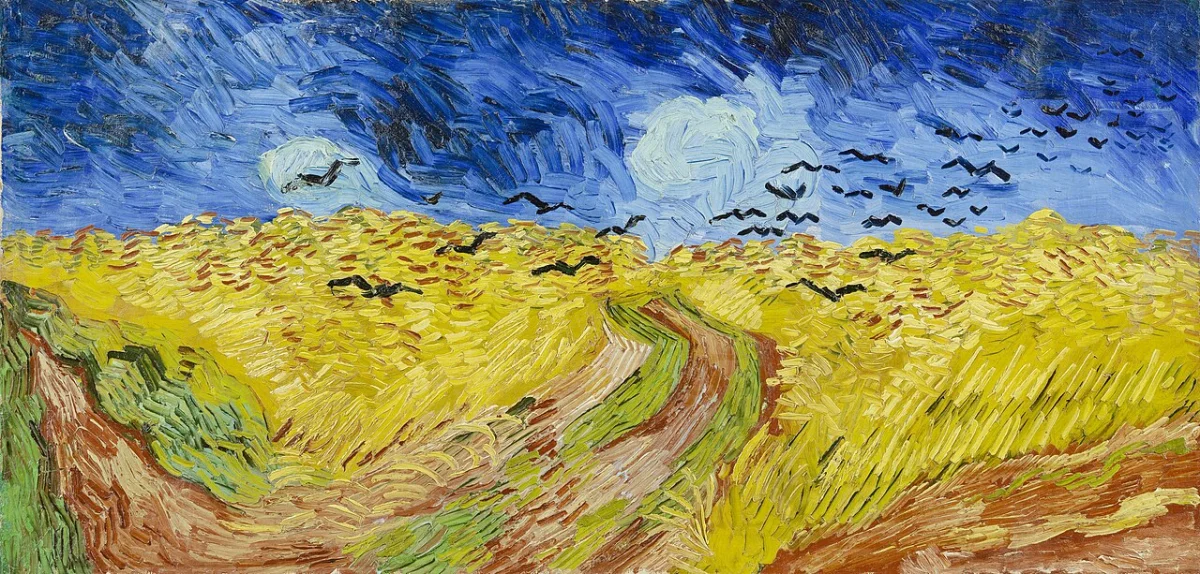
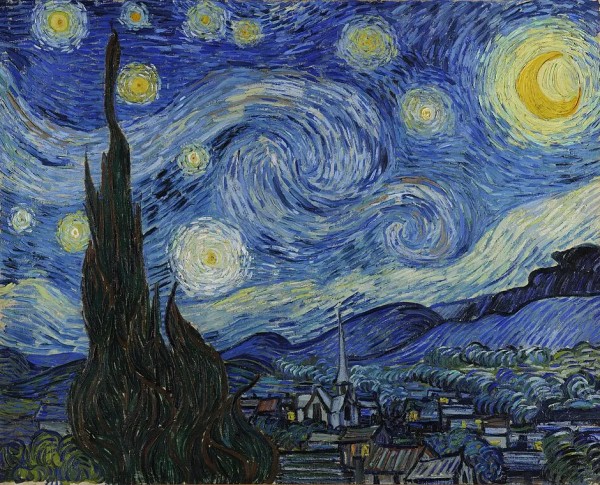
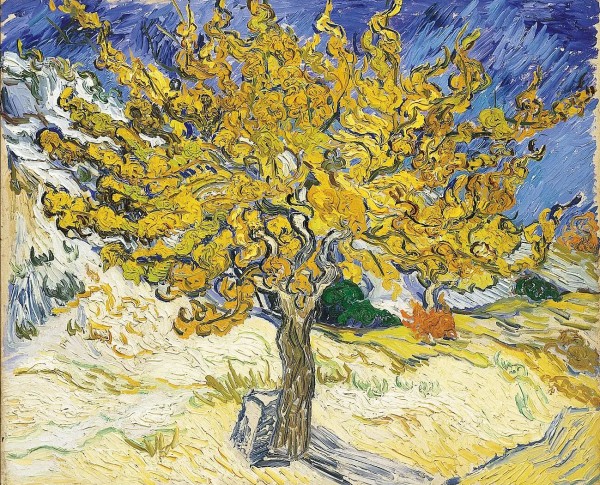
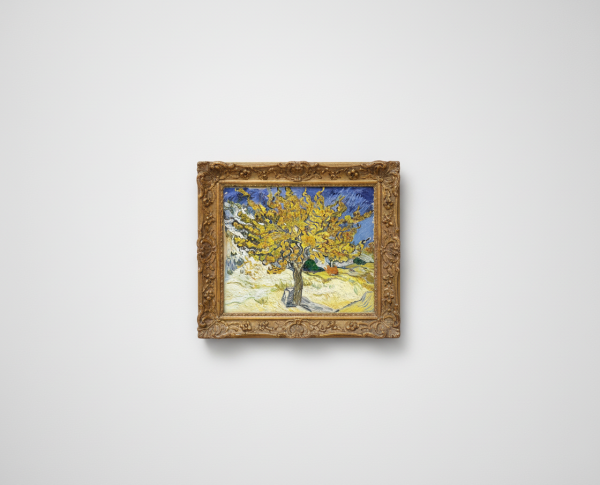
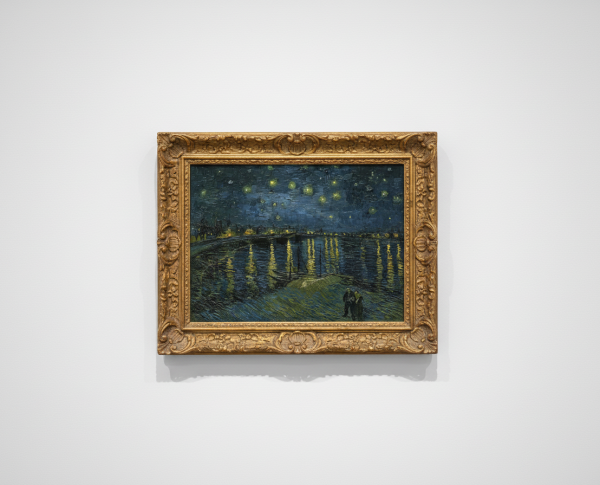
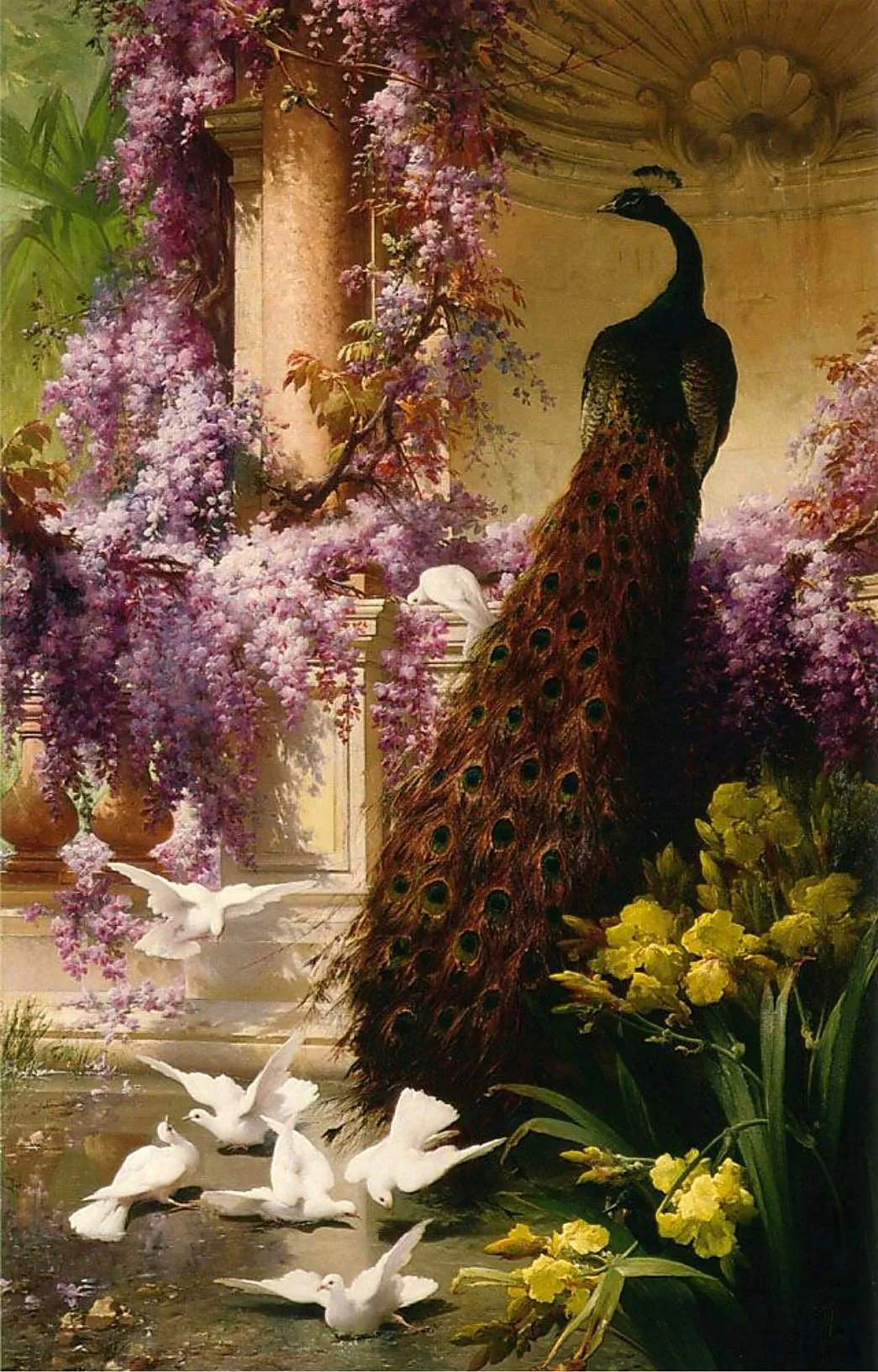
Van Gogh’s mastery shines in every brushstroke of this oil on canvas, where dynamic color contrasts and textured lines bring the church scene to life. The artist’s Post-Impressionist style is evident in the expressive forms and vibrant palette, echoing the emotional intensity found in Mulberry Tree and Cypress against a Starry Sky. Collectors seek out Van Gogh’s oil on canvas works for their timeless beauty and exceptional technique, making each piece a valuable addition to any collection.
When Art Meets History
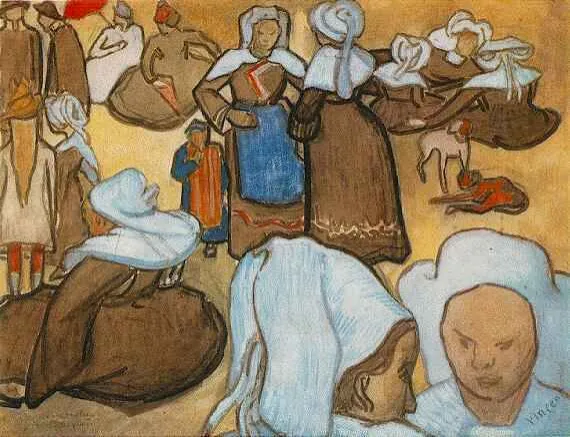
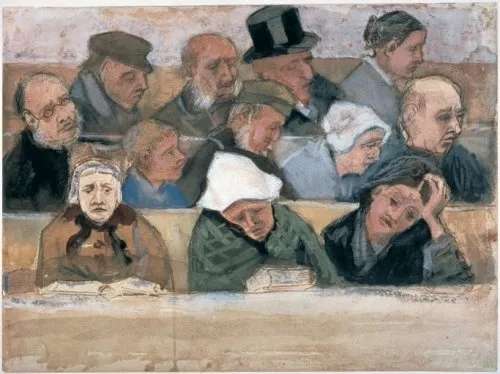
Vincent Van Gogh’s "Church Pew with Worshippers" stands as a remarkable hand-painted oil painting from the Post-Impressionism movement. Created during a period of deep introspection, this artwork captures a quiet moment of faith and community. Van Gogh’s unique approach is reminiscent of other period masterpieces like "Two Tahitian Women" and "On Deeside." This painting not only reflects the era’s cultural shifts but also offers a window into the spiritual lives of its subjects.
Techniques That Speak
Van Gogh’s mastery of oil on canvas shines through in "Church Pew with Worshippers." The brushwork is expressive yet controlled, echoing techniques seen in his "Self-portrait with hat" and similar Post-Impressionist works. The layered textures and bold color contrasts bring depth and vibrancy to the scene. This oil on canvas technique allows Van Gogh to evoke a sense of movement and atmosphere, making the viewer feel present among the worshippers in the pews.
Emotions on Display
In "Church Pew with Worshippers," Vincent Van Gogh channels profound emotion through his use of color and composition. The intimate setting and the figures’ postures convey contemplation and reverence, hallmarks of fine art painting for sale from the Post-Impressionism movement. Similar emotional depth can be found in related works like "One Of The Family" and "Martinique Landscape," where Van Gogh and his contemporaries explore themes of belonging, spirituality, and the human condition.
Coveted by Collectors
As a fine example of Van Gogh’s Post-Impressionist period, "Church Pew with Worshippers" is highly sought-after by art lovers and collectors. This hand-painted oil painting, like "Two Tahitian Women" and "Martinique Landscape," is cherished for its historical significance and artistic innovation. Collectors prize such works not only for their beauty but also for their ability to connect viewers with the artist’s vision and the broader narrative of fine art painting for sale.
Related Post-Impressionism Hand-Painted Oil Paintings by Other Artists
Other Famous Post-Impressionism Artists:
Frequently Asked Questions About Church Pew with Worshippers
What is the historical context of "Church Pew with Worshippers"?
"Church Pew with Worshippers" was painted during a period of significant change in Europe, particularly in the late 19th century. This era saw the rise of Impressionism and Post-Impressionism, movements that sought to capture the essence of modern life and emotional depth, which Van Gogh embraced in his work.
What artistic techniques did Van Gogh employ in this painting?
Van Gogh utilized bold brush strokes and vibrant colors to convey emotion and movement. The use of impasto, where paint is laid on the canvas thickly, adds texture and depth, enhancing the viewer's connection to the scene.
What themes are explored in "Church Pew with Worshippers"?
The painting explores themes of spirituality, community, and the human experience within a sacred space. It reflects Van Gogh's interest in the relationship between individuals and their faith, as well as the communal aspect of worship.
How does Van Gogh's use of color contribute to the painting's meaning?
Van Gogh's use of contrasting colors creates a dynamic atmosphere, evoking feelings of warmth and solace. The earthy tones of the pews juxtaposed with the vibrant hues of the worshippers' clothing symbolize the connection between the mundane and the divine.
What is the significance of the composition in this artwork?
The composition draws the viewer's eye towards the central figures, emphasizing their collective experience. The arrangement of the pews creates a sense of depth, inviting the viewer into the scene and fostering a feeling of inclusion in the worship experience.
How does "Church Pew with Worshippers" reflect Van Gogh's personal beliefs?
This painting reflects Van Gogh's complex relationship with religion. While he struggled with his faith, he often found solace in the church and its community, which is evident in the reverent portrayal of the worshippers.
In what ways does this painting connect to Van Gogh's other works?
"Church Pew with Worshippers" shares thematic and stylistic similarities with other works by Van Gogh, particularly his depictions of rural life and spirituality. His fascination with the human condition and emotional expression is a consistent thread throughout his oeuvre.
What impact did "Church Pew with Worshippers" have on later artists?
The painting influenced subsequent generations of artists who sought to explore emotional depth and the human experience in their work. Van Gogh's innovative techniques and expressive use of color paved the way for modern art movements, including Expressionism and Fauvism.
What can viewers learn about the social context of the time through this painting?
This painting provides insight into the social dynamics of the late 19th century, particularly the role of religion in everyday life. It highlights the importance of community and shared experiences in a rapidly changing society, reflecting the tensions and transformations of the era.
How does "Church Pew with Worshippers" exemplify Van Gogh's emotional expressionism?
The painting exemplifies Van Gogh's emotional expressionism through its vivid colors and dynamic brushwork, which convey the intensity of the worshippers' experience. His ability to capture the essence of human emotion through visual means is a hallmark of his artistic legacy.






















_GFM_Painting_(1).webp)


 100% Hand-Painted: Finished in 3-6 Weeks

.png)
















_(1).webp)