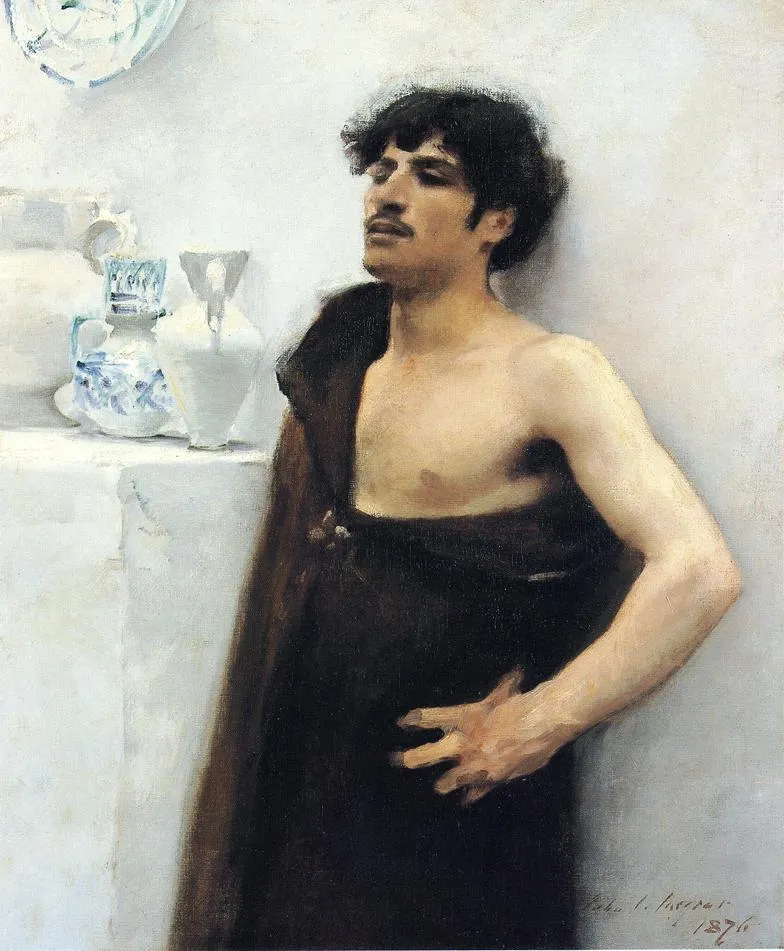
Sargent’s technique in "Young Man in Reverie" exemplifies the mastery found in oil on canvas works of the American Impressionism era. Every brushstroke reflects his unparalleled skill, blending color and light to evoke a sense of contemplation. Collectors often compare this painting’s craftsmanship to his other notable pieces like "Seascape" and "Château De Blérancourt," making it a sought-after example for anyone passionate about Sargent’s legacy and impressionist oil paintings.
Within "Young Man in Reverie," Sargent weaves subtle narratives, using posture and expression to suggest inner thoughts and emotions. This fine art painting for sale resonates with viewers, inviting them to interpret its hidden stories. Like Frank-O'Meara’s works or Bartholomy Magagnosco’s paintings, Sargent’s use of symbolism and atmosphere in this piece elevates its allure, making it a conversation starter among aficionados of American Impressionism.
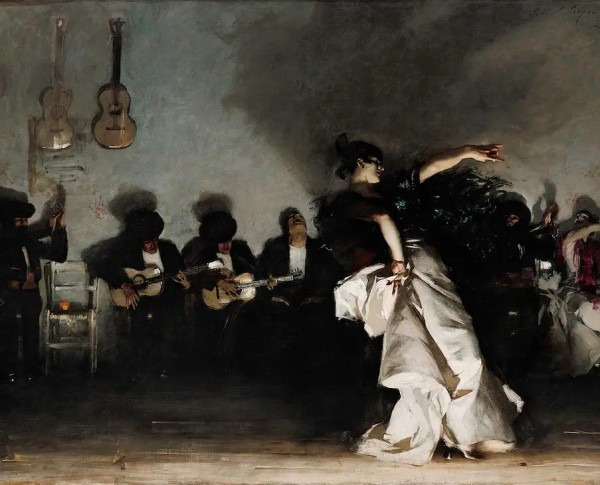
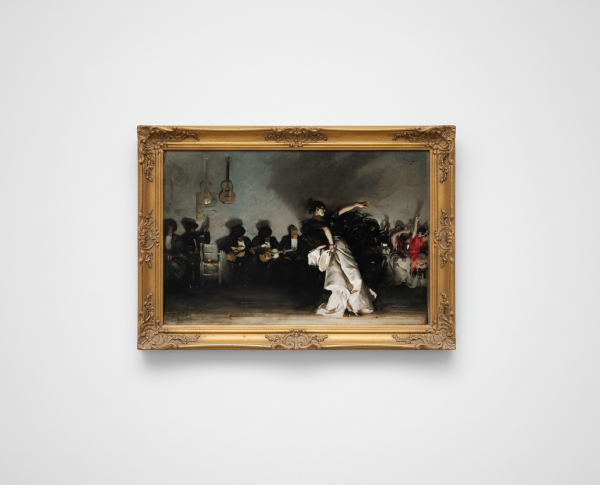
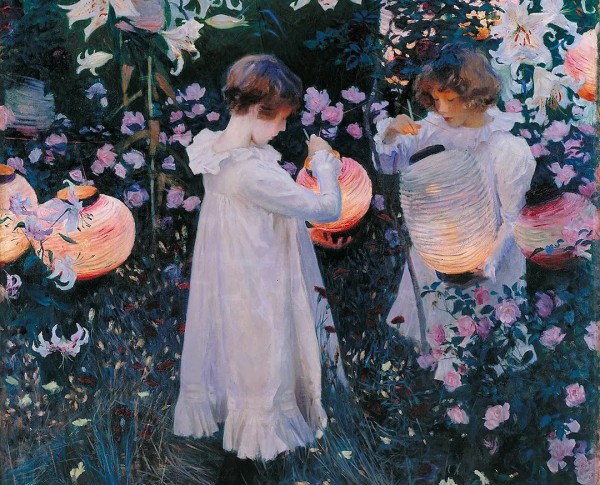
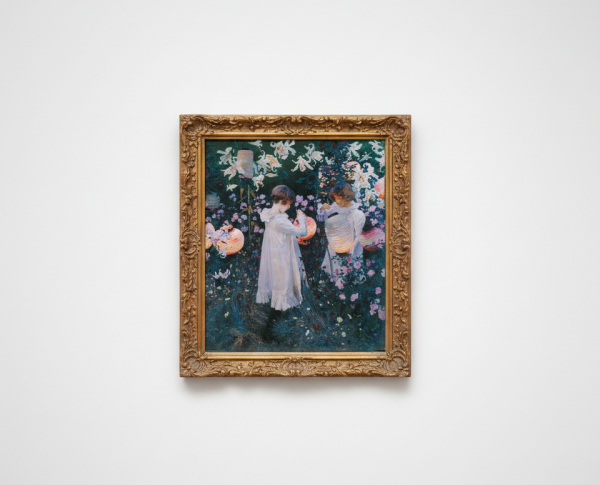
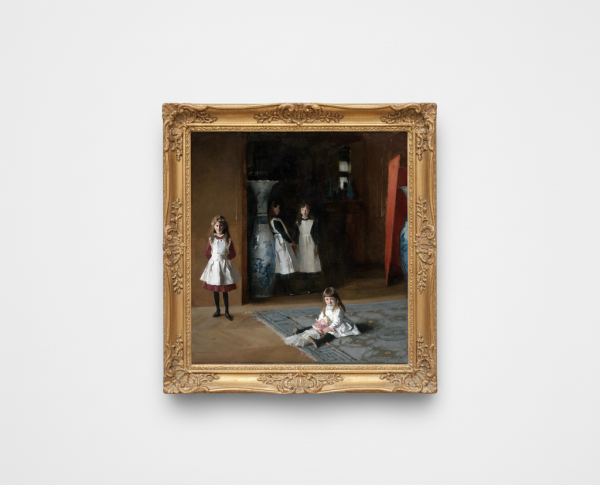
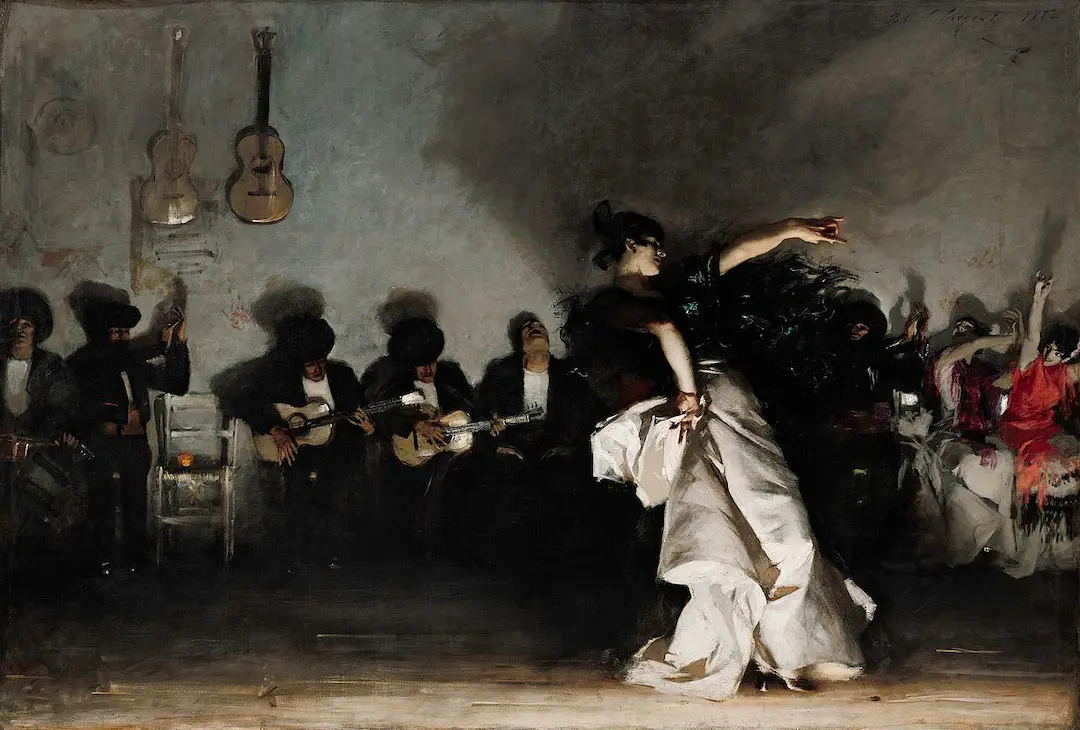
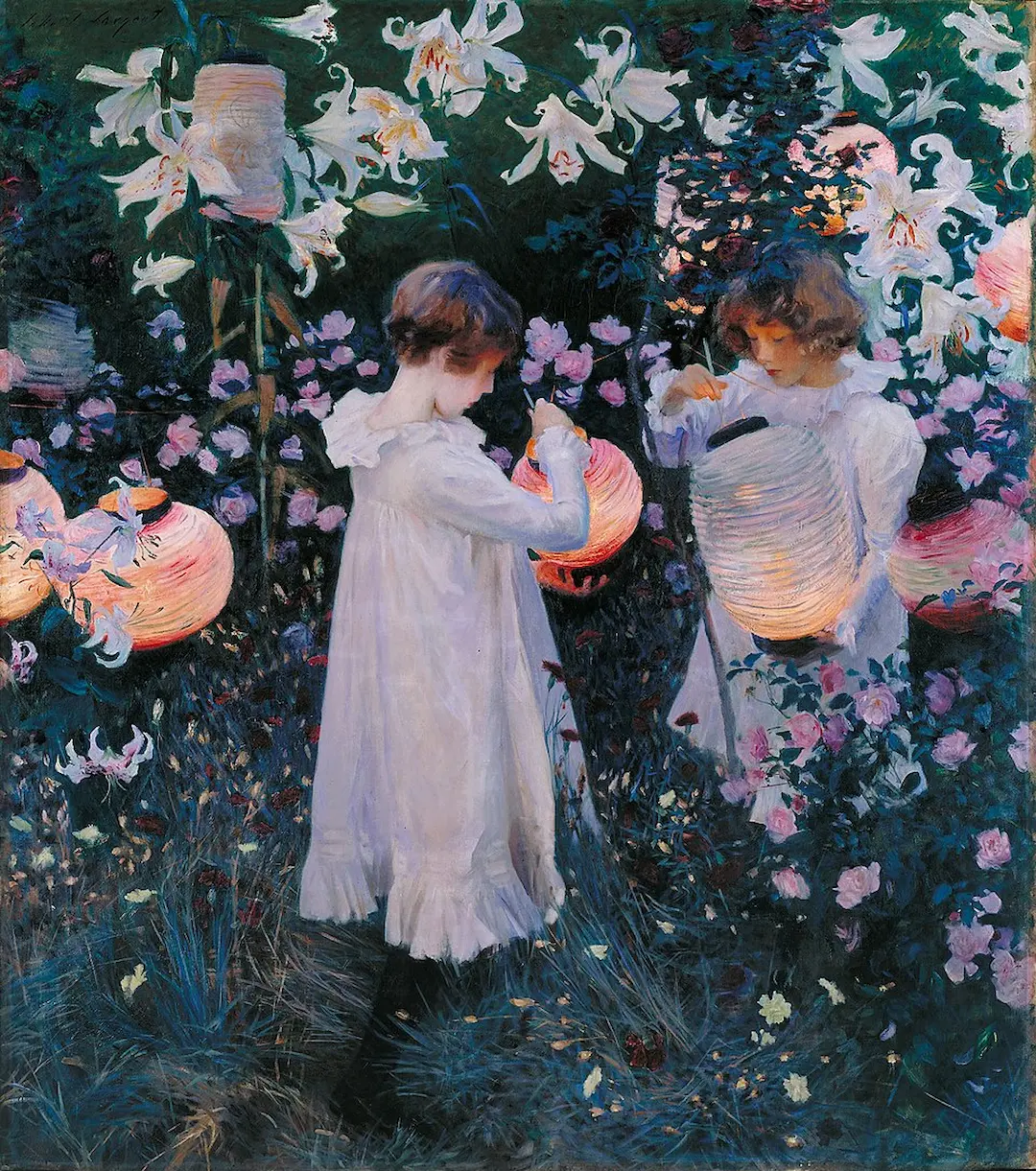
"Young Man in Reverie" is a prized hand-painted oil painting for collectors of American Impressionism. Its enduring appeal places it alongside celebrated works such as "El Jaleo" and "Carnation, Lily, Lily, Rose." Those seeking a unique fine art painting for sale will appreciate Sargent’s attention to detail and emotional nuance, making this piece an exceptional addition to any collection alongside related products like "Seascape" and "Château De Blérancourt."
When Art Meets History
"Young Man in Reverie" by John Singer Sargent is a masterful example of American Impressionism, a movement celebrated for its vibrant depiction of modern life. This hand-painted oil painting captures a fleeting moment of introspection, reflecting the era’s fascination with individuality and emotion. Sargent’s work sits alongside related paintings like "Spearing a Buffalo" and "The Signal Fire," each offering a unique window into the historical and cultural landscape of late nineteenth-century America.
Techniques That Speak
Sargent’s "Young Man in Reverie" showcases his remarkable skill with oil on canvas, utilizing swift, expressive brushstrokes to convey both light and mood. This technique, central to American Impressionism, lends the painting a sense of immediacy and intimacy. The textured surface and luminous palette echo the artist’s mastery seen in related works such as "Building the Schooner, Provincetown" and "When the Land Belonged to God," making each piece a testament to Sargent’s enduring legacy.
Emotions on Display
In this fine art painting for sale, Sargent reveals the inner world of his subject, a young man lost in contemplation. His nuanced rendering of facial expression and posture invites viewers to share in the sitter’s reverie. The emotional depth in "Young Man in Reverie" aligns with other evocative works like "The Death Song of Lone Wolf," highlighting Sargent’s ability to capture the subtleties of human feeling within the context of American Impressionism.
Coveted by Collectors
"Young Man in Reverie" remains highly sought after by art enthusiasts, prized as a hand-painted oil painting from one of America’s foremost Impressionists. Its connection to related paintings—such as "Spearing a Buffalo" and "The Signal Fire"—enhances its appeal to collectors seeking a comprehensive view of Sargent’s oeuvre. Owning such a work offers a tangible link to the innovative spirit and cultural richness of the American Impressionism movement.
Related American Impressionism Hand-Painted Oil Paintings by Other Artists
Other Famous American Impressionism Artists:
Frequently Asked Questions About Young Man in Reverie
What is the historical context of "Young Man in Reverie"?
"Young Man in Reverie" was painted by John Singer Sargent in the early 20th century, a period characterized by a transition in artistic styles and subjects. This era saw the rise of modernism, yet Sargent remained rooted in traditional techniques, blending realism with impressionistic elements.
What artistic techniques did Sargent employ in this painting?
Sargent utilized a combination of oil paint and loose brushwork to create a sense of immediacy and depth. His mastery of light and shadow enhances the three-dimensionality of the figure, while the soft, atmospheric background contributes to the painting's dreamlike quality.
What is the significance of the figure's pose in "Young Man in Reverie"?
The figure's relaxed pose suggests introspection and contemplation, inviting viewers to ponder the thoughts and emotions of the young man. This pose reflects the Romantic ideals of the time, emphasizing individual experience and emotional depth.
How does "Young Man in Reverie" reflect Sargent's artistic style?
The painting exemplifies Sargent's signature style, characterized by fluid brushwork and a focus on capturing the essence of his subjects. His ability to convey personality and mood through color and form is evident in the young man's expression and demeanor.
What themes are explored in "Young Man in Reverie"?
The painting explores themes of youth, introspection, and the passage of time. The contemplative nature of the subject suggests a moment of reflection, highlighting the transient nature of youth and the complexities of personal identity.
What role does color play in "Young Man in Reverie"?
Color plays a crucial role in establishing the mood of the painting. Sargent employs a palette of soft, muted tones that evoke a sense of tranquility and introspection, while subtle contrasts draw attention to the figure and enhance the overall composition.
How does this painting compare to Sargent's other works?
What is the symbolic meaning behind the title "Young Man in Reverie"?
The title suggests a state of daydreaming or contemplation, symbolizing the inner life of the young man. It invites viewers to consider the thoughts and dreams that occupy his mind, reflecting the universal experience of youthful introspection.
What influences can be seen in Sargent's portrayal of the figure?
Sargent's portrayal of the figure may be influenced by the Pre-Raphaelite movement, which emphasized detailed realism and emotional expression. The contemplative nature of the subject also resonates with the Symbolist movement, which sought to convey deeper meanings through imagery.
How has "Young Man in Reverie" been received by art critics and historians?
The painting has been praised for its emotional depth and technical skill, with critics noting Sargent's ability to capture the essence of youth and introspection. It is often regarded as a significant work within his oeuvre, reflecting both his mastery of portraiture and his exploration of psychological themes.






















_GFM_Painting_(1).webp)


 100% Hand-Painted: Finished in 3-6 Weeks

.png)













.webp)



_(1).webp)