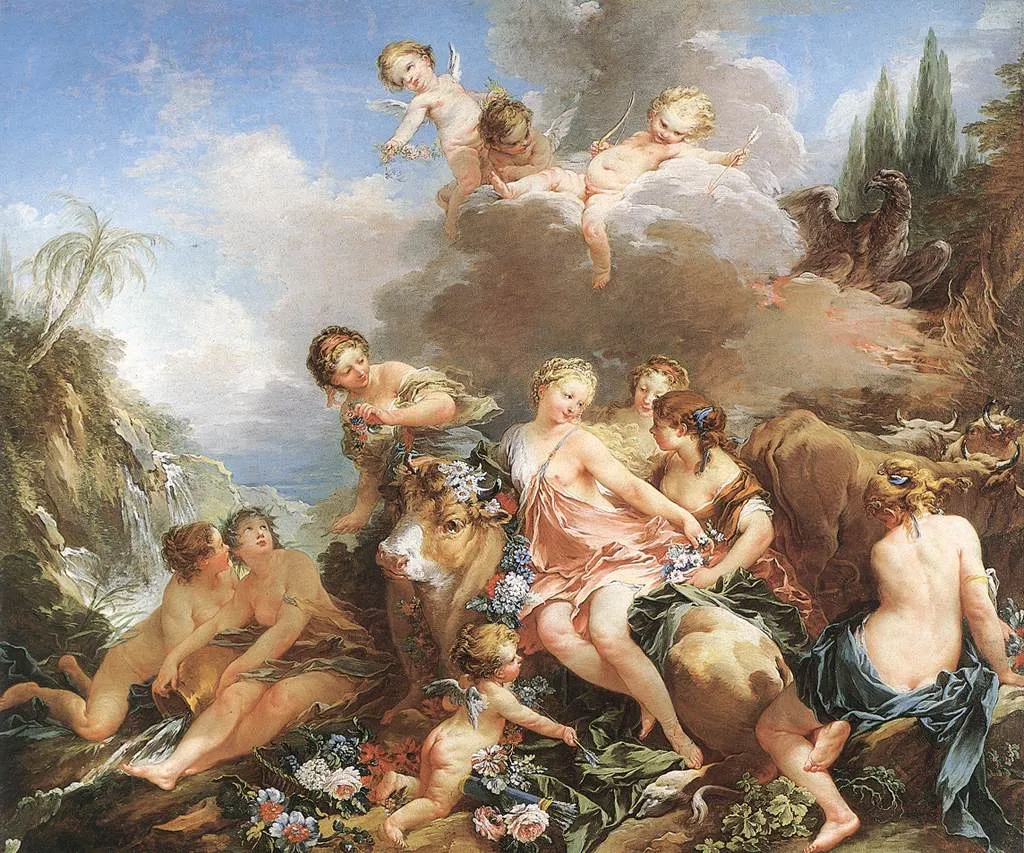
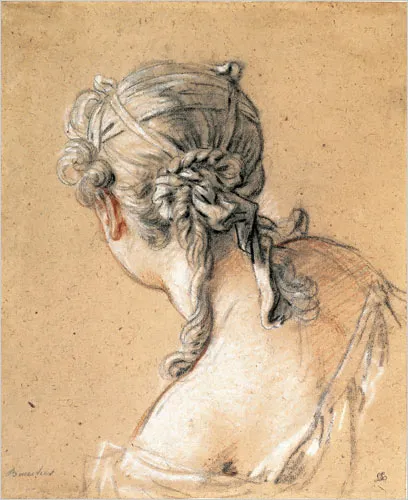
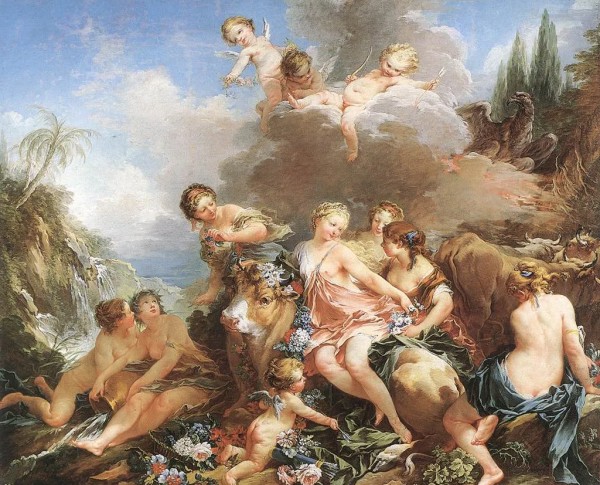
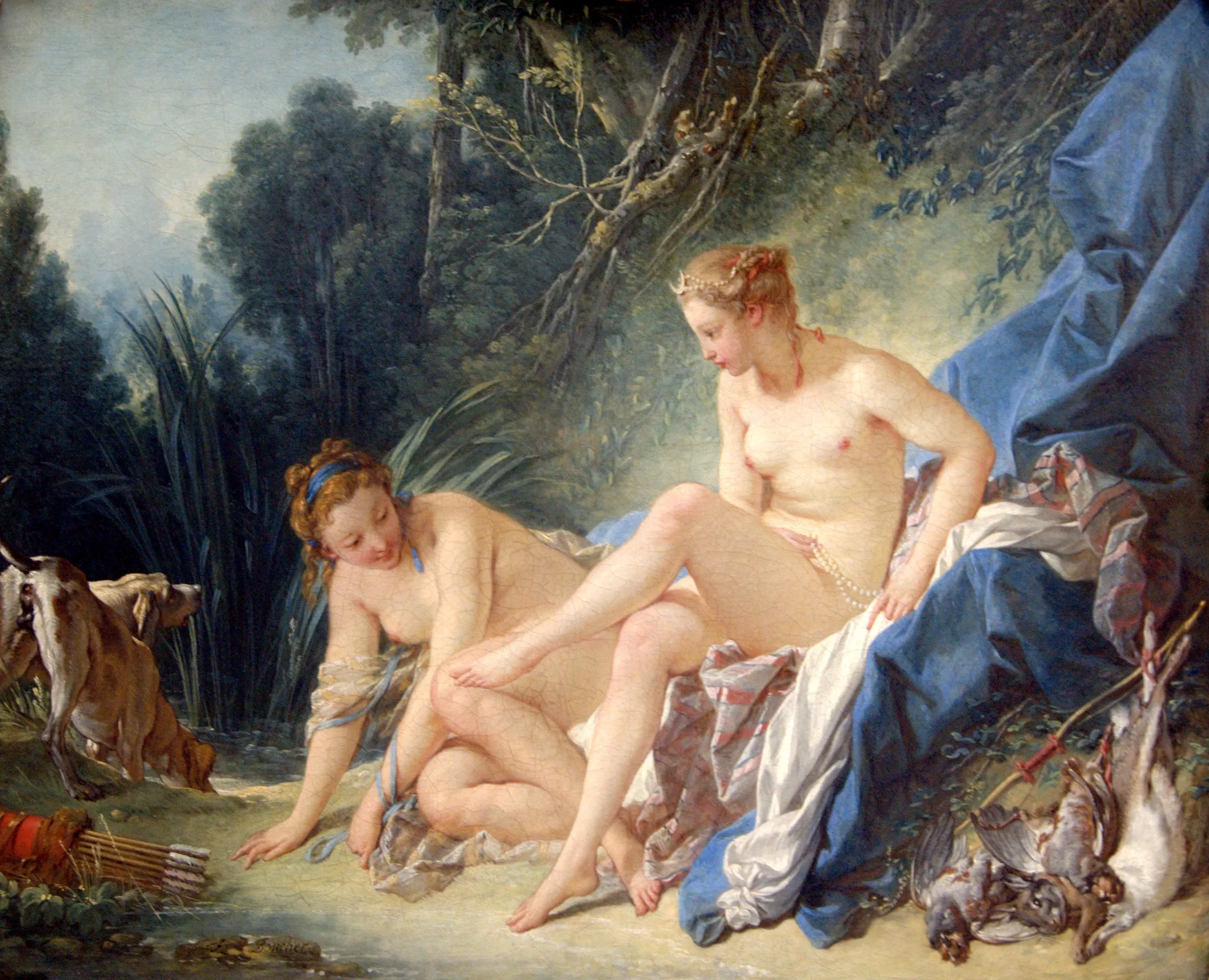
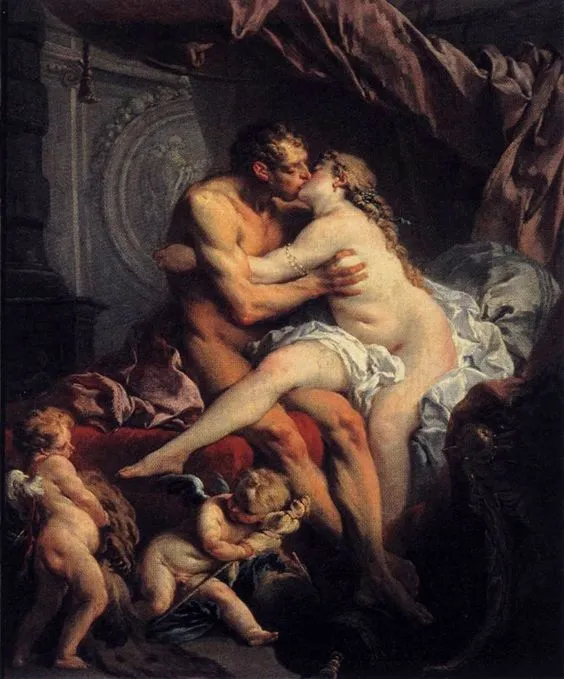
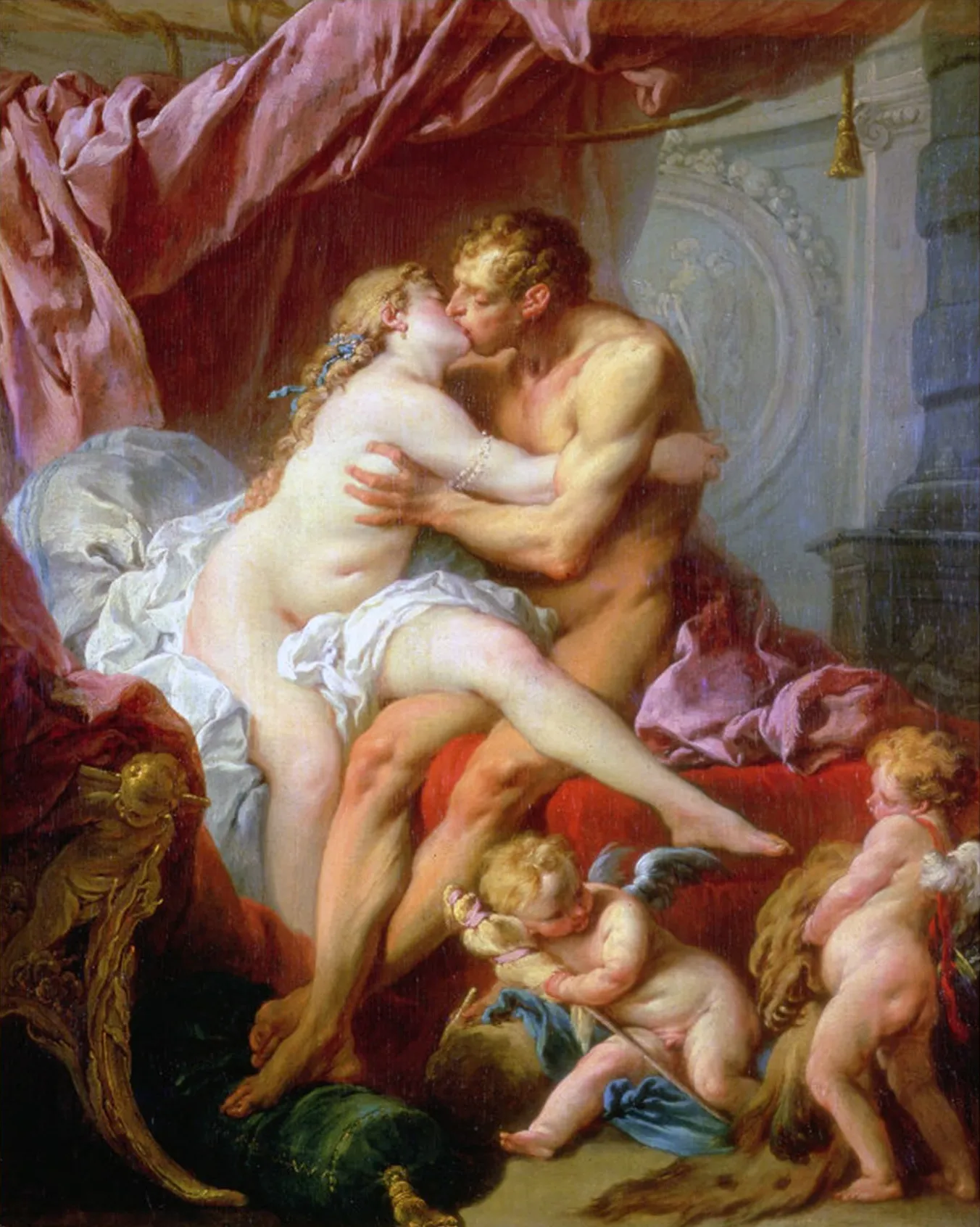
"Diana getting out of her bath" is a celebrated hand-painted oil painting by François Boucher, a leading figure of the Rococo movement. Renowned for his ability to infuse sensuality and elegance, Boucher created this masterpiece to exemplify the lightness and charm that defined the era. As with other works by the artist—like "Hercules and Omfala" and "Head of a Woman from Behind"—this painting continues to captivate collectors and art enthusiasts worldwide.
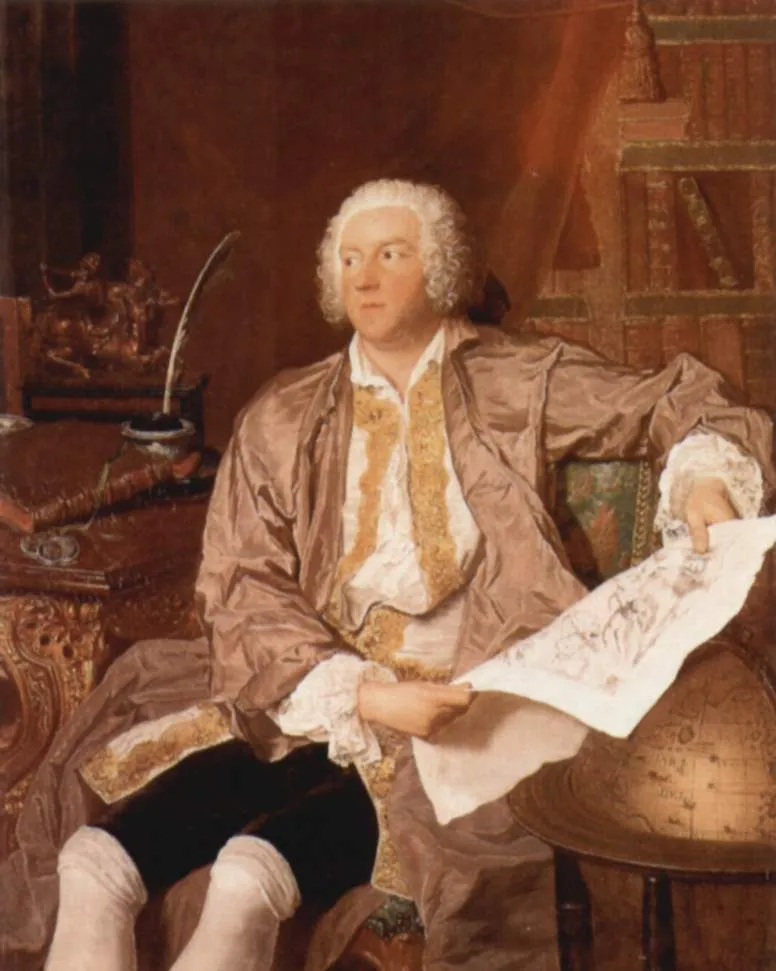
Boucher’s "Diana getting out of her bath" showcases his remarkable skill with oil on canvas, bringing the goddess and her surroundings to life. The delicate brushwork and rich color palette are hallmarks of Rococo artistry, highlighting the painter’s attention to detail and texture. This piece, much like "The beautiful kitchen" and "Portrait of Carl Gustaf Tessin," demonstrates François Boucher’s enduring influence and the technical mastery that defines his most admired creations.
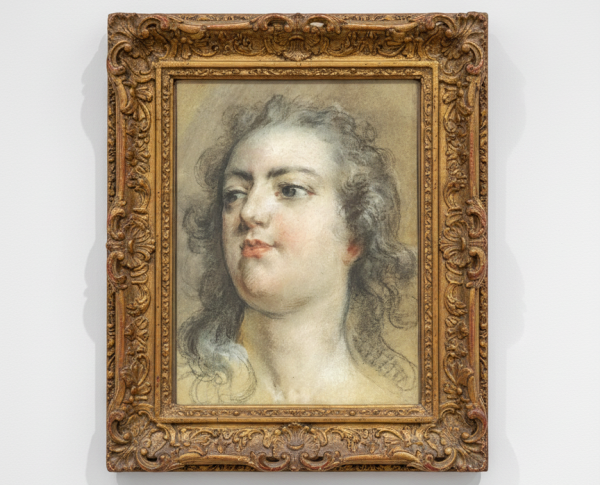
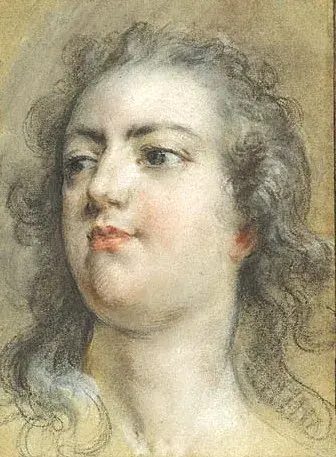
Every element in "Diana getting out of her bath" tells a story, utilizing mythological themes and symbolic motifs typical of Rococo. The depiction of Diana, the goddess of the hunt, stepping out of her bath, reveals both vulnerability and strength. This fine art painting for sale invites viewers to explore deeper meanings, similar to the narratives found in "Hercules and Omphale" and "Head of King Louis XV," making it a timeless conversation piece for any collection.
Owning "Diana getting out of her bath" by François Boucher means possessing a quintessential example of Rococo elegance. As a hand-painted oil painting, it stands alongside other coveted works such as "Portrait of Carl Gustaf Tessin" and "The beautiful kitchen." Collectors value these pieces not only for their historical significance but also for their aesthetic appeal, making them highly sought-after treasures in the world of fine art painting for sale.
When Art Meets History
"Diana getting out of her bath" by Francois Boucher stands as a remarkable example of the Rococo movement. This hand-painted oil painting captures the mythological goddess Diana in a moment of delicate intimacy, reflecting the era’s fascination with beauty and sensuality. Boucher, celebrated for his mastery, often explored similar themes in his works. Paintings like "The Bucintoro" and "The Entrance to the Grand Canal, Venice" also showcase the elegance and opulence characteristic of Rococo fine art.
Techniques That Speak
Francois Boucher’s "Diana getting out of her bath" demonstrates his signature use of oil on canvas, blending soft pastels and fluid brushstrokes to create a dreamlike atmosphere. The artist’s attention to detail and luminous color palette are hallmarks of the Rococo style. Similar technical finesse can be seen in related paintings such as "The Piazza San Marco in Venice" and "View of the Mills of Dolo on the Brenta," making each oil on canvas a testament to the era’s artistic innovation.
Emotions on Display
This painting beautifully conveys the gentle vulnerability and grace of Diana, evoking a sense of tranquility and allure. Boucher’s mastery allows the viewer to experience the goddess’s private world, a hallmark of Rococo’s emotional subtlety. Like "The Stonemason's Yard" and other works from the period, "Diana getting out of her bath" invites the audience to connect with the subjects on a personal level, making it a truly captivating fine art painting for sale.
Coveted by Collectors
"Diana getting out of her bath" remains highly sought after by collectors who appreciate the luxurious elegance of hand-painted oil paintings from the Rococo era. Francois Boucher’s works, alongside related masterpieces like "The Entrance to the Grand Canal, Venice," continue to command admiration in galleries and private collections. The painting’s enduring appeal lies in its exquisite craftsmanship and historical significance, making it a prized addition for anyone seeking a fine art painting for sale.
Related Rococo Hand-Painted Oil Paintings by Other Artists
Other Famous Rococo Artists:
Frequently Asked Questions About Diana getting out of her bath
What is the historical context of "Diana getting out of her bath"?
This painting, created by François Boucher in the 18th century, reflects the Rococo style that was prevalent in France during the reign of Louis XV. It embodies the era's fascination with sensuality, nature, and mythological themes.
Who is the figure depicted in the painting?
The figure in the painting is Diana, the Roman goddess of the hunt, wilderness, and moon. She is often associated with chastity and is depicted in a vulnerable yet graceful manner, highlighting her dual nature as both a fierce huntress and a symbol of femininity.
What artistic techniques did Boucher use in this painting?
Boucher employed soft brushwork and a delicate color palette to create a sense of intimacy and warmth. His use of light and shadow enhances the three-dimensionality of the figures and the overall composition, typical of the Rococo style.
What symbolism is present in "Diana getting out of her bath"?
The painting symbolizes purity and femininity, with Diana emerging from her bath as a representation of natural beauty. The setting and her pose suggest themes of renewal and the connection between nature and the divine.
How does this painting reflect the Rococo movement?
The Rococo movement is characterized by its ornate detail, playful themes, and emphasis on lightness. Boucher's work exemplifies these traits through its sensual subject matter, elaborate drapery, and the idyllic portrayal of nature surrounding Diana.
What influence did François Boucher have on later artists?
Boucher's work had a significant influence on the development of 18th-century French art and beyond, inspiring artists with his approach to color, composition, and the depiction of mythological themes, which can be seen in the works of later Romantic and Impressionist artists.
What materials were used in the creation of this painting?
What role does nature play in this artwork?
Nature serves as a backdrop that enhances the themes of beauty and femininity in the painting. The lush greenery and soft light create a serene environment that complements Diana's graceful emergence from the bath, symbolizing harmony between humanity and the natural world.
How does the composition of the painting guide the viewer's eye?
Boucher's composition strategically uses diagonal lines and curves to lead the viewer's eye towards Diana. The arrangement of figures and surrounding elements creates a dynamic flow, inviting viewers to explore the entire scene while focusing on the central figure.
What is the significance of the bath in the context of the painting?
The bath symbolizes cleansing and rejuvenation, both physically and metaphorically. It represents a moment of vulnerability for Diana, allowing for a deeper exploration of themes related to femininity, beauty, and the divine in the context of mythological narratives.























_GFM_Painting_(1).webp)


 100% Hand-Painted: Finished in 3-6 Weeks

.png)















_(1).webp)