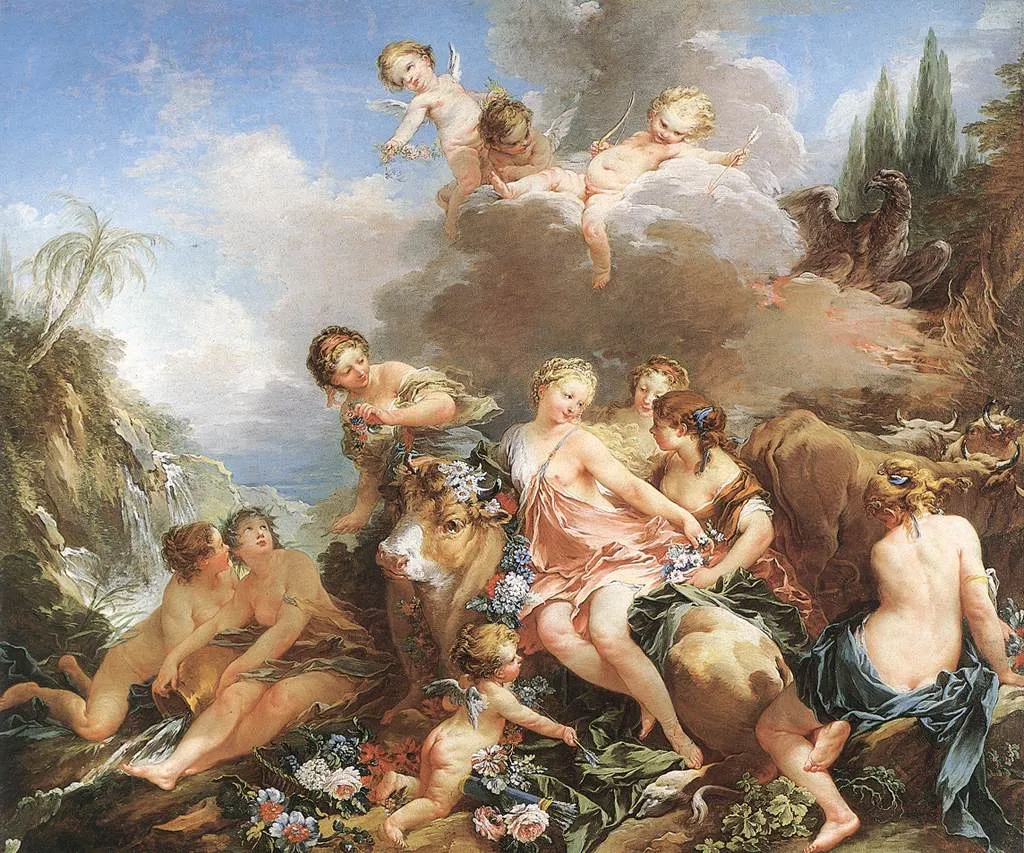
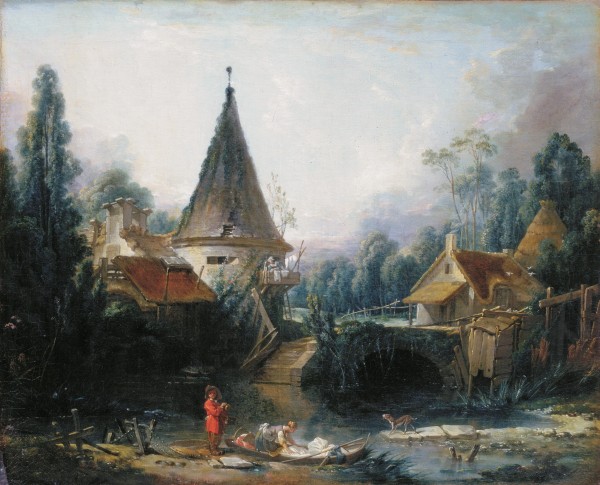
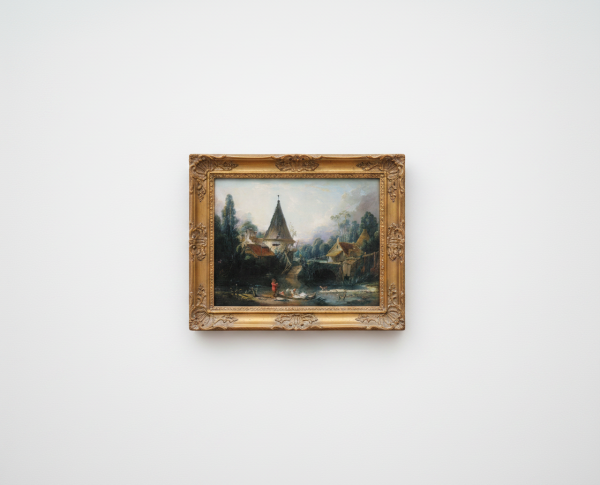
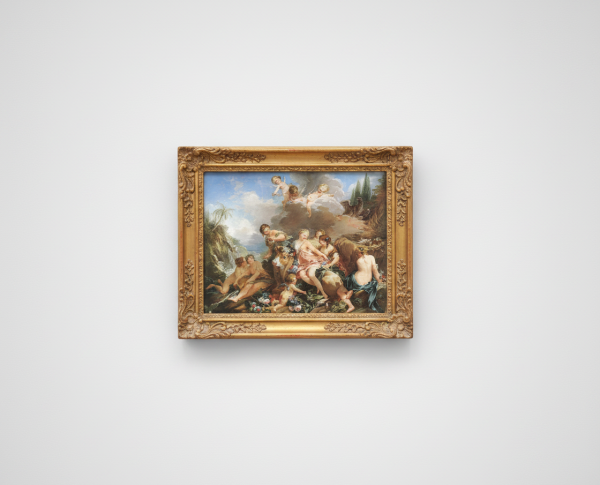
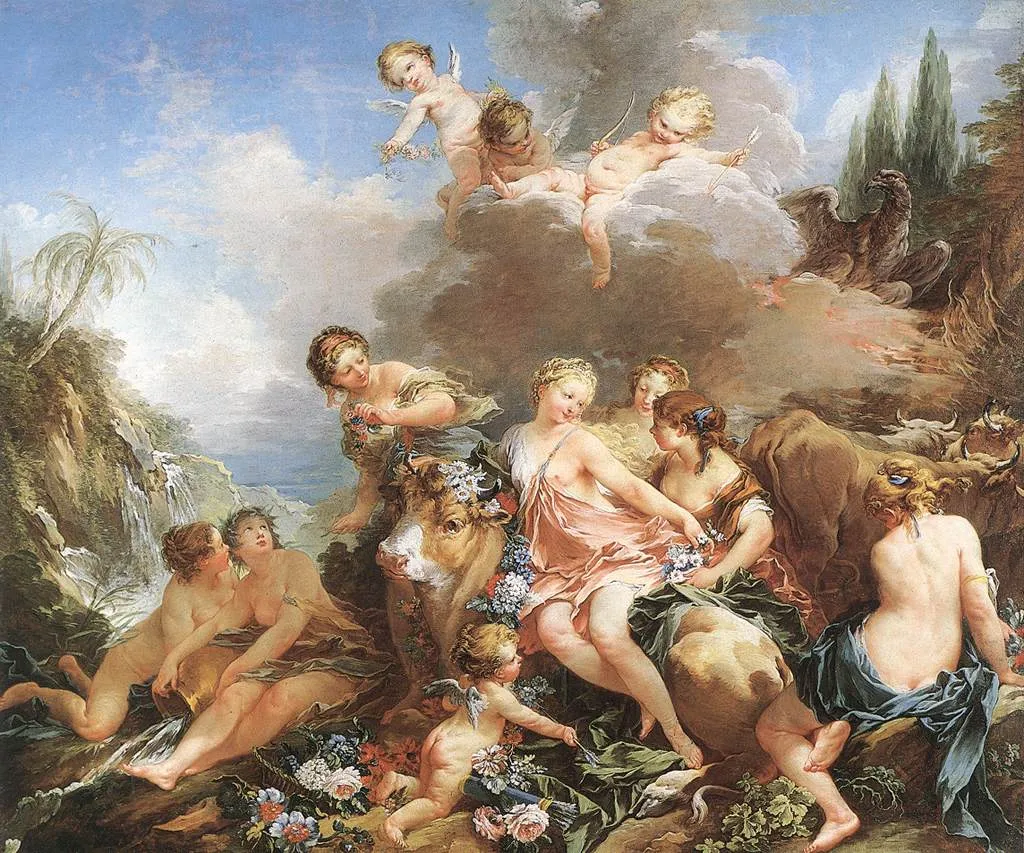
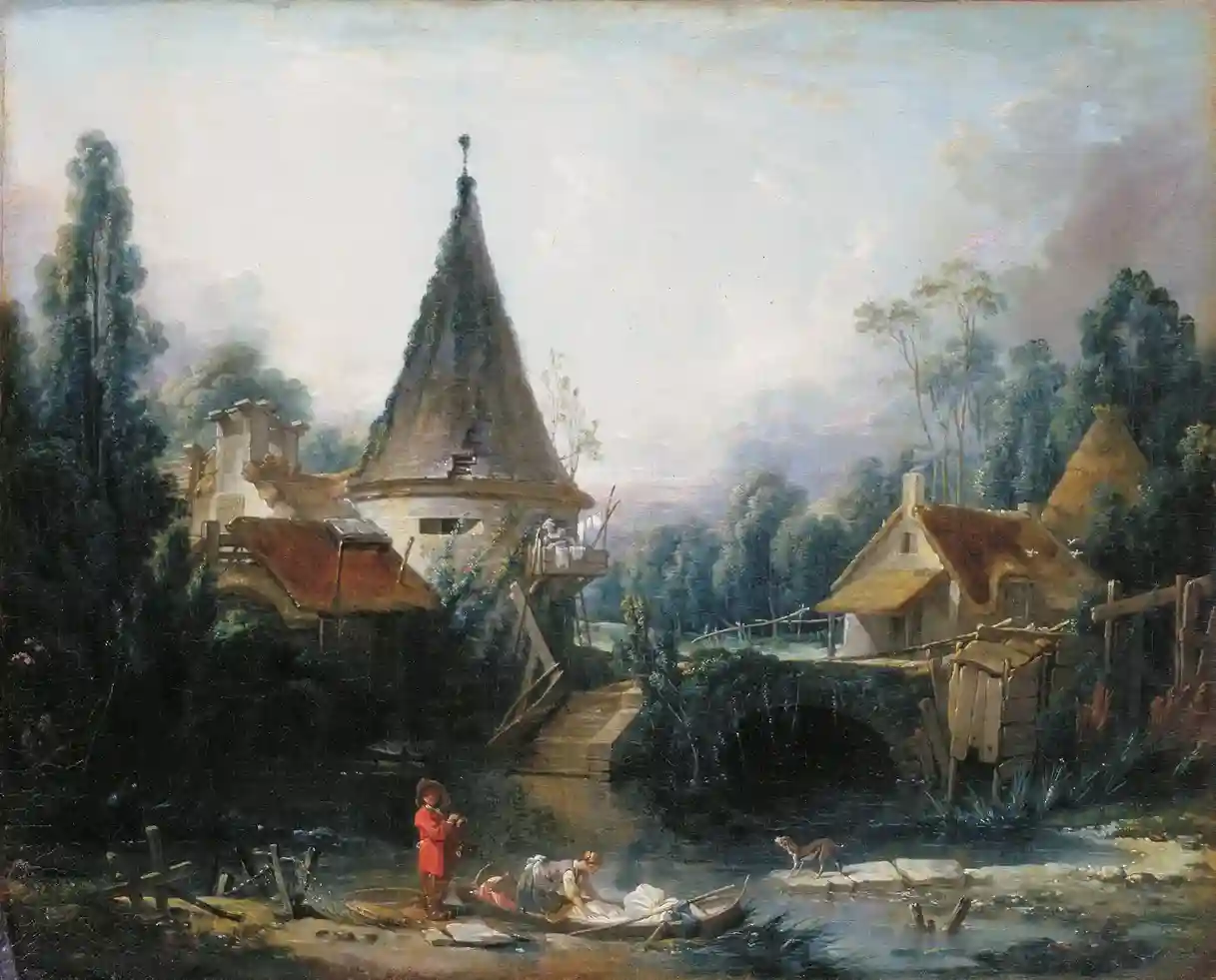
Boucher’s “The Rape of Europa” exemplifies his technical prowess, with each brushstroke revealing the artist’s command of oil on canvas. The Rococo movement’s signature pastel palette and fluid forms come alive, highlighting Boucher’s ability to render both delicate figures and lush landscapes. For those searching for an exquisite oil on canvas, this painting and related works such as “Landscape near Beauvais” showcase the refined artistry of eighteenth-century France.
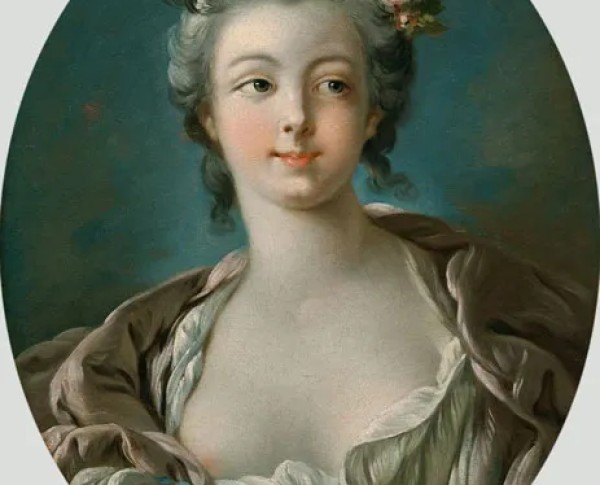
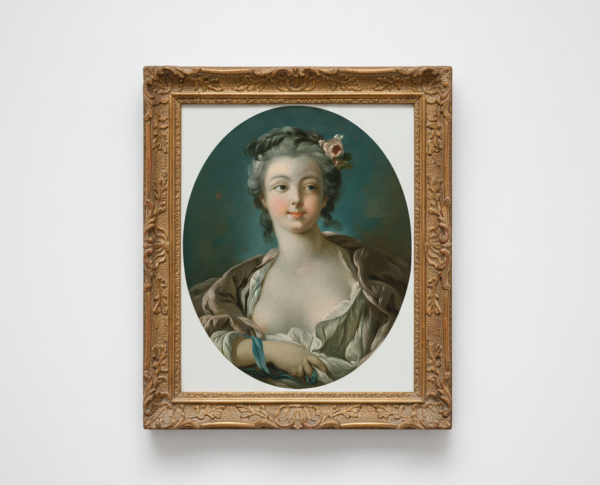
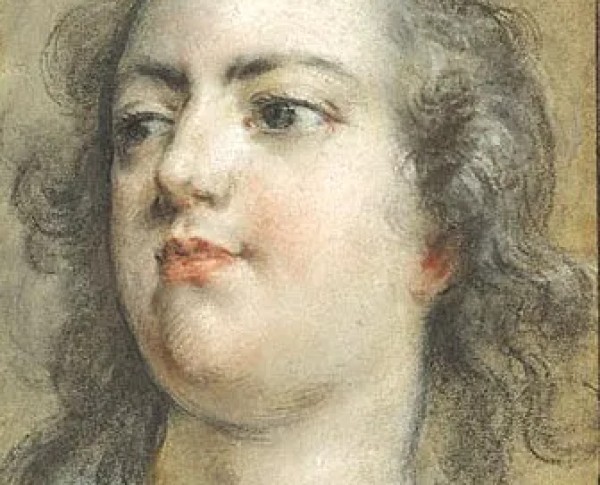
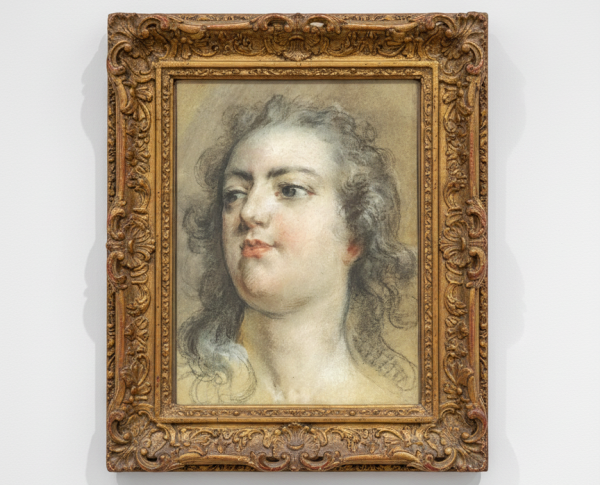
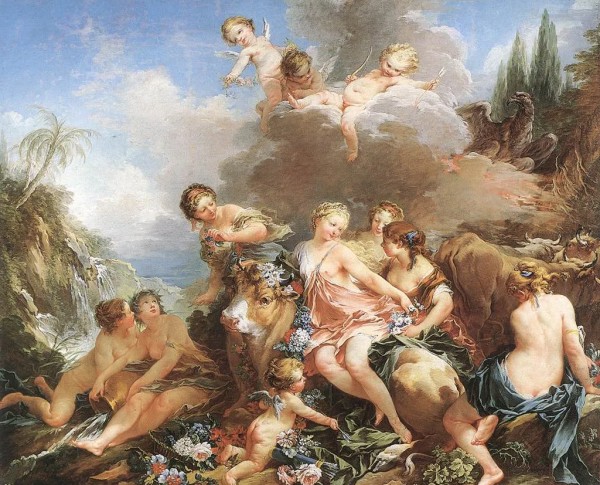
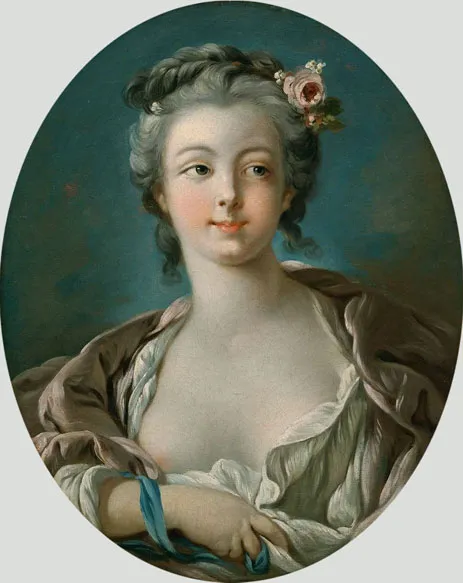
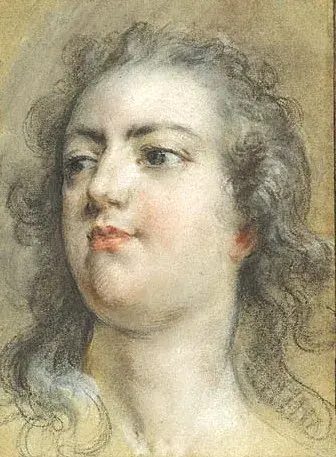
In “The Rape of Europa,” Francois Boucher weaves myth and allegory, depicting Europa’s abduction with rich symbolism and emotive detail. This fine art painting for sale invites viewers to explore themes of desire, transformation, and power, hallmarks of the Rococo movement. Art lovers may also appreciate related products like “Head of King Louis XV” and “Young Woman with Flowers in Her Hair,” each offering unique narratives within Boucher’s celebrated oeuvre.
Owning “The Rape of Europa” by Francois Boucher is a testament to refined taste and an appreciation for Rococo artistry. This hand-painted oil painting not only enhances any collection but also connects owners to a legacy of French elegance. Explore related products such as “Young Woman with Flowers in Her Hair,” “Landscape near Beauvais,” and “Head of King Louis XV” to further enrich your selection of fine art painting for sale.
When Art Meets History
"The Rape of Europa" by Francois Boucher stands as a remarkable example of Rococo artistry, capturing a mythological tale with both elegance and drama. Created as a hand-painted oil painting, this masterpiece reflects the artist’s fascination with classical themes and opulent detail. Boucher’s work shares its historical significance with related paintings like "The Bucintoro" and "The Stonemason's Yard," each contributing to the rich tapestry of 18th-century European fine art.
Techniques That Speak
Boucher’s mastery of oil on canvas is evident in every brushstroke of "The Rape of Europa." The artist utilizes delicate pastels and intricate layering to evoke a sense of movement and sensuality characteristic of the Rococo movement. This technique aligns with other period works such as "The Entrance to the Grand Canal, Venice, c.1730" and "Ducal Palace, Venice, c.1755," which also showcase the era’s penchant for luminous color and dynamic composition.
Emotions on Display
In "The Rape of Europa," Francois Boucher weaves emotion into every detail, inviting viewers to experience the tension and allure of the mythological scene. Through his fine art painting for sale, Boucher captures Europa’s surprise and vulnerability, set against a backdrop of swirling drapery and vibrant landscape. Like "The Piazza San Marco in Venice," this painting’s emotional resonance remains captivating for audiences centuries after its creation.
Coveted by Collectors
As a hand-painted oil painting from the celebrated Rococo movement, "The Rape of Europa" continues to attract collectors and art enthusiasts worldwide. Francois Boucher’s work, alongside related paintings such as "The Stonemason's Yard" and "Ducal Palace, Venice, c.1755," is highly sought after for its exquisite detail and historical value. This masterpiece remains a prized example of fine art painting for sale, treasured for its beauty and legacy.
Related Rococo Hand-Painted Oil Paintings by Other Artists
Other Famous Rococo Artists:
Frequently Asked Questions About The Rape of Europa
What is the historical context of The Rape of Europa?
The Rape of Europa was painted by Francois Boucher in the 18th century, a time when European art was heavily influenced by the Rococo style, characterized by its ornate details and playful themes. The painting reflects the fascination with classical mythology that was prevalent during this period.
Who was Europa in mythology?
In Greek mythology, Europa was a Phoenician princess whom Zeus abducted after transforming himself into a magnificent bull. The myth symbolizes the union of Europe and Asia, and has been interpreted in various ways throughout art history.
What artistic techniques did Boucher use in this painting?
Boucher employed soft brushwork and a vibrant color palette to create a sense of movement and sensuality. His use of light and shadow enhances the three-dimensionality of the figures, while the fluidity of the composition draws the viewer's eye across the canvas.
What are the main themes depicted in The Rape of Europa?
The painting explores themes of desire, power, and transformation. It captures the moment of abduction, highlighting the tension between innocence and the overwhelming force of passion, which is a recurring motif in Boucher's work.
How does Boucher's style reflect the Rococo movement?
Boucher's style is emblematic of the Rococo movement, characterized by its playful and ornate aesthetic. The use of pastel colors, elaborate details, and an emphasis on sensuality are all hallmarks of this artistic period, which sought to evoke pleasure and charm.
What is the significance of the bull in the painting?
The bull represents Zeus in disguise, symbolizing the theme of transformation and the duality of appearance versus reality. This element of the myth serves to illustrate the idea of seduction and the complexities of desire.
How does The Rape of Europa compare to other works depicting the same myth?
Unlike many earlier interpretations that focus on the violence of the abduction, Boucher's version emphasizes beauty and allure. His portrayal is more romanticized, showcasing the elegance of the figures and the idyllic setting, which contrasts with the darker undertones of the myth.
What role does symbolism play in The Rape of Europa?
Symbolism is integral to the painting, with the bull representing not just Zeus but also the unpredictable nature of desire. The surrounding elements, such as the ocean and the nymphs, further symbolize the themes of fate and the intertwining of love and loss.
In what ways has The Rape of Europa influenced later art?
This painting has influenced numerous artists and movements, inspiring interpretations of mythological themes in Romanticism and beyond. Its exploration of sensuality and the human experience continues to resonate in contemporary art discussions.
What can we learn about 18th-century society through this painting?
The Rape of Europa reflects the 18th-century societal values surrounding beauty, femininity, and power dynamics. It provides insight into the era's fascination with mythology and the complexities of human relationships, revealing both admiration and critique of gender roles.























_GFM_Painting_(1).webp)


 100% Hand-Painted: Finished in 3-6 Weeks

.png)















_(1).webp)