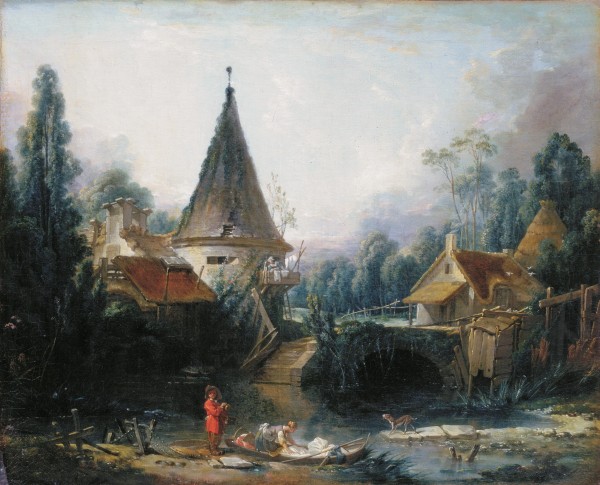
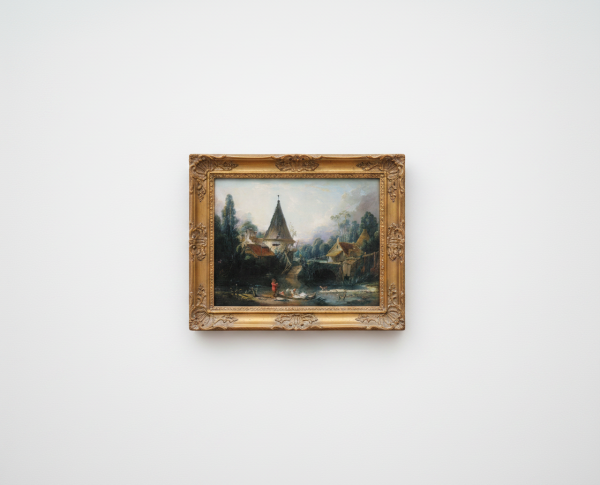
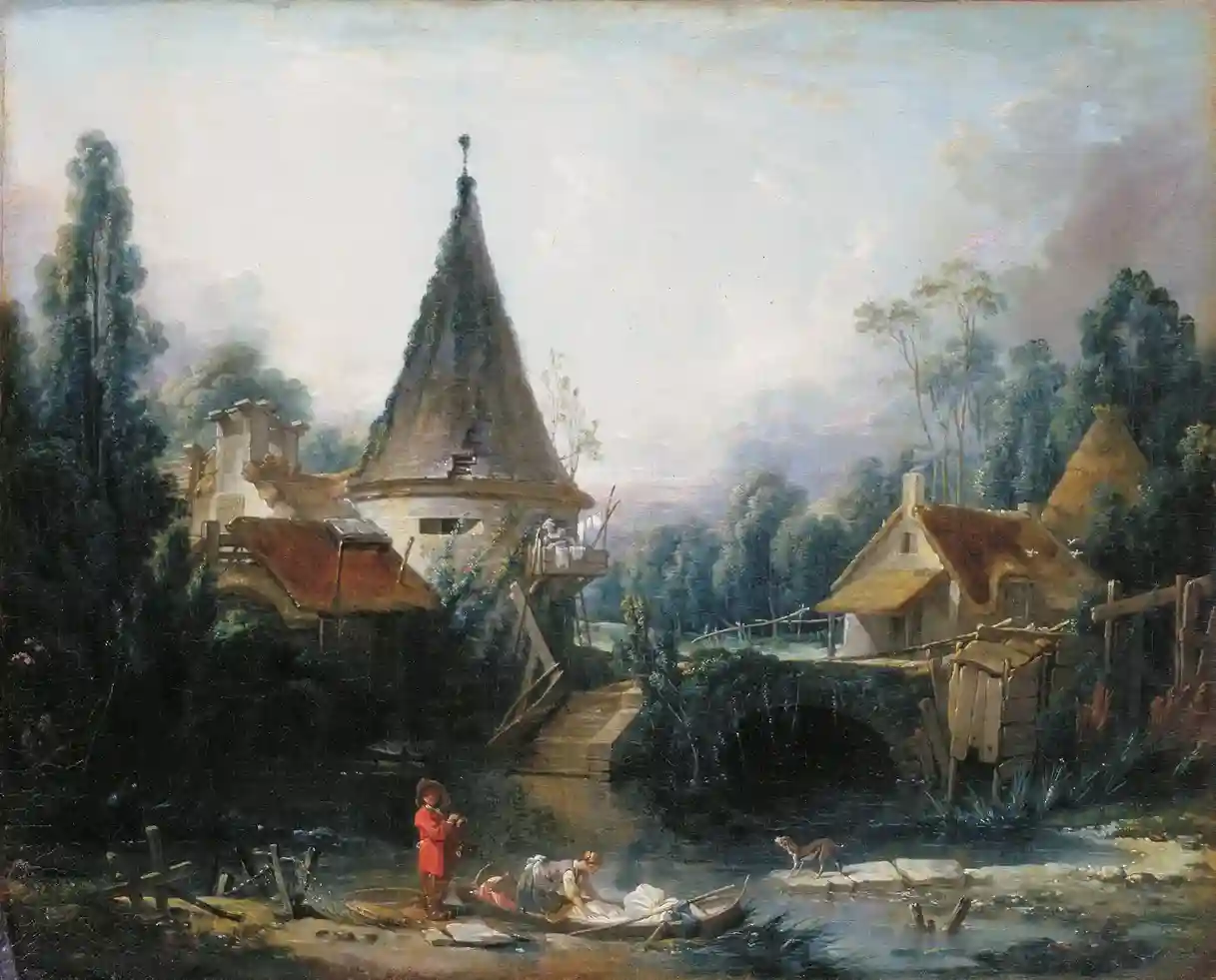
Francois Boucher’s technique in "Landscape near Beauvais, early" demonstrates the delicate touch that defines oil on canvas masterpieces from the Rococo era. Every brushstroke reveals his skill in blending soft hues and light, creating a dreamlike atmosphere. Collectors and enthusiasts admire Boucher’s ability to infuse life into landscapes, making this painting—and related works—coveted examples of oil on canvas artistry that continue to inspire modern audiences.
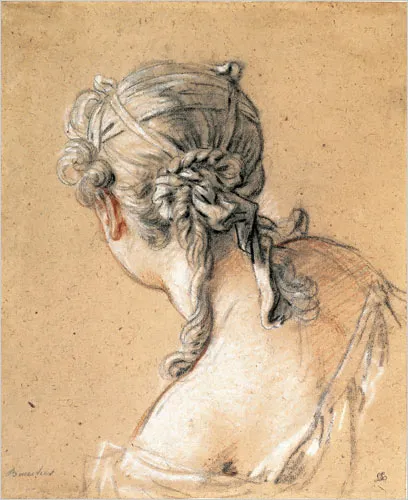
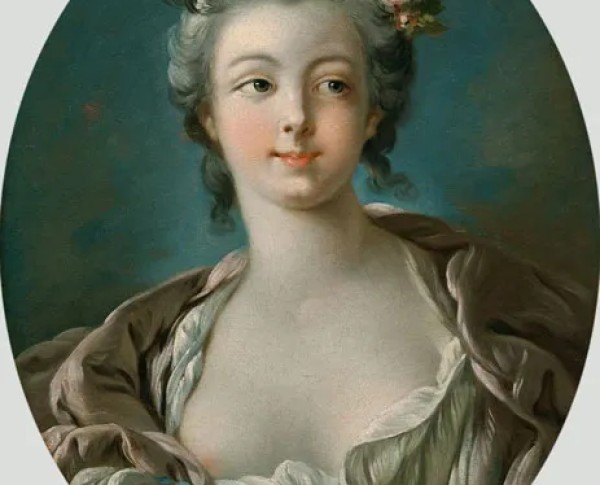
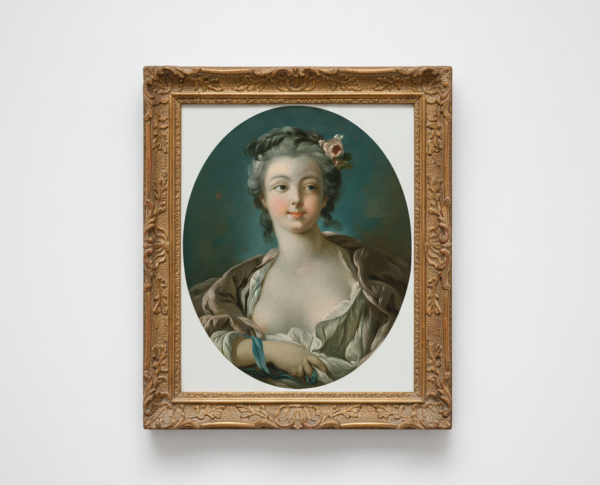
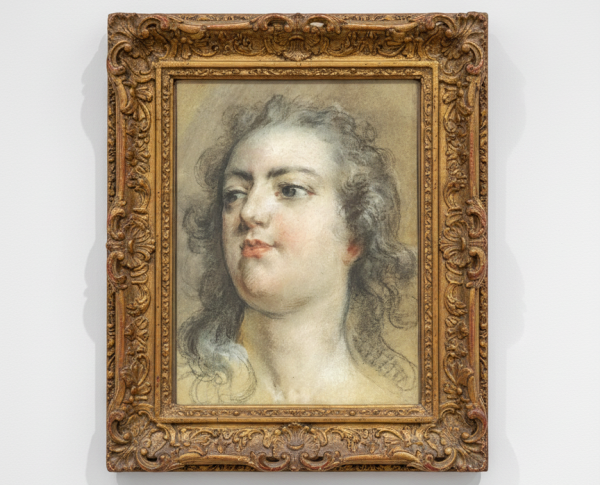
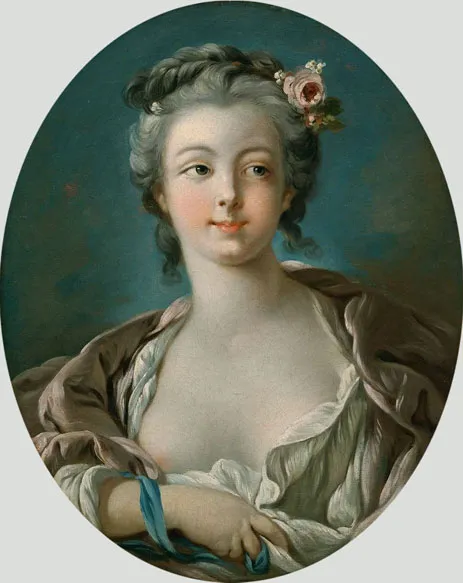
Within "Landscape near Beauvais, early," Boucher weaves subtle stories and symbolic elements that invite viewers to look deeper. As a fine art painting for sale, it offers more than mere decoration; it transports observers to a tranquil, idealized world, typical of Rococo’s romantic sensibilities. Paired with related products like "Young Woman with Flowers in Her Hair wrongly called Portrait of Madame Boucher," this painting enriches any collection with layers of historical and cultural meaning.
For collectors seeking a unique hand-painted oil painting, Francois Boucher’s "Landscape near Beauvais, early" is an exceptional find. Its provenance within the Rococo movement and connection to other masterpieces such as "Young Woman with Flowers in Her Hair wrongly called Portrait of Madame Boucher" enhance its desirability. This fine art painting for sale not only exemplifies Boucher’s artistry but also promises to elevate the aesthetic value of any home or gallery space.
When Art Meets History
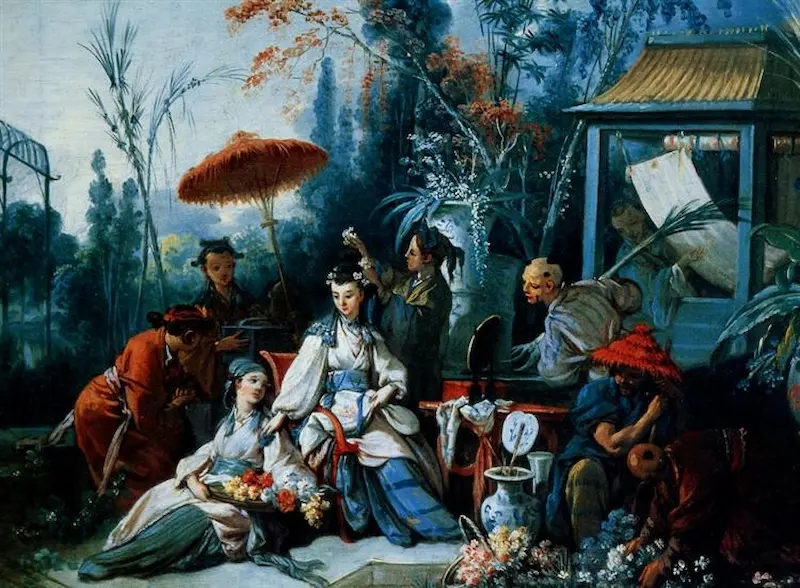
Francois Boucher’s “Landscape near Beauvais early” stands as a testament to the Rococo movement’s charm and elegance. Created during a time when French art was flourishing, this hand-painted oil painting captures the idyllic countryside with remarkable finesse. Boucher, alongside his contemporaries, contributed to an era rich in lush landscapes and graceful compositions. Related works such as “View of the Mills of Dolo on the Brenta” and “The Stonemason's Yard” also reflect this period’s fascination with scenic beauty.
Techniques That Speak
In “Landscape near Beauvais early,” Boucher employs masterful oil on canvas techniques, utilizing soft brushstrokes and delicate color palettes typical of the Rococo style. The painting’s nuanced light and atmospheric perspective invite viewers into a serene, almost dreamlike world. Boucher’s expertise with oil on canvas is evident, paralleling the technical brilliance found in works like “The Entrance to the Grand Canal, Venice, c.1730” and “The Piazza San Marco in Venice, Ducal Palace, Venice, c.1755.”
Emotions on Display
This fine art painting for sale radiates a sense of peace and pastoral harmony, hallmarks of Francois Boucher’s approach within the Rococo movement. The gentle landscapes evoke emotions of tranquility and nostalgia, inviting contemplation and appreciation. “Landscape near Beauvais early” shares this emotive quality with related paintings such as “The Stonemason's Yard,” each work offering a unique window into the artist’s world and the feelings his compositions continue to inspire.
Coveted by Collectors
Collectors seek out Boucher’s “Landscape near Beauvais early” for its exquisite representation of Rococo artistry and its status as a hand-painted oil painting. The work’s historical significance and visual appeal make it a prized piece among art enthusiasts, much like “View of the Mills of Dolo on the Brenta” and “Ducal Palace, Venice, c.1755.” Owning such a masterpiece connects collectors with a rich legacy of fine art and timeless beauty.
Related Rococo Hand-Painted Oil Paintings by Other Artists
Other Famous Rococo Artists:
Frequently Asked Questions About Landscape near Beauvais early
What is the historical context of "Landscape near Beauvais early"?
"Landscape near Beauvais early" was created during the Rococo period in the 18th century, a time characterized by its emphasis on ornate detail and light-hearted themes. This painting reflects the era's fascination with nature and idyllic landscapes, as well as the shift towards more personal and intimate representations in art.
Who was Francois Boucher and what is his significance in art history?
Francois Boucher was a prominent French painter known for his role in the Rococo movement. His work often depicted themes of love, mythology, and pastoral scenes, making him a key figure in the development of 18th-century French art. Boucher's style is characterized by its vibrant colors and playful compositions.
What artistic techniques are evident in "Landscape near Beauvais early"?
This painting showcases Boucher's mastery of color and light, employing soft brushwork to create a sense of depth and atmosphere. The use of chiaroscuro enhances the three-dimensionality of the landscape, while the harmonious palette evokes a serene and tranquil environment.
What themes are explored in "Landscape near Beauvais early"?
The painting explores themes of nature, tranquility, and the pastoral ideal. It reflects the Rococo fascination with the beauty of the countryside and the simplicity of rural life, inviting viewers to escape the complexities of urban existence.
How does "Landscape near Beauvais early" compare to other works by Boucher?
Compared to Boucher's more elaborate mythological and allegorical works, "Landscape near Beauvais early" presents a more subdued and intimate portrayal of nature. This painting highlights his versatility as an artist, demonstrating his ability to capture both grand narratives and serene landscapes.
What symbols can be found in "Landscape near Beauvais early"?
The painting symbolizes the harmony between humanity and nature, a common theme in Rococo art. The idyllic landscape and serene atmosphere suggest a longing for peace and simplicity, reflecting the era's values and the Enlightenment's emphasis on reason and observation of the natural world.
What influence did "Landscape near Beauvais early" have on later artists?
This work influenced later Romantic and Impressionist artists who sought to capture the beauty of nature and the fleeting effects of light. Boucher's emphasis on color and atmosphere paved the way for subsequent movements that prioritized emotional expression and the exploration of natural landscapes.
What materials and techniques did Boucher use in this painting?
Boucher typically used oil on canvas for his works, and "Landscape near Beauvais early" is no exception. His technique involved layering colors to create luminosity and depth, often employing glazes to achieve a soft, atmospheric quality in the landscape.
What role did landscapes play in Rococo art?
Landscapes in Rococo art served as a backdrop for themes of leisure and pleasure, often depicting serene and idyllic settings. They were integral to the genre, allowing artists to explore the beauty of nature while also reflecting the societal values of the time, such as the appreciation for rural life and the natural world.
How does "Landscape near Beauvais early" reflect the values of its time?
The painting reflects the Rococo values of beauty, pleasure, and a connection to nature. It embodies the era's desire for escapism and tranquility, presenting an idealized vision of the countryside that resonates with the Enlightenment's emphasis on reason and the appreciation of the natural world.























_GFM_Painting_(1).webp)


 100% Hand-Painted: Finished in 3-6 Weeks

.png)















_(1).webp)