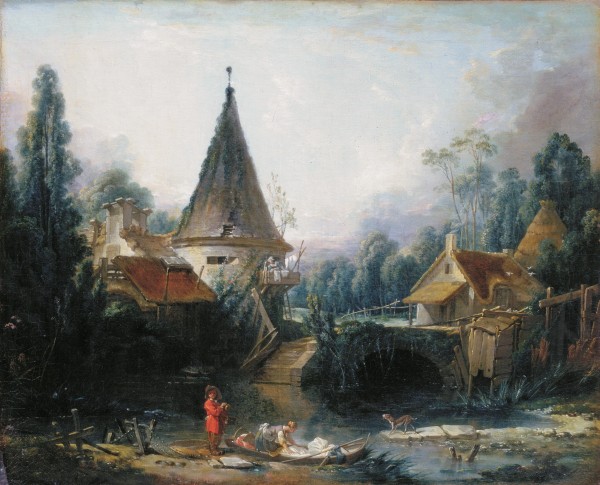
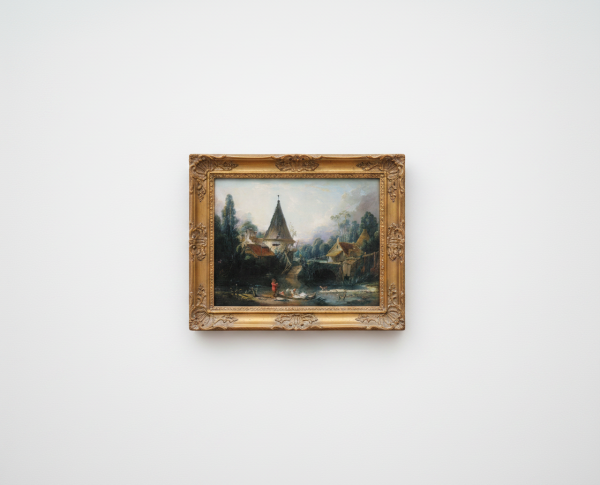
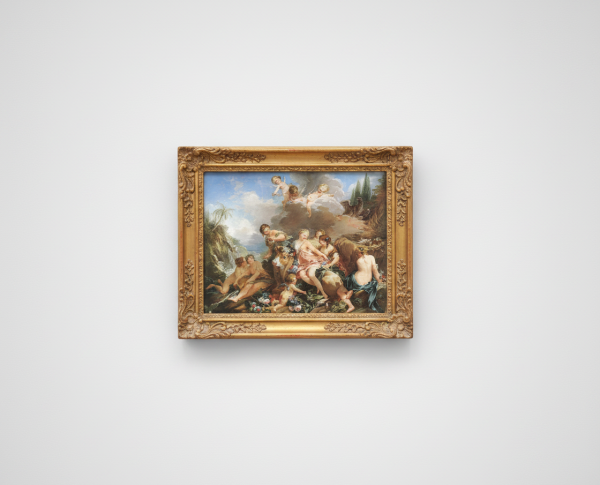
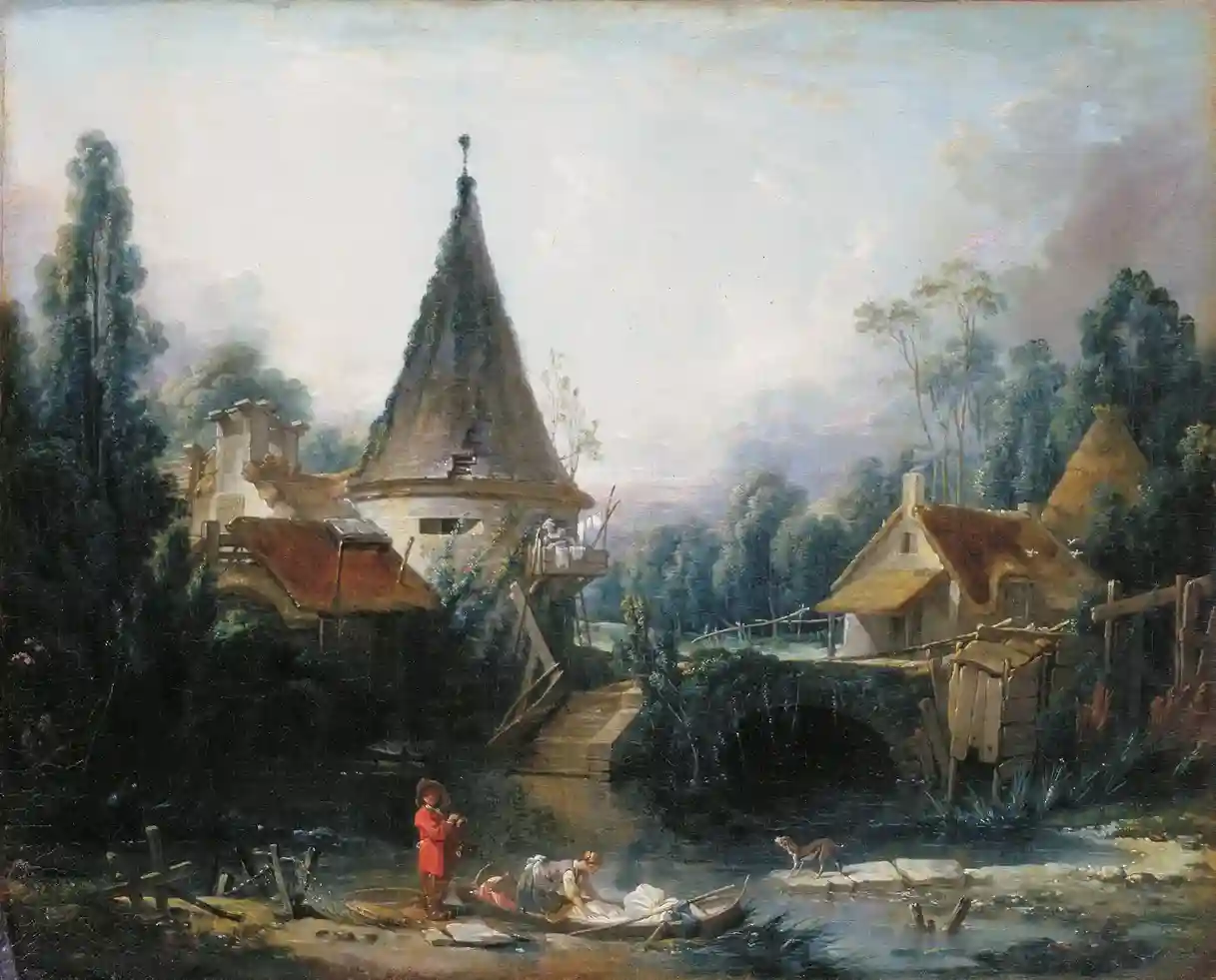
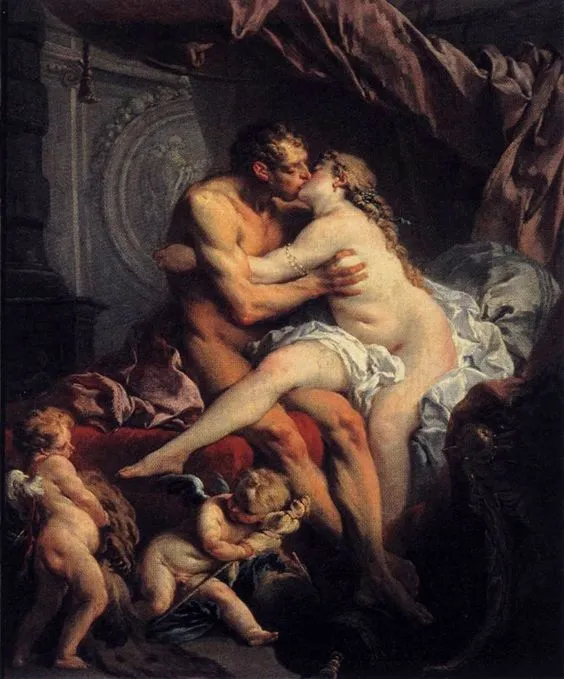
Boucher’s technique in "Hercules and Omfala" exemplifies the delicate brushwork and vibrant palette typical of Rococo. The oil on canvas medium allows for subtle gradations of light and color, bringing life to the figures and their luxurious surroundings. This painting, alongside related works such as "Landscape near Beauvais early," demonstrates the artist’s unparalleled skill in creating immersive scenes that captivate viewers and set a standard for fine art painting for sale worldwide.
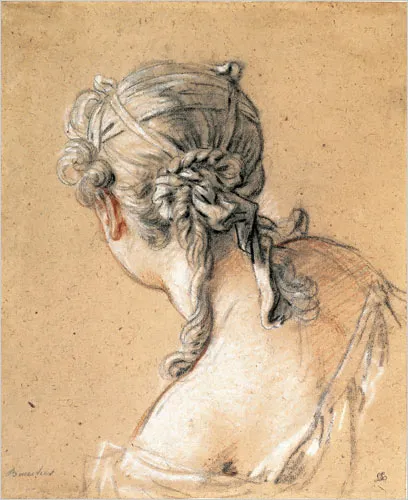
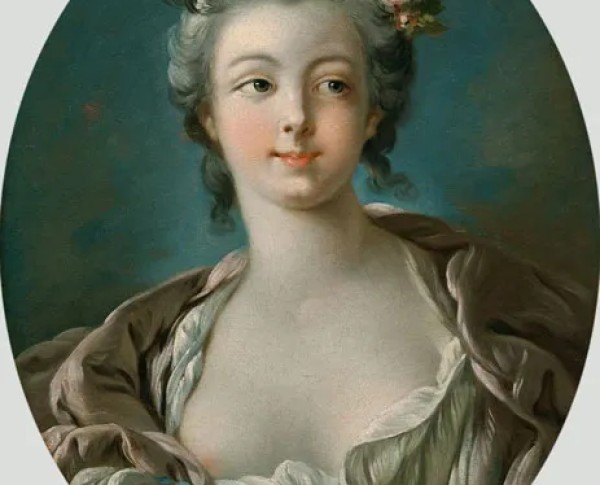
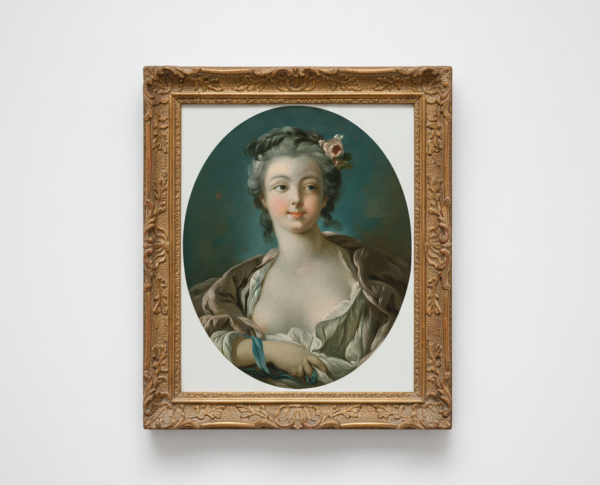
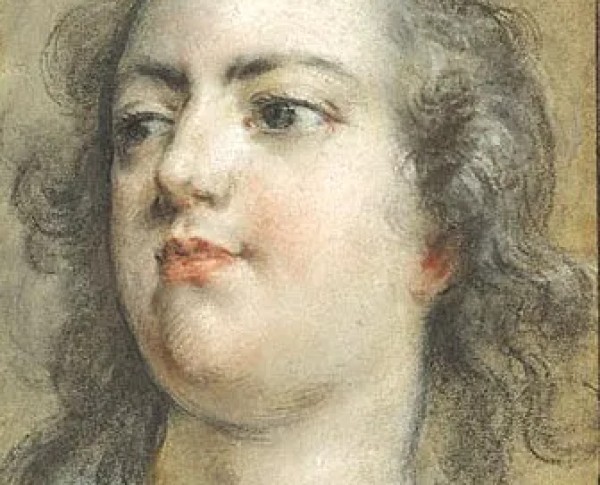
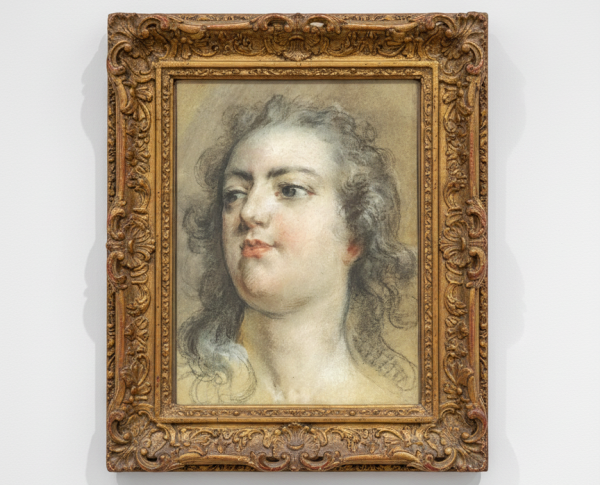
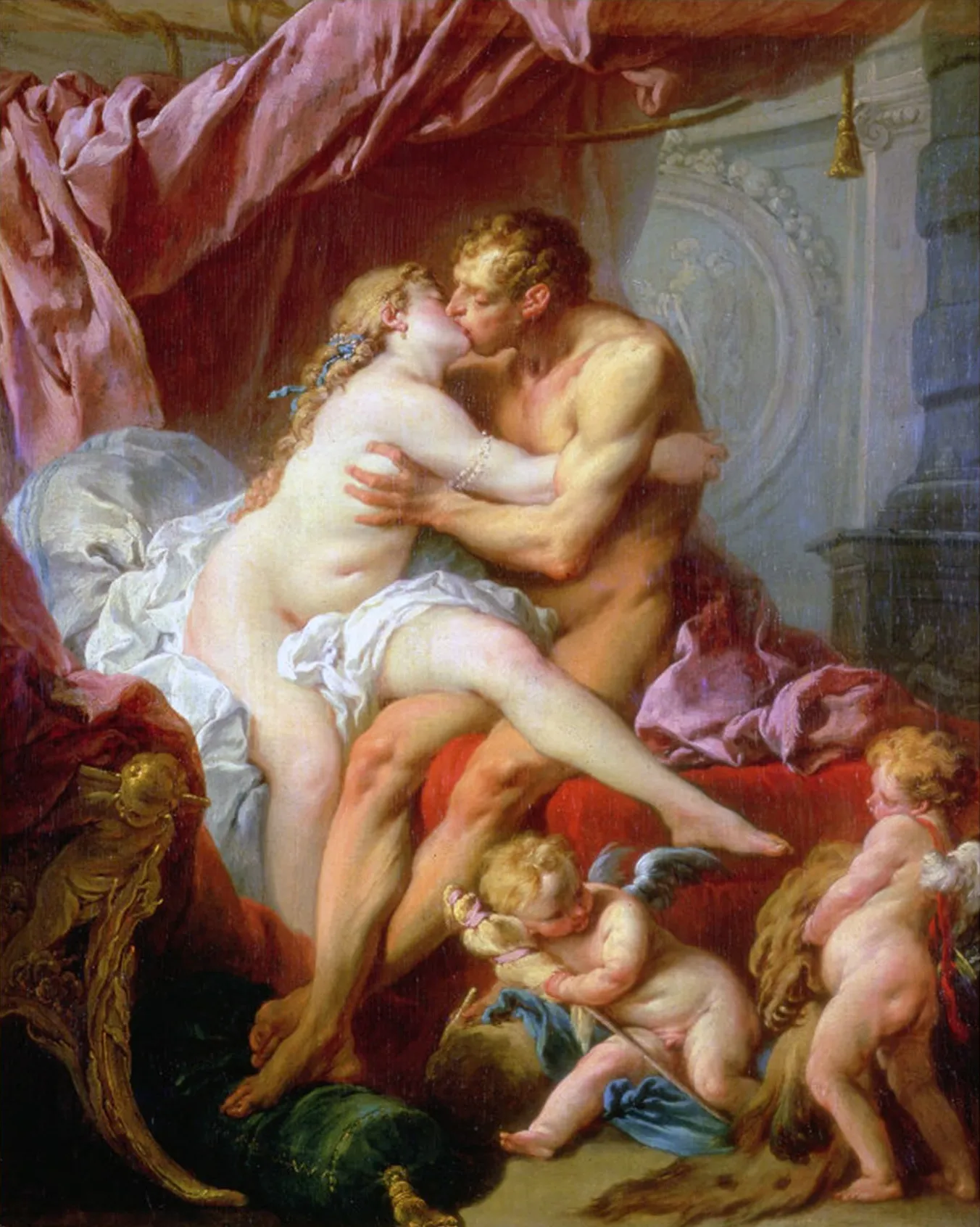
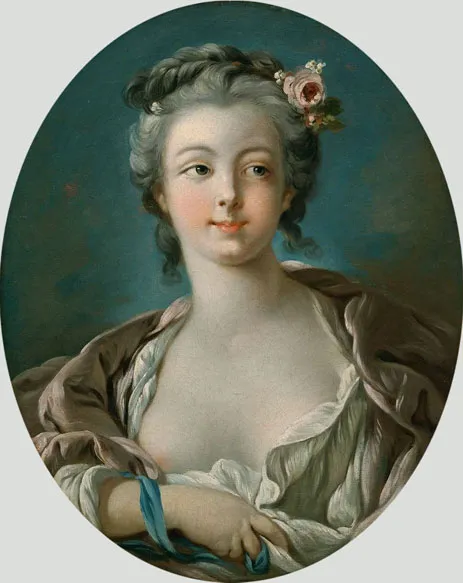
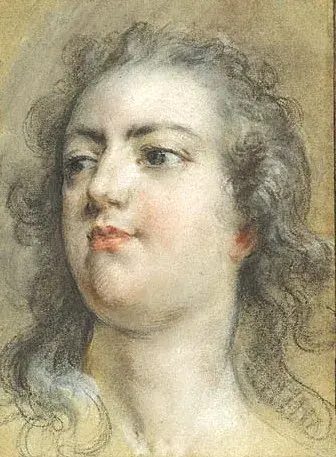
"Hercules and Omfala" tells a captivating mythological story, where Hercules is depicted in a moment of vulnerability and transformation. Boucher’s interpretation, rendered as an exquisite hand-painted oil painting, weaves symbolic elements throughout the composition. These themes resonate with collectors who appreciate narrative depth, as found in other Boucher works like "Young Woman with Flowers in Her Hair wrongly called Portrait of Madame Boucher." Each piece invites viewers to explore the layers of meaning within the Rococo movement.
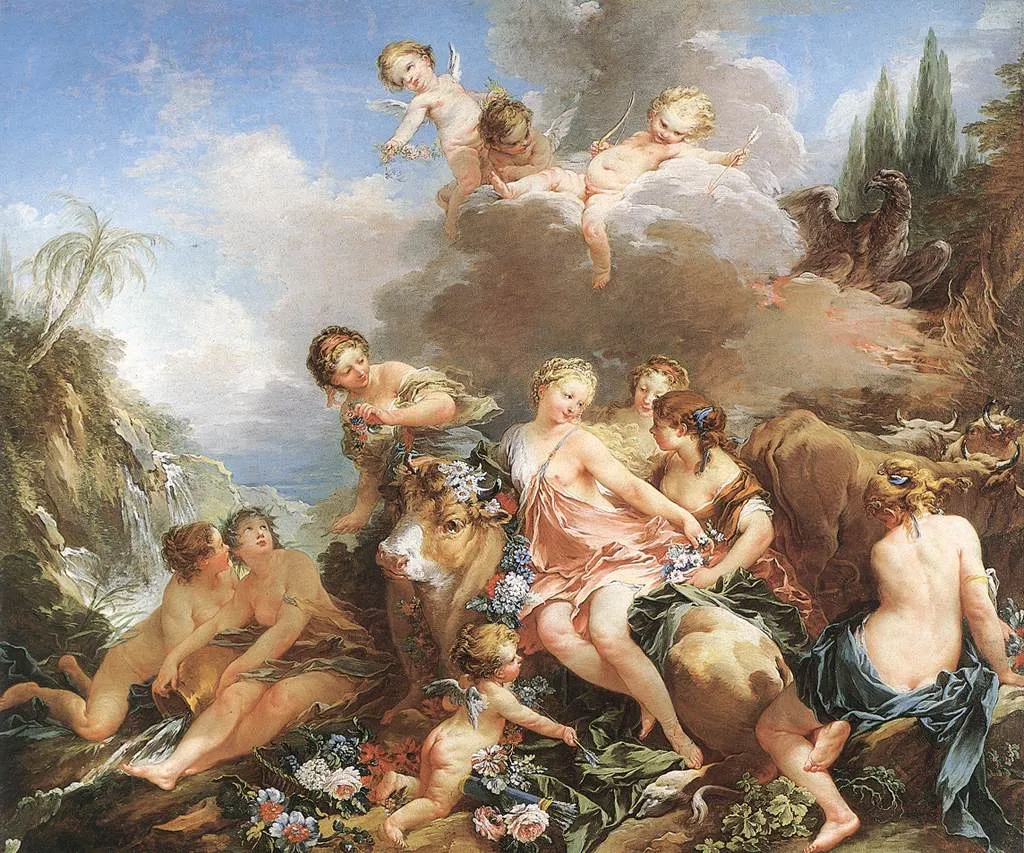
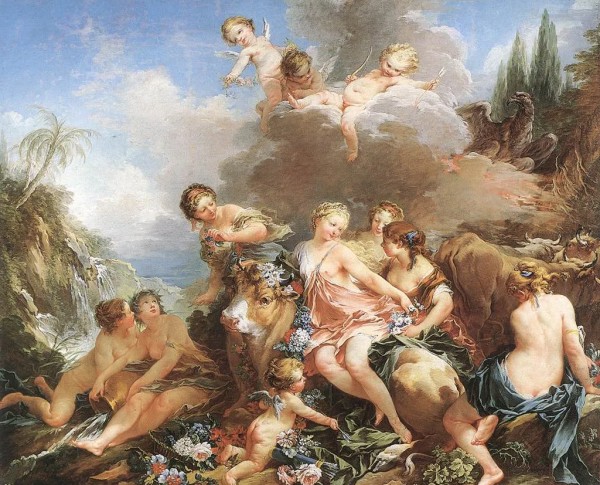
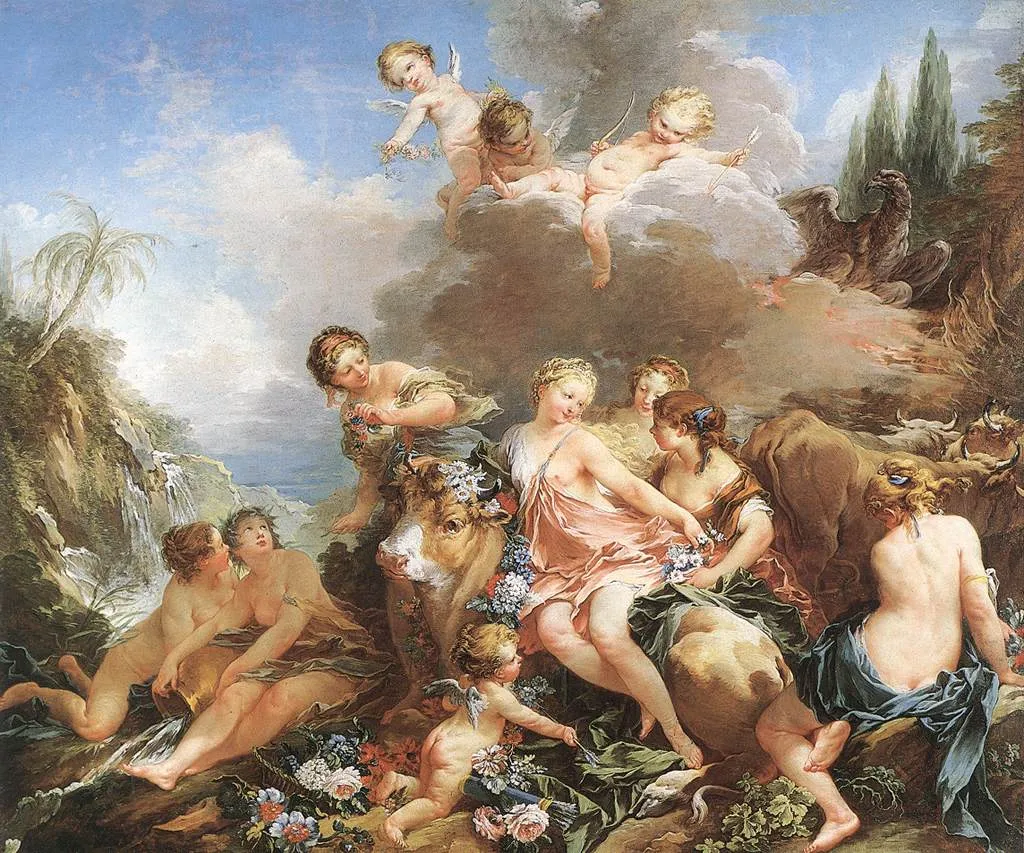
Owning "Hercules and Omfala" by François Boucher means acquiring a piece of Rococo history. This oil on canvas masterpiece, along with related products such as "The Rape of Europa," elevates any collection with its refined elegance and storytelling power. As a fine art painting for sale, it appeals to discerning buyers seeking both aesthetic pleasure and investment value, making Boucher’s works highly sought after in the world of classical and decorative art.
When Art Meets History
Francois Boucher's "Hercules and Omfala" stands as a masterful example of Rococo sensibility, intertwining mythological narrative with the artist’s refined touch. Painted during the height of the Rococo movement, this hand-painted oil painting captures the playful and sensual spirit that defined 18th-century French art. Boucher’s work relates closely to other period masterpieces such as "The Piazza San Marco in Venice" and "Venice: A Regatta on the Grand Canal," each reflecting a harmonious blend of history and artistic innovation.
Techniques That Speak
Boucher’s "Hercules and Omfala" showcases his virtuosity with oil on canvas, employing delicate brushwork and luminous color palettes characteristic of Rococo painting. The artist’s technique emphasizes fluidity and grace, drawing viewers into the intimate exchange between mythic figures. Similar technical mastery is evident in related works like "Ducal Palace, Venice, c.1755" and "The Entrance to the Grand Canal, Venice, c.1730," where light, texture, and movement come alive through expert handling of the medium.
Emotions on Display
In "Hercules and Omfala," Francois Boucher reveals a playful yet emotionally charged scene, inviting viewers to explore the complexities of power and seduction. This fine art painting for sale radiates with warmth and whimsy, hallmarks of the Rococo movement. The emotional vibrancy in Boucher’s work finds a counterpart in pieces such as "The Stonemason's Yard," where narrative and feeling are interwoven, drawing the audience into the heart of the story through expressive composition.
Coveted by Collectors
Today, collectors highly prize "Hercules and Omfala" for its exquisite execution and historical significance within the Rococo movement. As a coveted hand-painted oil painting, it stands among the most sought-after works by Francois Boucher, alongside related masterpieces like "Venice: A Regatta on the Grand Canal." The allure of owning such a piece lies in its ability to convey both artistic mastery and a timeless narrative, making it a true gem in the world of fine art.
Related Rococo Hand-Painted Oil Paintings by Other Artists
Other Famous Rococo Artists:
Frequently Asked Questions About Hercules and Omfala
What is the historical context of "Hercules and Omfala"?
"Hercules and Omfala" was painted by François Boucher in the 18th century, a period characterized by the Rococo style, which emphasized ornate detail and playful themes. This painting reflects the cultural fascination with mythology and the idealization of classical themes during this era.
Who are the main figures depicted in the painting?
The painting features Hercules, a hero from Greek mythology known for his strength and heroic deeds, and Omfala, a character associated with the mythological tales of Hercules. Omfala is often depicted as a queen or goddess, representing beauty and femininity.
What artistic techniques did François Boucher use in this painting?
Boucher employed a soft color palette and delicate brushwork typical of the Rococo style. The use of light and shadow enhances the three-dimensionality of the figures, while the flowing lines and intricate details of the drapery contribute to the overall sense of elegance and movement in the composition.
What symbolism is present in "Hercules and Omfala"?
The painting symbolizes the themes of love and desire, as Hercules is often depicted in romantic contexts. Omfala's presence signifies the allure of femininity and the complexities of relationships, reflecting the duality of strength and vulnerability.
How does this painting reflect the Rococo style?
"Hercules and Omfala" exemplifies the Rococo style through its playful subject matter, elaborate ornamentation, and emphasis on sensuality. The light-heartedness and charm of the scene are hallmarks of this artistic movement, which sought to evoke pleasure and delight.
What influences can be seen in Boucher's work?
Boucher was influenced by the works of earlier artists such as Antoine Watteau and Jean-Antoine Houdon, as well as classical art. His ability to blend mythological themes with contemporary elegance showcases the transition from Baroque to Rococo aesthetics.
What is the significance of the setting in the painting?
The lush, idyllic setting serves to enhance the romantic narrative between Hercules and Omfala. It symbolizes a paradise where love flourishes, reinforcing the themes of beauty and harmony that are central to the Rococo movement.
How does "Hercules and Omfala" compare to other works by Boucher?
This painting is representative of Boucher's signature style, characterized by its vibrant colors and playful themes. Compared to his other works, such as "The Toilet of Venus," it similarly explores mythological subjects but emphasizes a more intimate interaction between the figures.
What impact did "Hercules and Omfala" have on later art movements?
The painting influenced later Romantic artists who sought to explore emotional depth and personal narratives within mythological contexts. Its blend of sensuality and narrative complexity paved the way for a more expressive approach in subsequent art movements.
Where can I see "Hercules and Omfala" today?
"Hercules and Omfala" is part of the collection at the [insert gallery or museum name], where it is displayed alongside other significant works from the Rococo period, allowing visitors to appreciate its historical and artistic context.























_GFM_Painting_(1).webp)


 100% Hand-Painted: Finished in 3-6 Weeks

.png)















_(1).webp)