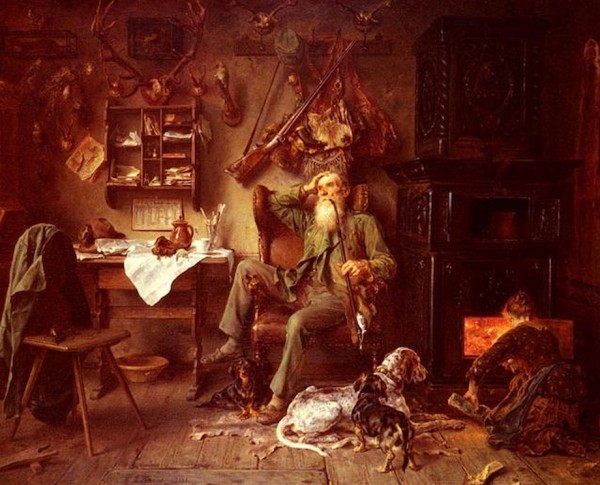
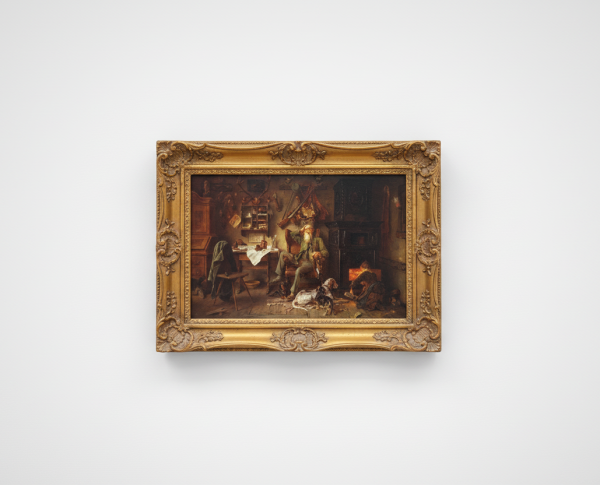
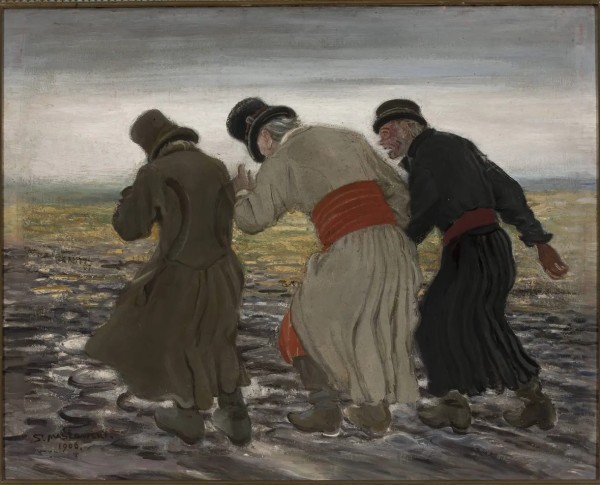
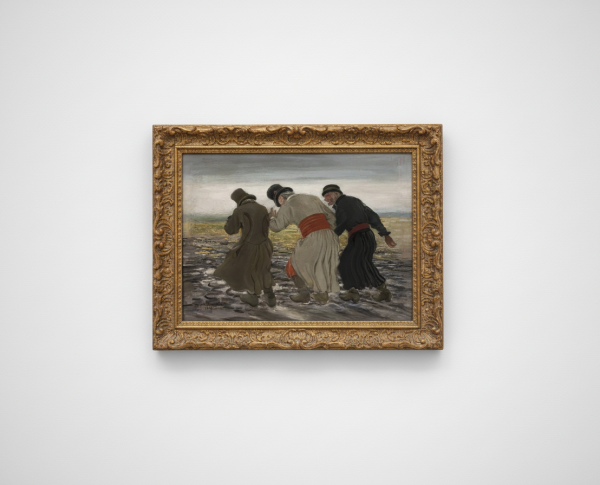
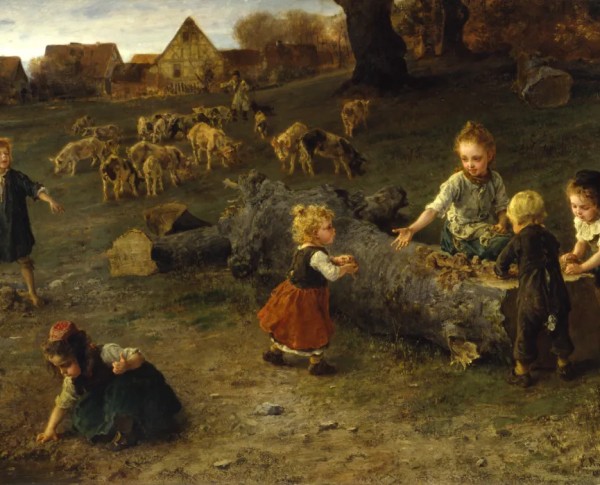
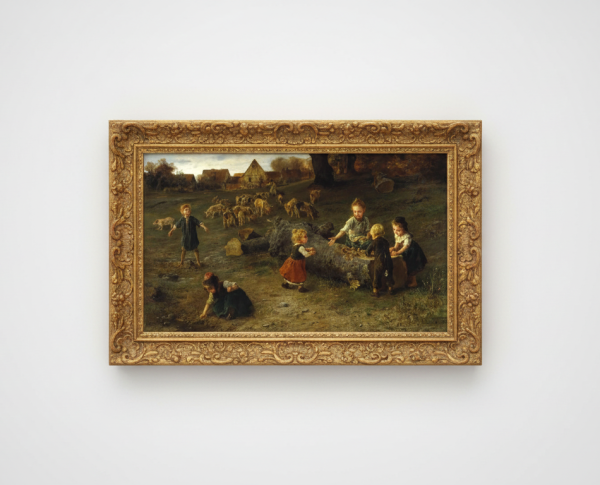
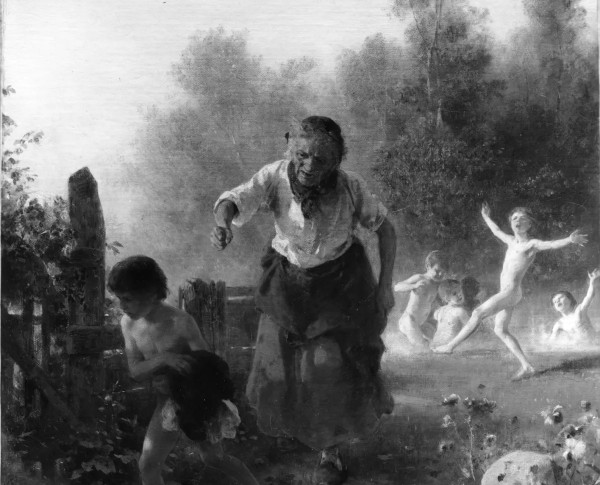
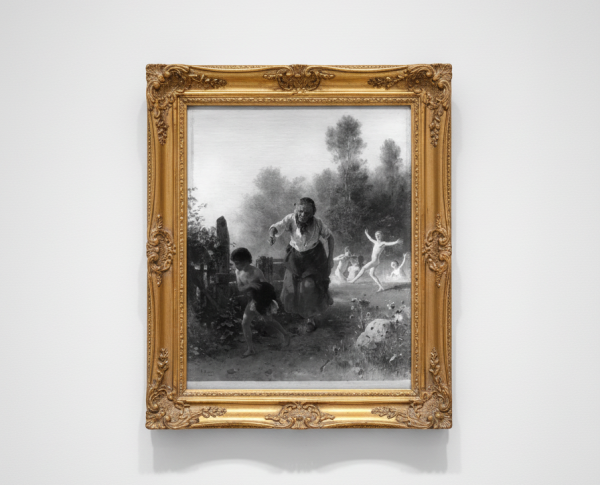
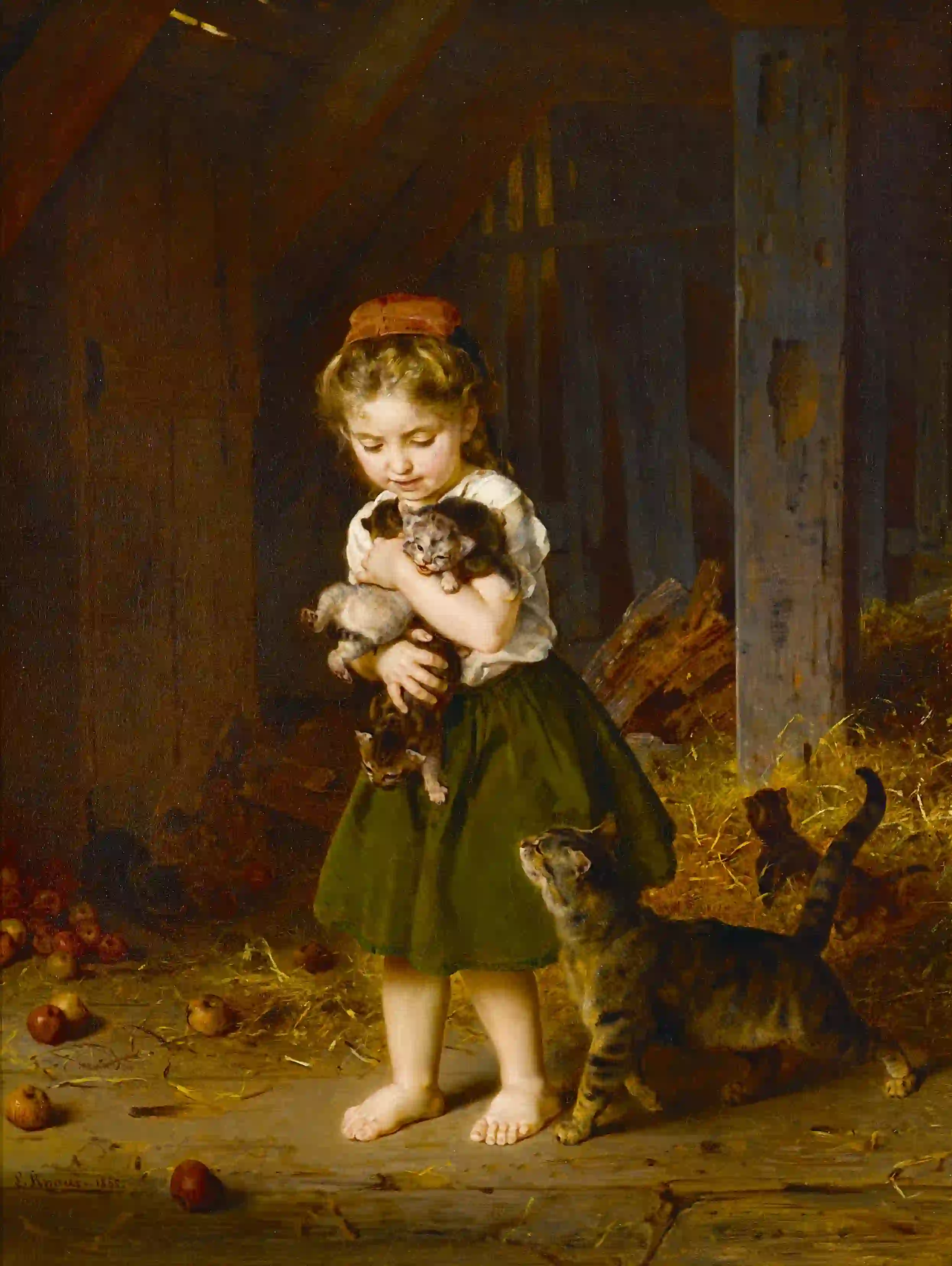
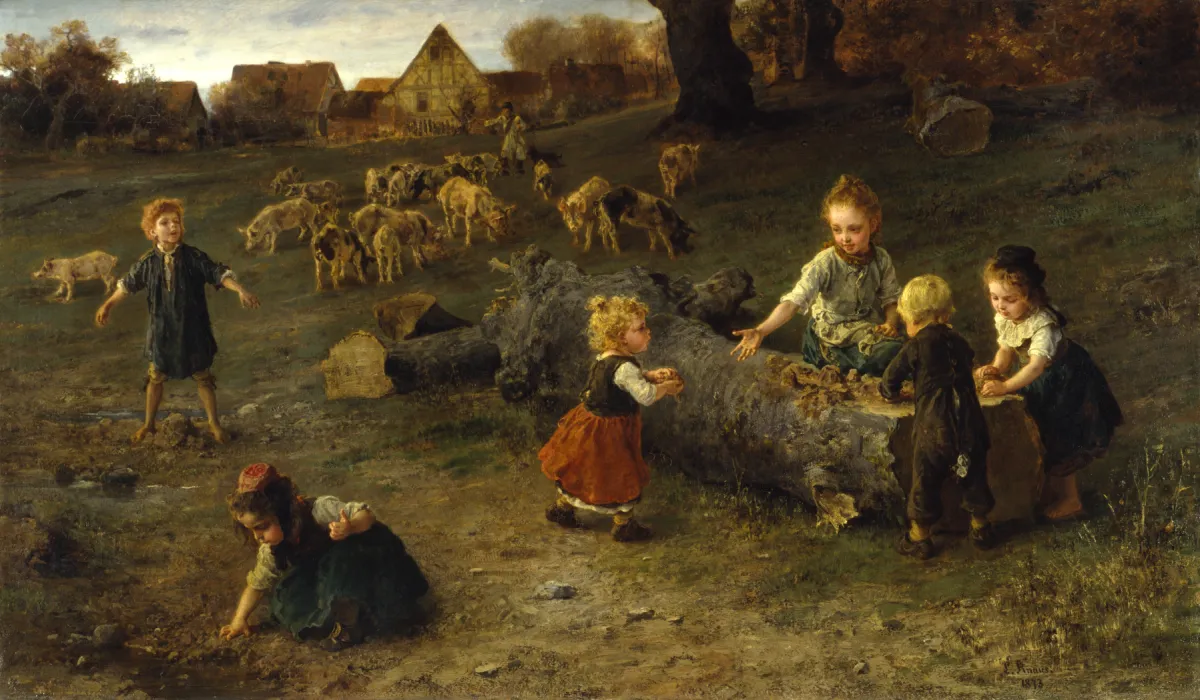
"A playful burden" showcases Ludwig Knaus’s exceptional technique in oil on canvas, a hallmark of the Academic Art movement. Every brushstroke reveals his keen observation and ability to render textures, light, and character with remarkable realism. Collectors and enthusiasts of Knaus’s work may also appreciate related masterpieces such as "Portrait of Gustav Friedrich Waagen" and "Mud Pies," all exemplifying the meticulous skill found in each oil on canvas creation.
This hand-painted oil painting by Ludwig Knaus is rich with narrative and symbolism, inviting viewers to interpret its playful yet poignant subject. "A playful burden" resonates with themes of innocence, responsibility, and human connection—qualities that define the Academic Art movement. Art lovers exploring the stories in Knaus’s works might also be drawn to "On lake Brienz" and "Death of a gentleman," each fine art painting for sale offering a unique glimpse into 19th-century life.
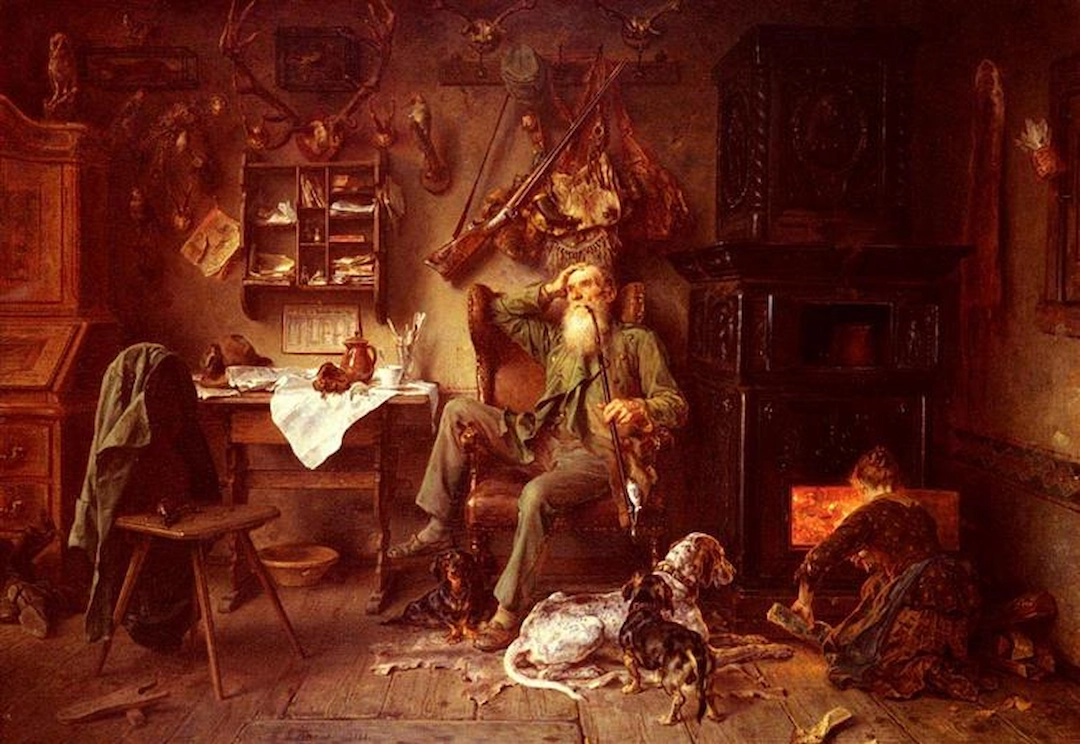
Owning "A playful burden" by Ludwig Knaus means acquiring a piece of Academic Art history, expertly preserved as an oil on canvas masterpiece. This fine art painting for sale is a prized addition to any collection, admired for its technical excellence and emotional depth. Collectors often seek out related works like "A Forester at Home" or "The morning after the celebration," appreciating the enduring value and beauty that Ludwig Knaus brings to the world of classic art.
When Art Meets History
"A Playful Burden" by Ludwig Knaus is a celebrated example of Academic Art, a movement known for its commitment to classical techniques and historical narrative. Created as a hand-painted oil painting, this masterpiece reflects the era’s fascination with storytelling through visual art. Knaus, alongside artists of works like "The Awakening of Psyche" and "Reunited," brought historical moments to life, making each scene resonate with viewers. The painting marks a significant moment in the evolution of fine art traditions.
Techniques That Speak
Ludwig Knaus’s "A Playful Burden" showcases his expert use of oil on canvas, a medium favored in the Academic Art movement for its richness and versatility. The artist’s brushwork and attention to detail echo those seen in related paintings such as "The Hunchback of Notre-Dame" and "A Nymph by a Fountain." Through layered textures and masterful shading, Knaus brings his subjects to life, demonstrating why oil on canvas remains a timeless choice for narrative fine art.
Emotions on Display
The emotional depth in "A Playful Burden" is unmistakable, as Ludwig Knaus skillfully conveys innocence and joy through his characters. This fine art painting for sale draws viewers into a vivid moment, much like "Urne et drapé sur un entablement Panneau de chêne, une planche, non parqueté Signé en bas à droite." Through subtle expressions and dynamic composition, Knaus captures the playful spirit and underlying tenderness, hallmarks of the Academic Art movement’s dedication to emotional authenticity.
Coveted by Collectors
Collectors highly prize "A Playful Burden" for its exquisite craftsmanship and historical significance. As a hand-painted oil painting by Ludwig Knaus, it represents a pinnacle of Academic Art, appealing to those who appreciate both technique and narrative. Similar to sought-after works like "Reunited" and "The Awakening of Psyche," this masterpiece is a standout among fine art painting for sale, making it a cherished addition to any discerning collection.
Related Academic Art Hand-Painted Oil Paintings by Other Artists
Other Famous Academic Art Artists:
Frequently Asked Questions About "A playful burden"
What is the historical context of "A playful burden"?
"A playful burden" was painted during the 19th century, a time marked by significant social and political changes in Europe. The artwork reflects the shifting attitudes towards childhood and the role of play in human development during this period.
What artistic movements influenced Ludwig Knaus in creating this painting?
Ludwig Knaus was influenced by the Realism movement, which sought to depict everyday life and ordinary people with accuracy and detail. His work often emphasized the emotional and social aspects of his subjects, reflecting the realities of contemporary society.
What is the significance of the title "A playful burden"?
The title suggests a juxtaposition between the joy of childhood play and the responsibilities that come with growing up. It symbolizes the duality of innocence and the inevitable challenges that life presents, highlighting the complexity of human experience.
How does Knaus portray the theme of childhood in this painting?
Knaus captures the essence of childhood through the lively expressions and dynamic poses of the children depicted. Their playful interactions convey a sense of freedom and joy, while also hinting at the underlying burdens they may face as they transition into adulthood.
What techniques did Knaus use to create depth and emotion in "A playful burden"?
Knaus employed techniques such as chiaroscuro to create depth and contrast, enhancing the emotional impact of the scene. His attention to detail in facial expressions and body language further conveys the feelings of the subjects, inviting viewers to connect with their experiences.
What role does color play in "A playful burden"?
The color palette in "A playful burden" is vibrant and warm, reflecting the joy and vitality of childhood. The use of light and shadow not only adds dimension but also emphasizes the playful nature of the subjects, creating an inviting atmosphere for the viewer.
Are there any symbolic elements in the painting?
Yes, the various objects and settings within the painting serve as symbols of childhood and the passage of time. For instance, toys may represent innocence, while the surrounding environment can signify the broader societal expectations that children will eventually face.
How does "A playful burden" reflect societal views on children during Knaus's time?
The painting reflects a growing recognition of the importance of childhood as a distinct and valuable stage of life. During the 19th century, there was an increasing emphasis on the need for nurturing and education, as well as a burgeoning awareness of children's rights and welfare.
What impact did "A playful burden" have on contemporary audiences?
Upon its release, "A playful burden" resonated with audiences who were beginning to appreciate the emotional depth and complexity of childhood. It contributed to the dialogue surrounding the importance of play and education, influencing both artistic and social perspectives on children.
In what ways does "A playful burden" continue to be relevant today?
The themes of childhood, play, and the balance of joy and responsibility remain pertinent in contemporary discussions about child development and education. The painting serves as a timeless reminder of the importance of nurturing creativity and emotional well-being in children.























_GFM_Painting_(1).webp)


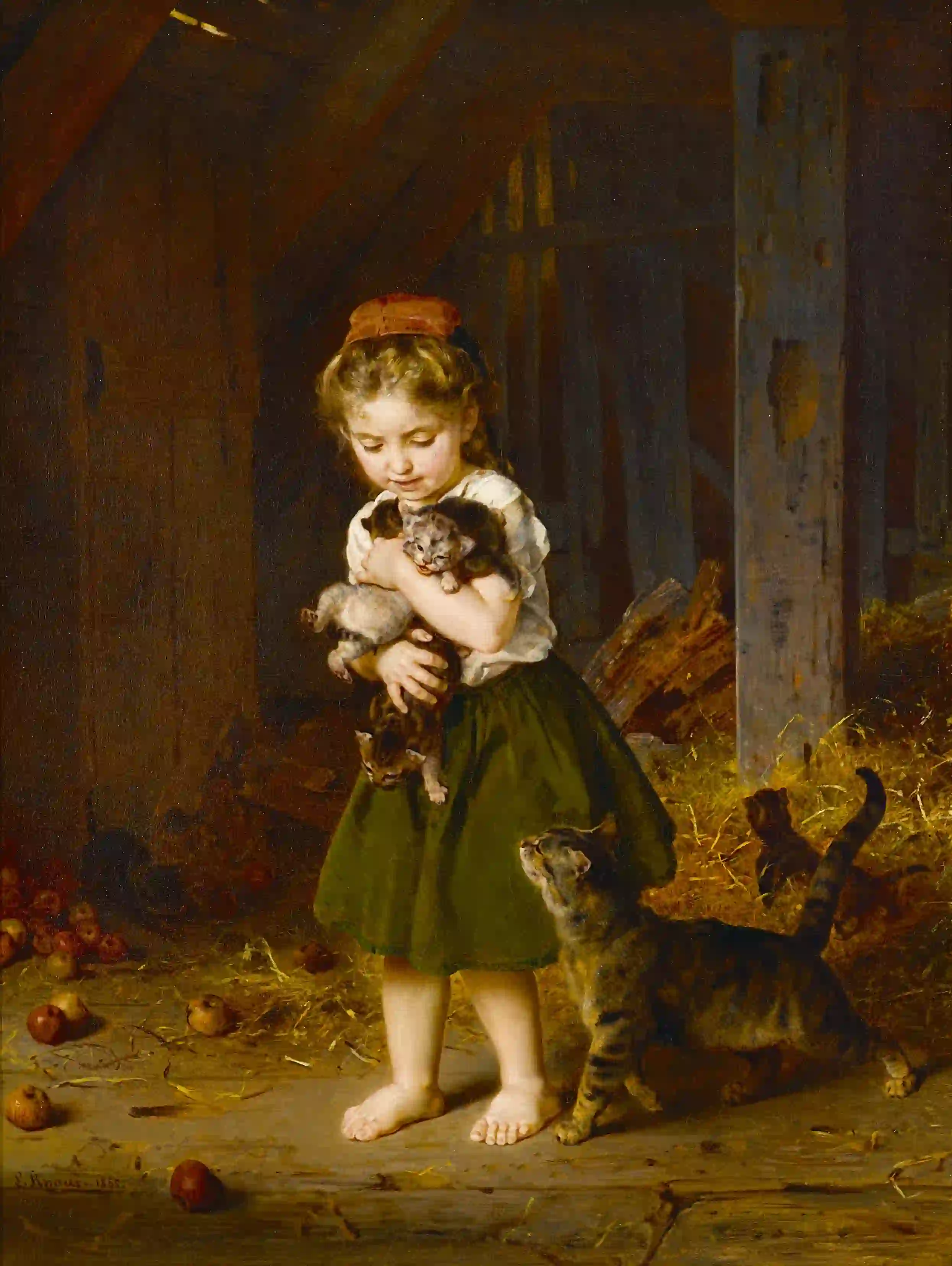
 100% Hand-Painted: Finished in 3-6 Weeks

.png)















_(1).webp)