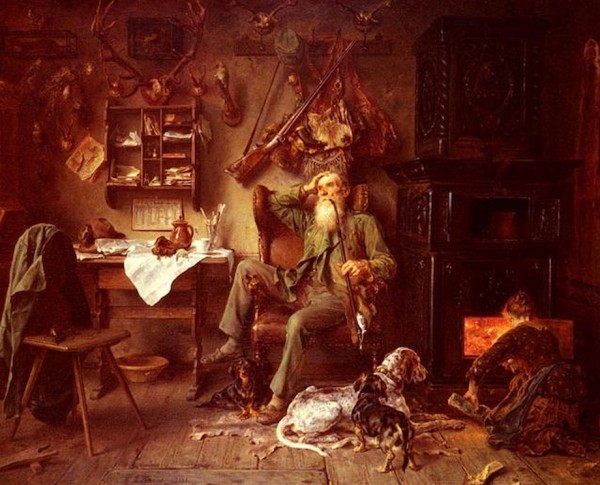
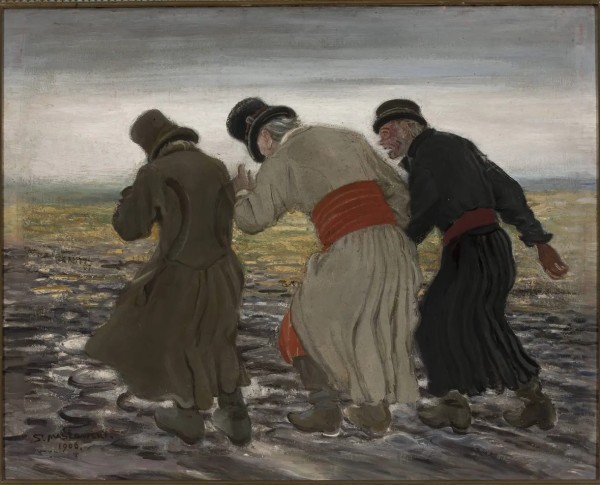
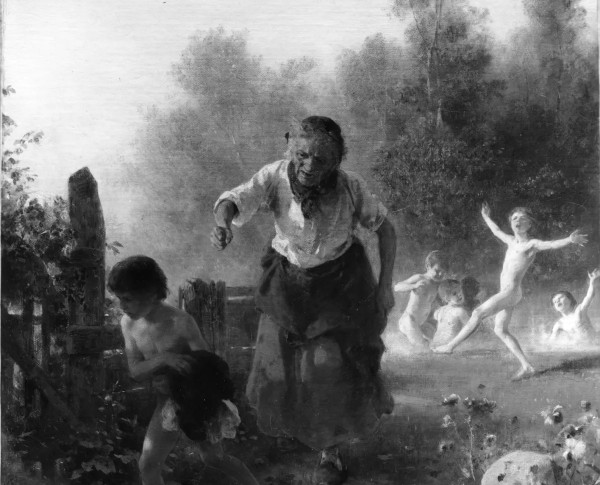
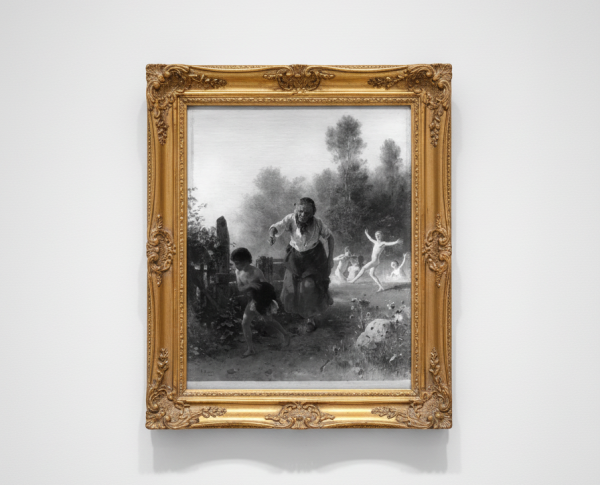
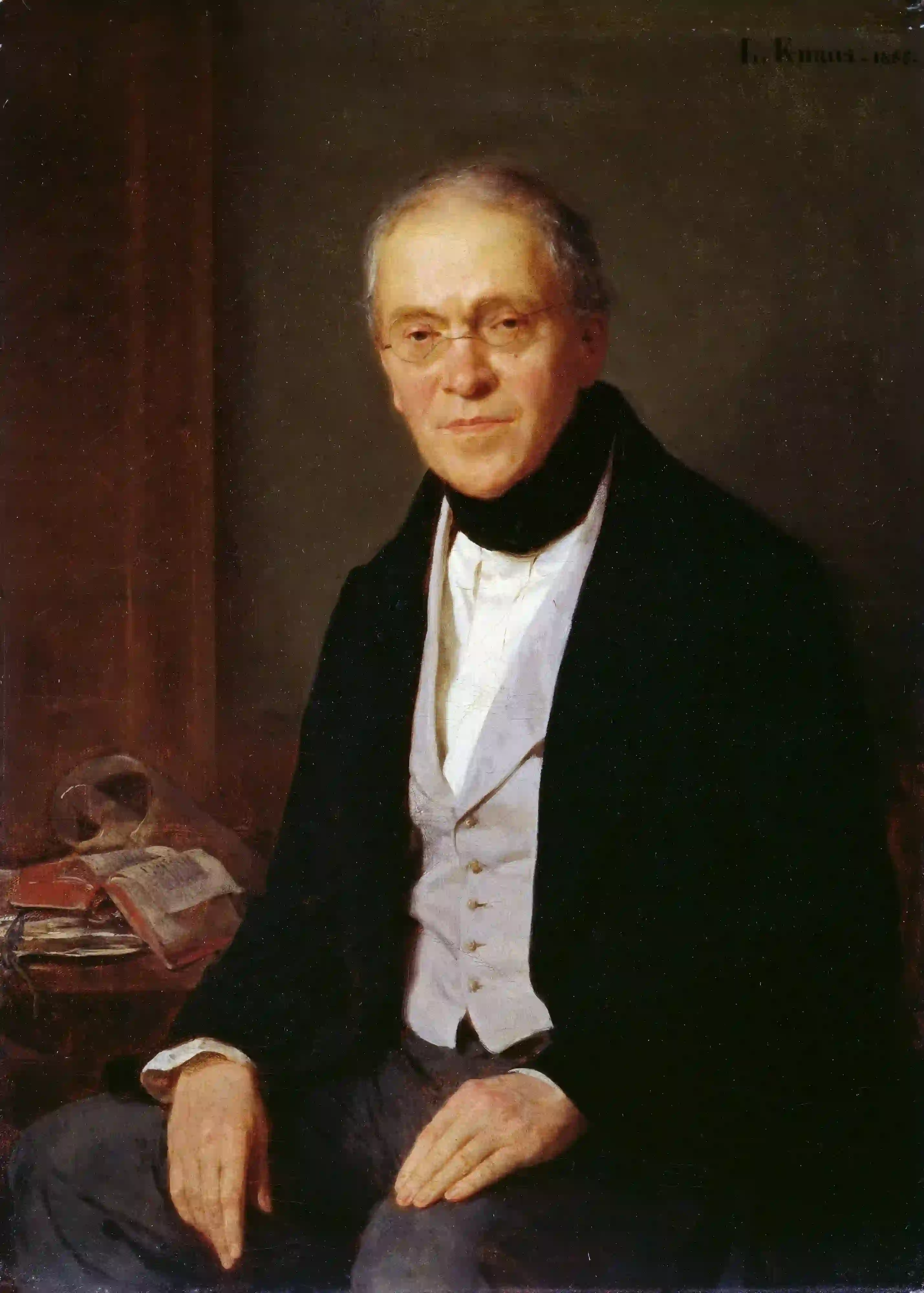
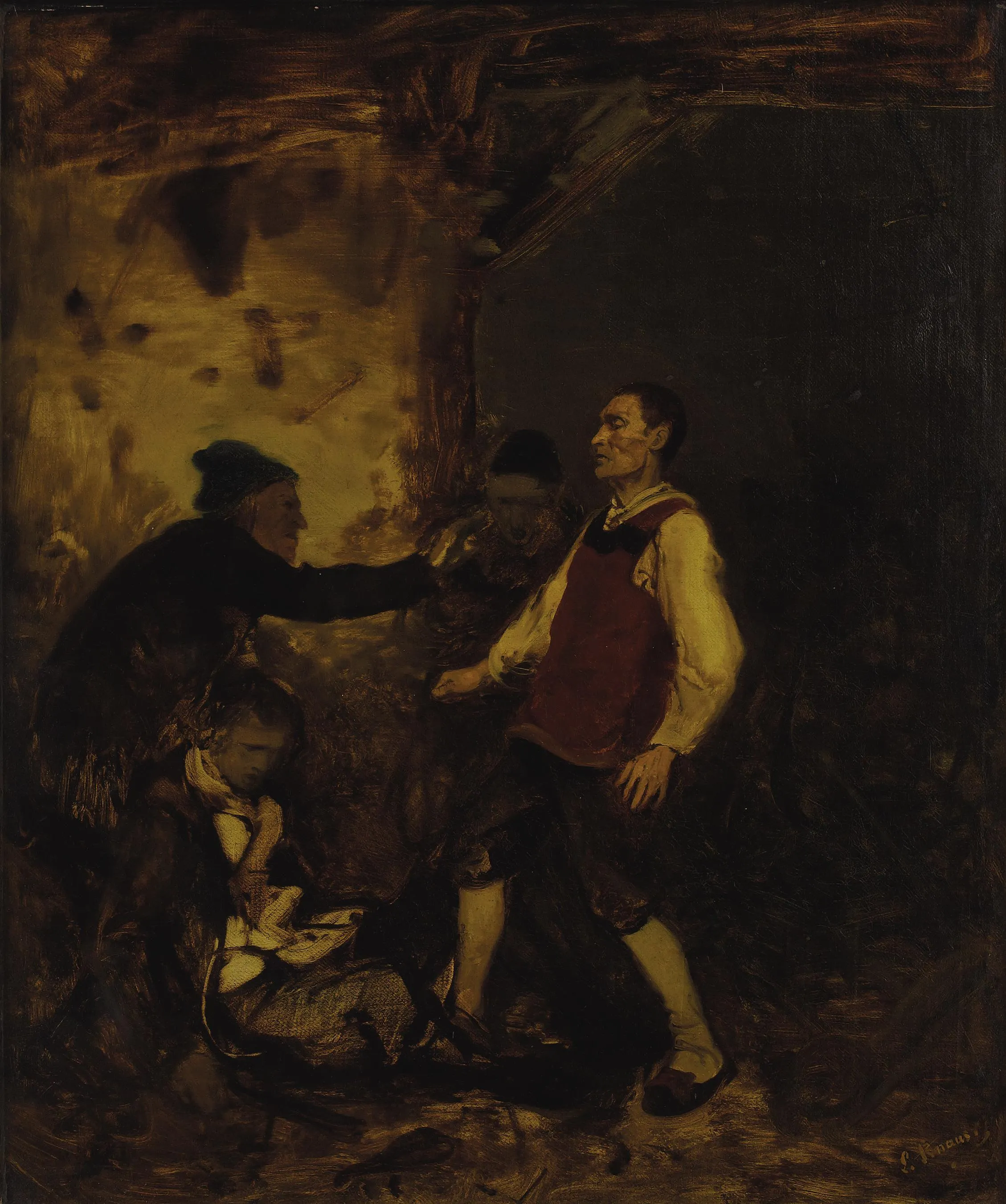
Ludwig Knaus’s "Portrait of Gustav Friedrich Waagen" exemplifies the technical brilliance associated with oil on canvas works from the Academic Art movement. Each brushstroke reveals the artist’s command over light, shadow, and texture, bringing the subject to life. Collectors and enthusiasts searching for similar masterpieces may also appreciate Knaus’s "Drunken peasants" and "Fire in the village," both celebrated for their remarkable execution and expressive storytelling.
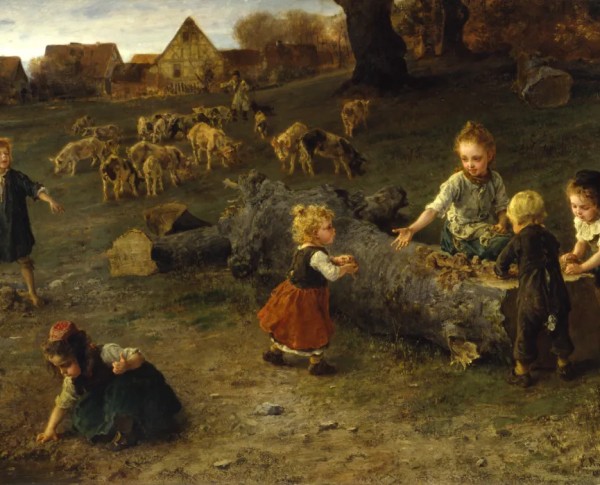
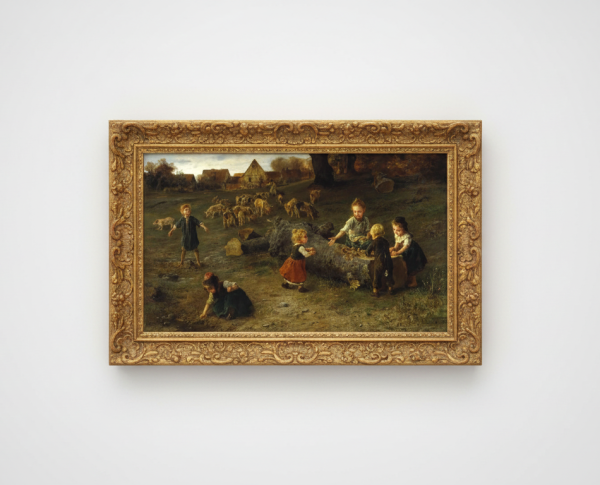
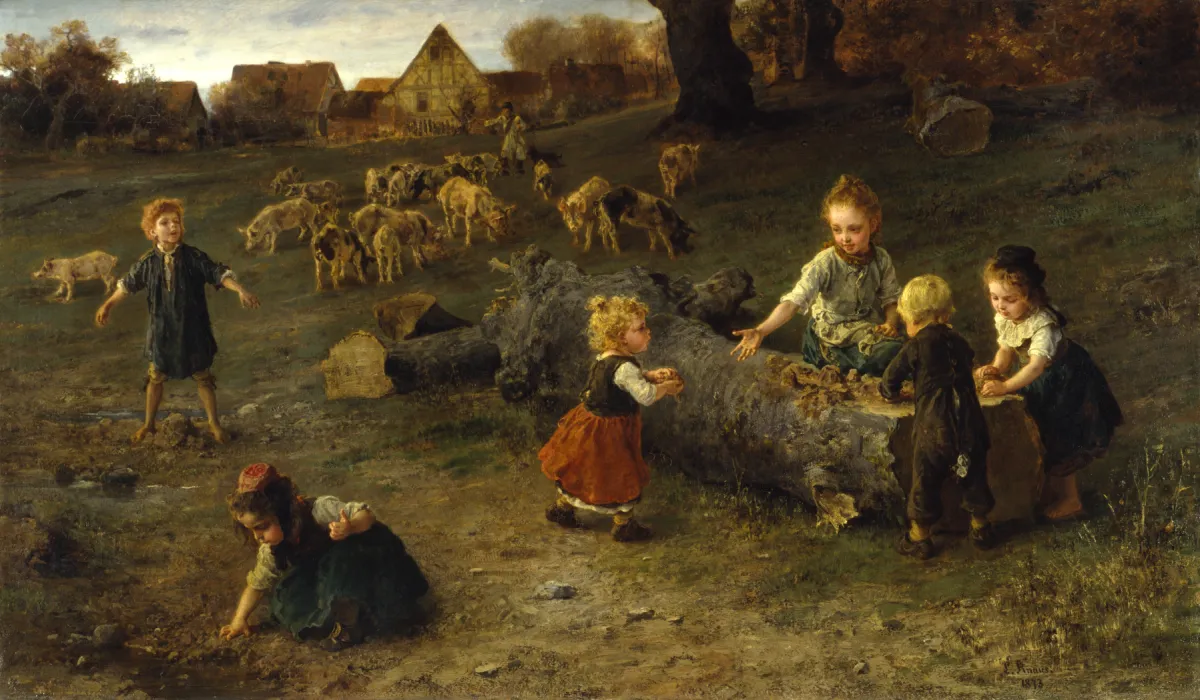
This fine art painting for sale is more than a mere likeness; it encapsulates the intellectual spirit and cultural milieu of its time. Through subtle details, Ludwig Knaus weaves stories and symbols into "Portrait of Gustav Friedrich Waagen," reflecting the values of the Academic Art movement. Those intrigued by narrative depth in portraiture may also find interest in the artist’s works like "Mud Pies" and "The Truant," each offering unique glimpses into 19th-century life.
Owning "Portrait of Gustav Friedrich Waagen" means acquiring a piece of art history, crafted by Ludwig Knaus—a master of the Academic Art movement. This hand-painted oil painting is a sought-after collectible, appealing to discerning buyers and art historians alike. For those looking to expand their collection, related pieces such as "Boy in Hessian costume from the Schwalm area near Ziegenhain" and "On lake Brienz" are also fine examples of Knaus’s exceptional artistry.
When Art Meets History
"Portrait of Gustav Friedrich Waagen" by Ludwig Knaus stands as a testament to the enduring legacy of the Academic Art movement. This hand-painted oil painting not only captures the distinguished features of Waagen but also reflects the refined techniques of its era. Knaus, renowned for his meticulous style, aligns with contemporaries who produced masterpieces like "Study for the Head of an Angel in Saint Isidore" and "A Nymph by a Fountain," enriching the tapestry of 19th-century fine art.
Techniques That Speak
Ludwig Knaus’s mastery is evident in every brushstroke of this oil on canvas. The artist’s ability to render lifelike textures and subtle gradations of light exemplifies the hallmarks of Academic Art. Similar to works such as "The Wave" and "Crystal vase," Knaus’s technique in "Portrait of Gustav Friedrich Waagen" demonstrates an unparalleled attention to detail, making it a prime example of the sophisticated methods that define the movement.
Emotions on Display
Through the "Portrait of Gustav Friedrich Waagen," Knaus conveys profound emotion, inviting viewers to connect with the subject’s contemplative gaze. The fine art painting for sale reveals not only the sitter’s intellect but also the artist’s sensitivity to mood and character. Like "Psyche with Putti," this work transcends mere likeness, offering a glimpse into the soul—a testament to the emotional depth that Academic Art strives to achieve.
Coveted by Collectors
Collectors worldwide seek out masterpieces like Ludwig Knaus’s "Portrait of Gustav Friedrich Waagen" for their historical significance and artistic excellence. As a hand-painted oil painting, it stands alongside celebrated Academic Art pieces such as "A Nymph by a Fountain" and "The Wave." The enduring appeal of such works ensures their place in prestigious collections, highlighting the demand for authentic, museum-quality fine art painting for sale in today’s market.
Related Academic Art Hand-Painted Oil Paintings by Other Artists
Other Famous Academic Art Artists:
Frequently Asked Questions About Portrait of Gustav Friedrich Waagen
Who is Gustav Friedrich Waagen and why is he significant in art history?
Gustav Friedrich Waagen was a prominent German art historian and curator in the 19th century, known for his contributions to the understanding of European painting. His work helped to elevate the status of art history as a scholarly discipline.
What artistic style is Ludwig Knaus known for?
Ludwig Knaus is recognized for his work in the Realist style, which emphasizes the depiction of everyday life and ordinary subjects with a focus on detail and accuracy.
What is the significance of the portrait format in this painting?
The portrait format serves to highlight the individuality and character of Waagen, allowing viewers to engage with his personality and status as an art historian, thereby enhancing the narrative of the artwork.
What elements in the painting symbolize Waagen's contributions to art?
The inclusion of books and art references in the background symbolizes Waagen's scholarly pursuits and his dedication to the study and promotion of art, reflecting his influence on the art community.
How does Knaus's technique contribute to the overall impact of the portrait?
Knaus employs a meticulous attention to detail and a rich color palette, which not only captures the likeness of Waagen but also evokes a sense of depth and realism, enhancing the viewer's emotional connection to the subject.
What was the historical context during which this painting was created?
This painting was created during the mid-19th century, a period marked by significant developments in art criticism and appreciation, as well as the rise of the museum as a cultural institution, both of which were influenced by figures like Waagen.
In what ways does the portrait reflect the values of 19th-century society?
The portrait reflects the 19th-century values of intellectualism and the importance of cultural heritage, as it portrays a figure who embodies the pursuit of knowledge and the appreciation of art, which were highly esteemed during this era.
What materials and techniques did Knaus likely use for this portrait?
Knaus likely used oil on canvas, a common medium for portraiture in the 19th century, allowing for rich textures and vibrant colors that enhance the lifelike quality of the subject.
How does this painting compare to other portraits of the same period?
This painting stands out for its emphasis on realism and psychological depth, contrasting with more idealized representations common in earlier portraiture, thus reflecting the evolving artistic trends of the time.
What influence did this portrait have on subsequent artists and art historians?
The portrait has served as an inspiration for subsequent artists and art historians by exemplifying the importance of personal identity in art, encouraging a focus on the individual narrative within the broader context of art history.























_GFM_Painting_(1).webp)


 100% Hand-Painted: Finished in 3-6 Weeks

.png)















_(1).webp)