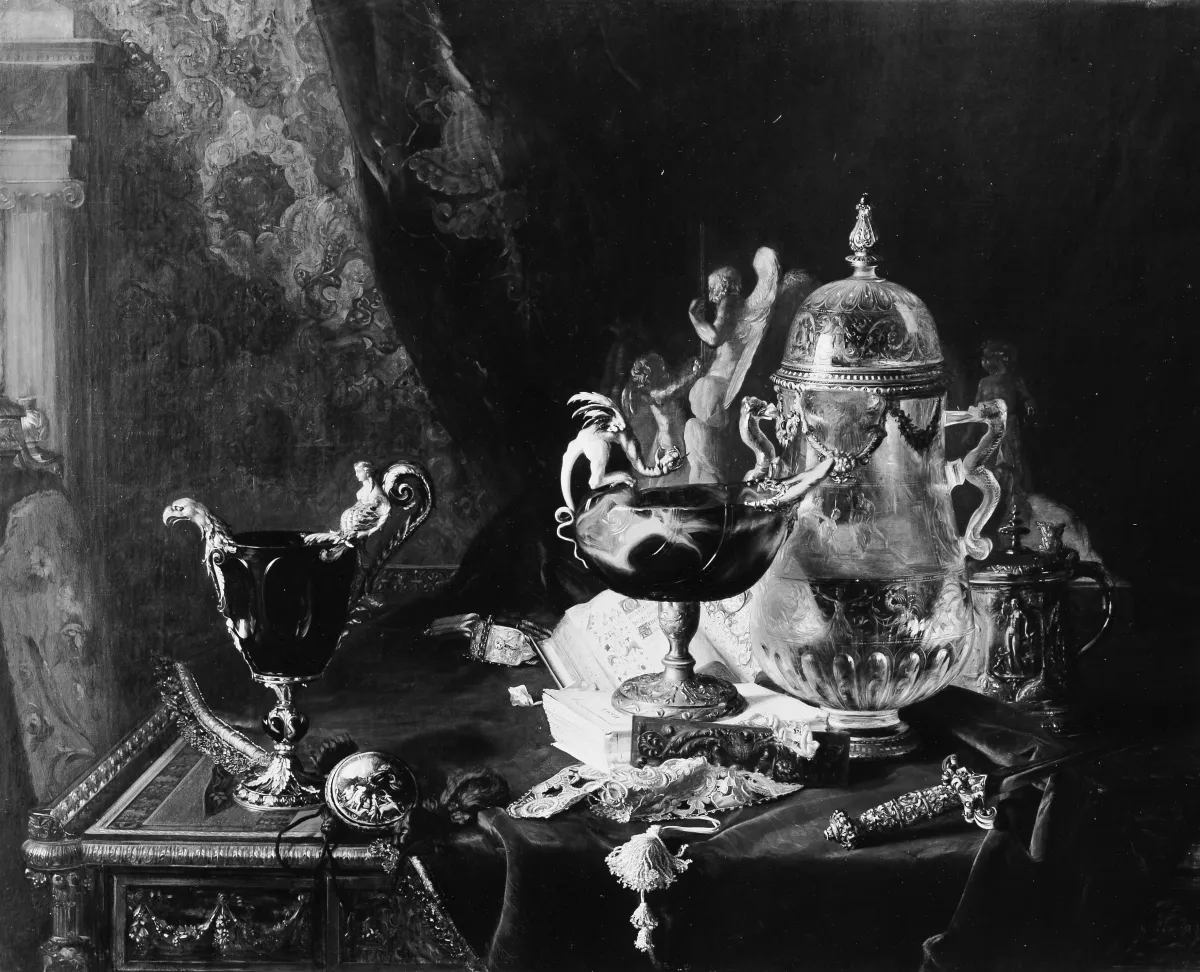
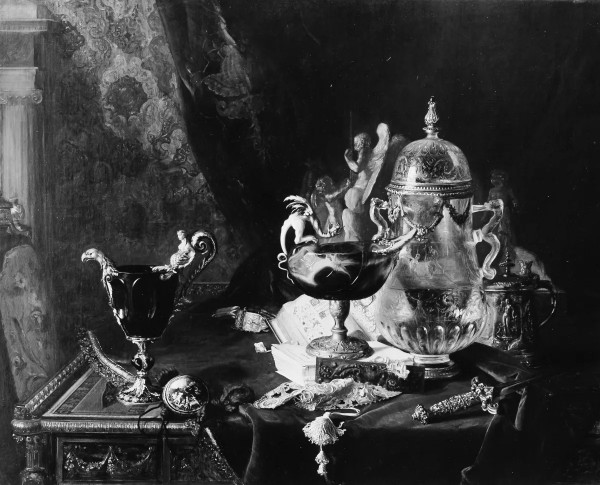
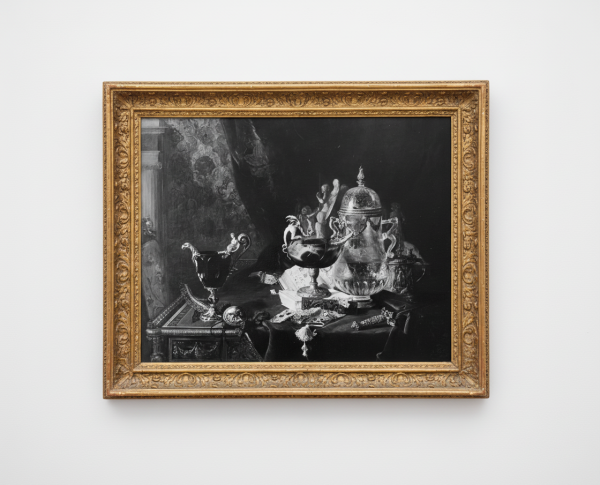
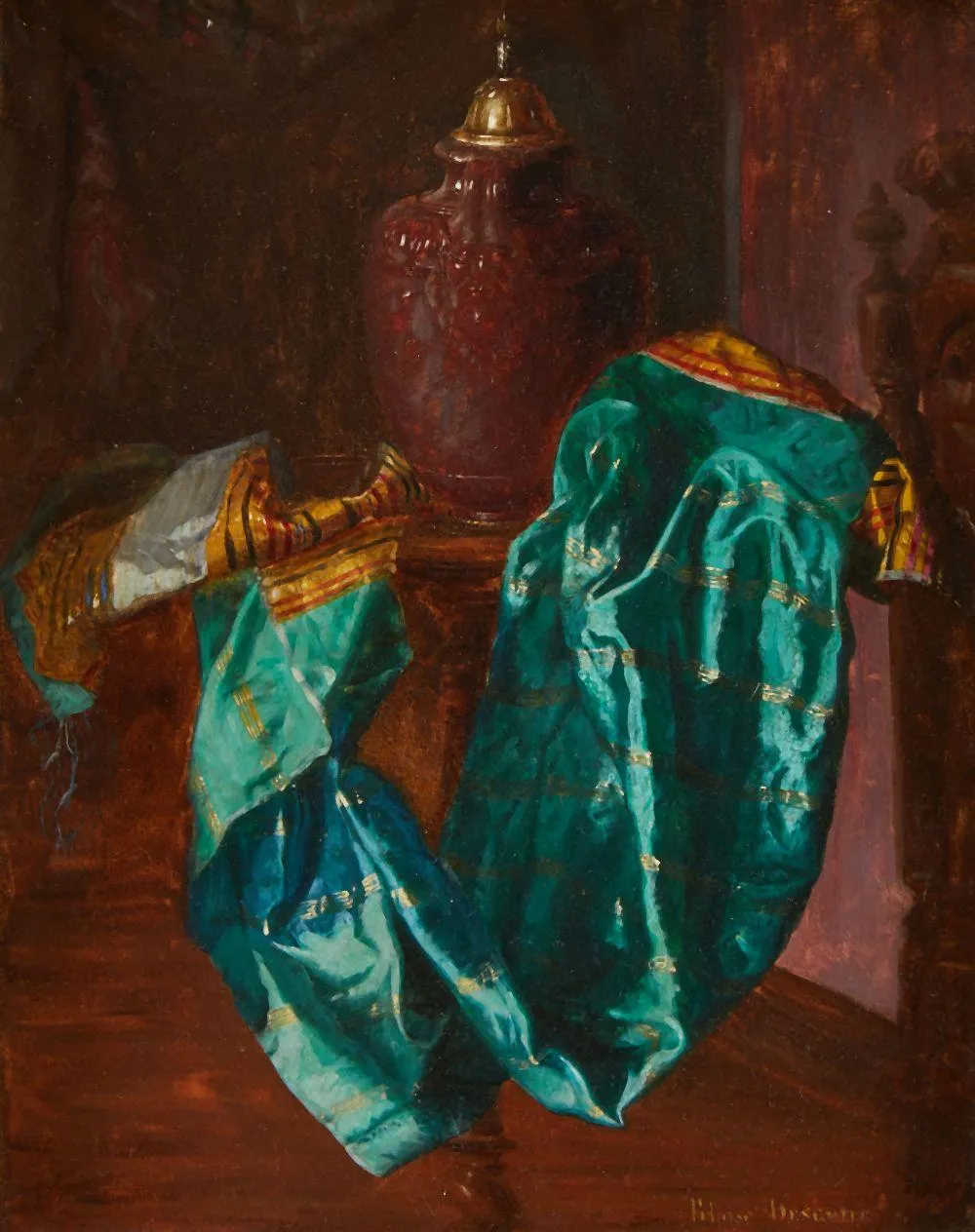
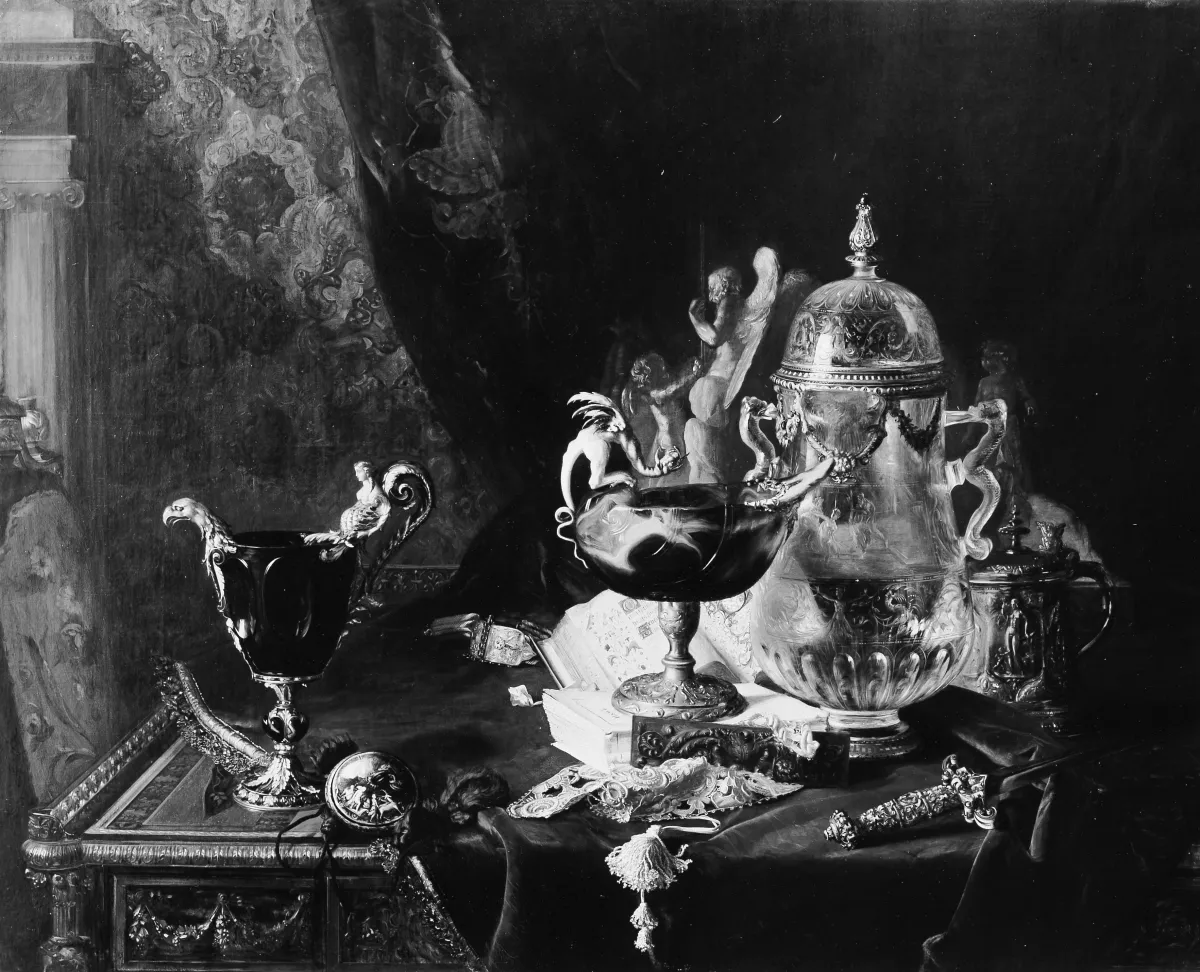
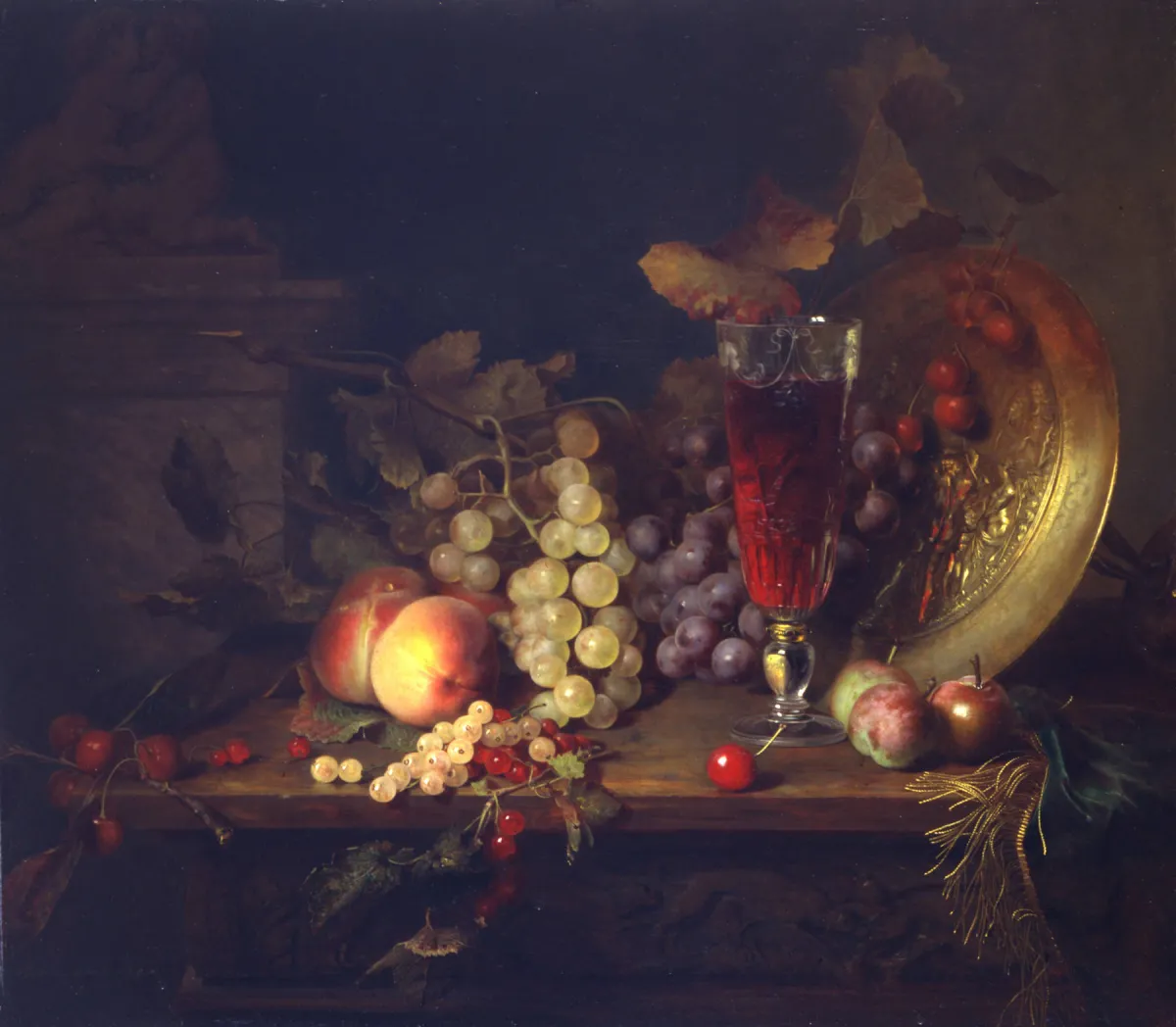
The artist’s mastery is evident in the meticulous rendering of the urn, drapery, and architectural elements. Blaise Alexandre Desgoffe elevates the genre with his precise technique, making this oil on canvas a testament to the standards of Academic Art. Collectors seeking a fine art painting for sale will find the same technical excellence in related works such as “Still Life with Basket of Flowers” and “Objects of Art used by Marie Antoinette.”
“Urne et drapé sur un entablement” is rich in symbolism, alluding to themes of memory, beauty, and transience. Blaise Alexandre Desgoffe’s hand-painted oil painting invites viewers to interpret the draped cloth and urn as emblems of classicism and contemplation. This approach aligns with the narrative depth found in “Vase of améthyste from the 16th-century,” another fine art painting for sale that emphasizes symbolic storytelling within the Academic Art movement.
For discerning collectors, this oil on canvas by Blaise Alexandre Desgoffe is a prized acquisition, seamlessly blending historical reverence and technical prowess. The painting’s provenance and connection to the Academic Art movement make it a standout among similar masterpieces, such as those displayed “At the Louvre.” Those seeking a fine art painting for sale will find its unique character and artistry elevate any curated collection.
When Art Meets History
"Urne et drapé sur un entablement Panneau de chêne, une planche, non parqueté Signé en bas à droite" by Blaise Alexandre Desgoffe stands as a testament to the rich narrative tradition of the Academic Art movement. This hand-painted oil painting captures the refined elegance of 19th-century artistry. Desgoffe’s work, akin to masterpieces like "Battle of Auvours, 10 January 1871" and "By the Well," weaves historical context and classical motifs into every brushstroke, inviting viewers to connect with the past through timeless beauty.
Techniques That Speak
Blaise Alexandre Desgoffe’s mastery in "Urne et drapé sur un entablement" is evident in his meticulous technique, a hallmark of Academic Art. The oil on canvas approach allows for delicate gradations of light and shadow, emphasizing the draped fabrics and ornate urn. Similar technical prowess is seen in related paintings such as "Diana the Huntress" and "The Communion of Zouaves," where every detail is rendered with precision, reflecting the artist’s commitment to classical ideals.
Emotions on Display
The serene composition of "Urne et drapé sur un entablement" evokes a sense of quiet dignity, characteristic of Blaise Alexandre Desgoffe’s style within the Academic Art movement. The gentle interplay of textures and objects creates a contemplative atmosphere, much like in "A Forester at Home." This fine art painting for sale invites viewers to pause and reflect, engaging with the subtle emotions and stories woven into the scene through expert artistry.
Coveted by Collectors
Collectors of Academic Art highly prize works by Blaise Alexandre Desgoffe, especially pieces like "Urne et drapé sur un entablement." Its exquisite craftsmanship and historical significance make it a standout among oil on canvas artworks. Paintings such as "Battle of Auvours, 10 January 1871" and "By the Well" are also sought after, but this particular piece remains a fine art painting for sale that exemplifies the enduring appeal of Desgoffe’s creative legacy.
Related Academic Art Hand-Painted Oil Paintings by Other Artists
Other Famous Academic Art Artists:
Frequently Asked Questions About Urne et drapé sur un entablement Panneau de chêne, une planche, non parqueté Signé en bas à droite
What is the historical context of "Urne et drapé sur un entablement"?
This painting by Blaise Alexandre Desgoffe reflects the artistic trends of the 19th century, particularly the neoclassical movement that emphasized clarity, order, and harmony, drawing inspiration from classical antiquity.
What materials were used in the creation of this artwork?
The painting is executed on a panel of oak, which was a popular choice among artists for its durability and fine grain, allowing for detailed work and a smooth finish.
What themes are explored in this painting?
The artwork explores themes of still life and the interplay between natural and artificial beauty, as represented by the urn and drapery, symbolizing both mortality and the permanence of art.
How does the composition of the painting contribute to its meaning?
The arrangement of the urn and drapery on the entablature creates a sense of balance and harmony, inviting the viewer to contemplate the relationship between the objects and their symbolic significance.
What is the significance of the urn in this painting?
The urn is a classical symbol of memory and commemoration, often associated with funerary practices, suggesting themes of remembrance and the passage of time.
How does Blaise Alexandre Desgoffe's style influence this painting?
Desgoffe's style is characterized by meticulous attention to detail and a refined color palette, which enhances the realism and depth of the objects depicted, reflecting the artist's training and influences.
What role does drapery play in the artwork?
The drapery serves not only as a decorative element but also as a means of conveying texture and movement, contrasting with the solidity of the urn and adding a dynamic quality to the composition.
In what ways does this painting reflect the values of its time?
The painting embodies the 19th-century values of aesthetic beauty and intellectual engagement with classical themes, reflecting a cultural appreciation for history and the arts during this period.
What can be inferred about the artist's intentions through this work?
Desgoffe likely intended to evoke contemplation on the nature of beauty and the transient nature of life, encouraging viewers to reflect on the deeper meanings behind the objects portrayed.
How has "Urne et drapé sur un entablement" influenced contemporary art?
The painting's focus on still life and the exploration of form and texture have influenced contemporary artists who seek to reinterpret classical themes within modern contexts, highlighting the enduring relevance of Desgoffe's work.






















_GFM_Painting_(1).webp)


 100% Hand-Painted: Finished in 3-6 Weeks

.png)















_(1).webp)