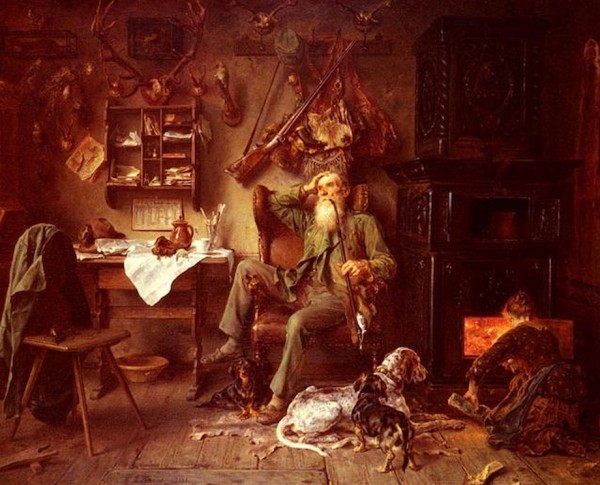
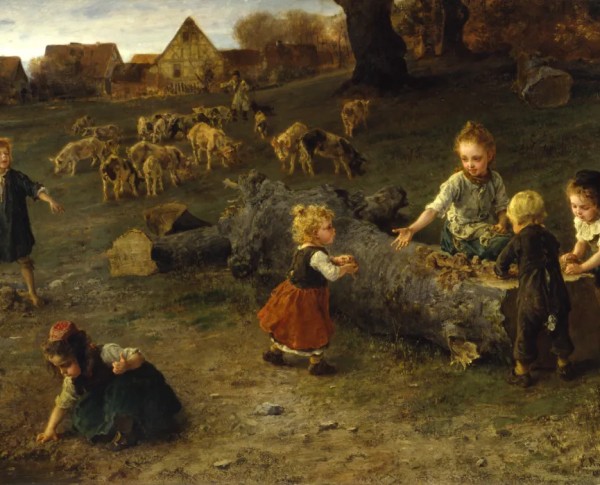
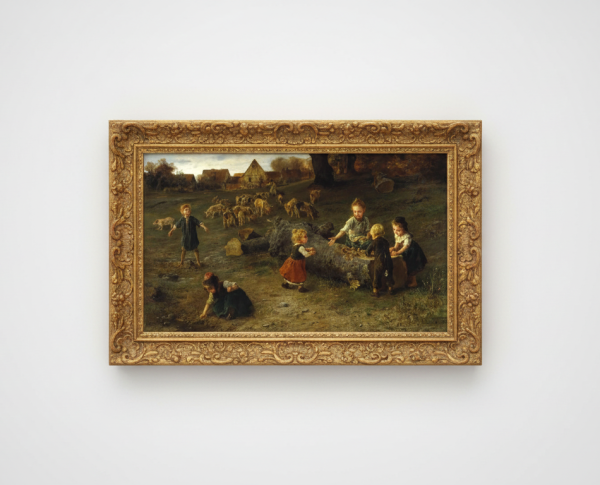
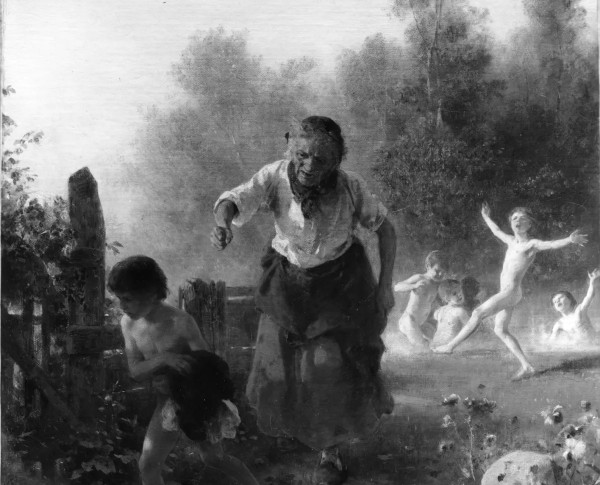
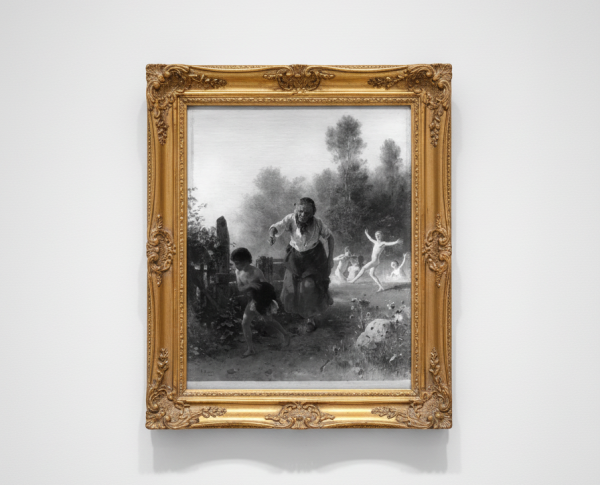
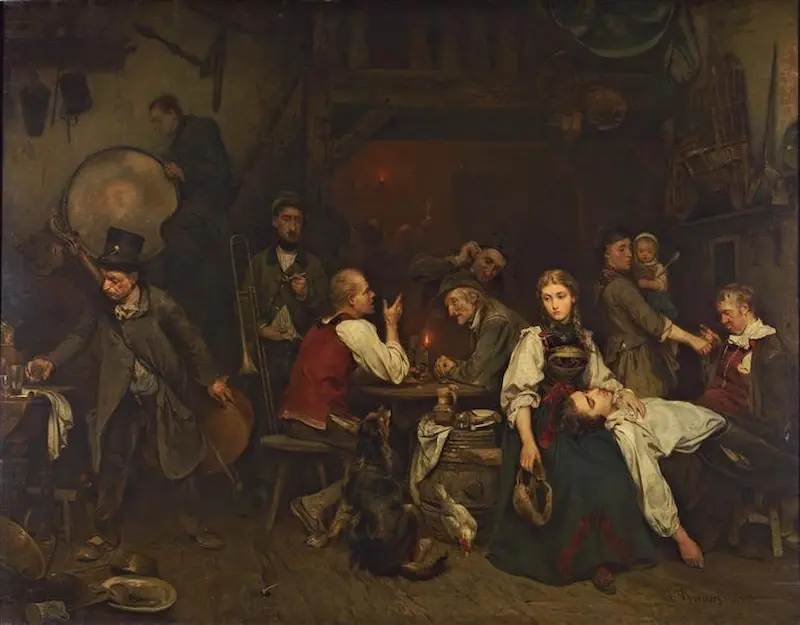
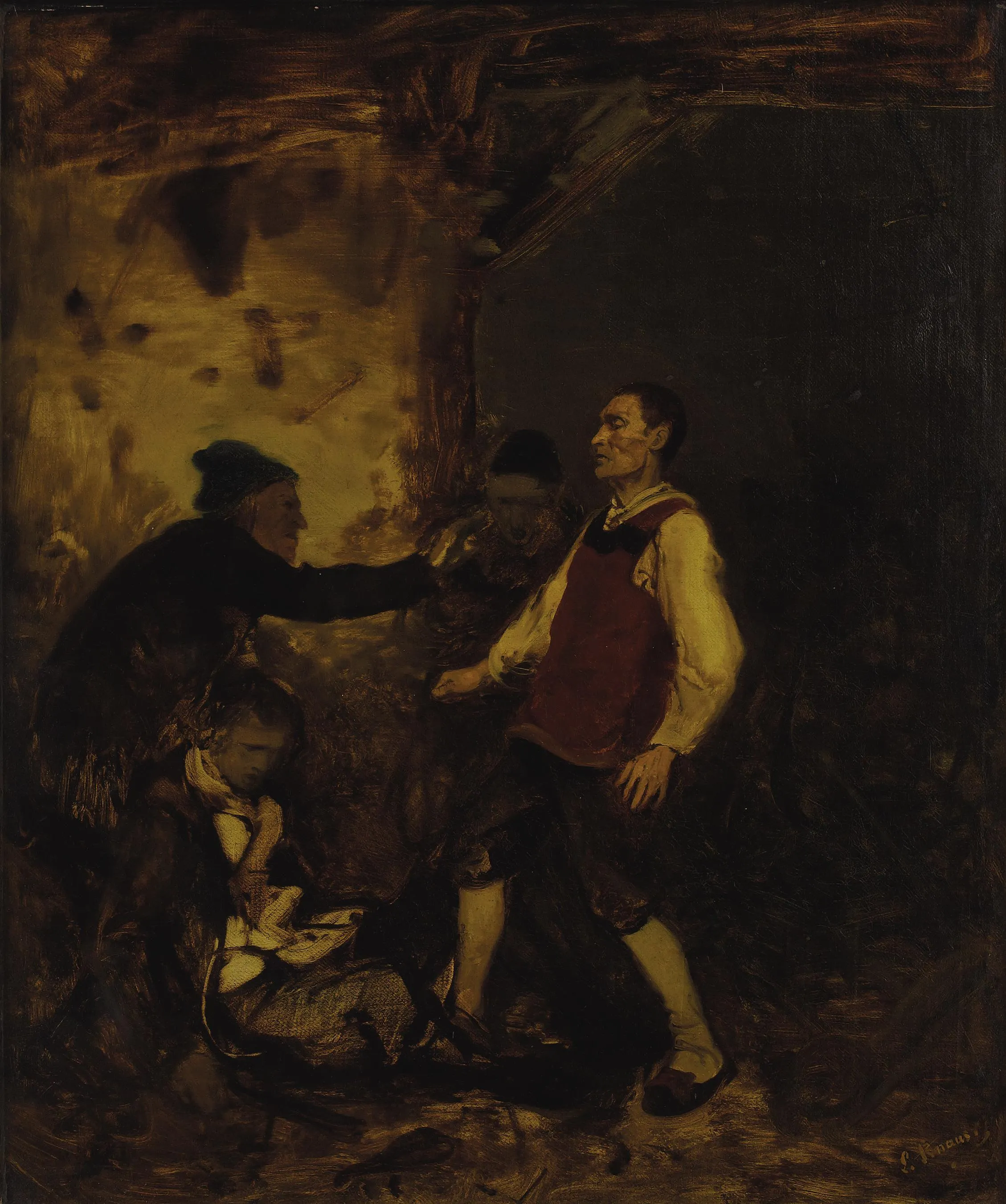
"The Morning After the Celebration" showcases Knaus’s exceptional skill with oil on canvas, a medium favored by masters of Academic Art. His brushwork brings to life the subtle interplay of light and shadow, emphasizing the aftermath of festivity. This fine art painting for sale appeals to those who appreciate meticulous technique and historical context. Other notable works by Knaus, such as "Death of a gentleman" and "Drunken peasants," further illustrate his mastery of the genre.
Within this hand-painted oil painting, Ludwig Knaus weaves a narrative rich in symbolism and detail, inviting viewers to ponder the stories left behind after celebration. The Academic Art movement’s focus on storytelling is evident in every carefully rendered object. Collectors often seek out related products like "On lake Brienz" and "The Truant" for their similarly evocative themes and storytelling power, making these works prized additions to any collection of fine art painting for sale.
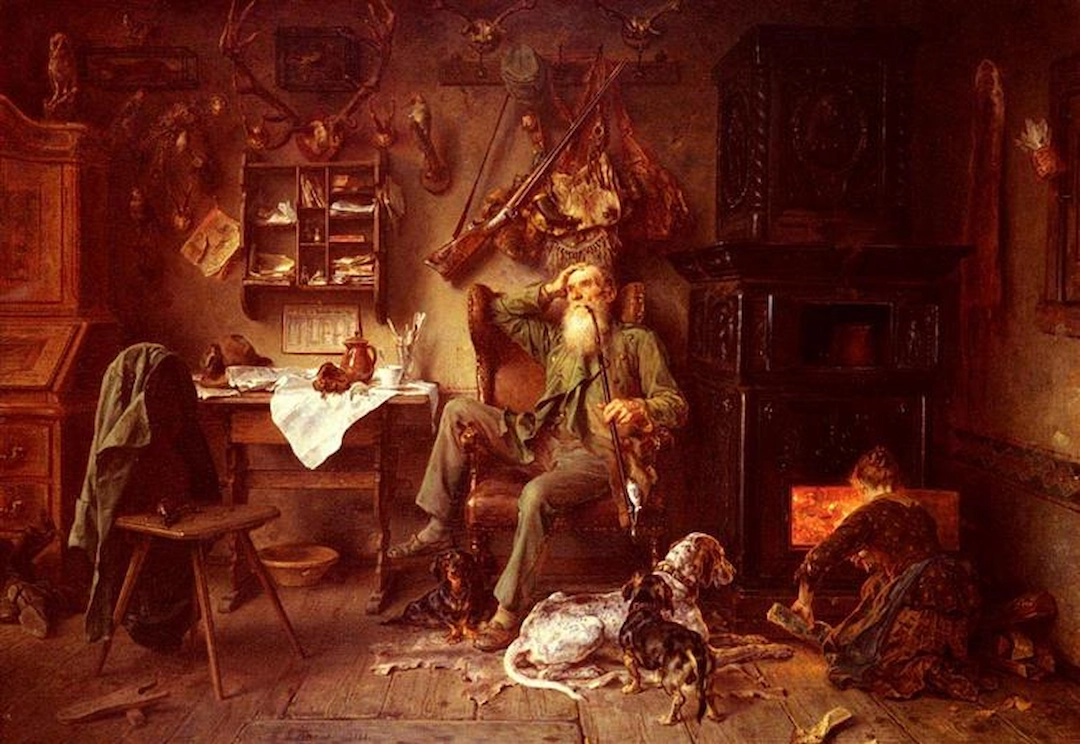
For art enthusiasts, "The Morning After the Celebration" represents an outstanding oil on canvas masterpiece by Ludwig Knaus, embodying the best of the Academic Art movement. This fine art painting for sale is a coveted item for collectors seeking timeless elegance and historical significance. Pairing it with complementary works such as "A Forester at Home" or "Mud Pies" enhances any curated collection, underscoring the lasting appeal of Knaus’s artistry and the enduring value of Academic Art.
When Art Meets History
Ludwig Knaus’s “The morning after the celebration” stands as a remarkable example of the Academic Art movement, capturing the cultural nuances of its era. This hand-painted oil painting reflects Knaus’s keen observation of social rituals, much like his works “At the Louvre” and “Odalisque with a Fan.” Through his art, Knaus immortalized moments of everyday life, making each piece a historical document as well as a masterful creation. His paintings remain timeless windows into the past.
Techniques That Speak
In “The morning after the celebration,” Ludwig Knaus expertly employs oil on canvas to render intricate details and atmospheric light. As with his “Cupid” and “STILL LIFE WITH EWER AND ACCOUTREMENTS ON GILT MOUNTED BUREAU PLAT,” Knaus’s brushwork demonstrates the Academic Art movement’s dedication to realism and technical perfection. His mastery of layering and texture brings each subject to life, making his oil on canvas works treasured examples of nineteenth-century artistry and craftsmanship.
Emotions on Display
Knaus’s “The morning after the celebration” is more than a scene—it’s a study in human emotion. The painting’s subtle expressions and thoughtful composition evoke feelings of nostalgia and reflection. This fine art painting for sale resonates with viewers, much like “Objects of Art used by Marie Antoinette,” inviting them to connect with the characters’ stories. Ludwig Knaus’s ability to convey deep sentiment through Academic Art makes his work enduringly compelling and emotionally rich.
Coveted by Collectors
“The morning after the celebration” by Ludwig Knaus is highly sought after by art collectors and enthusiasts of the Academic Art movement. As a hand-painted oil painting, it embodies the quality and attention to detail that define Knaus’s oeuvre. Collectors value this piece alongside other notable works such as “Odalisque with a Fan” and “STILL LIFE WITH EWER AND ACCOUTREMENTS ON GILT MOUNTED BUREAU PLAT,” recognizing its significance in the world of fine art painting for sale.
Related Academic Art Hand-Painted Oil Paintings by Other Artists
Other Famous Academic Art Artists:
Frequently Asked Questions About The morning after the celebration
What is the historical context of "The morning after the celebration"?
"The morning after the celebration" was painted by Ludwig Knaus during the 19th century, a period marked by significant social and political changes in Europe. This era saw the rise of realism in art, which sought to depict everyday life and ordinary people, moving away from romanticized subjects.
What artistic techniques did Ludwig Knaus employ in this painting?
Knaus utilized a combination of naturalistic detail and soft lighting to create a sense of intimacy and realism in "The morning after the celebration." His brushwork is characterized by careful attention to texture and form, enhancing the lifelike quality of the figures and their surroundings.
What themes are explored in "The morning after the celebration"?
The painting explores themes of aftermath and reflection, capturing the quiet moments following a festive occasion. It invites viewers to contemplate the contrast between celebration and the mundane reality that follows, highlighting the transient nature of joy.
How does Knaus depict the characters in the painting?
Knaus portrays the characters with a focus on their expressions and body language, conveying a sense of weariness and contemplation. The figures are depicted in a naturalistic manner, emphasizing their humanity and the relatable experience of recovery after celebration.
What is the significance of the setting in the painting?
The setting plays a crucial role in "The morning after the celebration," as it reflects the remnants of a festive atmosphere. The disarray and scattered items symbolize the passage of time and the fleeting nature of happiness, enhancing the painting's narrative depth.
In what ways does this painting reflect the Realism movement?
This painting exemplifies the Realism movement by focusing on everyday life and ordinary experiences rather than idealized subjects. Knaus captures a moment that is both relatable and poignant, showcasing the beauty in the mundane and the complexities of human emotions.
What emotions does "The morning after the celebration" evoke?
The painting evokes a sense of nostalgia and introspection. Viewers may feel a connection to the characters' quiet contemplation, reflecting on their own experiences of celebration and the inevitable return to reality.
How does the color palette contribute to the painting's mood?
Knaus employs a muted color palette, using soft earth tones and gentle lighting to create a calm and reflective atmosphere. This choice enhances the painting's emotional depth, inviting viewers to engage with the themes of tranquility and introspection.
What impact did "The morning after the celebration" have on contemporary artists?
The painting influenced contemporary artists by demonstrating the power of realism in conveying complex narratives. Knaus's focus on everyday life and emotional depth inspired future generations to explore similar themes in their work, bridging the gap between art and life.
What can we learn about 19th-century social customs from this painting?
"The morning after the celebration" offers insights into 19th-century social customs, particularly the significance of communal celebrations and their aftermath. It reflects the societal values of the time, where gatherings were integral to community life, yet also highlights the personal reflections that follow such events.























_GFM_Painting_(1).webp)


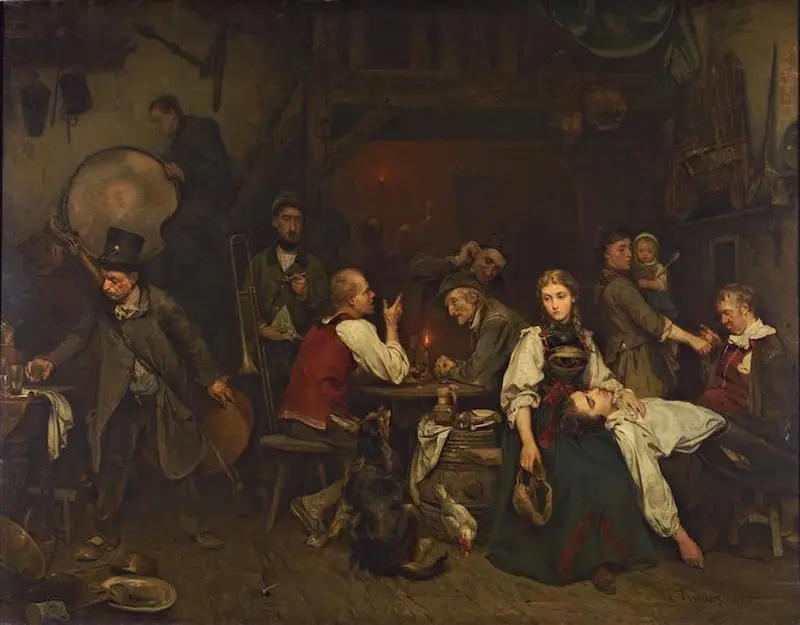
 100% Hand-Painted: Finished in 3-6 Weeks

.png)















_(1).webp)