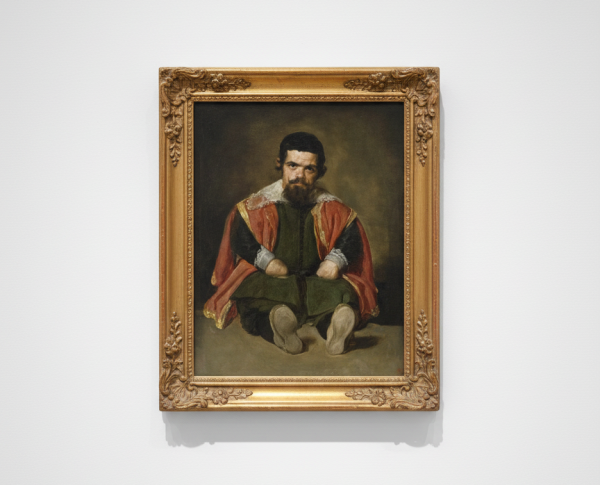
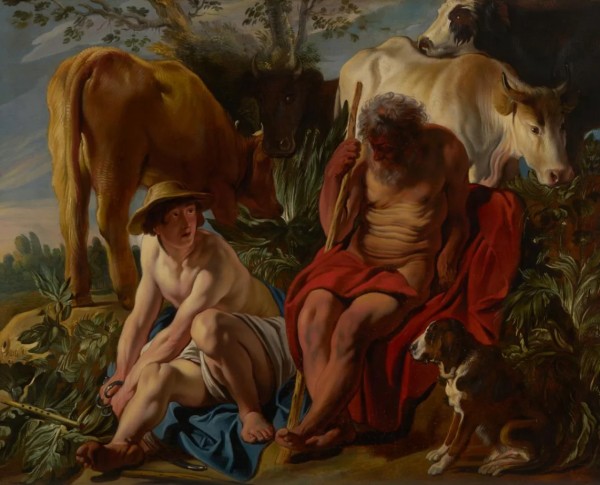
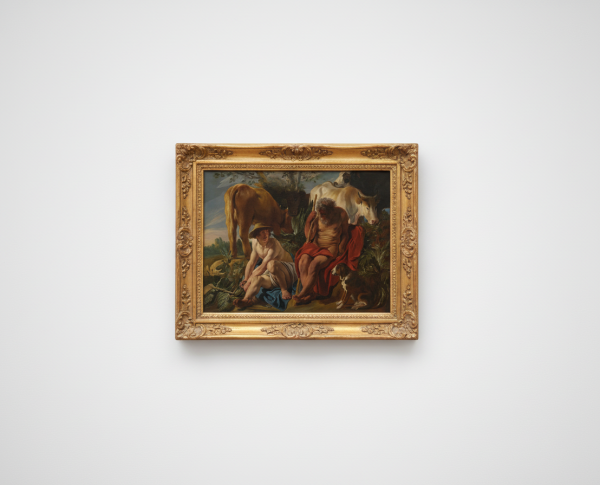
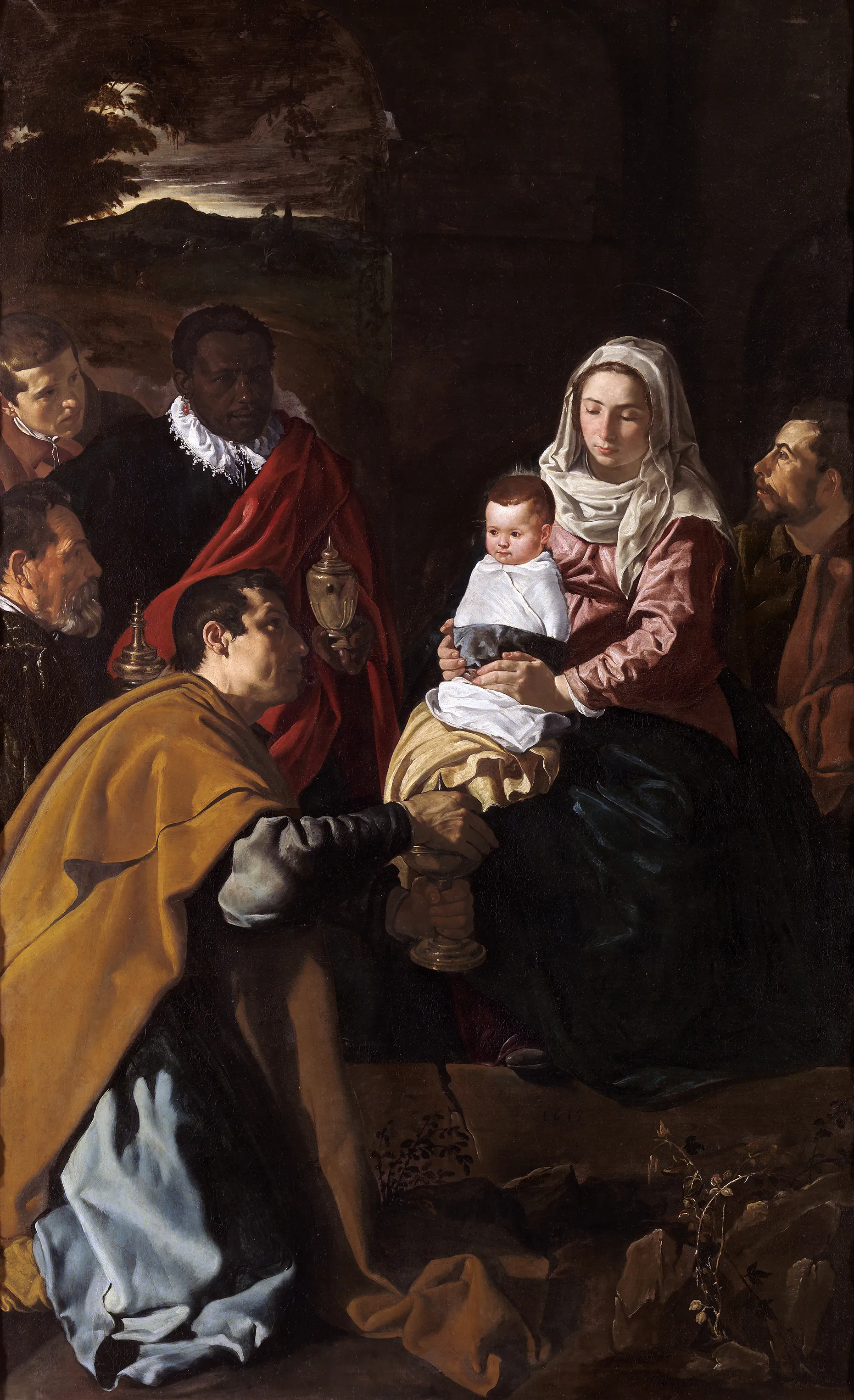
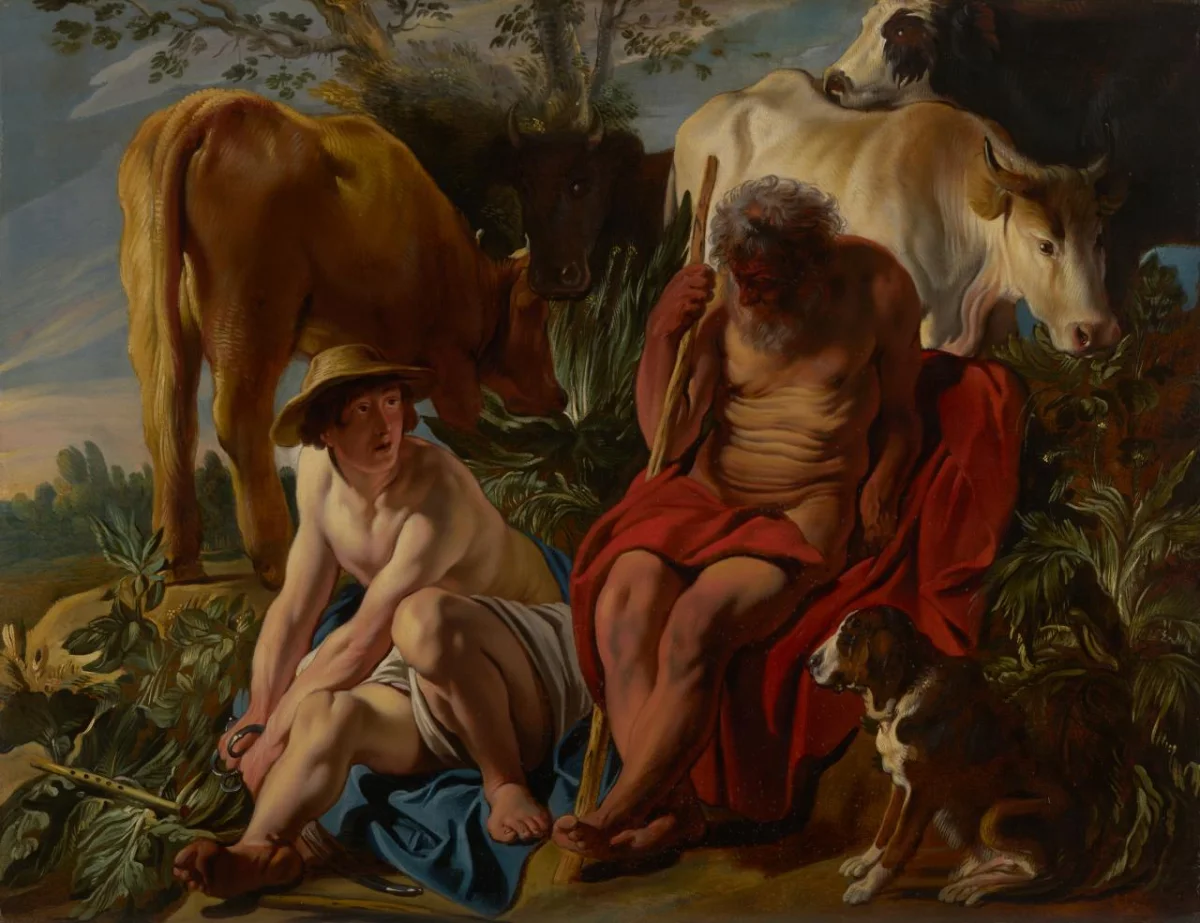
Velazquez’s "Adoration of the Kings" exemplifies the technical brilliance of oil on canvas, a medium that allows for nuanced expression and lifelike detail. Through his mastery of brushwork, the artist brings every figure and fabric to vivid life, embodying the Realism movement’s commitment to authenticity. Similar mastery can be found in Velazquez’s "Mercury and Argus" and "An Old Woman Cooking Eggs," making each fine art painting for sale a coveted piece for connoisseurs.
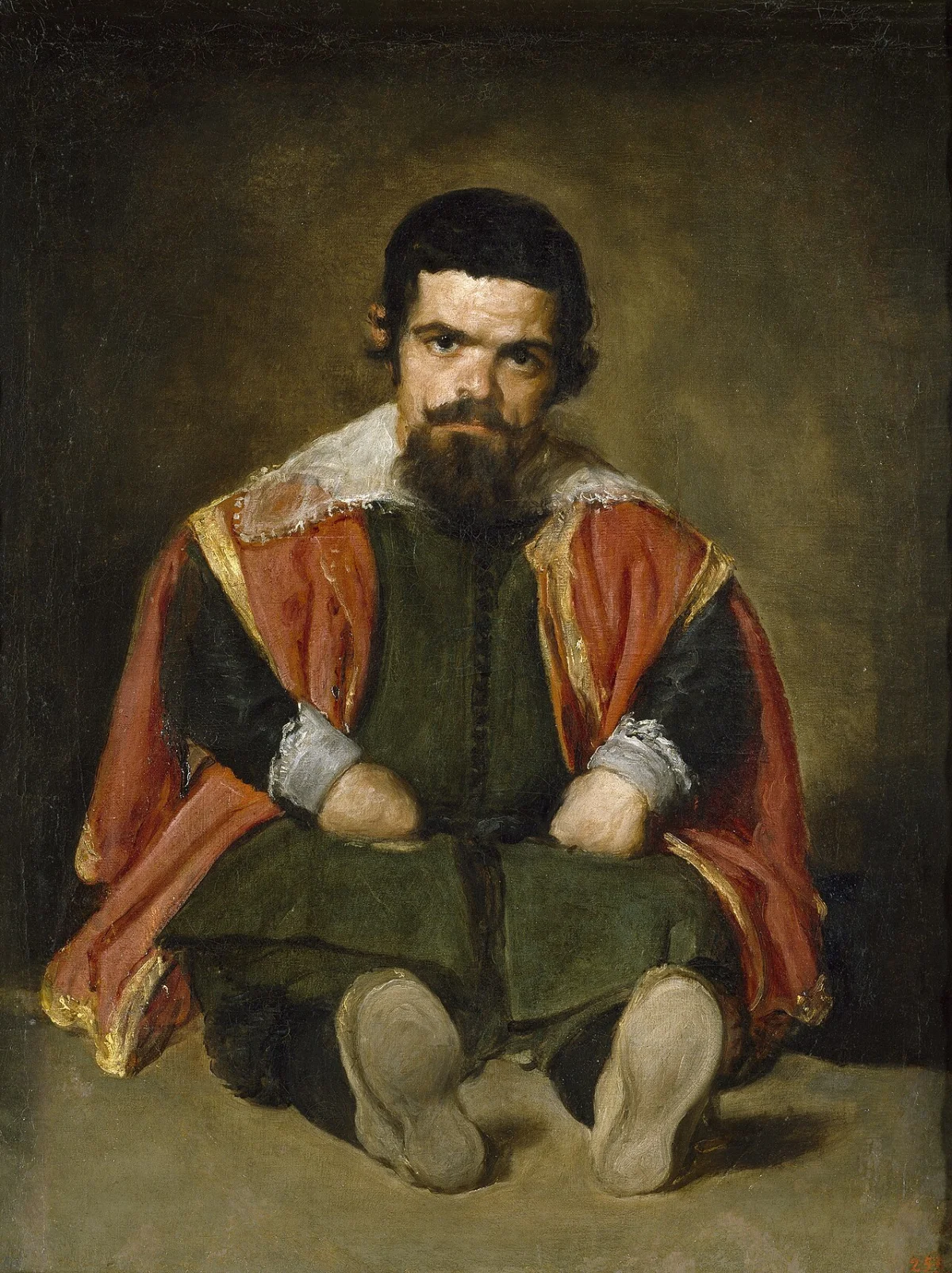
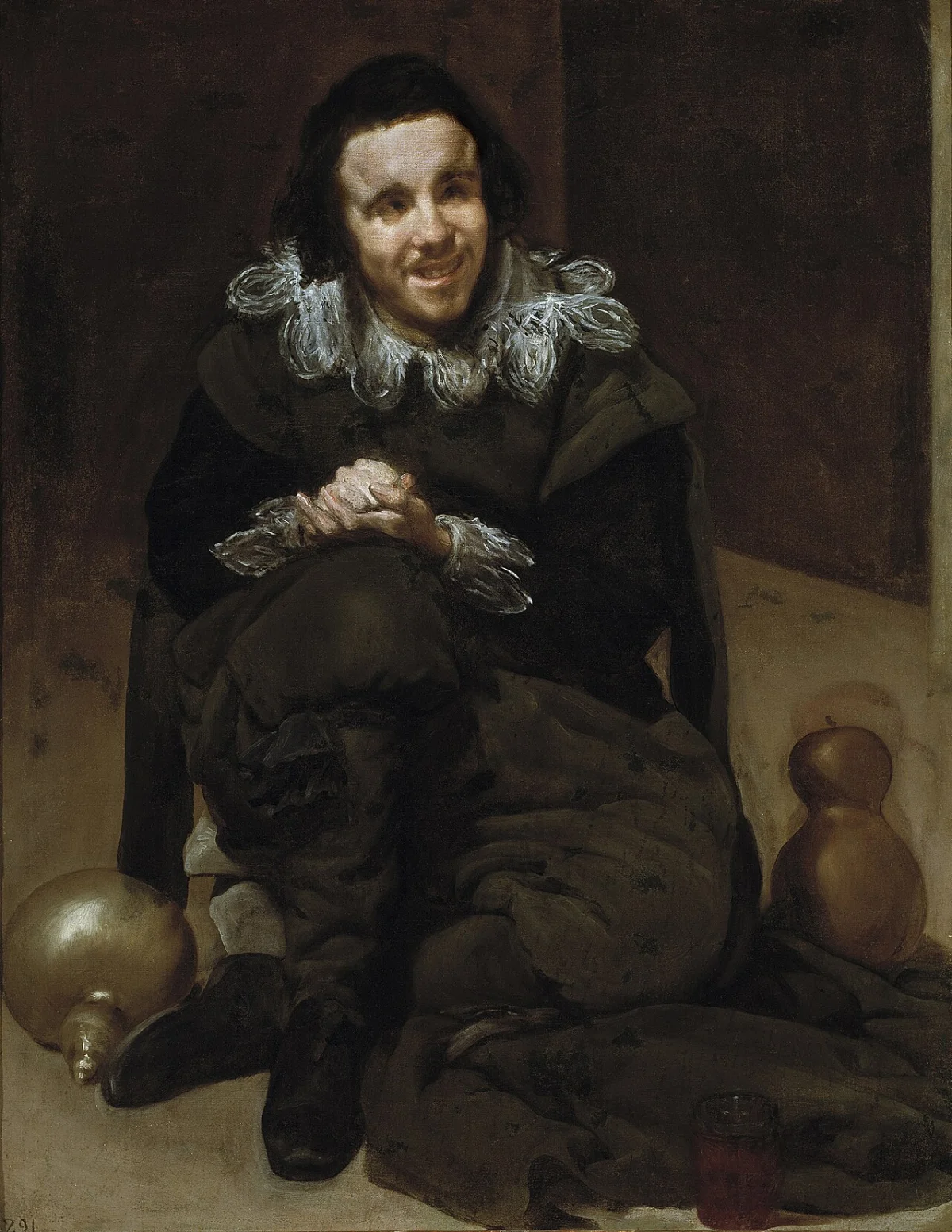
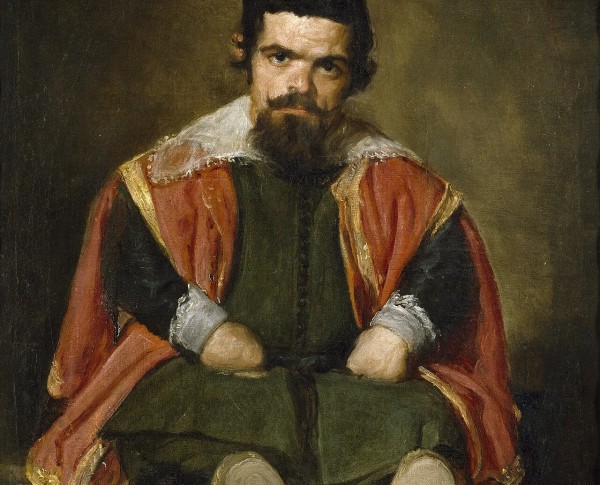
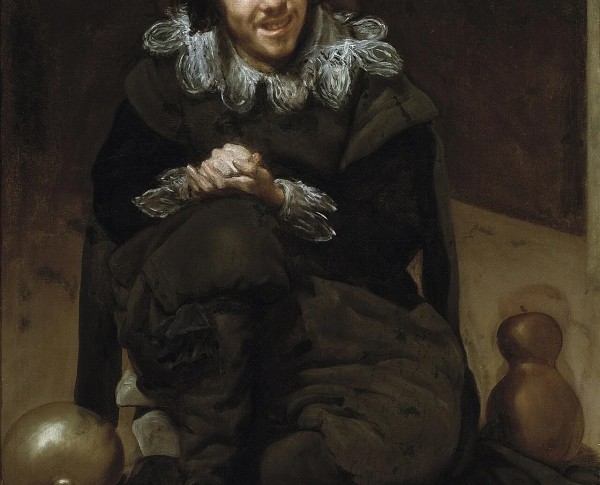
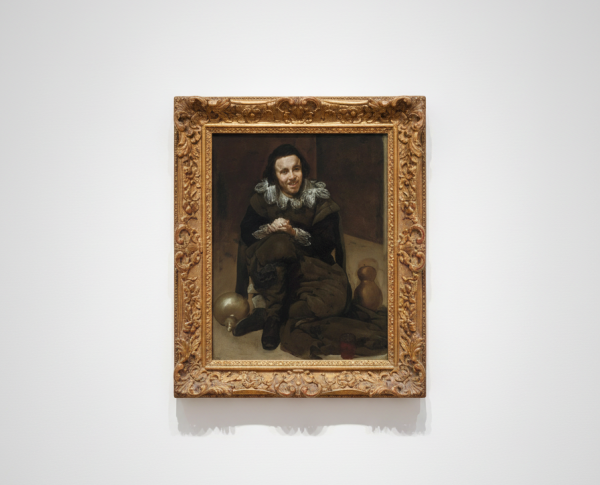
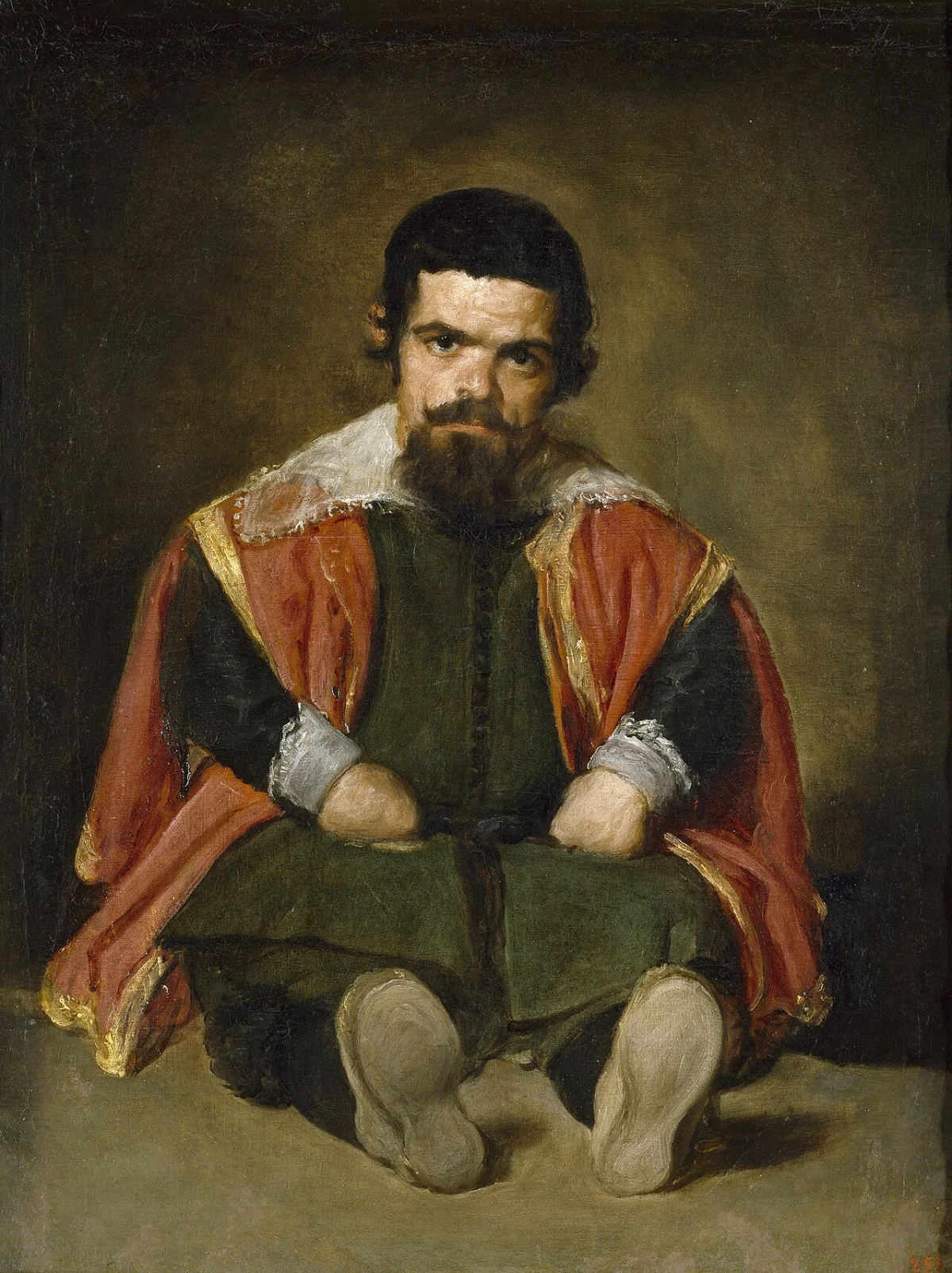
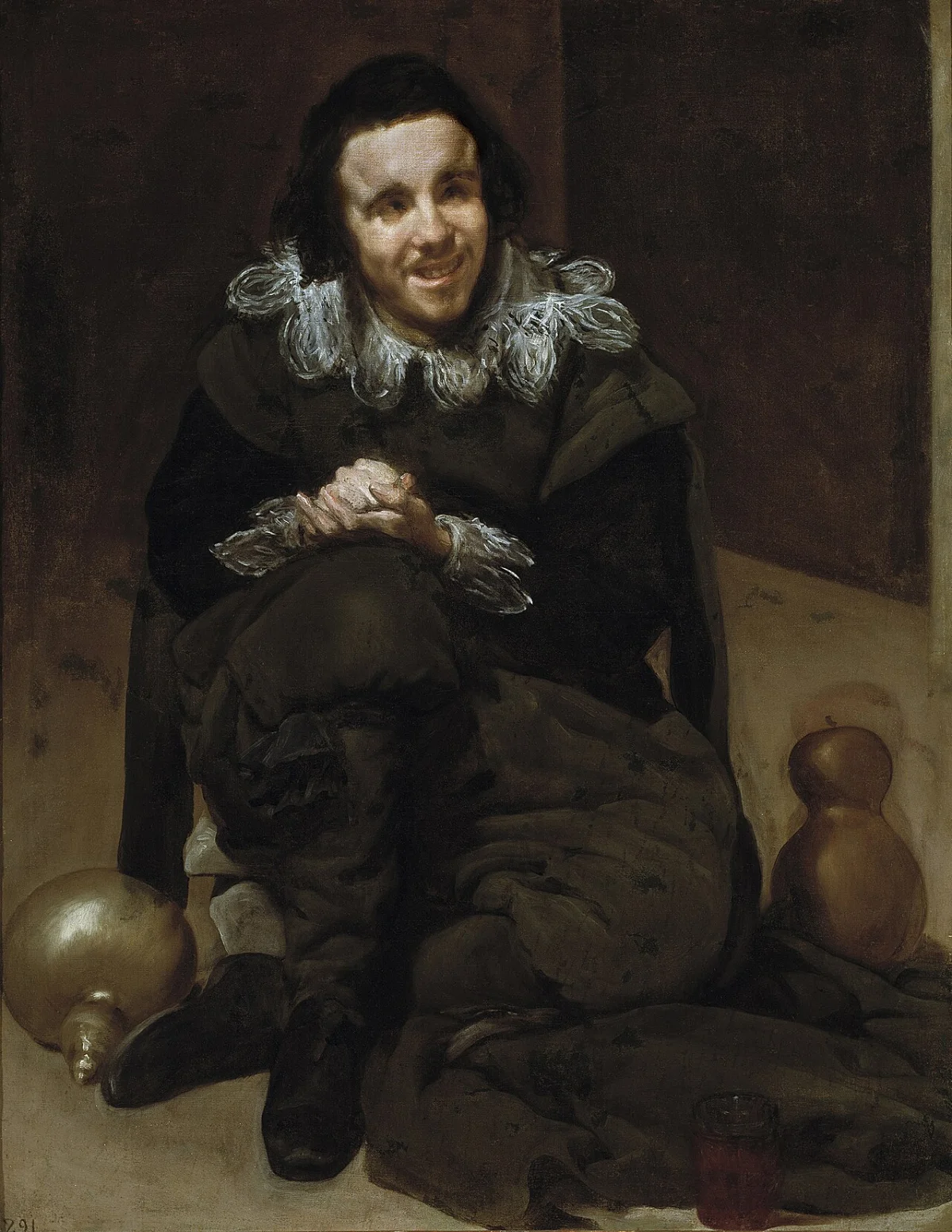
Within "Adoration of the Kings," every gesture and gaze tells a story, suffused with symbolic meaning. Velazquez’s hand-painted oil painting invites viewers to uncover layers of narrative, from the reverence of the Magi to the humility of the Holy Family. The artist’s storytelling prowess also shines in works like "Portrait of Sebastián de Morra" and "The Jester Calabacillas," each oil on canvas a window into the human experience, emblematic of Realism’s core ideals.
Owning "Adoration of the Kings" by Velazquez is akin to possessing a piece of art history, a true fine art painting for sale that embodies the spirit of the Realism movement. Collectors value such masterpieces for their exquisite technique and emotional resonance. Explore related works like "Head of a Girl" and "An Old Woman Cooking Eggs" to further enrich your collection with the timeless beauty and craftsmanship that defines Velazquez’s legacy.
When Art Meets History
"Adoration of the Kings" by Diego Rodriguez de Silva y Velazquez stands as a testament to the Realism movement, capturing a pivotal biblical moment with stunning authenticity. Painted with remarkable attention to historical detail, this hand-painted oil painting immerses viewers in the rich tapestry of 17th-century life. Velazquez’s mastery is evident, echoing the lifelike approach seen in related works such as "Peasant and peddler" and "Dressing for the Carnival," both celebrated for their realistic depictions.
Techniques That Speak
Velazquez’s "Adoration of the Kings" showcases his expert use of oil on canvas, a medium that allows for subtle gradations of light and shadow. The artist’s brushwork and color palette breathe life into the figures, making each gesture and expression tangible. Similar technical prowess is evident in other masterpieces from the Realism movement, including "The Bronco Buster" and "Brook In A Birch Forest," where artists employ oil on canvas to achieve depth and realism.
Emotions on Display
The emotional resonance of "Adoration of the Kings" is palpable, with every character’s face telling a story of awe, reverence, and humanity. Velazquez skillfully conveys these sentiments, elevating the painting beyond mere representation. Like "Oaks" and "Peasant and peddler," this fine art painting for sale invites viewers to connect deeply with the scene, making it a lasting favorite among those who appreciate the emotional power of Realism.
Coveted by Collectors
Collectors worldwide seek out works like "Adoration of the Kings" for their historical significance and artistic brilliance. As a hand-painted oil painting by Diego Rodriguez de Silva y Velazquez, it remains a prized example of the Realism movement. Alongside related pieces such as "Dressing for the Carnival" and "Brook In A Birch Forest," this masterpiece continues to draw admiration, cementing its status as a fine art painting for sale that appeals to discerning collectors.
Related Realism Hand-Painted Oil Paintings by Other Artists
Other Famous Realism Artists:
Frequently Asked Questions About Adoration of the Kings
What is the historical context of "Adoration of the Kings"?
"Adoration of the Kings" was painted by Diego Velazquez in the early 17th century, a time when Spain was a dominant power in Europe. The painting reflects the Baroque style that was prevalent during this period, characterized by dramatic expressions and rich colors.
What artistic techniques did Velazquez employ in this painting?
Velazquez utilized chiaroscuro to create depth and volume, enhancing the three-dimensionality of the figures. His masterful use of light and shadow draws the viewer's eye to the central figures while adding a sense of realism to the scene.
What is the significance of the three kings in the painting?
The three kings, or Magi, symbolize the recognition of Christ as the King of Kings. Each king represents different regions and gifts, emphasizing the universality of Christ's message and the acknowledgment of his divine nature by the world.
How does Velazquez depict the Virgin Mary and the Christ Child?
In "Adoration of the Kings," Velazquez portrays the Virgin Mary with a serene expression, cradling the Christ Child. This intimate moment highlights the maternal bond and the significance of Christ's birth, inviting the viewer to reflect on the sacredness of the scene.
What role does symbolism play in this painting?
Symbolism is integral to "Adoration of the Kings." The gifts presented by the Magi—gold, frankincense, and myrrh—represent Christ's kingship, divinity, and mortality, respectively. These elements deepen the viewer's understanding of Christ's dual nature as both human and divine.
What influences can be seen in Velazquez's style in this work?
Velazquez's style in "Adoration of the Kings" reflects the influence of Italian Renaissance artists, particularly in the use of composition and anatomical precision. His ability to convey emotion and narrative through facial expressions and gestures is a hallmark of his artistic evolution.
How does the composition of the painting contribute to its overall impact?
The composition of "Adoration of the Kings" is dynamic, with a triangular arrangement of figures that guides the viewer's gaze toward the central focus of the Virgin and Child. This arrangement creates a sense of movement and engagement, enhancing the emotional resonance of the scene.
What can be said about the color palette used in this painting?
Velazquez employs a rich and varied color palette in "Adoration of the Kings," utilizing deep reds, golds, and earthy tones to evoke warmth and majesty. The colors not only enhance the visual appeal but also serve to underscore the significance of the figures depicted.
In what ways does "Adoration of the Kings" reflect the Baroque artistic movement?
The painting exemplifies the Baroque movement through its dramatic use of light, emotional intensity, and intricate details. Velazquez's ability to capture the moment's grandeur while maintaining a sense of intimacy aligns with the Baroque emphasis on both spectacle and personal connection.
What is the legacy of "Adoration of the Kings" in the context of Velazquez's body of work?
"Adoration of the Kings" is a significant work in Velazquez's oeuvre, showcasing his early mastery and foreshadowing his later innovations. It remains a vital piece for understanding his evolution as an artist and the broader narrative of Spanish Baroque art.























_GFM_Painting_(1).webp)


 100% Hand-Painted: Finished in 3-6 Weeks

.png)















_(1).webp)