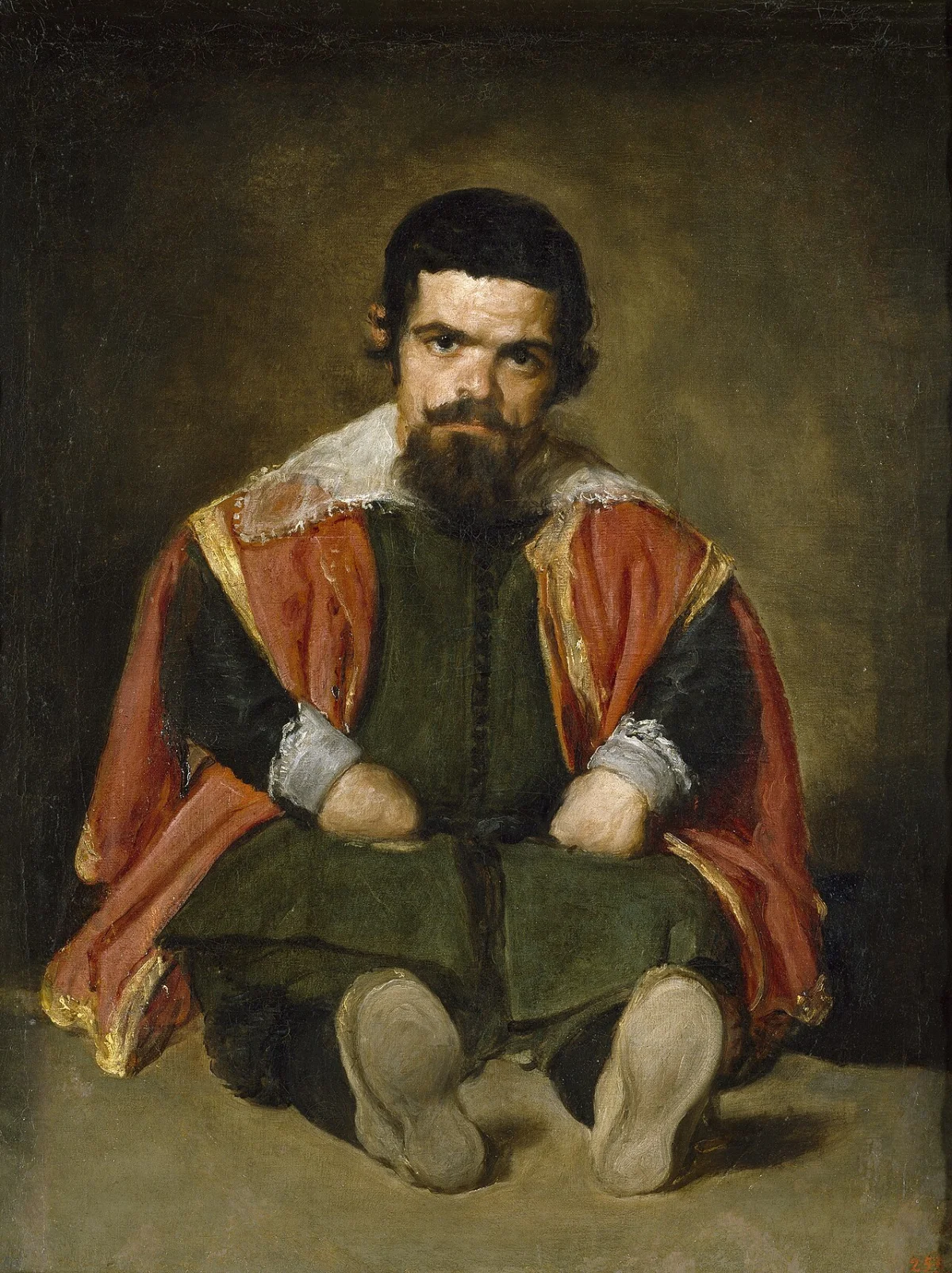
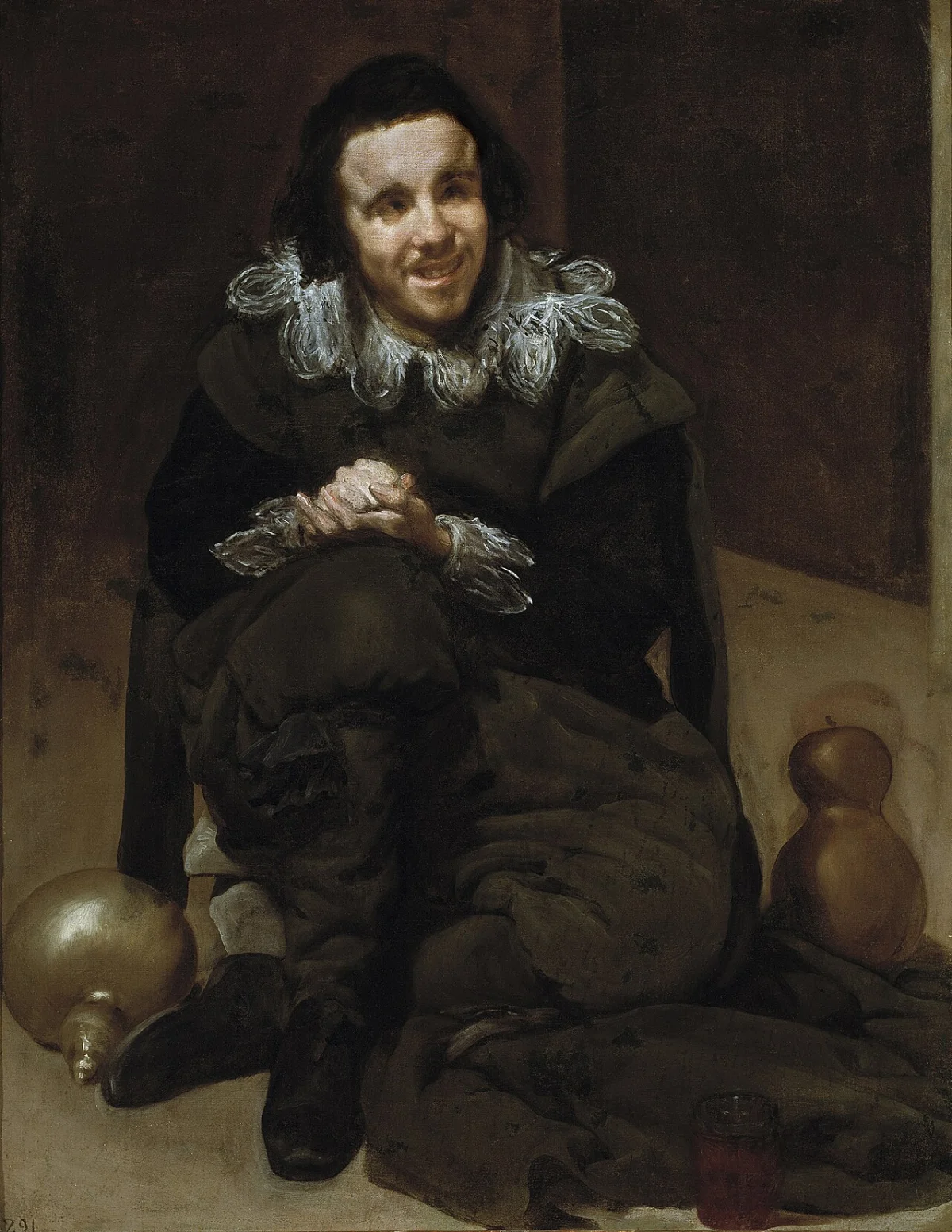
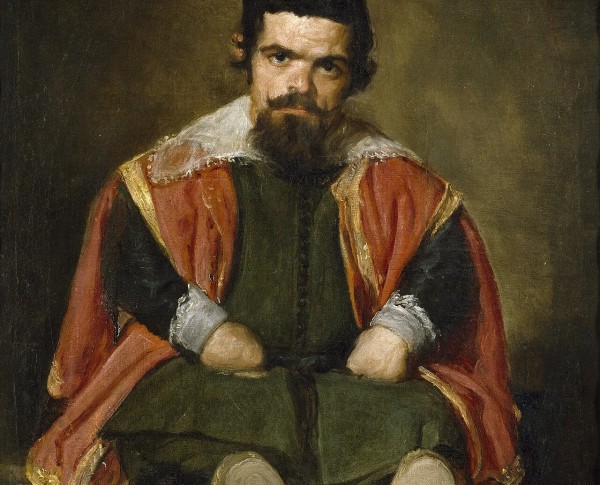
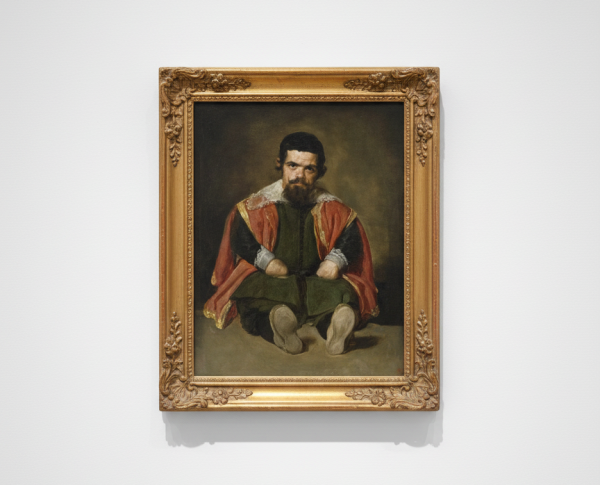
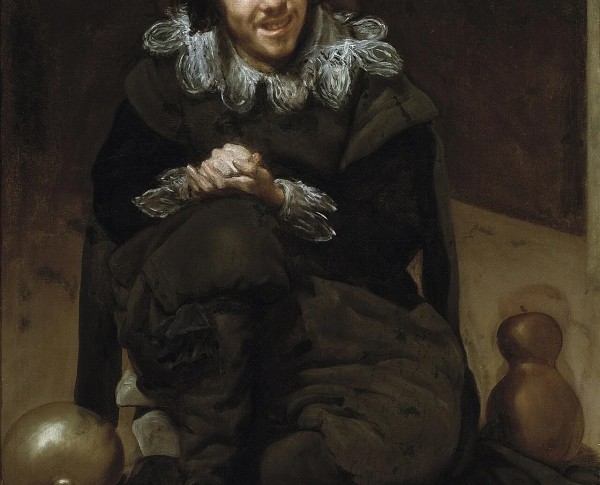
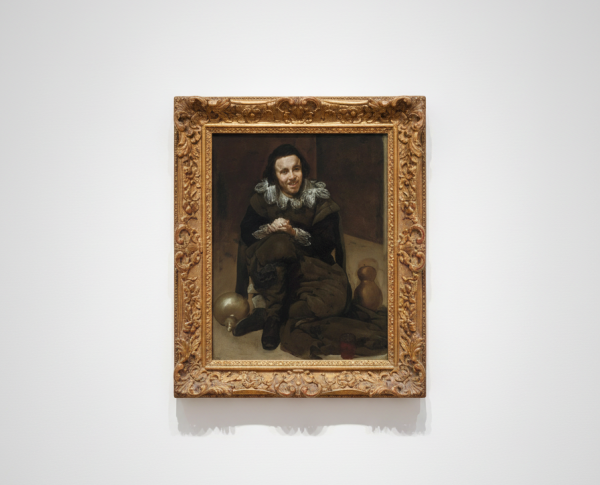
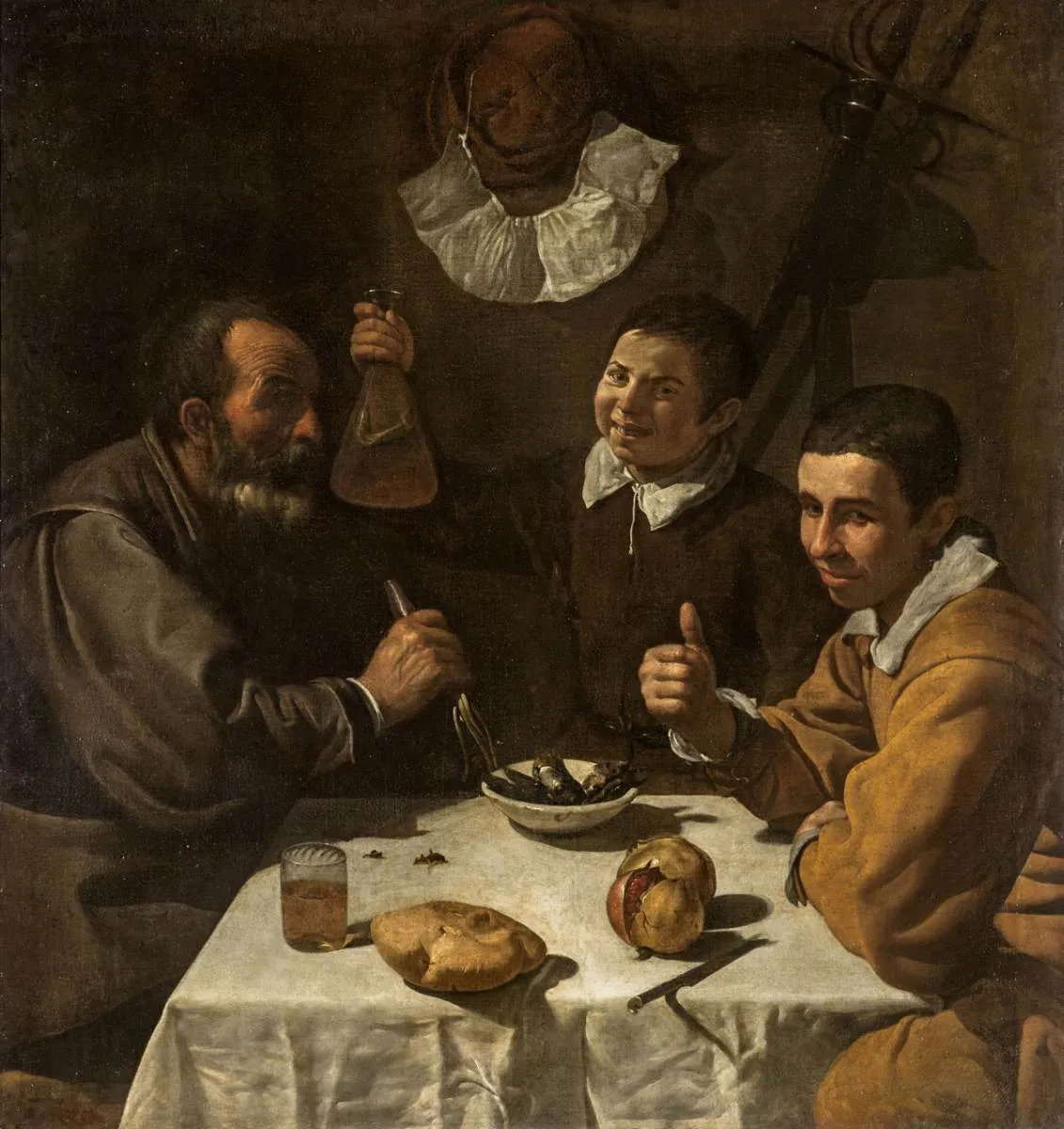
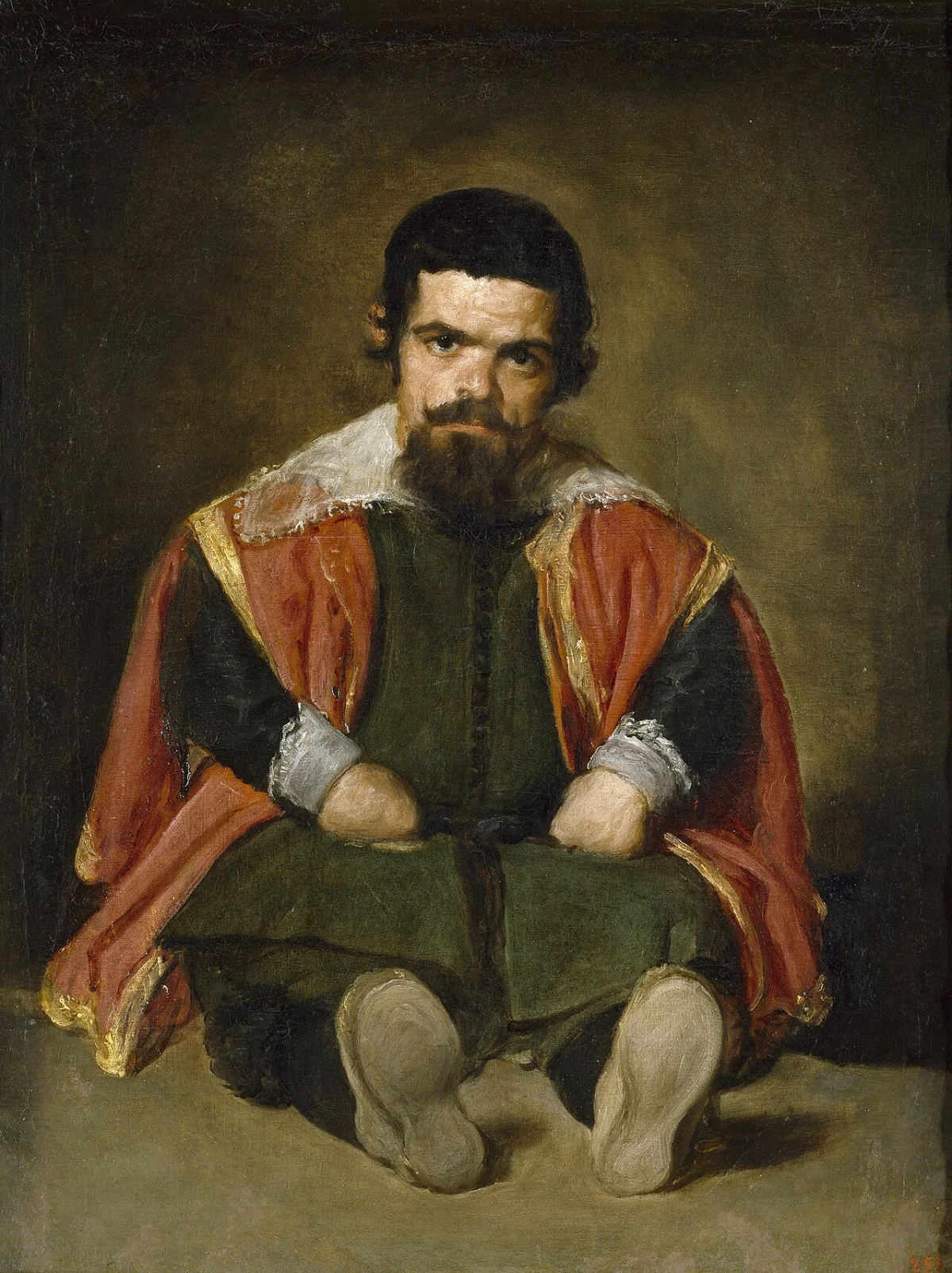
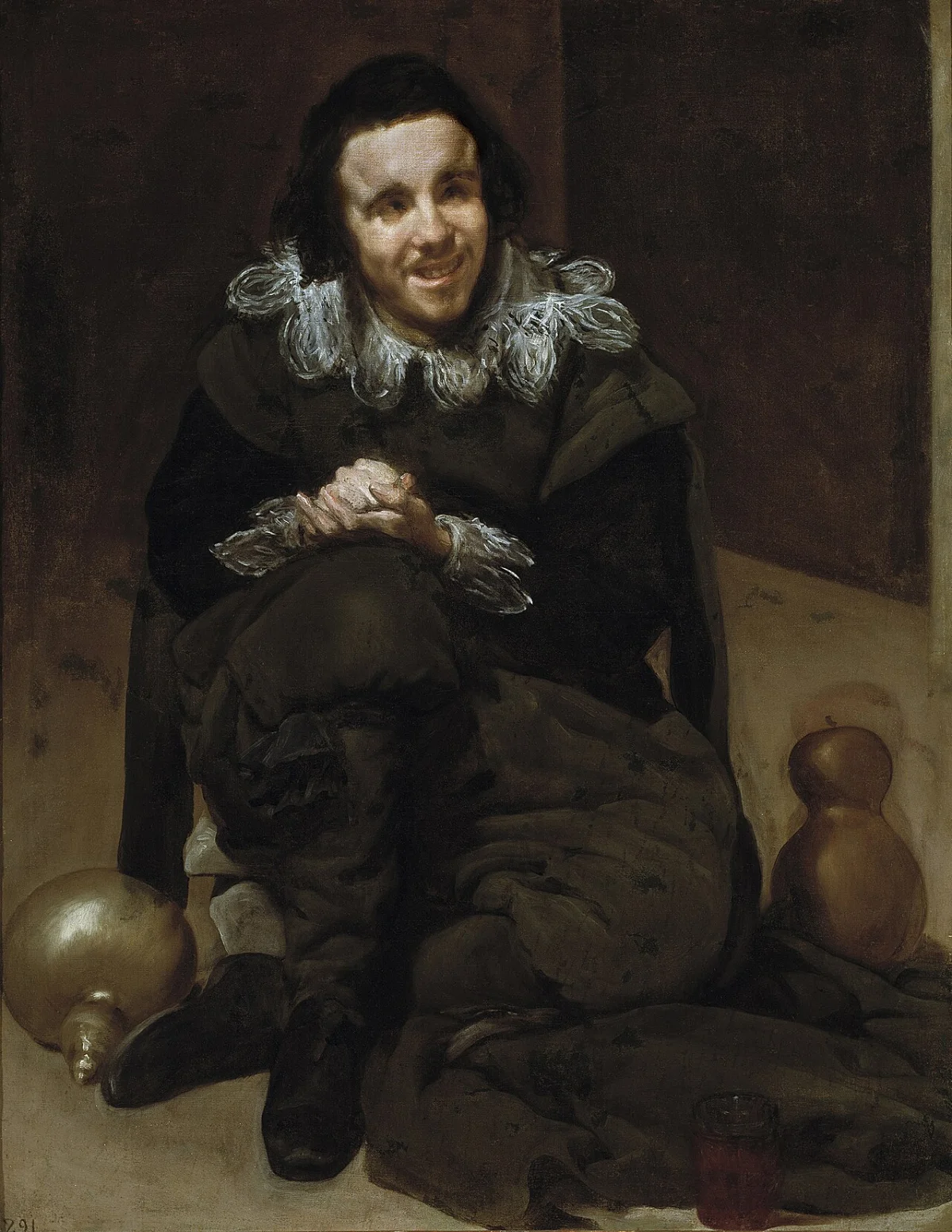
Velazquez’s “Breakfast” exemplifies his unparalleled skill in oil on canvas, a medium that allows for lifelike textures and subtle gradations of light. The painting’s composition and brushwork highlight the artist’s dedication to the Realism movement. Art enthusiasts can appreciate similar technical brilliance in related works like “The Jester Calabacillas” and “Portrait of Sebastián de Morra,” each showcasing Velazquez’s mastery and attention to detail in every stroke.
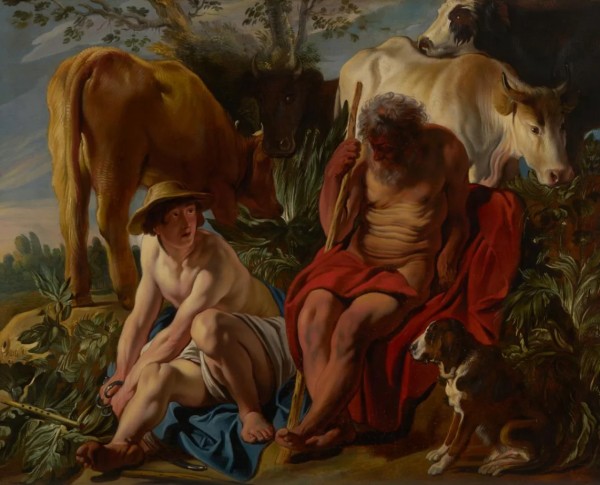
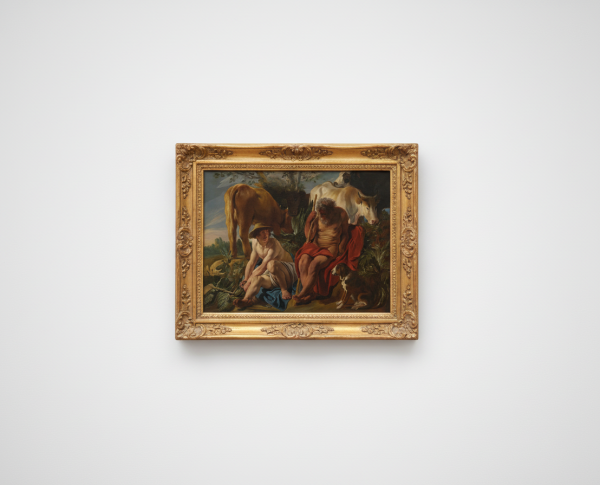
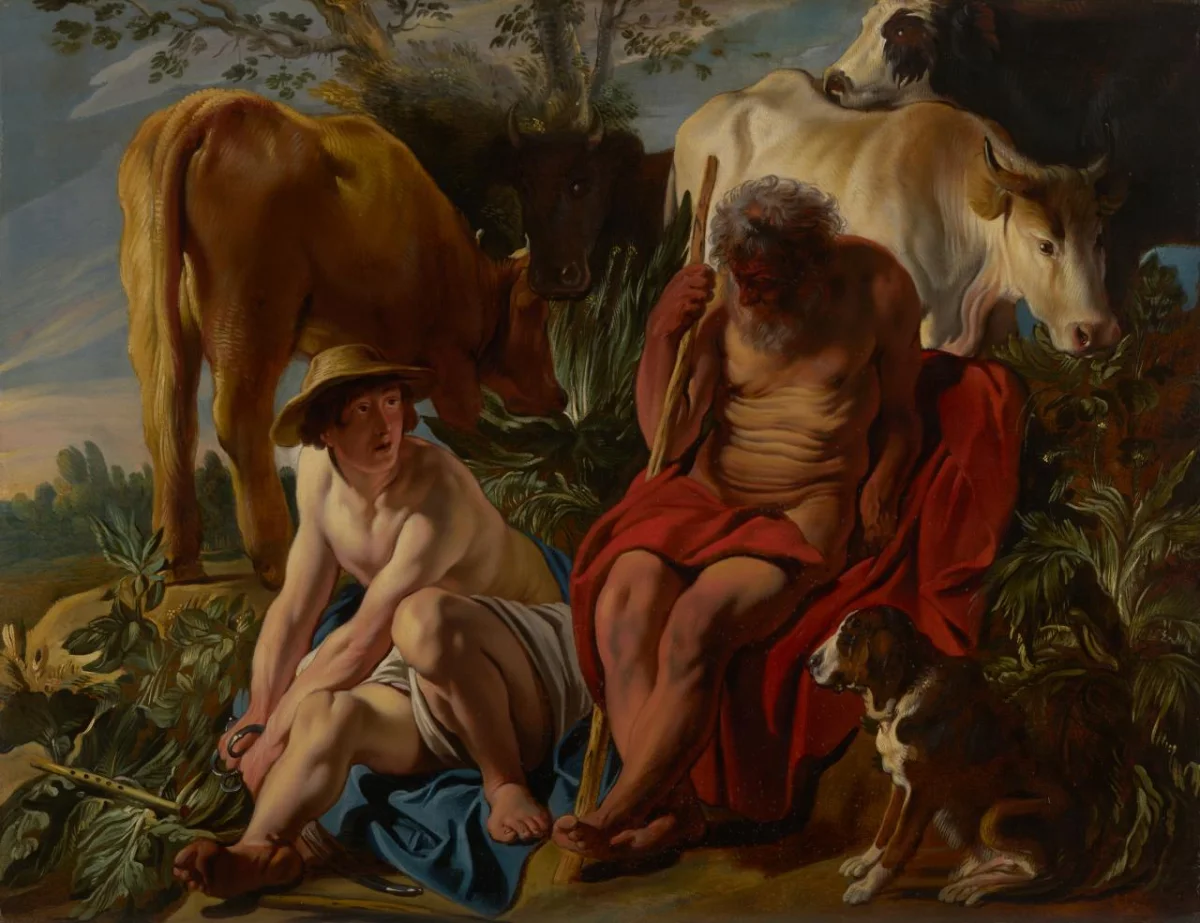
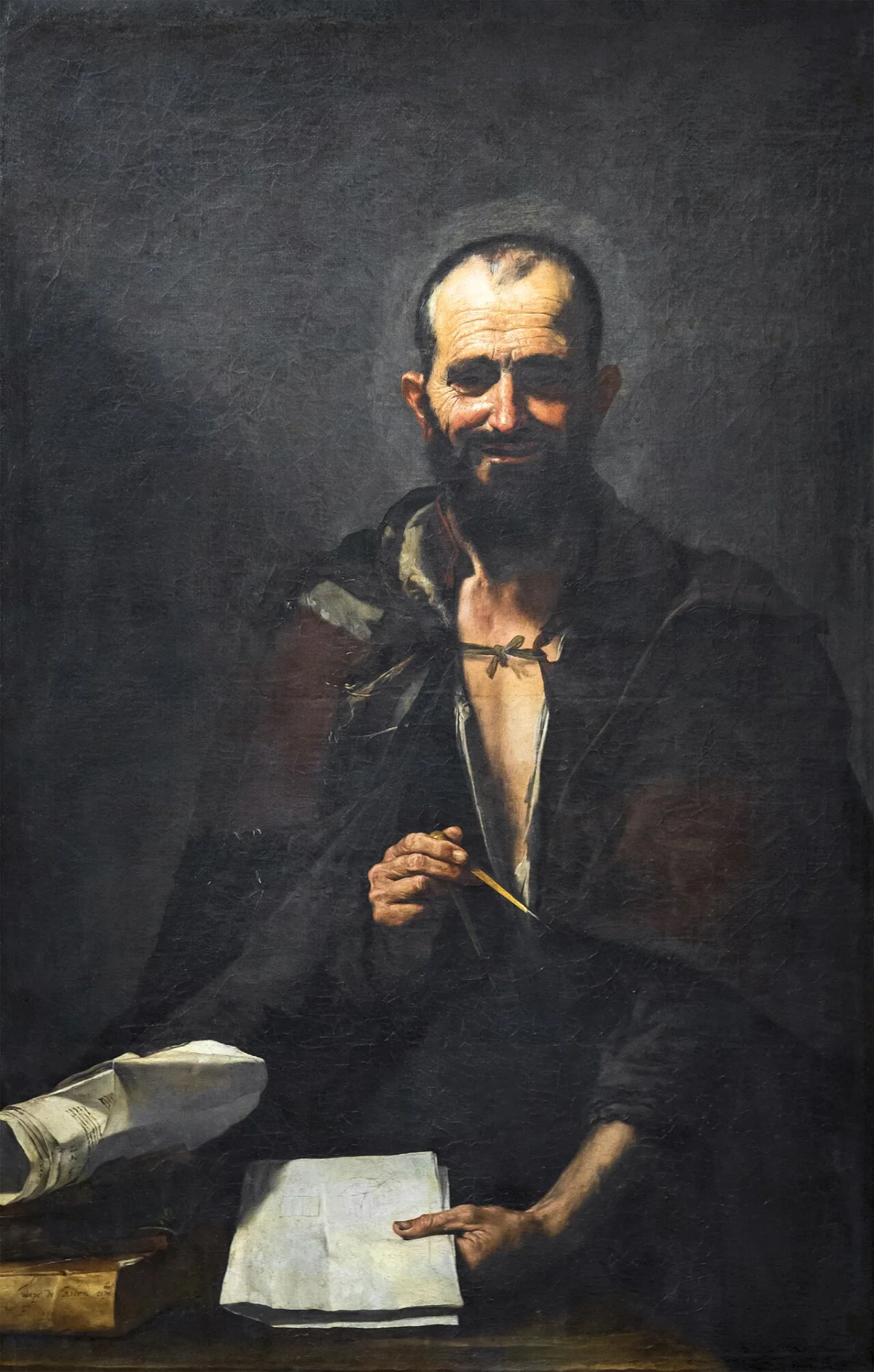
In “Breakfast,” Velazquez weaves narratives and symbols into the fabric of daily existence, inviting viewers to ponder the social and cultural contexts of the scene. The fine art painting for sale reveals more than just a meal; it subtly comments on class, interaction, and human presence. Collectors often pair this masterpiece with related works such as “Mercury and Argus” and “Democritus” to explore the depth and storytelling found in Velazquez’s Realism.
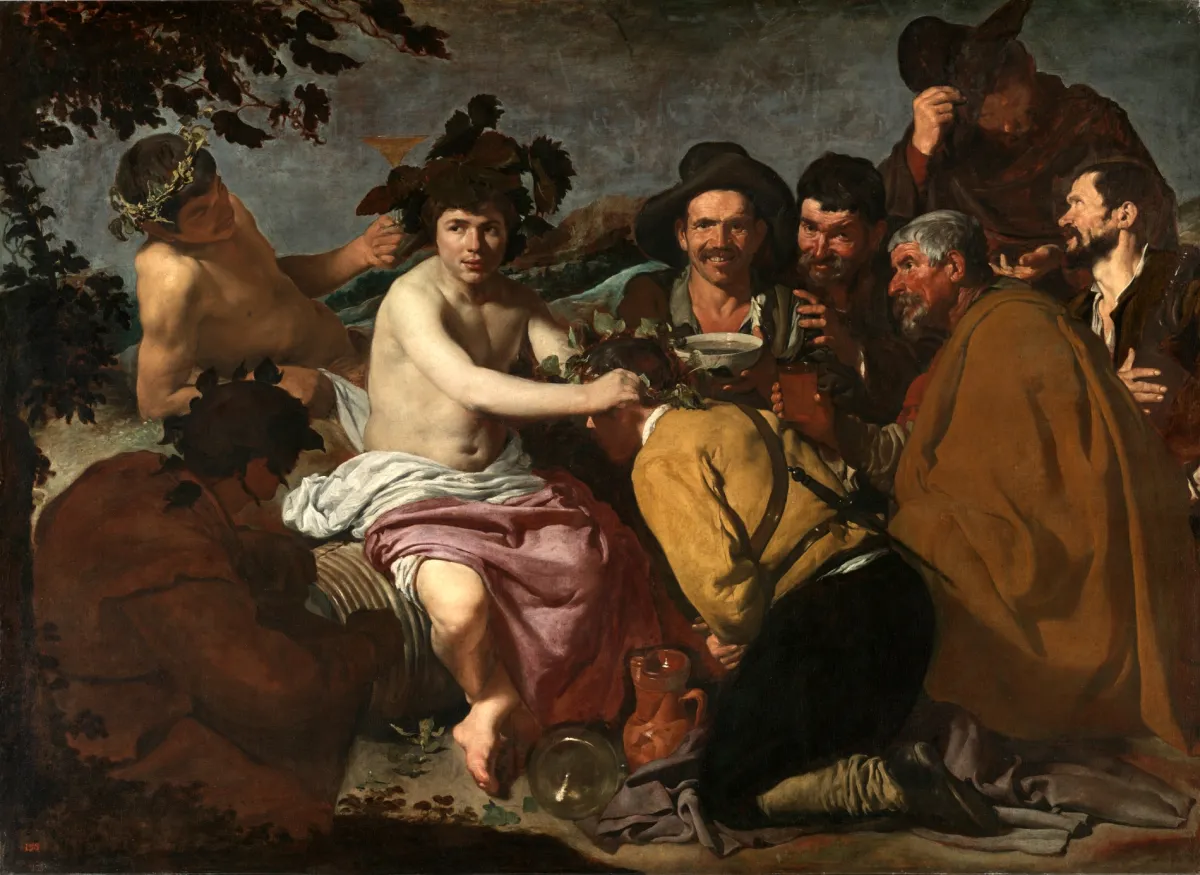
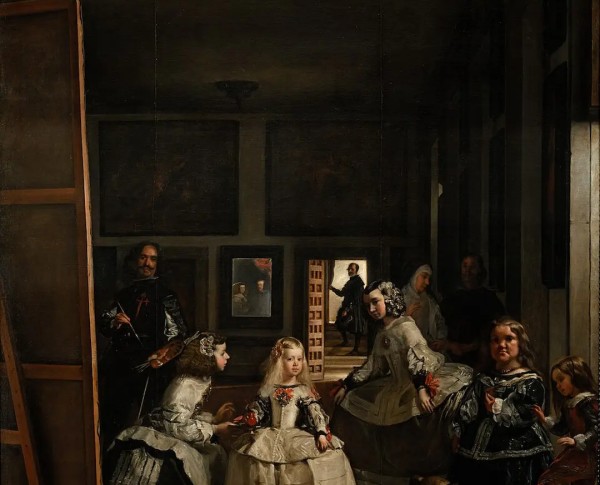
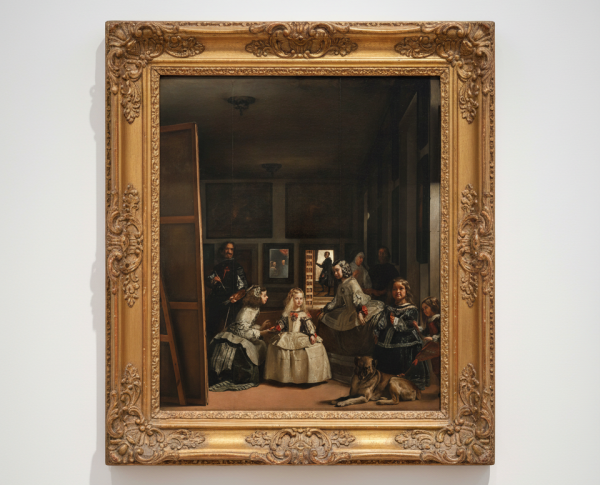
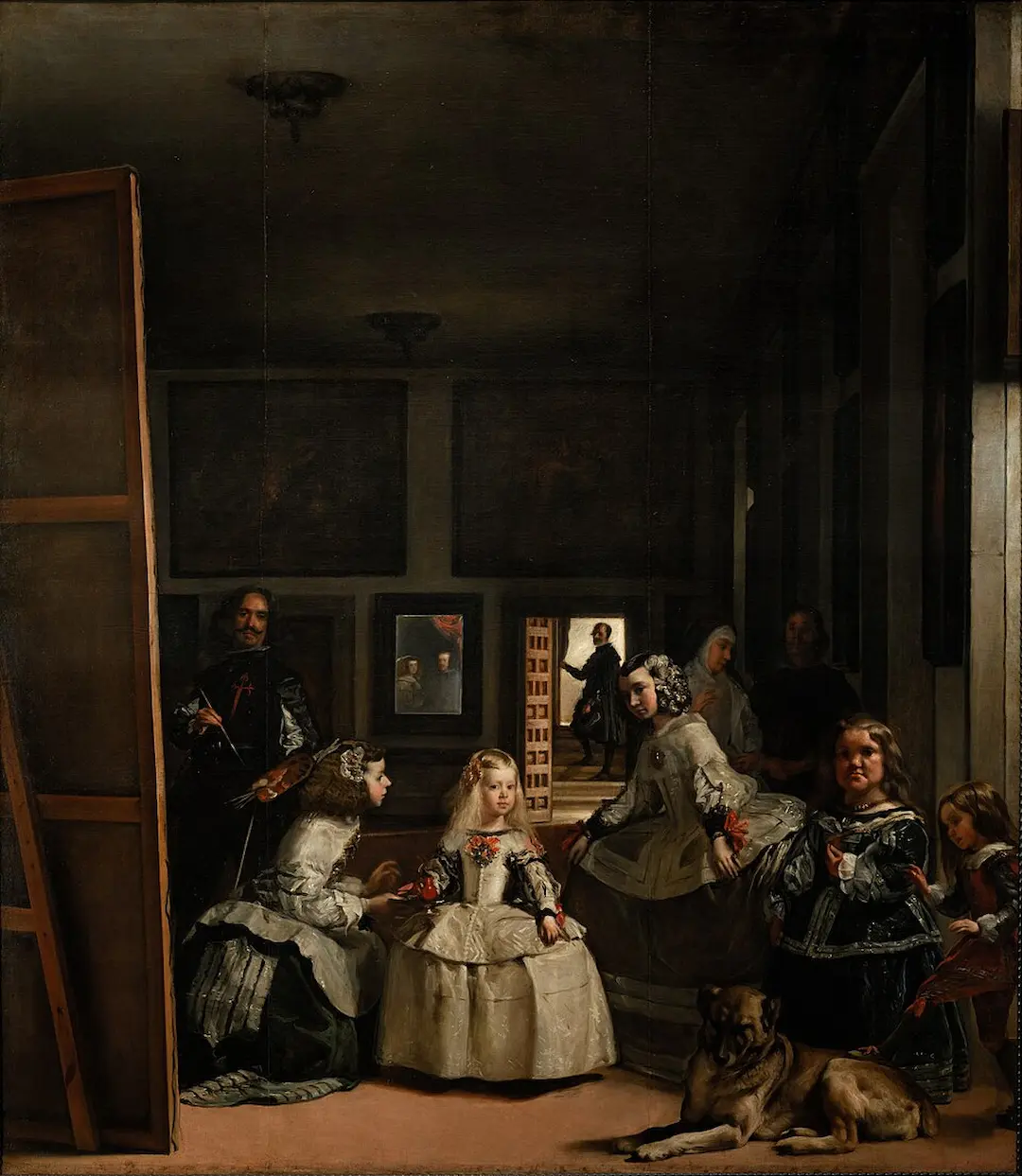
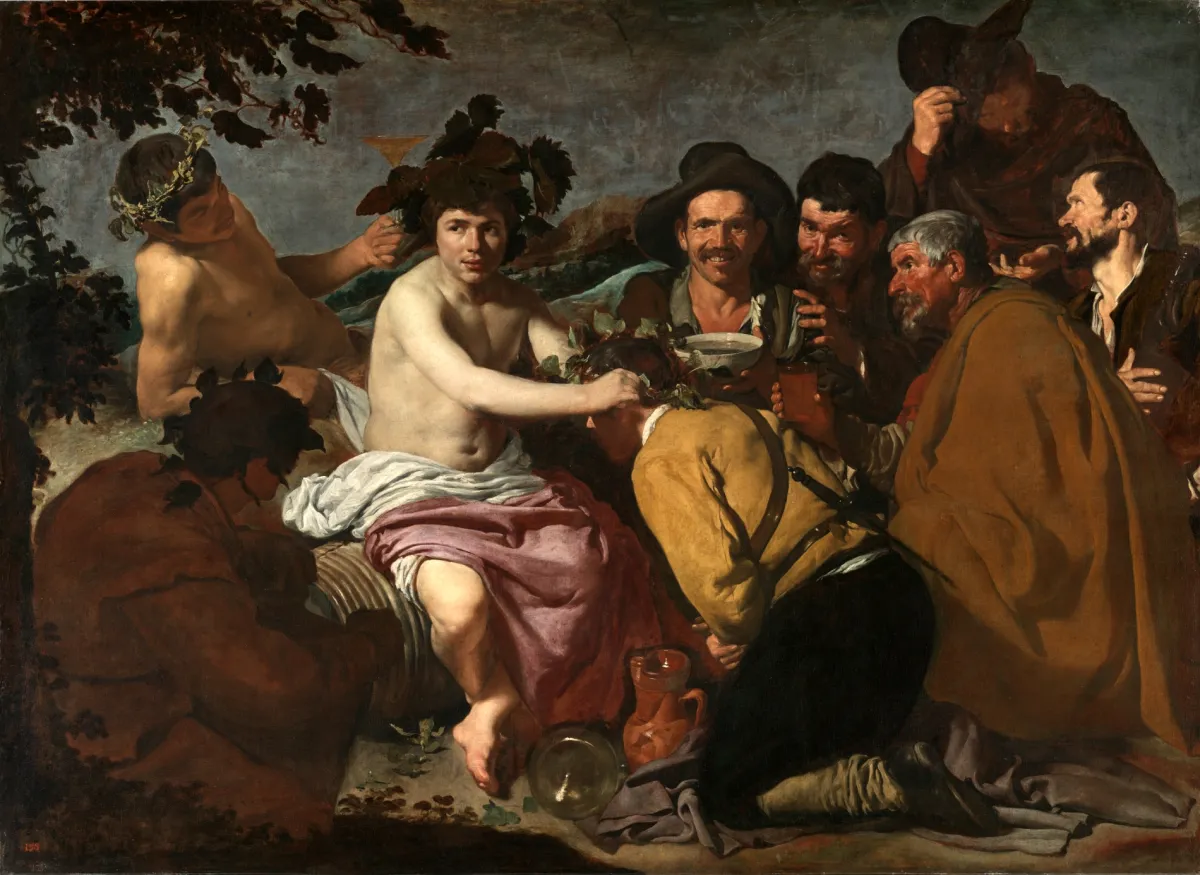
Owning “Breakfast” by Diego Velazquez means possessing a remarkable piece of the Realism movement’s legacy. This hand-painted oil painting not only adds historical value but also enhances any art collection with its exquisite technique and narrative power. Collectors seeking to expand their repertoire may consider other Velazquez masterpieces like “Las Meninas” and “The Triumph of Bacchus,” further celebrating the enduring allure of fine art painting for sale.
When Art Meets History
"Breakfast" by Diego Rodriguez de Silva y Velazquez stands as a testament to the Realism movement, capturing everyday moments with striking clarity. This hand-painted oil painting immerses viewers in the subtle details of 17th-century life, much like Velazquez's contemporaries who focused on ordinary subjects. Related works such as "The Winnower" and "Peasant and peddler" also reflect this dedication to authenticity, making "Breakfast" a significant piece in the evolution of realistic art.
Techniques That Speak
Velazquez’s mastery is evident in the "Breakfast" oil on canvas, where deft brushwork and a nuanced palette bring texture and depth to the scene. The artist’s technique, a hallmark of the Realism movement, achieves lifelike representation and atmospheric perspective. Comparable to pieces like "Breezing Up (or A Fair Wind)" and "The absinthe drinker," the painting’s composition and light manipulation showcase Velazquez’s innovative approach, setting his work apart in the world of fine art.
Emotions on Display
"Breakfast" resonates with viewers through its honest portrayal of human interaction, a core attribute of the Realism movement. The figures’ subtle gestures and expressions invite empathy, echoing the emotional depth found in "The Sergeant" and other related paintings. This fine art painting for sale not only displays technical prowess but also captures the quiet dignity and warmth of daily existence, making it a deeply moving and relatable masterpiece by Velazquez.
Coveted by Collectors
Collectors and enthusiasts highly value "Breakfast" for its historical significance and exquisite craftsmanship. As a hand-painted oil painting, it exemplifies Velazquez’s contribution to Realism and stands alongside masterpieces like "The Winnower" and "The absinthe drinker." The painting’s authenticity and enduring appeal make it a sought-after gem, reinforcing its status as a prized oil on canvas within the global market for fine art painting for sale.
Related Realism Hand-Painted Oil Paintings by Other Artists
Other Famous Realism Artists:
Frequently Asked Questions About Breakfast
What is the historical context of "Breakfast" by Velazquez?
"Breakfast" was painted during the early 17th century, a time when Spain was a dominant cultural and political force in Europe. Velazquez, as a court painter, was influenced by the Baroque style, which emphasized realism and dramatic effects.
What artistic techniques did Velazquez employ in "Breakfast"?
Velazquez utilized chiaroscuro to create depth and volume, along with a loose brushwork that adds to the painting's realism. His mastery of light and shadow enhances the three-dimensionality of the figures and objects depicted.
What themes are explored in "Breakfast"?
The painting explores themes of domesticity and leisure, capturing a moment of everyday life. It reflects the importance of social gatherings and the enjoyment of simple pleasures, such as sharing a meal.
Who are the figures depicted in "Breakfast"?
The figures in "Breakfast" are believed to represent members of the Spanish nobility, showcasing their attire and lifestyle. The interaction among the figures suggests a narrative of camaraderie and social connection.
What is the significance of the objects in "Breakfast"?
The objects, such as the food and utensils, symbolize abundance and the pleasures of life. They also serve to enhance the painting's realism, inviting viewers to appreciate the details of everyday existence.
How does "Breakfast" reflect Velazquez's style compared to his other works?
"Breakfast" showcases Velazquez's signature style of realism and attention to detail, similar to his other works. However, it also highlights his ability to capture intimate moments, setting it apart from his more formal portraits.
What role does color play in "Breakfast"?
Color in "Breakfast" is used to create mood and atmosphere. Velazquez employs a warm palette that evokes a sense of comfort and familiarity, enhancing the inviting nature of the scene.
How does "Breakfast" exemplify Baroque art?
The painting exemplifies Baroque art through its dynamic composition, realistic portrayal of figures, and emotional depth. Velazquez's attention to detail and use of light also reflect the Baroque emphasis on dramatic expression.
What impact did "Breakfast" have on later artists?
"Breakfast" influenced later artists by demonstrating the power of realism and the importance of everyday subjects in art. Velazquez's techniques inspired movements such as Impressionism and Realism, encouraging artists to explore similar themes.
Where can I view "Breakfast" today?
"Breakfast" is housed in a prominent art institution, where it is part of a collection that celebrates the works of Velazquez and other masters of the Baroque period. Visitors can appreciate the painting in person and explore its historical significance.























_GFM_Painting_(1).webp)


 100% Hand-Painted: Finished in 3-6 Weeks

.png)















_(1).webp)