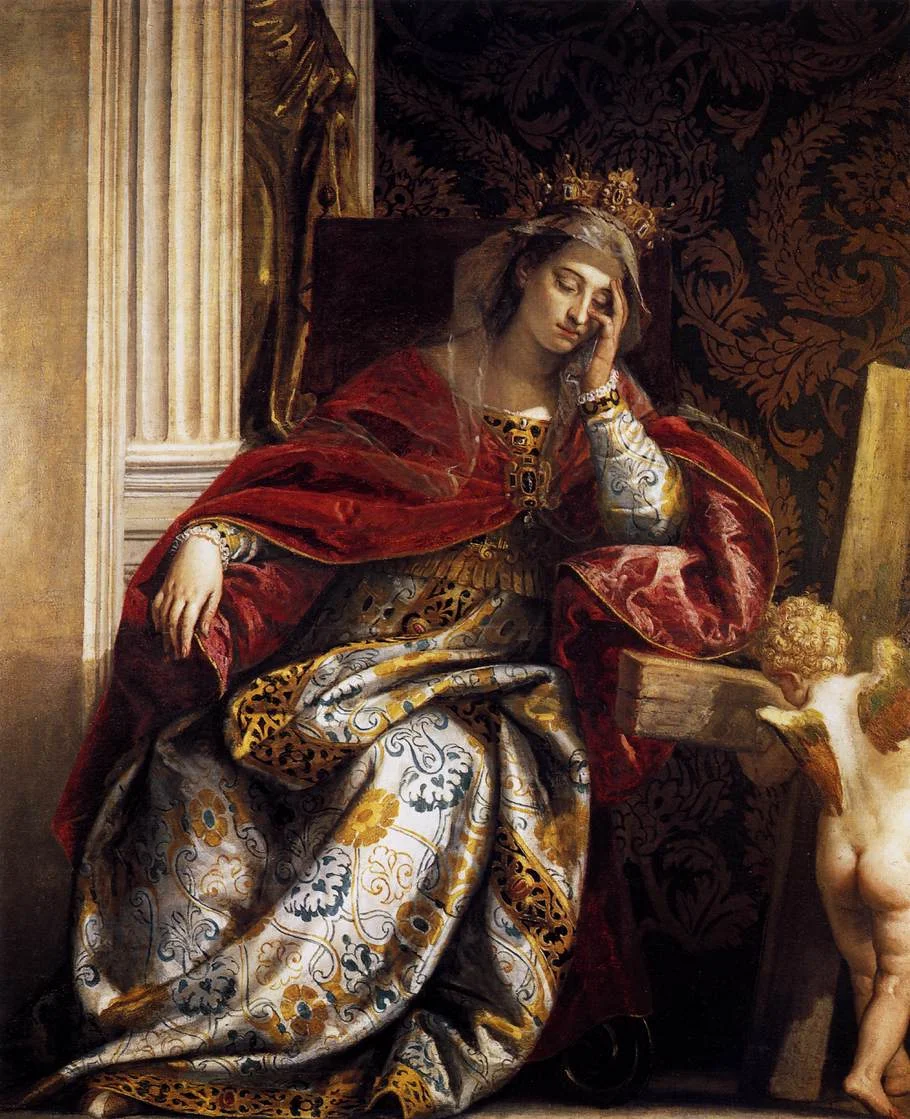
Paolo Veronese’s "The Vision of St Helena" showcases his superb command of oil on canvas, a medium favored by Renaissance artists for its versatility and depth. Every brushstroke reveals Veronese’s attention to detail and mastery of color, creating a luminous effect that brings the narrative to life. The artist’s technique in this oil on canvas work is comparable to his other celebrated paintings such as "St John the Evangelist" and "Minerva between the Geometry and Arithmetic."
This fine art painting for sale is imbued with symbolism and storytelling, hallmarks of Renaissance artistry. "The Vision of St Helena" depicts the saint’s legendary dream, with intricate details that invite viewers to explore its spiritual significance. Paolo Veronese’s use of light and composition guides the eye through the narrative, much like in his works "St Luke" and "Iseppo and Adriano da Porto." Each element enriches the painting’s timeless message.
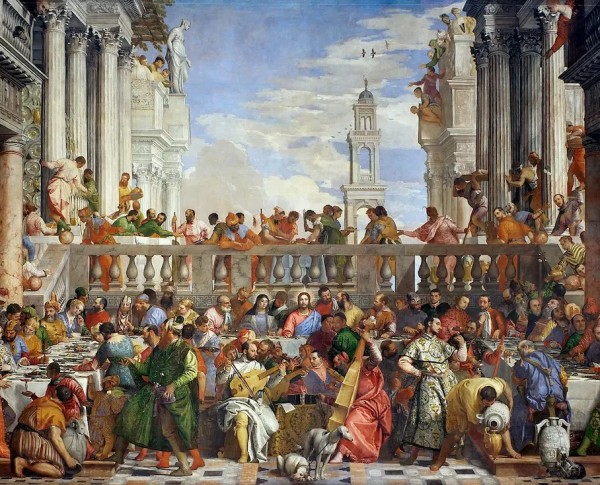
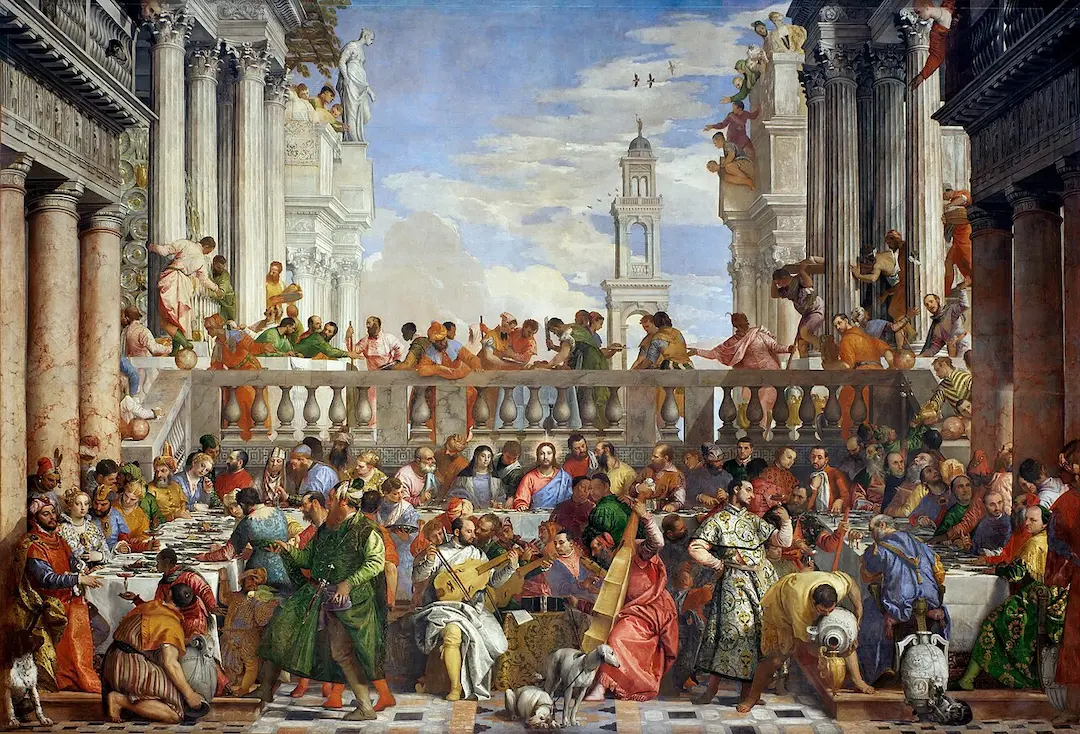
For art collectors and enthusiasts, "The Vision of St Helena" by Paolo Veronese is a coveted fine art painting for sale. Its connection to the Renaissance movement and the artist’s celebrated oeuvre make it a valuable acquisition. Owning such a masterpiece allows collectors to appreciate the genius of Veronese alongside related products like "The Wedding at Cana" or "St Mark," each representing the pinnacle of Renaissance oil painting.
When Art Meets History
"The Vision of St Helena" by Paolo Veronese is a remarkable example of Renaissance mastery, blending religious narrative with exquisite artistry. This hand-painted oil painting captures the moment when St Helena discovers the True Cross, a theme resonant with the era's fascination for history and faith. Veronese, renowned for works like "Portrait of a Man" and "Portrait of Ariosto," uses his signature style to bring to life the spiritual vision that defined much of Renaissance fine art.
Techniques That Speak
Paolo Veronese’s technique in "The Vision of St Helena" demonstrates the artist’s exceptional command of oil on canvas. His use of vibrant colors, intricate detailing, and dramatic lighting reflects the hallmarks of Renaissance art. Similar to his approach in "Portrait of a Woman" and "Concert Champetre," Veronese’s brushwork and composition invite viewers to appreciate the depth and realism that define this period. Such technical mastery makes each oil on canvas an enduring treasure.
Emotions on Display
In "The Vision of St Helena," Veronese conveys profound emotion through the saint’s expressive face and poised gesture. The painting’s serene yet awe-struck mood aligns with his evocative portraits, such as "Philip II of Spain." This fine art painting for sale not only tells a story but also invites viewers to connect with St Helena’s spiritual awakening. Veronese’s ability to portray emotion is a testament to his prominence in the Renaissance movement.
Coveted by Collectors
Works like "The Vision of St Helena" are highly sought after, appealing to collectors of Renaissance masterpieces. The painting’s historical significance, combined with Veronese’s artistry, elevates its status among fine art painting for sale. Collectors often seek related paintings, including "Portrait of Ariosto" and "Portrait of a Man," to complement their collections. Veronese’s enduring legacy ensures that his hand-painted oil paintings remain prized treasures in the art world.
Related Renaissance Hand-Painted Oil Paintings by Other Artists
Other Famous Renaissance Artists:
Frequently Asked Questions About The Vision of St Helena
What is the historical significance of The Vision of St Helena?
The Vision of St Helena is significant as it depicts the legendary moment when St Helena, the mother of Emperor Constantine, discovered the True Cross. This event is pivotal in Christian history, symbolizing the triumph of Christianity over paganism.
Who was Paolo Veronese and what is his contribution to art?
Paolo Veronese was a prominent Italian Renaissance painter known for his large-scale history paintings and vibrant use of color. His works often reflect the grandeur of Venetian art and contribute significantly to the Baroque style that followed.
What artistic techniques are employed in The Vision of St Helena?
Veronese employs a variety of artistic techniques in this painting, including dramatic use of light and shadow (chiaroscuro), rich color palettes, and meticulous attention to detail, which together create a sense of depth and movement.
What symbols are present in The Vision of St Helena?
The painting is rich with symbolism, including the cross, which represents faith and redemption, and the presence of angels, symbolizing divine intervention. St Helena herself symbolizes devotion and the pursuit of truth.
In what context was The Vision of St Helena created?
The Vision of St Helena was created during the late Renaissance period, a time when religious themes were prevalent in art. It reflects the Counter-Reformation's emphasis on the importance of saints and the veneration of holy relics.
How does The Vision of St Helena reflect the characteristics of Venetian painting?
This painting exemplifies Venetian painting through its vivid colors, intricate compositions, and the use of light to enhance the emotional impact of the scene. Veronese's work often showcases the opulence and theatricality characteristic of the Venetian school.
What is the composition of The Vision of St Helena?
The composition is dynamic, featuring a triangular arrangement that draws the viewer's eye towards the central figure of St Helena. The use of diagonal lines and varied perspectives creates a sense of movement and drama within the scene.
What influences can be seen in Veronese's style in this painting?
Veronese's style in The Vision of St Helena shows influences from both the High Renaissance and Mannerism, characterized by a balance of idealized forms and expressive gestures, as well as a focus on elaborate settings and costumes.
What is the significance of the colors used in The Vision of St Helena?
The colors in this painting are significant as they convey emotional depth and highlight the spiritual themes. The use of gold and rich reds symbolizes divinity and power, while softer hues evoke a sense of serenity and reverence.
How has The Vision of St Helena influenced later artists?
The Vision of St Helena has influenced later artists by setting a standard for the dramatic portrayal of religious subjects. Veronese's innovative use of color and composition has inspired generations of painters in their approach to narrative and emotional expression in art.






















_GFM_Painting_(1).webp)


 100% Hand-Painted: Finished in 3-6 Weeks

.png)


















_(1).webp)