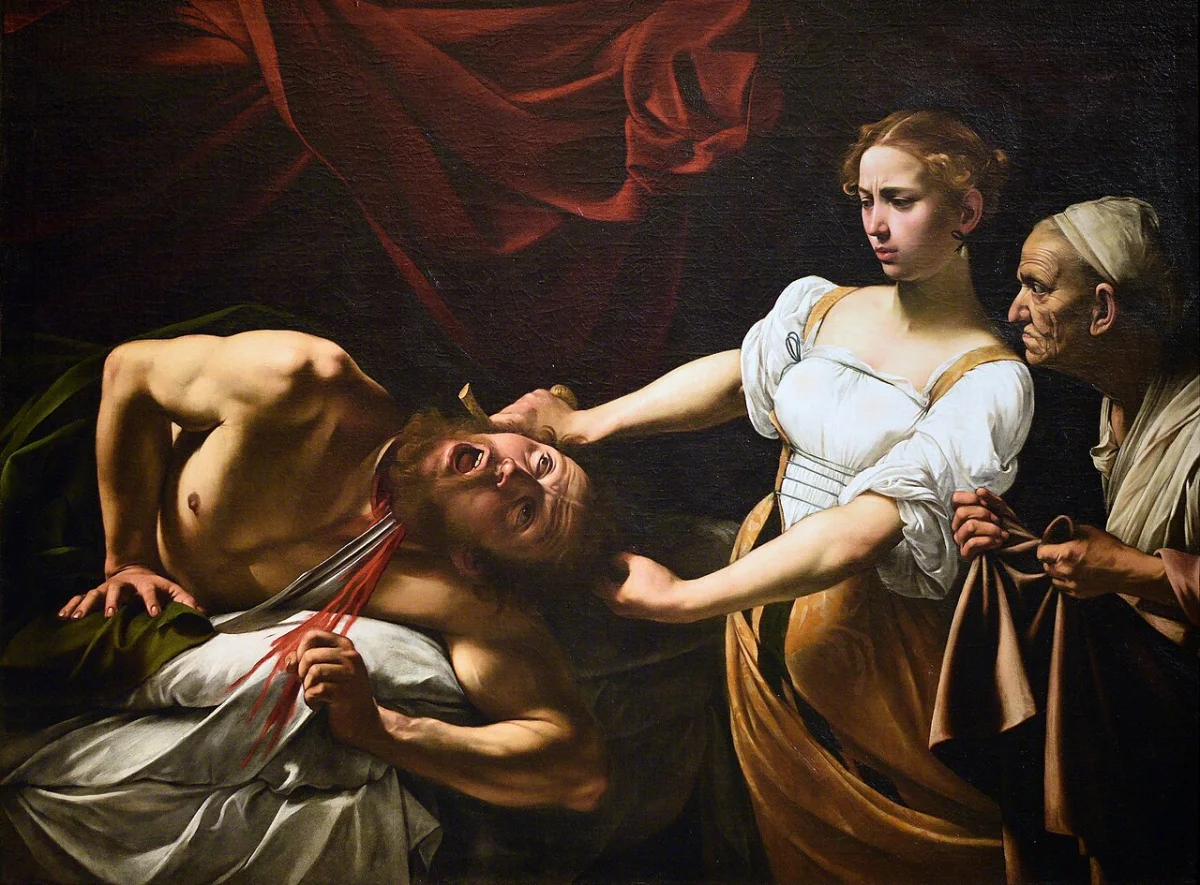
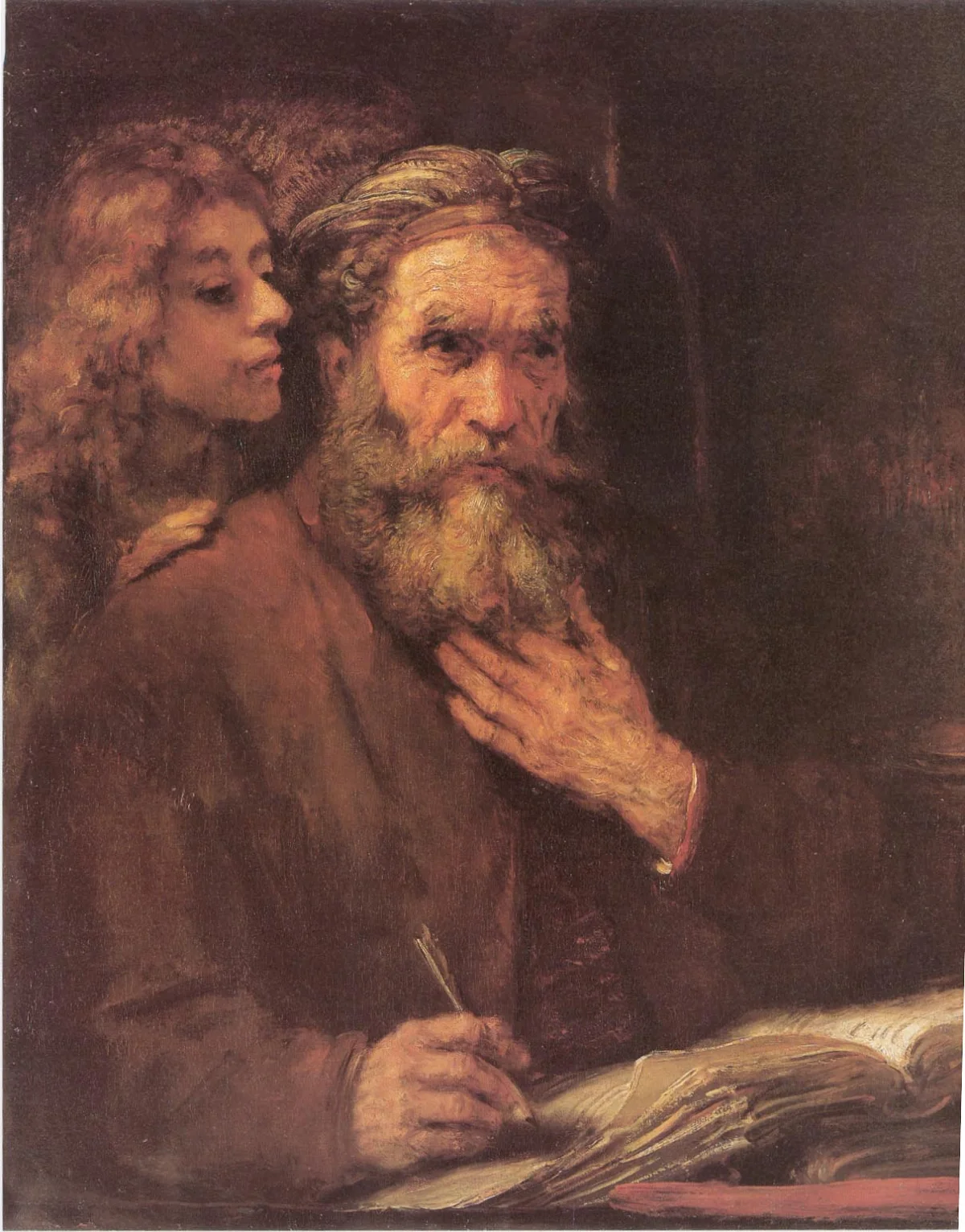
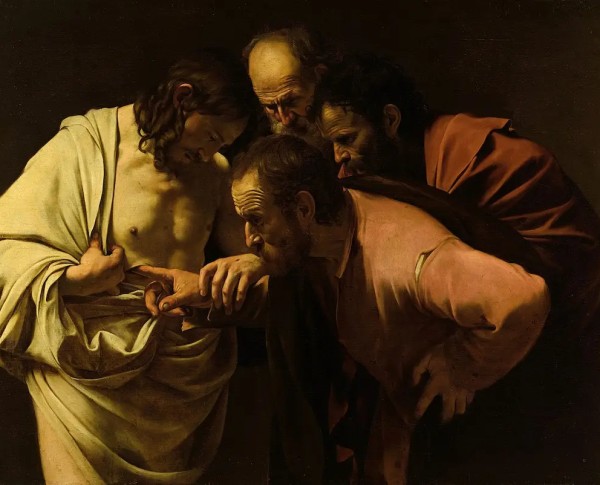
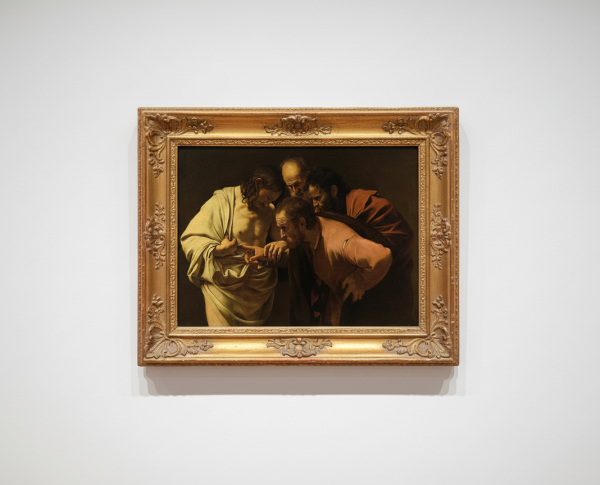
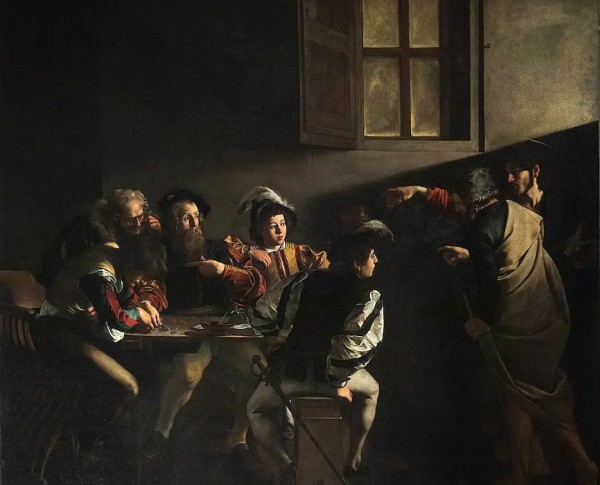
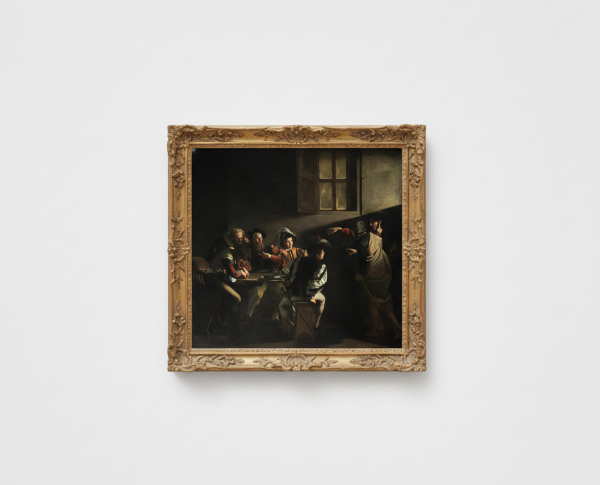
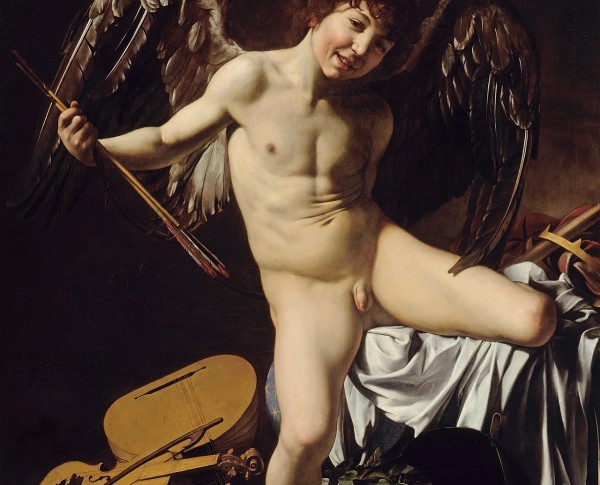
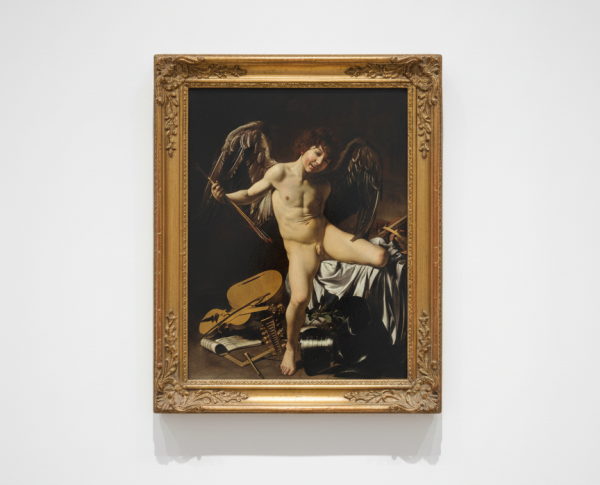
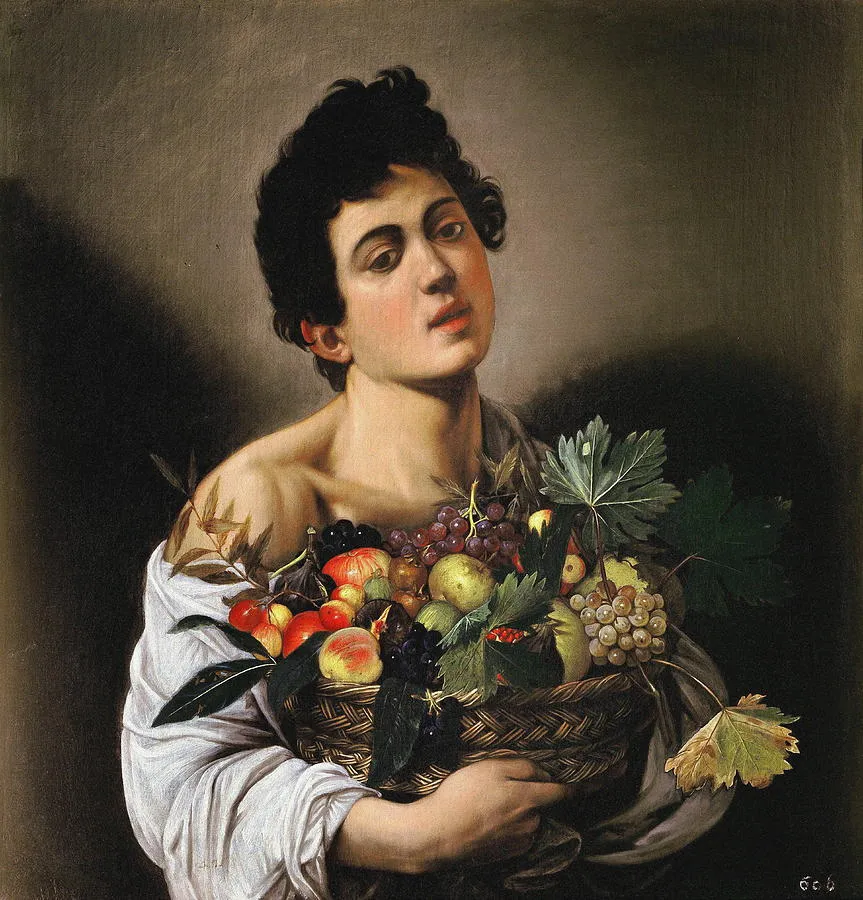
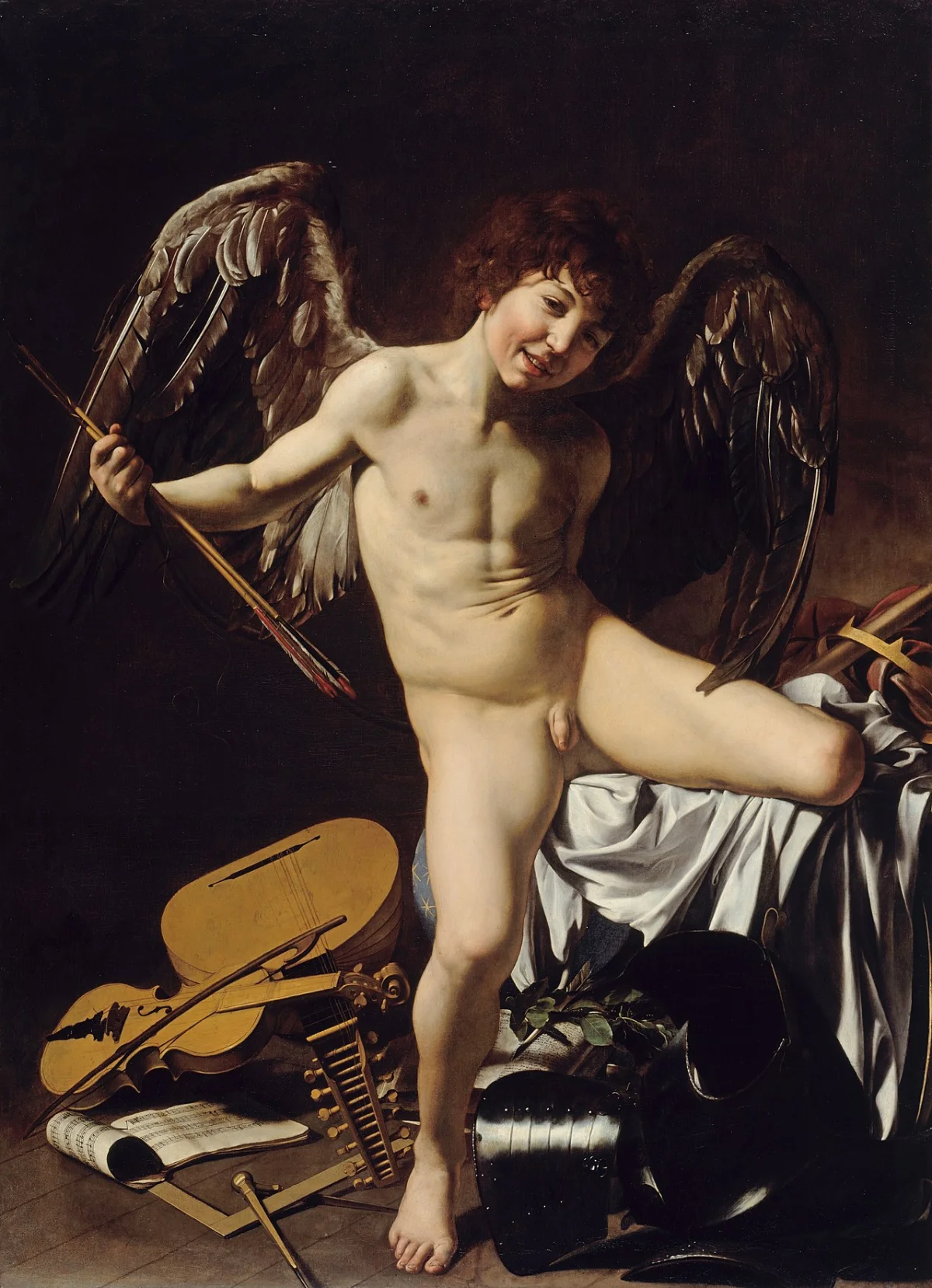
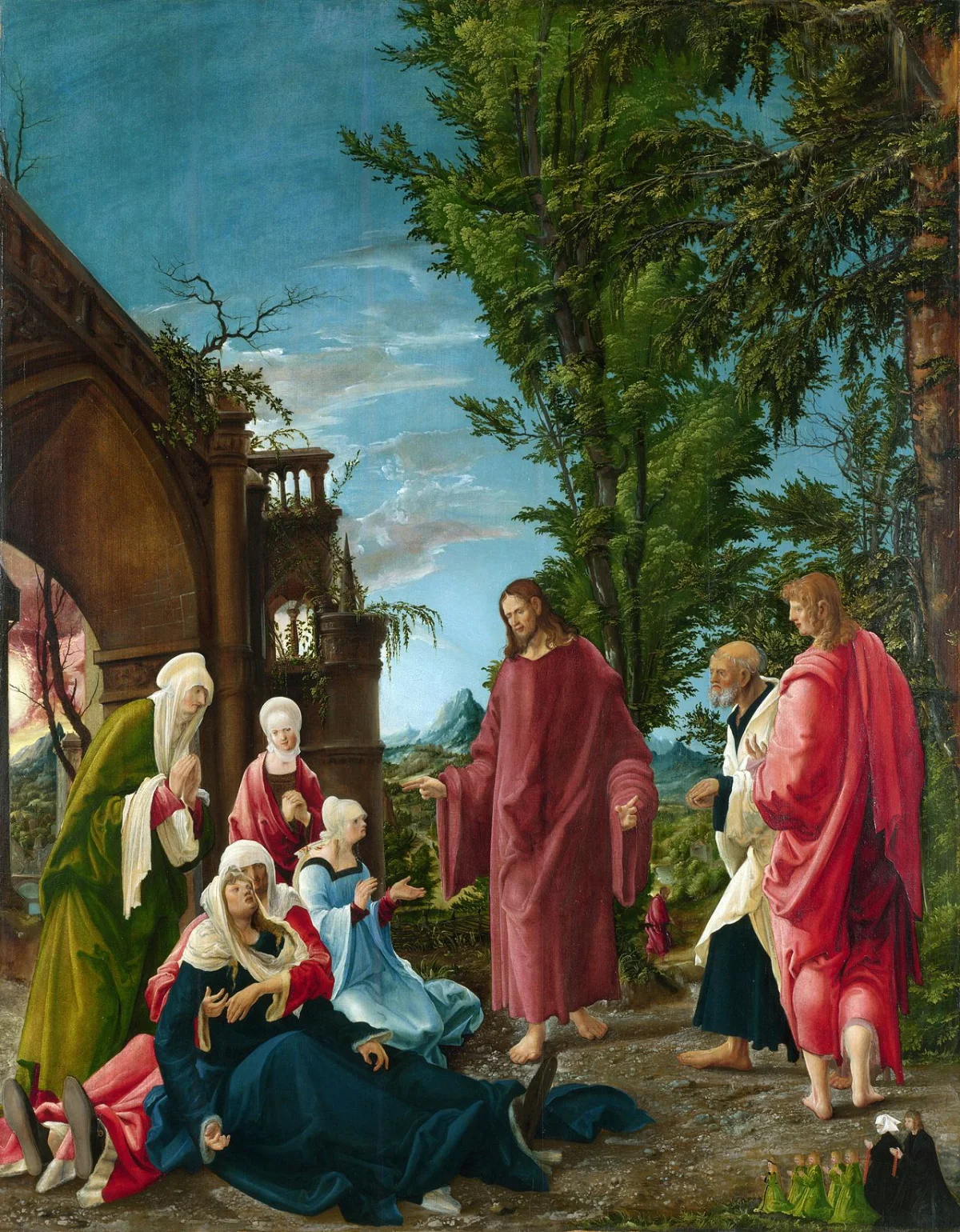
With meticulous attention to detail, Caravaggio’s "Boy with a Basket of Fruit" demonstrates the artist’s signature technique with oil on canvas. The lifelike textures of the fruit and the gentle rendering of the boy’s features reflect the mastery that defines Baroque painting. For those searching for a fine art painting for sale, works such as "Amor Vincit Omnia" and "Doubting Thomas" offer similar virtuosity and emotional depth, making them highly desirable additions to any art collection.
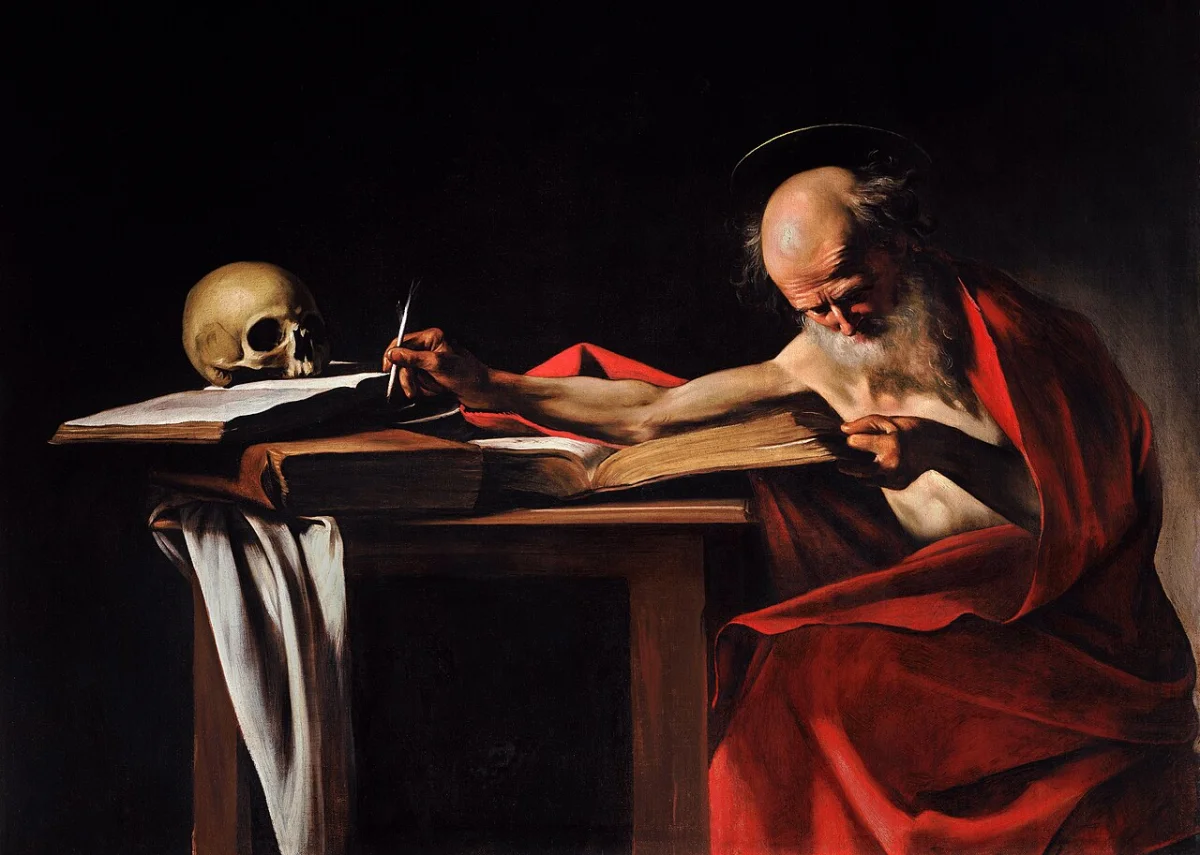
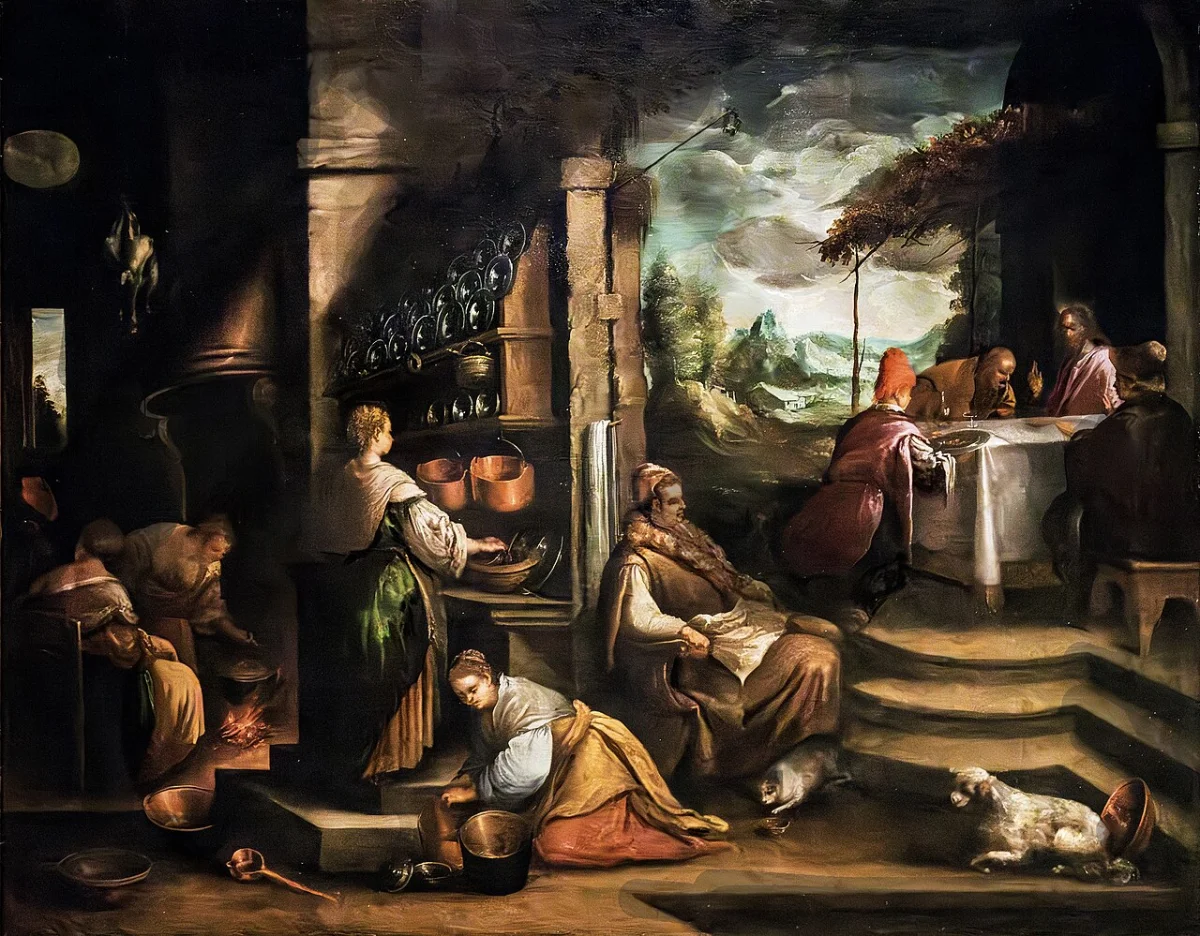
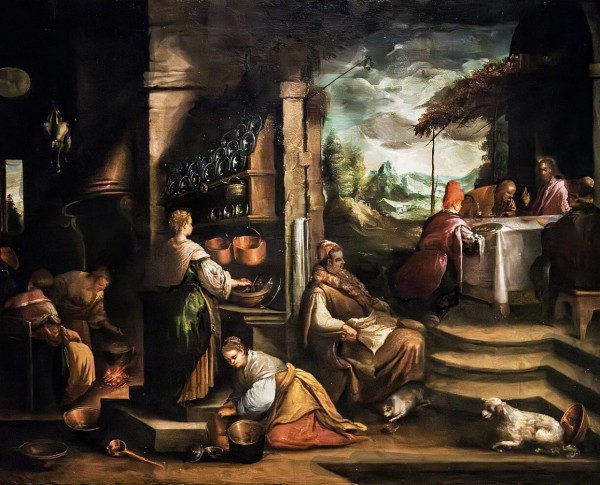
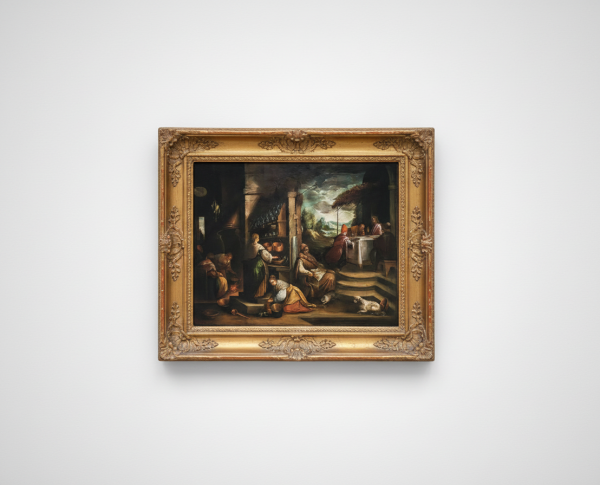
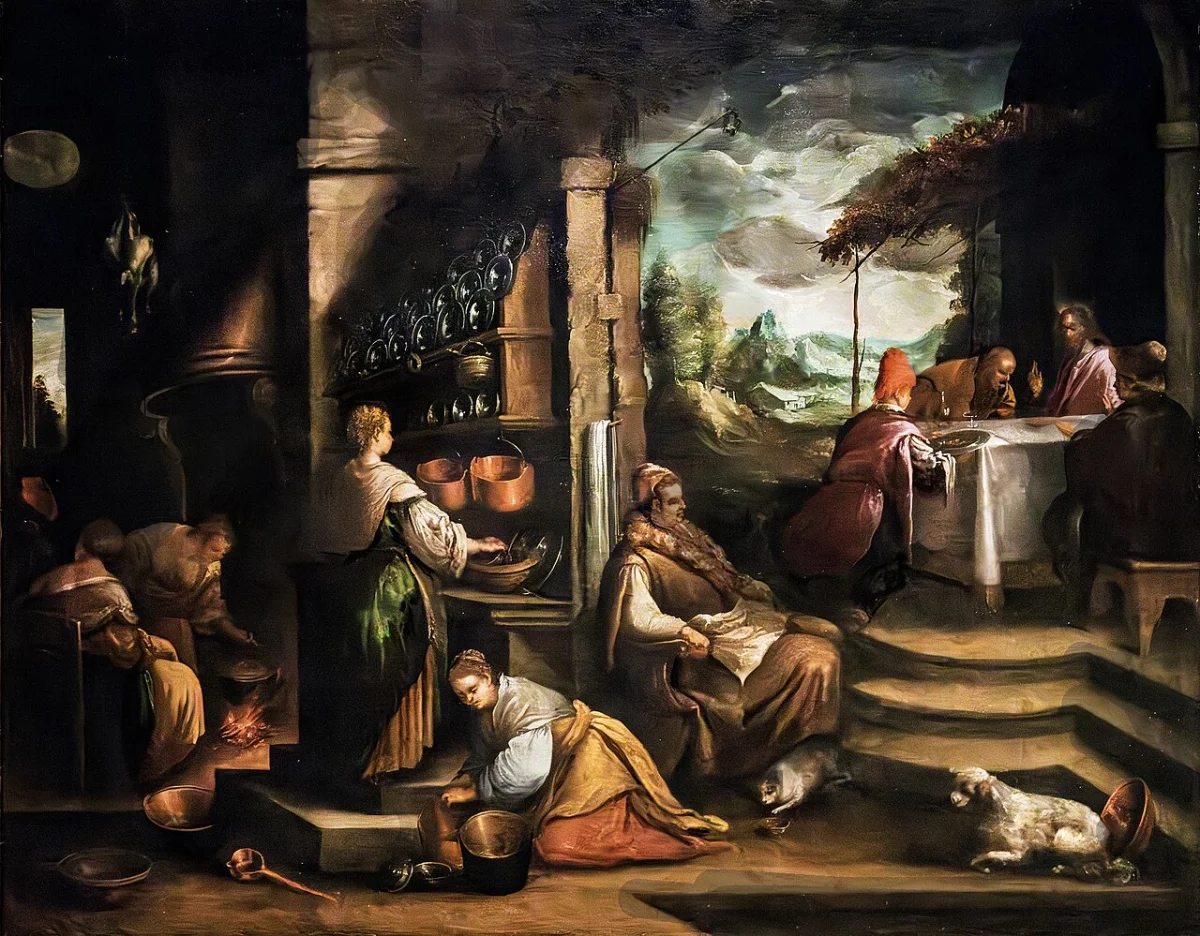
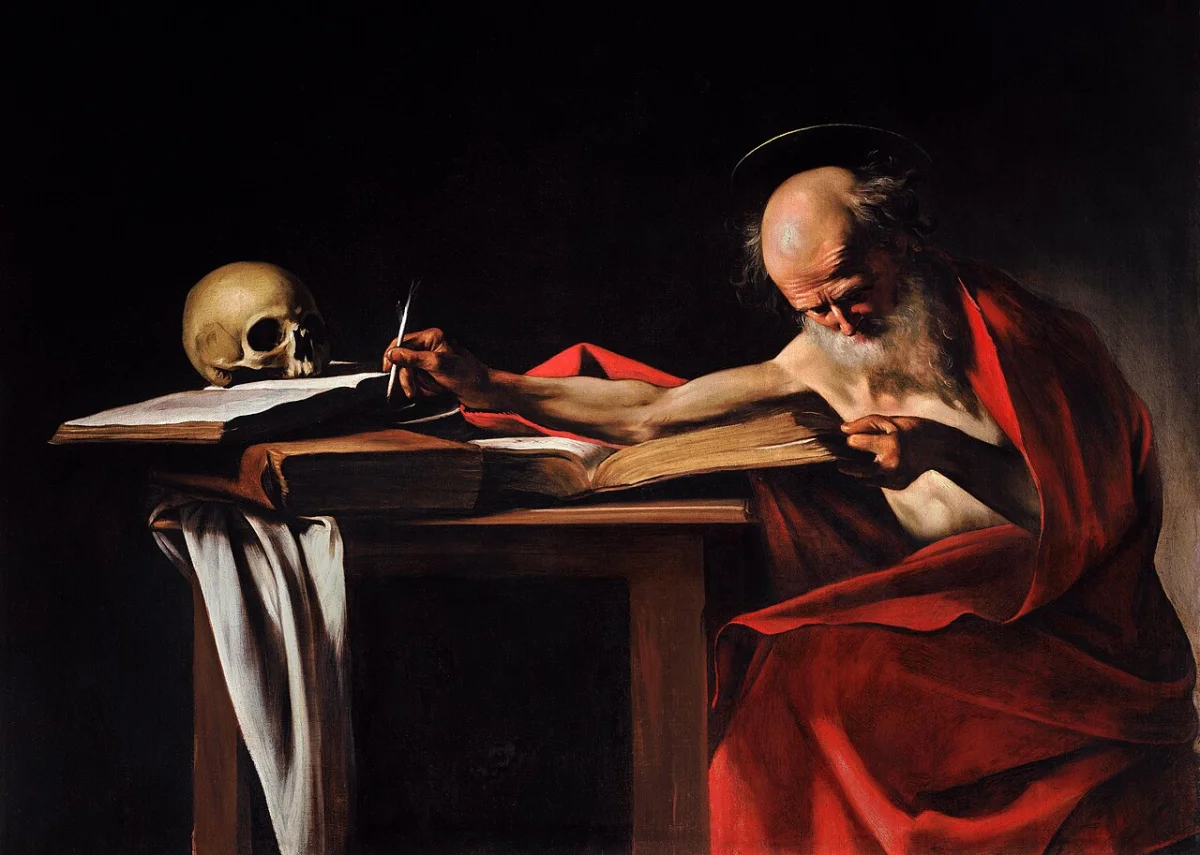
Owning "Boy with a Basket of Fruit" by Caravaggio is a unique opportunity for any art enthusiast. This oil on canvas masterpiece, rooted in the Baroque movement, stands alongside related treasures like "Supper at Emmaus" and "Saint Jerome Writing." Discerning collectors searching for a fine art painting for sale often gravitate toward Caravaggio’s works, appreciating the timeless value and historical significance each piece brings to a curated collection.
When Art Meets History
Caravaggio’s "Boy with a Basket of Fruit" stands as a remarkable hand-painted oil painting from the Baroque movement. Created around 1593, this masterpiece captures the spirit of its era, reflecting both the everyday life and the grandeur of the time. Caravaggio’s influence can be seen in related works such as "Self-Portrait" and "Arcadian Landscape," which also illustrate the dramatic realism and historical context that define Baroque art.
Techniques That Speak
Executed in oil on canvas, "Boy with a Basket of Fruit" showcases Caravaggio’s signature use of chiaroscuro, blending light and shadow to create depth and realism. The meticulous attention to detail in the fruit and the boy’s expression demonstrate the technical mastery synonymous with the Baroque movement. Comparable technique can be found in paintings like "Girl carrying Water" and "Holy Family," both celebrated for their vivid realism and dynamic composition.
Emotions on Display
In this fine art painting for sale, Caravaggio conveys a spectrum of emotions through the youthful subject’s gaze and posture. The boy’s subtle expression, combined with the lush bounty of fruit, evokes innocence tinged with melancholy—a hallmark of Baroque emotional intensity. Similar emotional depth appears in Caravaggio’s "Self-Portrait" and in works by contemporaries, such as "Teresa Francisca Mudarra y Herrera," each inviting viewers to reflect on the human condition.
Coveted by Collectors
"Boy with a Basket of Fruit" remains highly desirable among collectors of Baroque masterpieces, often sought after as a hand-painted oil painting. Its enduring appeal lies in Caravaggio's groundbreaking approach to realism and narrative. Collectors also pursue related paintings like "Arcadian Landscape" and "Holy Family," recognizing their significance in art history and their ability to enhance any collection with the timeless beauty of Baroque fine art.
Related Baroque Hand-Painted Oil Paintings by Other Artists
Other Famous Baroque Artists:
Frequently Asked Questions About Boy with a Basket of Fruit
What is the historical context of "Boy with a Basket of Fruit"?
"Boy with a Basket of Fruit" was painted by Caravaggio around 1593-1594, during the Italian Baroque period. This era was characterized by dramatic use of light and shadow, as well as a focus on realism and emotion in art.
What are the main artistic techniques used in this painting?
Caravaggio employed chiaroscuro, a technique that contrasts light and shadow, to create depth and volume in the figure. His use of naturalism is evident in the detailed depiction of the boy and the fruit, emphasizing the textures and colors.
What is the significance of the fruit in the painting?
The basket of fruit symbolizes abundance and the fleeting nature of life. It can also be interpreted as a metaphor for temptation, echoing themes of transience and the passage of time, which are prevalent in Baroque art.
How does Caravaggio's style differ from other artists of his time?
Caravaggio's style is marked by a stark realism and emotional intensity that set him apart from his contemporaries. Unlike the idealized forms of the Renaissance, he portrayed ordinary people and everyday scenes with raw honesty, often using common figures as models.
Who is the figure depicted in "Boy with a Basket of Fruit"?
The boy in the painting is believed to be a young model from Caravaggio's circle, possibly representing a servant or a street urchin. His expression and posture convey a sense of innocence and vulnerability.
What themes are explored in "Boy with a Basket of Fruit"?
The painting explores themes of youth, beauty, and mortality. The juxtaposition of the boy's youthful appearance with the ripe fruit suggests a commentary on the transient nature of life and the inevitability of aging.
How does "Boy with a Basket of Fruit" reflect Caravaggio's influence on Baroque art?
This painting exemplifies Caravaggio's influence on Baroque art through its dramatic realism and emotional depth. His approach to light and shadow, as well as his focus on human emotion, paved the way for future artists in the Baroque movement.
What is the significance of the boy's gaze in the painting?
The boy's gaze is direct and engaging, drawing the viewer into the scene. This connection enhances the emotional impact of the painting, inviting contemplation on themes of innocence and the passage of time.
What materials and techniques did Caravaggio use for this painting?
Caravaggio typically used oil on canvas for his works, allowing for rich color and detailed textures. His technique involved layering glazes to achieve depth and luminosity, which is evident in the vibrant depiction of the fruit.
How has "Boy with a Basket of Fruit" influenced modern art?
The painting has influenced modern art by inspiring artists to explore realism and emotional expression in their work. Caravaggio's innovative use of light and shadow continues to resonate with contemporary artists seeking to convey depth and narrative in their art.























_GFM_Painting_(1).webp)


 100% Hand-Painted: Finished in 3-6 Weeks

.png)















_(1).webp)