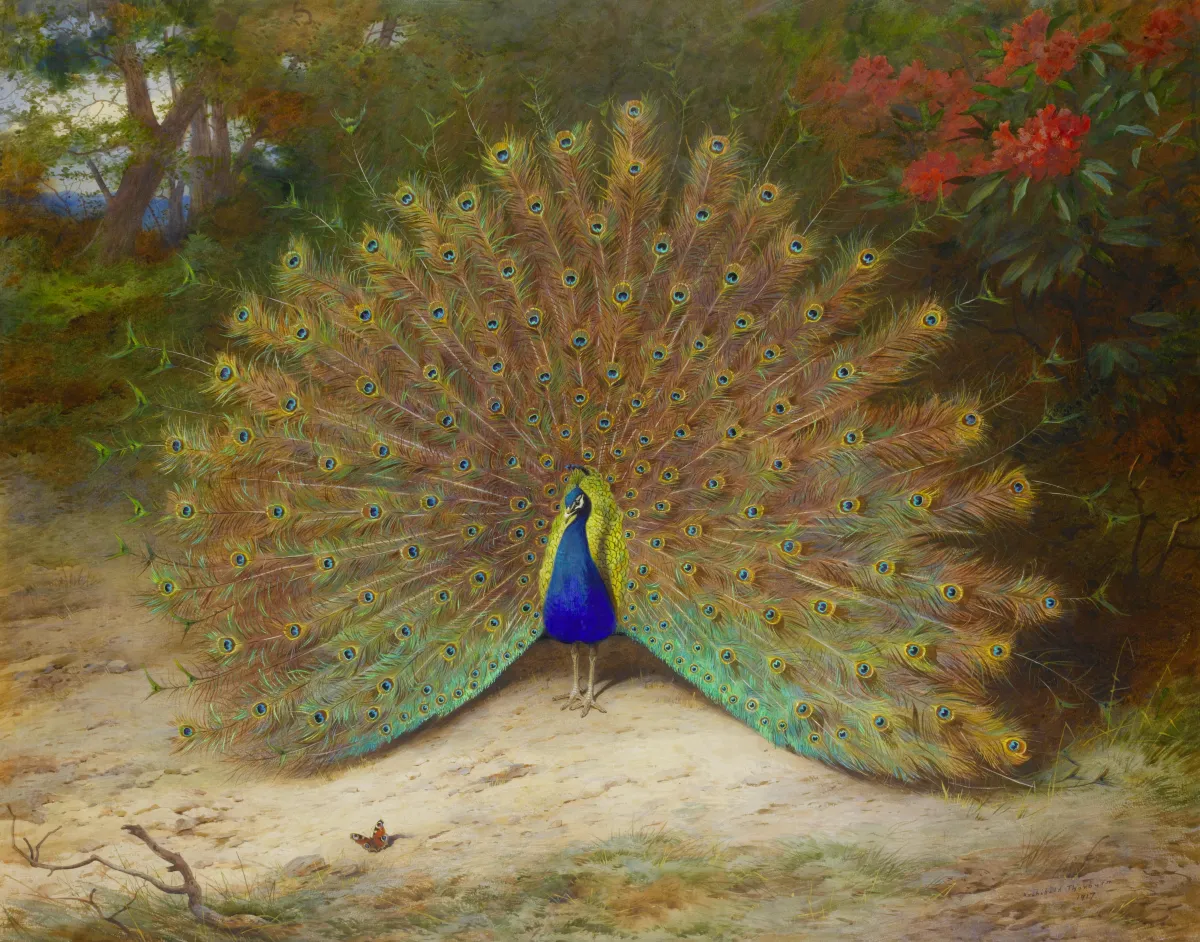
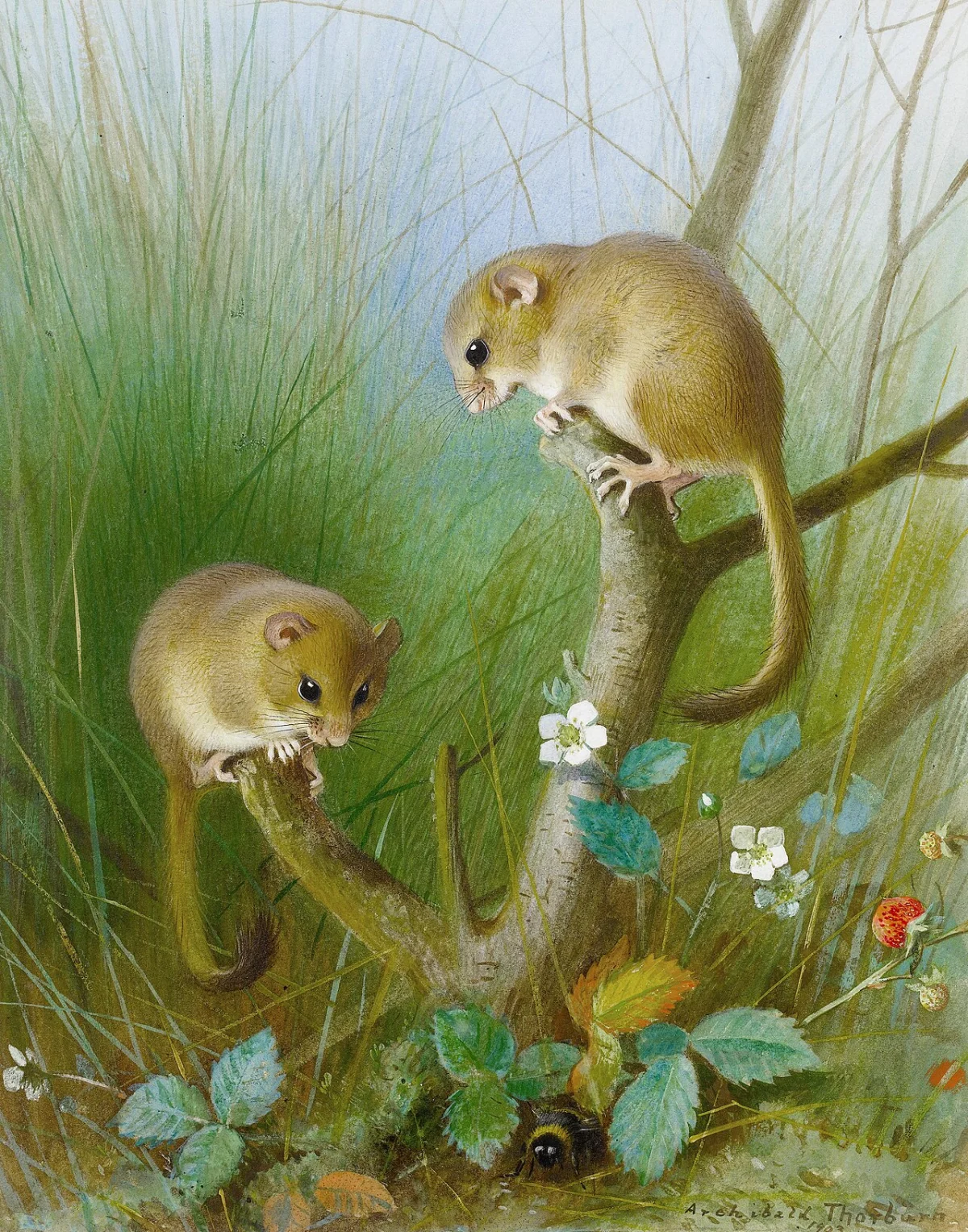
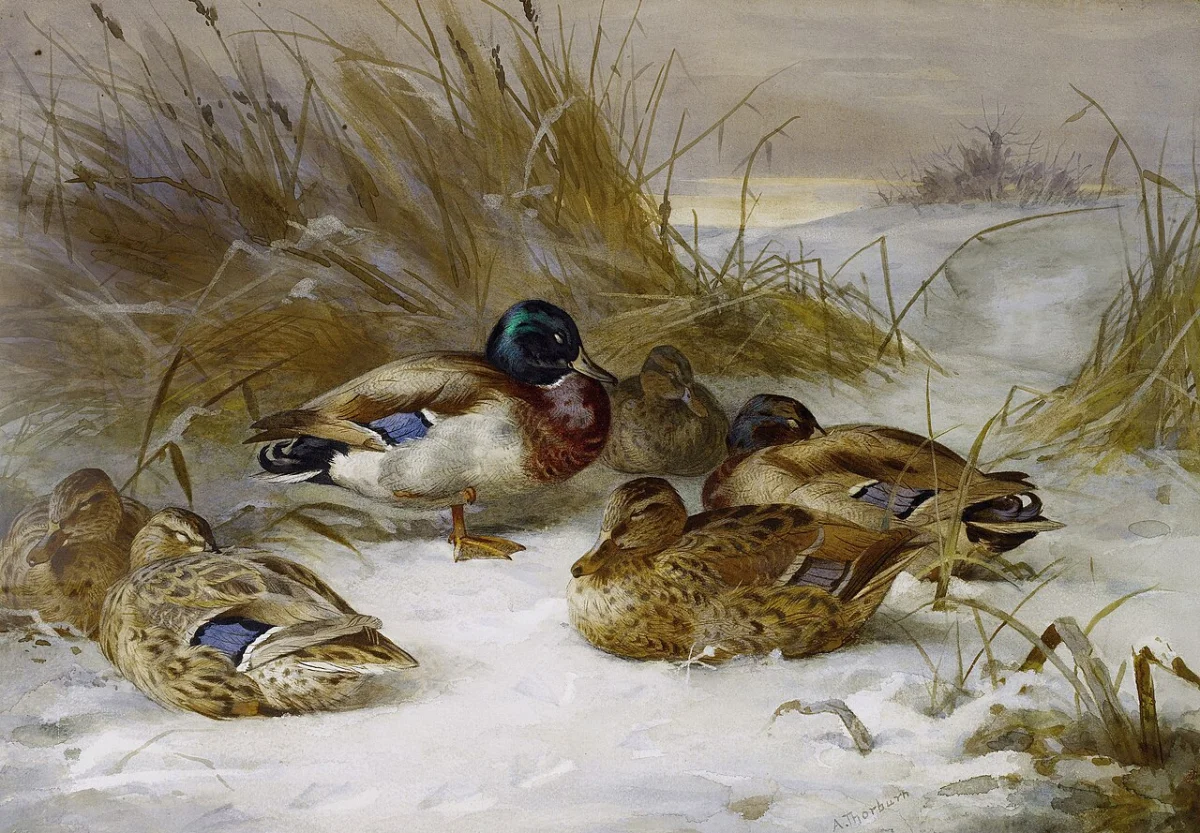
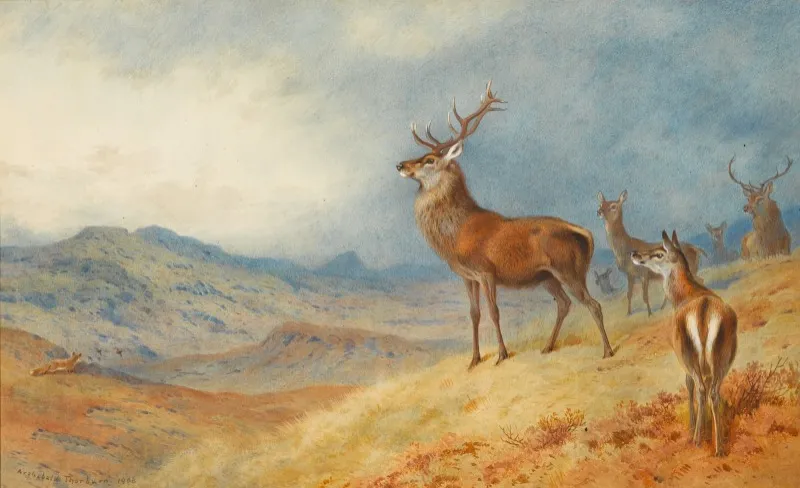
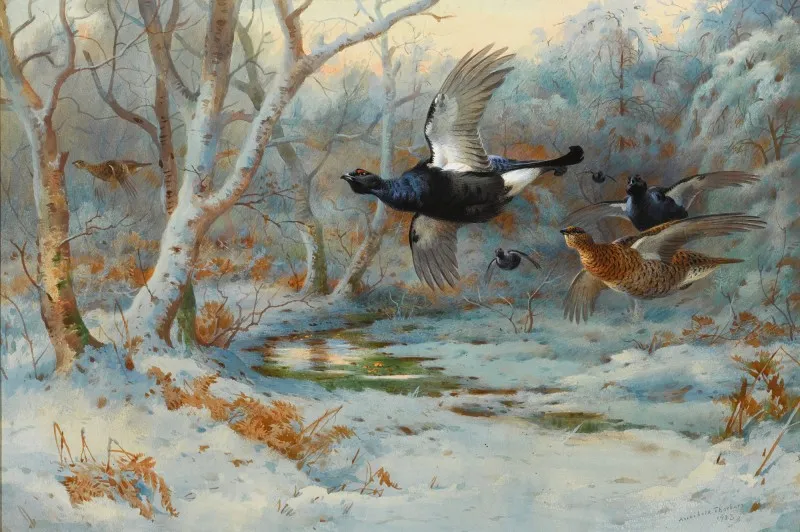
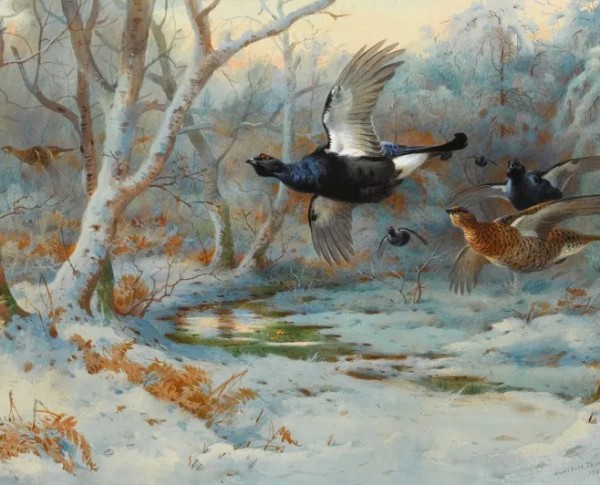
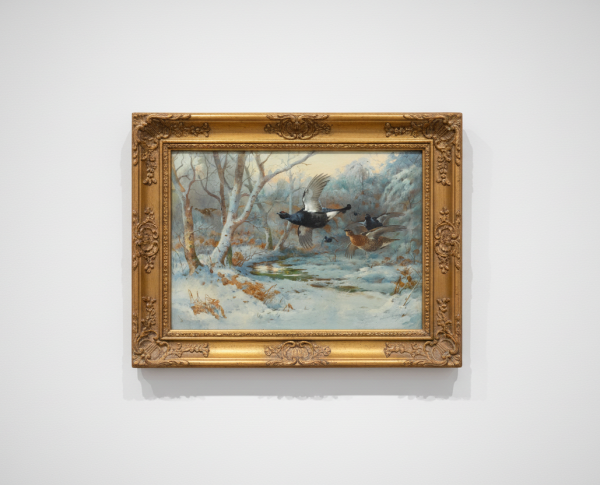
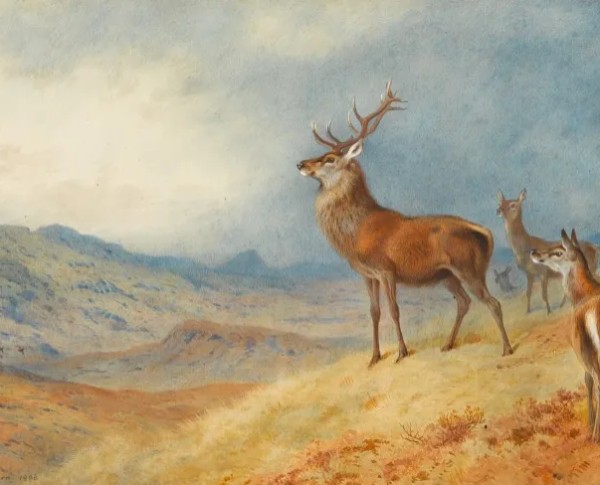
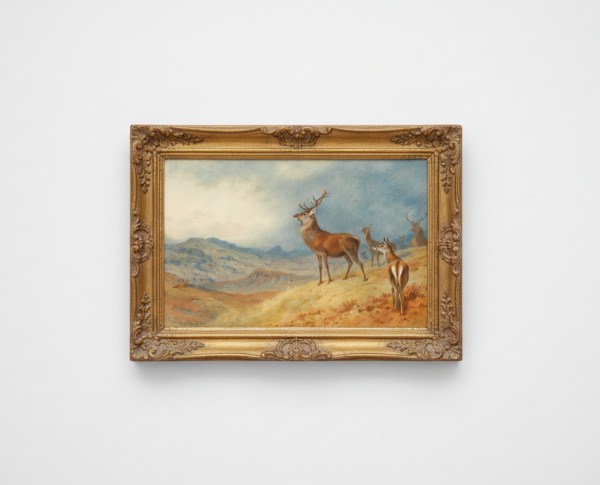
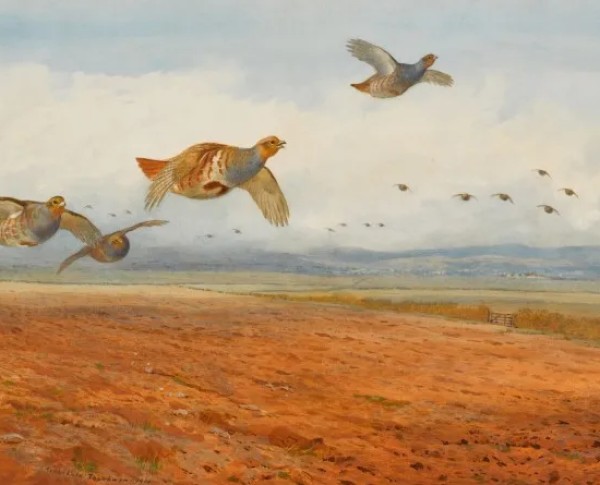
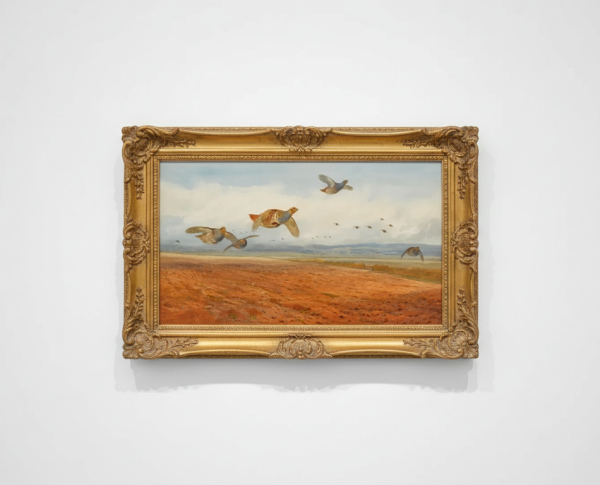
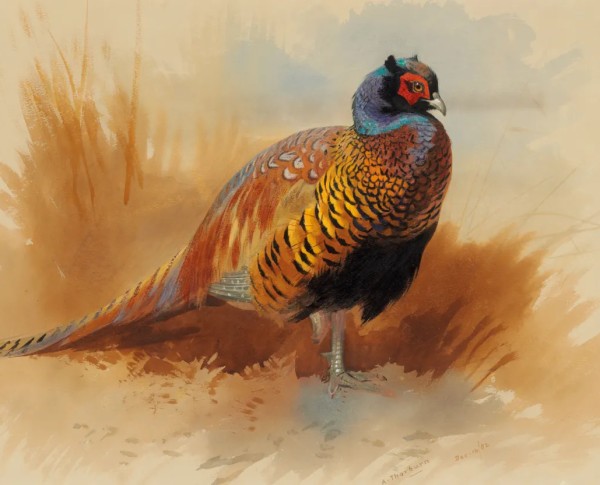
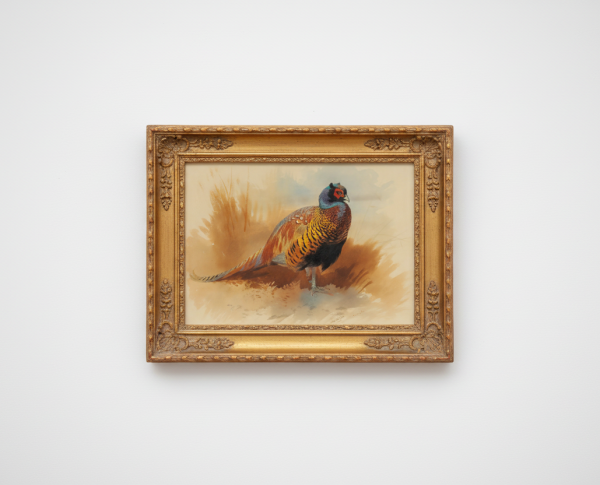
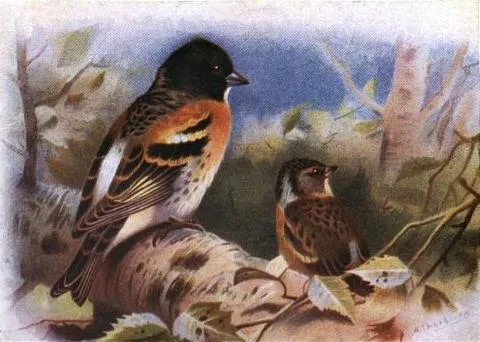
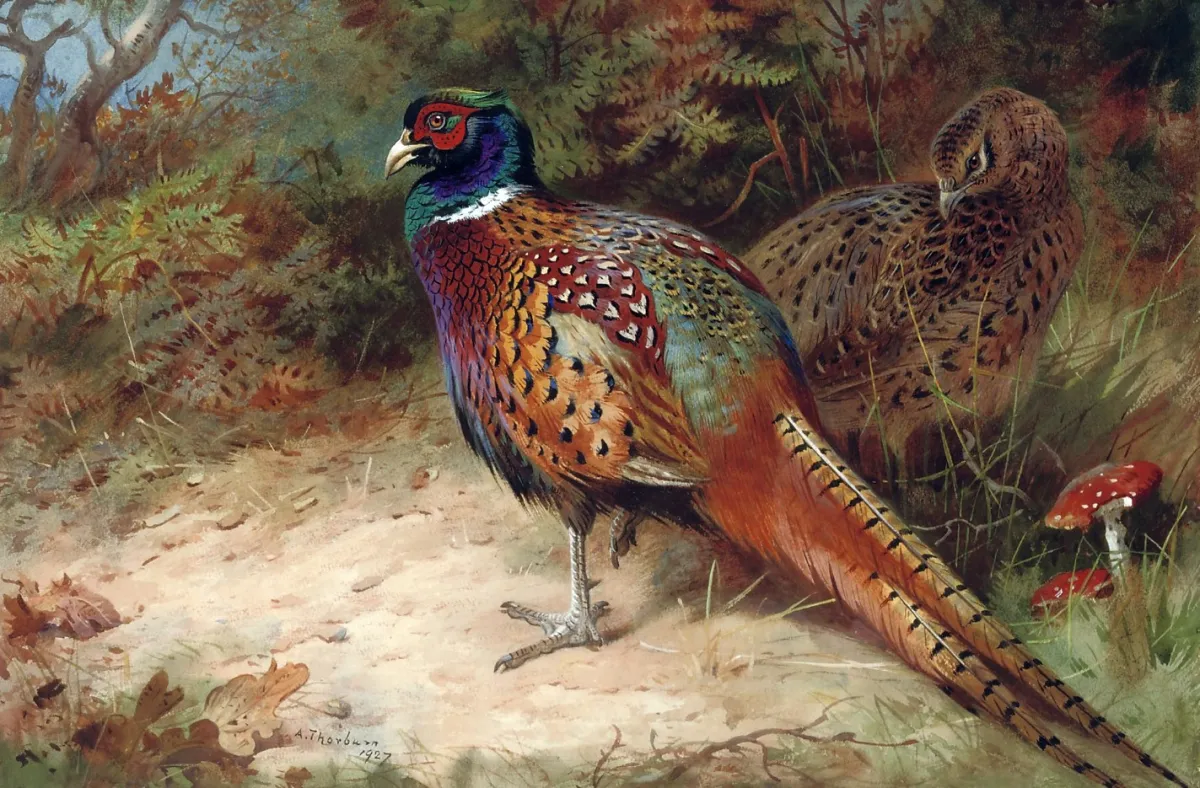
"Brambling" showcases Thorburn’s extraordinary skill with oil on canvas, rendering each feather and branch with remarkable clarity. His technique brings the Naturalism movement to life, emphasizing authenticity and the intricate details found in nature. The artist’s meticulous brushwork can also be observed in related products like "A Golden Eagle" and "Pheasants." Such mastery ensures that every Thorburn oil on canvas is a prized addition to any discerning collection.
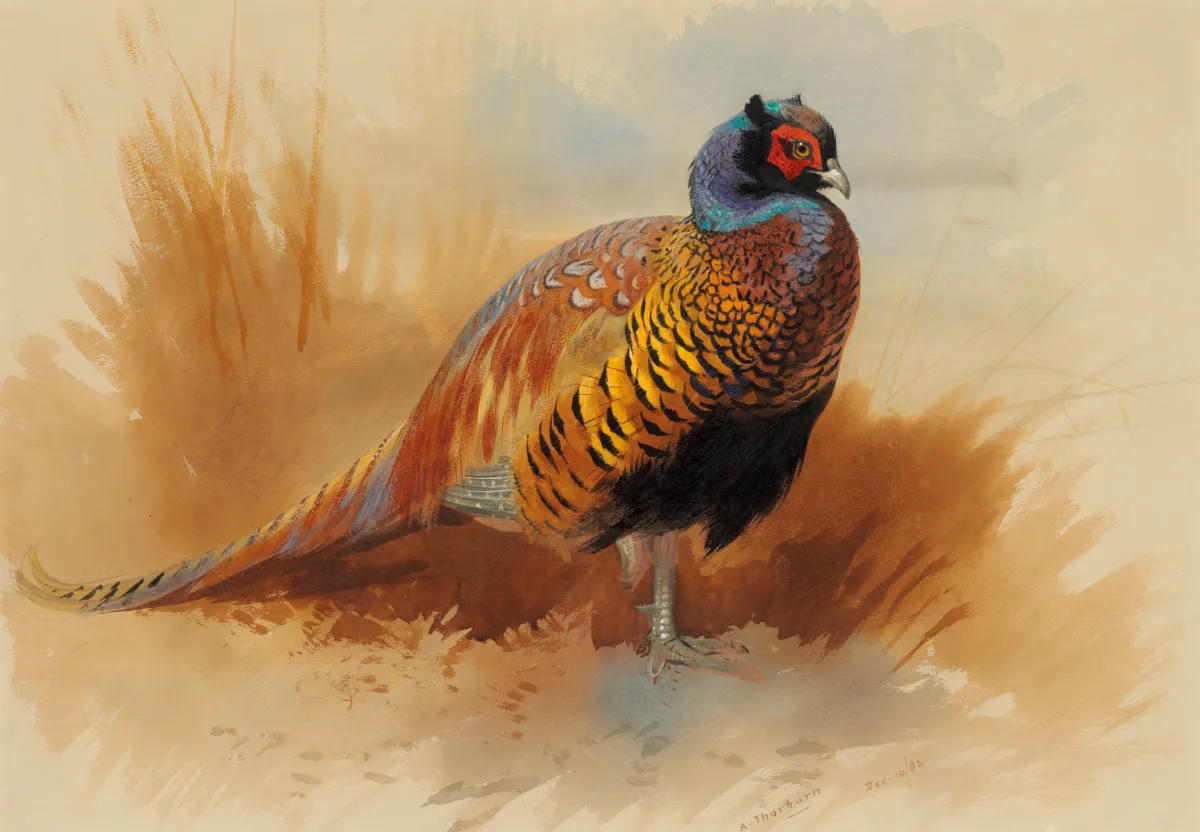
Within Thorburn’s "Brambling," viewers can discover symbolic undertones reflecting the harmony between wildlife and environment—a hallmark of the Naturalism movement. This fine art painting for sale not only tells the story of the brambling bird but also invites reflection on the interconnectedness of life. Works like "Cock and hen pheasant in the undergrowth" similarly use symbolism to deepen the viewer’s appreciation of nature and its enduring significance in art.
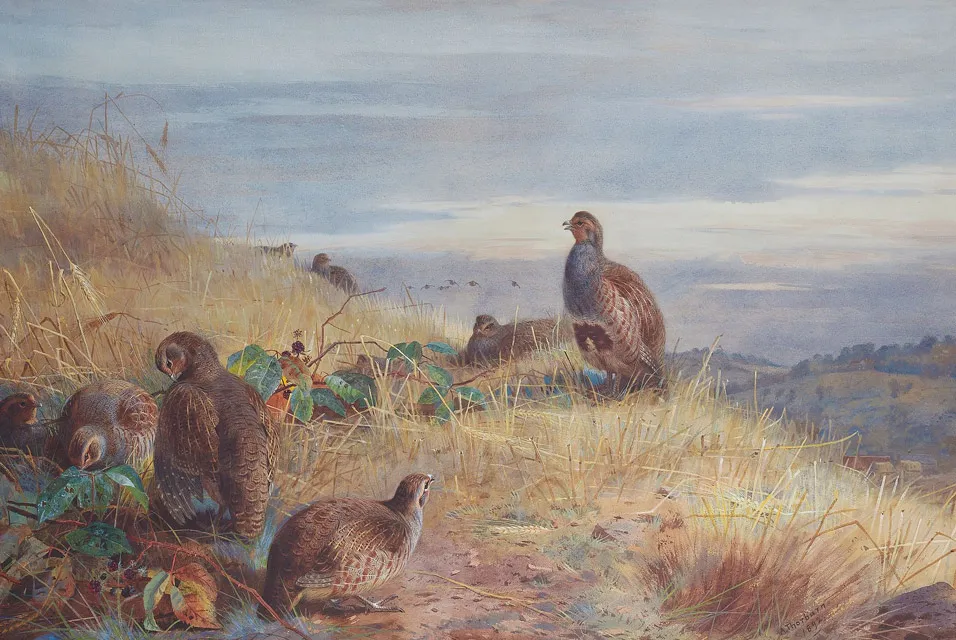
For art collectors, "Brambling" by Archibald Thorburn is a coveted fine art painting for sale, celebrated for its authenticity and craftsmanship. As with his other masterpieces, such as "Woodcock Nesting On A Beach" and "Red Partridges," this painting exemplifies the Naturalism movement’s dedication to realism. Thorburn’s works remain highly sought after, making "Brambling" an exceptional acquisition for those who value hand-painted oil paintings that capture the essence of the natural world.
When Art Meets History
Archibald Thorburn’s “Brambling” stands as a remarkable example of the Naturalism movement, capturing nature’s beauty with meticulous attention to detail. This hand-painted oil painting immerses viewers in the world of the brambling bird, reflecting Thorburn’s dedication to realism. Created during a time when artists sought authenticity, “Brambling” aligns with works like “Émile Bastien-Lepage, October” and “Portrait of the artist’s mother,” each contributing to the rich tapestry of naturalistic fine art.
Techniques That Speak
Thorburn’s mastery of oil on canvas shines through in “Brambling,” where delicate brushwork and subtle color gradients evoke the bird’s lifelike presence. His technique echoes the refined skills seen in “The Annunciation to the Shepherds” and “An ethereal beauty with putti in the clouds.” Through careful layering and nuanced lighting, Thorburn brings the brambling to life, making this oil on canvas a testament to the technical prowess of the Naturalism movement.
Emotions on Display
“Brambling” by Archibald Thorburn conveys a serene appreciation for nature, inviting viewers to pause and connect with the tranquil beauty of the wild. The artist’s gentle rendering of the bird elicits a sense of wonder and quiet admiration, much like the emotional resonance found in “Portrait of the artist’s mother.” This fine art painting for sale captures the tender emotions that define Naturalism, offering a window into both the subject’s world and the artist’s soul.
Coveted by Collectors
Collectors and art enthusiasts cherish “Brambling” for its exquisite detail and historical significance within the Naturalism movement. As a hand-painted oil painting, it holds enduring appeal, much like the sought-after works “Émile Bastien-Lepage, October” and “An ethereal beauty with putti in the clouds.” Thorburn’s ability to blend artistry with authenticity ensures that “Brambling” remains a prized addition to any collection of fine art painting for sale.
Related Naturalism Hand-Painted Oil Paintings by Other Artists
Other Famous Naturalism Artists:
Frequently Asked Questions About Brambling
What is the historical context of "Brambling"?
"Brambling," painted by Archibald Thorburn in the early 20th century, reflects the growing interest in natural history and wildlife conservation during this period. It captures the essence of the British countryside and the avian species that inhabit it, aligning with the Victorian and Edwardian fascination with nature.
What artistic techniques did Archibald Thorburn employ in "Brambling"?
Thorburn utilized meticulous detail and vibrant color palettes to depict the brambling and its environment. His technique often involved layering colors to create depth and realism, showcasing his mastery in watercolor and oil painting.
What symbolism is present in "Brambling"?
The brambling in the painting symbolizes adaptability and the beauty of nature. It serves as a reminder of the delicate balance within ecosystems and the importance of preserving wildlife habitats.
How does "Brambling" reflect Archibald Thorburn's artistic style?
"Brambling" exemplifies Thorburn's signature style, characterized by realistic portrayals of birds and their natural habitats. His attention to detail and ability to capture the essence of his subjects are hallmarks of his work.
What influences can be seen in "Brambling"?
The influences of the Pre-Raphaelite movement and the naturalism of the 19th century are evident in "Brambling." Thorburn's work often drew inspiration from the detailed studies of nature and the emphasis on realism found in these artistic movements.
In what ways does "Brambling" contribute to our understanding of wildlife art?
"Brambling" contributes significantly to wildlife art by showcasing the intricate relationship between birds and their environments. It highlights the importance of biodiversity and encourages viewers to appreciate and protect wildlife.
What is the significance of the setting in "Brambling"?
The setting in "Brambling" is crucial as it provides context for the bird's behavior and habitat. The naturalistic background enhances the viewer's understanding of the brambling's lifestyle and the ecological environment it thrives in.
How does "Brambling" compare to other works by Archibald Thorburn?
Compared to other works by Thorburn, "Brambling" showcases his evolving technique and deepening understanding of avian subjects. While many of his pieces focus on individual species, this painting emphasizes the interaction between the bird and its habitat.
What role did Archibald Thorburn play in the field of ornithology?
Archibald Thorburn was not only an artist but also an avid ornithologist. His detailed observations and illustrations contributed to the scientific community's understanding of bird species, making him a pivotal figure in the intersection of art and science.
What can viewers learn from "Brambling" about conservation efforts?
"Brambling" serves as an artistic call to action for conservation efforts. By depicting the beauty and fragility of wildlife, it encourages viewers to reflect on their role in protecting natural habitats and the species that depend on them.























_GFM_Painting_(1).webp)


 100% Hand-Painted: Finished in 3-6 Weeks

.png)















_(1).webp)