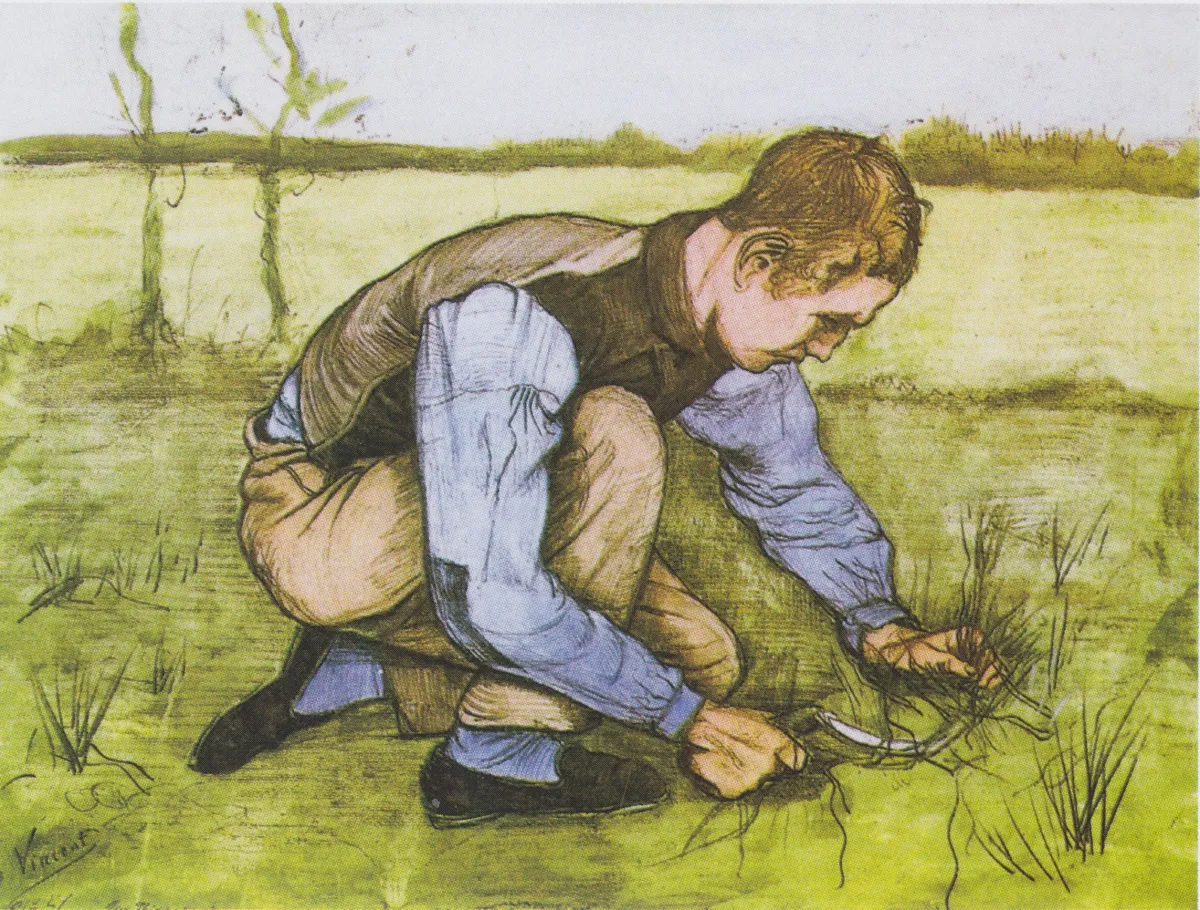
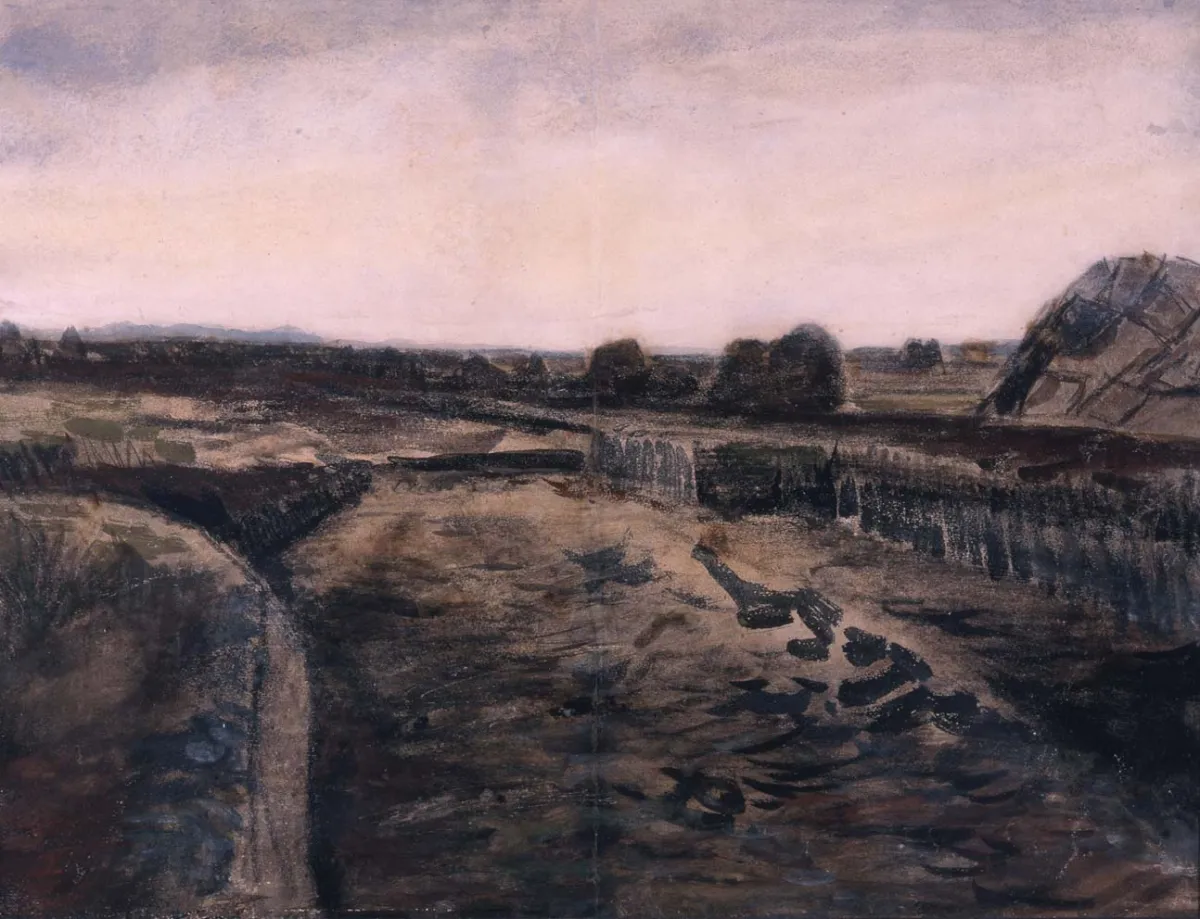
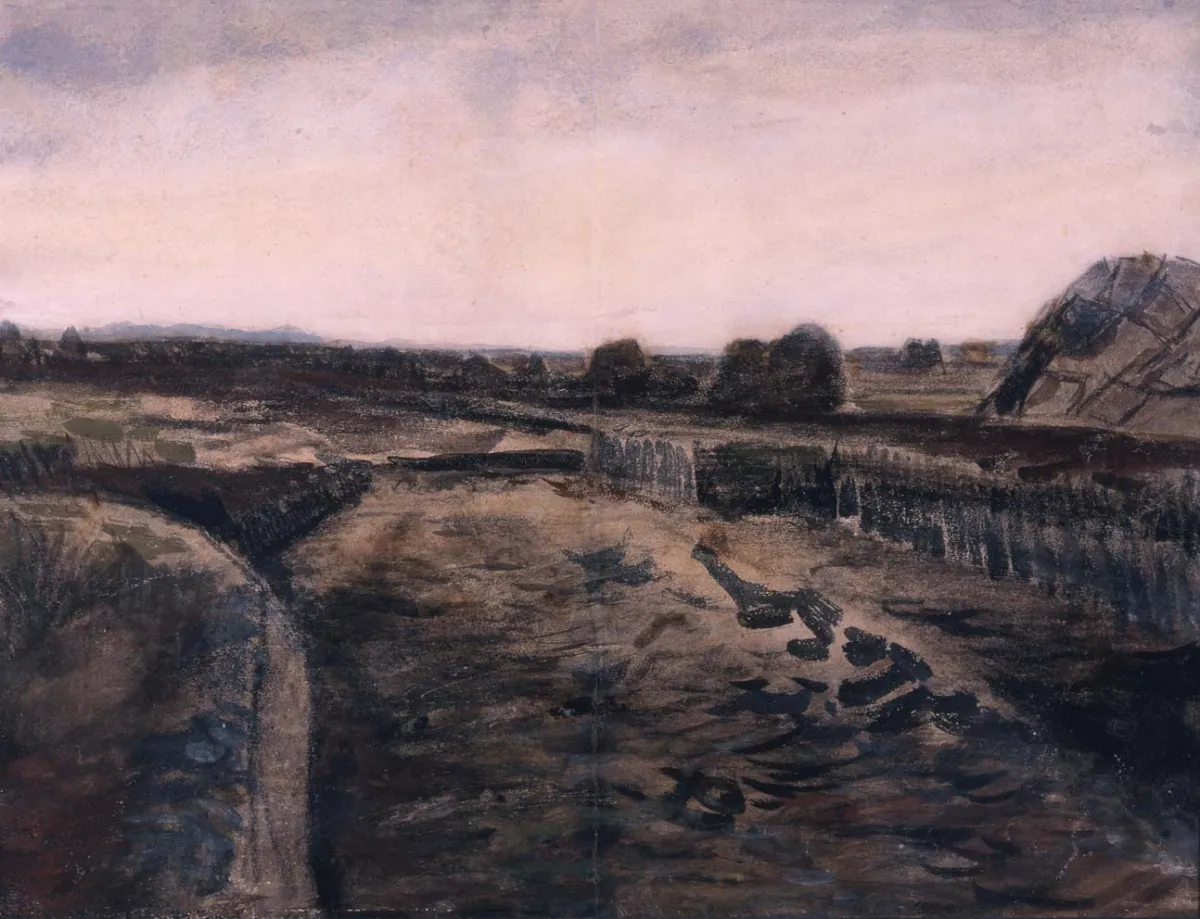
Vincent Van Gogh’s "Peatery in Drenthe" is a remarkable example of his mastery with oil on canvas. The painting’s textured brushwork and evocative color palette bring the serene peat fields to life, showcasing the hallmarks of Post-Impressionism. Van Gogh’s innovative techniques are echoed in related pieces such as "Bridges Across The Seine At Asnieres" and "Harvest At La Crau With Montmajour In The Background," illustrating his enduring influence on modern art.
Every detail in "Peatery in Drenthe" tells a story, making it a fine art painting for sale that invites viewers into Van Gogh’s world. The muted tones and expressive lines symbolize the simplicity and resilience of rural life, themes that recur throughout the Post-Impressionism movement. Collectors often pair this evocative scene with works like "Town d’Avray: L’Etang au Batelier" and "Vincent’s Boarding House in Hackford Road, Brixton, London" for a richer narrative.
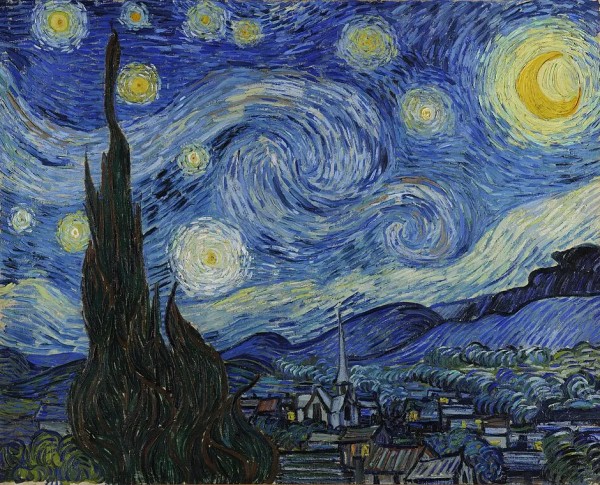
Owning "Peatery in Drenthe" as a hand-painted oil painting is a rare opportunity for art lovers and collectors. This Post-Impressionist gem by Vincent Van Gogh not only enhances any collection but also connects you to a pivotal era in art history. When displayed alongside related masterpieces such as "Cypress against a Starry Sky" or "Vase With Red Poppies," it becomes a centerpiece that truly elevates your gallery or living space.
When Art Meets History
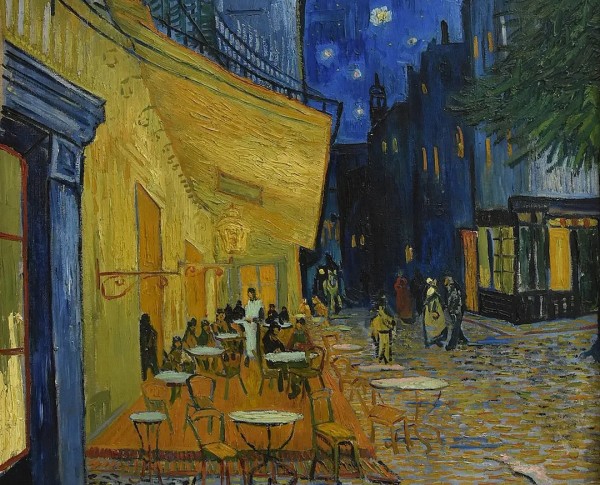
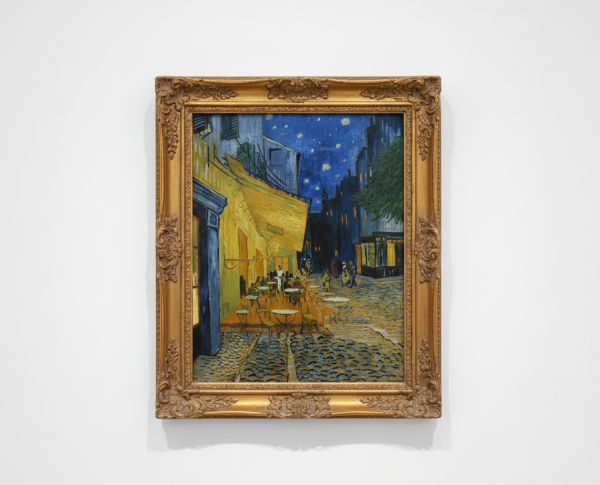
"Peatery in Drenthe" by Vincent Van Gogh is a remarkable hand-painted oil painting that captures the rural essence of the Drenthe region. Created during Van Gogh’s early years, this piece reflects the beginnings of his journey into the Post-Impressionism movement. As with his other works like "The Night Café in Arles" and "Self-portrait with hat," Van Gogh’s keen observation of everyday life is evident, making this painting a valuable window into art history.
Techniques That Speak
Van Gogh’s mastery of oil on canvas shines in "Peatery in Drenthe." His brushwork and textured layers bring depth and movement to the landscape, echoing techniques seen in "The Models" and "Martinique Landscape." The use of earthy tones and expressive strokes is characteristic of Post-Impressionism, showcasing Van Gogh’s evolving style. This oil on canvas painting demonstrates how Van Gogh experimented with color and light to evoke a powerful sense of place.
Emotions on Display
The emotional resonance of "Peatery in Drenthe" is palpable, as Van Gogh infuses the serene landscape with a sense of solitude and introspection. Like "Morning Mist on the Orwell," the painting’s muted palette and gentle forms evoke contemplation. This fine art painting for sale is a testament to Van Gogh’s ability to channel his feelings through art, connecting deeply with viewers and inviting them to experience the quiet beauty of the Drenthe countryside.
Coveted by Collectors
Collectors highly prize "Peatery in Drenthe" for its historical significance and unique representation of Van Gogh’s Post-Impressionism period. As with his renowned works such as "The Night Café in Arles" and "Self-portrait with hat," the painting’s authenticity and artistry make it a sought-after hand-painted oil painting. Its rarity and connection to Van Gogh’s journey assure its status as a coveted piece among fine art connoisseurs and collectors worldwide.
Related Post-Impressionism Hand-Painted Oil Paintings by Other Artists
Other Famous Post-Impressionism Artists:
Frequently Asked Questions About Peatery in Drenthe
What is the historical context of "Peatery in Drenthe"?
"Peatery in Drenthe" was painted by Vincent Van Gogh in 1883 during his time in the Netherlands. This period was marked by Van Gogh's exploration of rural life and his interest in the working class, particularly in the agricultural landscapes of Drenthe.
What artistic techniques did Van Gogh employ in this painting?
Van Gogh utilized bold brush strokes and a vibrant color palette to convey the texture of the peat bogs and the surrounding landscape. His characteristic impasto technique adds depth and dynamism to the scene.
What themes are present in "Peatery in Drenthe"?
The painting embodies themes of labor and the connection between humans and nature. It reflects Van Gogh's fascination with the rural working class and their relationship to the land.
How does "Peatery in Drenthe" reflect Van Gogh's artistic evolution?
This work marks a significant point in Van Gogh's evolution as an artist, showcasing his transition from dark, somber tones to a brighter, more expressive use of color and light, which would later define his iconic style.
What symbolism can be found in the depiction of the peat bogs?
The peat bogs symbolize the toil and hardship of rural life. They represent both the physical labor involved in peat extraction and the deeper connection between the land and the people who work it.
Why did Van Gogh choose to paint rural landscapes like "Peatery in Drenthe"?
Van Gogh was deeply inspired by the simplicity and authenticity of rural life. He sought to capture the beauty and struggles of the working class, believing that their lives were rich with meaning and worthy of artistic representation.
What influence did "Peatery in Drenthe" have on later artists?
This painting influenced subsequent generations of artists who sought to explore themes of nature and labor. Van Gogh's emotive brushwork and use of color paved the way for movements such as Expressionism and Post-Impressionism.
How does the composition of "Peatery in Drenthe" contribute to its overall impact?
The composition draws the viewer's eye through the landscape, creating a sense of depth and movement. The placement of figures within the expansive natural setting emphasizes their connection to the environment.
What is the significance of the color palette used in "Peatery in Drenthe"?
Van Gogh's use of earthy tones, combined with vibrant greens and blues, evokes a sense of harmony with nature. This color palette reflects the mood of the landscape and the emotional resonance of the scene.
In what ways does "Peatery in Drenthe" exemplify Van Gogh's style?
The painting exemplifies Van Gogh's distinctive style through its expressive brushwork, vivid colors, and emotional depth. It encapsulates his ability to convey the essence of a moment through a unique artistic lens.






















_GFM_Painting_(1).webp)


 100% Hand-Painted: Finished in 3-6 Weeks

.png)
















_(1).webp)