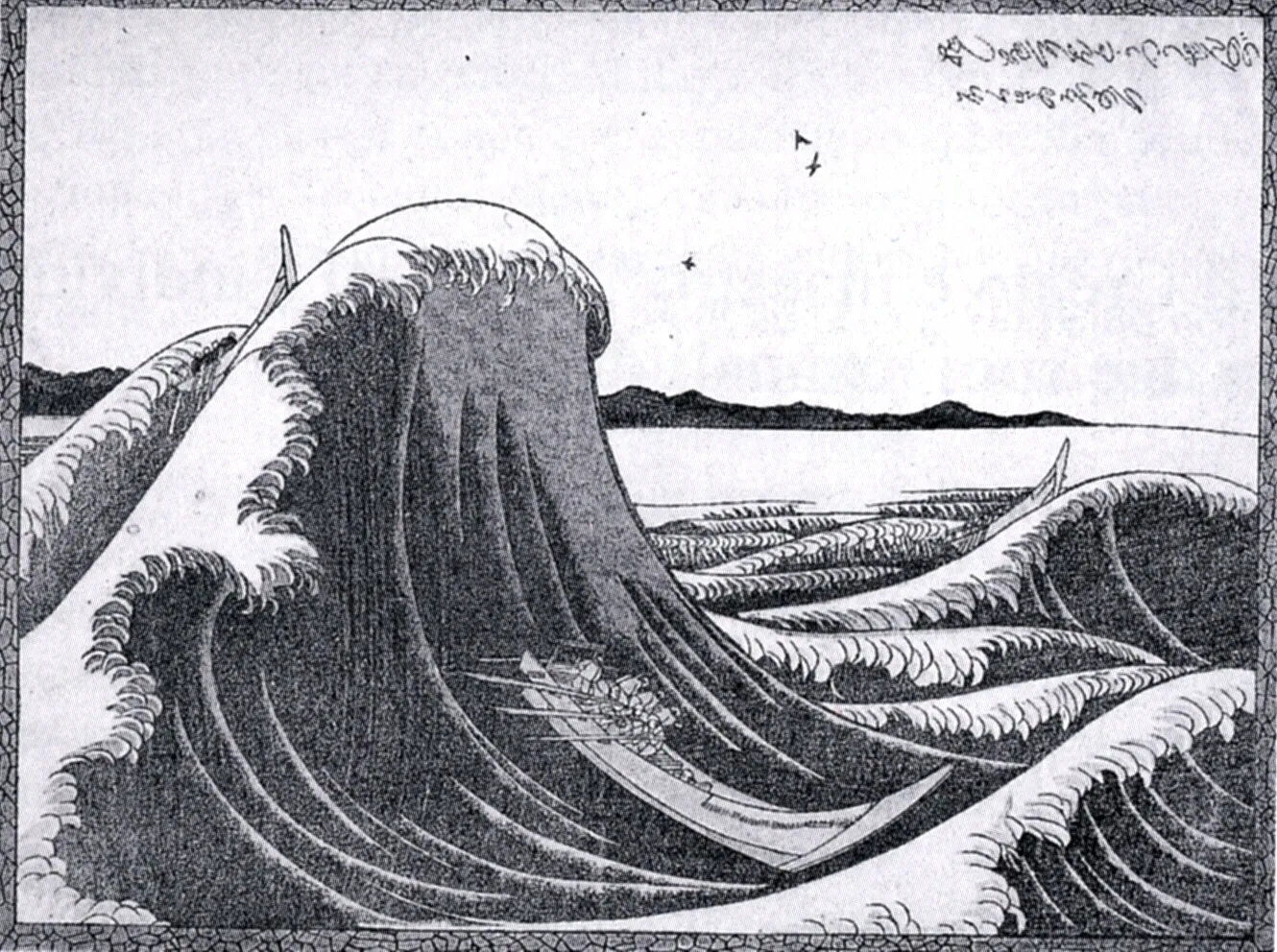
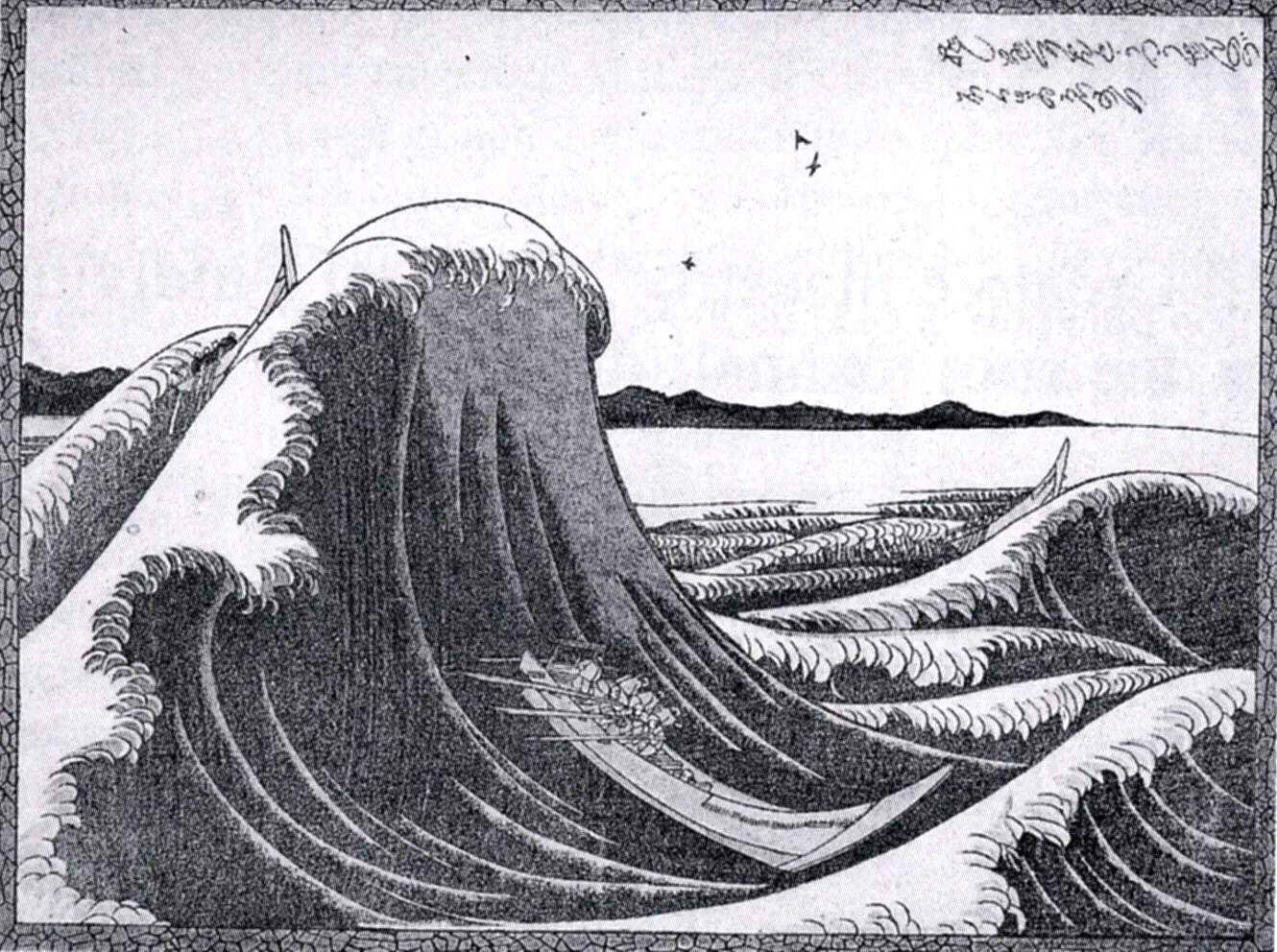
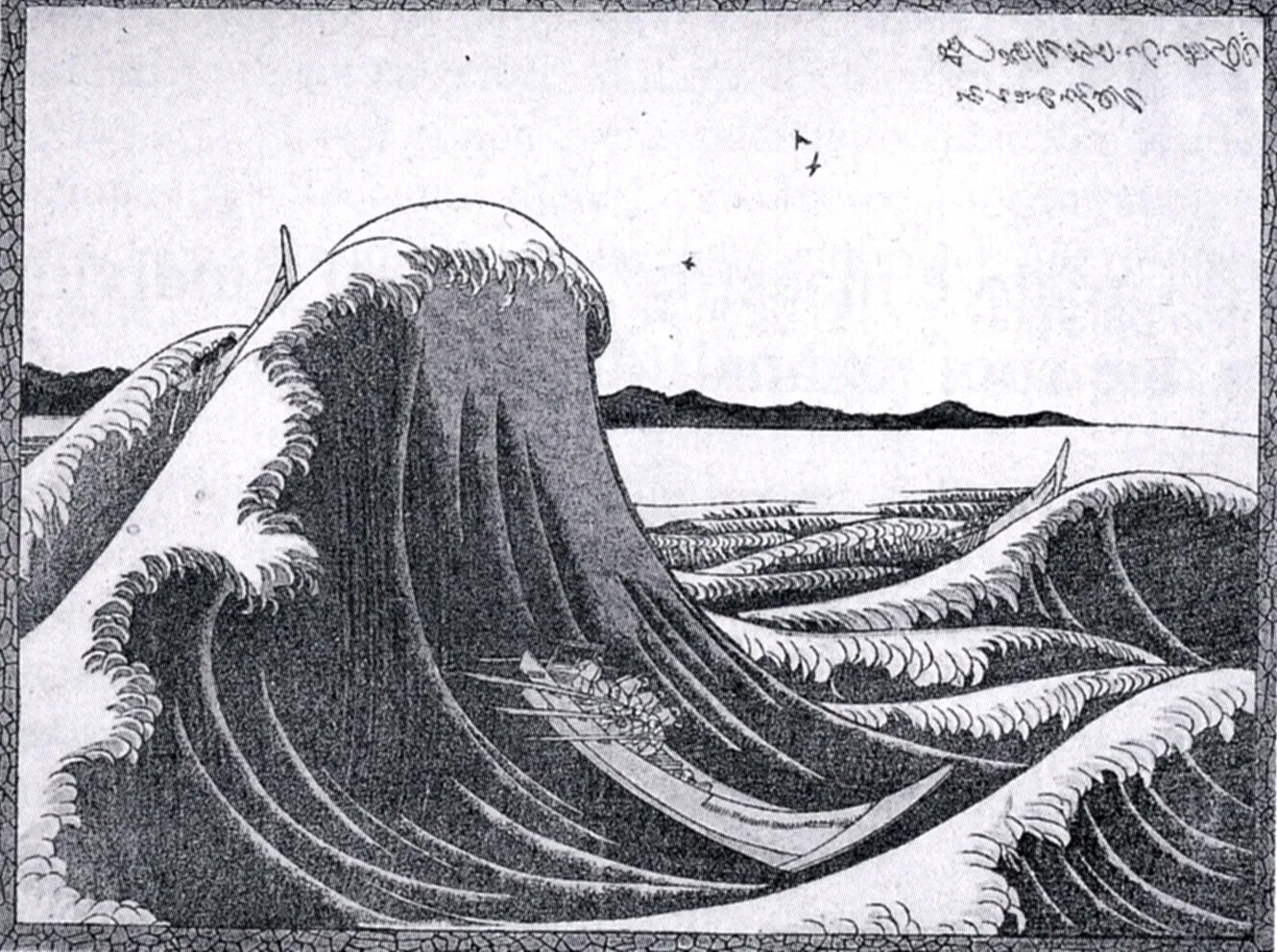
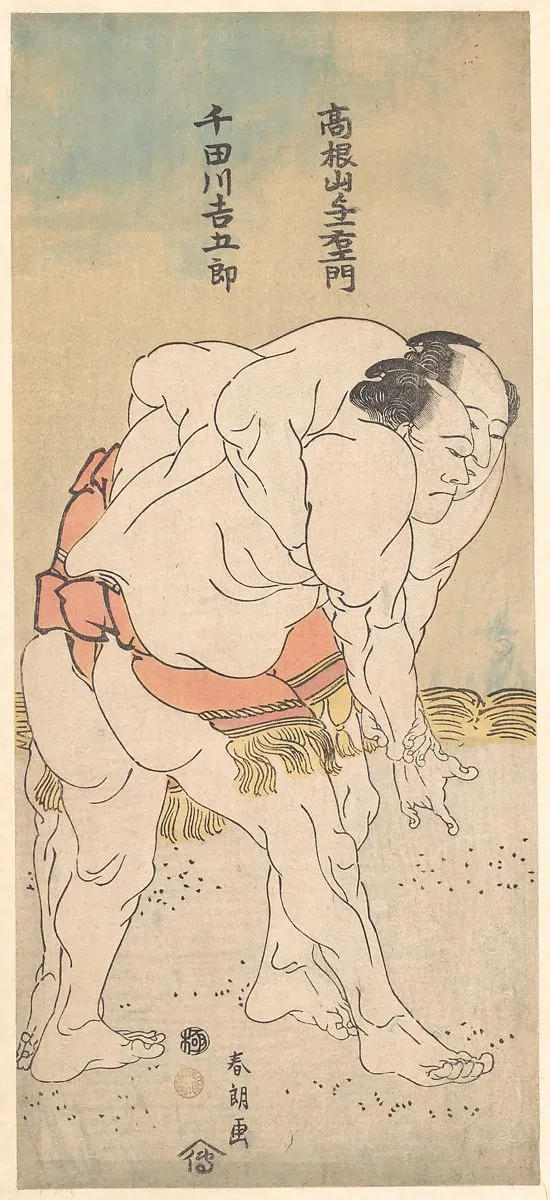
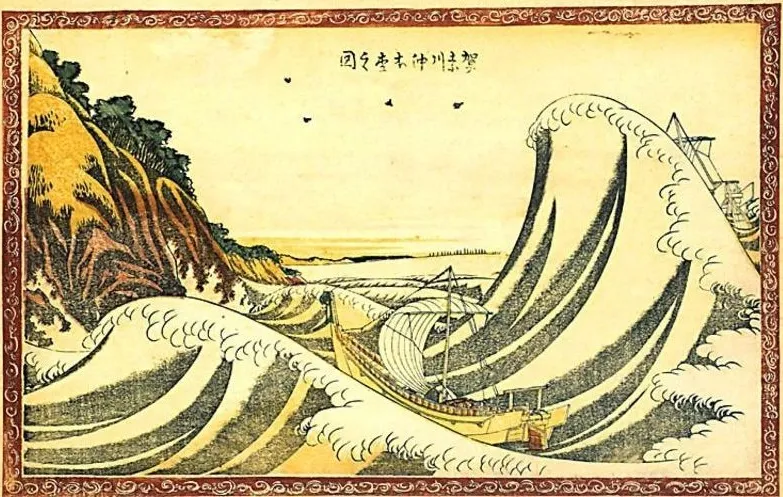
"Cargo ship and wave" exemplifies Hokusai’s mastery of oil on canvas, blending meticulous detail with sweeping motion. Each brushstroke demonstrates his deep understanding of the sea’s power and the resilience of those who traverse it. This fine art painting for sale showcases the artist’s unique ability to evoke emotion through composition and color. For collectors, works like "The Sumo Wrestlers Takaneyama Yoichiemon and Sendagawa Kichigoro" offer further insight into Hokusai's technical brilliance.
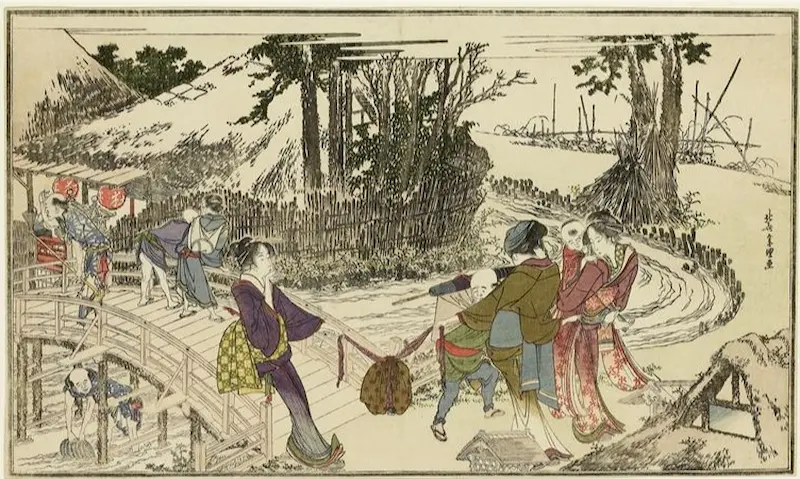
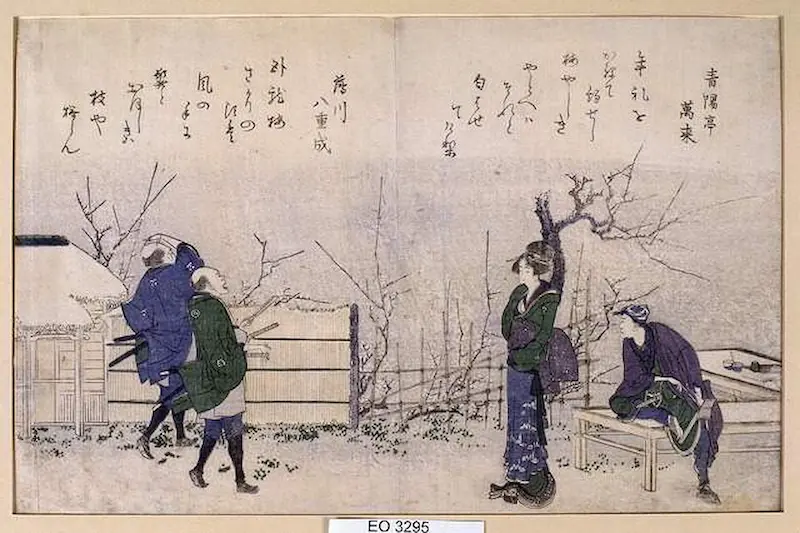
Within "Cargo ship and wave," Hokusai weaves narratives of courage and the unpredictable forces of nature, emblematic of the Ukiyo-e movement. The painting’s symbolism resonates with themes of perseverance and adventure, making it a sought-after hand-painted oil painting for enthusiasts. Other evocative works, such as "Women walking in a garden" and "Woman in an Interior," reflect Hokusai’s fascination with everyday life and the stories hidden within the ordinary.
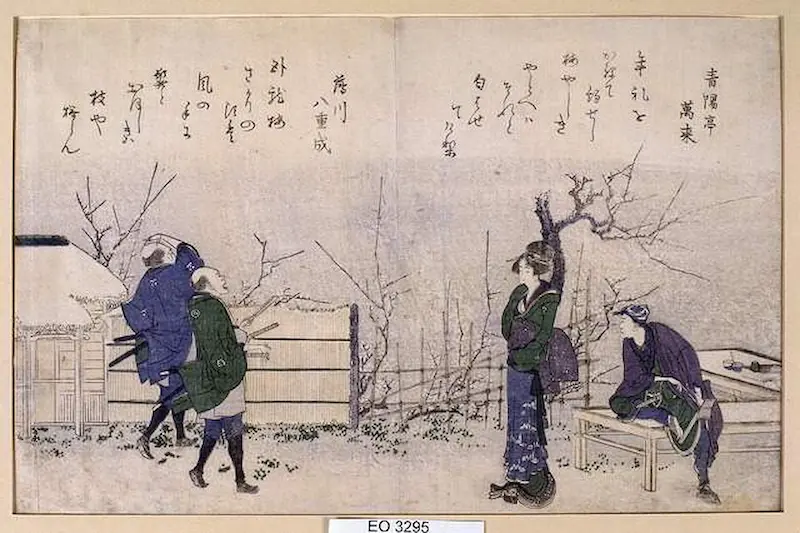
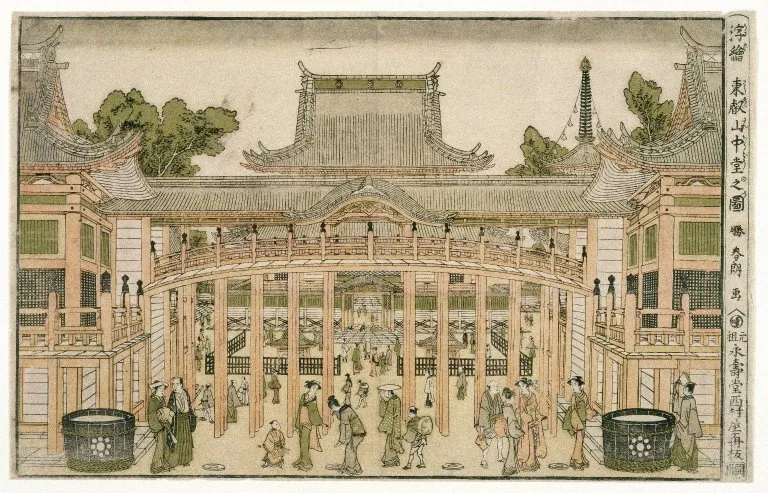
Owning "Cargo ship and wave" by Katsushika Hokusai means possessing a remarkable piece of art history. As a fine art painting for sale, it appeals to collectors who value both aesthetic beauty and historical significance. The Ukiyo-e movement’s influence is evident throughout Hokusai’s portfolio, including related oil on canvas works like "Teahouse Umeyashiki." Each painting enriches any collection with timeless elegance and cultural depth.
When Art Meets History
Katsushika Hokusai’s “Cargo ship and wave” stands as a remarkable example of the Ukiyo-e movement, reflecting Japan’s vibrant maritime history. This hand-painted oil painting captures a pivotal moment when commerce and nature intersect, highlighting the significance of seafaring in Edo-period society. Like Hokusai’s other celebrated works, this piece immortalizes the everyday struggles and triumphs of its era, making it a treasured addition to the world of fine art painting for sale.
Techniques That Speak
Hokusai’s mastery is evident in “Cargo ship and wave,” where the meticulous brushwork and dynamic composition define the Ukiyo-e style. The artist’s use of oil on canvas brings depth and vibrancy to the swirling water and sturdy boat, echoing his iconic technique seen in related paintings. Through delicate gradations and bold lines, Hokusai conveys motion and tension, demonstrating why his works remain a benchmark for artists and admirers of traditional Japanese oil on canvas masterpieces.
Emotions on Display
In “Cargo ship and wave,” Hokusai channels the raw emotion of sailors facing the might of nature. The painting’s tumultuous waves and the determined vessel evoke feelings of resilience and hope, hallmark traits of Ukiyo-e’s narrative power. Each brushstroke in this hand-painted oil painting tells a story of perseverance, drawing viewers into the emotional landscape. This ability to connect deeply with audiences is what makes Hokusai’s fine art painting for sale so enduringly popular.
Coveted by Collectors
Collectors worldwide seek “Cargo ship and wave” for its historical relevance and artistic brilliance. As an oil on canvas work by Hokusai, it embodies the essence of Ukiyo-e and the artist’s innovative spirit. The painting’s rarity and connection to a celebrated master make it a highly prized fine art painting for sale. Its allure is further enhanced when displayed alongside other renowned works by Hokusai, illustrating the continuing fascination with his creative legacy.
Frequently Asked Questions About Cargo ship and wave
What historical period does "Cargo ship and wave" belong to?
"Cargo ship and wave" was created during the Edo period in Japan, specifically in the early 19th century, a time known for its flourishing arts and culture.
Who is the artist behind "Cargo ship and wave"?
The painting was created by Katsushika Hokusai, a prominent Japanese ukiyo-e artist renowned for his woodblock prints and paintings.
What artistic techniques did Hokusai employ in this artwork?
Hokusai utilized traditional ukiyo-e techniques, including vibrant color palettes and dynamic compositions, to capture the movement of the wave and the cargo ship.
What is the significance of the wave in "Cargo ship and wave"?
The wave symbolizes the power of nature and the challenges faced by seafarers, reflecting the relationship between humanity and the natural world.
How does "Cargo ship and wave" reflect Japanese culture?
The painting embodies the Japanese appreciation for nature and maritime life, showcasing the importance of trade and transportation in Edo period society.
What themes are prevalent in "Cargo ship and wave"?
The artwork explores themes of resilience, the beauty of nature, and the interplay between human endeavors and the forces of the sea.
How does Hokusai's style influence modern art?
Hokusai's innovative use of color and perspective has significantly influenced various art movements, including Impressionism and Post-Impressionism, inspiring countless artists worldwide.
What materials were used in the creation of "Cargo ship and wave"?
The artwork was created using traditional woodblock printing techniques, which involved hand-carving designs into wood blocks and applying ink to paper.
In what ways does "Cargo ship and wave" showcase Hokusai's mastery of composition?
The composition effectively balances the ship and the wave, drawing the viewer's eye through the dynamic movement, demonstrating Hokusai's skill in creating depth and perspective.
What impact did "Cargo ship and wave" have on the perception of Japanese art in the West?
The painting contributed to the Japonisme movement in the West, where European artists began to embrace Japanese aesthetics, influencing their own artistic practices and appreciation for Eastern art.























_GFM_Painting_(1).webp)


 100% Hand-Painted: Finished in 3-6 Weeks

.png)















_(1).webp)